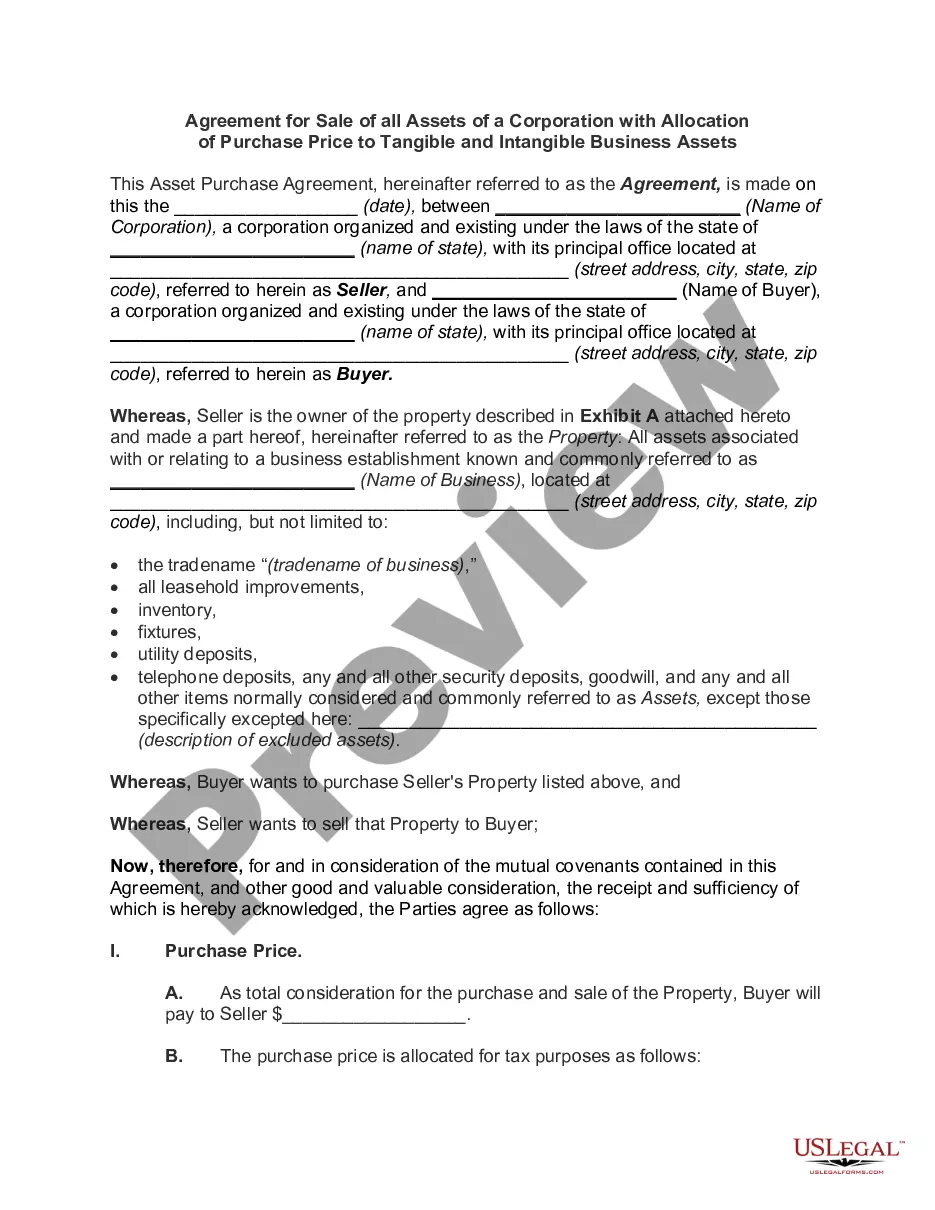
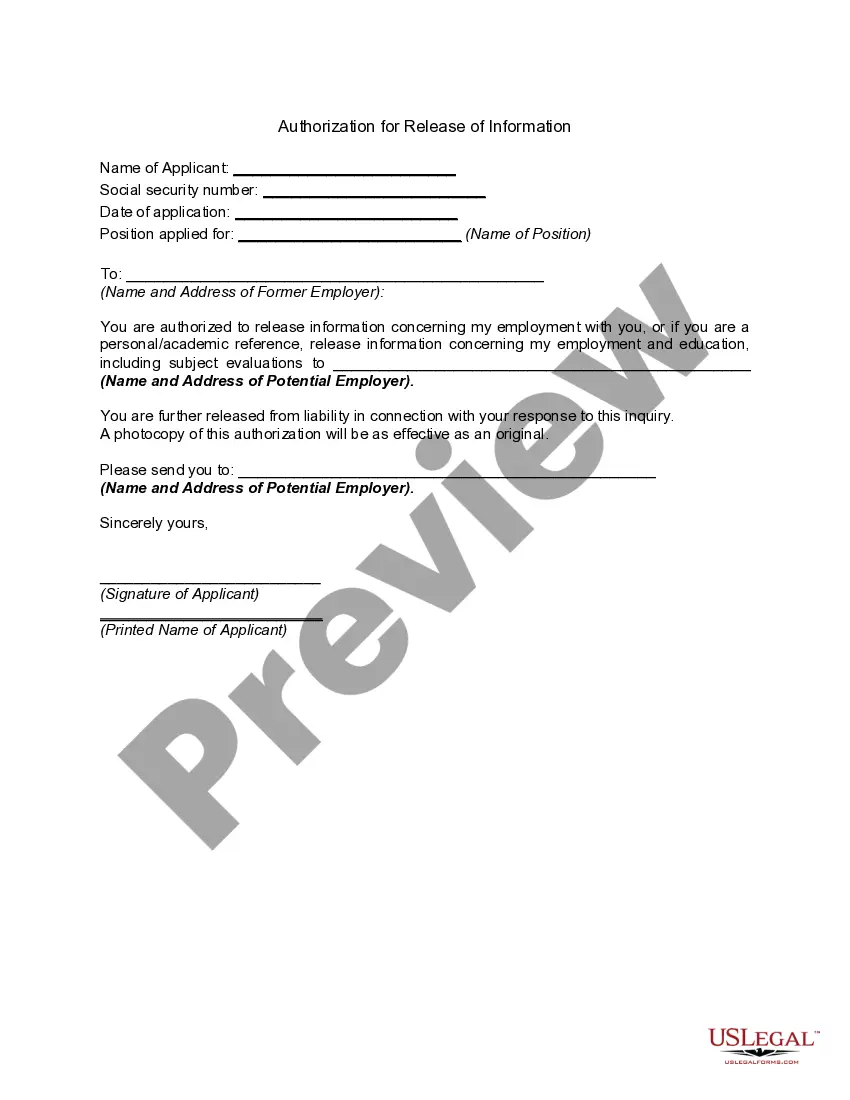
Bill of Sale in Connection with Sale of Business - Individual or Corporate Seller or Buyer. This bill of sale may include anything that is intangible but considered part of the business. These may be all licenses, processes, designs, formulas, computer programs, computer software packages, trade secrets, product manufacturing instructions etc.
Georgia Bill of Sale in Connection with Sale of Business by Individual or Corporate Seller
Instant download
Description
Free preview
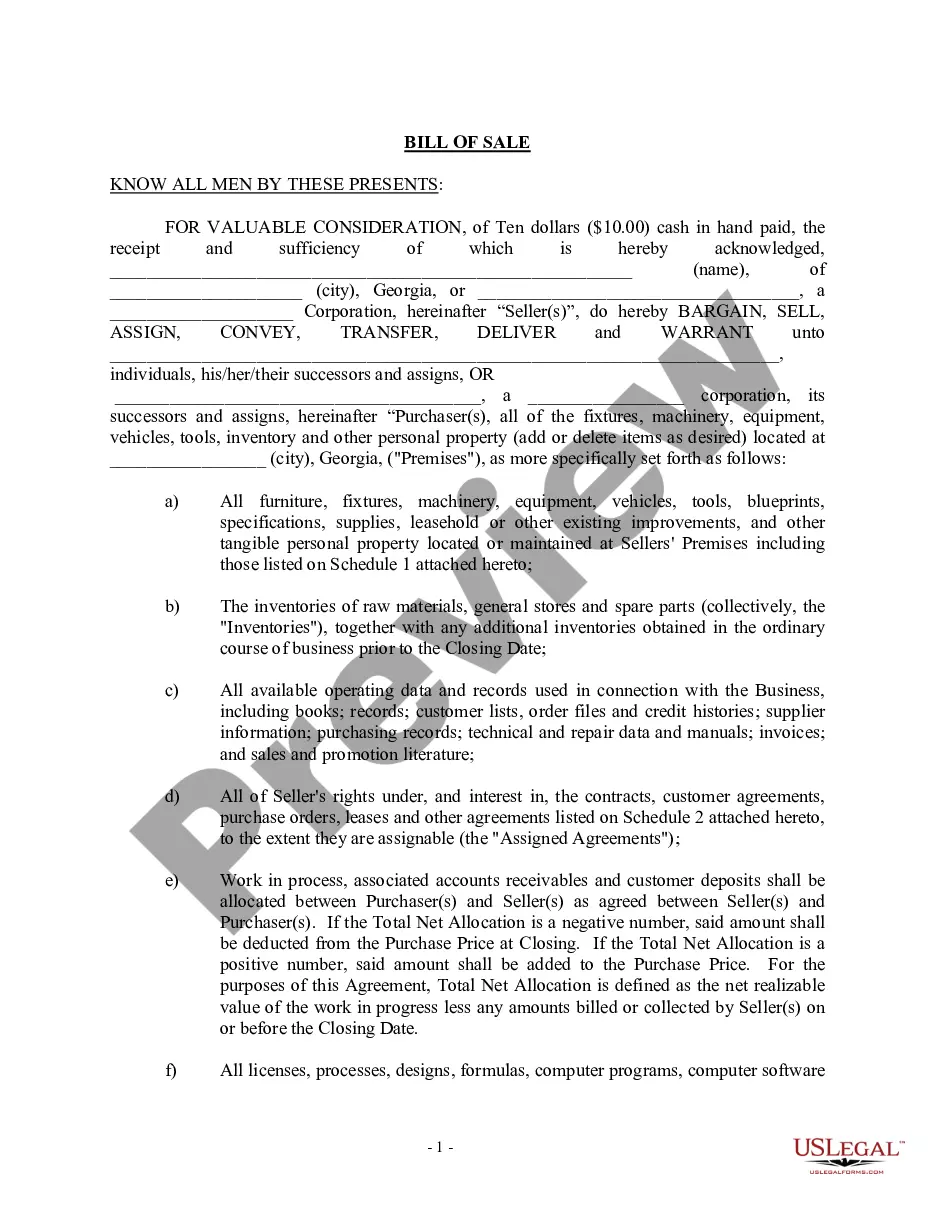
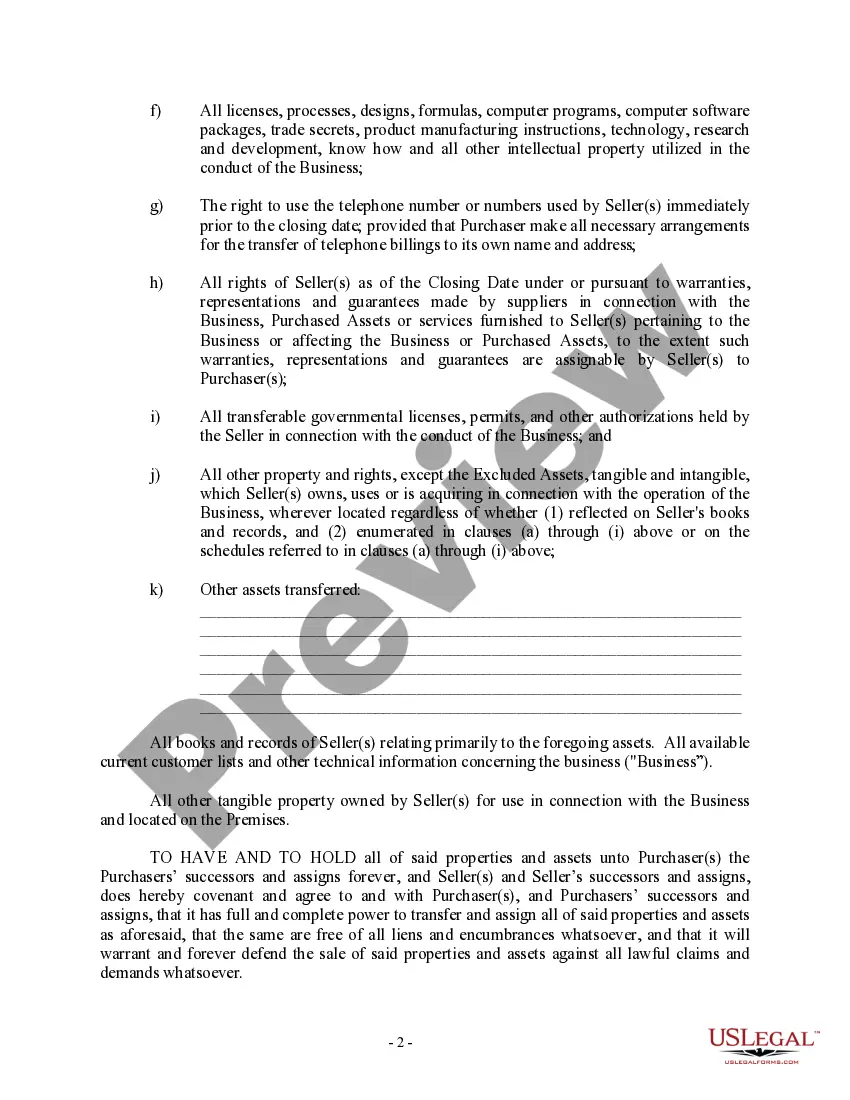
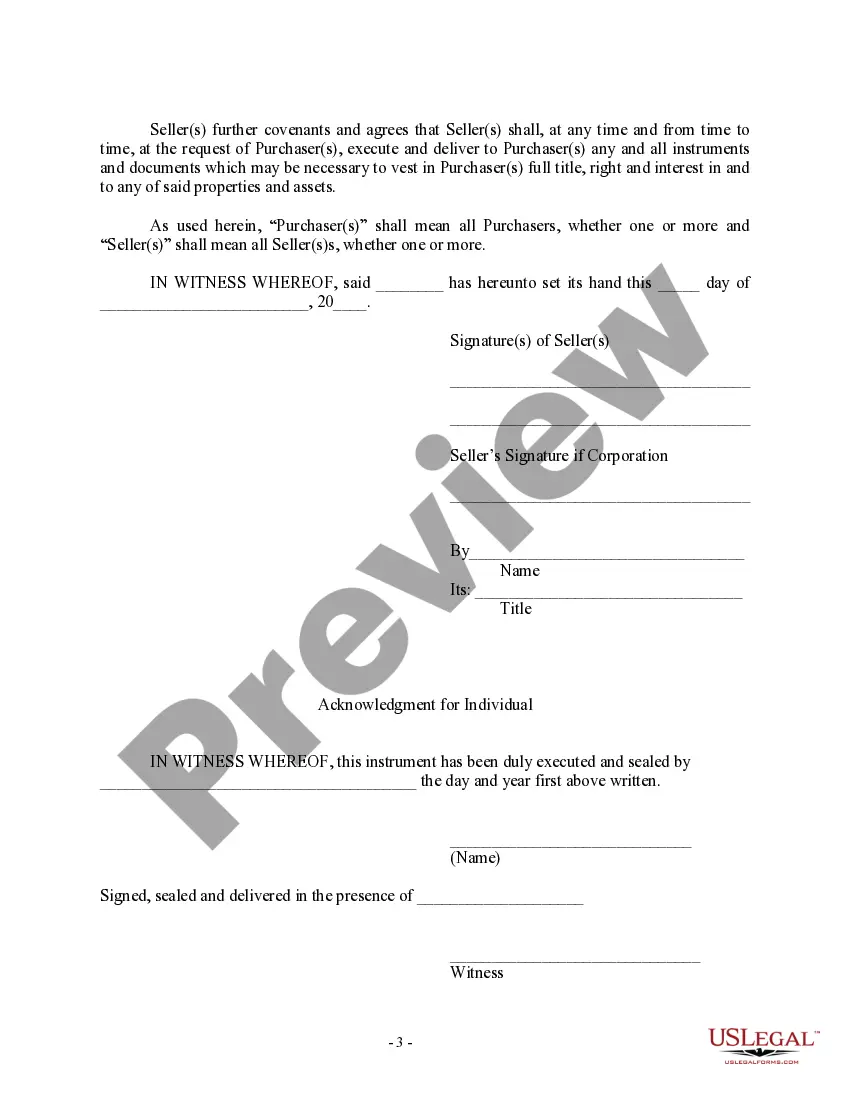
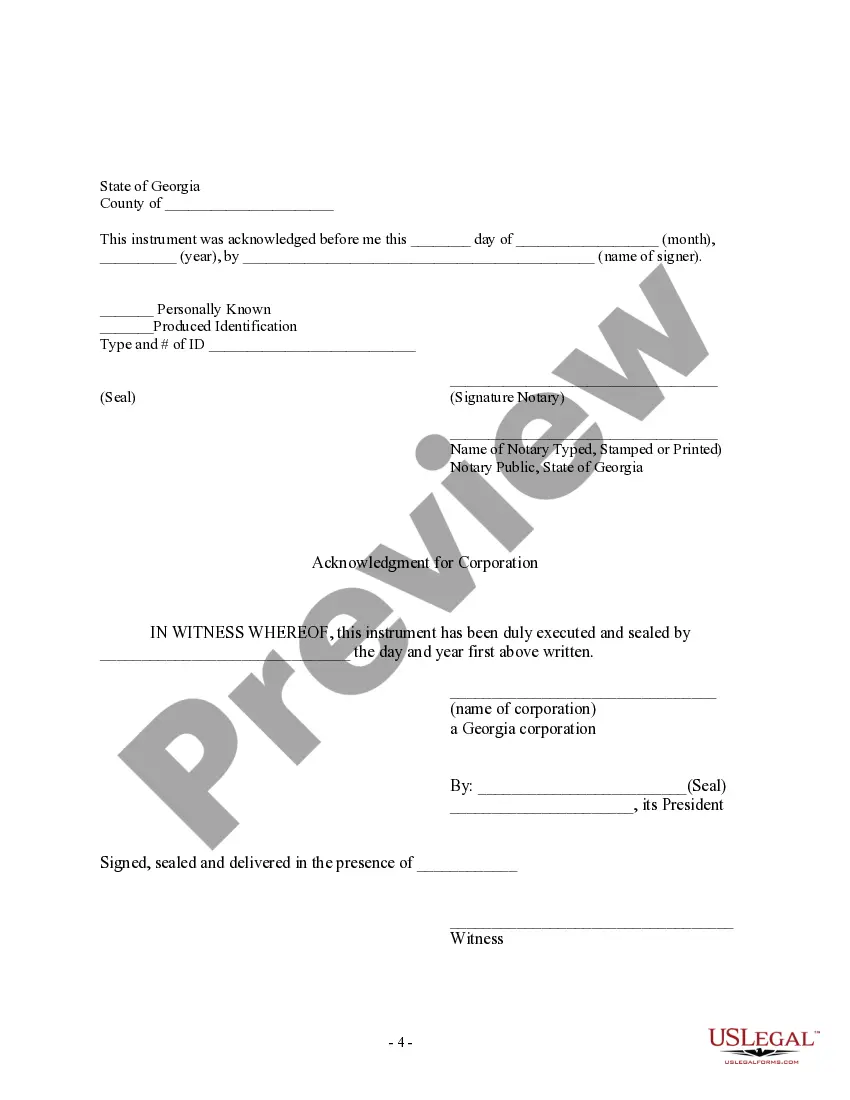
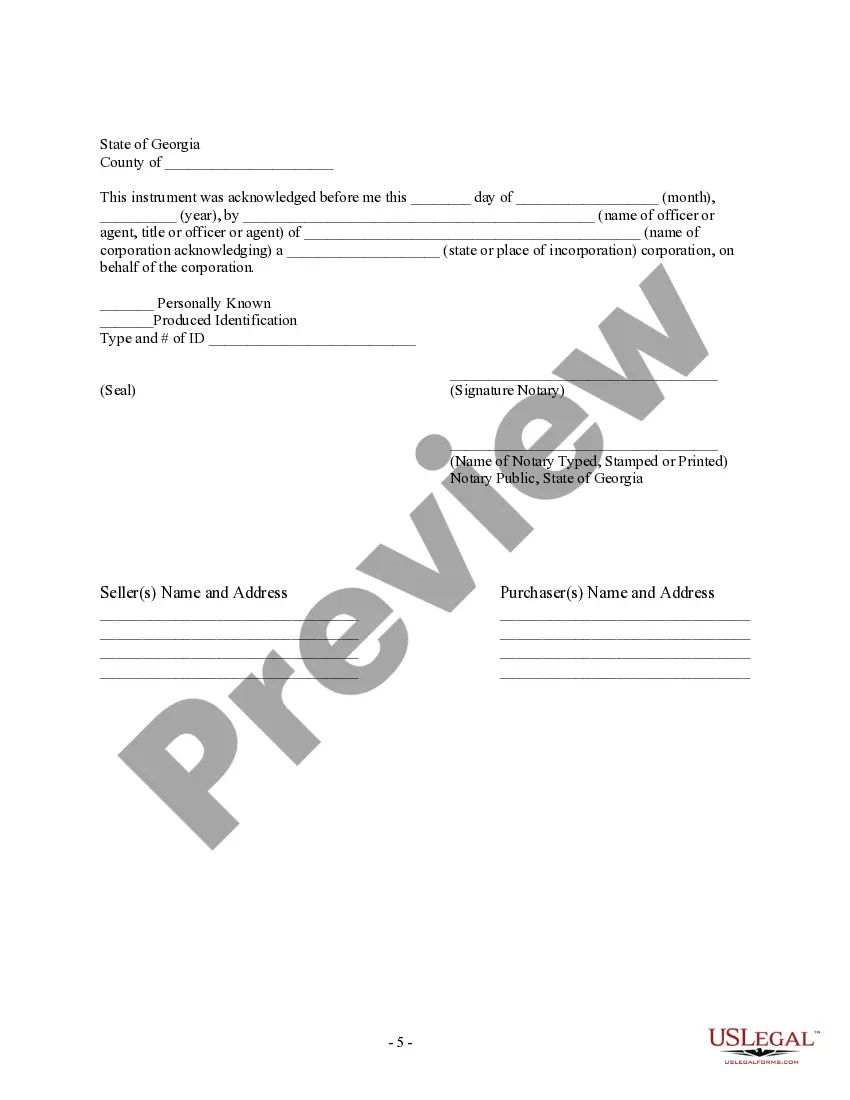

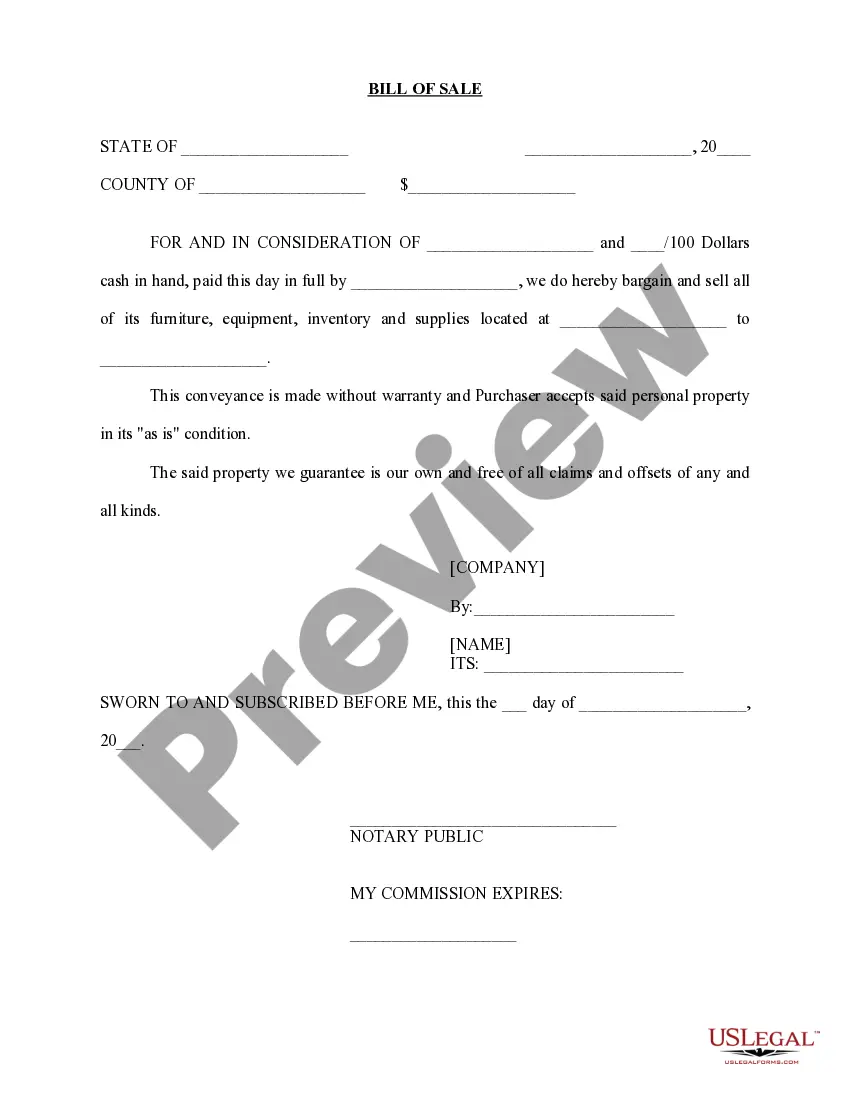
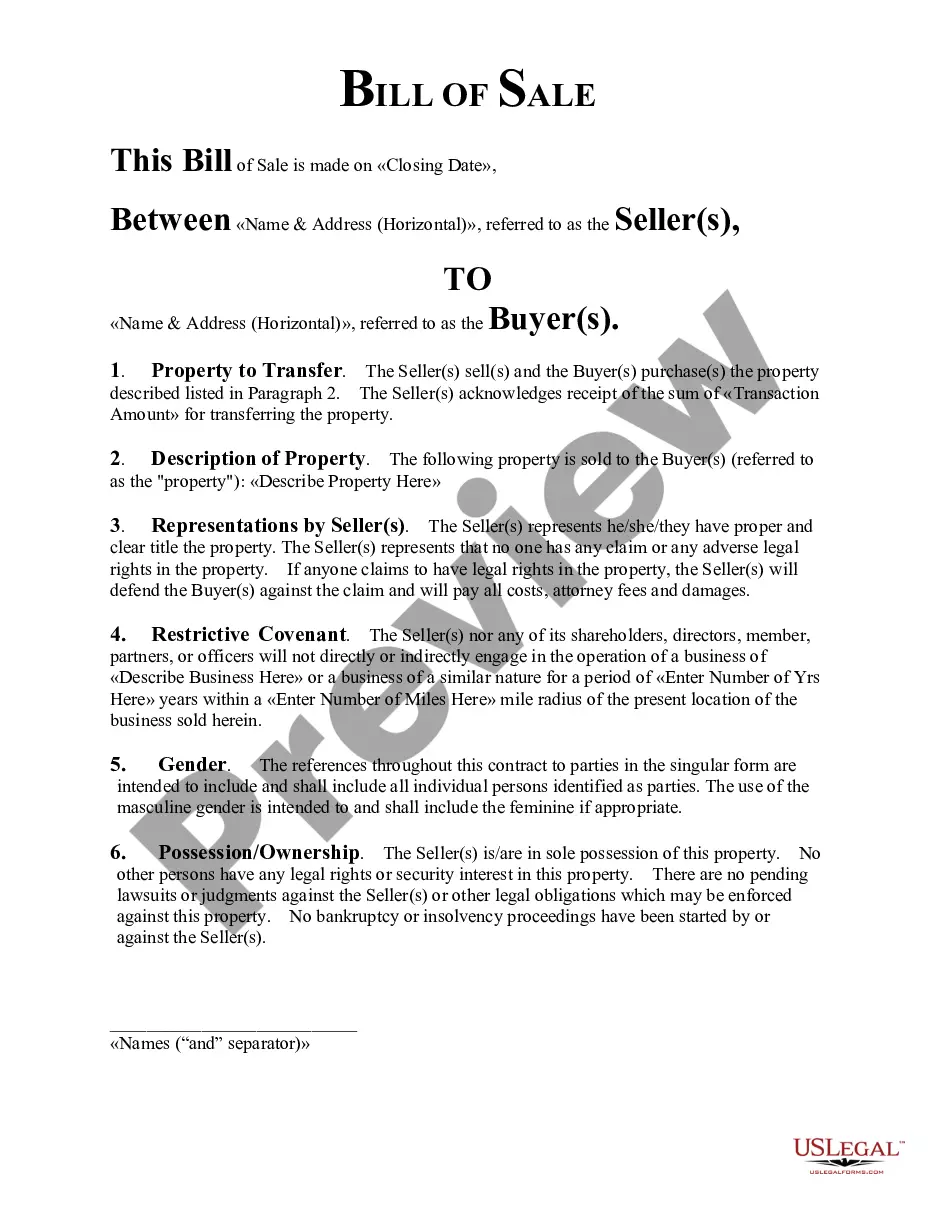
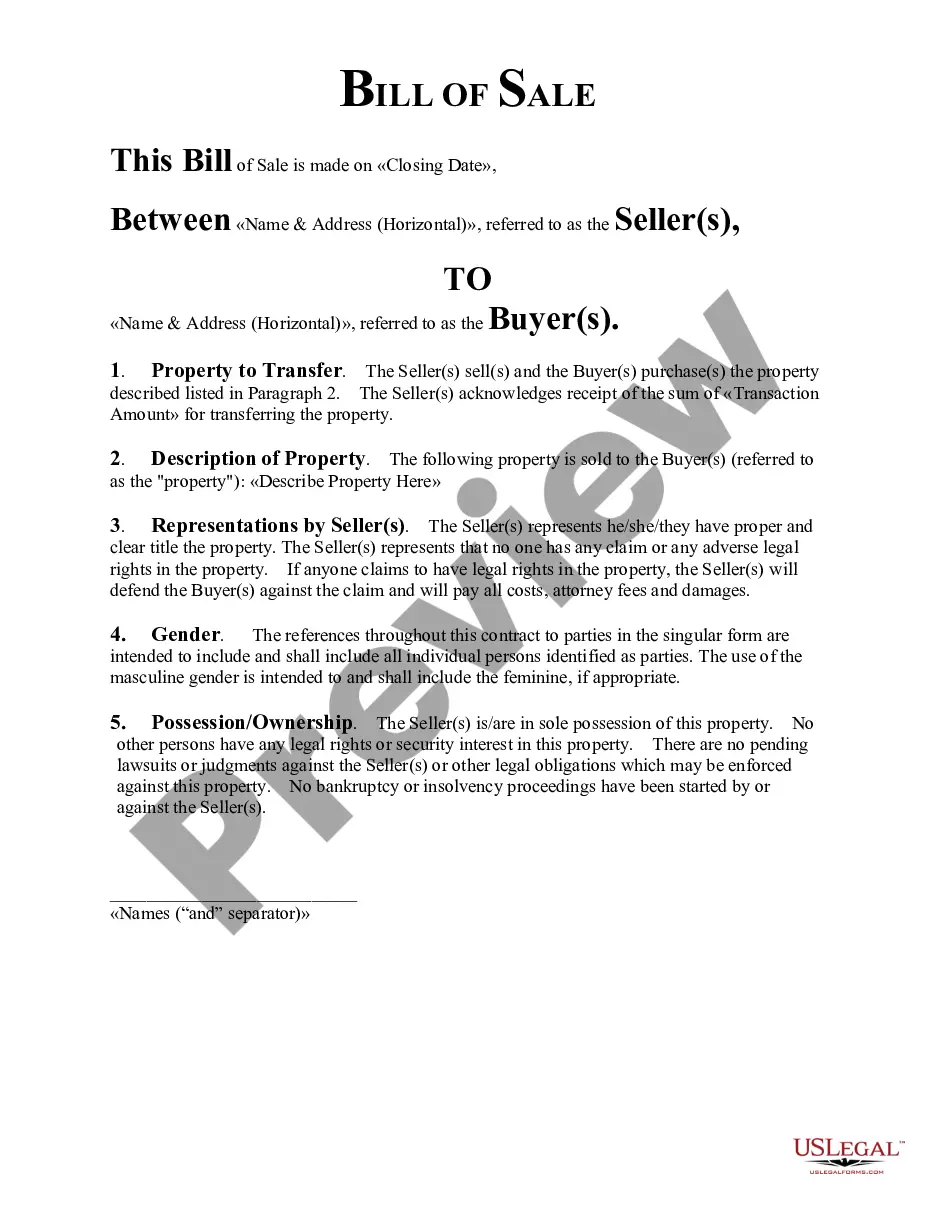
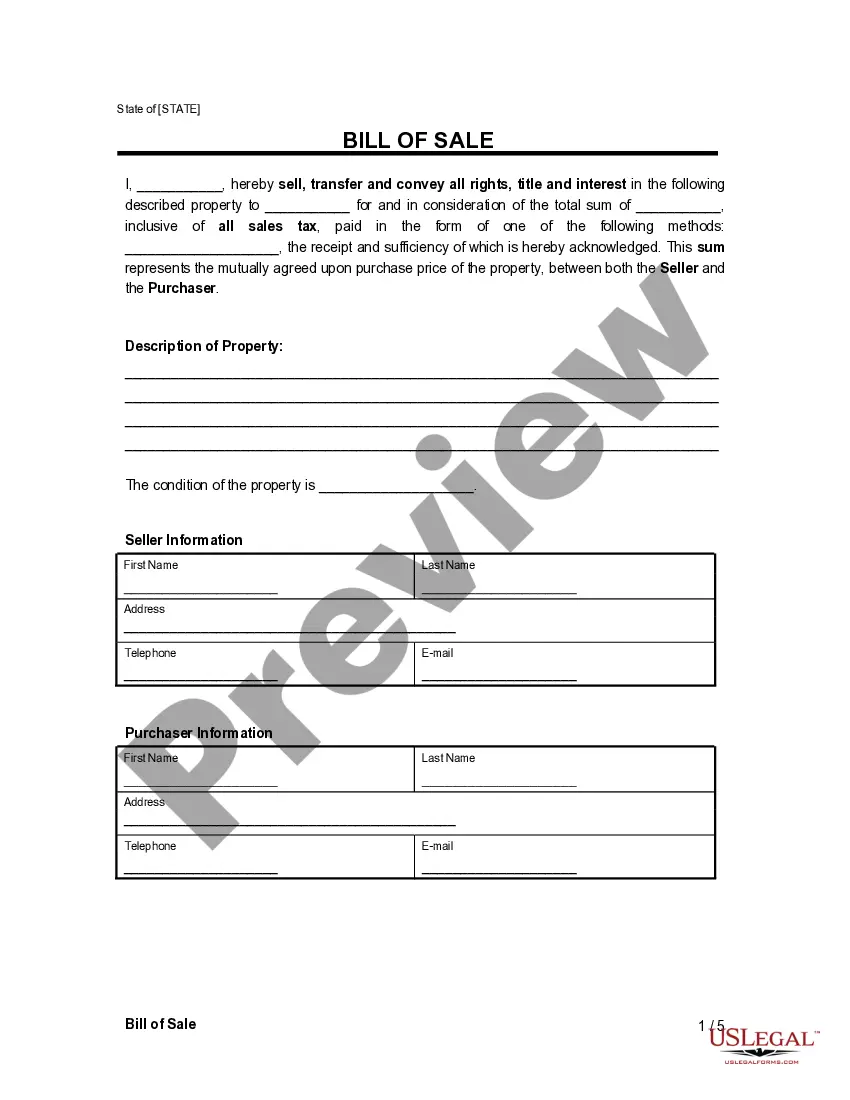
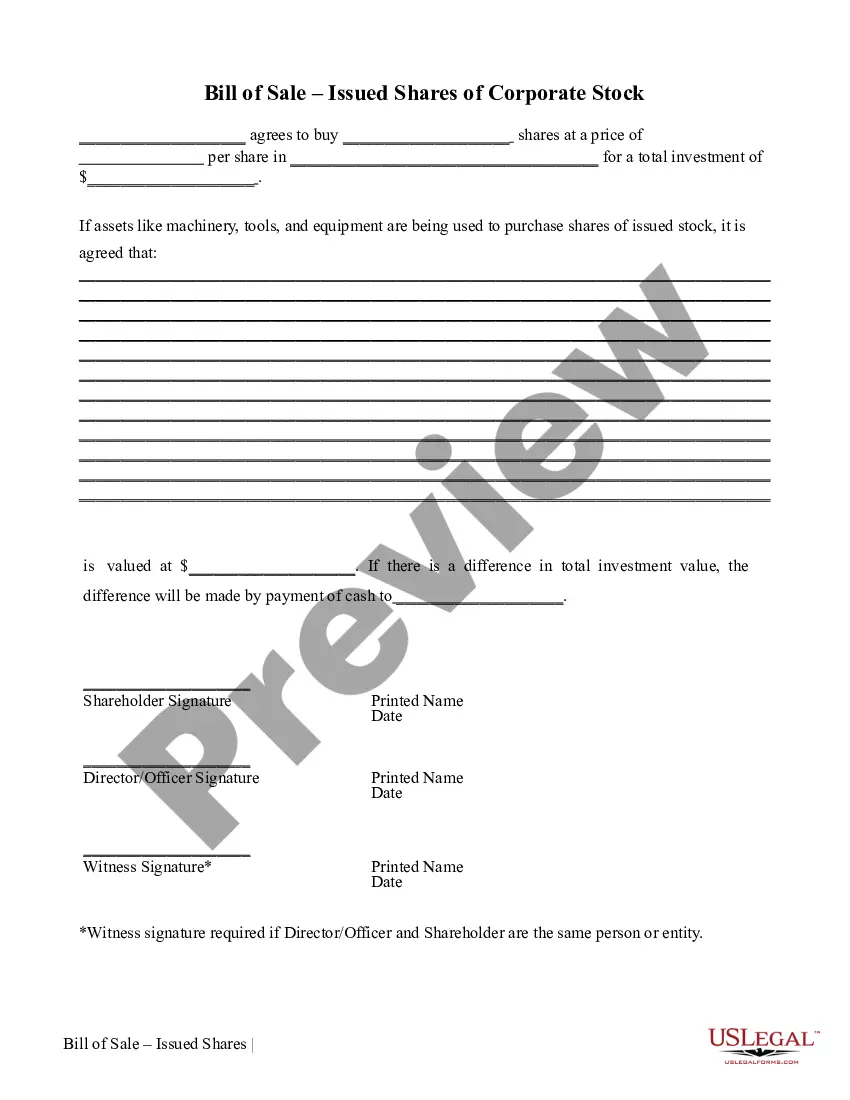
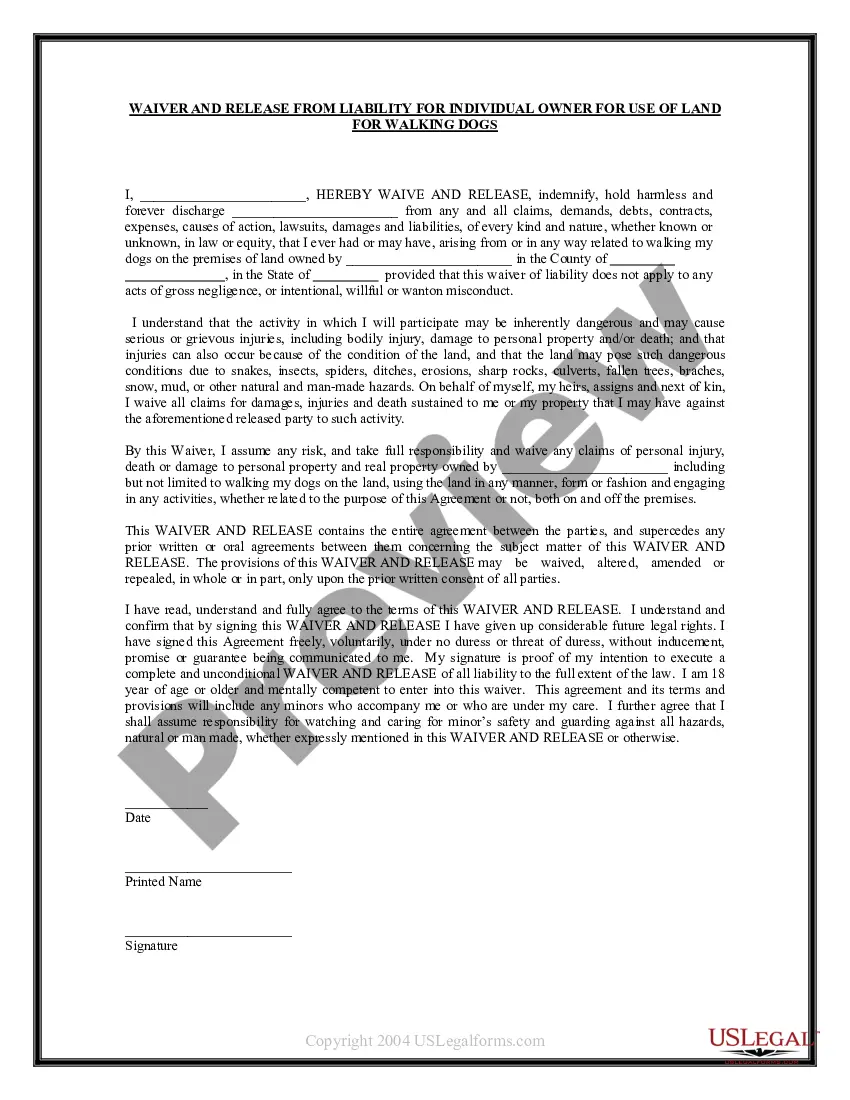
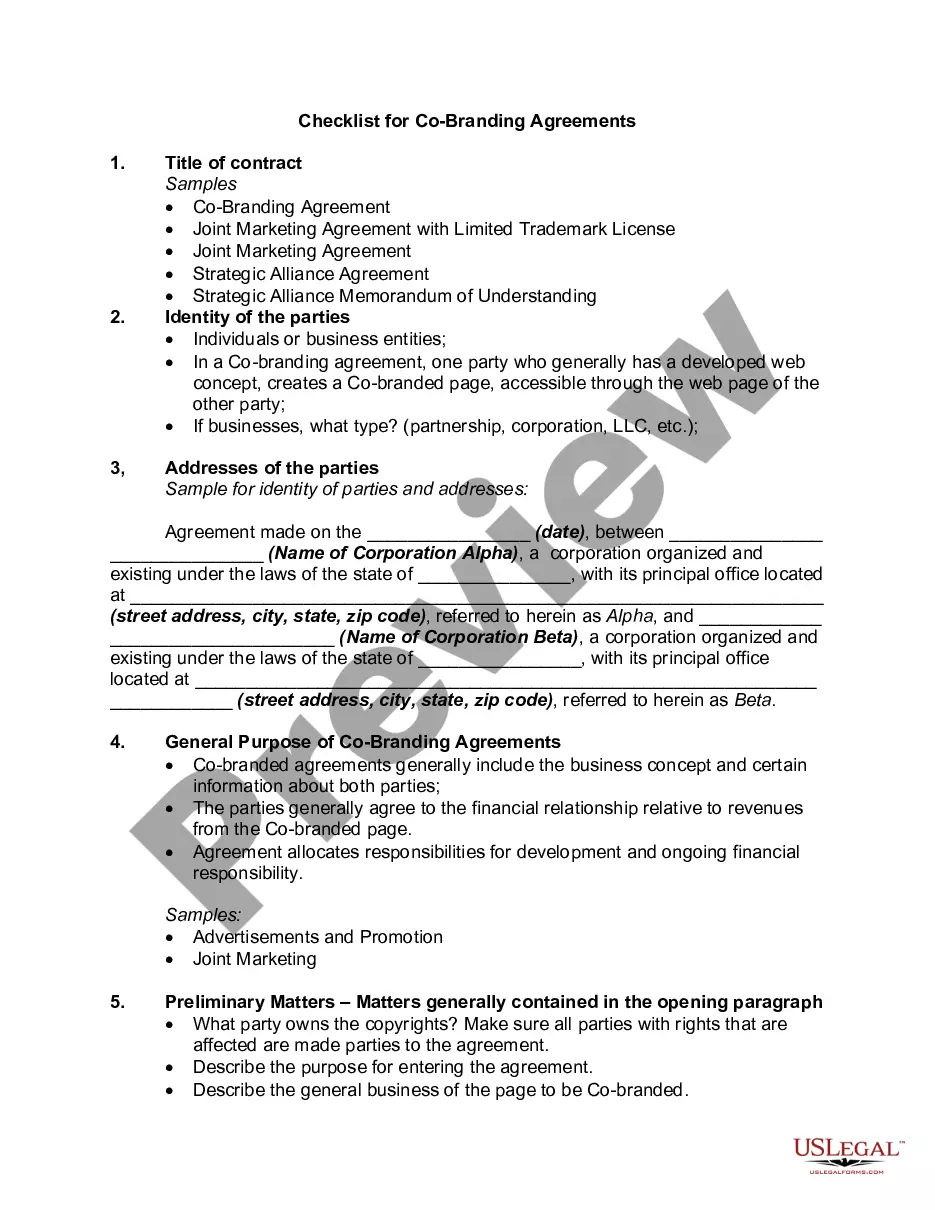
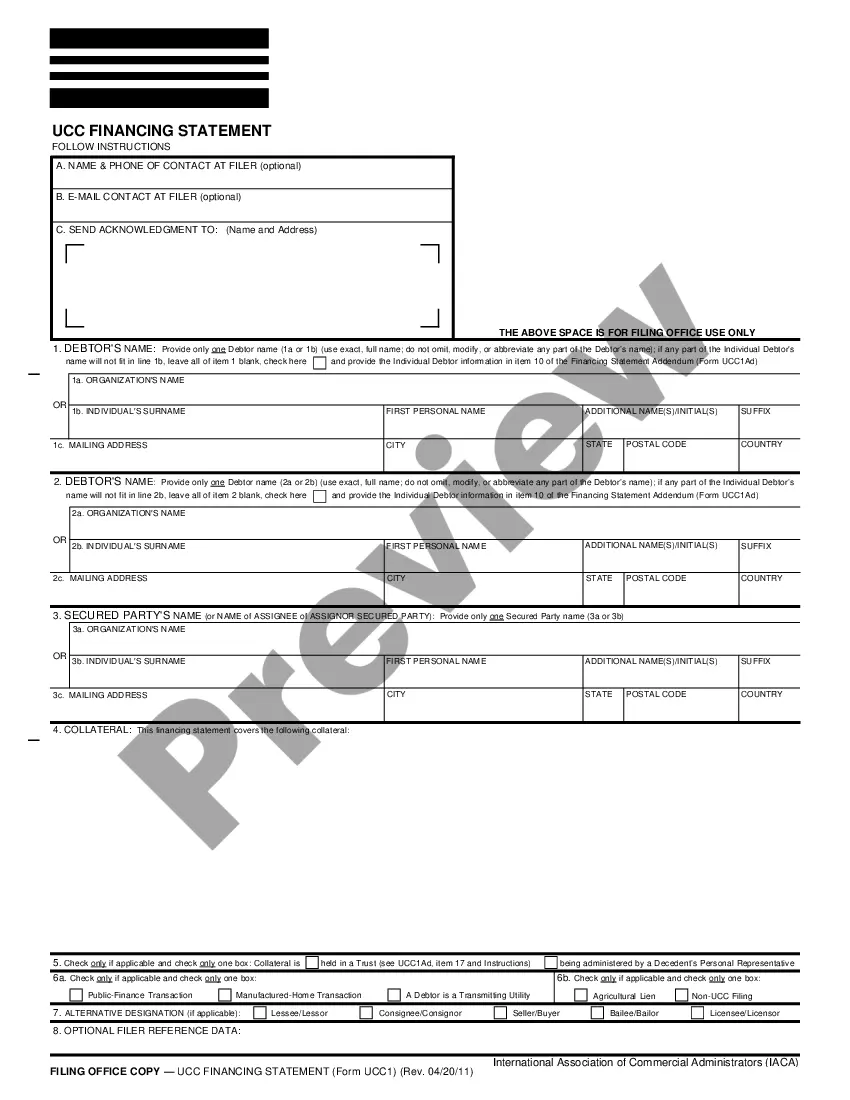
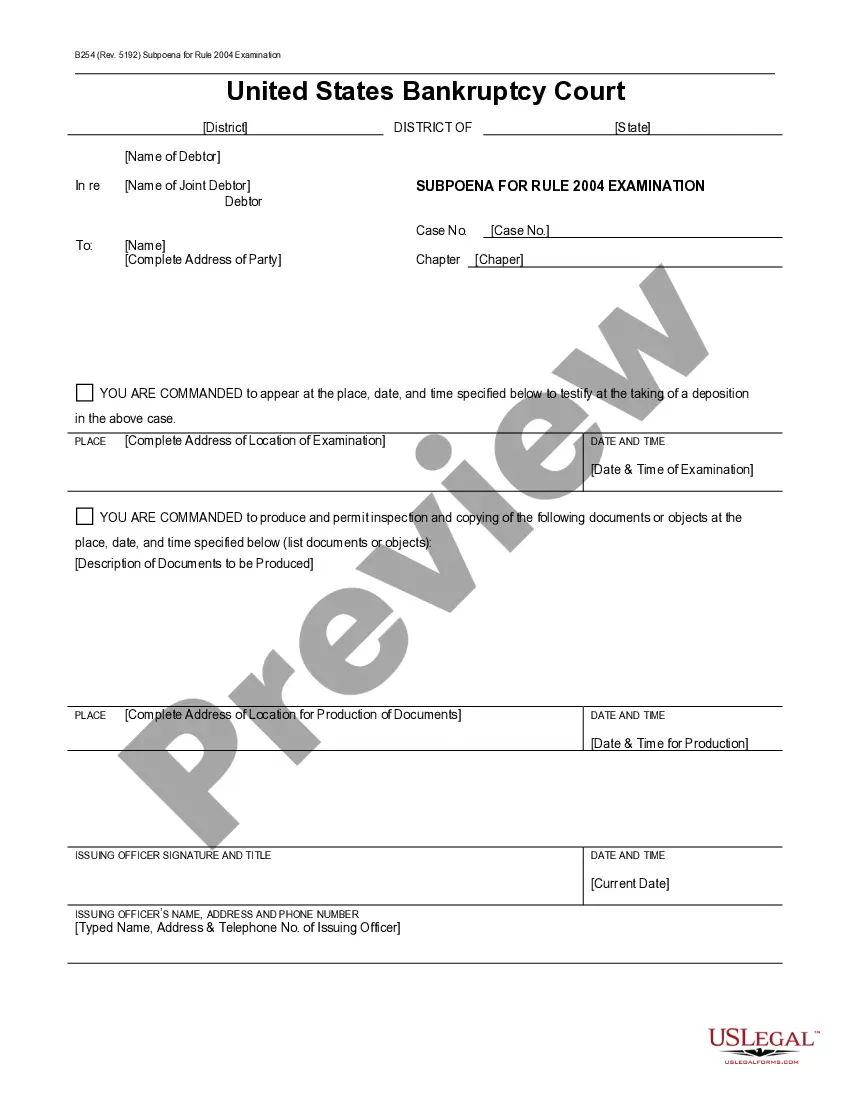
How to fill out Georgia Bill Of Sale In Connection With Sale Of Business By Individual Or Corporate Seller?
Obtain access to the most thorough collection of sanctioned forms.
US Legal Forms is a service to locate any state-specific document in just a few clicks, including templates for the Georgia Bill of Sale related to the Sale of a Business by an Individual or Corporate Seller.
There's no need to waste several hours searching for a court-acceptable sample. Our qualified experts guarantee that you receive current examples constantly.
After selecting a pricing plan, create your account. Make payment with a card or PayPal. Save the template to your device by clicking the Download button. That’s all! You should complete the Georgia Bill of Sale related to the Sale of a Business by an Individual or Corporate Seller form and verify it. To confirm that everything is accurate, consult your local legal advisor for assistance. Register and effortlessly discover over 85,000 valuable forms.
- To utilize the forms library, choose a subscription and create your account.
- If you have already established it, simply Log In and click on the Download button.
- The Georgia Bill of Sale related to the Sale of a Business by an Individual or Corporate Seller template will be automatically saved in the My documents section (a section for each form you download on US Legal Forms).
- To create a new profile, refer to the simple guidelines below.
- If you intend to use state-specific documents, ensure you specify the correct state.
- If possible, review the description to understand all the details of the document.
- Utilize the Preview feature if available to examine the content of the document.
- If everything is correct, click Buy Now.
Form popularity
FAQ
Yes, you can write your own bill of sale in Georgia, and it is often a straightforward process. However, ensuring that it meets all legal requirements is crucial for its validity. A well-structured document will include essential details about the transaction, such as the parties involved, the item being sold, and any applicable terms. For guidance and templates, uslegalforms offers valuable resources to create a professional Georgia Bill of Sale in Connection with Sale of Business by Individual or Corporate Seller.
Notarizing a bill of sale without the seller is generally not recommended, as their presence or consent usually confirms the authenticity of the transaction. Some states might allow for limited alternatives, such as a power of attorney. It's best to consult local laws regarding this process. For crafting a compliant Georgia Bill of Sale in Connection with Sale of Business by Individual or Corporate Seller, uslegalforms can be a valuable resource.
If the seller is unavailable to notarize the bill of sale, you may still have options. You can request a power of attorney from the seller to allow someone else to sign on their behalf. Alternatively, some online notary platforms may facilitate this, but the seller's consent remains crucial. For a tailored approach, explore uslegalforms, which can help you draft a Georgia Bill of Sale in Connection with Sale of Business by Individual or Corporate Seller that fits your unique circumstances.
Notarizing a document without being present can be challenging, as traditional notarization typically requires in-person verification. However, some online notary services allow for remote notarization, where you can connect with a notary via video call. This method may vary by state, so it's crucial to check the legal requirements in Georgia. Consider using uslegalforms for assistance and to generate documents like the Georgia Bill of Sale in Connection with Sale of Business by Individual or Corporate Seller.
In North Carolina, a notarized bill of sale is not legally required. However, having a notarized bill of sale for the sale of a business can provide additional protection and verification of the transaction. It establishes a clear record, which can be beneficial for both the seller and the buyer. When dealing with the Georgia Bill of Sale in Connection with Sale of Business by Individual or Corporate Seller, using a notarized document enhances trust between parties.
Yes, a notarized bill of sale carries a higher level of legitimacy, as the notarization process serves as a witness to the identities of the parties involved and their agreement. In a Georgia bill of sale in connection with the sale of business by individual or corporate seller, having the document notarized can provide additional protection if disputes arise. Courts often recognize notarized documents as credible evidence, making them advantageous in legal proceedings.
Generally, the seller is responsible for providing the bill of sale, but both parties should ensure that the document is complete and accurate. In transactions involving a Georgia bill of sale in connection with the sale of business by an individual or corporate seller, both the buyer and seller must understand their rights and obligations under the agreement. This mutual responsibility helps facilitate a smooth transaction and can prevent future disputes.
A bill of sale becomes legally binding when it includes essential elements such as the names of the parties, a clear description of the item or business being sold, and the signatures of both the buyer and seller. In the case of a Georgia bill of sale in connection with the sale of business by individual or corporate seller, ensuring that all parties understand and agree on the terms laid out in the document strengthens its enforceability. Always considering proper execution and clarity can help uphold its legitimacy in legal situations.
A handwritten bill of sale is indeed legal in Georgia, provided it meets certain conditions. It should include all necessary details, such as the identities of the parties involved and a description of the business or assets being sold. While a typed or printed version may be preferred for clarity and professionalism, the essential element is that it conveys the agreement clearly. You can also access templates through USLegalForms for a more standardized approach.
Yes, a bill of sale serves as proof of ownership in Georgia. Specifically, it provides a legal document that shows the transfer of assets from the seller to the buyer. This is particularly important when dealing with a Georgia Bill of Sale in Connection with Sale of Business by Individual or Corporate Seller, as it helps establish clear ownership records. Always keep this document on file as evidence of the transaction.