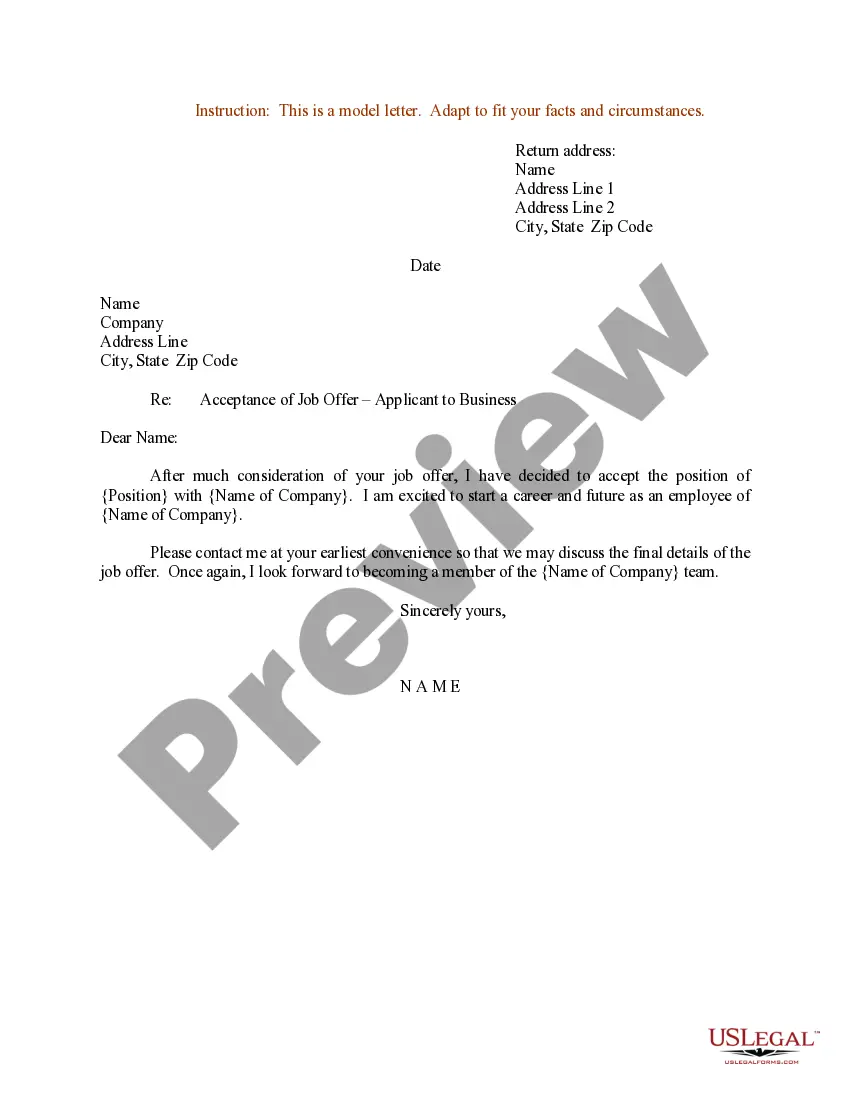
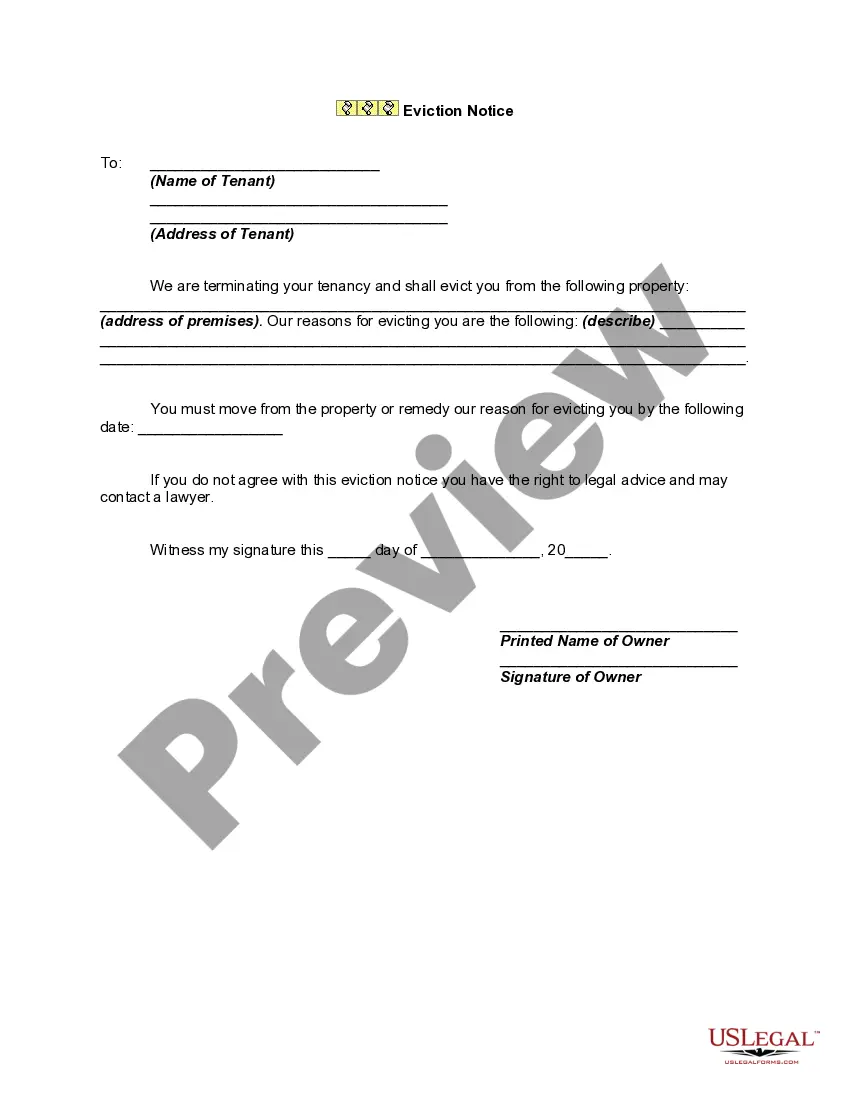
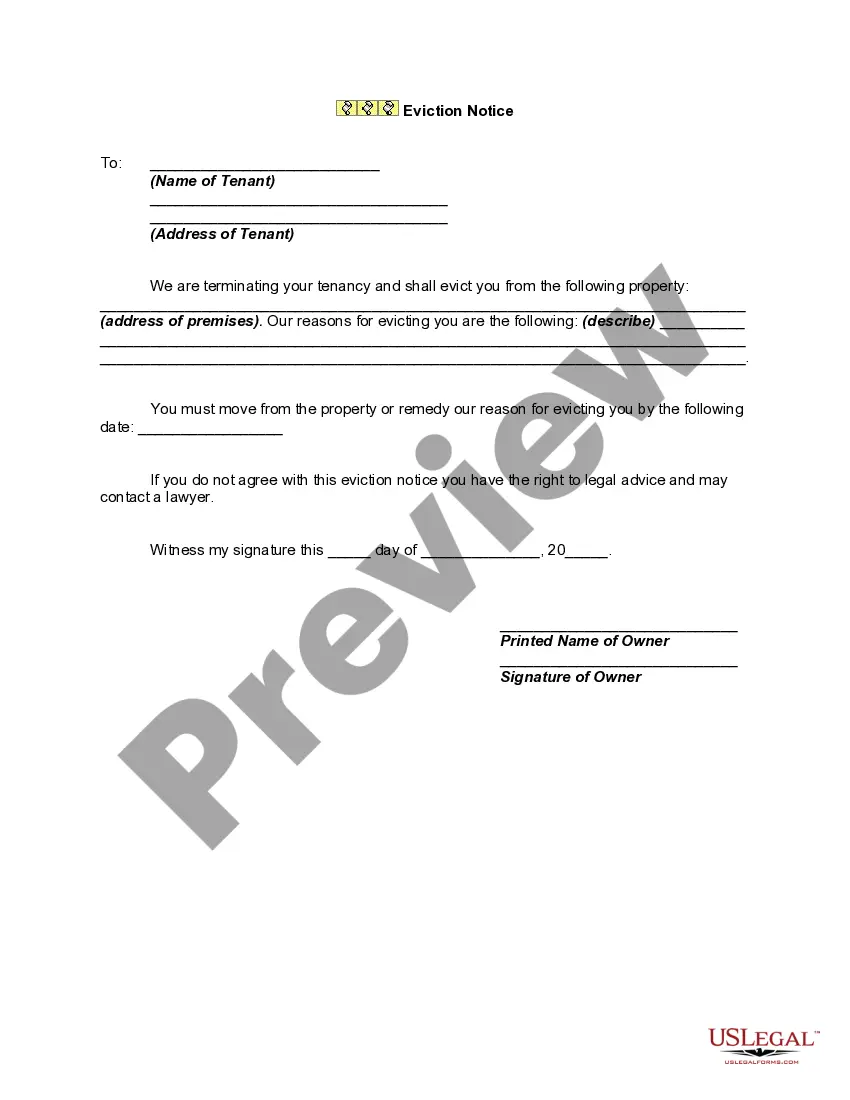
Florida Eviction Notice
Description
Get your form ready online
Our built-in tools help you complete, sign, share, and store your documents in one place.
Make edits, fill in missing information, and update formatting in US Legal Forms—just like you would in MS Word.
Download a copy, print it, send it by email, or mail it via USPS—whatever works best for your next step.
Sign and collect signatures with our SignNow integration. Send to multiple recipients, set reminders, and more. Go Premium to unlock E-Sign.
If this form requires notarization, complete it online through a secure video call—no need to meet a notary in person or wait for an appointment.
We protect your documents and personal data by following strict security and privacy standards.

Make edits, fill in missing information, and update formatting in US Legal Forms—just like you would in MS Word.

Download a copy, print it, send it by email, or mail it via USPS—whatever works best for your next step.

Sign and collect signatures with our SignNow integration. Send to multiple recipients, set reminders, and more. Go Premium to unlock E-Sign.

If this form requires notarization, complete it online through a secure video call—no need to meet a notary in person or wait for an appointment.

We protect your documents and personal data by following strict security and privacy standards.
Looking for another form?






How to fill out Eviction Notice?
US Legal Forms - one of the largest collections of legal documents in the United States - offers a variety of legal form templates that you can download or create. By using the website, you can access thousands of forms for business and personal use, organized by categories, states, or keywords. You can obtain the latest versions of forms such as the Florida Eviction Notice in just a few minutes.
If you already have an account, Log In and download the Florida Eviction Notice from the US Legal Forms library. The Download button will appear on every form you view. You can access all previously downloaded forms from the My documents section of your account.
If you are using US Legal Forms for the first time, here are some simple steps to help you get started: Ensure you have selected the correct form for your area/county. Click the Preview button to review the form’s details. Check the form description to confirm that you have chosen the correct form.
Every form you add to your account has no expiration date and is yours indefinitely. Therefore, if you wish to download or print another copy, simply go to the My documents section and click on the form you need.
Access the Florida Eviction Notice with US Legal Forms, one of the most extensive collections of legal document templates. Utilize a multitude of professional and state-specific templates that meet your business or personal requirements.
- If the form does not meet your needs, use the Search field at the top of the page to find one that does.
- Once you are satisfied with the form, confirm your choice by clicking the Buy now button.
- Then, select the payment plan you prefer and provide your details to register for an account.
- Process the transaction. Use your Visa or Mastercard or PayPal account to complete the transaction.
- Select the format and download the form to your device.
- Make changes. Fill out, edit, and print and sign the downloaded Florida Eviction Notice.
Form popularity
FAQ
Other valid eviction reasons under Florida law Remember, regardless of the reason for eviction, Florida law requires rental property owners to follow the legal eviction process. As mentioned previously, attempts to forcibly remove a tenant without a court order are illegal and could lead to penalties for the landlord.
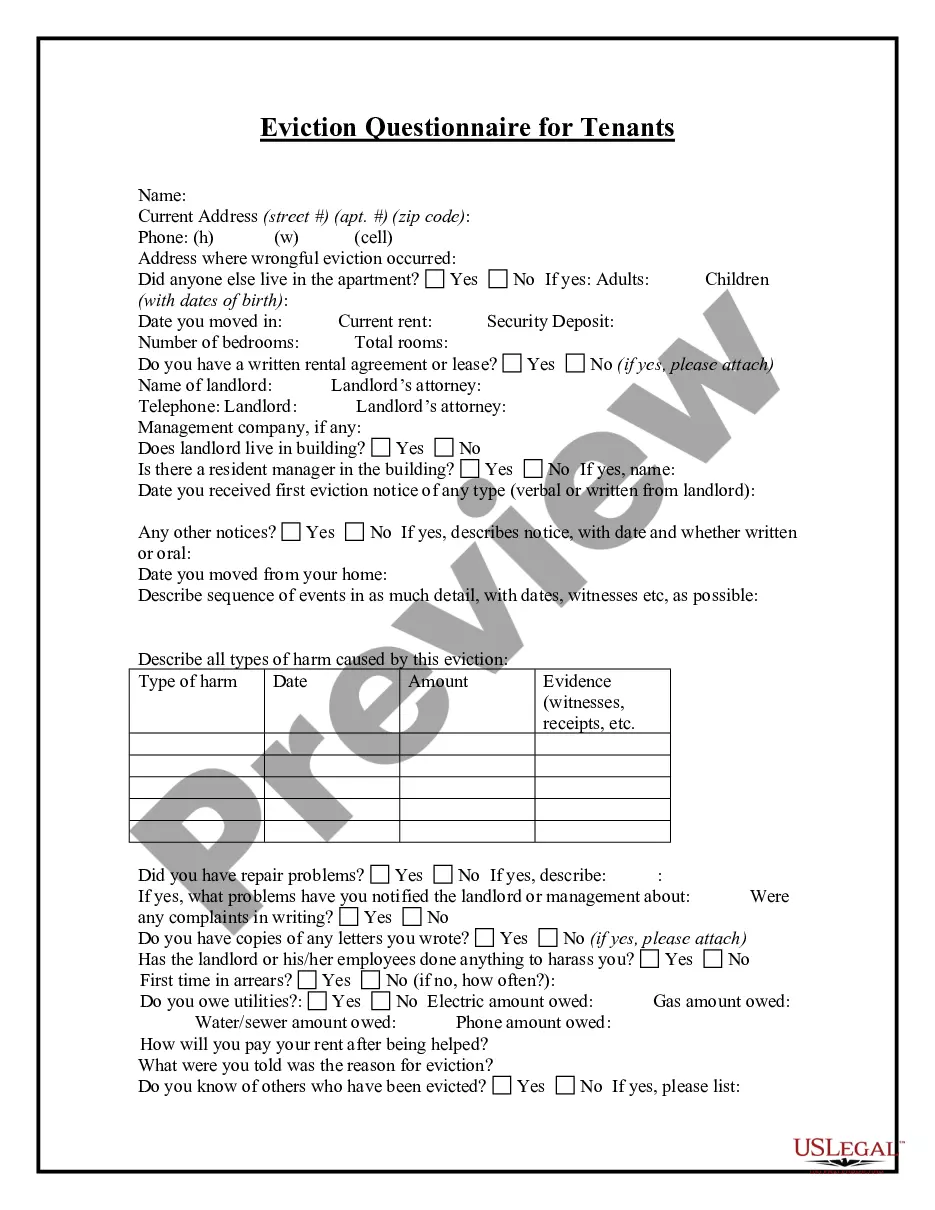
Florida Eviction Summons and Complaint The landlord needs to file and serve an Eviction Summons and Complaint notice. This is if the tenant fails to comply or to leave the property. A copy of the notice and certificate of service must be notarized by the court clerk.
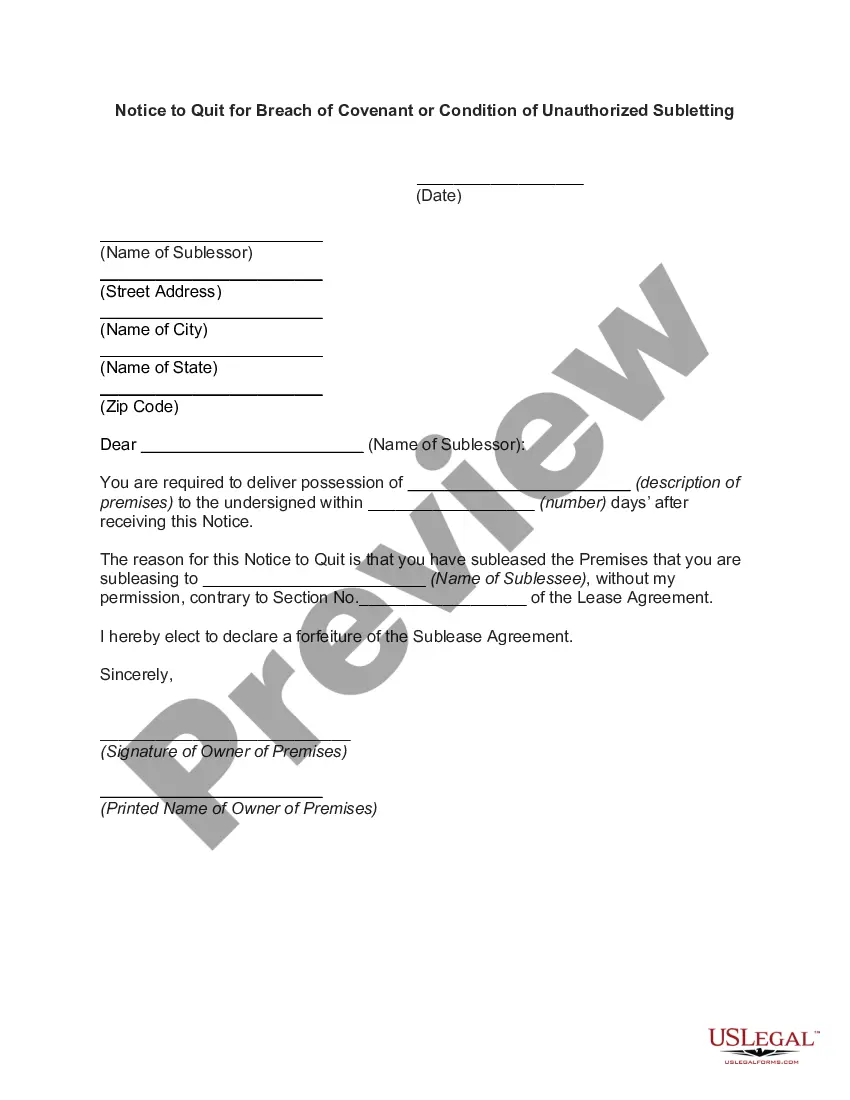
When responding to the notice to quit, there are several options available to the tenant: Pay any delinquent rent that is due to the landlord within the allotted time of the notice. Move out of the premises within the allotted time of the notice. File an answer with the judicial court. File a motion to stay with the court.
Tenants cannot be legally ordered to vacate their residential units unless they have been properly notified of the beginning of the eviction process. State law provides for 3 types of notices: 3-day notice, 7-day notice with a chance to 'cure,' and an 'unconditional quit' 7-day notice.
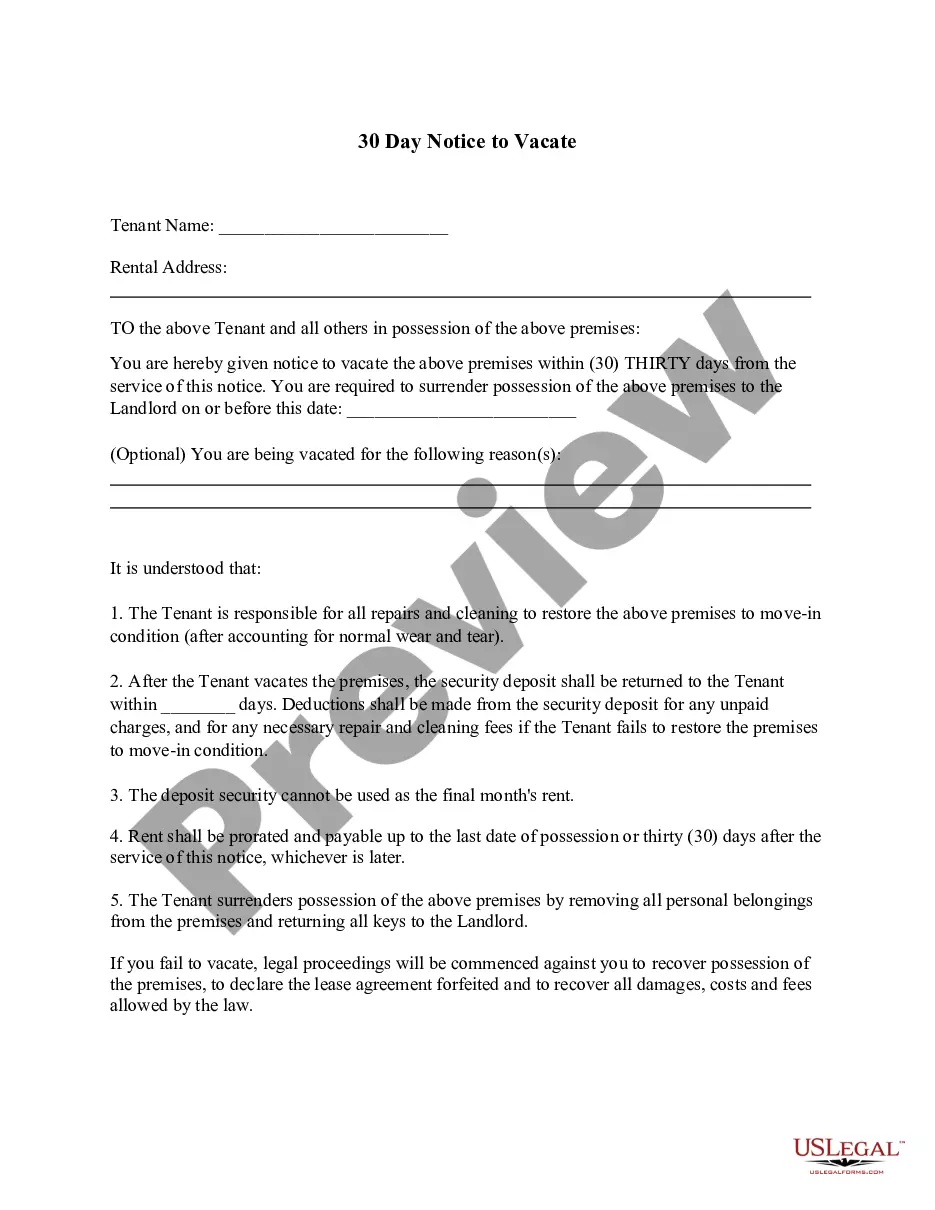
For tenants that pay rent quarterly, you must give them a 30 day written notice. For tenants who have a yearly tenancy, you are required to provide them with a 60-day written notice. In the notice, you must state the date by which the tenant must move out of their rented premises.
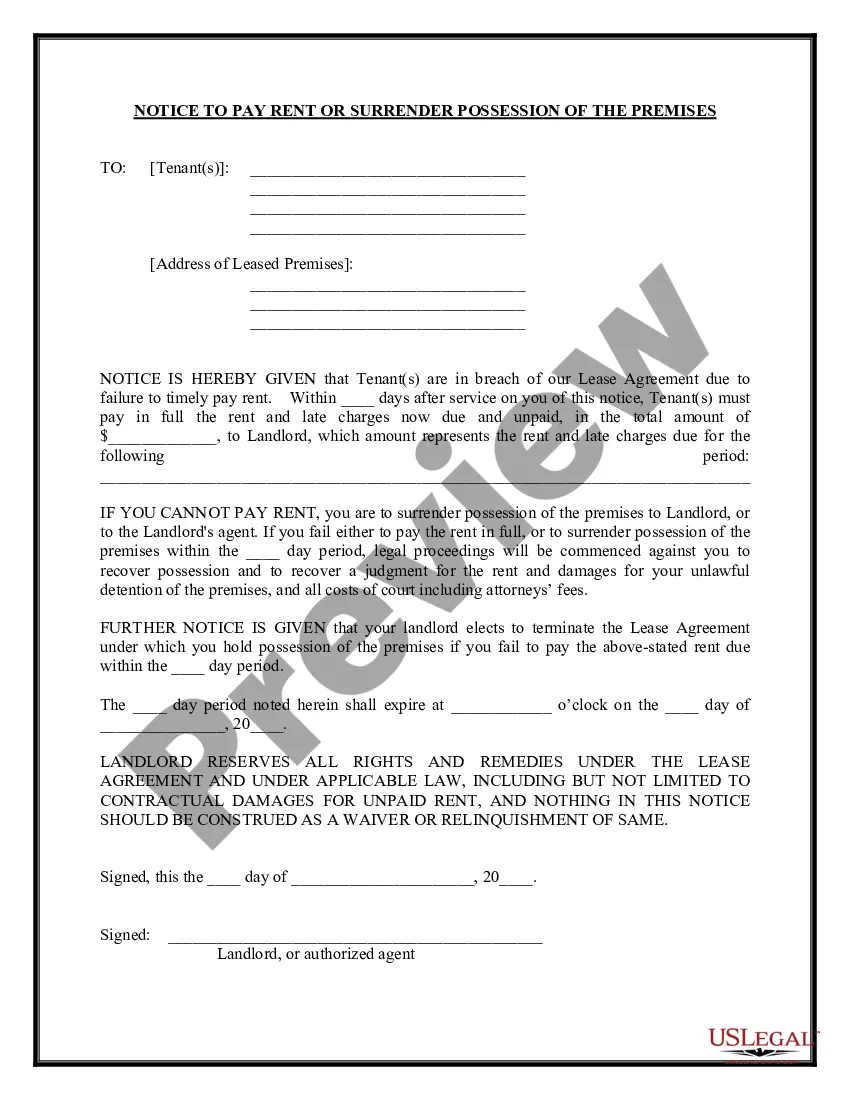
YOU ARE HEREBY NOTIFIED that you are indebted to me in the sum of for the rent and use of the premises located at , , County, Florida now occupied by you and that I demand payment of the rent or possession of the premises within 3 days (excluding Saturday, Sunday, and legal holidays) from the date of delivery of this ...
Give the tenant a 3-days notice to either pay the outstanding rent or vacate the premises. Write down a complaint and file for eviction. Eviction can be filed with any county clerk serving at a court in a particular county. The landlord must mention ?Plaintiff? and his/her contact details on the complaint.
A Florida landlord can terminate without cause a month-to-month tenancy by giving the tenant a written notice at least 15 days before the end of the monthly period. The notice must inform the tenant that the tenancy will end in 15 days and that the tenant must move out of the rental unit by that time.