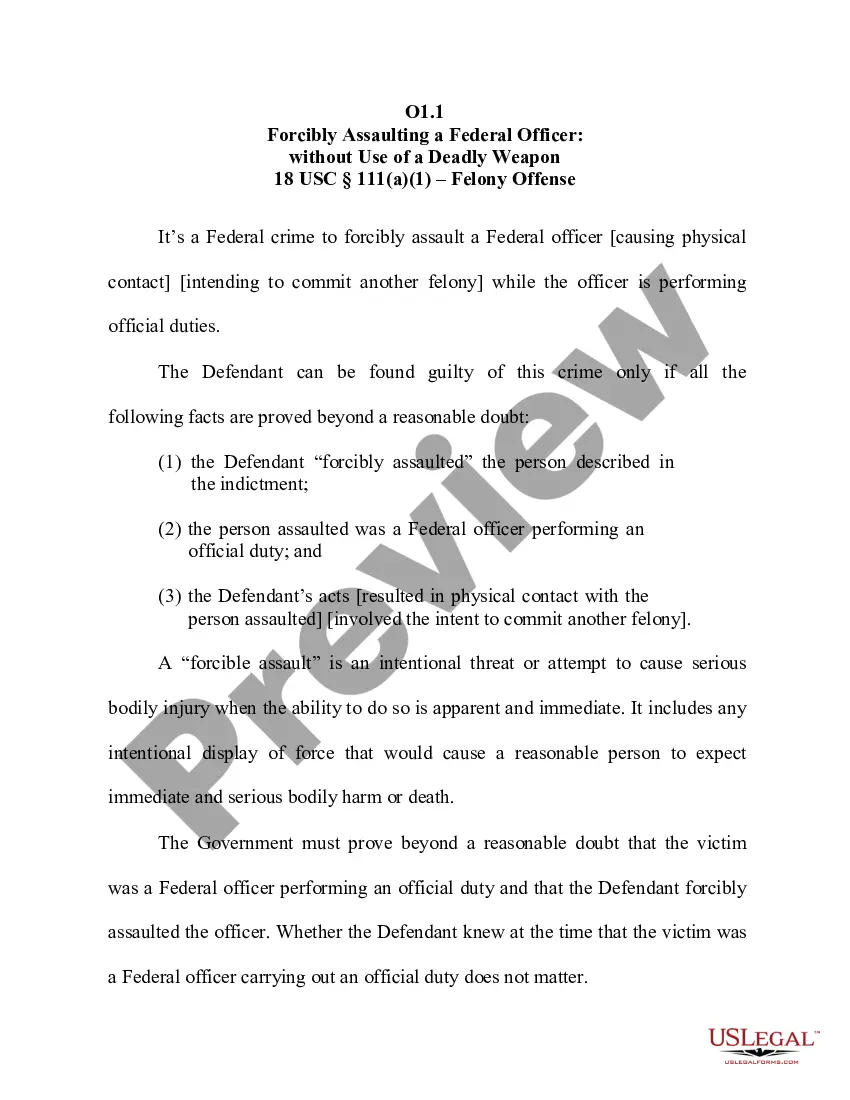
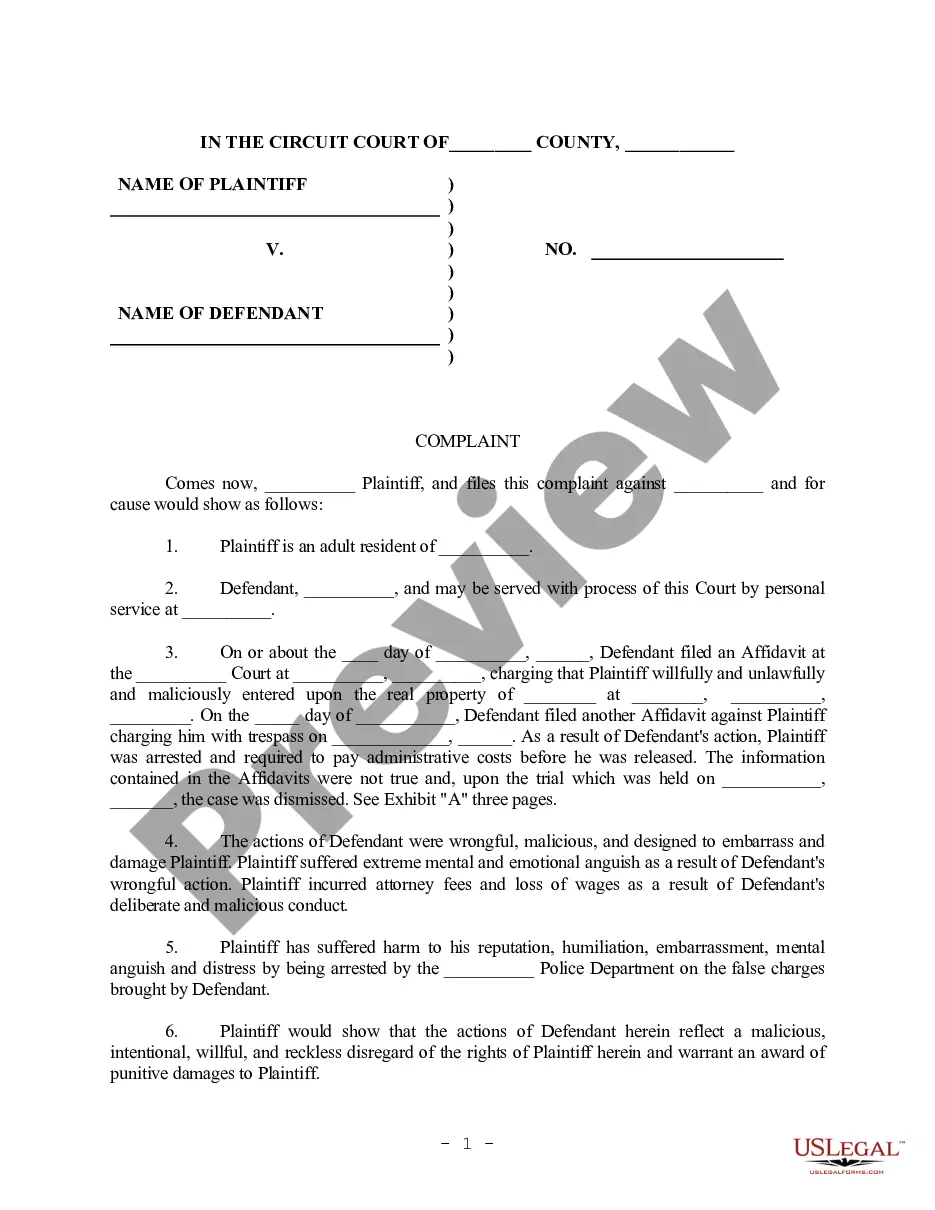
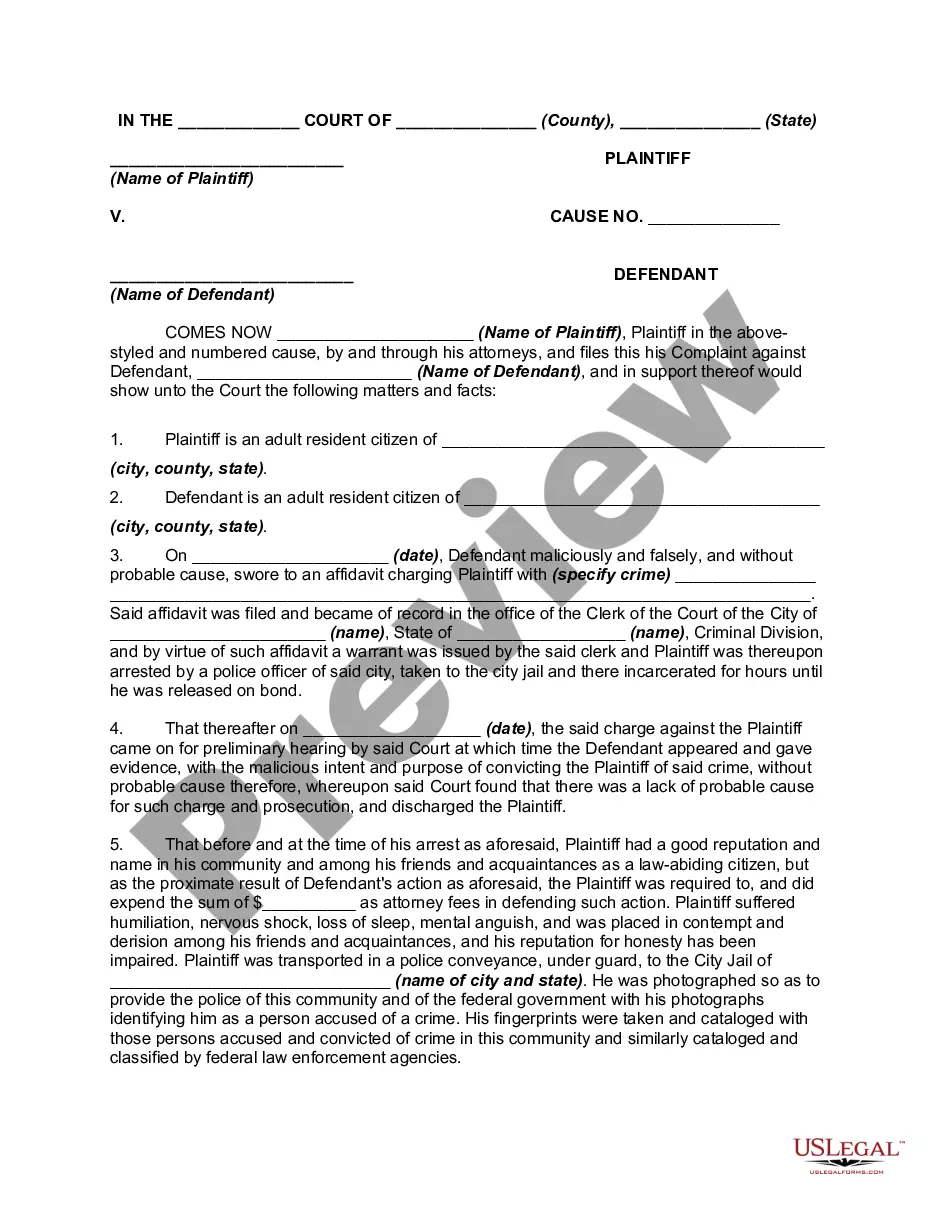
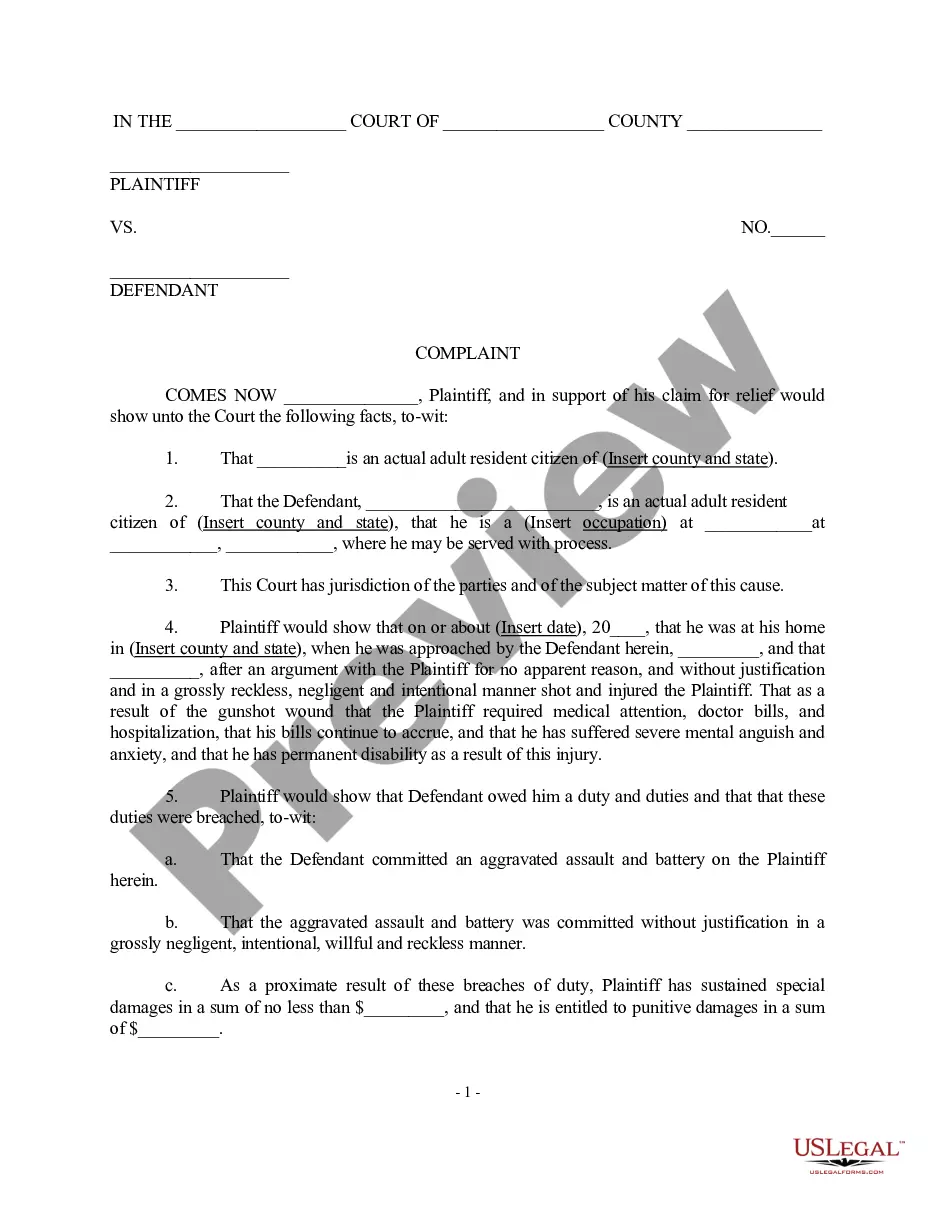
Florida Complaint for Malicious Prosecution, False Imprisonment, Abuse of Process
Description



Get your form ready online
Our built-in tools help you complete, sign, share, and store your documents in one place.
Make edits, fill in missing information, and update formatting in US Legal Forms—just like you would in MS Word.
Download a copy, print it, send it by email, or mail it via USPS—whatever works best for your next step.
Sign and collect signatures with our SignNow integration. Send to multiple recipients, set reminders, and more. Go Premium to unlock E-Sign.
If this form requires notarization, complete it online through a secure video call—no need to meet a notary in person or wait for an appointment.
We protect your documents and personal data by following strict security and privacy standards.

Make edits, fill in missing information, and update formatting in US Legal Forms—just like you would in MS Word.

Download a copy, print it, send it by email, or mail it via USPS—whatever works best for your next step.

Sign and collect signatures with our SignNow integration. Send to multiple recipients, set reminders, and more. Go Premium to unlock E-Sign.

If this form requires notarization, complete it online through a secure video call—no need to meet a notary in person or wait for an appointment.

We protect your documents and personal data by following strict security and privacy standards.
Looking for another form?

How to fill out Complaint For Malicious Prosecution, False Imprisonment, Abuse Of Process?
If you need to thoroughly, download, or print legal document templates, utilize US Legal Forms, the largest collection of legal forms available online. Take advantage of the site's straightforward and user-friendly search to find the documents you need. Numerous templates for business and personal purposes are categorized by groups and suggestions, or keywords. Use US Legal Forms to find the Florida Complaint for Malicious Prosecution, False Imprisonment, Abuse of Process in just a few clicks.
If you are currently a US Legal Forms customer, Log In to your account and click the Download button to obtain the Florida Complaint for Malicious Prosecution, False Imprisonment, Abuse of Process. You can also access forms you previously saved in the My documents tab of your account.
If you are using US Legal Forms for the first time, follow the instructions below: Step 1. Make sure you have selected the form for the correct region/country. Step 2. Use the Review option to examine the form's content. Remember to read through the description. Step 3. If you are dissatisfied with the form, use the Search field at the top of the screen to find other templates in the legal form category. Step 4. Once you have found the form you need, click the Purchase now button. Choose the pricing plan you prefer and enter your details to register for the account. Step 5. Complete the transaction. You can use your credit card or PayPal account to finalize the payment. Step 6. Access the form in the legal category and download it to your device. Step 7. Complete, edit, and print or sign the Florida Complaint for Malicious Prosecution, False Imprisonment, Abuse of Process.
- Every legal document template you obtain is yours permanently.
- You have access to every form you saved in your account.
- Click on the My documents section and choose a form to print or download again.
- Compete and download, and print the Florida Complaint for Malicious Prosecution, False Imprisonment, Abuse of Process with US Legal Forms.
- There are millions of professional and state-specific forms you can use for your business or personal needs.
Form popularity
FAQ
Malicious Prosecution Defendant commenced or continued an original criminal or civil judicial proceeding; Defendant was the legal cause of the original proceeding against the Plaintiff; The bona fide termination of the original proceeding in favor of the Plaintiff; Absence of probable cause in the original proceeding;
Abuse of process might be present in the following scenarios: Filing a frivolous lawsuit with no basis in fact or law. Using the threat of legal action to force someone to settle a dispute. Filing multiple lawsuits with the same claims against the same defendant.
Malicious prosecution This is a violation of a person's civil rights to liberty and due process under the Fourteenth Amendment. Essentially, malicious prosecution is a baseless accusation brought against someone in order to harass or intimidate them ? an arrest without probable cause.
Malicious prosecution is the filing of a lawsuit for an improper purpose, and without grounds or probable cause. The improper lawsuit may either be civil or criminal in nature. To remedy an act of malicious prosecution, an alleged victim files a malicious prosecution action.
Often, abuse of process occurs when someone uses the Florida legal system to harass, intimidate, or otherwise harm another person rather than seeking a legitimate legal remedy. Abuse of process might be present in the following scenarios: Filing a frivolous lawsuit with no basis in fact or law.
A malicious prosecution case can be difficult to prove, but with a few key elements it can be won in court. First, it must be clear that the defendant did not have probable cause to bring the action.
Evidence to support a malicious prosecution claim can include photographs, witness statements, legal records related to the first claim and expert testimony.
Most recently, the Supreme Court determined that malicious prosecution finds its constitutional home in the Fourth Amendment, so § 1983 claims require a showing of both a Fourth Amendment violation and the common law elements of a malicious prosecution claim.
Malicious prosecution is the filing of a lawsuit for an improper purpose, and without grounds or probable cause. The improper lawsuit may either be civil or criminal in nature. To remedy an act of malicious prosecution, an alleged victim files a malicious prosecution action.
?An action for malicious prosecution has three required elements: '(1) the defendant brought (or continued to pursue) a claim in the underlying action without objective probable cause, (2) the claim was pursued by the defendant with subjective malice, and (3) the underlying action was ultimately resolved in the ...