Florida Complaint - Lessor Failure to Return Security Deposit
Description
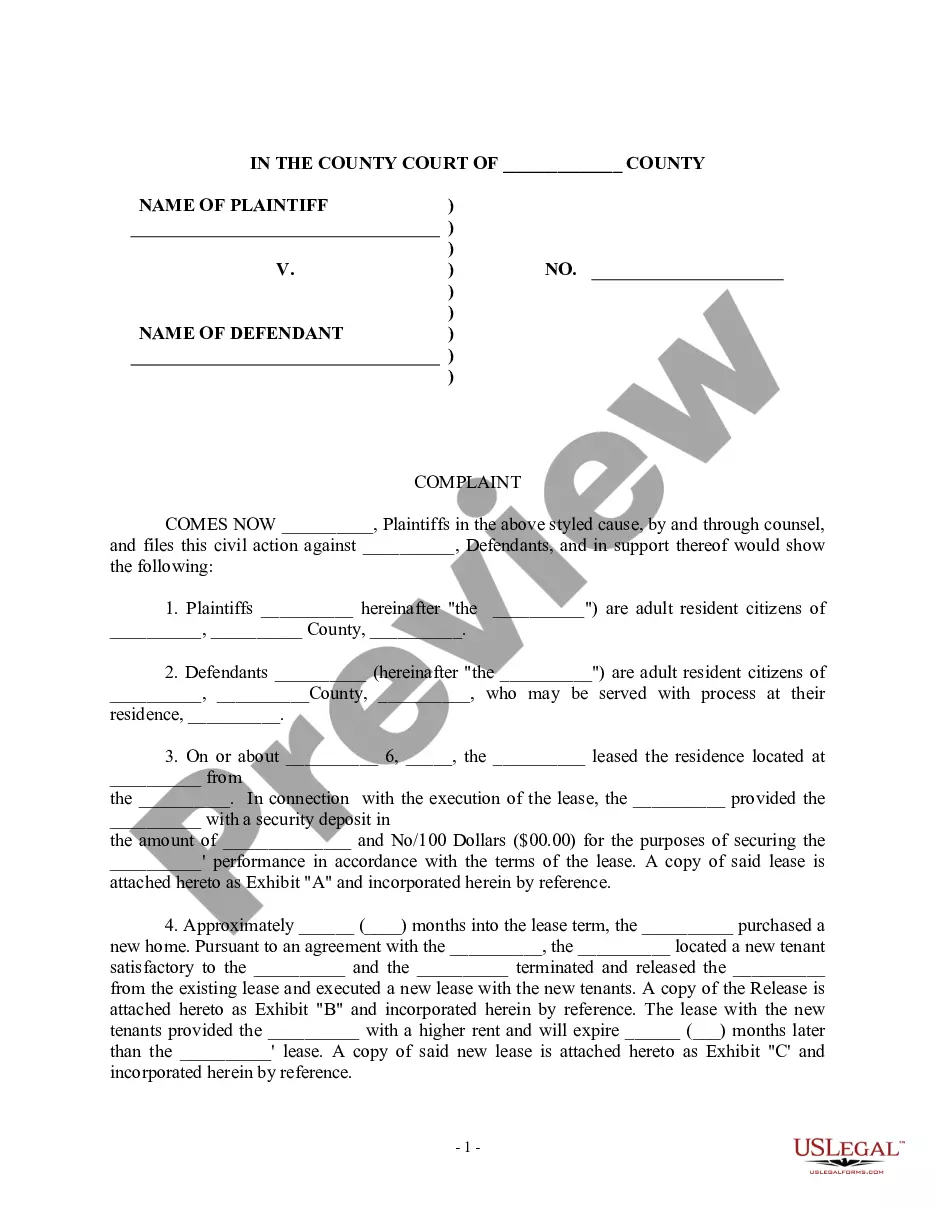
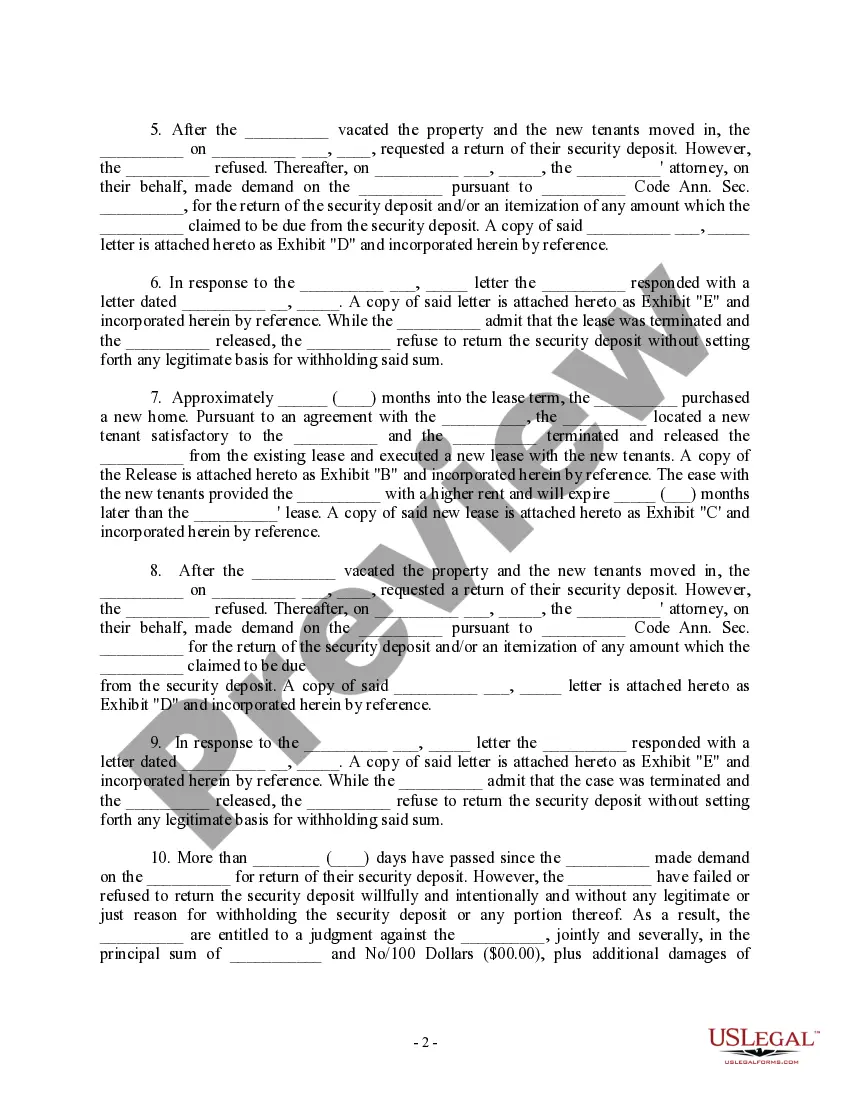
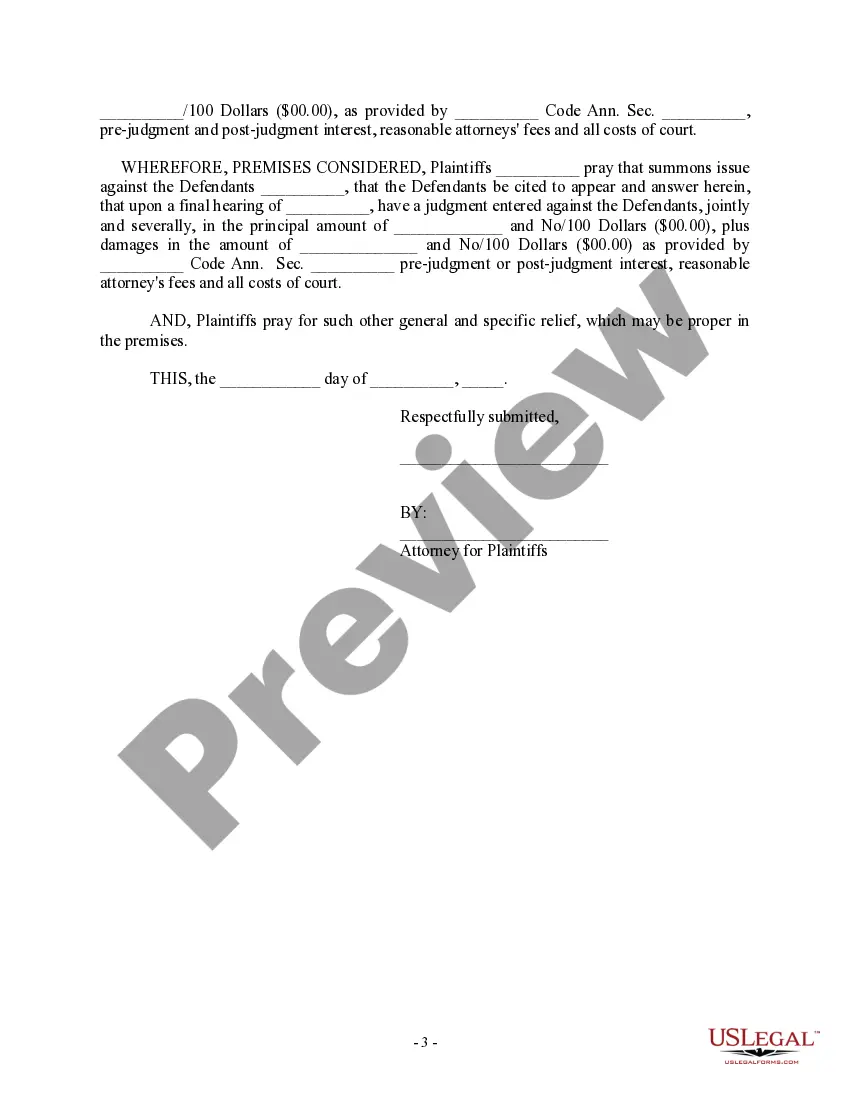
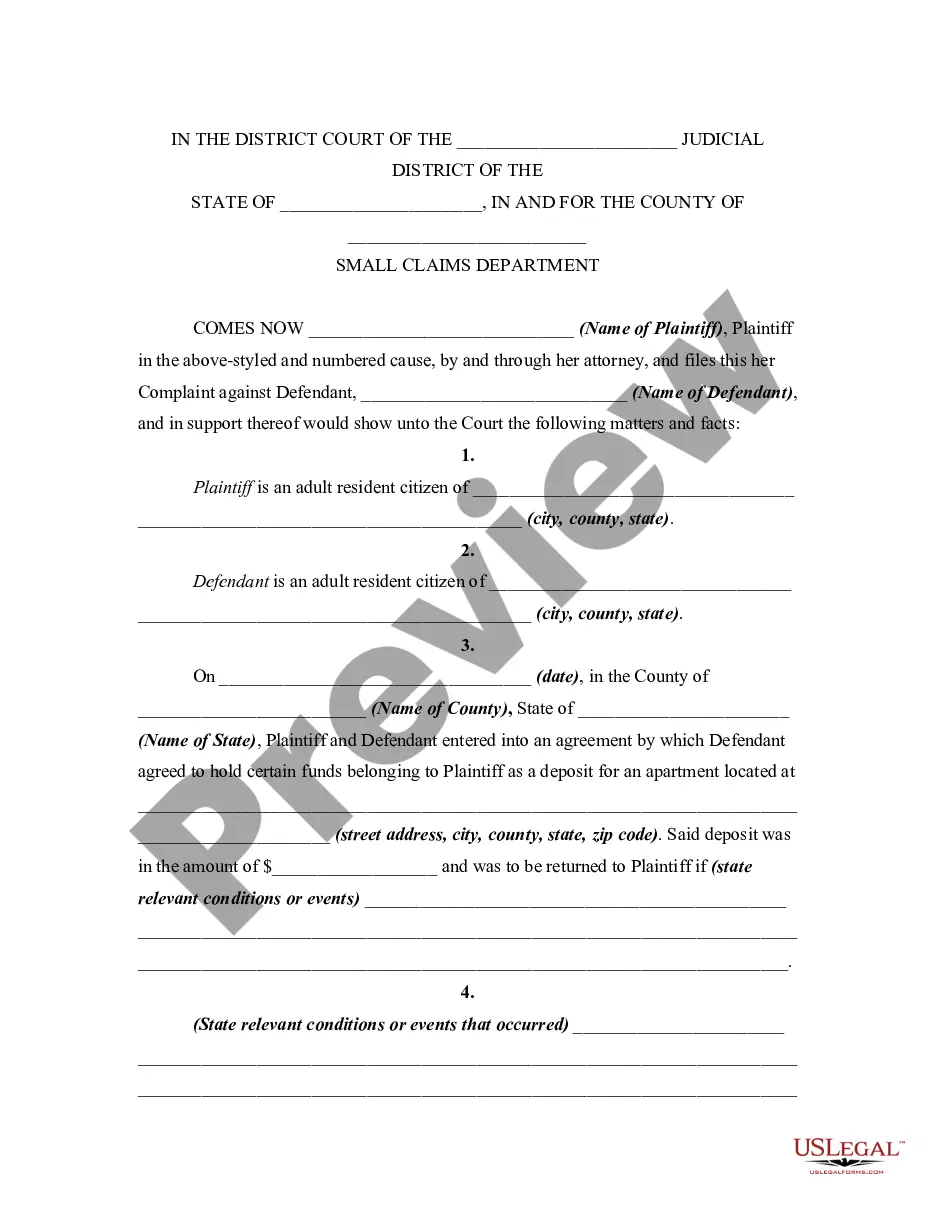
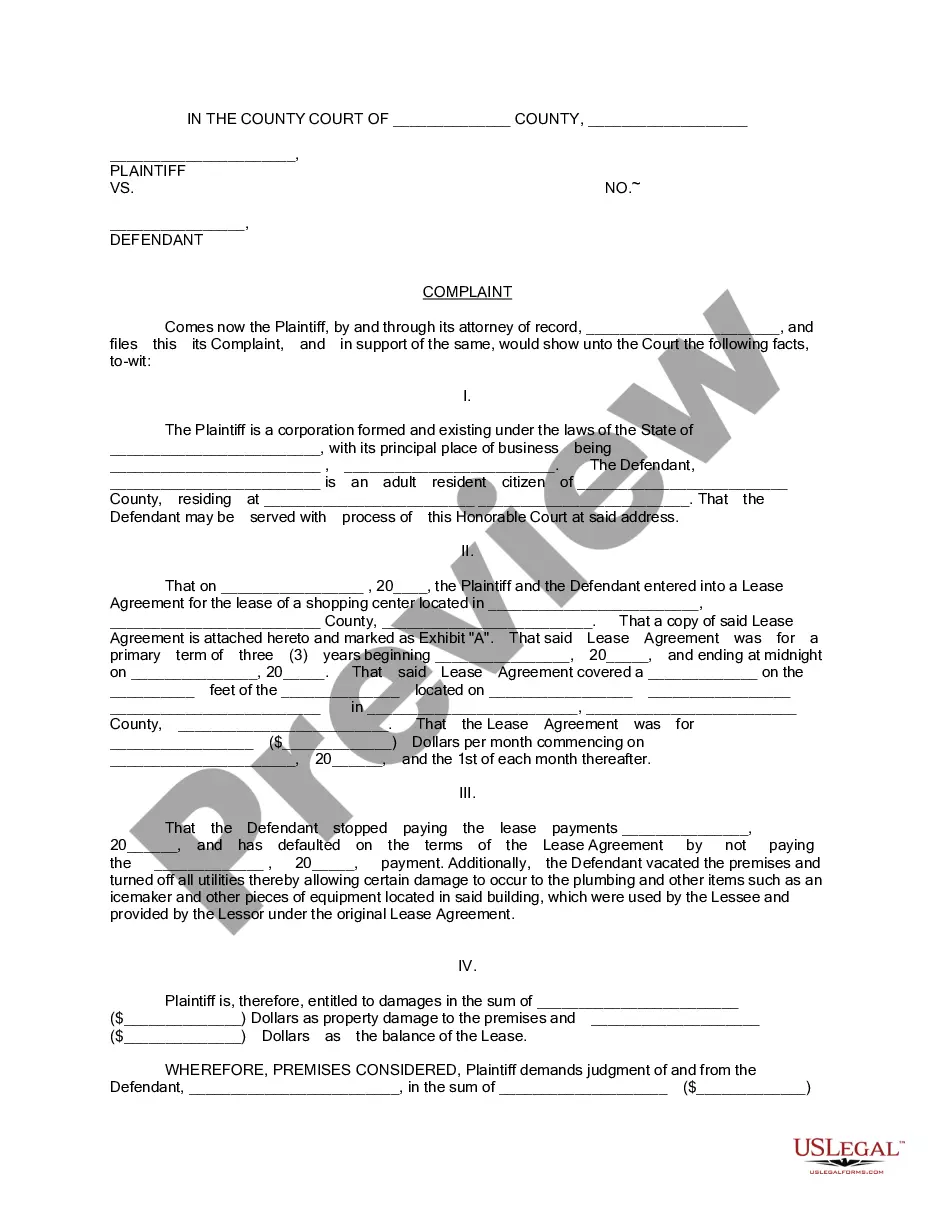
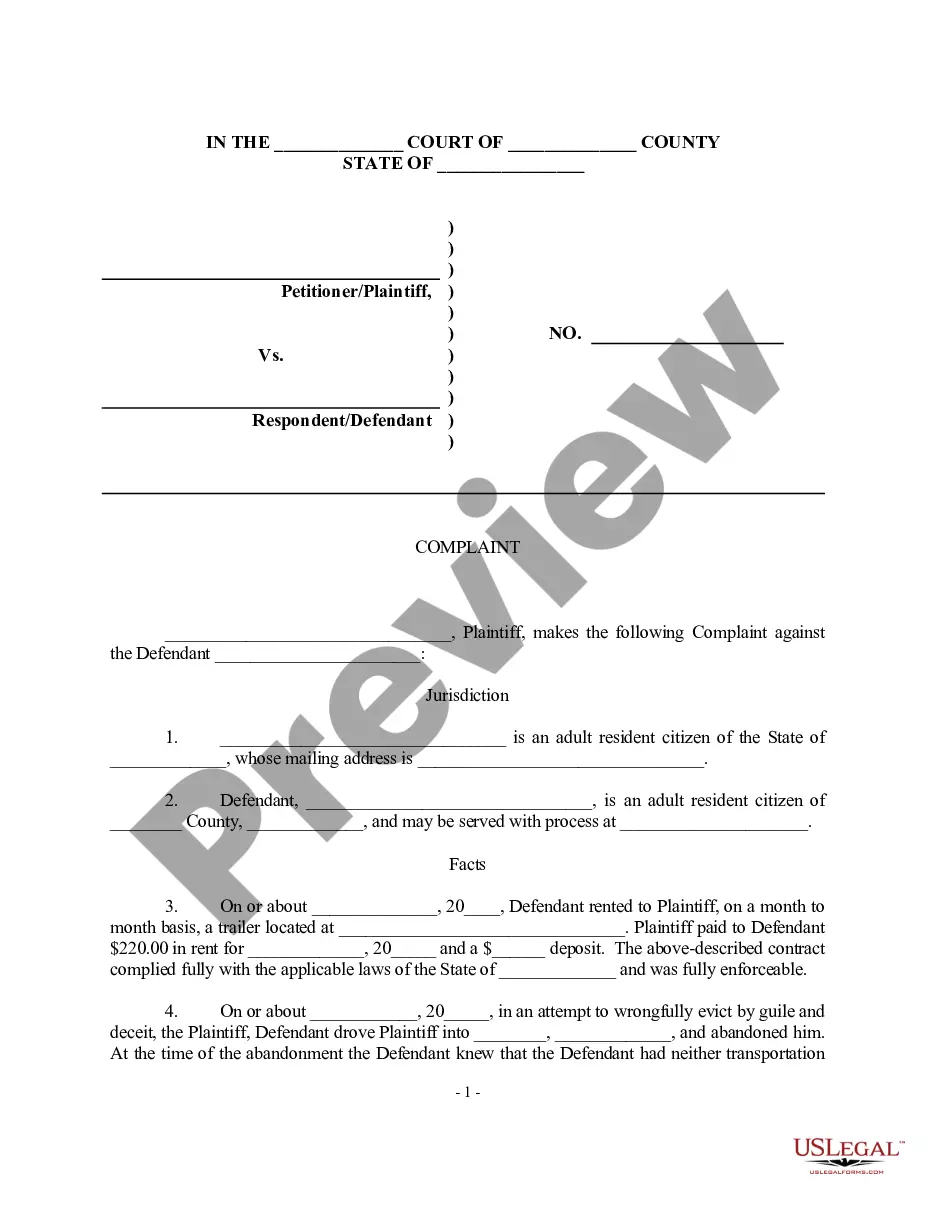
Get your form ready online
Our built-in tools help you complete, sign, share, and store your documents in one place.
Make edits, fill in missing information, and update formatting in US Legal Forms—just like you would in MS Word.
Download a copy, print it, send it by email, or mail it via USPS—whatever works best for your next step.
Sign and collect signatures with our SignNow integration. Send to multiple recipients, set reminders, and more. Go Premium to unlock E-Sign.
If this form requires notarization, complete it online through a secure video call—no need to meet a notary in person or wait for an appointment.
We protect your documents and personal data by following strict security and privacy standards.

Make edits, fill in missing information, and update formatting in US Legal Forms—just like you would in MS Word.

Download a copy, print it, send it by email, or mail it via USPS—whatever works best for your next step.

Sign and collect signatures with our SignNow integration. Send to multiple recipients, set reminders, and more. Go Premium to unlock E-Sign.

If this form requires notarization, complete it online through a secure video call—no need to meet a notary in person or wait for an appointment.

We protect your documents and personal data by following strict security and privacy standards.
Looking for another form?
How to fill out Complaint - Lessor Failure To Return Security Deposit?
If you need to compile, obtain, or print authentic document templates, utilize US Legal Forms, the largest collection of legal forms available online.
Take advantage of the site’s straightforward and user-friendly search to find the documents you require.
Various templates for business and personal purposes are categorized by types and states, or keywords.
Step 4. Once you have found the form you need, click the Purchase now button. Choose the pricing plan you prefer and enter your details to register for an account.
Step 5. Complete the payment. You can use your credit card or PayPal account to finalize the transaction.
- Use US Legal Forms to locate the Florida Complaint - Lessor Failure to Return Security Deposit with just a couple of clicks.
- If you are already a US Legal Forms user, Log In to your account and click the Download button to obtain the Florida Complaint - Lessor Failure to Return Security Deposit.
- You can also access forms you previously saved in the My documents section of your account.
- If you are using US Legal Forms for the first time, follow the guidelines below.
- Step 1. Ensure you have selected the form for the correct city/state.
- Step 2. Utilize the Preview feature to review the form’s content. Don’t forget to read the description.
- Step 3. If you are dissatisfied with the form, use the Search box at the top of the screen to find other versions of the legal form template.
Form popularity
FAQ
A new amendment to Florida Statutes, which takes effect July 1, 2023, has been signed into law by the State of Florida. Chapter 83.491 provides the right for landlords to offer tenants the option to pay a fee instead of a security deposit. However, there is no obligation for landlords to offer this option to tenants.
In regards to security deposits, the Florida statute requires a landlord to return a tenant's deposit within 15 days after they move out. In addition, the landlord must also include any interest accrued. If there are any deductions, then the Florida landlord must notify the renter within 30 days of their intention.
If the landlord doesn't return the security deposit within 15 days, the lessee can take them to court. Alternatively, if the landlord doesn't send a written notice explaining the deductions within 30 days. The lawsuit is filed in respect of the deposit amount plus court fees and lawyer fees.
The notice shall contain a statement in substantially the following form: This is a notice of my intention to impose a claim for damages in the amount of upon your security deposit, due to. It is sent to you as required by s. 83.49(3), Florida Statutes.
A new amendment to Florida Statutes, which takes effect July 1, 2023, has been signed into law by the State of Florida. Chapter 83.491 provides the right for landlords to offer tenants the option to pay a fee instead of a security deposit. However, there is no obligation for landlords to offer this option to tenants.
When the landlord fails to return the deposit, the tenant may proceed to file a lawsuit. The tenant can either hire a landlord-tenant attorney or file without an attorney. If the amount owed is less than $5000, the tenant can file lawsuit in a Florida Small claims court.
The only thing that the Florida landlord-tenant laws say regarding payments is that the tenant must pay rent on time ing to the rental property agreement. If the landlord fails to comply with general property repairs, tenant rights allow them to withhold rent.
Landlords can only increase the rent by more than 30 percent if the landlord's actual expenses exceed 30 percent of the rent due to repairs, fees, insurance adjustments or property taxes, the bill states. If the bill is approved by legislators, it will go into effect on July 1, 2024.