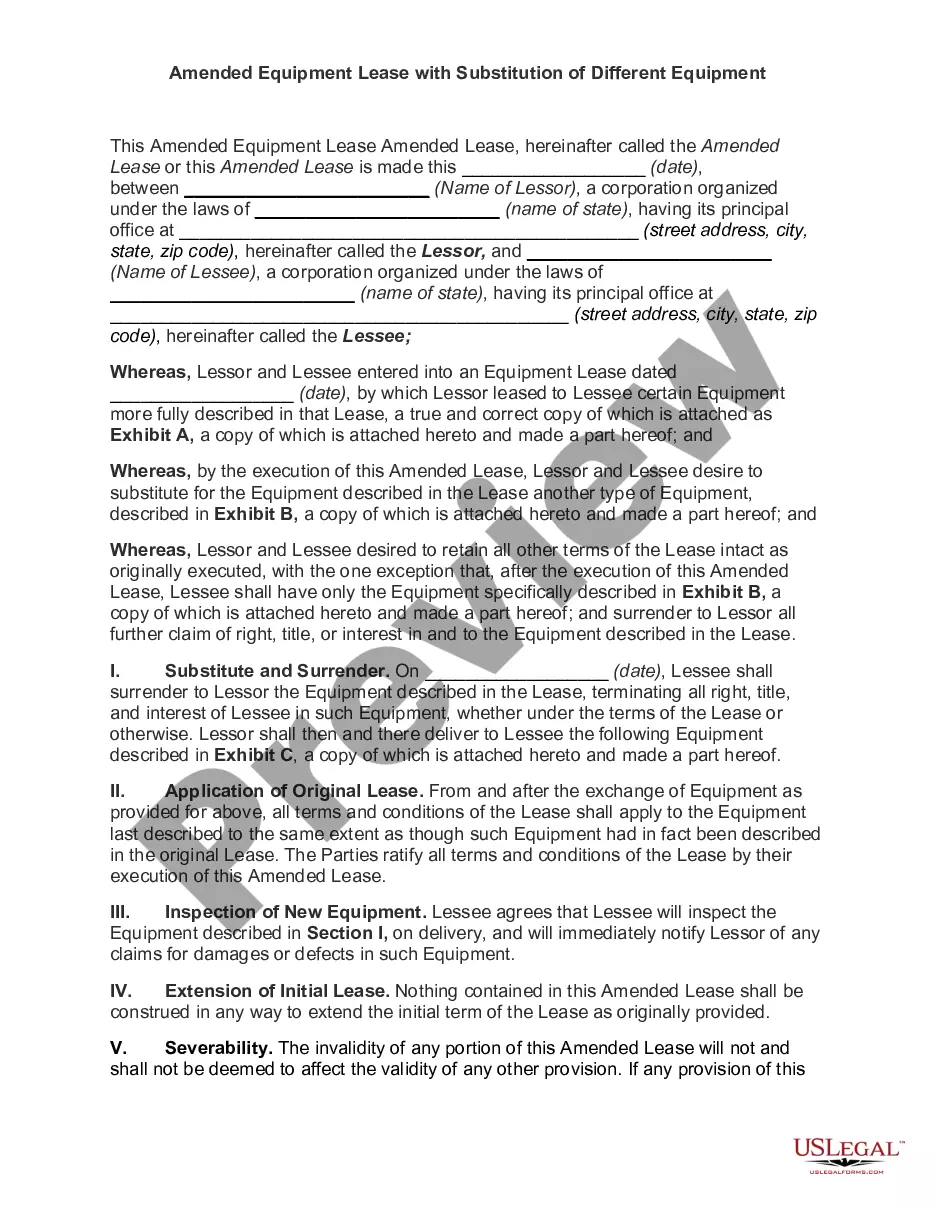
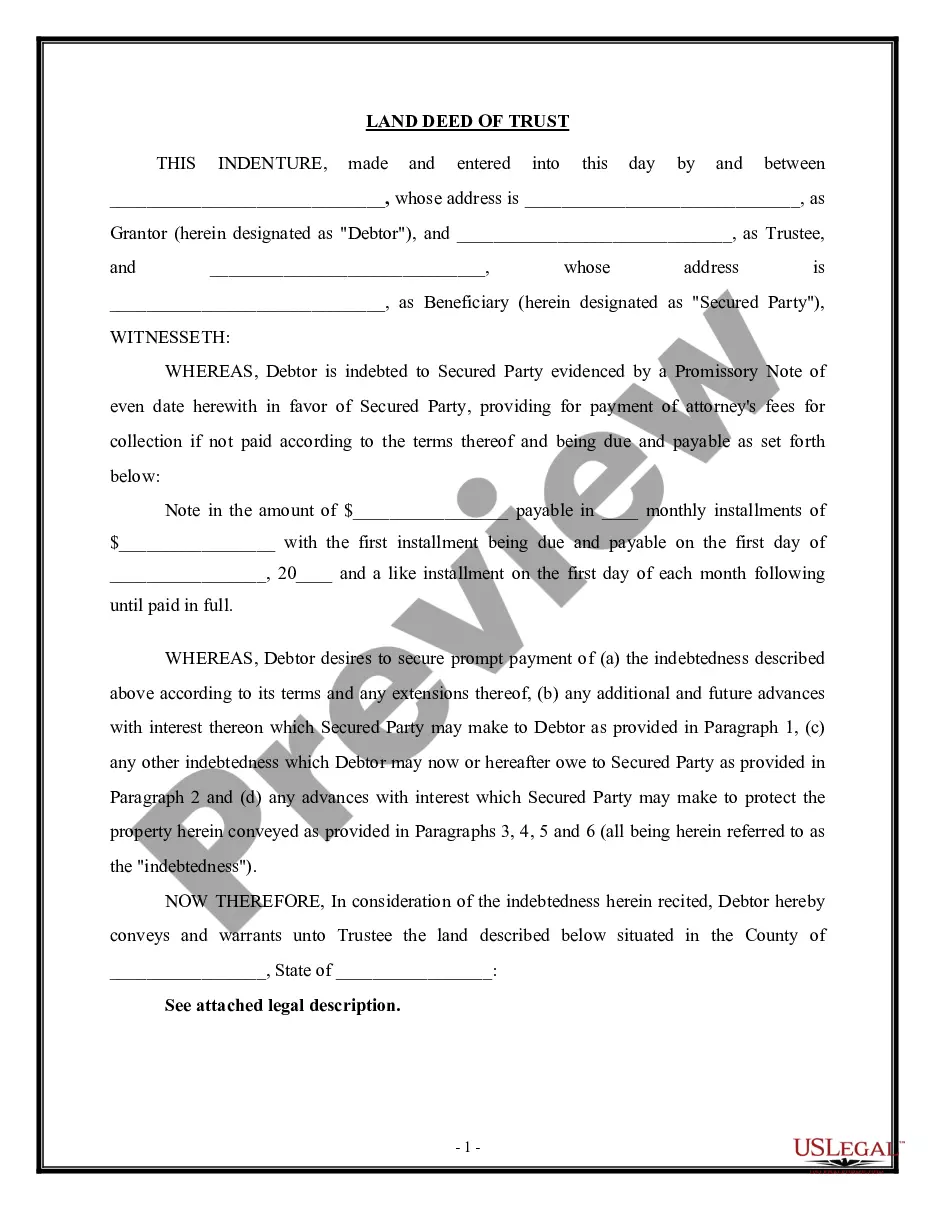
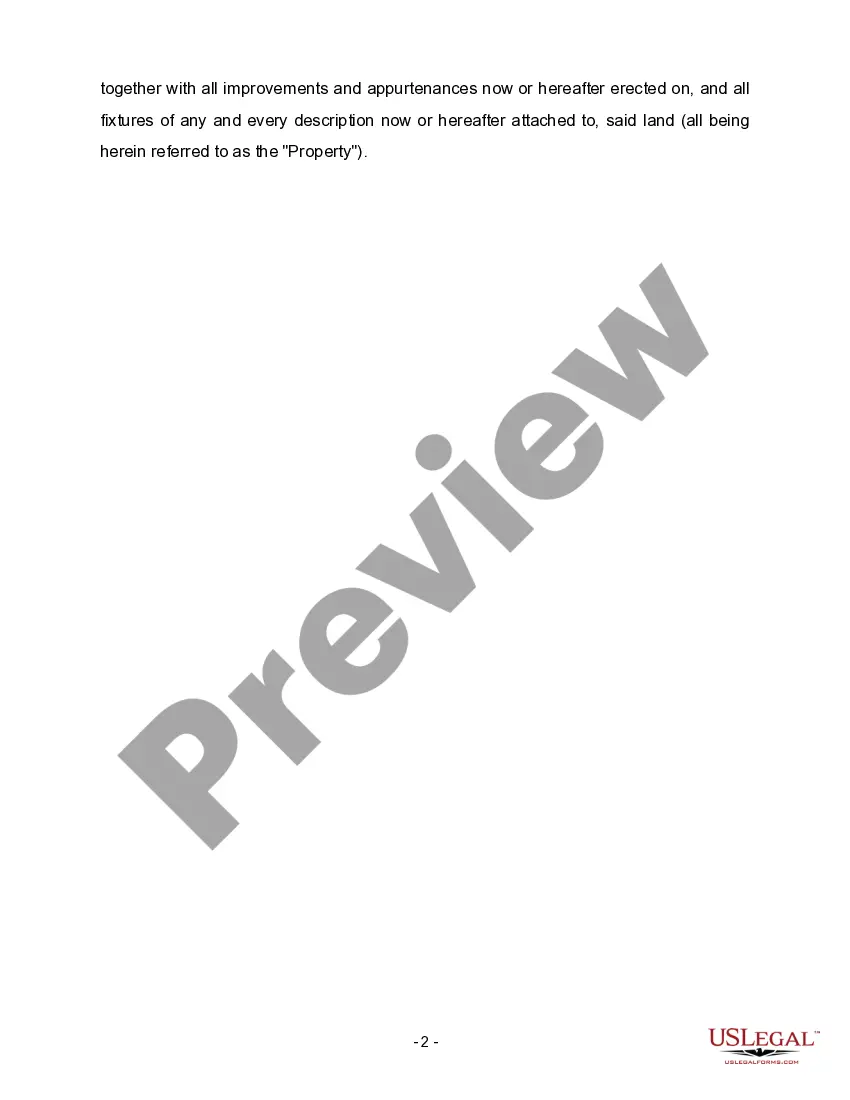
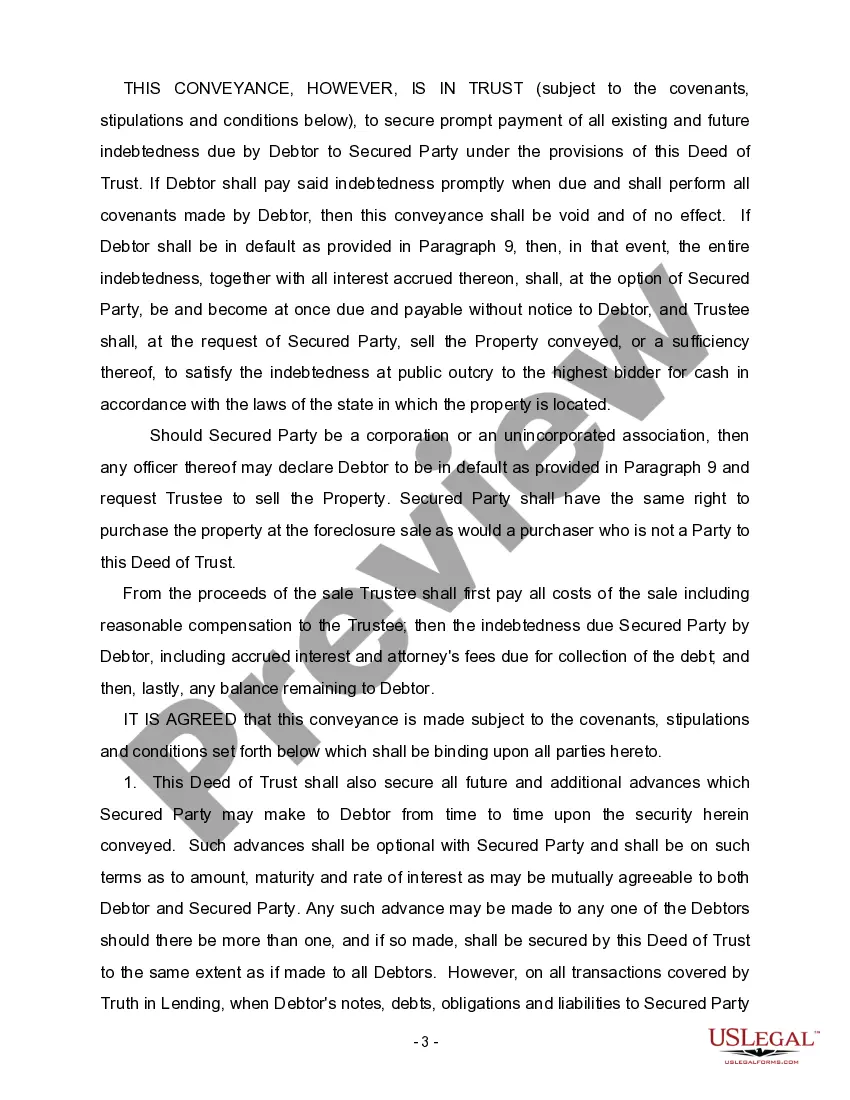
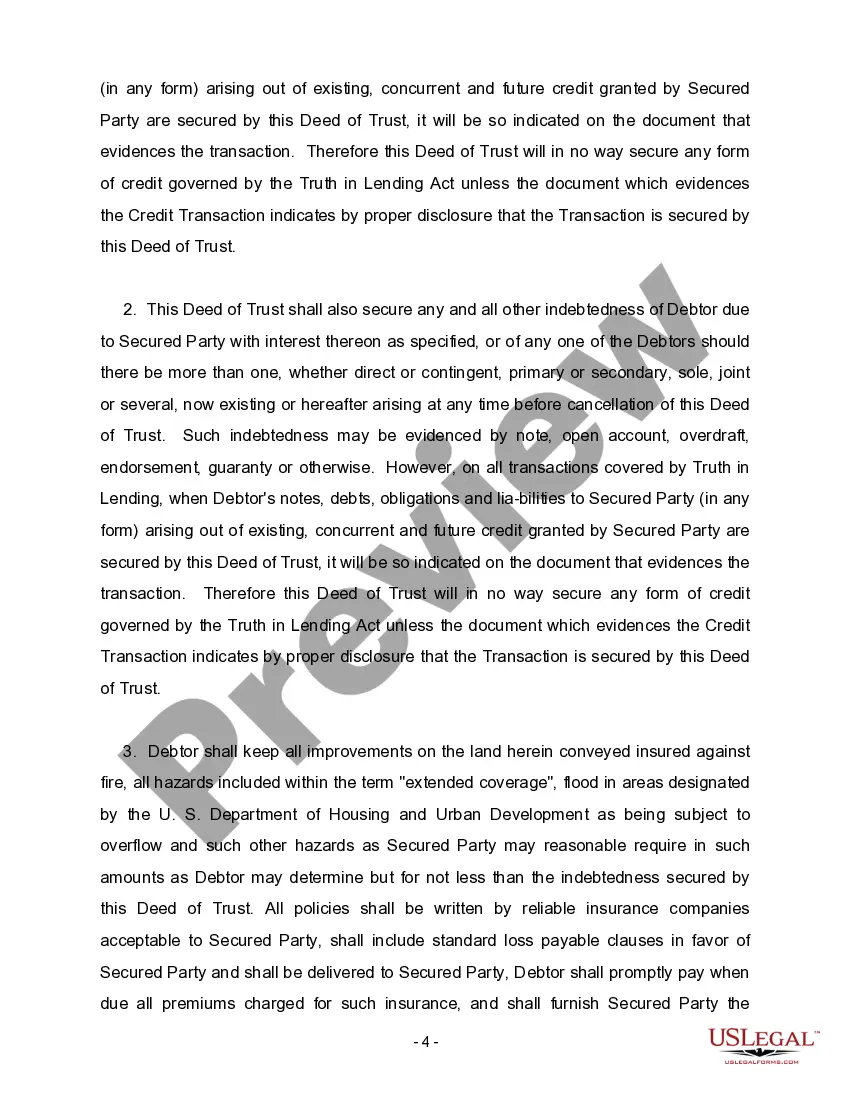
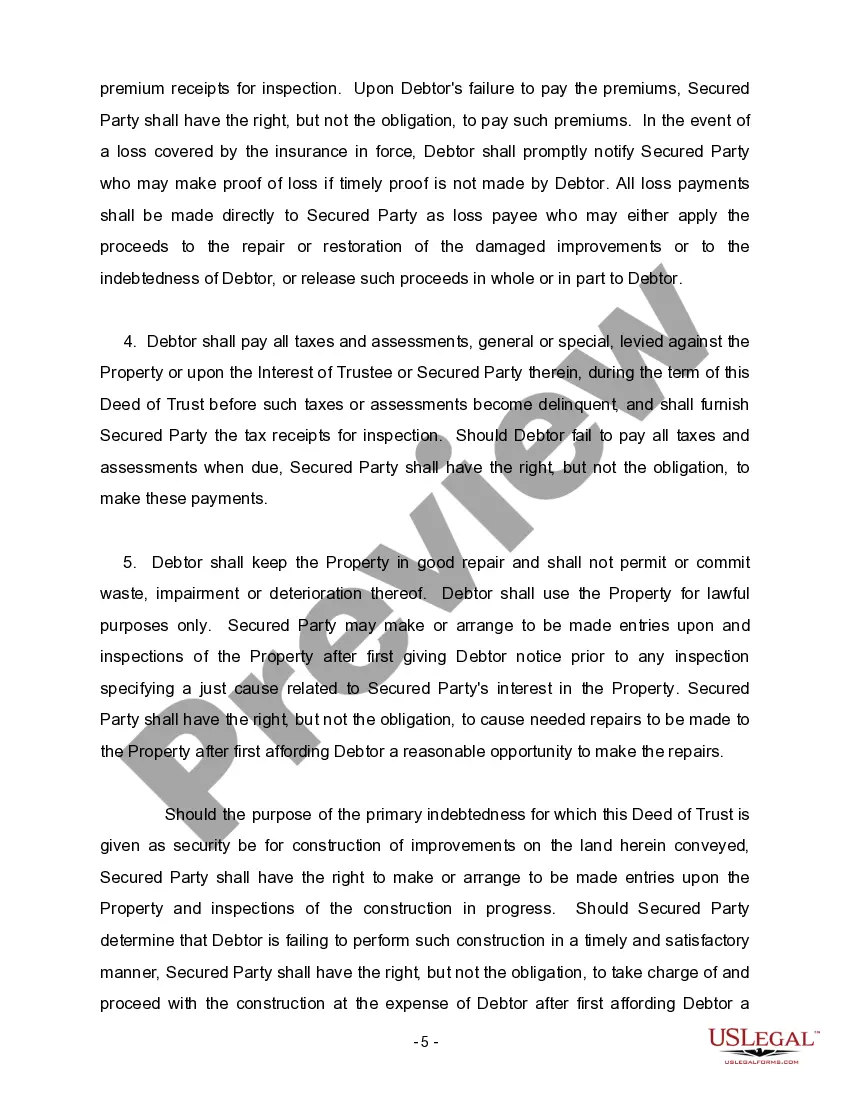
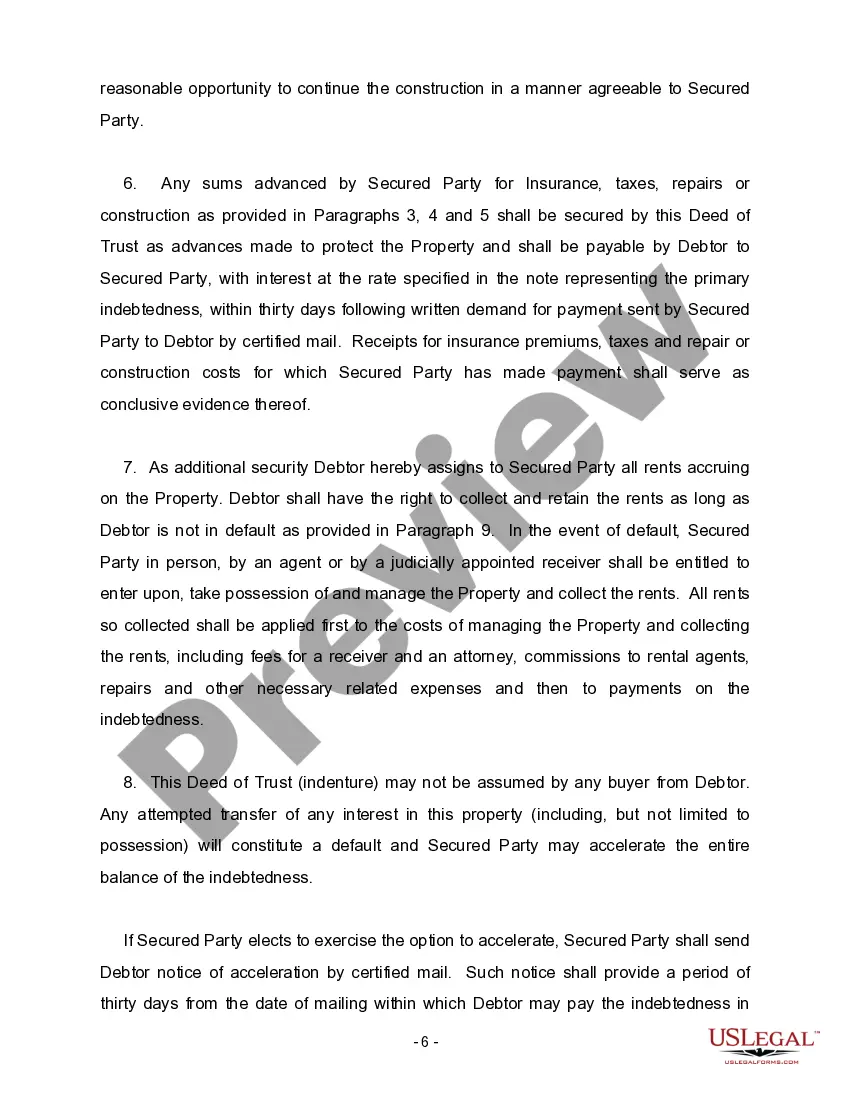
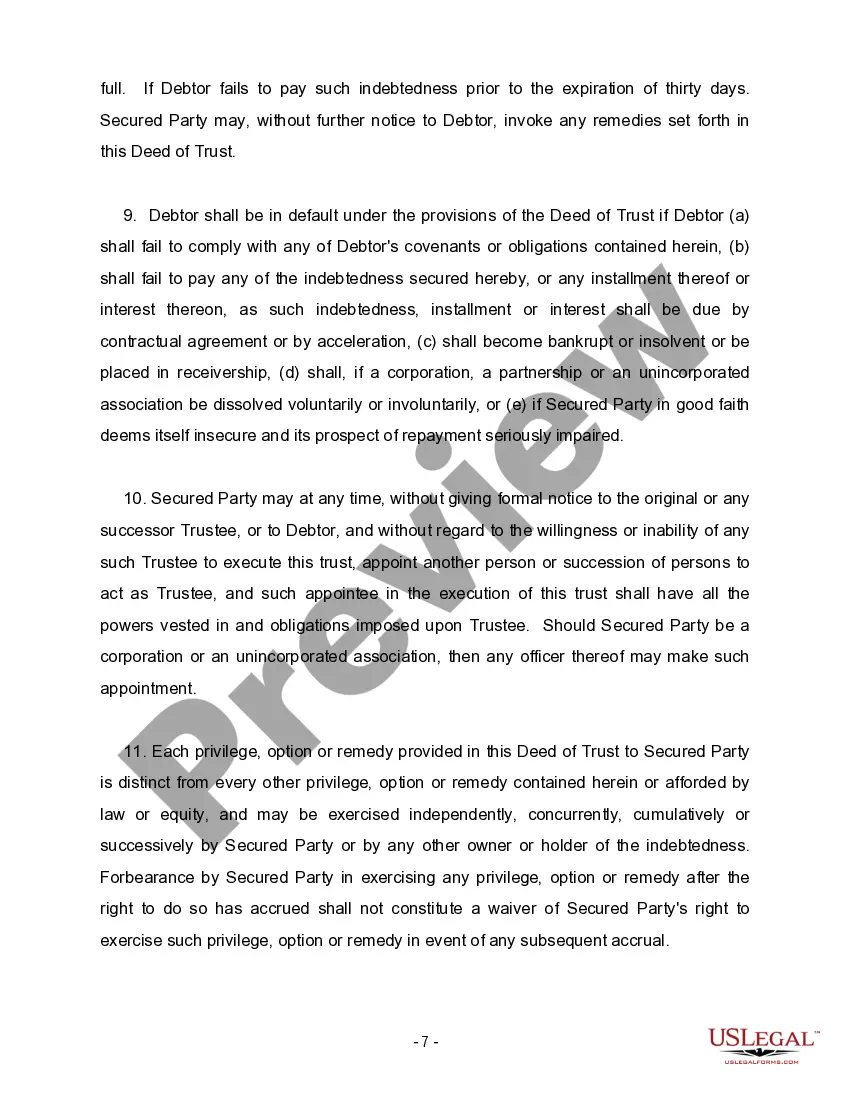
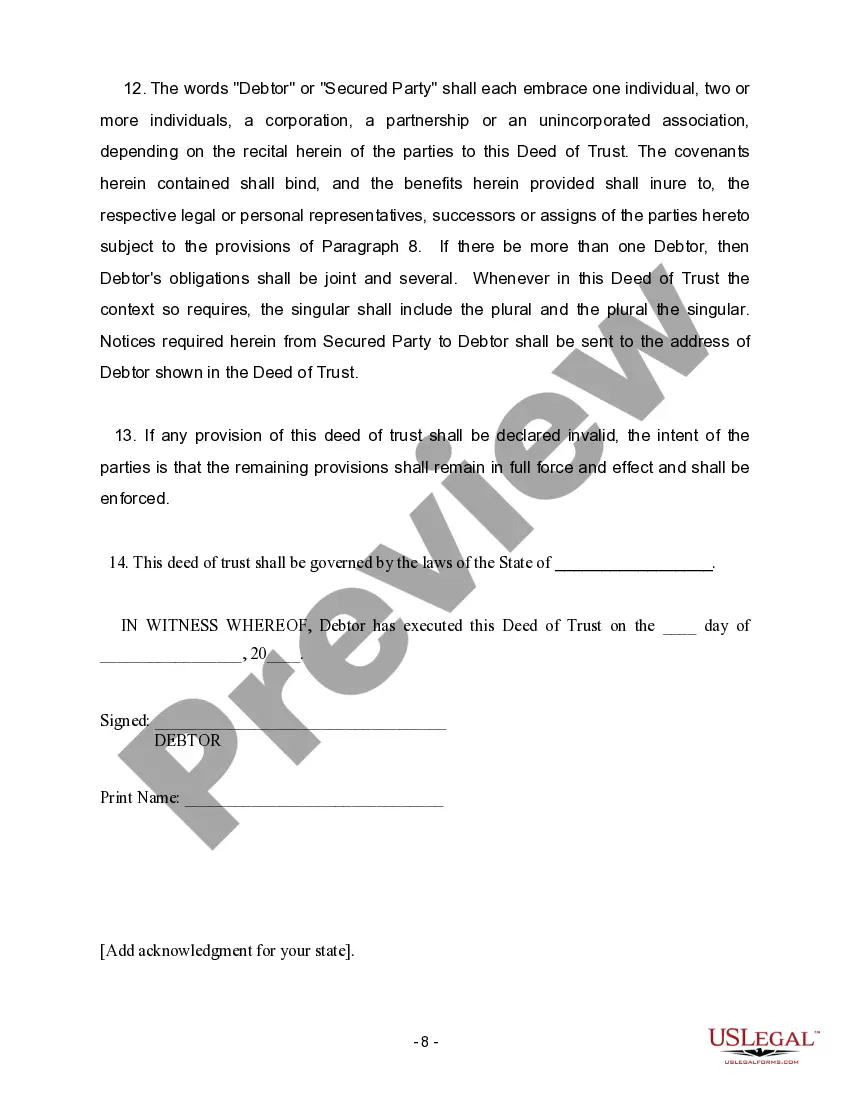
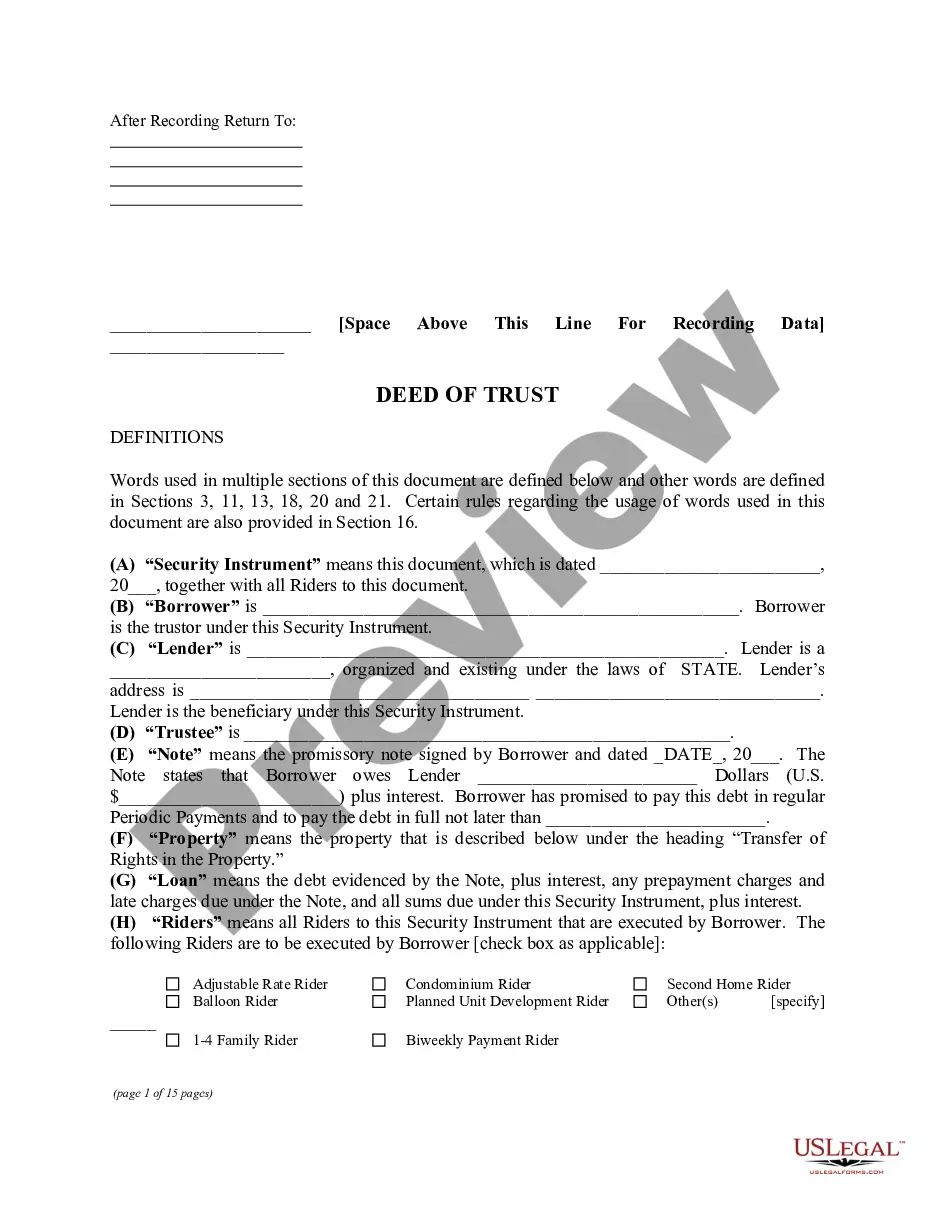
In consideration of a debt owed to the trustee, debtor conveys and warrants to trustee a certain piece of property described in the deed of trust.
Florida Deed of Trust - Multistate
State:
Multi-State
Control #:
US-00486
Format:
Word;
Rich Text
Instant download
Description
Free preview


Get your form ready online
Our built-in tools help you complete, sign, share, and store your documents in one place.
Built-in online Word editor
Make edits, fill in missing information, and update formatting in US Legal Forms—just like you would in MS Word.
Export easily
Download a copy, print it, send it by email, or mail it via USPS—whatever works best for your next step.
E-sign your document
Sign and collect signatures with our SignNow integration. Send to multiple recipients, set reminders, and more. Go Premium to unlock E-Sign.
Notarize online 24/7
If this form requires notarization, complete it online through a secure video call—no need to meet a notary in person or wait for an appointment.
Store your document securely
We protect your documents and personal data by following strict security and privacy standards.

Make edits, fill in missing information, and update formatting in US Legal Forms—just like you would in MS Word.

Download a copy, print it, send it by email, or mail it via USPS—whatever works best for your next step.

Sign and collect signatures with our SignNow integration. Send to multiple recipients, set reminders, and more. Go Premium to unlock E-Sign.

If this form requires notarization, complete it online through a secure video call—no need to meet a notary in person or wait for an appointment.

We protect your documents and personal data by following strict security and privacy standards.
Looking for another form?

How to fill out Deed Of Trust - Multistate?
Locating the correct authorized document template can be a challenge. Of course, there are numerous formats available online, but how do you find the legal form you require? Utilize the US Legal Forms website. The service offers thousands of templates, such as the Florida Deed of Trust - Multistate, which you can utilize for business and personal purposes. All of the forms are verified by professionals and comply with state and federal regulations.
If you are already registered, Log In to your account and click the Download button to obtain the Florida Deed of Trust - Multistate. Use your account to search for the legal forms you have previously purchased. Navigate to the My documents tab of your account and retrieve another copy of the document you need.
If you are a new user of US Legal Forms, here are some simple tips you can follow: First, ensure you have selected the correct form for your city/region. You can view the form using the Preview button and read the form description to confirm it is the right one for you. If the form does not suit your needs, use the Search field to find the appropriate form. When you are confident that the form is suitable, click the Download now button to get the form. Choose the pricing plan you want and enter the required information. Create your account and pay for the order using your PayPal account or credit card. Select the file format and download the legal document template to your device. Complete, modify, print, and sign the received Florida Deed of Trust - Multistate.
Make the most of US Legal Forms to access the legal documents you need efficiently and effectively.
- US Legal Forms is the largest collection of legal forms where you can find various document templates.
- Utilize the service to download professionally crafted documents that adhere to state requirements.
- Ensure your chosen form matches your local regulations.
- Use the preview feature to make sure you have the correct document.
- Search for alternative forms if the initial one does not meet your criteria.
- Complete the transaction easily through secure payment options.
Form popularity
FAQ
Where are trusts recorded in Florida? Does it even need to be recorded? In short, no. Trusts don't have to be recorded or registered, and that simple fact is one of the key benefits of this asset management tool.
A trust agreement properly executed in another state is enforceable in Florida, similar to all other contracts, under the full faith and credit provisions of the U.S. Constitution. Therefore, your existing will or living trust remains legally effective after you become a Florida resident. Should You Update Your Will and Trust After Moving to Florida? alperlaw.com ? blog ? should-you-update-y... alperlaw.com ? blog ? should-you-update-y...
Importantly, all 50 states will recognize a trust regardless of where it was created. This means that out-of-state property placed in a trust in Florida will also escape probate in the property's state. Can a Florida trust own property in another state? - Mortellaro Law mortellarolaw.com ? can-a-florida-trust-own-prop... mortellarolaw.com ? can-a-florida-trust-own-prop...
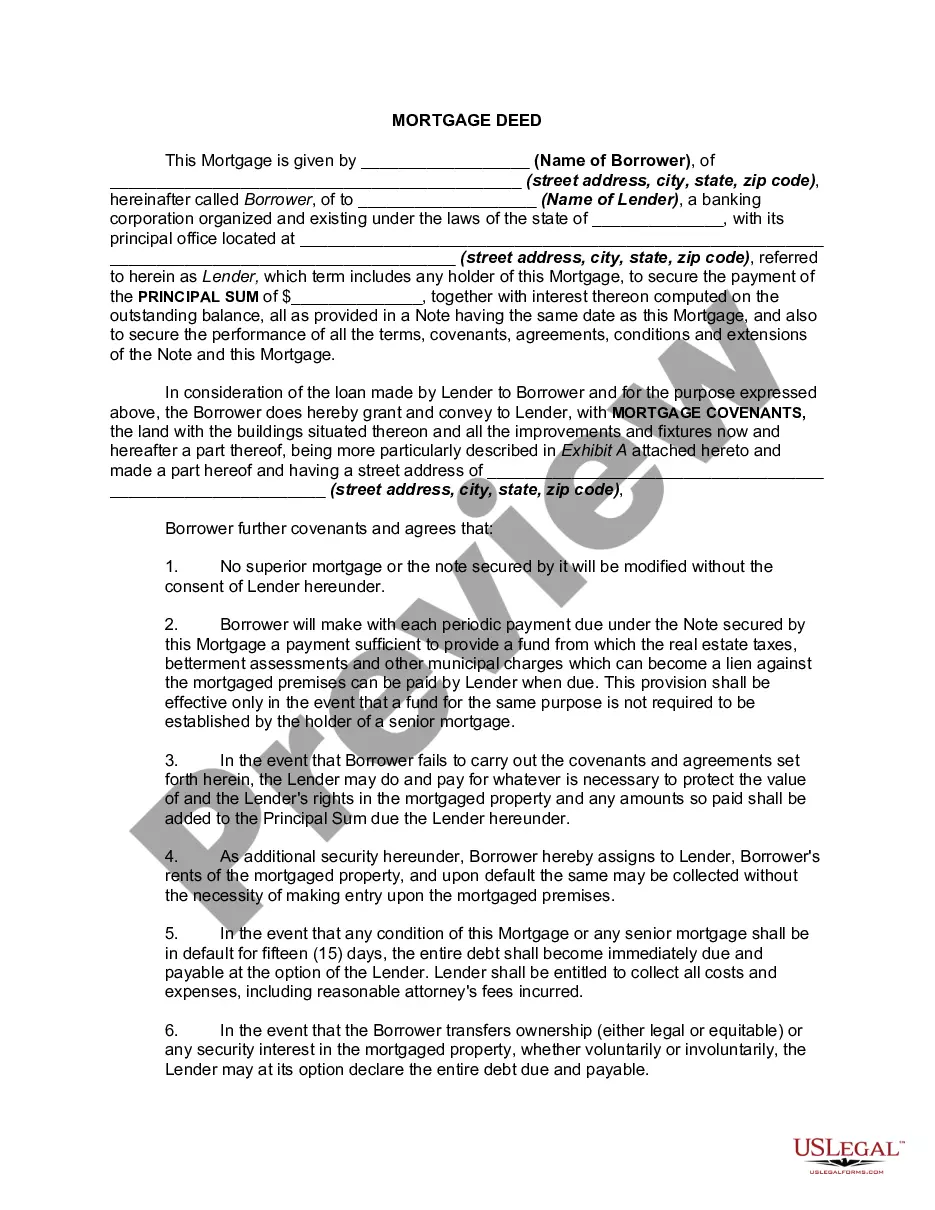
Notes: Not all states recognize a Trust Deed. Use a Mortgage Deed if you live in: Connecticut, Delaware, Florida, Indiana, Iowa, Kansas, Louisiana, New Jersey, New York, North Dakota, Ohio, Oklahoma, Pennsylvania, South Carolina, Vermont, or Wisconsin. Free Deed of Trust Template & FAQs - Rocket Lawyer rocketlawyer.com ? real-estate ? document rocketlawyer.com ? real-estate ? document
Does My Living Trust Need to Be Publicly Registered or Recorded Anywhere? No. It is a private document which, unlike a Will, is not entered into public record. You should be aware that if you own any interest in real property, your deed should be filed as a matter of public record. Florida Living Trust FAQ's | Karp Law Firm karplaw.com ? florida-estate-planning ? florida-li... karplaw.com ? florida-estate-planning ? florida-li...
Since living trusts are not required to be filed with the Florida courts following a person's death, it is difficult to gauge the number of trusts vs. the number of wills (which are required to go through probate, therefore are public).
A Certificate of Trust may need to be recorded in the county that any real property is in. That said, if there's no real property owned by the Trust, there may not be any need to record it.
Requirements of a Revocable Living Trust in Florida The trust must be created and signed by you. You must transfer assets into the trust. There must be a successor trustee named. A beneficiary will need to be named.