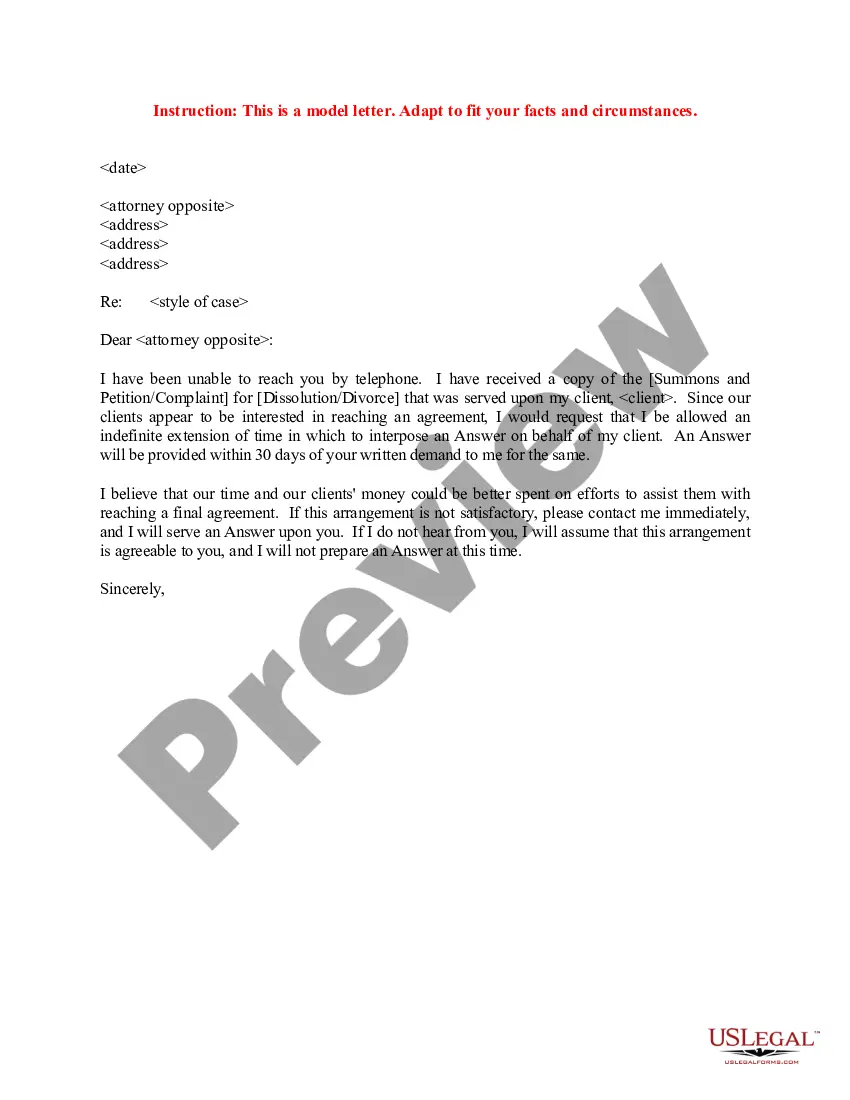
Florida Fact Information Sheet - Individual
What this document covers
The Fact Information Sheet - Individual is a legal document used to provide detailed financial and personal information about an individual. This form is typically required in legal proceedings, particularly in cases involving judgments or debt collection. Unlike other financial disclosure forms, this sheet specifically focuses on an individual's income, assets, and debts, making it essential for establishing financial responsibility in legal contexts.
What’s included in this form
- Personal identification details, including full legal name and contact information.
- Employment information, including employer name, address, job position, and income.
- Details about the individualâs spouse, if applicable, including financial information.
- Information about children, including names, ages, and any child support paid or received.
- Assets and property details, including real estate, vehicles, and financial accounts.
- A declaration affirming the accuracy of the provided information under penalty of perjury.
Common use cases
This form is commonly used in cases involving debt collection, bankruptcy proceedings, or as part of legal requirements for disclosing financial information during lawsuits. It may also be necessary when the court or a judgment creditor requests a detailed financial disclosure from an individual to assess their ability to pay debts or fulfill financial obligations.
Who needs this form
- Individuals facing legal judgments or debt collections.
- Debtors required to disclose financial information to a court or creditor.
- Persons involved in bankruptcy proceedings who need to provide asset and income details.
- Individuals assessing their financial situation in legal contexts.
How to prepare this document
- Fill in your full legal name, contact information, and current residence details.
- Provide employment information, including your job title and income details.
- List any personal income sources, including those from your spouse and detail any child support obligations.
- Disclose asset details, including property and vehicles you own, along with associated financial details.
- Double-check all information for accuracy and completeness before signing the declaration.
Notarization requirements for this form
Notarization is not commonly needed for this form. However, certain documents or local rules may make it necessary. Our notarization service, powered by Notarize, allows you to finalize it securely online anytime, day or night.
Common mistakes to avoid
- Omitting important financial details or assets.
- Failing to update information regarding changes in employment or marital status.
- Not attaching required documentation, such as pay stubs or financial statements.
- Submitting the form without a valid signature or failing to notarize, if required.
Advantages of online completion
- Convenience of completing the form from home at any time.
- Easy to access, edit, and save your information securely.
- Assurance that the form complies with legal standards, as it is prepared by licensed attorneys.
Legal use & context
- This form serves as an official record of an individual's financial situation, useful in legal disputes.
- Information provided can significantly impact debt negotiations and court decisions regarding financial matters.
- Accurate and truthful completion is crucial, as inaccuracies may lead to legal repercussions.
Main things to remember
- The Fact Information Sheet - Individual is essential in legal settings for financial disclosure.
- Ensure all personal and financial details are complete and accurate.
- Utilize available online notarization services for convenience and assurance of legal compliance.



Form popularity
FAQ
The fact information sheet rule in Florida mandates that individuals involved in certain legal proceedings submit a Florida Fact Information Sheet - Individual. This rule ensures that parties disclose important personal and financial information, promoting transparency during the legal process. By adhering to this rule, individuals facilitate fair assessments and resolutions in their cases. Utilizing resources like USLegalForms can simplify the completion of this sheet and help you remain compliant with the rule.
If you fail to complete the Florida Fact Information Sheet - Individual, you may face serious consequences. Not providing this essential document can result in delays in your legal proceedings or even adverse rulings against you. Courts use this sheet to gather relevant financial information, which is crucial in various cases, including family law matters. Therefore, it is in your best interest to complete the sheet accurately to avoid complications.
Rule 1.560 in Florida addresses the procedures related to the Florida Fact Information Sheet - Individual. This rule allows individuals to request important financial information from the opposing party in legal proceedings. By using the Florida Fact Information Sheet - Individual, you can obtain details about income, assets, and other financial obligations. This information ensures transparency and supports fair legal outcomes.
If you've received a notice for a Deposition in Aid of Execution, its not good, that's for sure?. What this Notice means is that the judgment creditor is looking to get paid on a judgment that was entered against you. This is NOT a new lawsuit, but rather, the continuation of an old one.
Deposition in Aid of Execution A creditor can require a debtor to sit before a court reporter while the creditor asks questions about the debtor's financial affairs and assets. The creditor can inquire about almost any aspect of the debtor's finances, including the debtor's tax returns and all other personal matters.
The overall purpose of a deposition is to take the sworn testimony of the witness or party so that the opposing party can discover what testimony may be offered at trial. The positions can also play a significant role in the negotiation and potential settlement of a case.
Rule 1.560 - DISCOVERY IN AID OF EXECUTION (a) In General. In aid of a judgment, decree, or execution the judgment creditor or the successor in interest, when that interest appears of record, may obtain discovery from any person, including the judgment debtor, in the manner provided in these rules.
If the debtor does not complete the Fact Information Sheet by a court-ordered deadline, the creditor may ask the court for an order providing a new deadline, after which the debtor could be held in contempt of court for failing to complete and serve the fact information sheet on time.
Rule 30 (d)(1) limits a deposition to one day of seven hours unless otherwise authorized by the Court or stipulated by the parties.