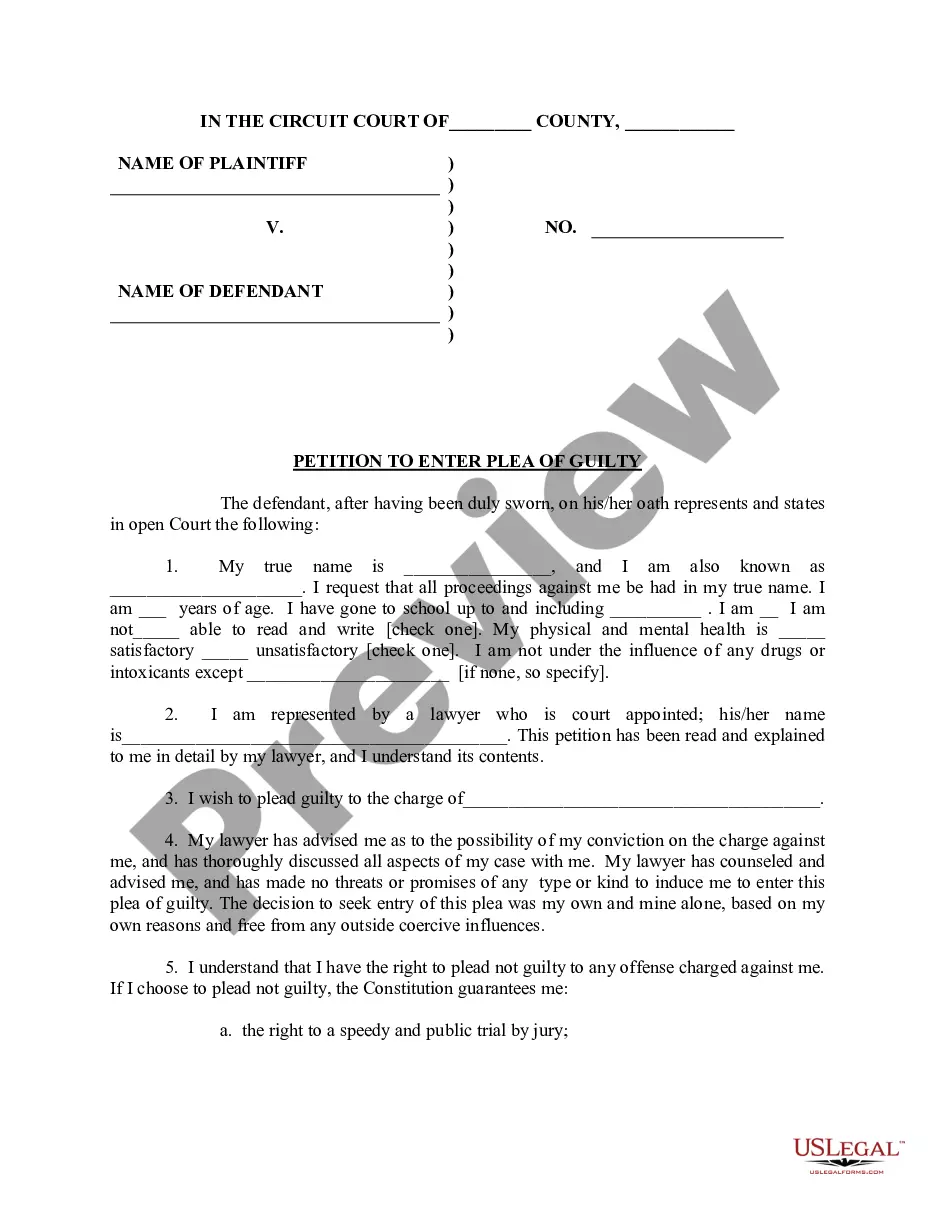
Florida Complaint For Landlord to Evict Tenants
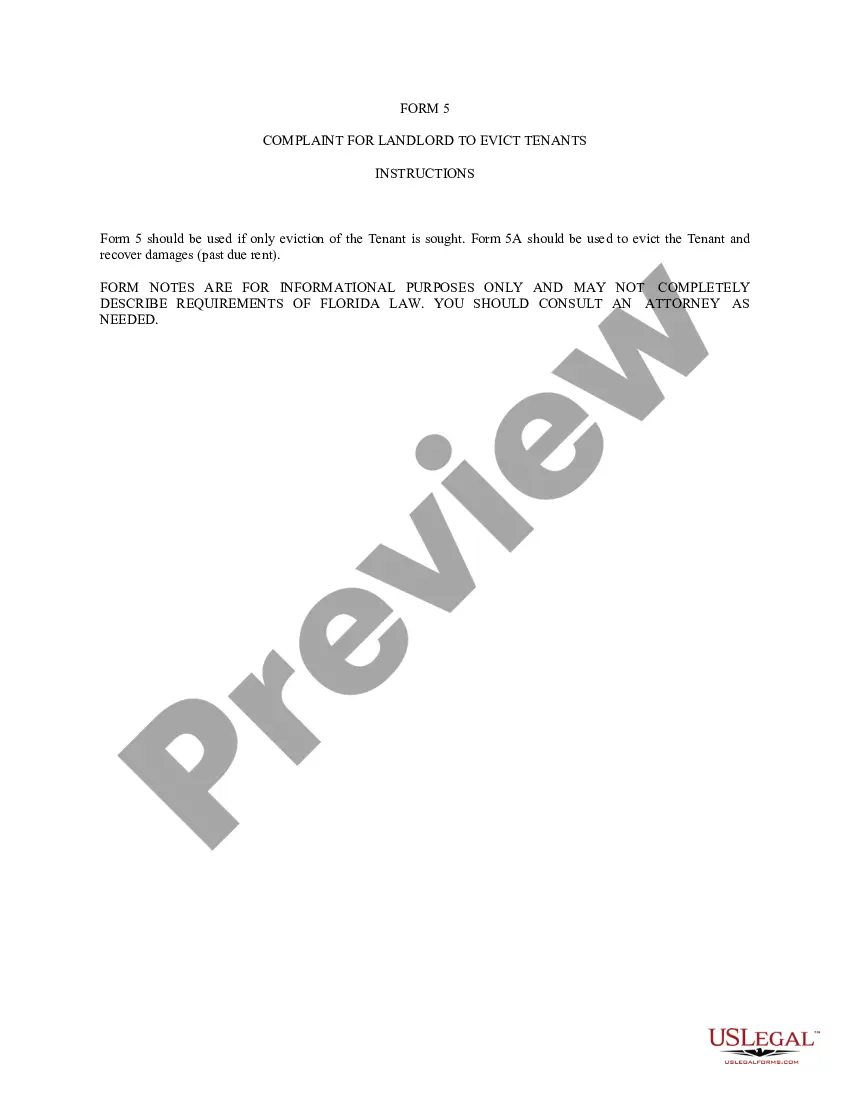
Overview of this form
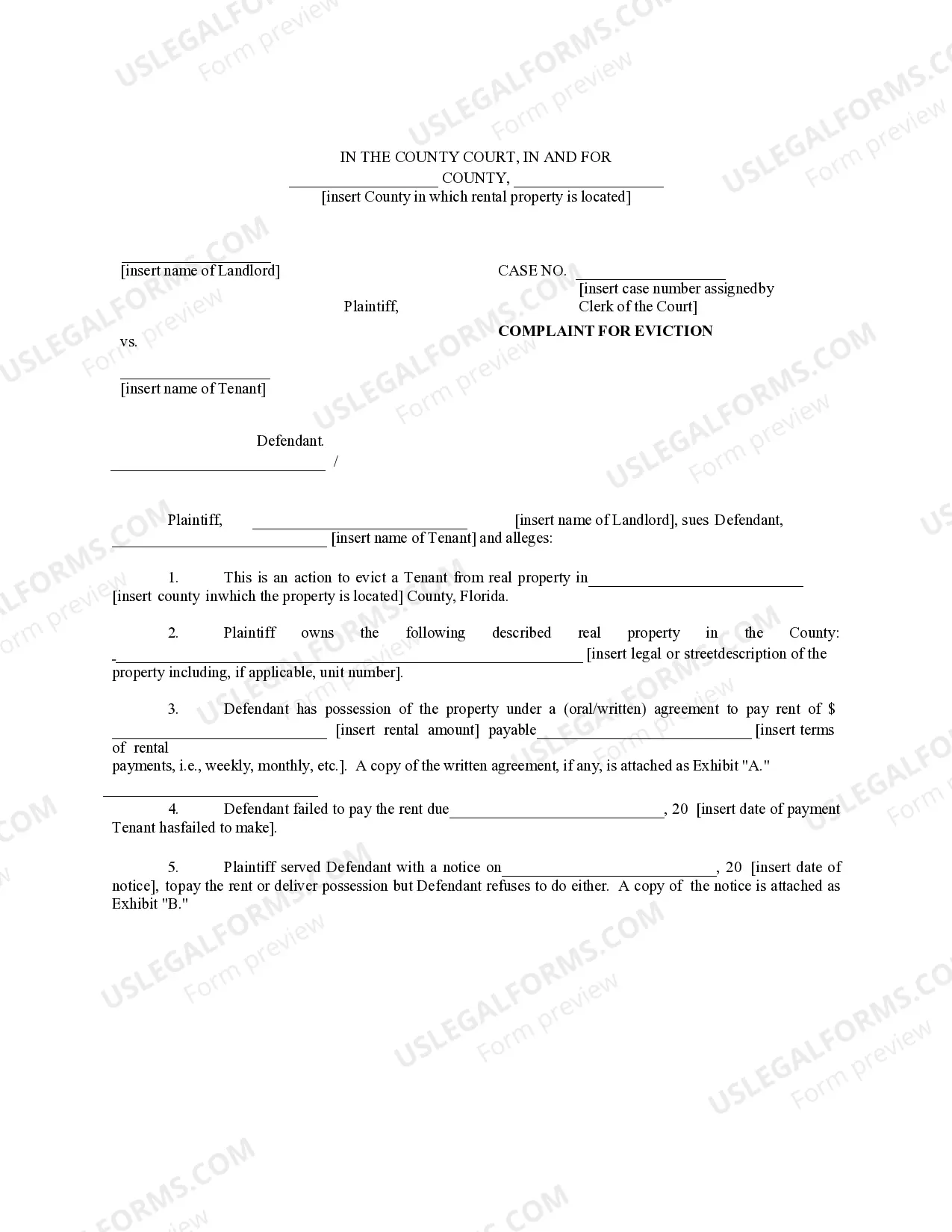
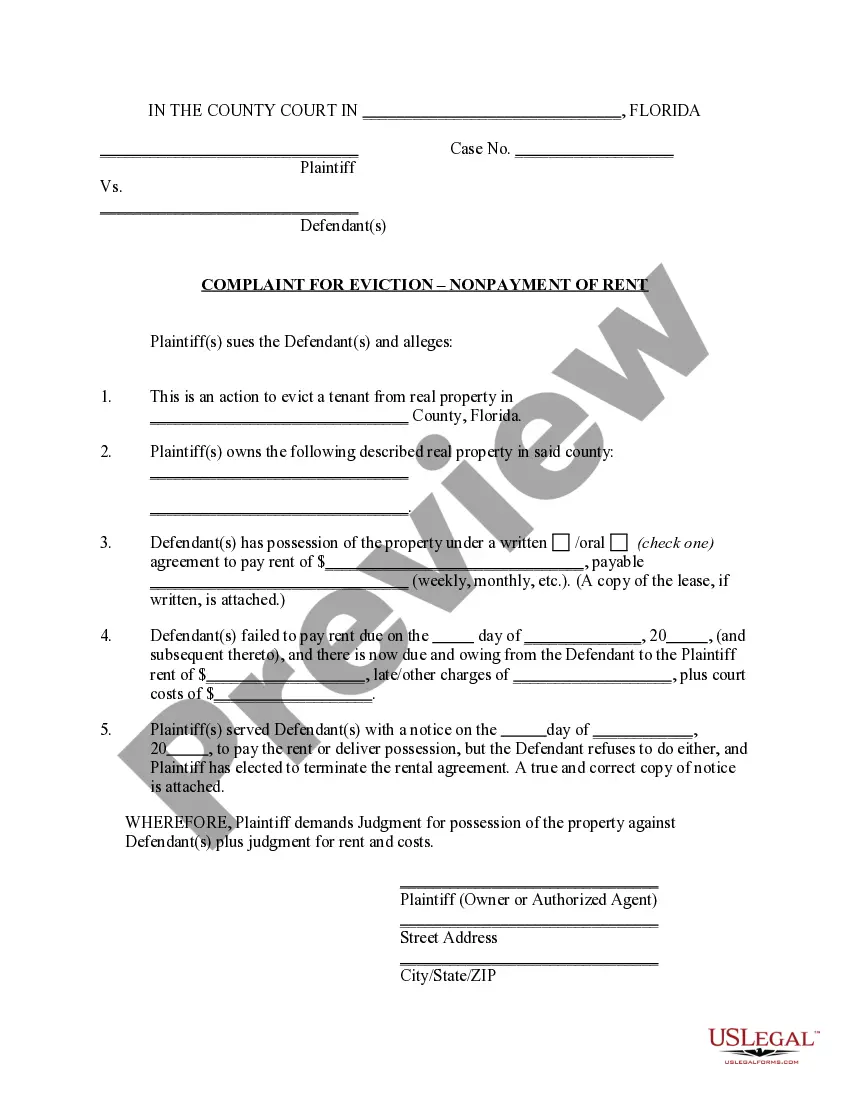
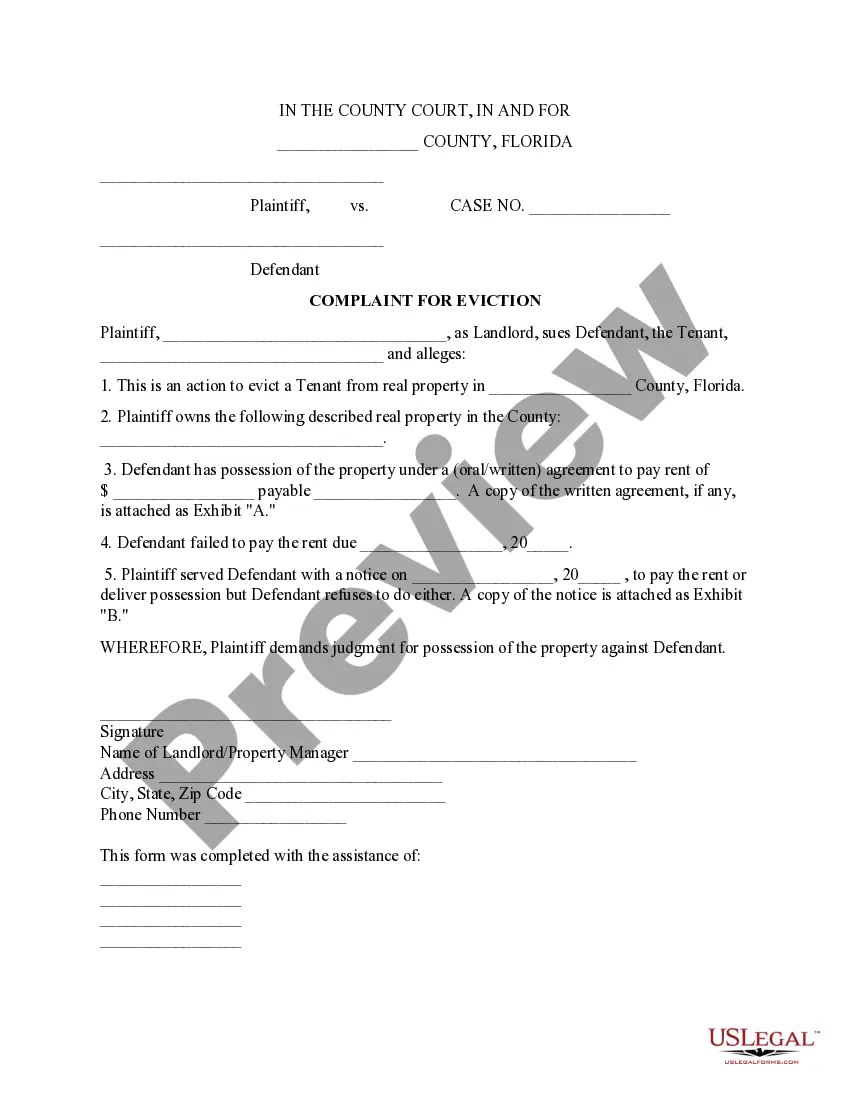
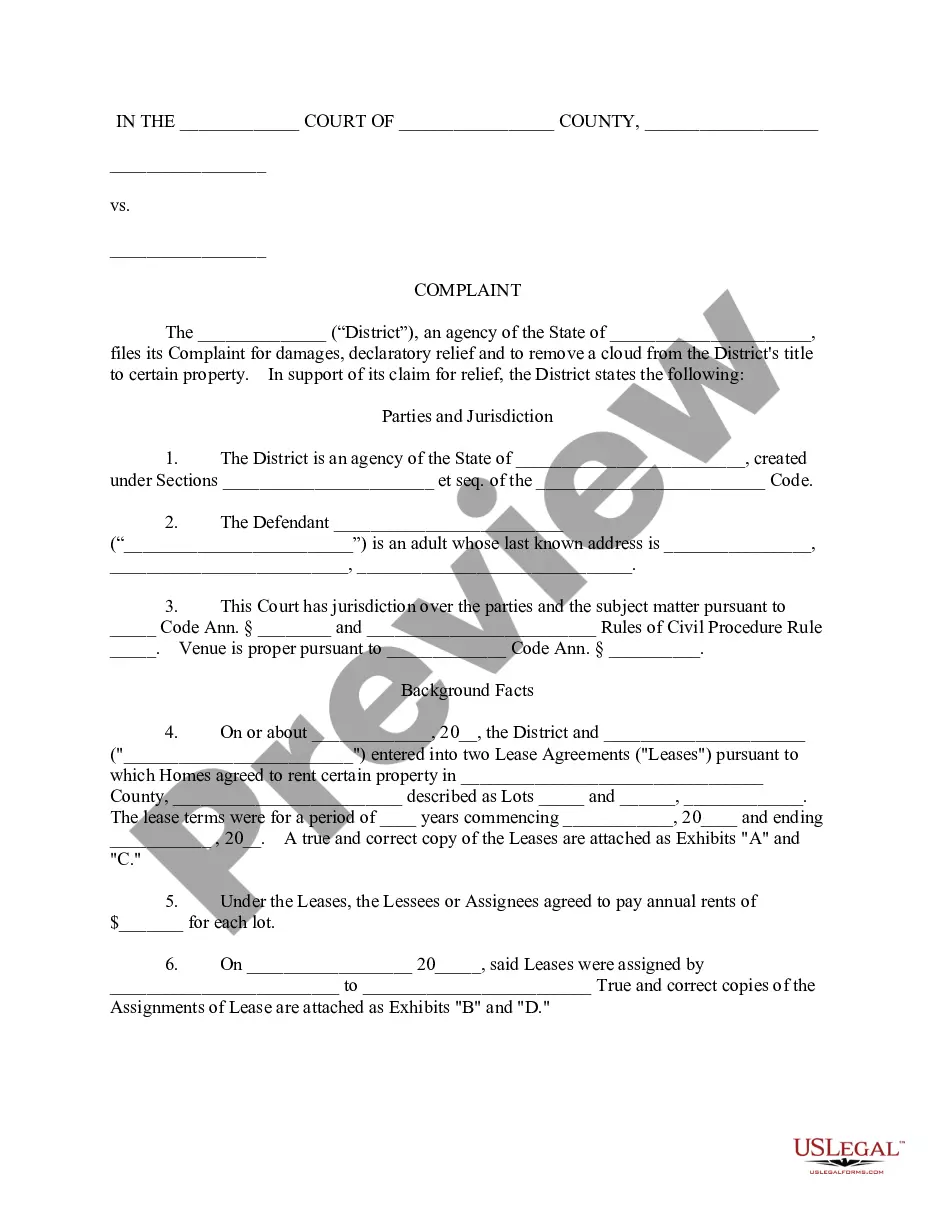
The Complaint for Landlord to Evict Tenants is a legal document used by landlords to initiate the eviction process against tenants who have failed to comply with the terms of their rental agreement, primarily in cases of non-payment of rent. This form specifically focuses on eviction without seeking damages, making it distinct from other eviction forms that may also pursue unpaid rent or additional claims.
Main sections of this form
- Identification of the landlord (plaintiff) and tenant (defendant).
- Details of the rental property, including its legal or street description.
- Clarification of the rental agreement terms and payment obligations.
- Statement of tenant's failure to pay rent and relevant dates.
- Details about the notice served to the tenant regarding the eviction.
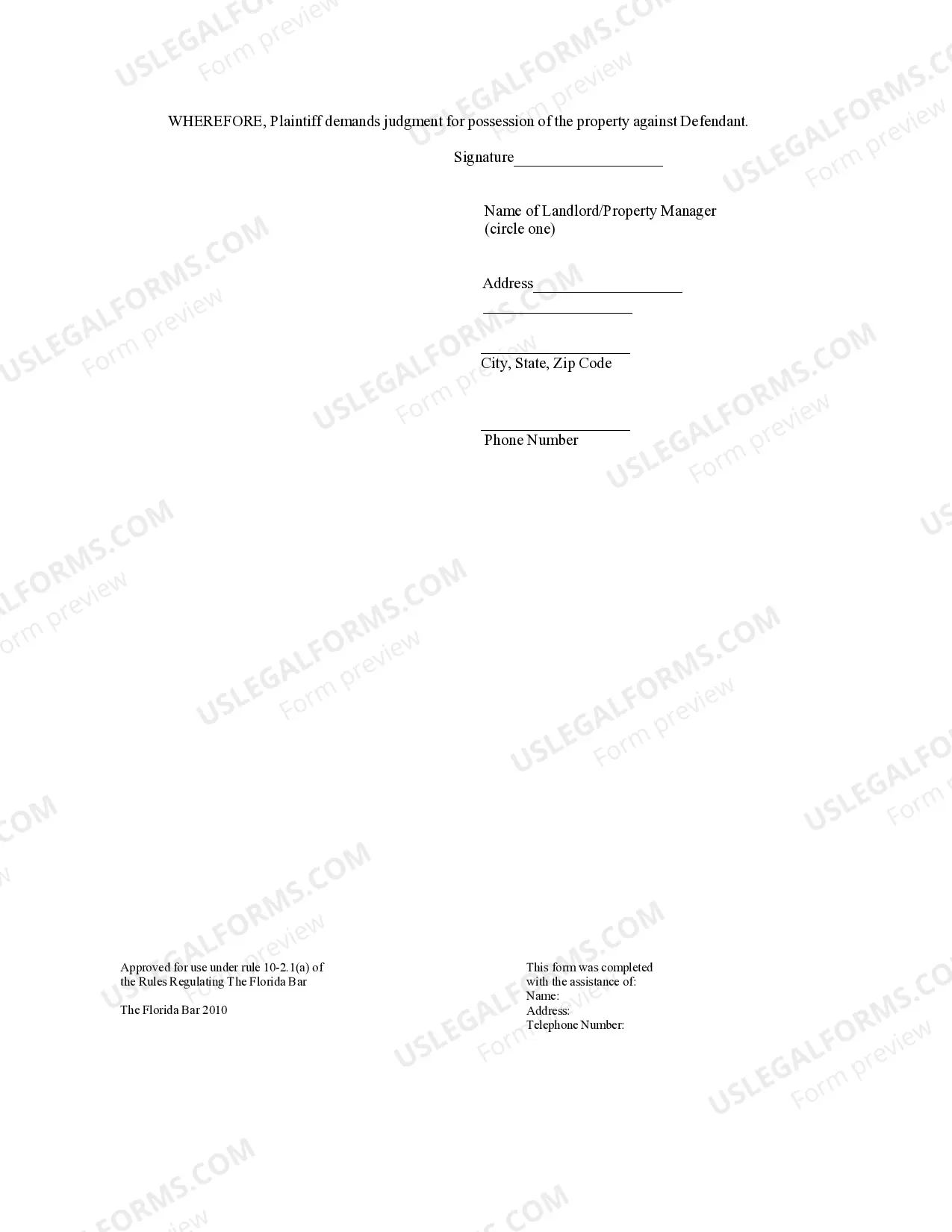
- Signature and printed name of the landlord or property manager.
When to use this form
This form should be utilized when a landlord wishes to evict a tenant for failing to pay rent. It is appropriate in situations where the landlord has fulfilled all their obligations under the rental agreement and followed the necessary legal procedures, including providing the tenant with proper notice regarding the rent due and the intent to evict.
Who should use this form
- Landlords seeking to evict tenants from rental properties.
- Property managers acting on behalf of landlords.
- Real estate professionals assisting landlords in legal matters regarding eviction.
How to complete this form
- Identify the parties involved by entering the names of the landlord and tenant.
- Specify the details of the rental property, including address and description.
- Enter the terms of the rental agreement, including the rental amount and payment schedule.
- Document dates related to the rental payment that is due and the notice served to the tenant.
- Sign the form as the landlord or property manager, including your contact information.
Notarization requirements for this form
This form does not typically require notarization unless specified by local law. However, it is always advisable to check local regulations to ensure compliance with any additional requirements.
Get your form ready online
Our built-in tools help you complete, sign, share, and store your documents in one place.
Make edits, fill in missing information, and update formatting in US Legal Forms—just like you would in MS Word.
Download a copy, print it, send it by email, or mail it via USPS—whatever works best for your next step.
Sign and collect signatures with our SignNow integration. Send to multiple recipients, set reminders, and more. Go Premium to unlock E-Sign.
If this form requires notarization, complete it online through a secure video call—no need to meet a notary in person or wait for an appointment.
We protect your documents and personal data by following strict security and privacy standards.

Make edits, fill in missing information, and update formatting in US Legal Forms—just like you would in MS Word.

Download a copy, print it, send it by email, or mail it via USPS—whatever works best for your next step.

Sign and collect signatures with our SignNow integration. Send to multiple recipients, set reminders, and more. Go Premium to unlock E-Sign.

If this form requires notarization, complete it online through a secure video call—no need to meet a notary in person or wait for an appointment.

We protect your documents and personal data by following strict security and privacy standards.
Mistakes to watch out for
- Failing to include all required dates and documentation related to the notice.
- Not specifying the correct rental property details.
- Inaccurately stating the rental amount or payment terms.
- Not signing or printing the name of the landlord or property manager.
Benefits of using this form online
- Convenience of downloading and filling out the form at your own pace.
- Access to attorney-drafted templates that ensure compliance with legal standards.
- Ability to edit the form easily before finalizing it for submission.
Legal use & context
- This form is legally recognized in Florida for eviction proceedings.
- Proper completion and filing can lead to a formal judgment for possession of the property.
- Landlords must follow all legal procedures to ensure enforceability of the eviction.
What to keep in mind
- The form is essential for landlords wishing to evict tenants for non-payment of rent.
- Accurate completion and adherence to legal requirements are vital for a successful eviction process.
- Always verify state-specific rules prior to using the form.
Looking for another form?


Form popularity
FAQ
In Florida, you can report your landlord to various authorities depending on the issue at hand. If it's a health or safety concern, contact the local housing authority. If you're facing unfair eviction practices, filing a Florida Complaint For Landlord to Evict Tenants through legal channels may be necessary.
In Florida, a landlord cannot evict you immediately without following legal procedures. They must provide appropriate notice and file a formal eviction complaint. Understanding the steps involved in a Florida Complaint For Landlord to Evict Tenants can empower you to respond effectively.
Serving an eviction complaint in Florida requires adhering to specific legal procedures. After filing your complaint, you must ensure that your landlord is formally notified, typically through a process server or by certified mail. Successfully serving your Florida Complaint For Landlord to Evict Tenants is essential for your case to proceed.
To file a complaint against your landlord in Florida, start by collecting all relevant documents, including rental agreements and communication records. You can then access your local court's website or visit in person to obtain the necessary forms. Completing these forms accurately is crucial for a successful Florida Complaint For Landlord to Evict Tenants.
To take legal action against a landlord, you first need to document all interactions, issues, and communications related to your case. After gathering evidence, you may want to consult with a legal professional who specializes in housing laws. If you decide to proceed, filing a Florida Complaint For Landlord to Evict Tenants may be your next step.
Yes, a landlord can proceed with eviction in Florida, provided they follow the legal requirements and have valid grounds. Tenants can be evicted for reasons such as non-payment of rent or lease violations. If you're facing eviction, it is crucial to understand your rights and the process involved. Utilizing our services to file a Florida Complaint For Landlord to Evict Tenants ensures that you approach the situation with the proper legal documentation.
In Florida, landlords typically must provide a 30-day eviction notice before terminating a month-to-month lease. This notice informs tenants of the intent to evict and allows them time to vacate. However, specific situations may allow for shorter notice periods, particularly for lease violations. If you find yourself in such a situation, using our platform to file a Florida Complaint For Landlord to Evict Tenants can simplify the process.
The new squatters law in Florida addresses the rights of property owners regarding unauthorized occupants. Under this law, property owners have more streamlined processes for eviction, especially concerning extended occupancy. If you believe someone is squatting on your property, you may need to file a Florida Complaint For Landlord to Evict Tenants to regain control. Understanding these legal changes can help you effectively navigate eviction proceedings.
When a landlord won't fix necessary repairs in Florida, tenants should first contact their landlord in writing, documenting the need for repairs. If the landlord still fails to act, tenants can reach out to local housing authorities or the state’s Department of Business and Professional Regulation. Filing a Florida Complaint For Landlord to Evict Tenants may also be an option if the situation remains unresolved. For guidance in these matters, consider using resources like US Legal Forms for accurate legal documentation.
To challenge an eviction in Florida, you must respond to the eviction notice promptly, typically within five days. You can file a response with the local court, explaining your reasons for contesting the eviction. Engaging with legal resources can be beneficial, and platforms like US Legal Forms can guide you in preparing a Florida Complaint For Landlord to Evict Tenants. Taking these steps can protect your rights and may lead to a favorable outcome.