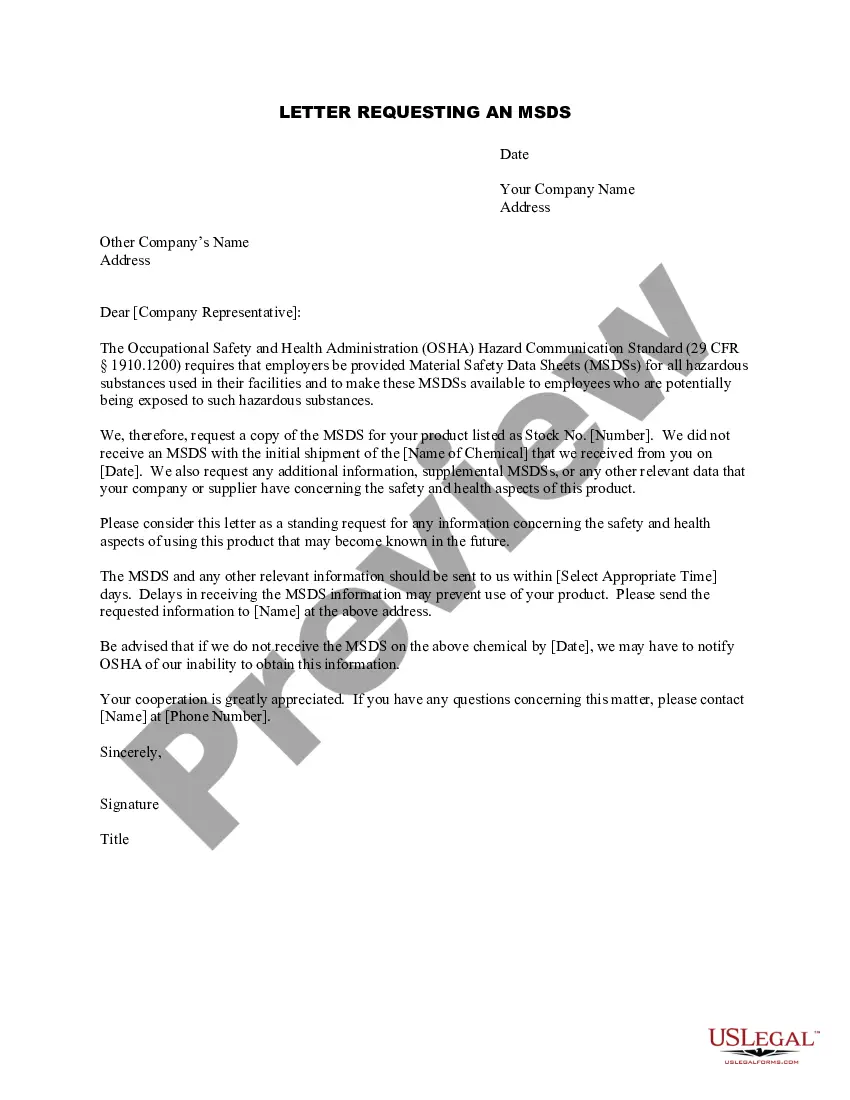
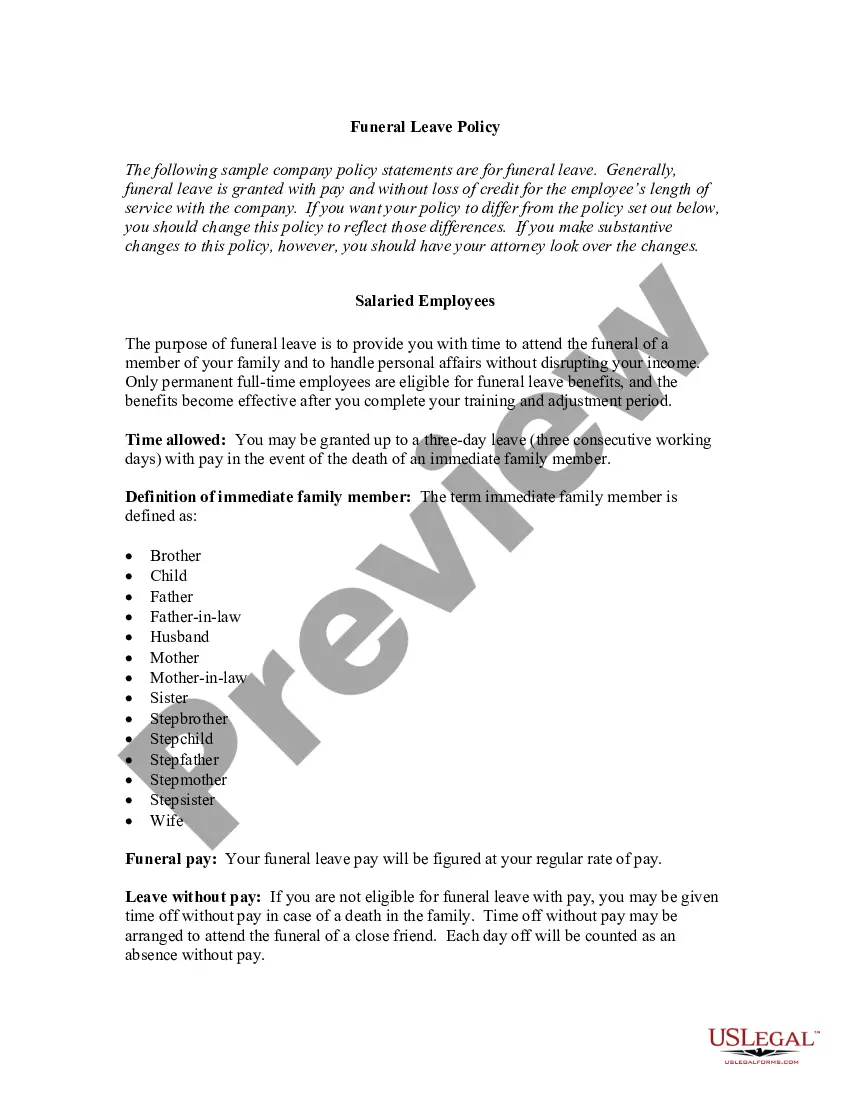
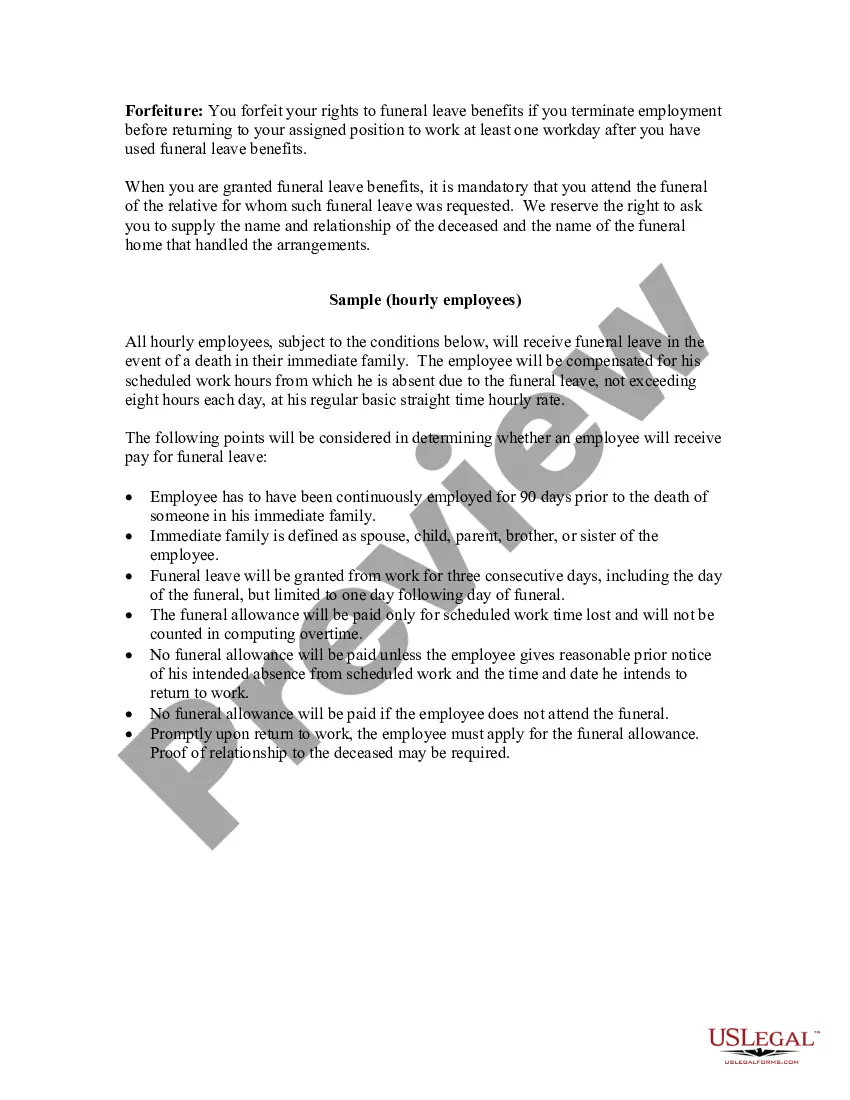
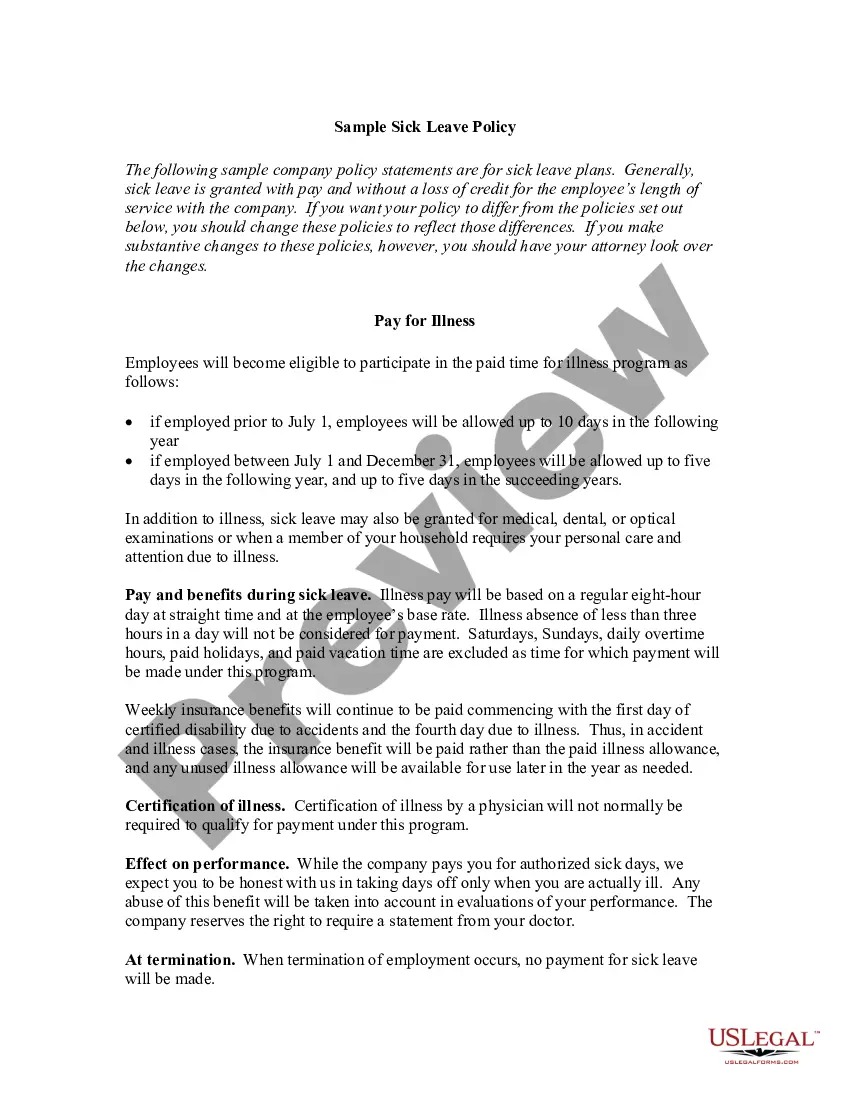
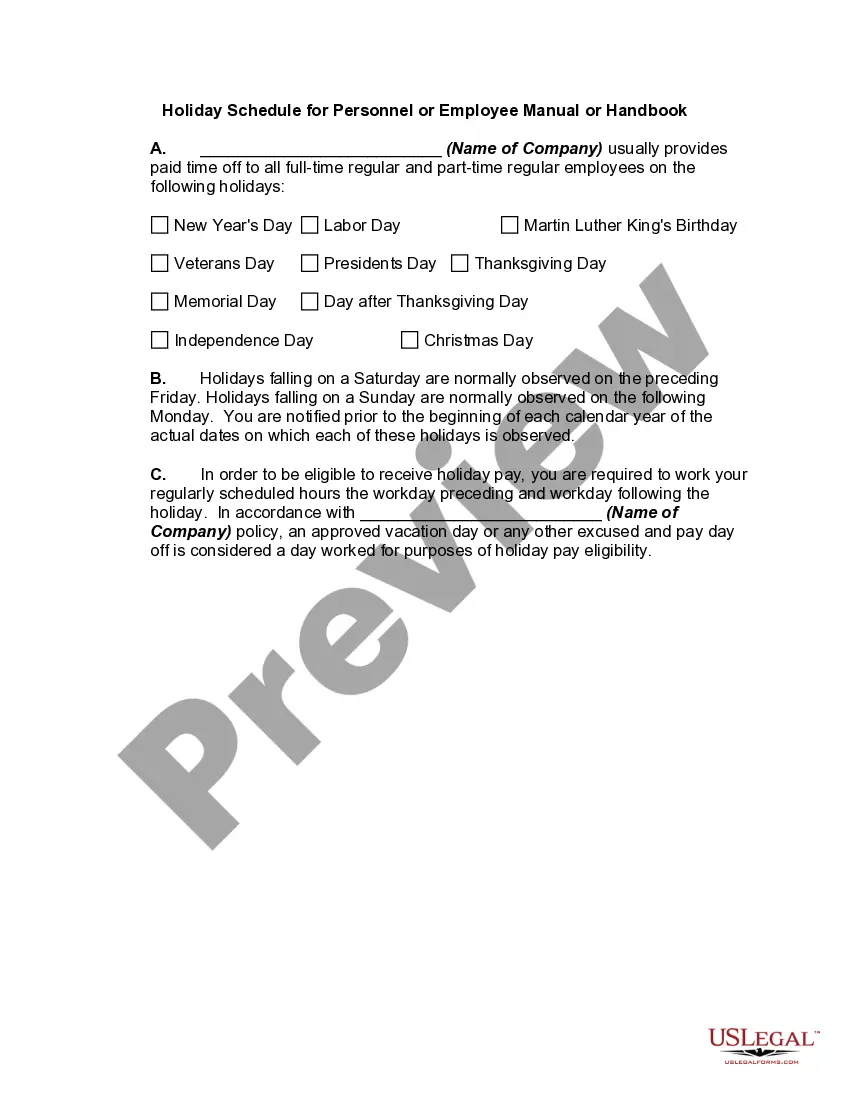
Delaware Holiday Vacation Policy
Description
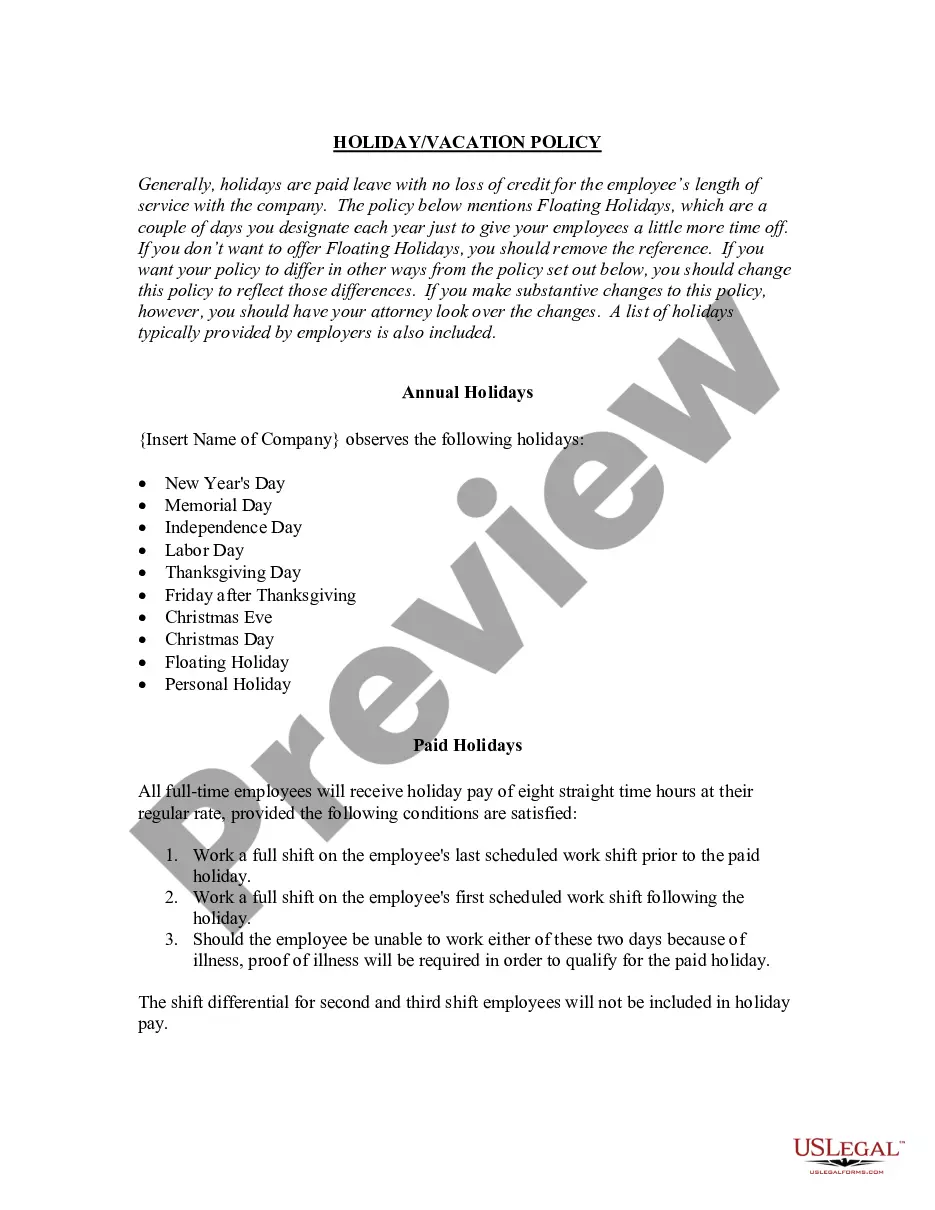
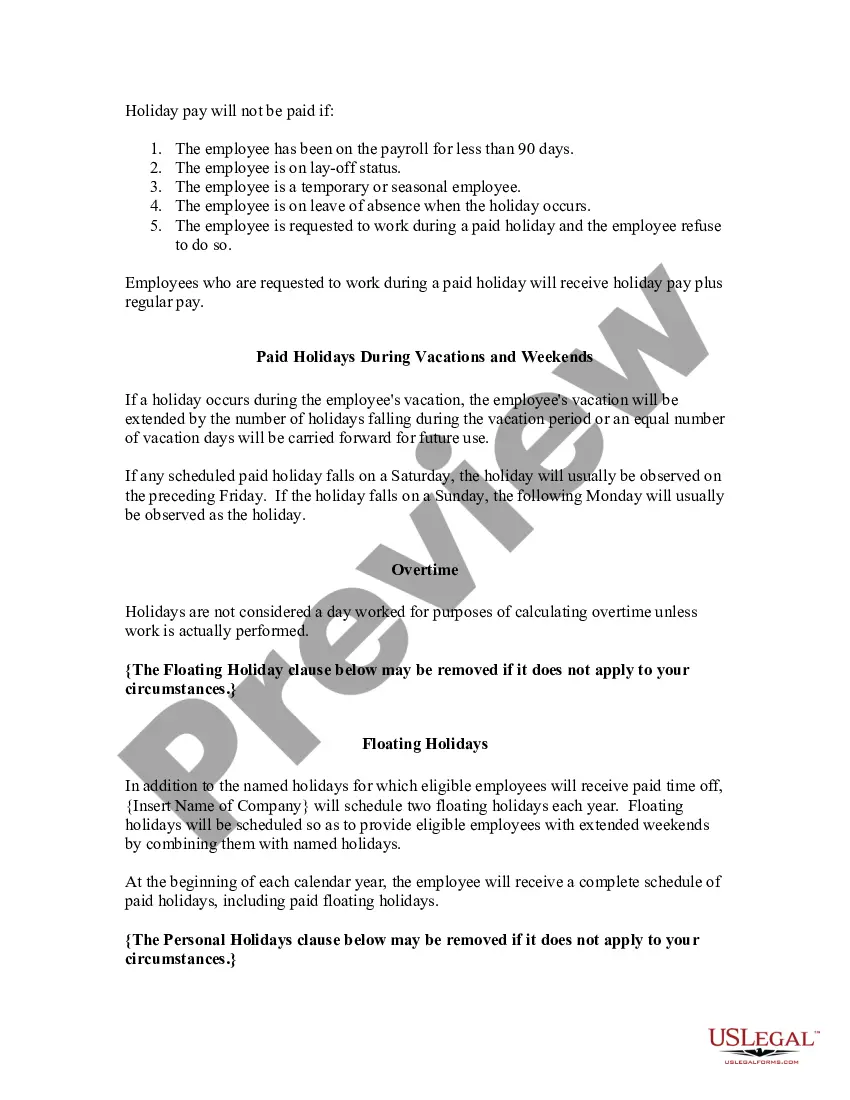
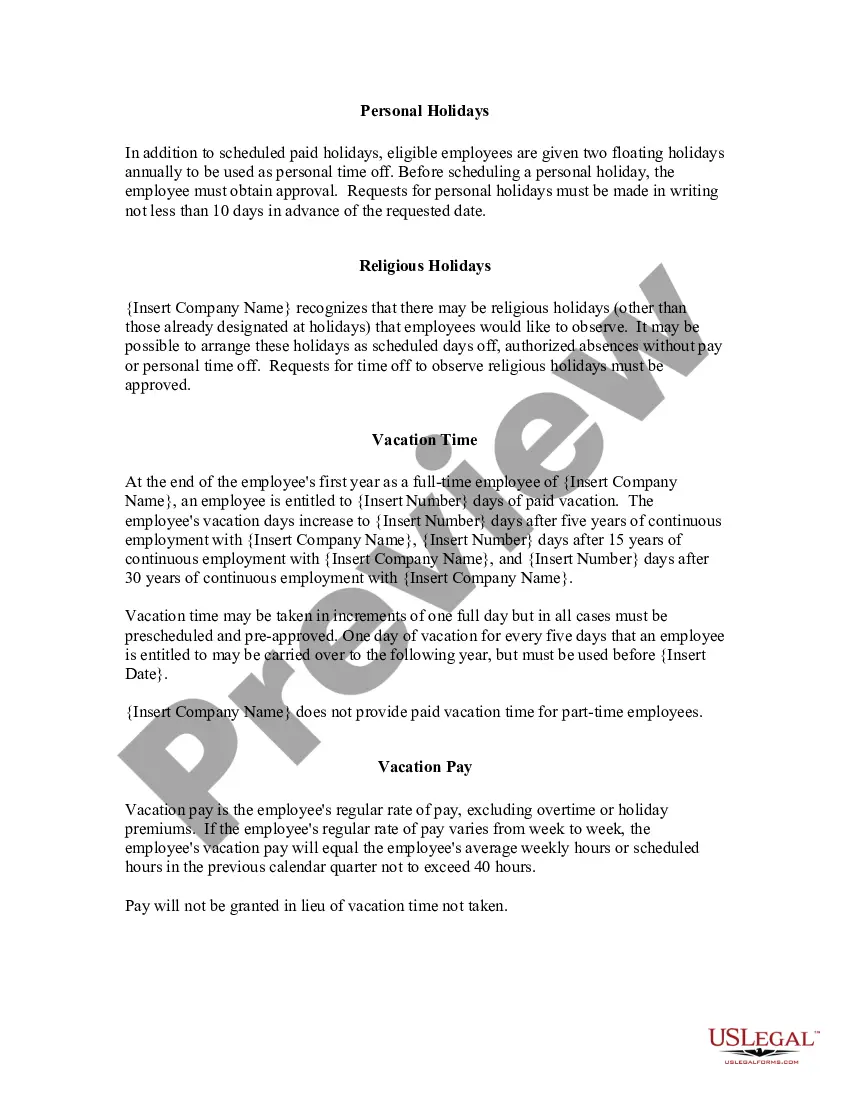
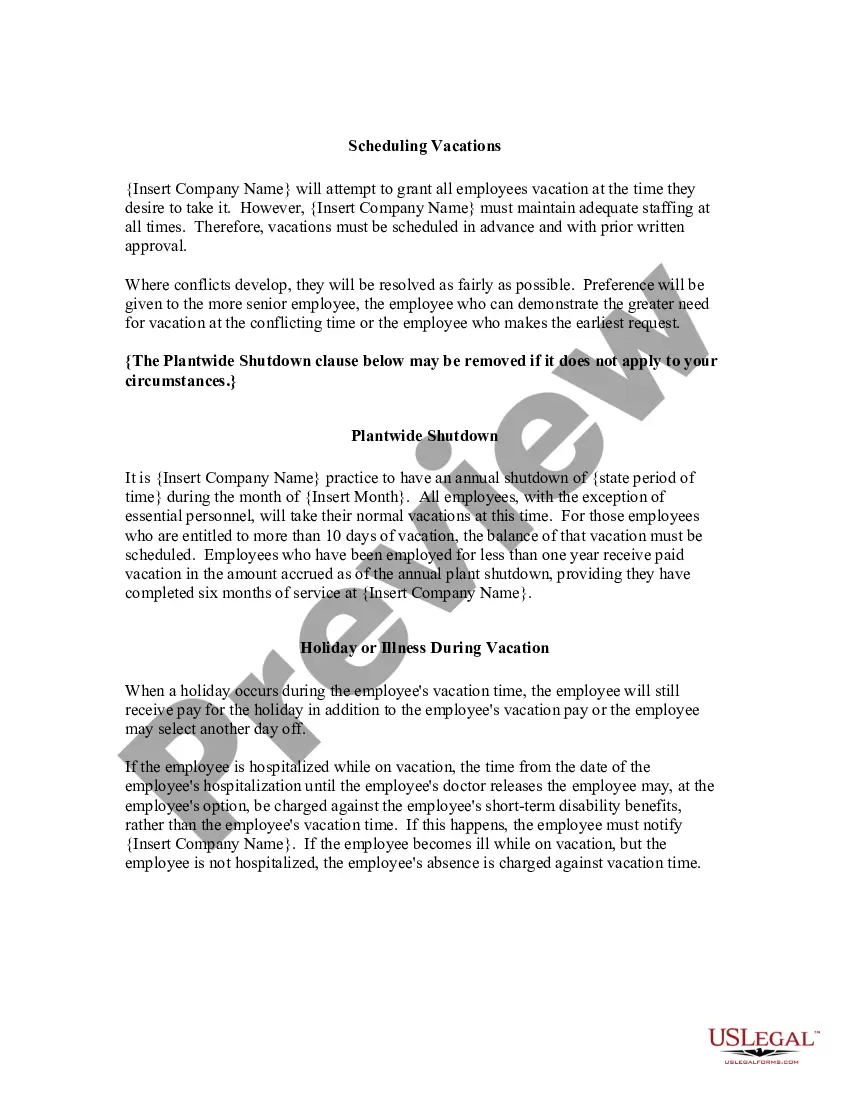
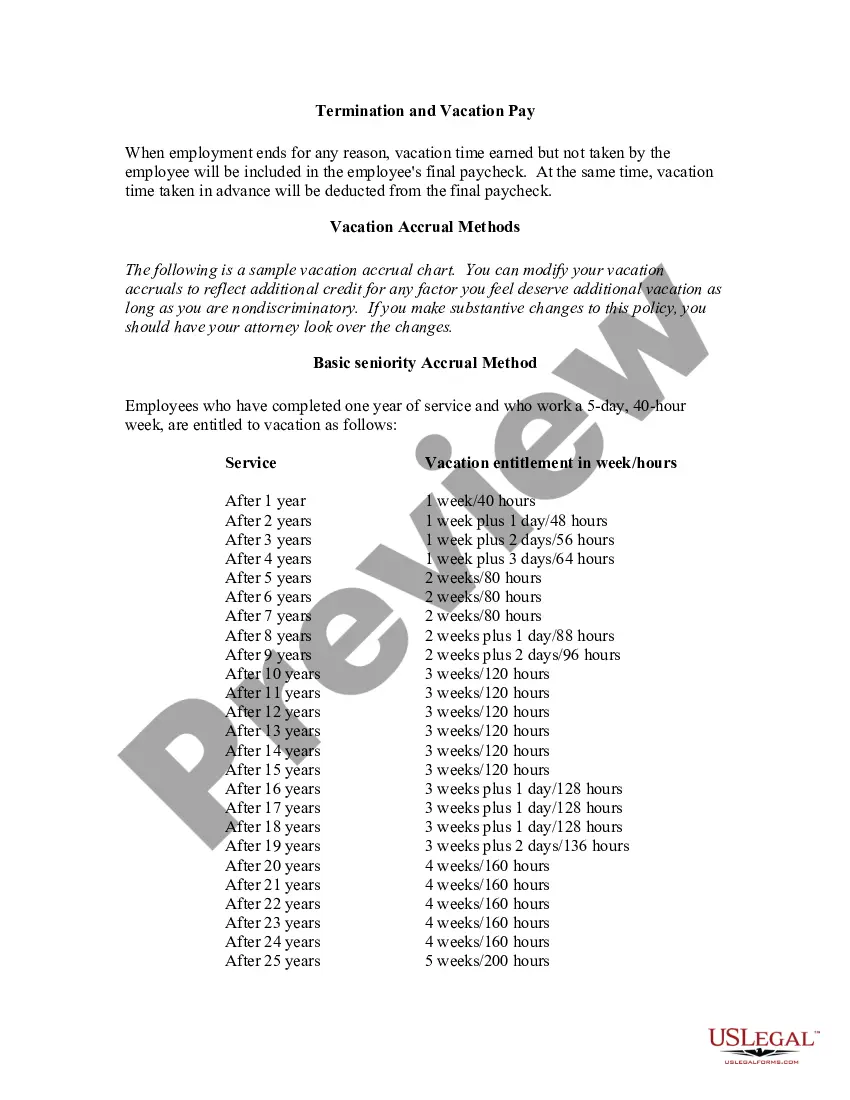
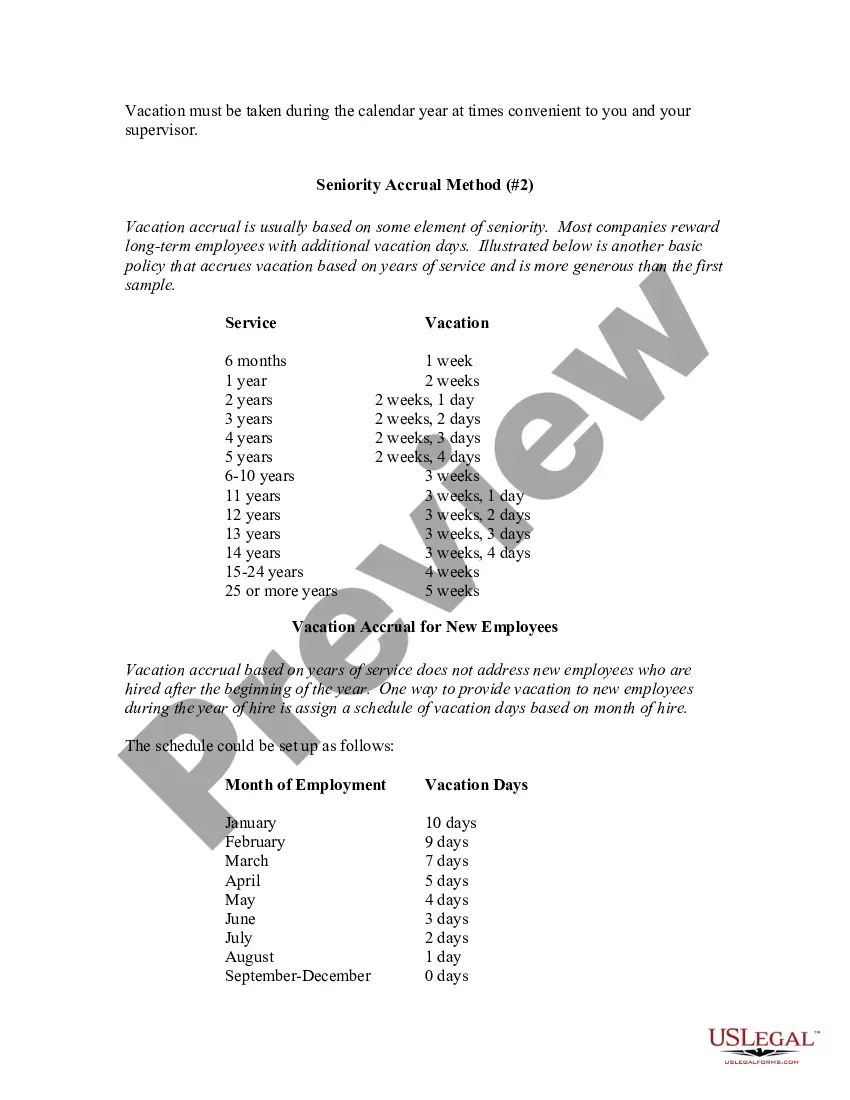
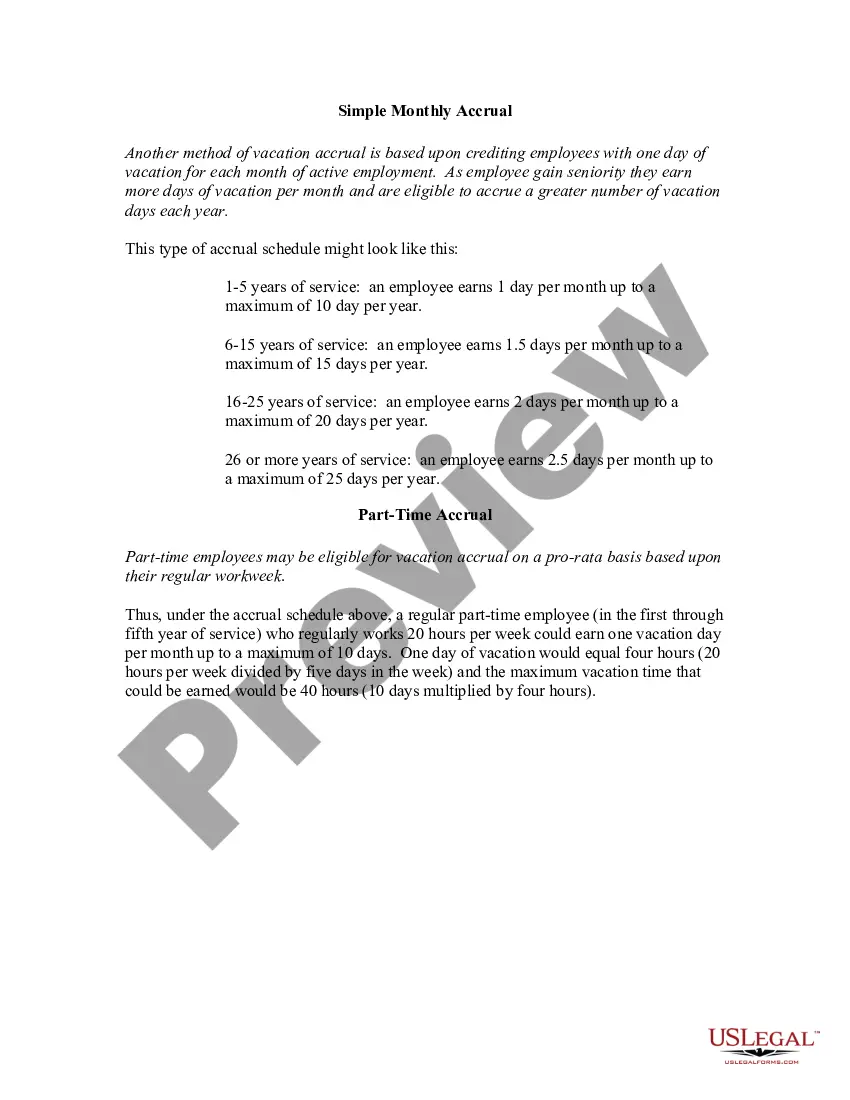


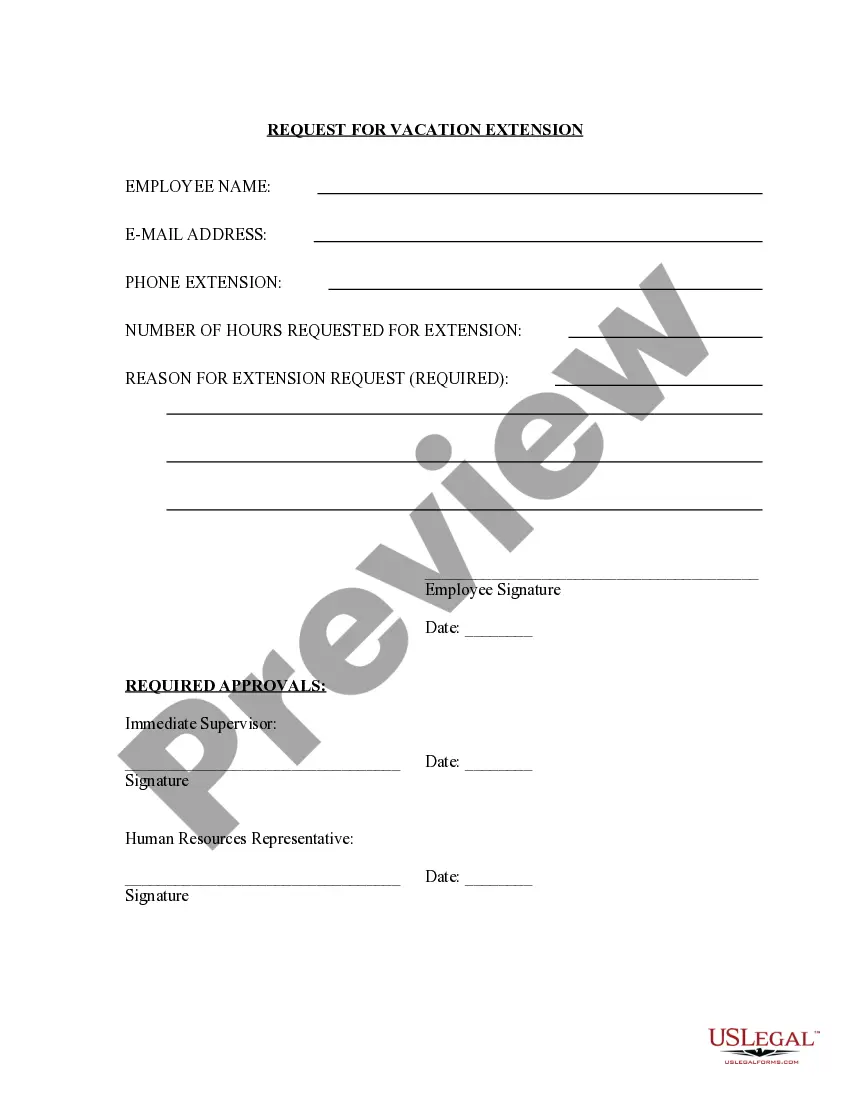
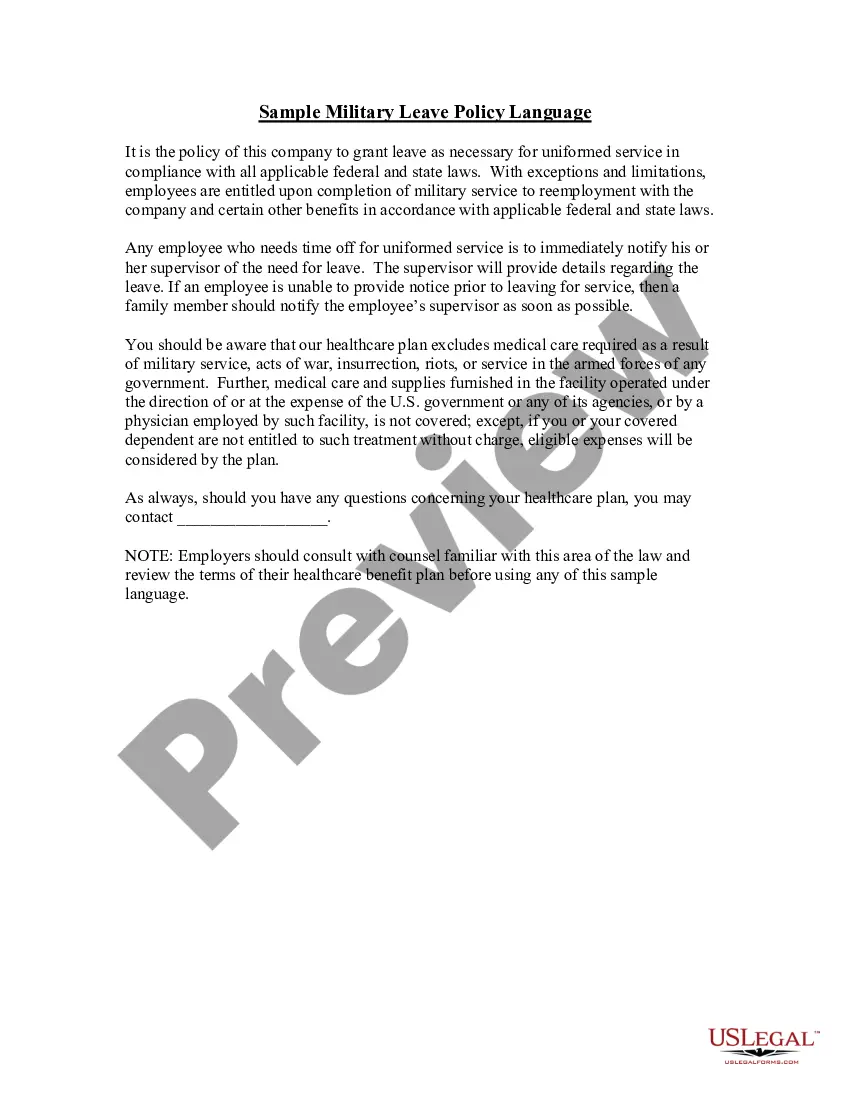
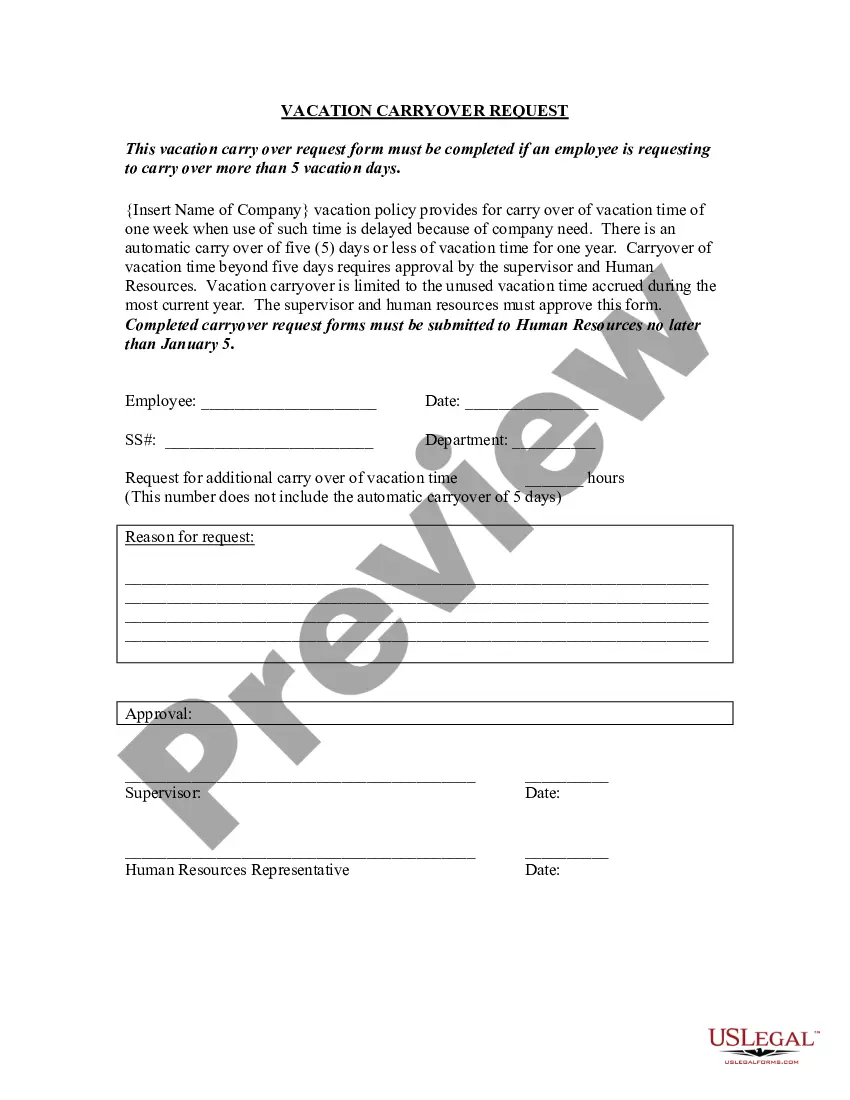
Get your form ready online
Our built-in tools help you complete, sign, share, and store your documents in one place.
Make edits, fill in missing information, and update formatting in US Legal Forms—just like you would in MS Word.
Download a copy, print it, send it by email, or mail it via USPS—whatever works best for your next step.
Sign and collect signatures with our SignNow integration. Send to multiple recipients, set reminders, and more. Go Premium to unlock E-Sign.
If this form requires notarization, complete it online through a secure video call—no need to meet a notary in person or wait for an appointment.
We protect your documents and personal data by following strict security and privacy standards.

Make edits, fill in missing information, and update formatting in US Legal Forms—just like you would in MS Word.

Download a copy, print it, send it by email, or mail it via USPS—whatever works best for your next step.

Sign and collect signatures with our SignNow integration. Send to multiple recipients, set reminders, and more. Go Premium to unlock E-Sign.

If this form requires notarization, complete it online through a secure video call—no need to meet a notary in person or wait for an appointment.

We protect your documents and personal data by following strict security and privacy standards.
Looking for another form?


How to fill out Holiday Vacation Policy?
You can dedicate time online seeking the legal document template that meets the federal and state requirements you require.
US Legal Forms offers thousands of legal documents that have been reviewed by experts.
You can obtain or print the Delaware Holiday Vacation Policy from our platform.
To find another version of your document, use the Search field to discover the template that suits your needs and requirements.
- If you already possess a US Legal Forms account, you may Log In and then click the Download button.
- Subsequently, you can complete, modify, print, or sign the Delaware Holiday Vacation Policy.
- Every legal document template you obtain is yours indefinitely.
- To acquire another copy of a purchased document, go to the My documents section and click the appropriate button.
- If you are using the US Legal Forms website for the first time, follow the simple instructions below.
- First, ensure that you have chosen the correct document template for the region/area of your choice.
- Review the document details to confirm that you have selected the right template.
Form popularity
FAQ
Work Hours in DelawareThere is no state law in Delaware that sets the number of hours an employer can require an employee to work. Instead, Delaware abides by the Fair Labor Standards Act that states that most people must receive overtime pay if they work more than 40 hours in a week.
General Provisions: All employees must receive a meal break of at least 30 consecutive minutes if the employee is scheduled to work 7.5 or more hours per day. Meal breaks must be given sometime after the first two (2) hours of work and before the last (2) hours of work.
You're usually entitled to: a 30 minute rest break if you work for more than 4 hours and 30 minutes in a day. 12 hours rest between each working day.
Under Delaware law, employees who work at least seven and a half consecutive hours must be given a 30-minute meal break. This break must be given after the first two hours and before the last two hours of the employee's shift. Meal breaks do not have to be paid.
Payout of vacation at termination. In such circumstances, earned vacation will generally be treated as wages pursuant to state wage payment and collection laws. In Delaware, vacation pay is considered a benefit or wage supplement.
The state offers employees at least 10 holidays per year and 2 Floating Holidays.
Vacation Leave. In Delaware, employers are not required to provide employees with vacation benefits, either paid or unpaid.
No federal or state law in Delaware requires employers to pay out an employee's accrued vacation, sick leave, or other paid time off (PTO) at the termination of employment.
Summary. Delaware law prohibits an employer from discriminating and retaliating against employees in a variety of protected classes. Employers must also provide equal pay, pregnancy accommodations and whistleblower protections, and allow wage discussions and access to personnel files.