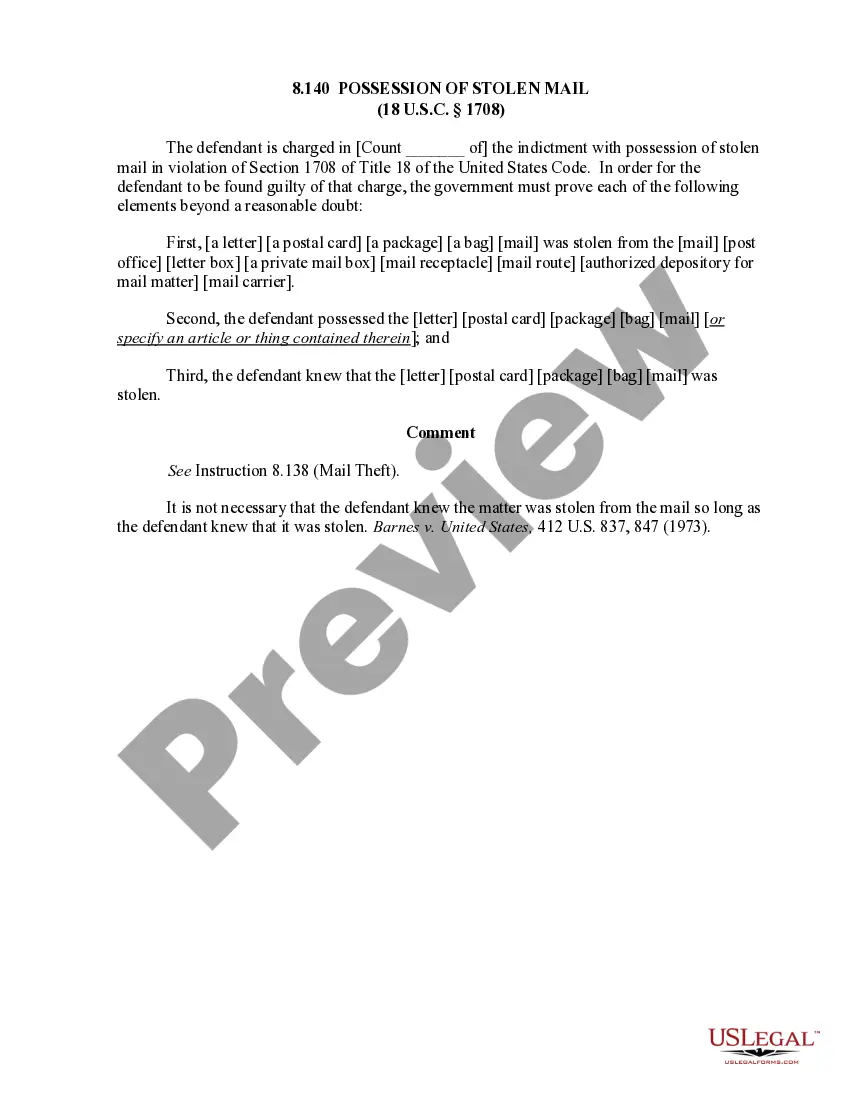
Delaware Exclusive License Agreement between Individual Inventor and Corporation
Description
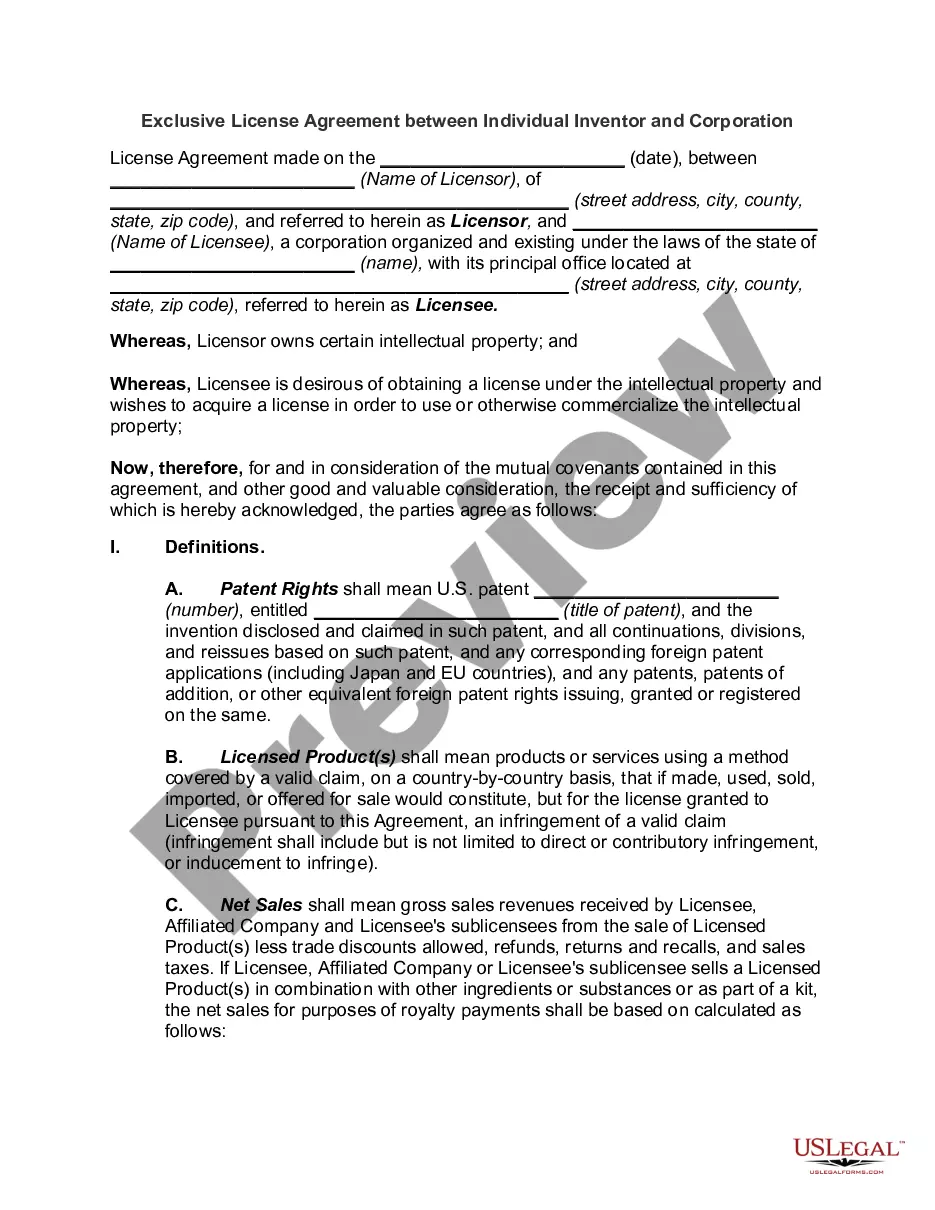


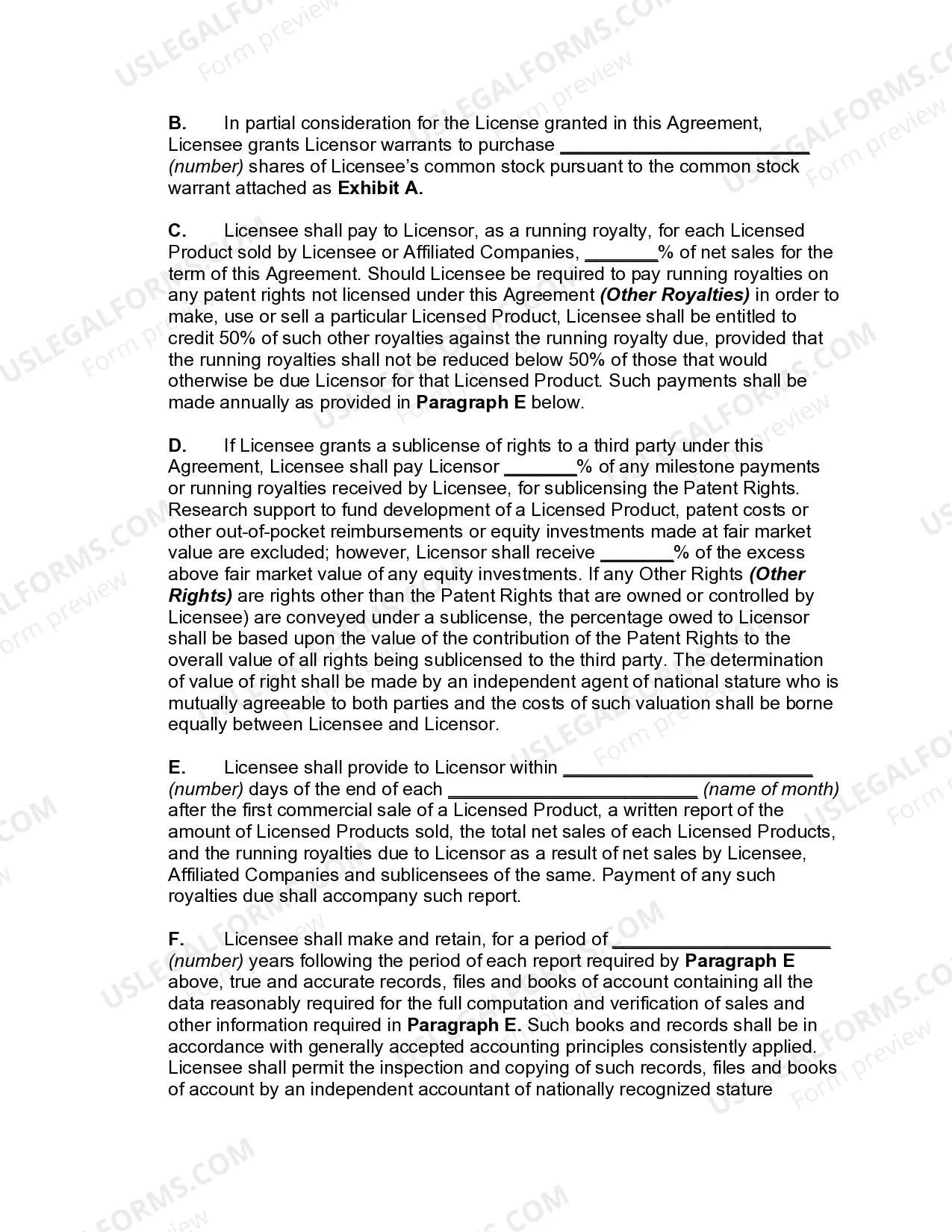
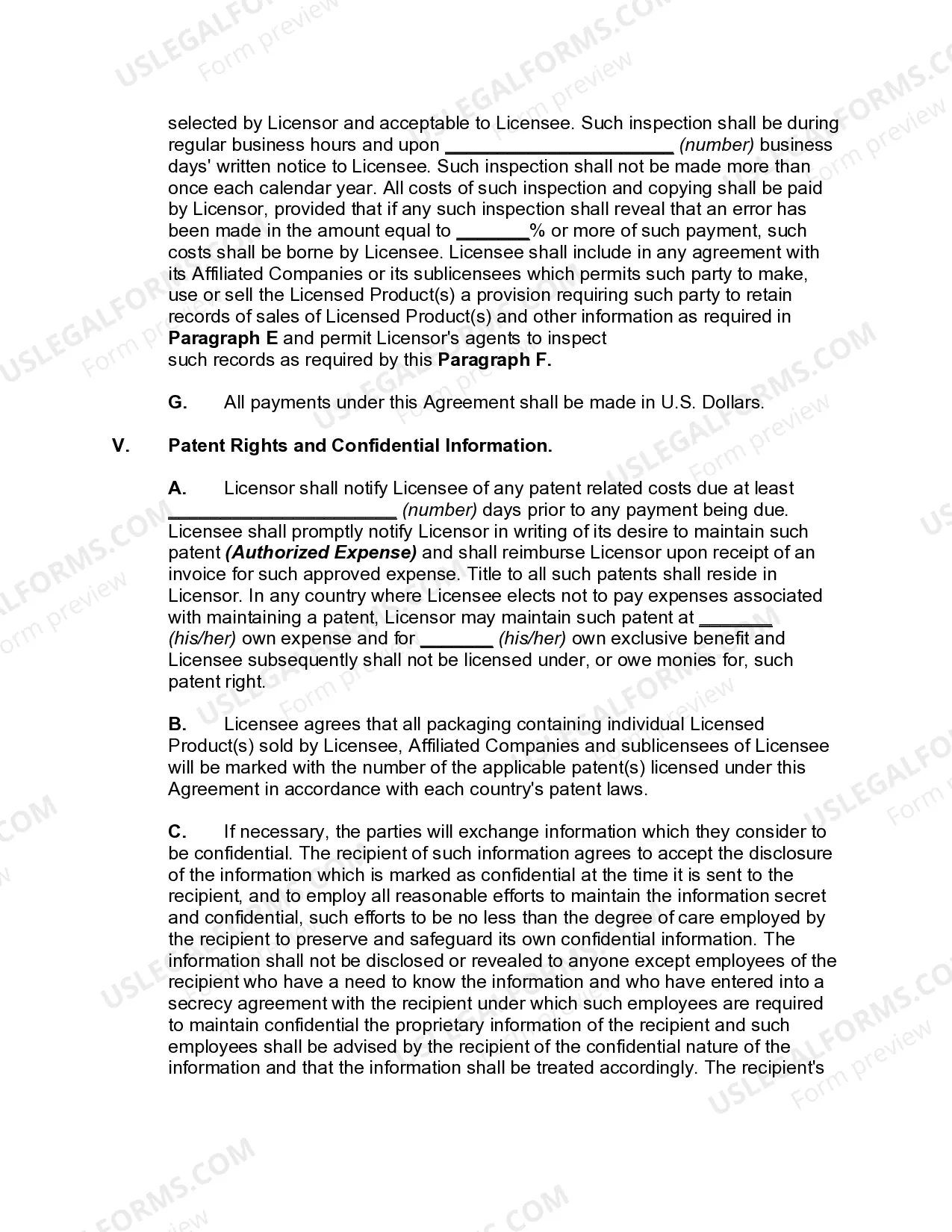
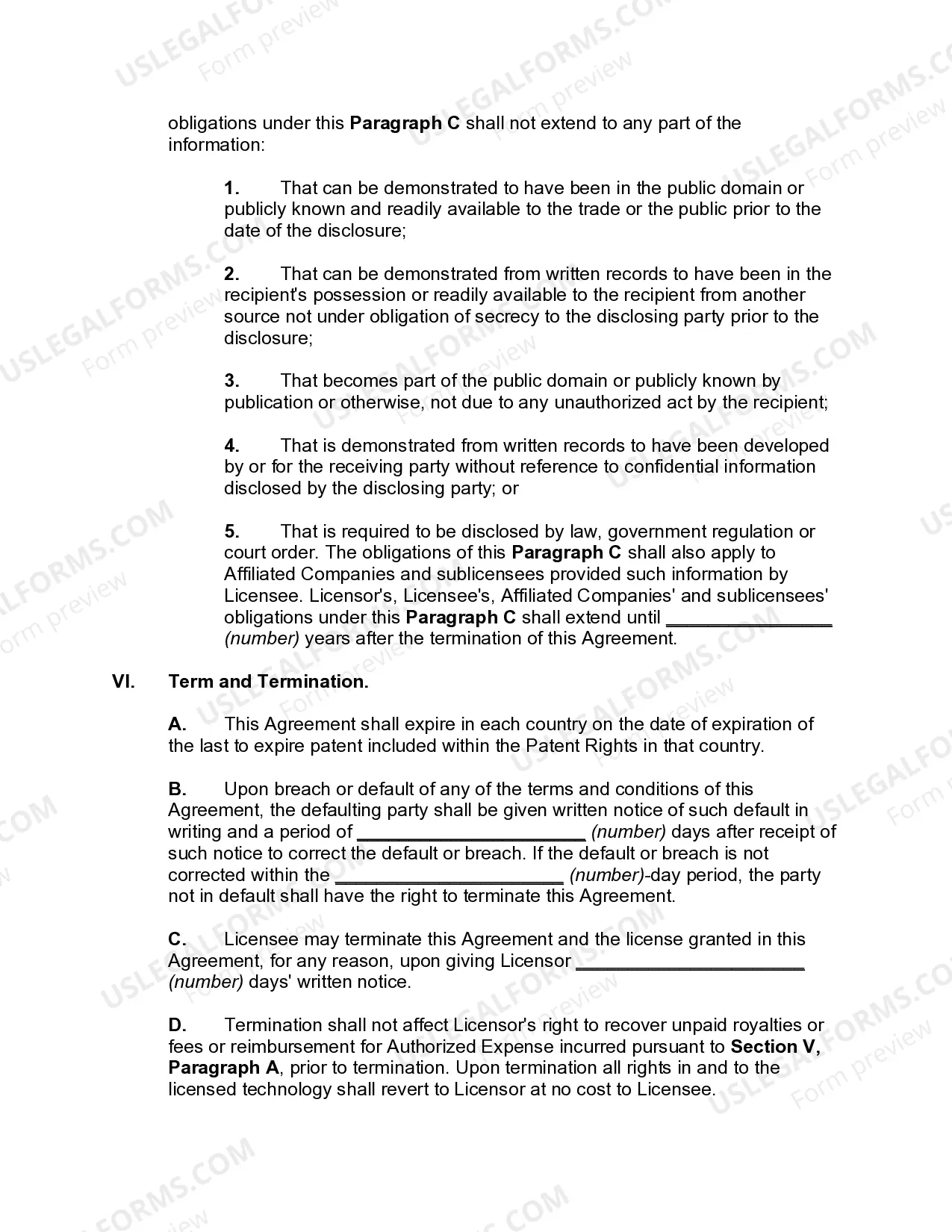
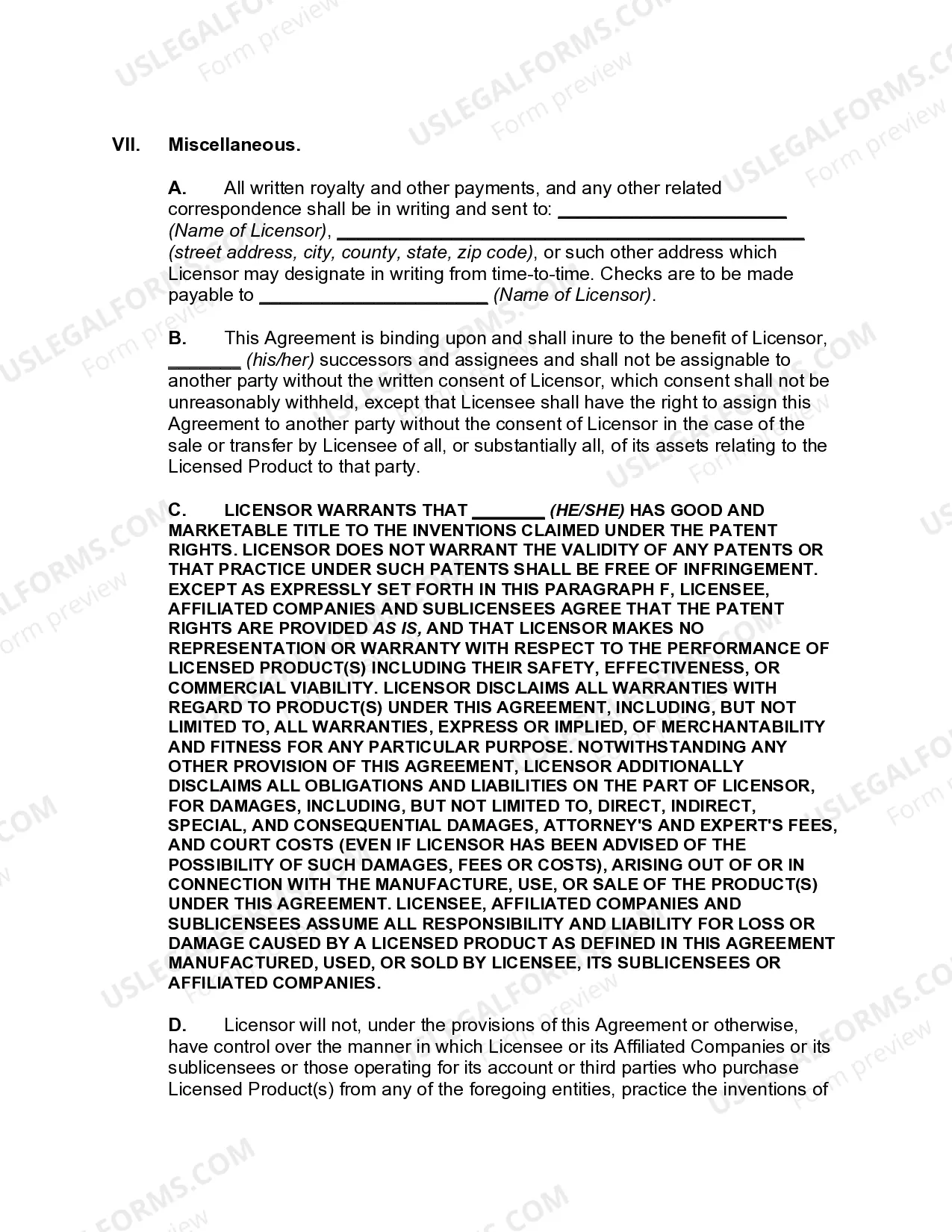
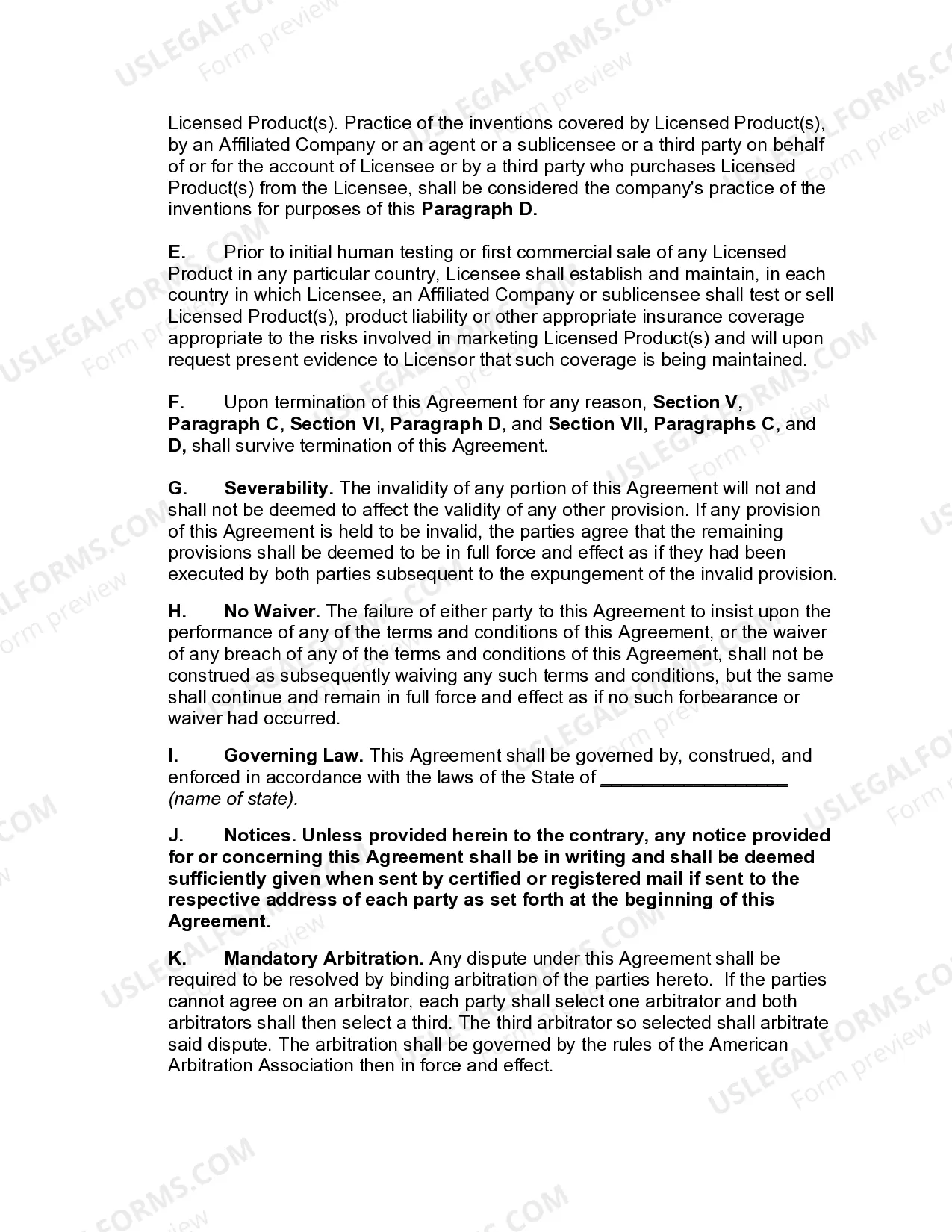
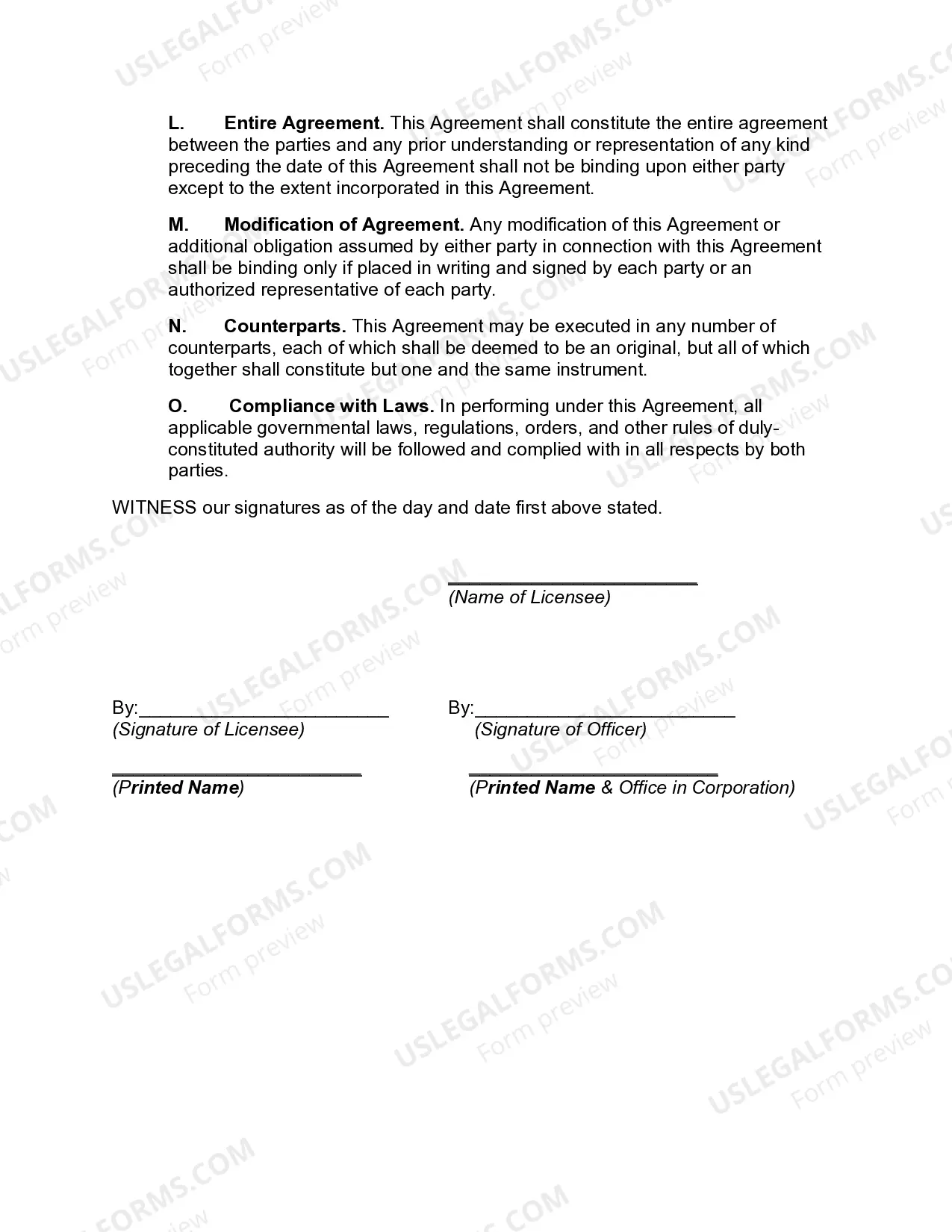
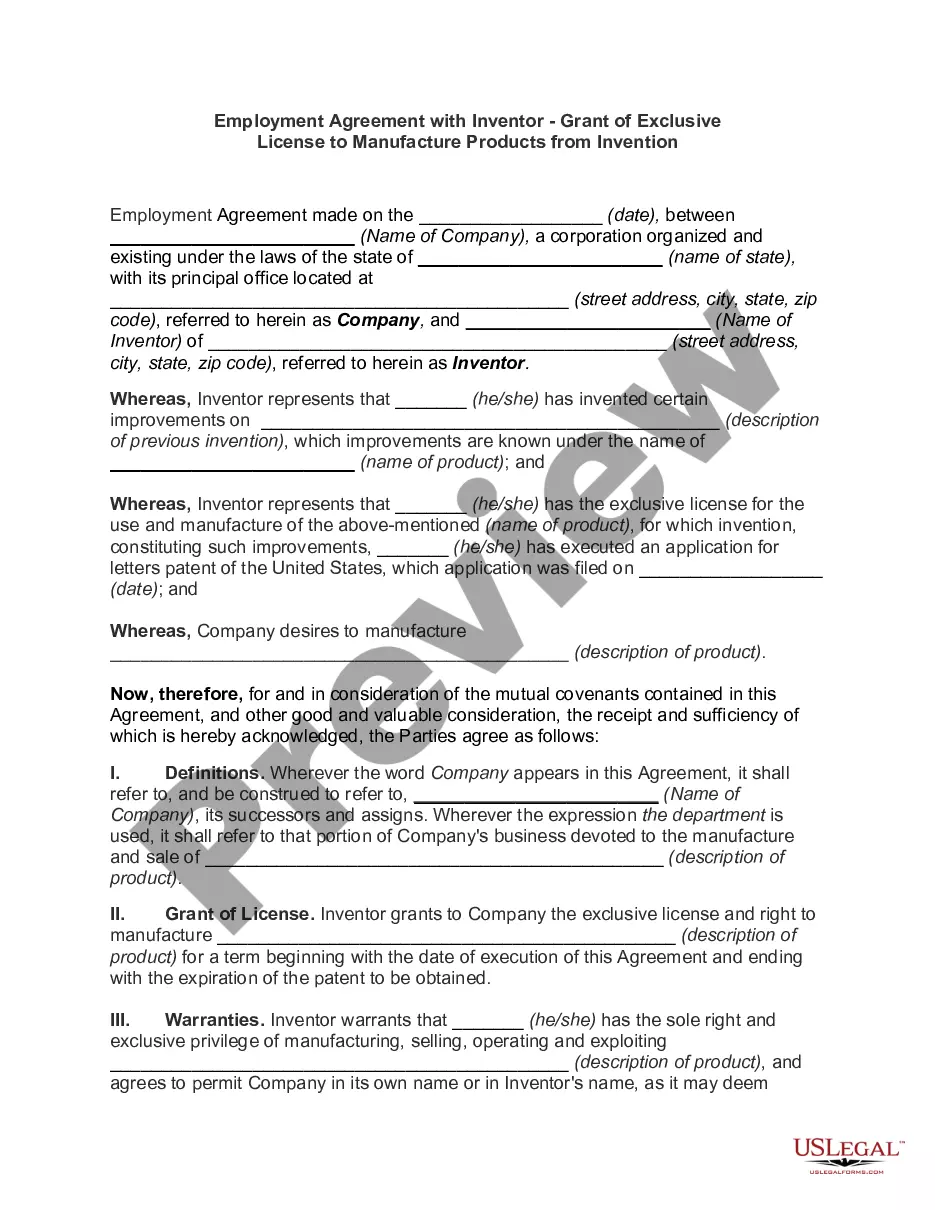
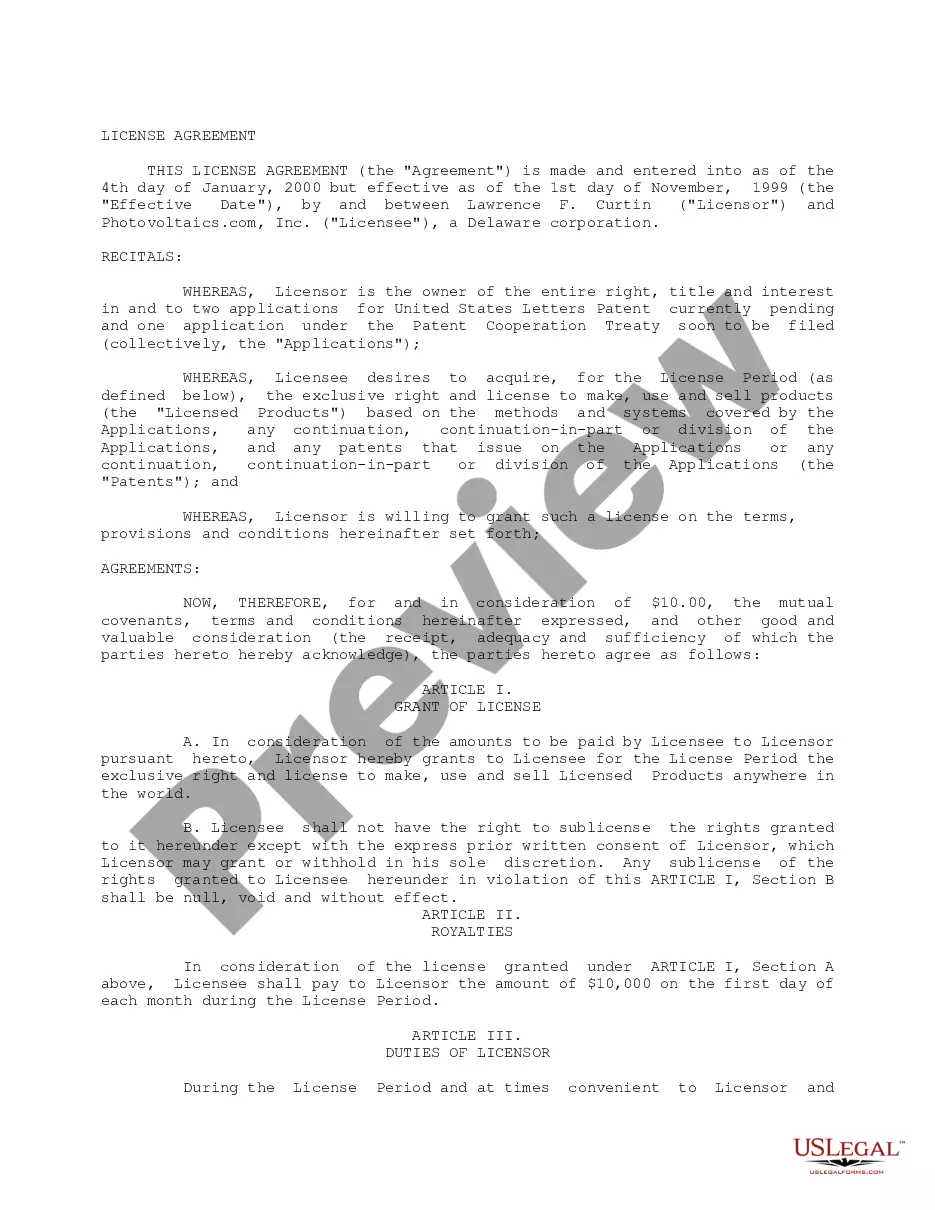
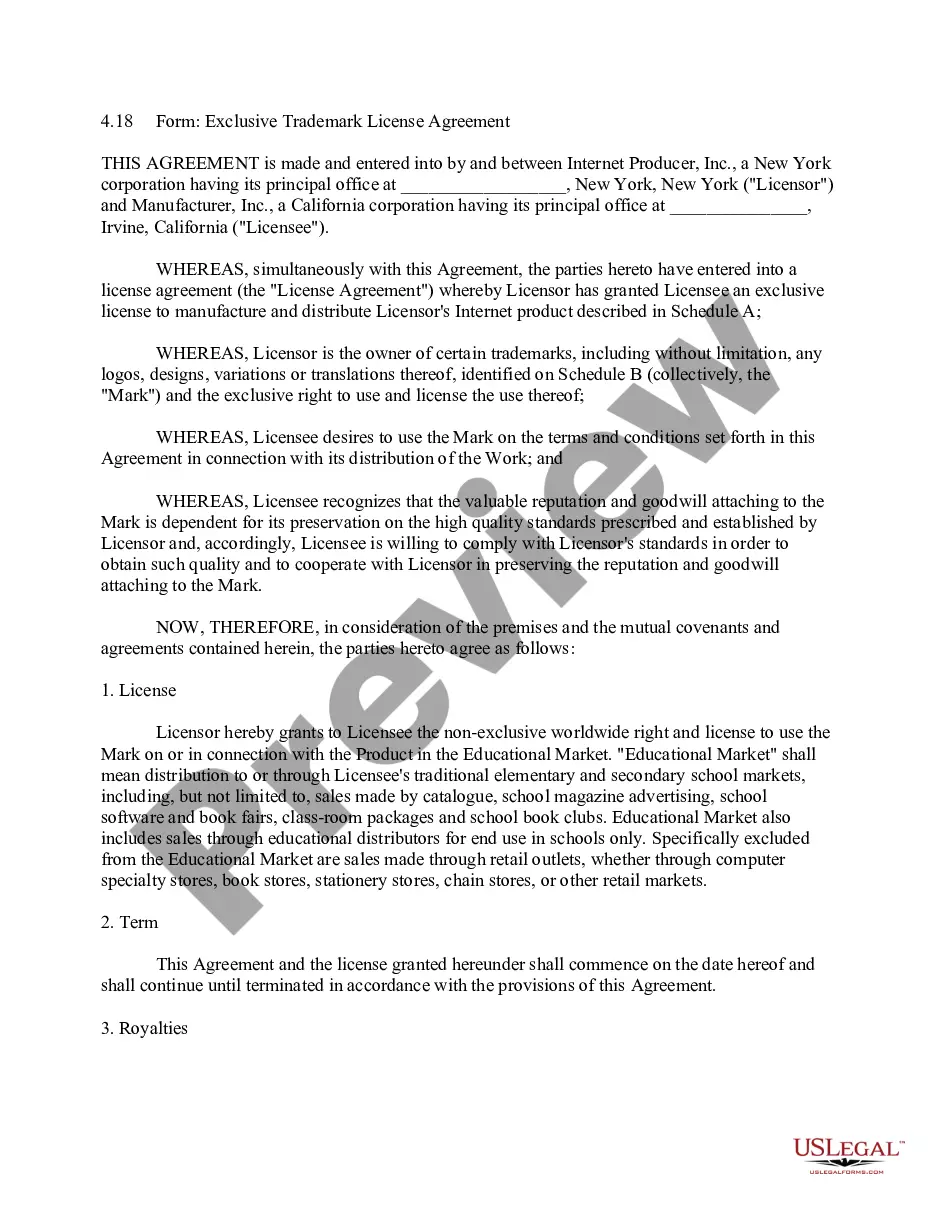
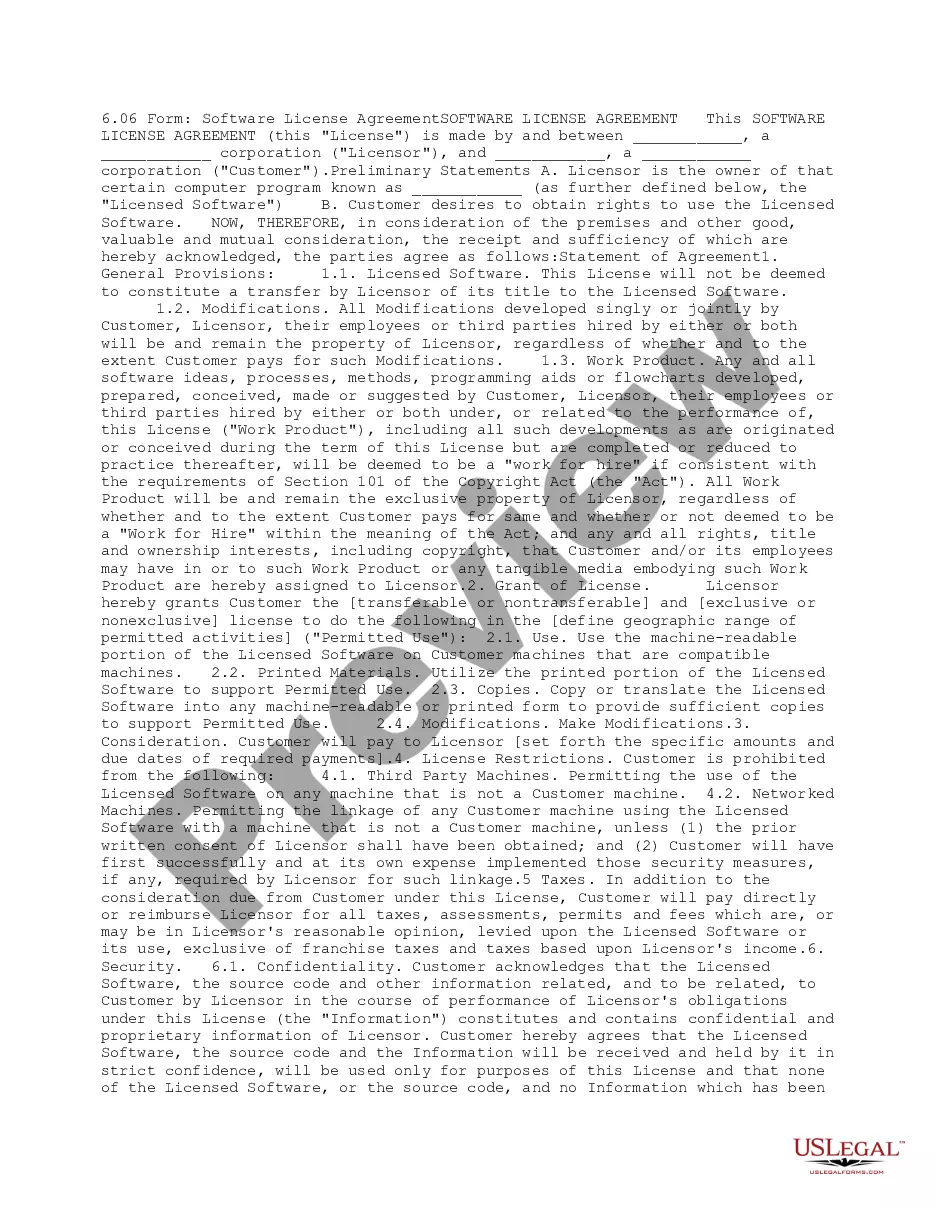





How to fill out Exclusive License Agreement Between Individual Inventor And Corporation?
If you wish to total, acquire, or print sanctioned document templates, utilize US Legal Forms, the largest collection of legal forms available online.
Utilize the site's simple and convenient search to find the documents you require.
Numerous templates for business and personal uses are categorized by type and locality, or keywords.
Step 4. Once you have found the form you need, click the Purchase now button. Select the pricing plan you prefer and provide your details to create an account.
Step 5. Complete the transaction. You can use your credit card or PayPal account to finish the payment.
- Utilize US Legal Forms to access the Delaware Exclusive License Agreement between Individual Inventor and Corporation in just a few clicks.
- If you are already a US Legal Forms user, Log In to your account and click the Acquire button to get the Delaware Exclusive License Agreement between Individual Inventor and Corporation.
- You can also find forms you have previously acquired in the My documents section of your account.
- If you are using US Legal Forms for the first time, follow the instructions below.
- Step 1. Ensure you have selected the form for your appropriate area/region.
- Step 2. Use the Review option to examine the form’s content. Be sure to read the overview.
- Step 3. If you are not satisfied with the form, use the Search field at the top of the screen to find other versions of the legal document format.
Form popularity
FAQ
A licensing agreement allows one party (the licensee) to use and/or earn revenue from the property of the owner (the licensor). Licensing agreements generate revenues, called royalties, earned by a company for allowing its copyrighted or patented material to be used by another company.
Practitioners and licensing executives often refer to three basic types of voluntary licenses: non-exclusive, sole, and exclusive. A non-exclusive licence allows the licensor to retain the right to use the licensed property and the right to grant additional licenses to third parties.
Key Takeaways. A licensing agreement allows one party (the licensee) to use and/or earn revenue from the property of the owner (the licensor). Licensing agreements generate revenues, called royalties, earned by a company for allowing its copyrighted or patented material to be used by another company.
An exclusive license grants the licensee singular permission to exploit the intellectual property in question. No other entity, including the party granting the license (the licensor), is allowed to use the intellectual property covered by the license unless specific carve-outs are included in the agreement.
A patent license agreement usually gives a licensee, subject to certain restrictions, exclusive rights to produce, sell, and use a proprietary invention. The amount of royalty due by the licensee to the licensor would also be specified by a patent licence agreement.
Which of the following is an example of an exclusive license agreement? a. The licensee is currently the only company using the intangible property, but the licensor has rights to add other licensees.
A copyright exclusive license is one in which ownership in one or more rights is transferred by the copyright owner. A copyright nonexclusive license occurs when the owner retains ownership of the copyright and/or may license the same right to others.
Exclusive license allows a licensor to share intellectual property with a licensee for a specific period of time that usually binds the licensor to not share the property with anyone else.