Delaware Palliative Care Services Agreement
Description
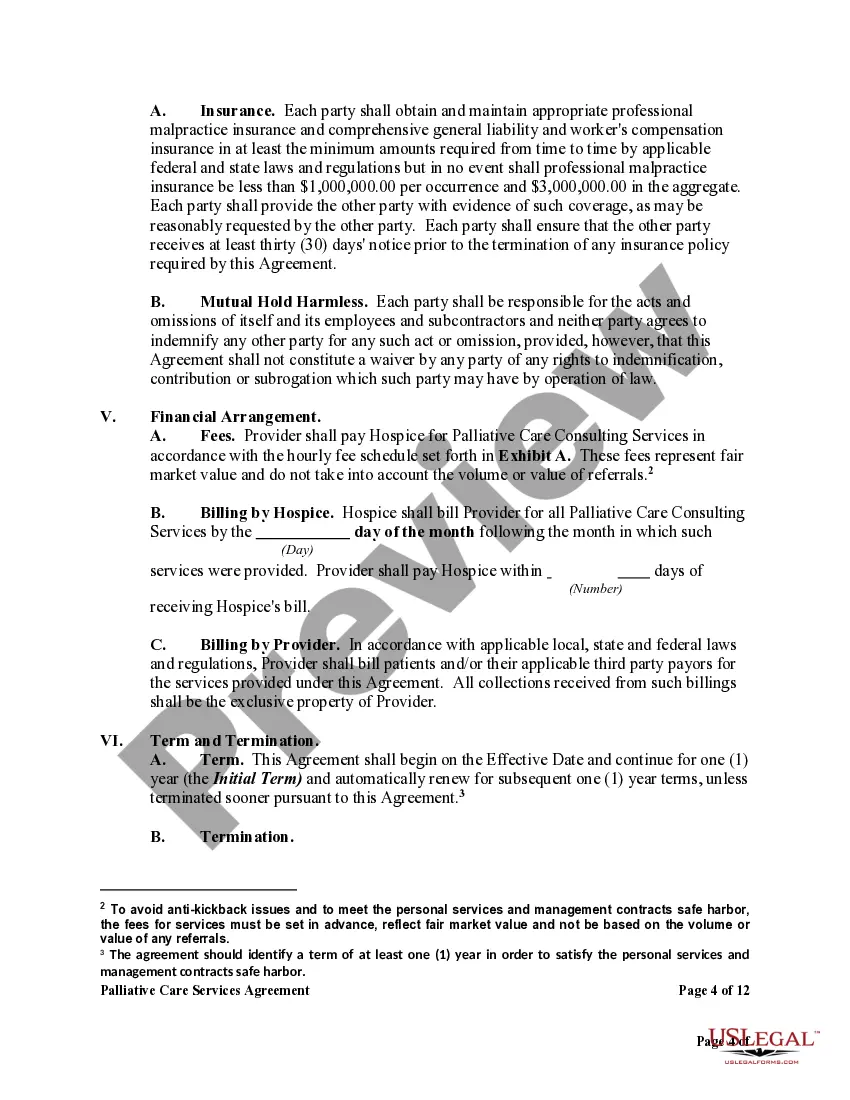
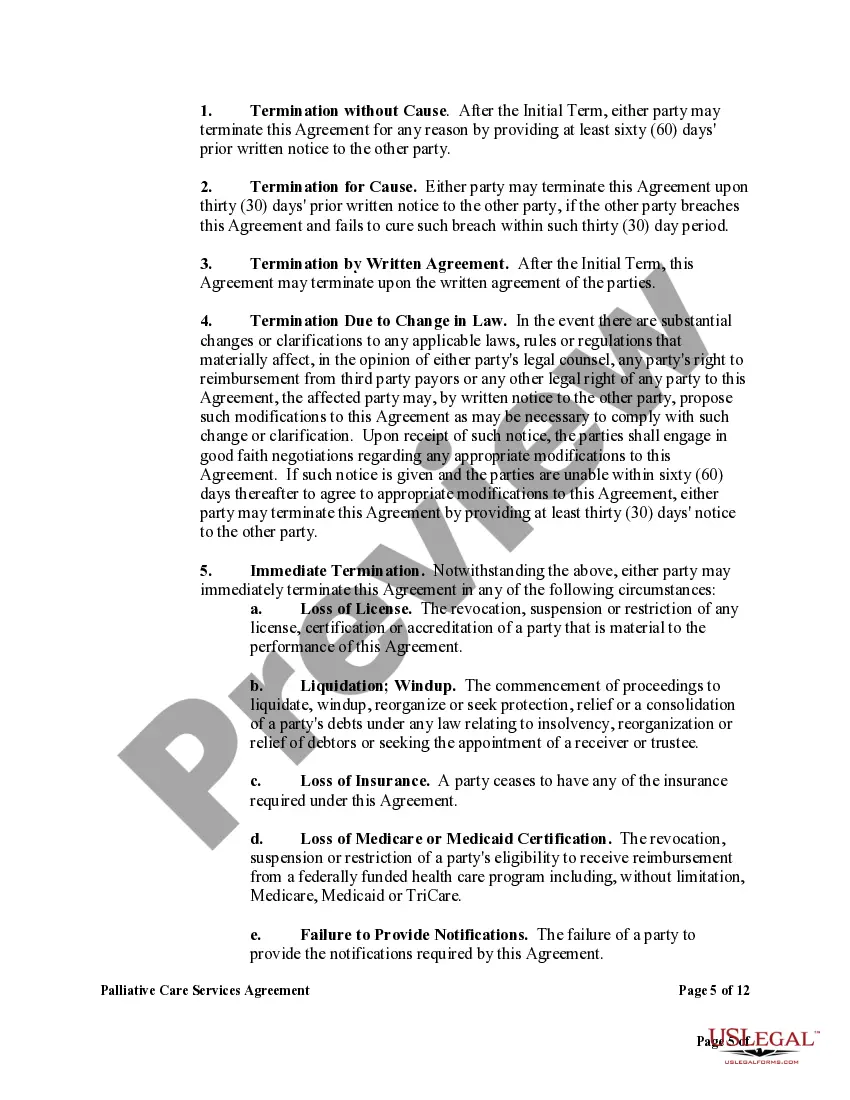
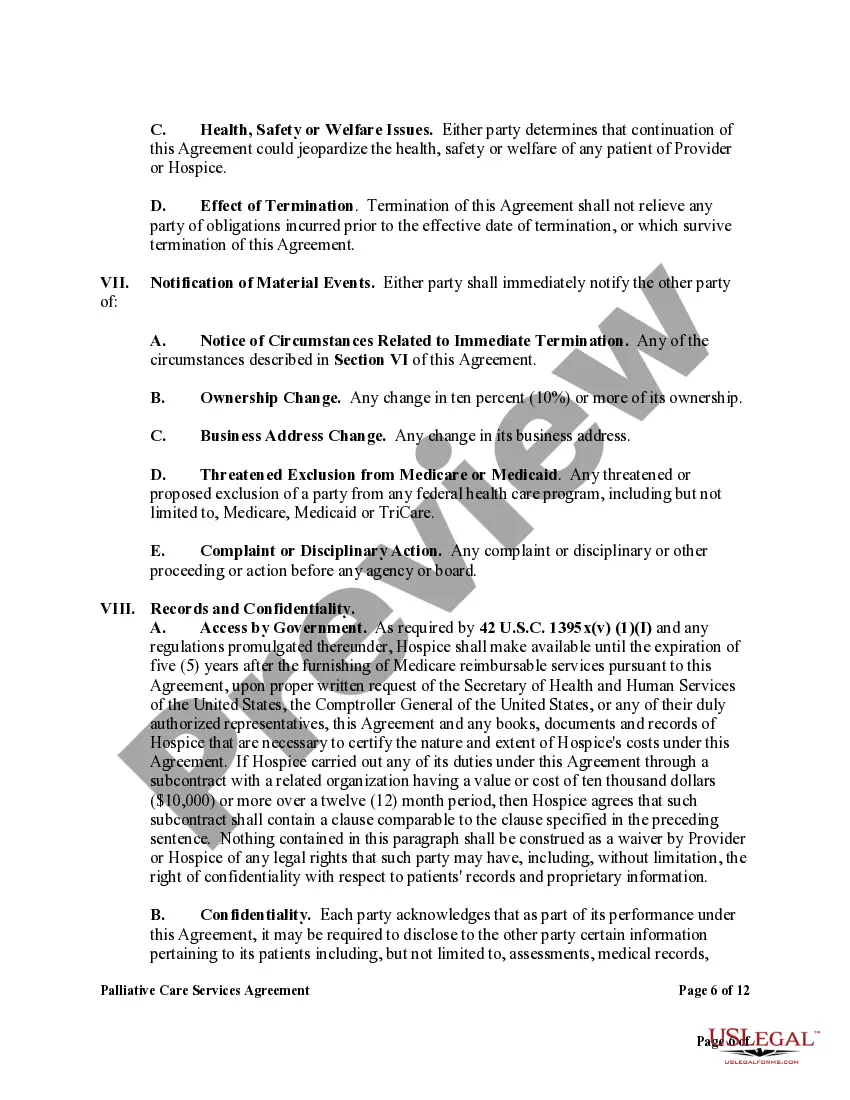
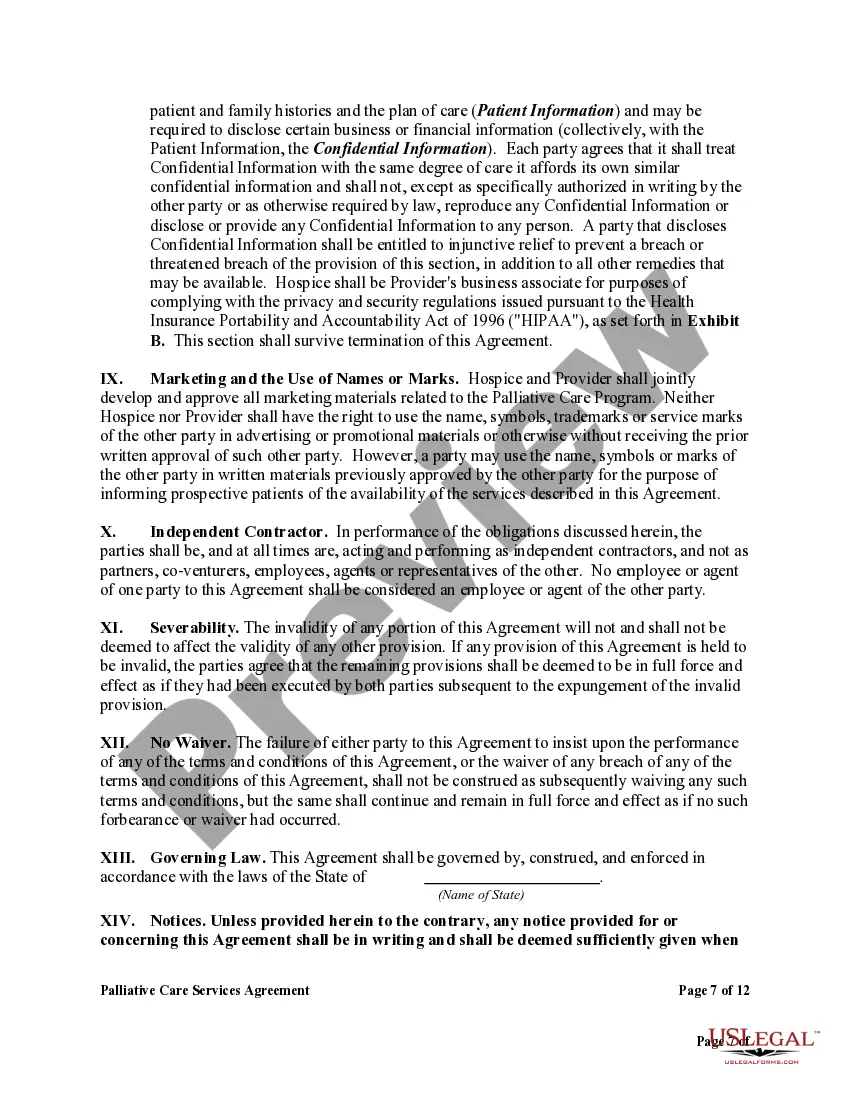







How to fill out Palliative Care Services Agreement?
You can spend countless hours online trying to locate the legal document template that meets your state and federal requirements.
US Legal Forms offers a multitude of legal documents that can be reviewed by experts.
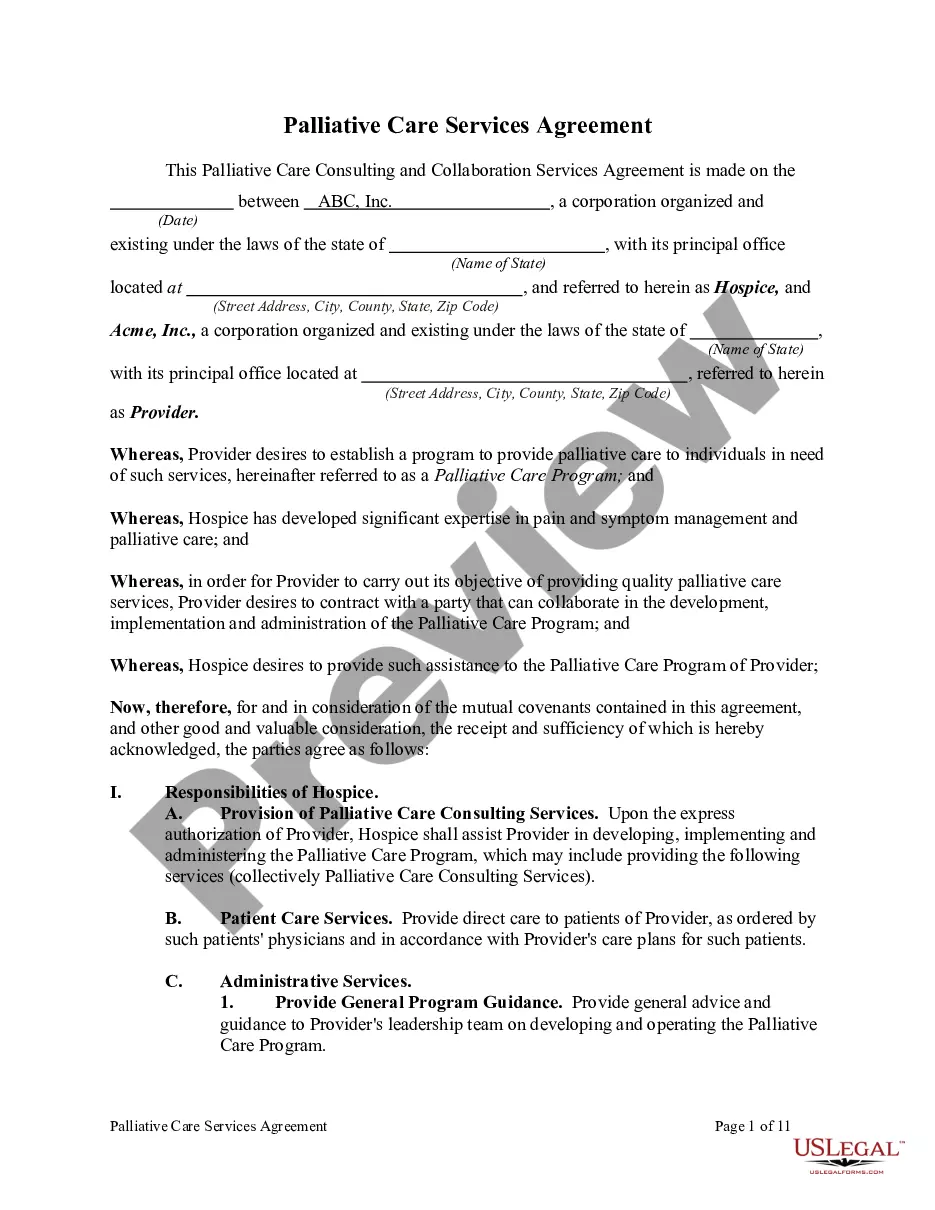
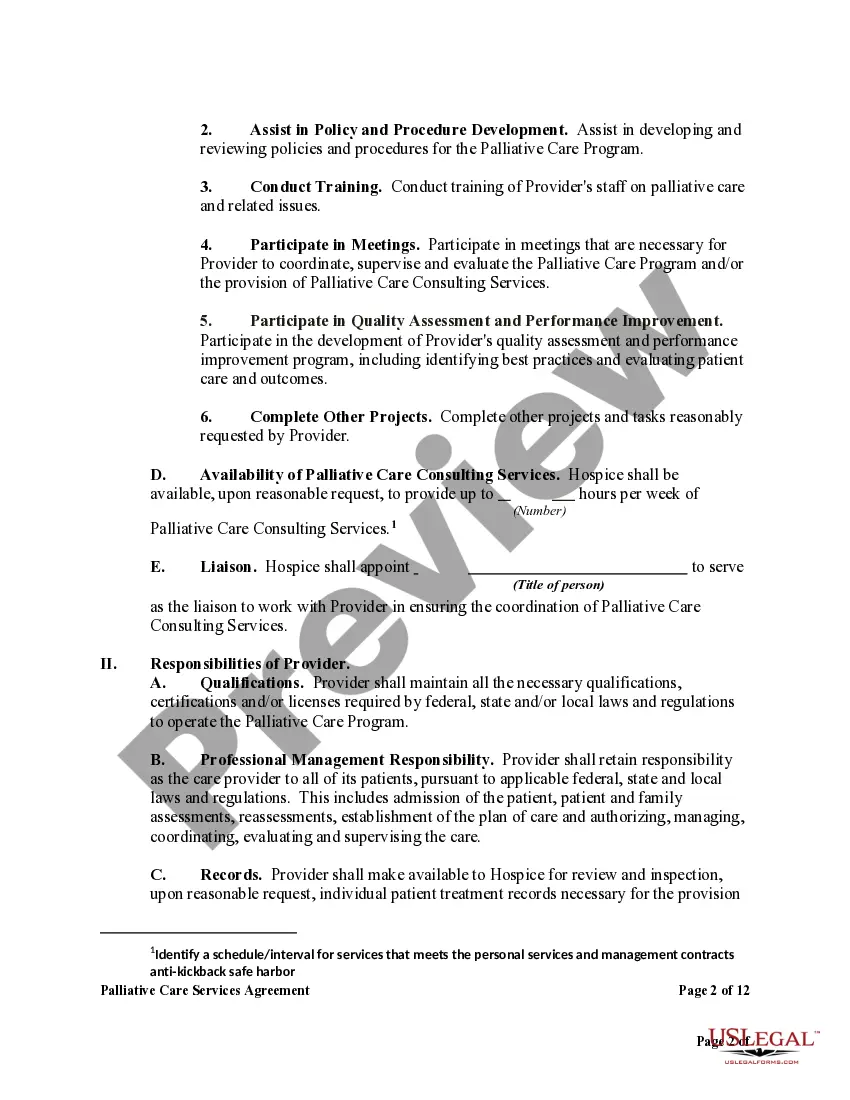
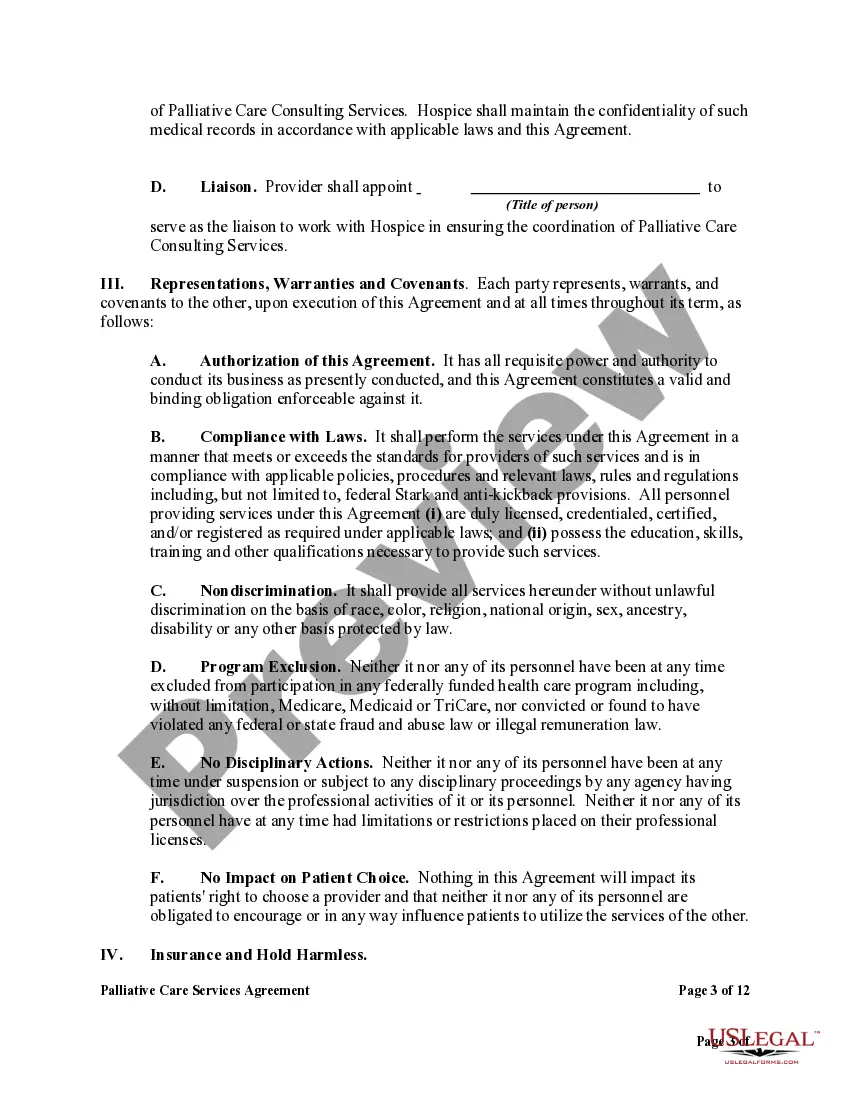
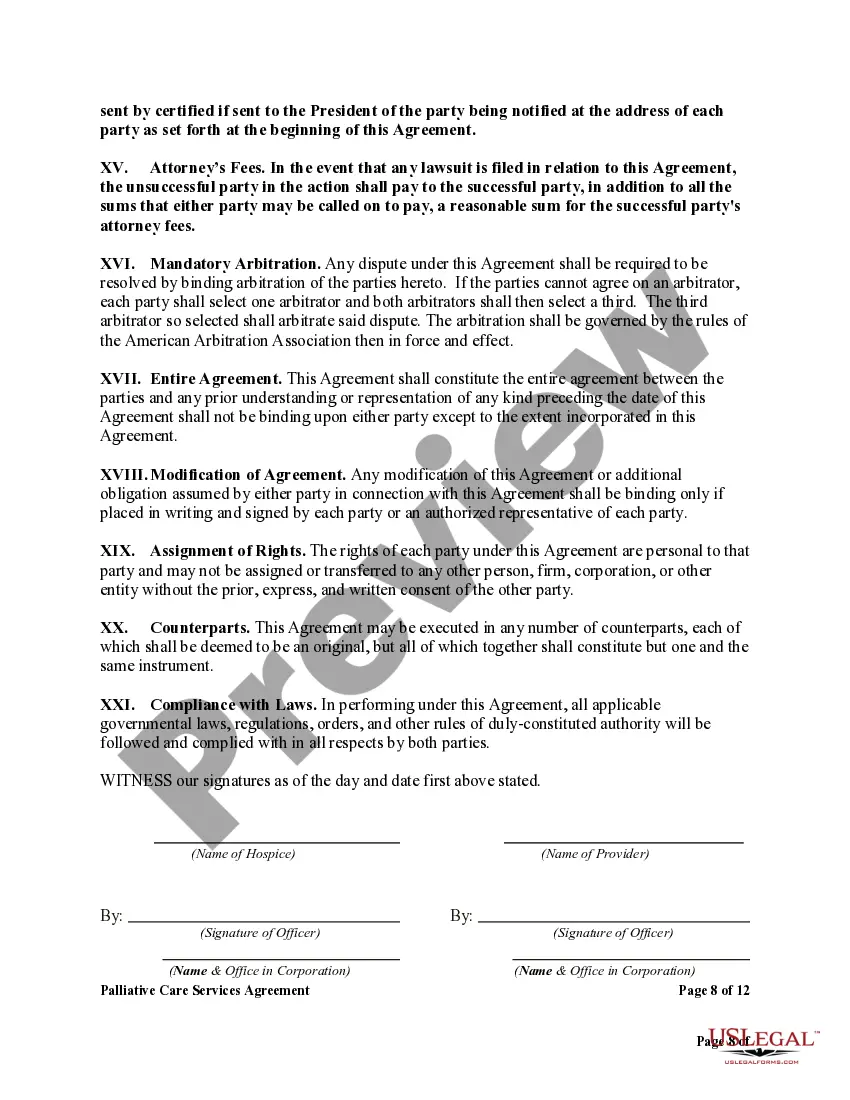
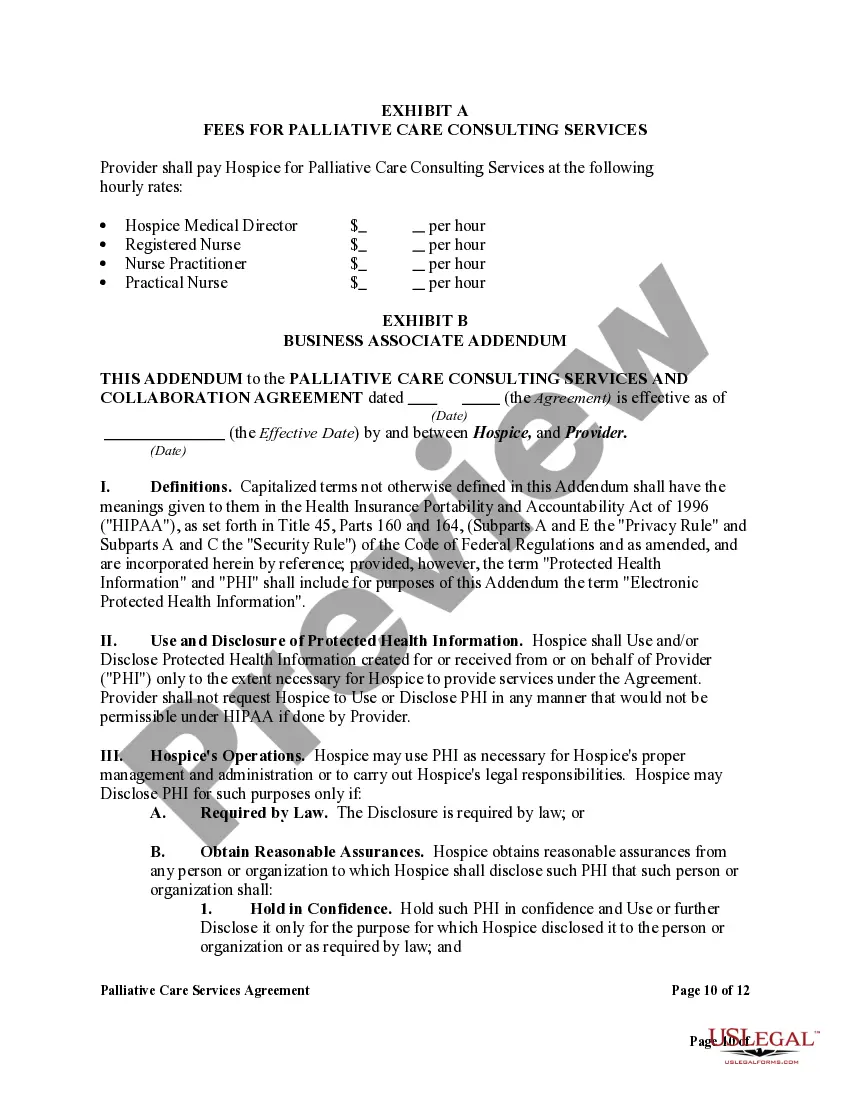
You can easily download or print the Delaware Palliative Care Services Agreement from the site.
Check the form description to confirm you have chosen the right form. If available, utilize the Review button to examine the document template as well.
- If you already have a US Legal Forms account, you can Log In and click the Acquire button.
- Afterward, you can fill out, edit, print, or sign the Delaware Palliative Care Services Agreement.
- Every legal document template you buy is yours indefinitely.
- To obtain another copy of any purchased form, go to the My documents section and click the corresponding button.
- If you are using the US Legal Forms site for the first time, follow the simple instructions below.
- First, ensure that you have selected the correct document template for your preferred region/city.
Form popularity
FAQ
Yes, palliative care can be billed to Medicare, provided that the services meet certain criteria outlined in Medicare guidelines. It's essential to document care plans and show how services alleviate symptoms or improve quality of life. To navigate billing smoothly, using a Delaware Palliative Care Services Agreement can be a strategic advantage.
Palliative care can be administered by a variety of healthcare professionals, including doctors, nurses, and social workers. These team members work together to provide comprehensive support tailored to the patient's needs. If you are looking into a Delaware Palliative Care Services Agreement, it's beneficial to ensure the team includes qualified professionals experienced in providing this specialized care.
One downside of palliative care may be the limited understanding or misconceptions surrounding it, which can lead to underutilization. Some people may believe it exclusively pertains to end-of-life scenarios, while it actually provides comfort at any stage of a serious illness. Choosing the right Delaware Palliative Care Services Agreement can help clarify these aspects and deliver the needed support.
Medicare Part B plays a key role in paying for palliative care services. It covers services such as doctor visits, outpatient care, and certain home health services that may be part of palliative care. For users entering into a Delaware Palliative Care Services Agreement, knowing how these payments work can ensure you receive the necessary care without unexpected costs.
The primary source of reimbursement for palliative care in the U.S. is Medicare. Medicare, particularly through Medicare Part B, can cover certain palliative care services that are medically necessary. It's important to check your eligibility and understand the guidelines to maximize your benefits under a Delaware Palliative Care Services Agreement.
Palliative care is typically reimbursed through multiple channels, including Medicare, Medicaid, and private health insurance. Each payer has specific criteria that must be met for reimbursement, such as the documentation of the patient's condition and care plans. If you are considering a Delaware Palliative Care Services Agreement, familiarizing yourself with these reimbursement options can streamline the process.
The primary reimbursement source for hospice care is Medicare. Specifically, Medicare Part A covers hospice services, enabling patients to receive supportive care during their final stage of life. Additionally, Medicaid may also provide reimbursement in some states, depending on eligibility. Understanding these sources can help you navigate a Delaware Palliative Care Services Agreement effectively.
Yes, a physician order is generally needed for palliative care services. This order guides the implementation of the Delaware Palliative Care Services Agreement, ensuring that care is tailored to address specific symptoms and improve your overall well-being. Having this order supports effective treatment and enhances collaboration among caregivers.
A doctor referral for palliative care is often helpful but not always mandatory. Many patients can seek palliative care directly, especially through services that implement the Delaware Palliative Care Services Agreement. However, a referral can streamline the process and ensure you receive comprehensive support.
In palliative care, a physician plays a vital role in overseeing the patient's overall health. They coordinate care among various health professionals, ensuring the Delaware Palliative Care Services Agreement meets the patient's individual needs. This collaborative approach helps in managing symptoms, improving quality of life, and providing support to both patients and families.