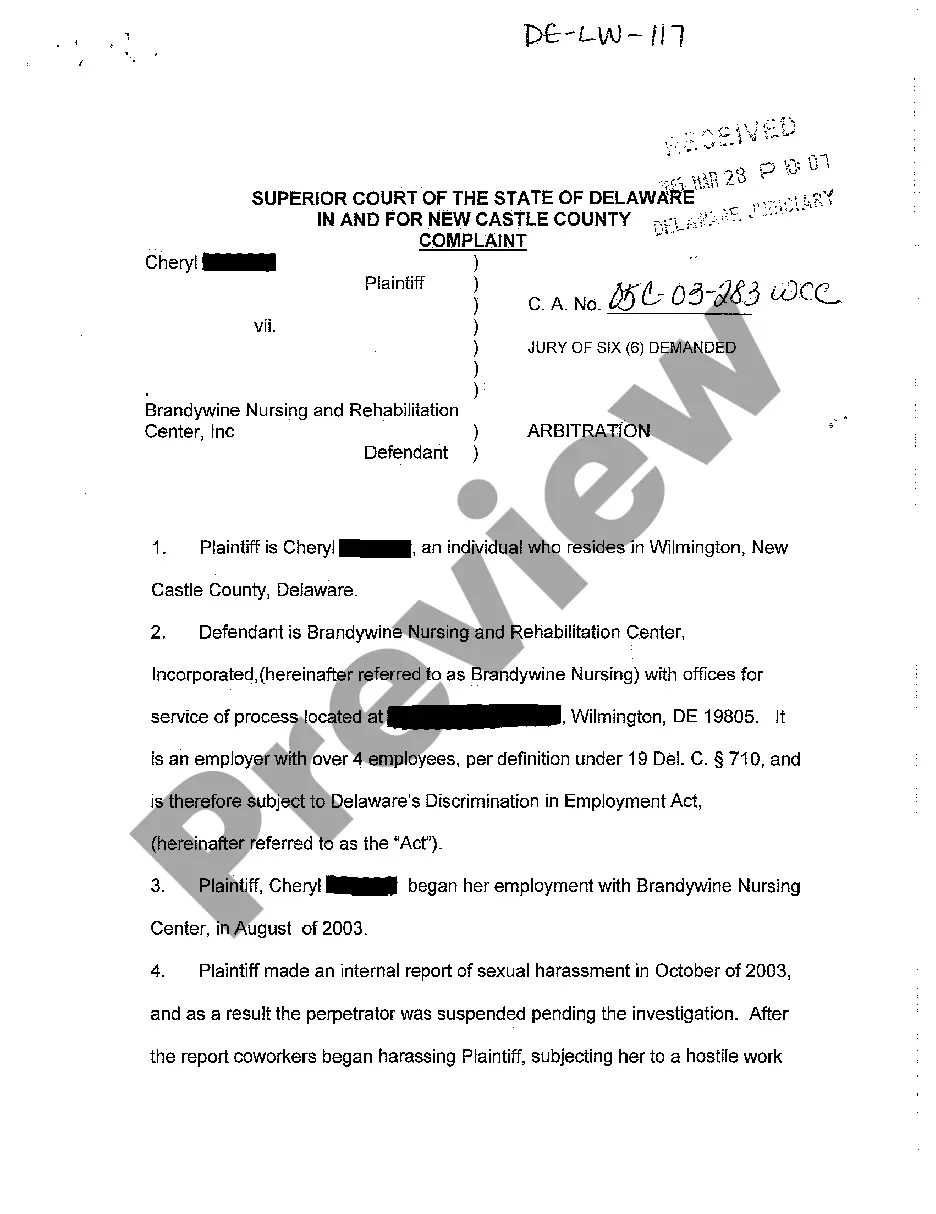
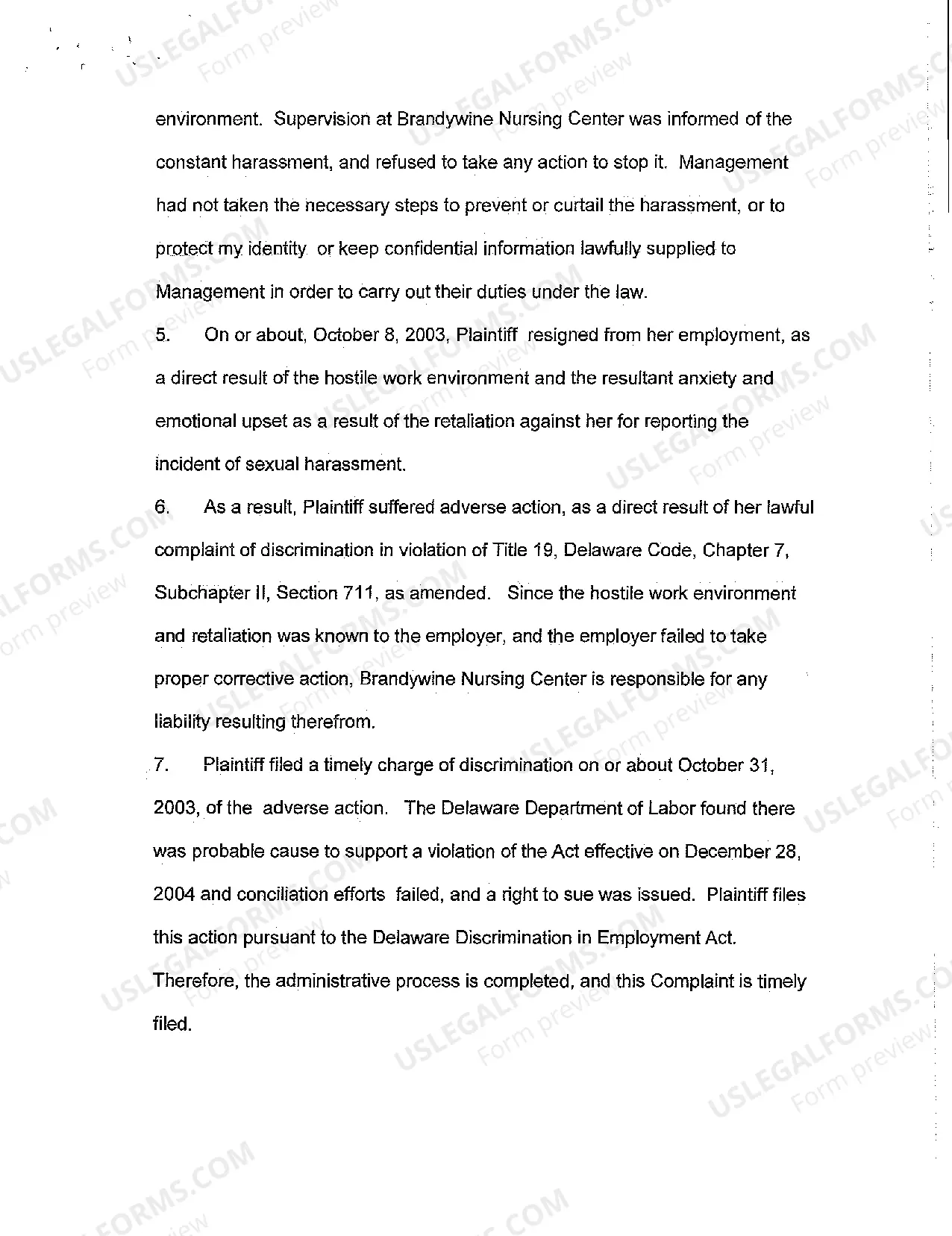
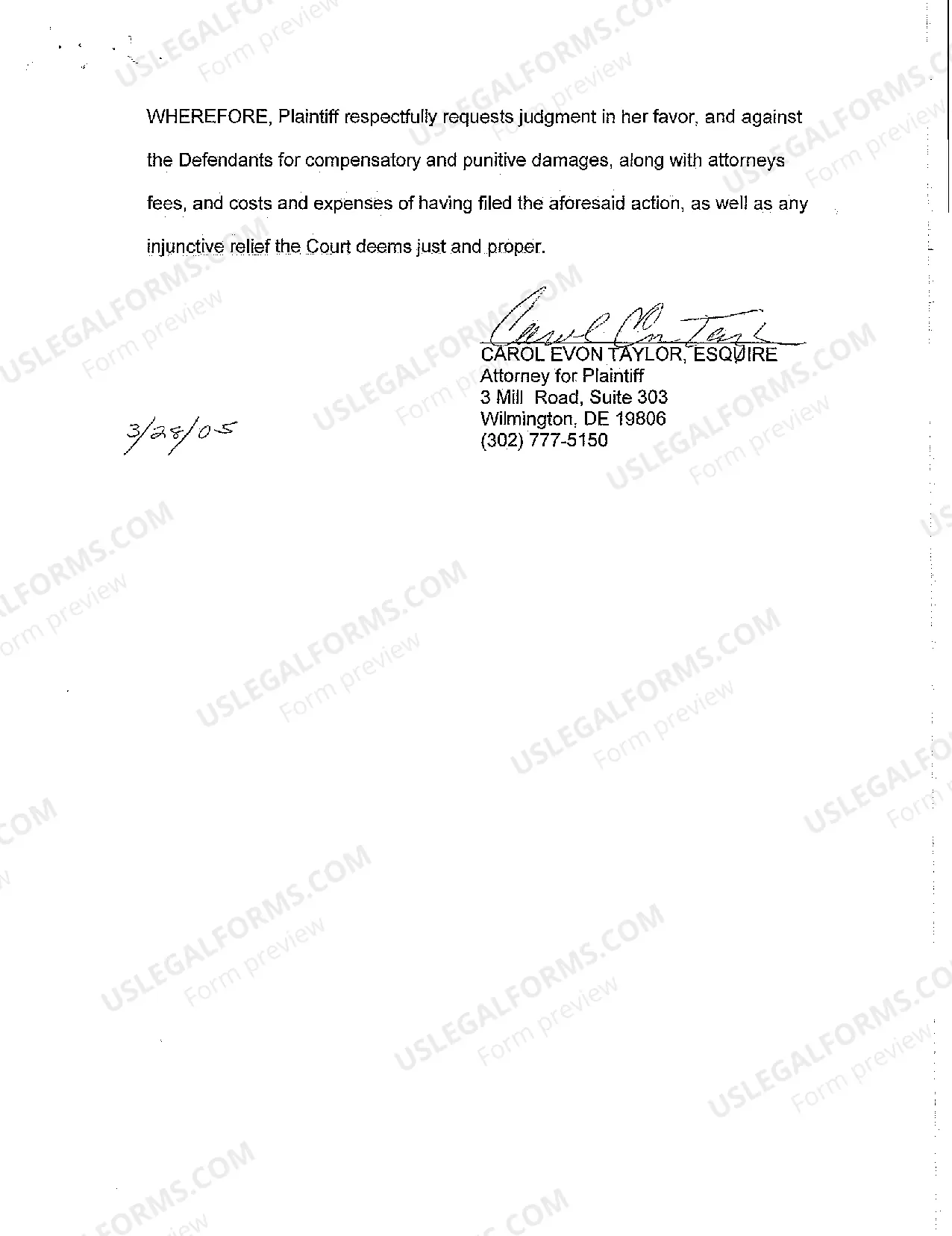
Delaware Arbitration Statement of Sexual Harassment Claimant
Description
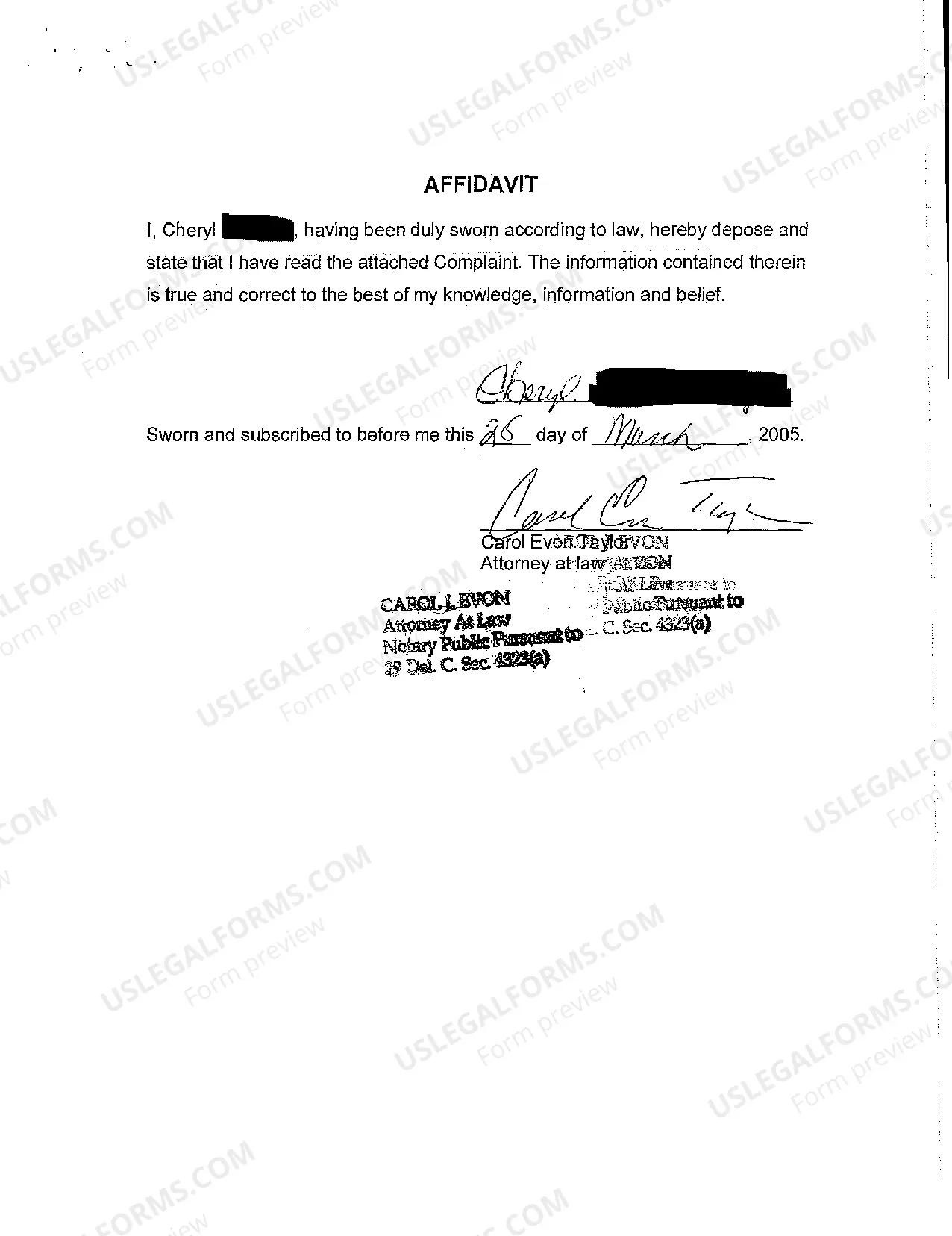
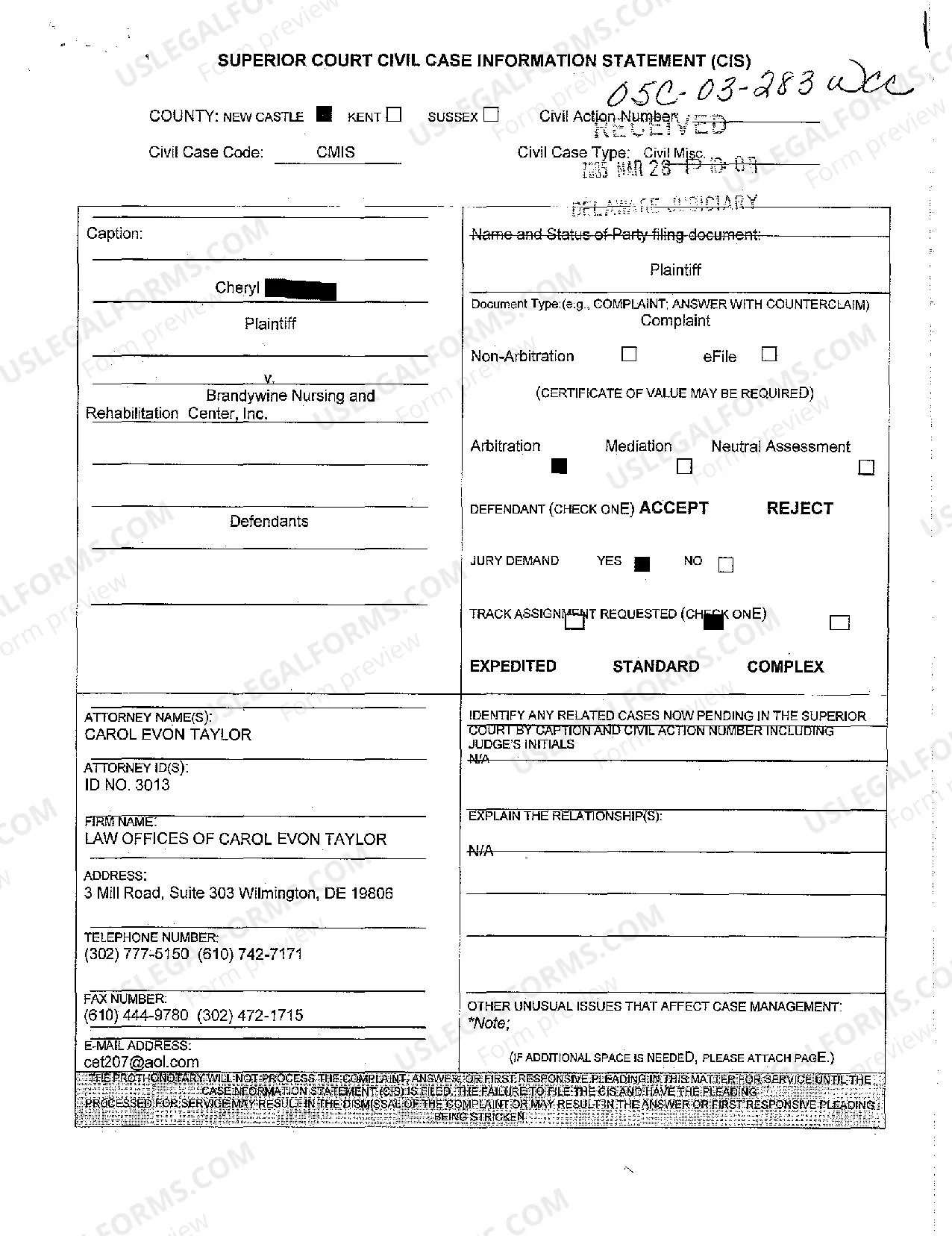
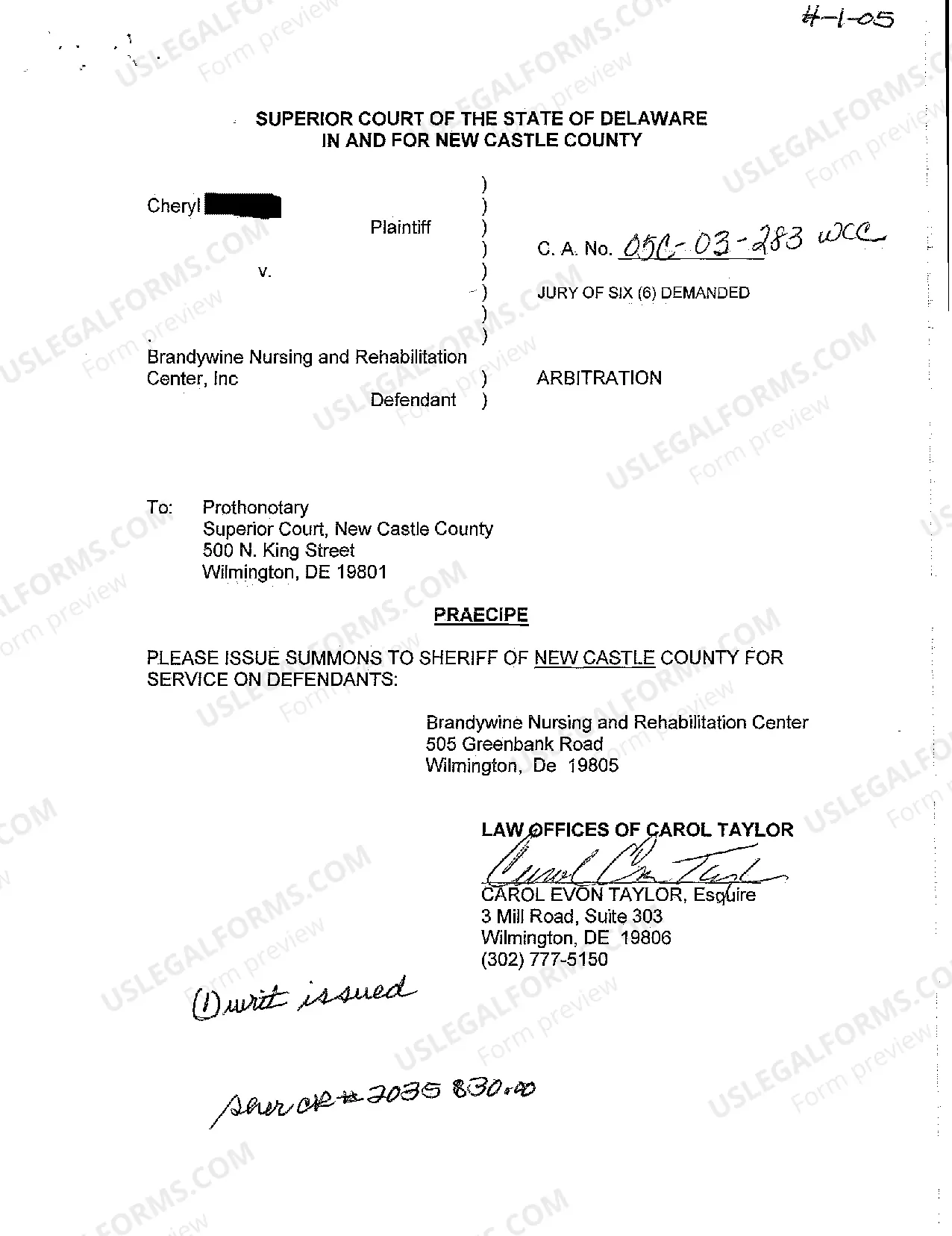
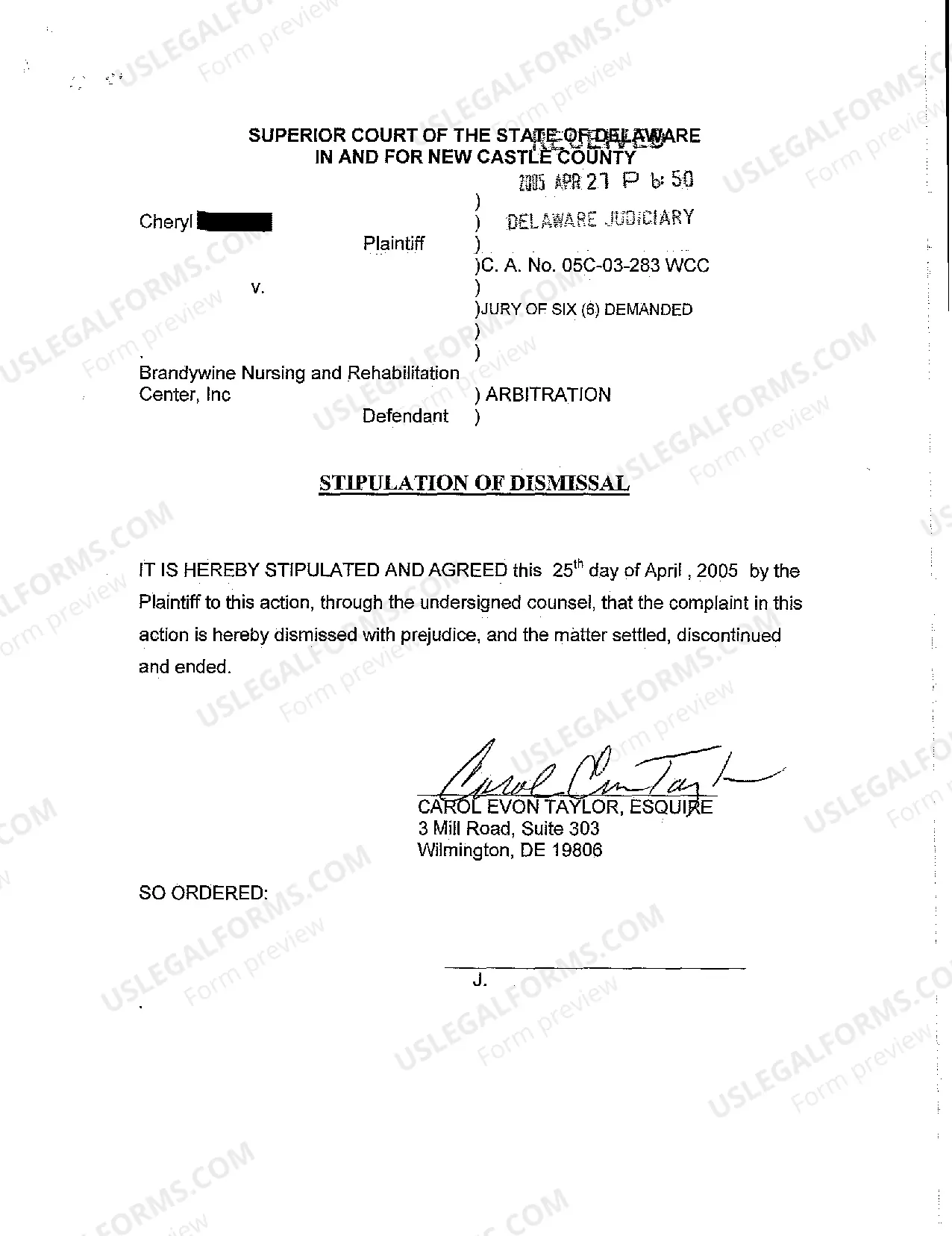

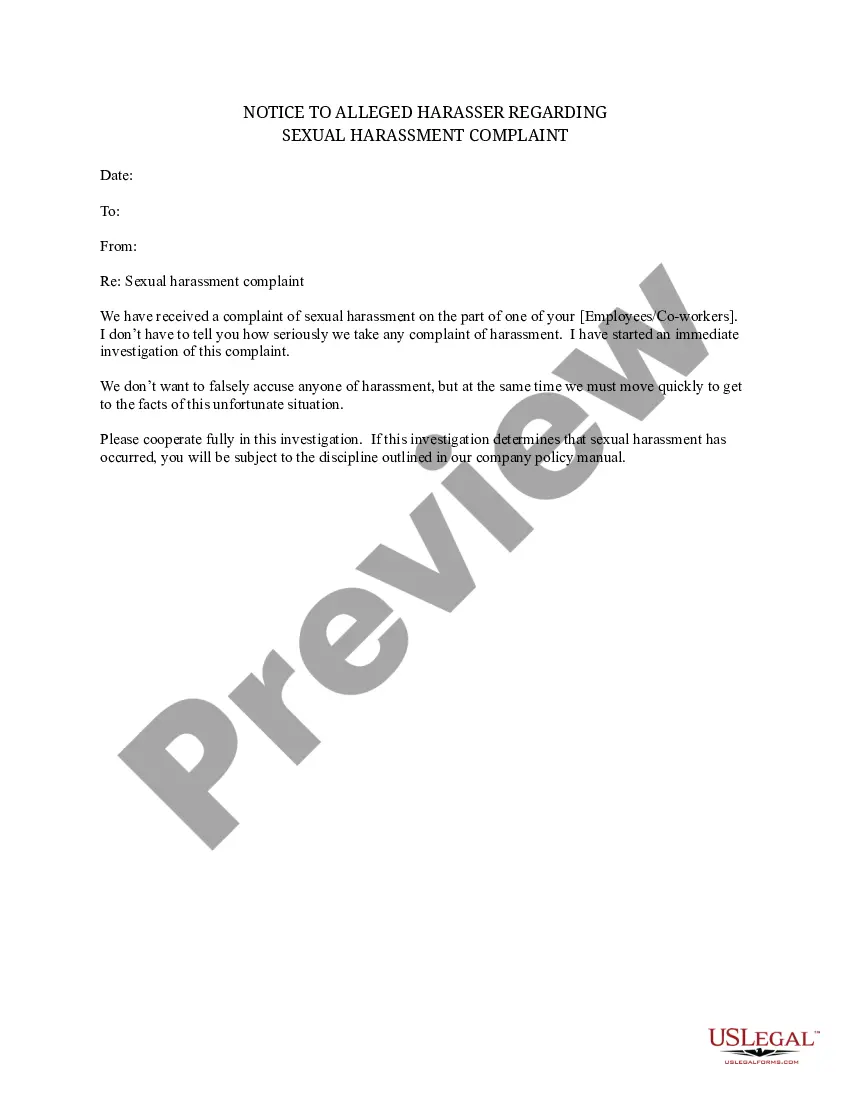

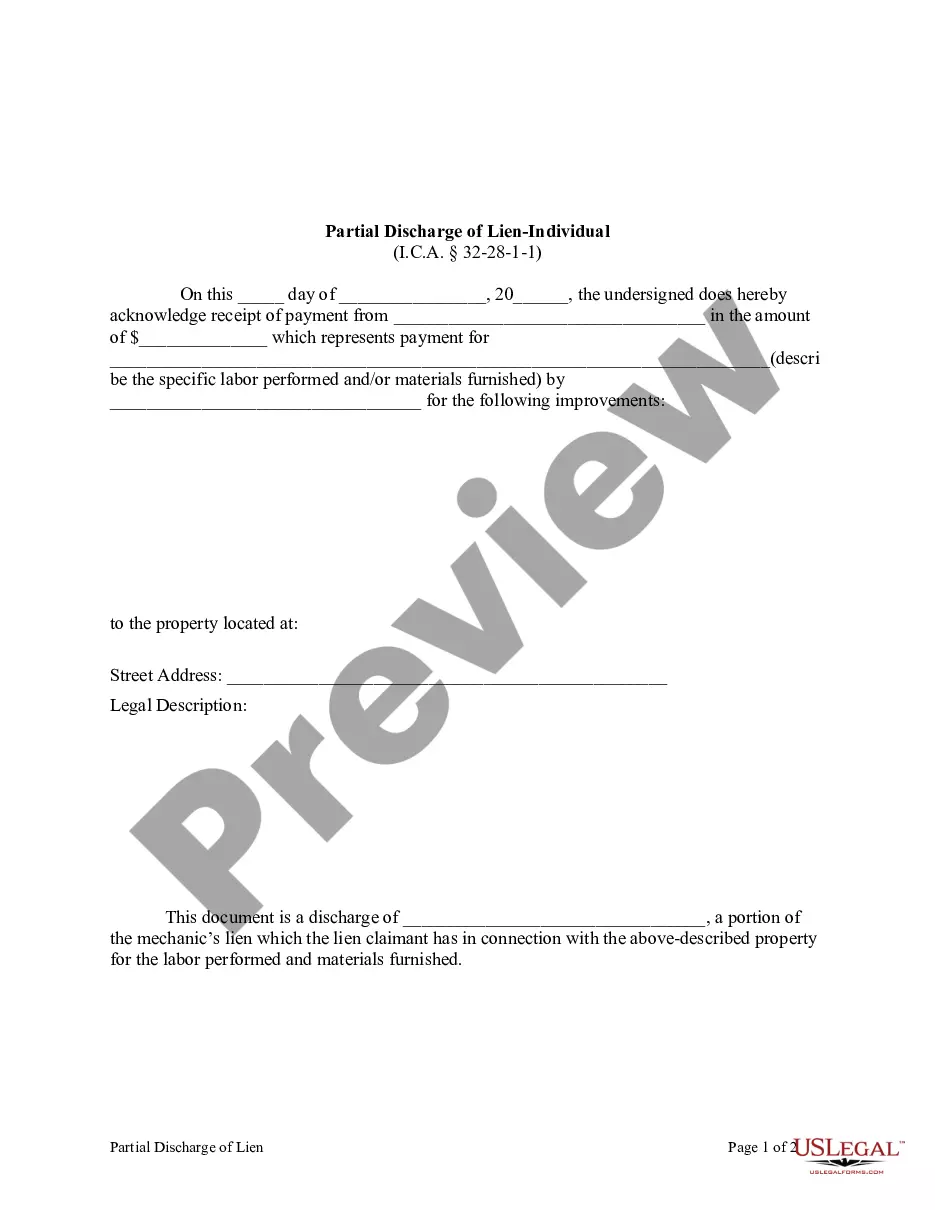
How to fill out Delaware Arbitration Statement Of Sexual Harassment Claimant?
Among numerous complimentary and paid instances available online, you cannot be sure about their precision and dependability.
For instance, who made them or if they possess the expertise to manage the matters you require them for.
Always remain composed and use US Legal Forms! Find Delaware Arbitration Statement of Sexual Harassment Claimant examples crafted by expert attorneys and avoid the costly and time-consuming task of searching for a lawyer and subsequently paying them to draft a document that you can complete yourself.
Choose a payment plan and establish an account. Pay for the subscription with your credit/debit card or Paypal. Download the document in the desired format. Once you’ve registered and paid for your subscription, you can utilize your Delaware Arbitration Statement of Sexual Harassment Claimant as frequently as necessary or for as long as it remains effective in your area. Modify it in your preferred offline or online editor, complete it, sign it, and produce a hard copy. Achieve more for less with US Legal Forms!
- If you have a membership, sign in to your profile and locate the Download button next to the file you are searching for.
- You will also have access to all of your previously stored templates in the My documents section.
- If you are using our service for the first time, follow the steps below to quickly obtain your Delaware Arbitration Statement of Sexual Harassment Claimant.
- Ensure that the document you find is applicable to your location.
- Examine the template by reviewing the description using the Preview option.
- Press Buy Now to commence the purchasing procedure or search for another template using the Search bar in the header.
Form popularity
FAQ
Proving your EEOC complaint requires gathering evidence that supports your claims of discrimination or harassment. This process often involves documents, witness testimonies, and any correspondence related to your Delaware Arbitration Statement of Sexual Harassment Claimant. You need to demonstrate a pattern of behavior that aligns with your complaint. Utilizing US Legal Forms can simplify the process and provide the necessary documentation to support your case.
The anti-discrimination statute in Delaware is designed to protect individuals from discrimination based on several factors, including race, age, disability, and sexual harassment. This statute is crucial for those filing a Delaware Arbitration Statement of Sexual Harassment Claimant, as it outlines the rights of employees facing discrimination. Understanding this statute helps you navigate the legal landscape effectively and can empower you to pursue your claim. For assistance, you can explore resources on platforms like US Legal Forms.
Yes, you can refuse to participate in arbitration, but doing so can have significant consequences. A refusal may limit your options and escalate the matter to litigation, which can be more time-consuming and costly. Understanding the Delaware Arbitration Statement of Sexual Harassment Claimant is essential in this context, as it outlines your rights and obligations regarding arbitration participation.
If a party refuses to participate in arbitration, the other party may advance the matter to court. This refusal can introduce delays and complications, potentially leading to a less favorable outcome. With the Delaware Arbitration Statement of Sexual Harassment Claimant, it is crucial to understand the implications of non-participation, as it may hinder your ability to resolve disputes efficiently.
Writing a statement of claim for arbitration involves clearly outlining your position and the basis for your claim. Be specific about the issues at hand and reference any relevant agreements. The Delaware Arbitration Statement of Sexual Harassment Claimant can guide you on how to effectively present your case. Ensuring your claim is comprehensive and clear increases the likelihood of a successful resolution.
Arbitration rules are set guidelines that govern the arbitration process. These rules cover everything from filing a claim to the conduct of hearings. Understanding the rules can provide clarity and ensure compliance within the Delaware Arbitration Statement of Sexual Harassment Claimant process. Familiarizing yourself with these regulations can help you navigate your arbitration more effectively.
Deciding whether to settle or go to arbitration depends on your circumstances. Settling can often provide a quicker resolution and avoid the uncertainties of arbitration. However, arbitration may offer a more formal process, as seen in the Delaware Arbitration Statement of Sexual Harassment Claimant, which can be more beneficial in certain cases. Weighing your options carefully can lead to a more informed decision.
If you refuse arbitration, the other party may pursue legal action through the courts. This can lead to a lengthy and costly litigation process. Furthermore, refusing arbitration may result in a waiver of certain rights, as outlined in the Delaware Arbitration Statement of Sexual Harassment Claimant. Engaging in arbitration often allows for a more streamlined resolution.
Yes, you can sue a company in Delaware for various grievances, including employment-related issues. If your case involves sexual harassment, the Delaware Arbitration Statement of Sexual Harassment Claimant provides a framework to pursue your claim effectively. Consulting resources like uslegalforms can help you navigate this process smoothly and confidently.
Delaware is not a no-fault state for employment; the laws allow employees to file claims based on specific wrongful actions by employers. This means that proving fault or misconduct is necessary for your case. If you are seeking justice for sexual harassment, consider the advantages of using a Delaware Arbitration Statement of Sexual Harassment Claimant to present your case clearly.