Delaware Application for Sublease
What is this form?
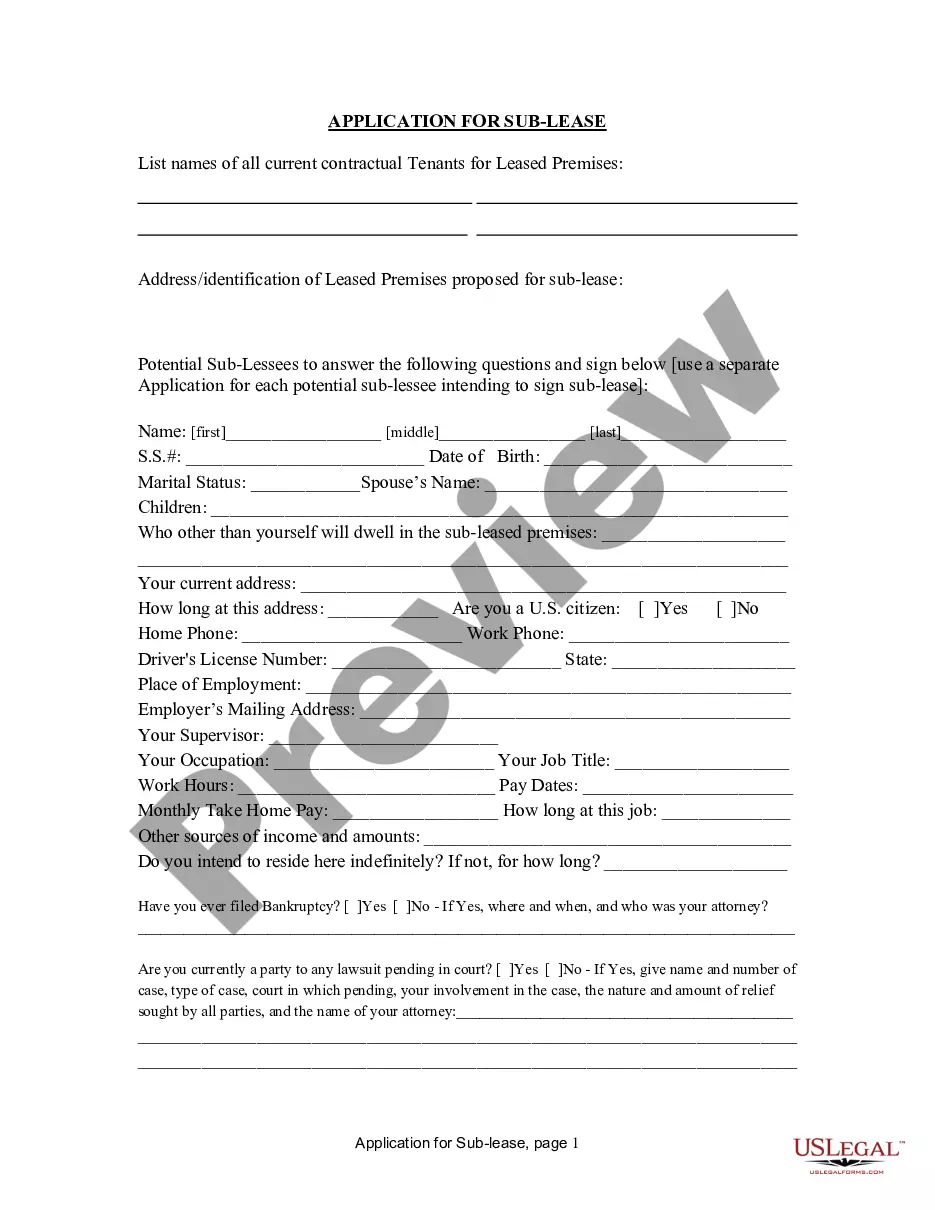
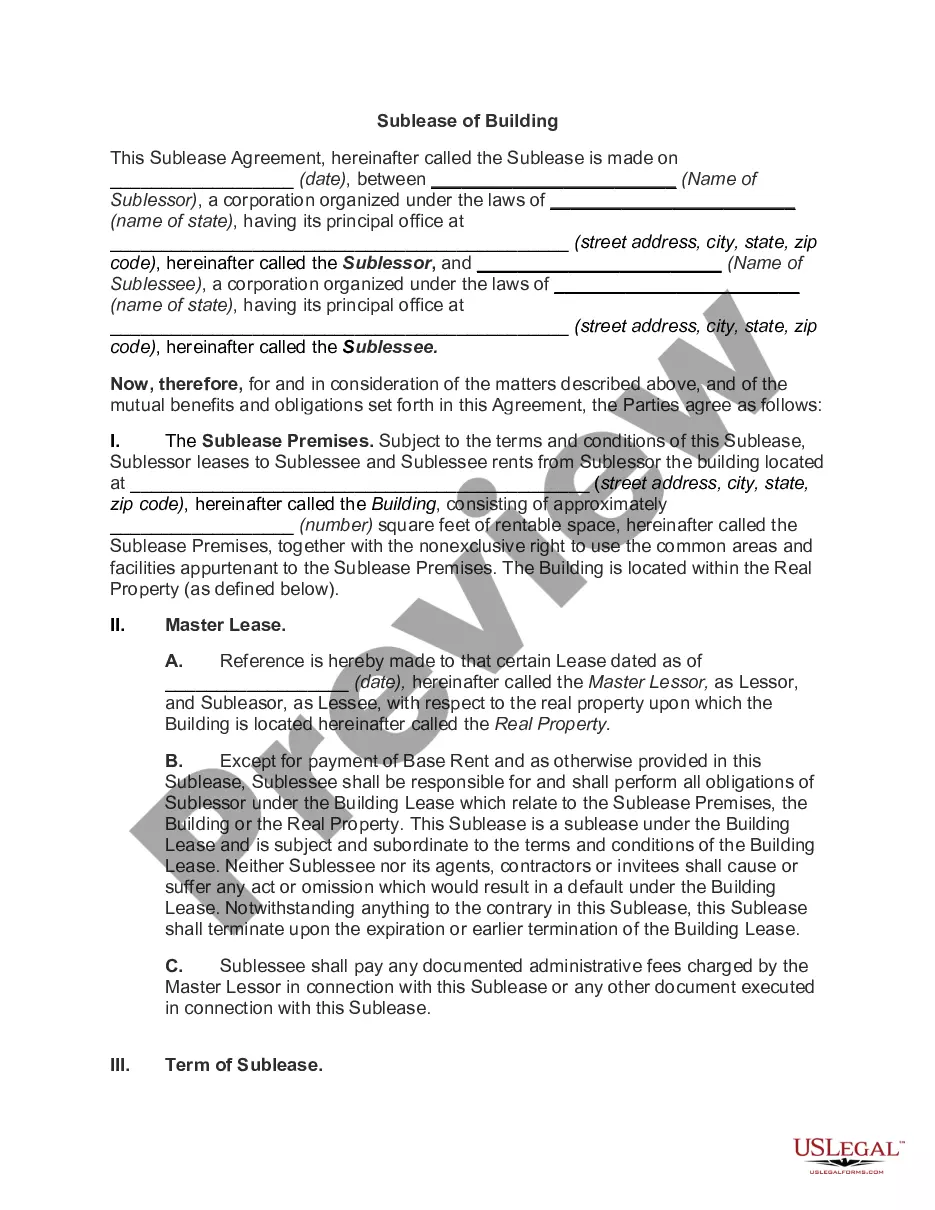
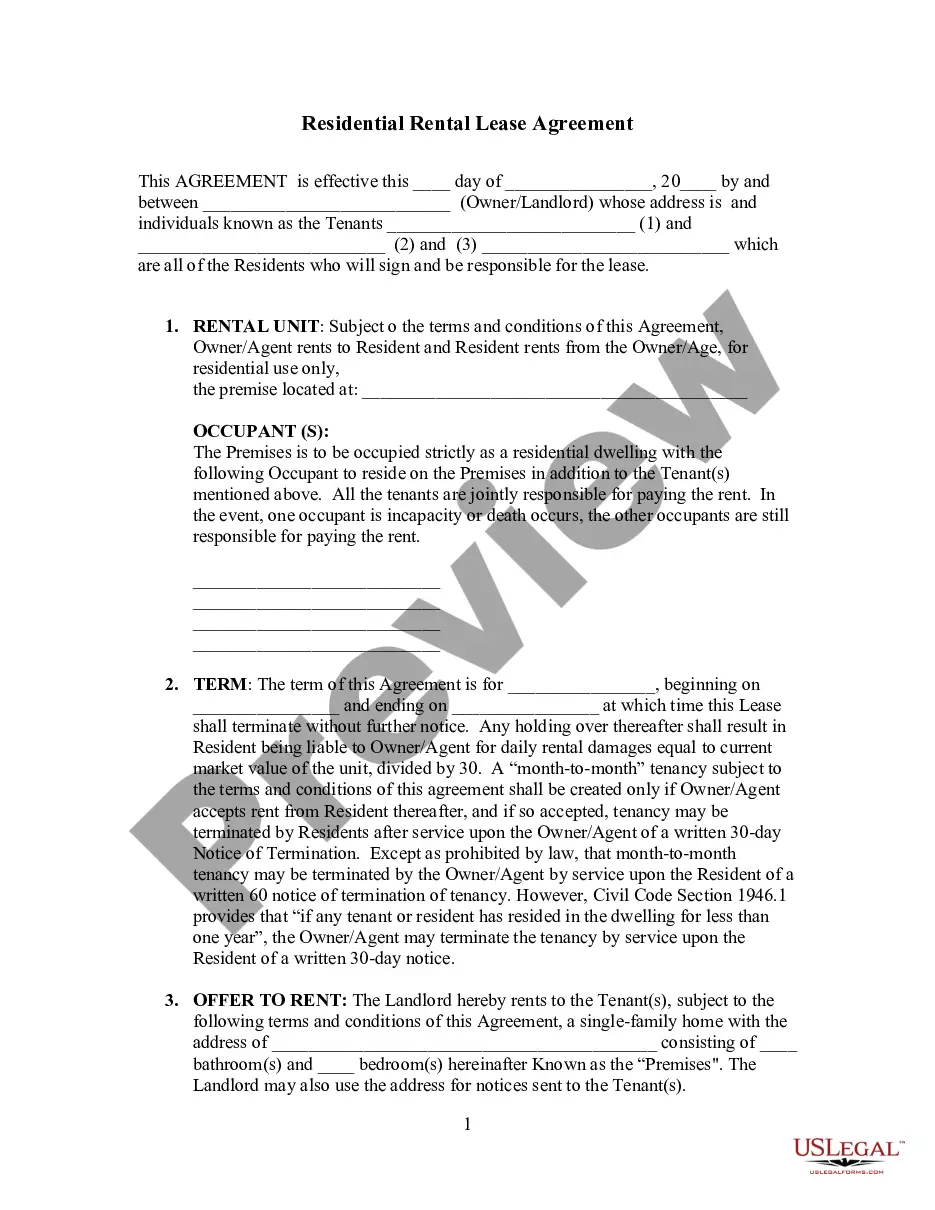
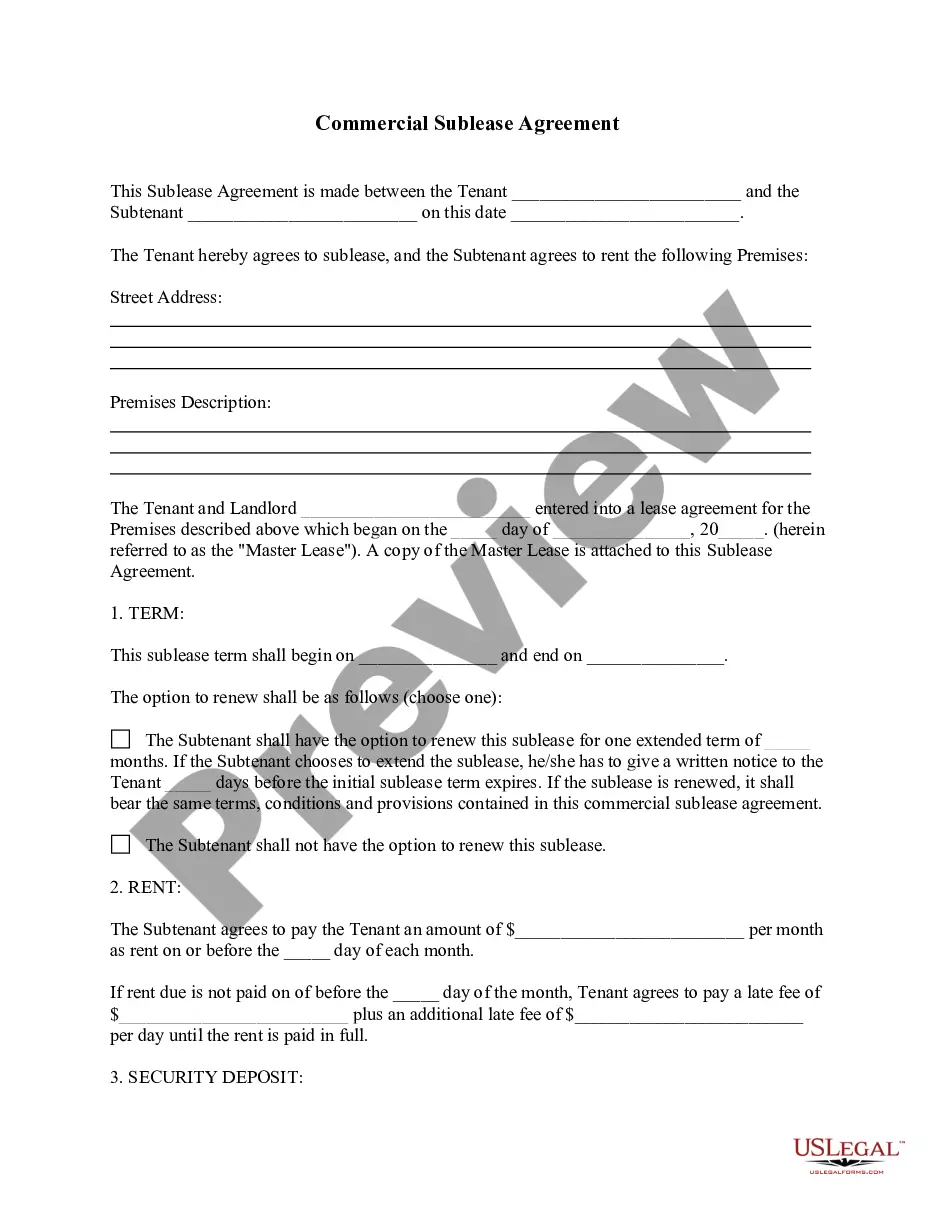
The Application for Sublease is a legal document that allows a potential sub-tenant to request permission from the landlord to sublease a rental property. This form provides important information that will aid the landlord in deciding whether to approve or deny the request for subleasing. Unlike other rental agreements, this application specifically focuses on the qualifications and background of the sub-tenant.
Form components explained
- Personal details: Information about the sub-tenant, including marital status, children, and current address.
- Employment information: Details about the sub-tenant's job, including employer contact information, job title, and income.
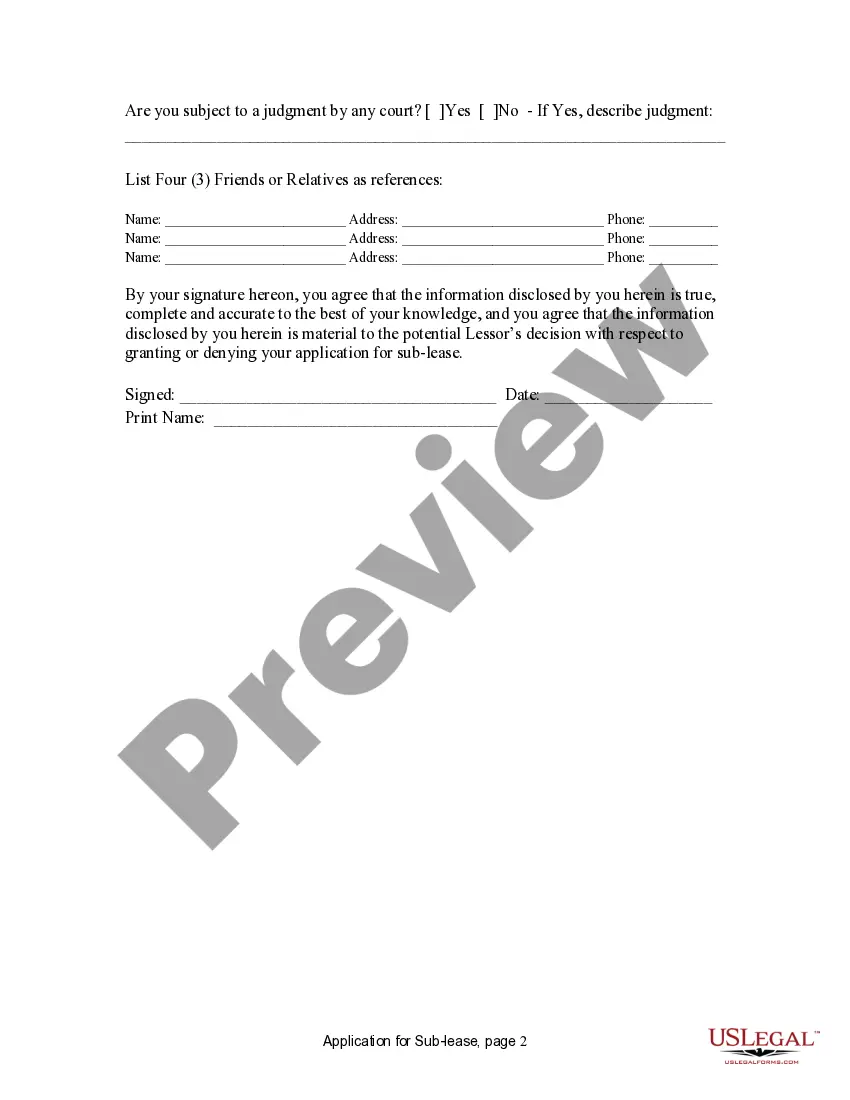
- Financial history: Questions regarding past bankruptcies, judgments, and any pending lawsuits.
- References: A section to list friends or family as personal references.
- Declaration: A statement confirming that the provided information is accurate and complete.
When to use this document
This form should be used when a tenant wishes to sublet their rental property to another individual and requires the landlord's consent. It is essential when the original lease agreement either allows subleasing with landlord approval or does not explicitly prohibit it. The form provides landlords with necessary details to evaluate the sub-tenant's suitability.
Who should use this form
- Current tenants looking to sublet their rental unit.
- Potential sub-tenants needing to provide their information to the landlord for approval.
- Landlords assessing subletting applicants to ensure they meet required criteria.
Instructions for completing this form
- Provide personal information, including your current address and marital status.
- Fill out employment details, such as your job title, employer information, and income.
- Answer questions regarding your financial history, including any bankruptcies or judgments.
- List references who can vouch for your character and reliability.
- Sign and date the application to confirm that all information is accurate.
Notarization guidance
This form does not typically require notarization unless specified by local law. However, it's important to consult local regulations to ensure compliance.
Get your form ready online
Our built-in tools help you complete, sign, share, and store your documents in one place.
Make edits, fill in missing information, and update formatting in US Legal Forms—just like you would in MS Word.
Download a copy, print it, send it by email, or mail it via USPS—whatever works best for your next step.
Sign and collect signatures with our SignNow integration. Send to multiple recipients, set reminders, and more. Go Premium to unlock E-Sign.
If this form requires notarization, complete it online through a secure video call—no need to meet a notary in person or wait for an appointment.
We protect your documents and personal data by following strict security and privacy standards.

Make edits, fill in missing information, and update formatting in US Legal Forms—just like you would in MS Word.

Download a copy, print it, send it by email, or mail it via USPS—whatever works best for your next step.

Sign and collect signatures with our SignNow integration. Send to multiple recipients, set reminders, and more. Go Premium to unlock E-Sign.

If this form requires notarization, complete it online through a secure video call—no need to meet a notary in person or wait for an appointment.

We protect your documents and personal data by following strict security and privacy standards.
Common mistakes to avoid
- Failing to provide complete or accurate personal and employment details.
- Not including necessary references, which may lead to delays or denial of application.
- Overlooking the signature and date which can render the application invalid.
Benefits of using this form online
- Convenient download allows immediate access without the need for in-person visits.
- Editable format ensures users can fill in their information accurately.
- Reliability of attorney-drafted content assures compliance with legal standards.
Legal use & context
- The application helps establish a legal agreement between the original tenant and the potential sub-tenant.
- Approval from the landlord is generally required to make the sublease valid.
- Disclosure of accurate information is critical, as false statements can lead to legal ramifications.
Main things to remember
- The Application for Sublease is essential for tenants seeking to sublet their rental property.
- This form must be completed fully and accurately to avoid common application mistakes.
- Consult state-specific laws to determine any unique requirements for subleasing.
Looking for another form?
Form popularity
FAQ
Subleasing can be straightforward if you follow the proper steps and communicate with your landlord. The complexity often arises from finding suitable tenants and obtaining necessary approvals. By utilizing a Delaware Application for Sublease, you can streamline this process and simplify the sublease arrangement.
Yes, you can sublease in Delaware; however, it is important to adhere to local laws and your lease's terms. Most landlords will require that you obtain their approval before proceeding. Using a Delaware Application for Sublease will help facilitate this process and ensure compliance with legal requirements.
To start subletting, begin by reviewing your lease to ensure that subletting is allowed. If permitted, speak to your landlord to get their approval for your subtenant. Then, complete a Delaware Application for Sublease to formalize the agreement and protect your interests.
Rules around subletting depend on your lease agreement and local laws. Typically, you must receive your landlord's consent before subletting your apartment or house. To stay compliant, use a Delaware Application for Sublease, which can help ensure that all parties agree on the terms and conditions of the arrangement.
The terms subleasing and subletting are often used interchangeably, but they can imply slight differences. Subletting usually refers to when a tenant rents part or all of the unit to another tenant while retaining the original lease. In both cases, a Delaware Application for Sublease is essential to maintain clarity and legality.
To apply for a sublease, begin by completing a Delaware Application for Sublease, which outlines the arrangement and tenant details. Submit this application to your landlord for approval, including information about your chosen subtenant. Once approved, prepare a sublease agreement that clearly states the terms and conditions of the sublease relationship.
Before subletting, communicate openly with your landlord to obtain approval. Ensure that your lease permits subletting; otherwise, you risk penalties. Additionally, gather potential subtenants, conduct interviews, and prepare a Delaware Application for Sublease that includes all required information to protect your rights.
To start subletting, first, review your lease agreement for any restrictions on subletting. Next, consult your landlord about your plans, as they may need to approve your sublessee. After obtaining the necessary permissions, begin the process by preparing a Delaware Application for Sublease to ensure that everything is done legally and correctly.
Before signing, it’s vital to thoroughly read and understand all terms in the sublease agreement. Ensure that it aligns with your original lease and that you communicate any necessary details to your landlord. This knowledge equips you for a seamless Delaware Application for Sublease and helps you avoid future disputes.
When asking for a sublease, approach your landlord professionally, citing your reasons for needing a sublessee. Be clear about the potential sublessee's qualifications and ensure your proposal aligns with the original lease terms. A well-prepared request can facilitate a smoother discussion regarding your Delaware Application for Sublease.