Delaware Residential Rental Lease Application
Understanding this form
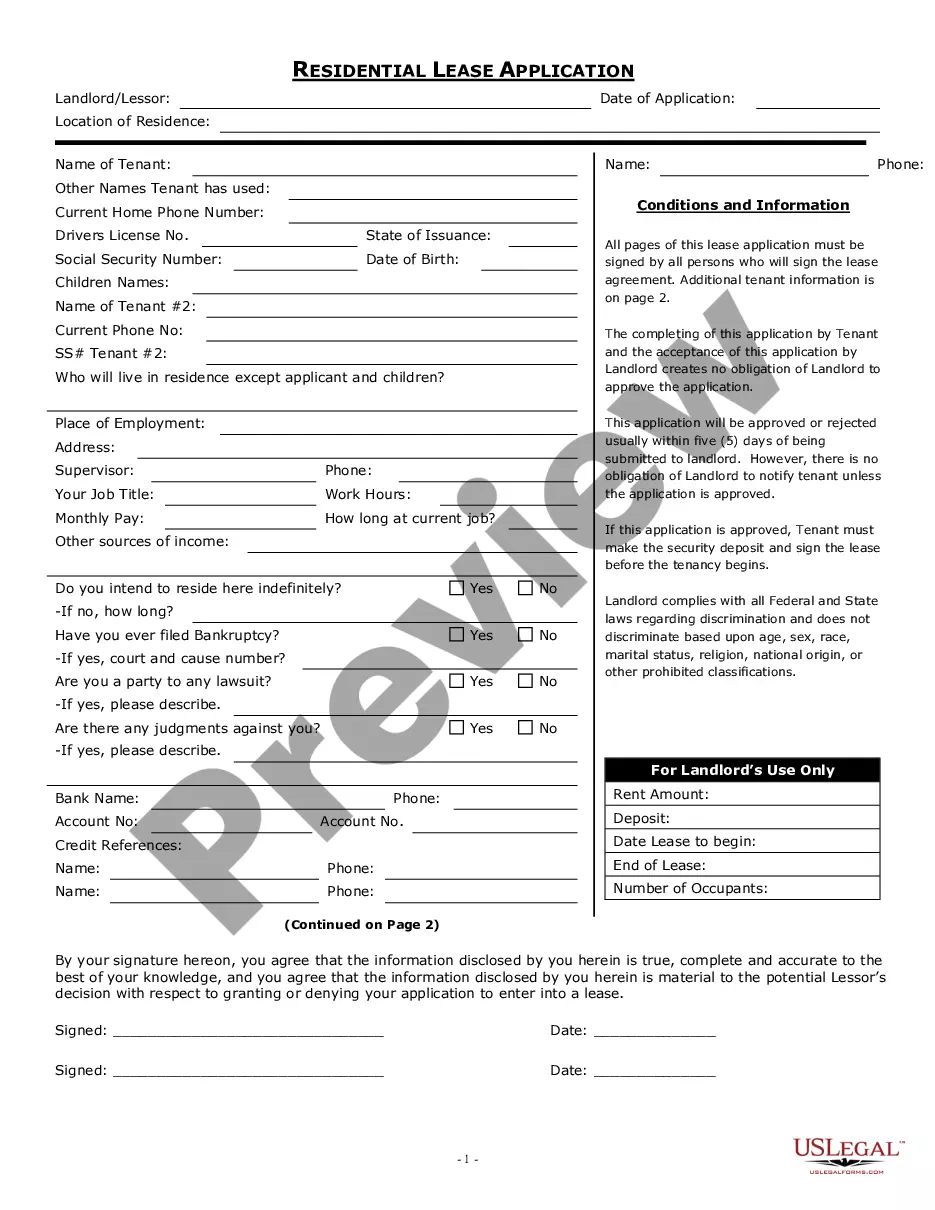
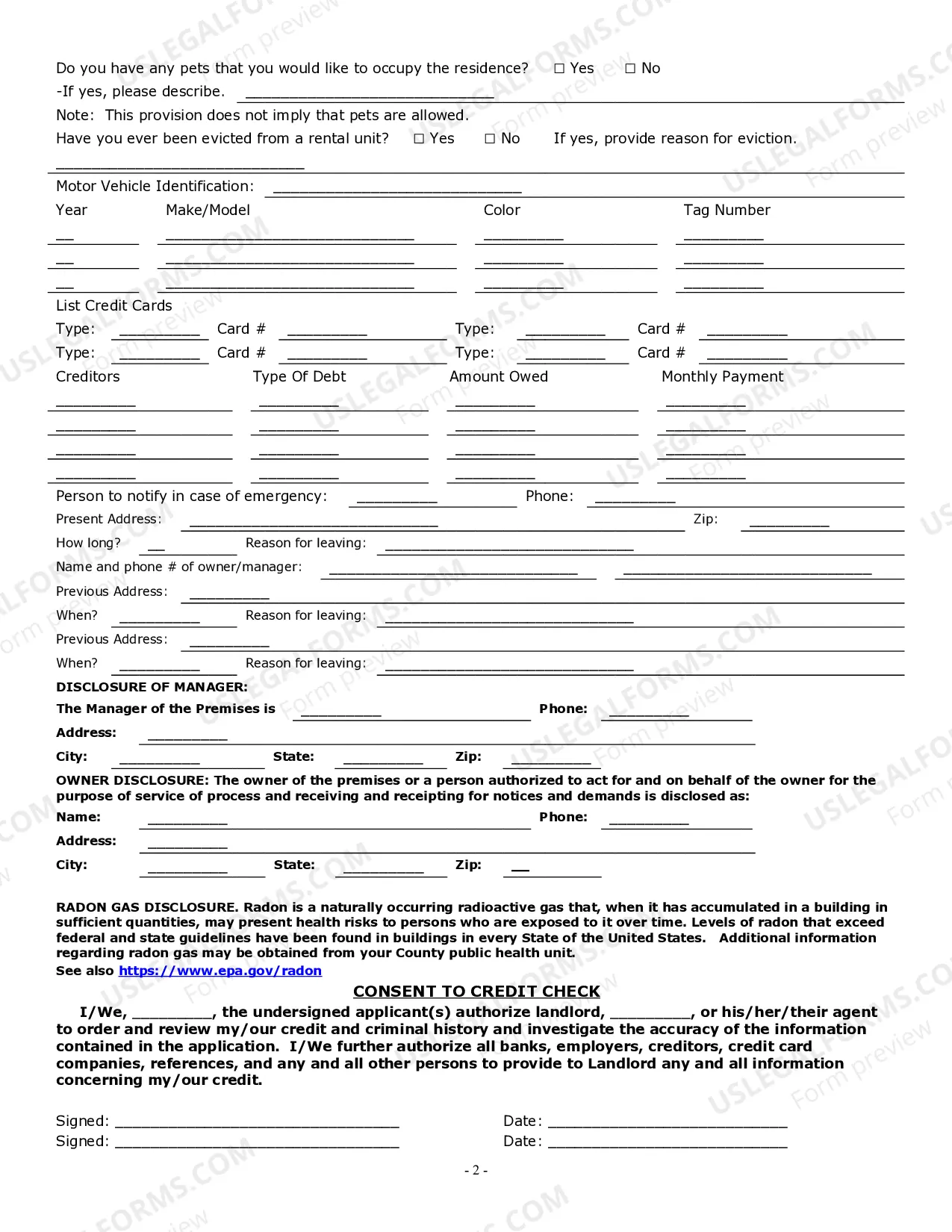
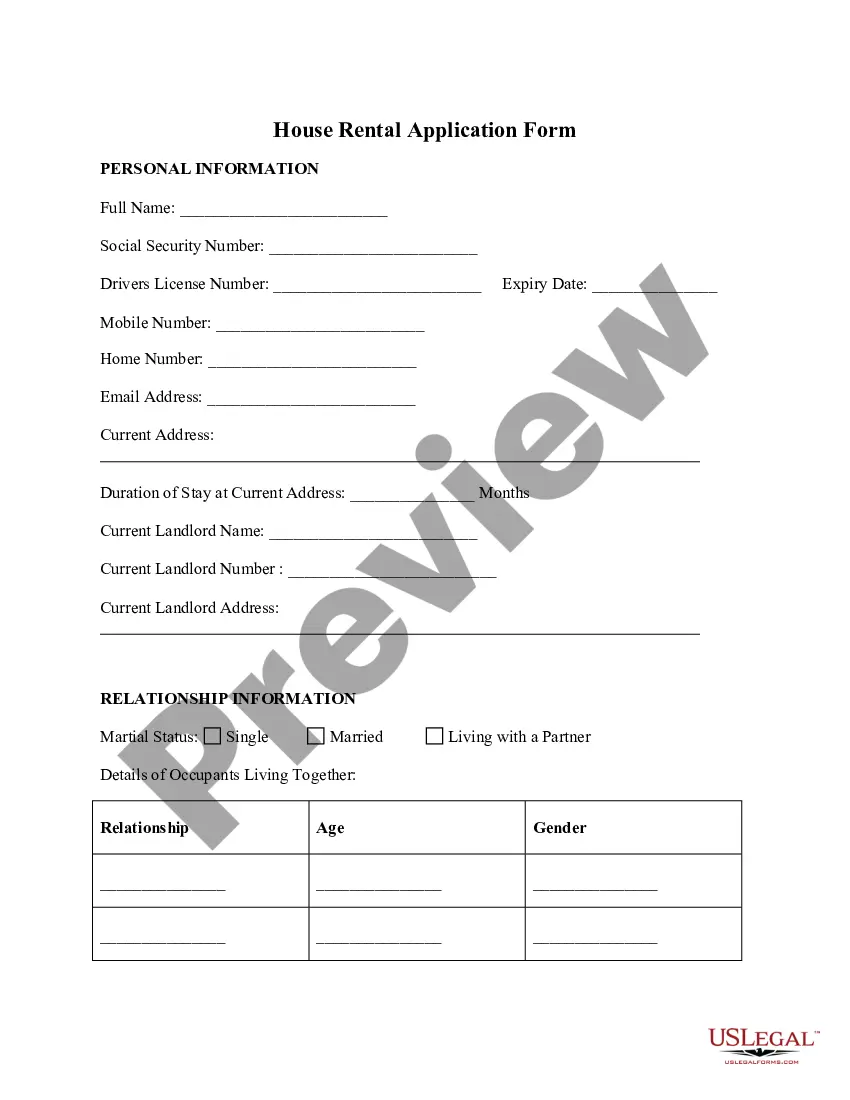
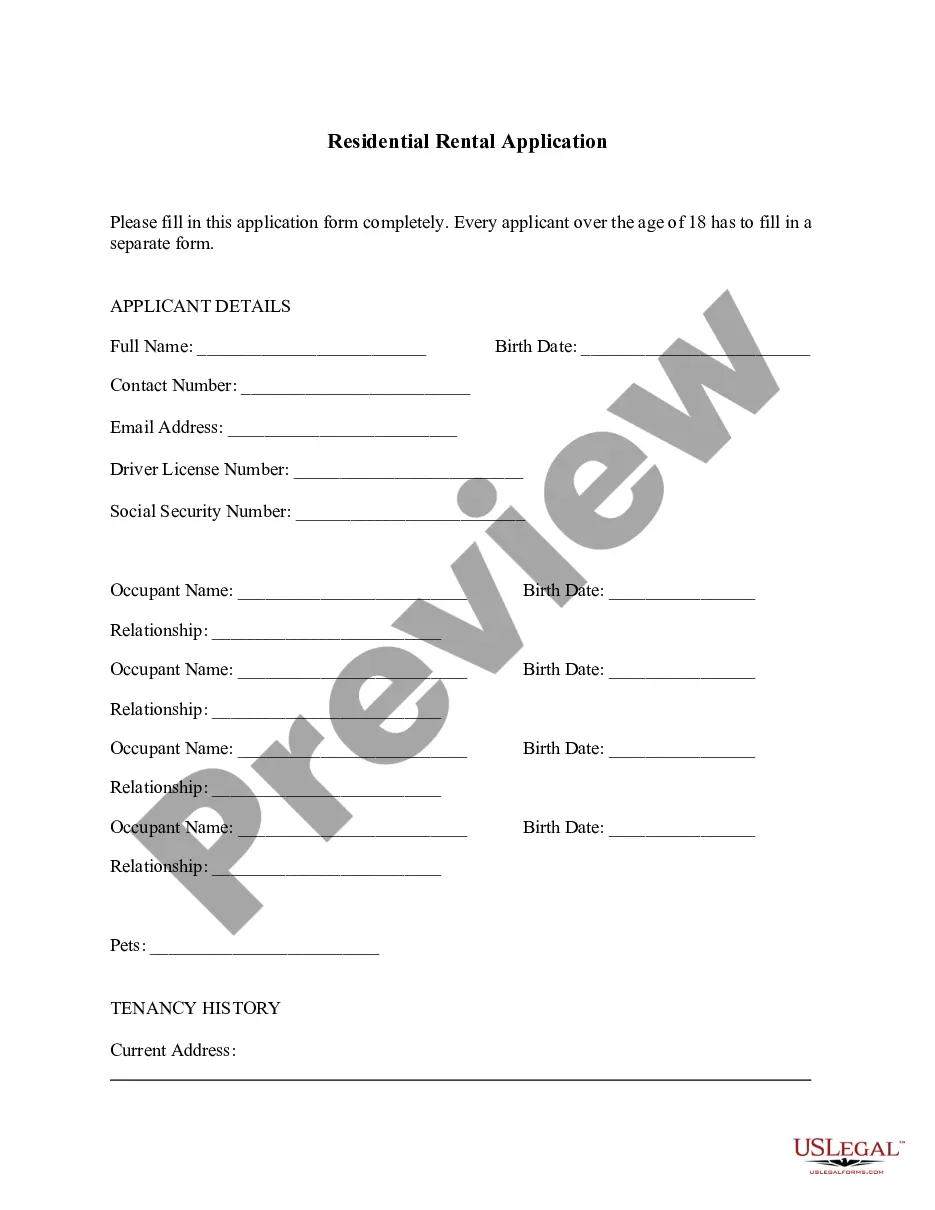
The Residential Rental Lease Application is a document used by landlords to assess potential tenants prior to entering a lease agreement. This form requires the applicant to provide personal information and allows for a credit and criminal history check. Unlike a lease agreement, which outlines the terms of rental occupancy, this application is strictly for evaluating tenant eligibility and does not guarantee lease approval.
Form components explained
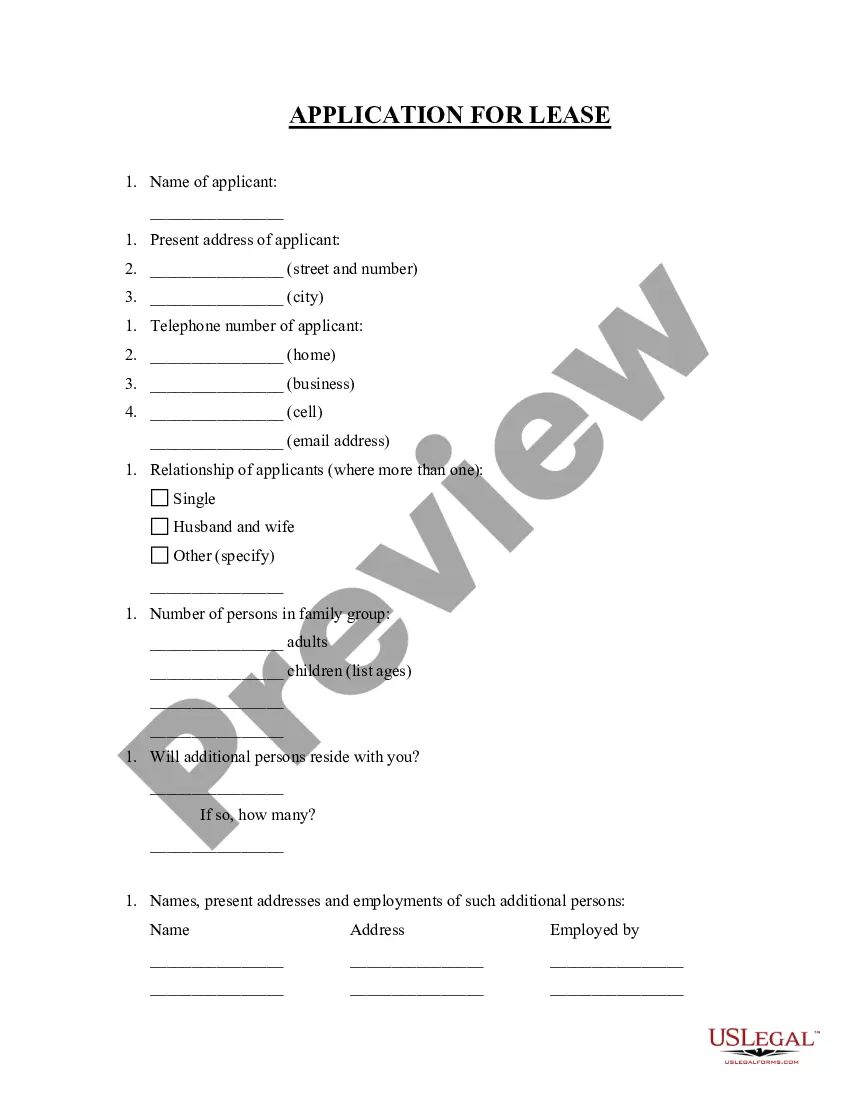
- Applicant's personal information including name, contact details, and employment history.
- Authorization for background checks, including credit and criminal history.
- Disclosure sections pertaining to compliance with fair housing laws.
- Field for landlordâs use, detailing rent amount and lease dates.
- Signature sections to affirm the accuracy of the disclosed information.

When to use this form
This Residential Rental Lease Application should be used when a landlord is seeking to rent a property and requires interested tenants to submit their details for evaluation. It is appropriate in situations where the landlord wants to assess the financial and rental history of potential tenants before making a lease decision.
Who this form is for
Eligible users of this form include:
- Landlords and property managers looking to evaluate potential tenants.
- Tenants interested in applying to rent a residential property.
- Real estate professionals assisting landlords in tenant selection.
Completing this form step by step
- Provide the personal and employment information of the applicant, including current address and income details.
- Sign the authorization section to permit credit and criminal history checks.
- Review and acknowledge compliance with fair housing laws by signing the required disclosure.
- Fill in the landlord's fields regarding proposed rent, deposit, and lease dates.
- Submit the completed form to the landlord for review and approval.
Notarization requirements for this form
This form does not typically require notarization unless specified by local law. Landlords and tenants should consult local regulations to ensure compliance with any applicable requirements.
Get your form ready online
Our built-in tools help you complete, sign, share, and store your documents in one place.
Make edits, fill in missing information, and update formatting in US Legal Forms—just like you would in MS Word.
Download a copy, print it, send it by email, or mail it via USPS—whatever works best for your next step.
Sign and collect signatures with our SignNow integration. Send to multiple recipients, set reminders, and more. Go Premium to unlock E-Sign.
If this form requires notarization, complete it online through a secure video call—no need to meet a notary in person or wait for an appointment.
We protect your documents and personal data by following strict security and privacy standards.

Make edits, fill in missing information, and update formatting in US Legal Forms—just like you would in MS Word.

Download a copy, print it, send it by email, or mail it via USPS—whatever works best for your next step.

Sign and collect signatures with our SignNow integration. Send to multiple recipients, set reminders, and more. Go Premium to unlock E-Sign.

If this form requires notarization, complete it online through a secure video call—no need to meet a notary in person or wait for an appointment.

We protect your documents and personal data by following strict security and privacy standards.
Common mistakes to avoid
- Failing to provide complete and accurate information, which can lead to application denial.
- Not signing the authorization for credit checks, making the application incomplete.
- Overlooking local law requirements for disclosures that may differ by state.
Advantages of online completion
- Convenient access for both landlords and tenants to complete the form from anywhere.
- Editable format allows for quick adjustments and error correction.
- Reliability of professionally drafted templates ensures legal compliance.
Legal use & context
- This application is a key document in the tenant screening process.
- While it does not guarantee approval of tenancy, it outlines essential disclosures and authorization.
- Landlords must comply with discrimination laws during the screening process.
Quick recap
- The Residential Rental Lease Application is vital for assessing tenant qualifications.
- Accurate and complete information is crucial for approval.
- Local regulations may impact the use and requirements of this form.
Looking for another form?

Form popularity
FAQ
Filling out a rental application template requires attention to detail and accuracy. Start with your personal information, including current and previous addresses, and follow up with employment details and income. Make sure to have your financial documents ready, as providing proof of income can strengthen your Delaware Residential Rental Lease Application.
To beat out other rental applicants, promptly submit a polished Delaware Residential Rental Lease Application. Include a cover letter that expresses your enthusiasm for the property and outlines why you would be a good fit. Additionally, being open to negotiation on rental terms can set you apart from others who may be less flexible.
To convince a landlord to choose you, present a well-prepared Delaware Residential Rental Lease Application that highlights your reliability and readiness. Provide evidence of your stable income and strong rental history, as these factors can make a significant difference. Building a good rapport with the landlord can also help; a friendly demeanor often leaves a positive impression.
To become a landlord in Delaware, you should have a clear understanding of rental laws and prepare the necessary documents, such as a rental license and lease agreements. Moreover, utilizing resources like uslegalforms can help create your Delaware Residential Rental Lease Application, making the process smoother and more organized.
Generally, renters do not need a special license to rent a property in Delaware, but they must meet the terms set by the landlord. It’s essential to thoroughly review the conditions laid out in the Delaware Residential Rental Lease Application, as this document outlines the expectations for reliable tenancy.
You do not need a property management license to manage rental properties in Delaware. However, if you plan to manage properties for others, certain regulations may apply. Using a detailed Delaware Residential Rental Lease Application can facilitate management tasks, ensuring you remain compliant with any necessary local laws.
Delaware's rental laws offer a balanced approach that benefits both tenants and landlords. While tenants have considerable protections, landlords can also enforce rules through clear lease agreements. Using a comprehensive Delaware Residential Rental Lease Application helps delineate responsibilities and maintain a harmonious rental relationship.
In Delaware, landlords must provide written notice to tenants before terminating a lease. Typically, this notice period ranges from 60 days for month-to-month agreements to 30 days for fixed-term leases. Always refer to the specific terms outlined in your Delaware Residential Rental Lease Application to ensure compliance with state laws.
To attract more rental applications, consider optimizing your property listings online. Utilize platforms such as uslegalforms, where you can easily create a professional Delaware Residential Rental Lease Application to present to potential tenants. Additionally, promoting your property on social media and local rental websites can increase visibility and encourage more inquiries.
In Delaware, obtaining a rental license is necessary for landlords who wish to legally rent out property. This license ensures compliance with local regulations and protects both landlords and tenants. By having a Delaware Residential Rental Lease Application, landlords can streamline the application process and maintain transparency with potential renters.