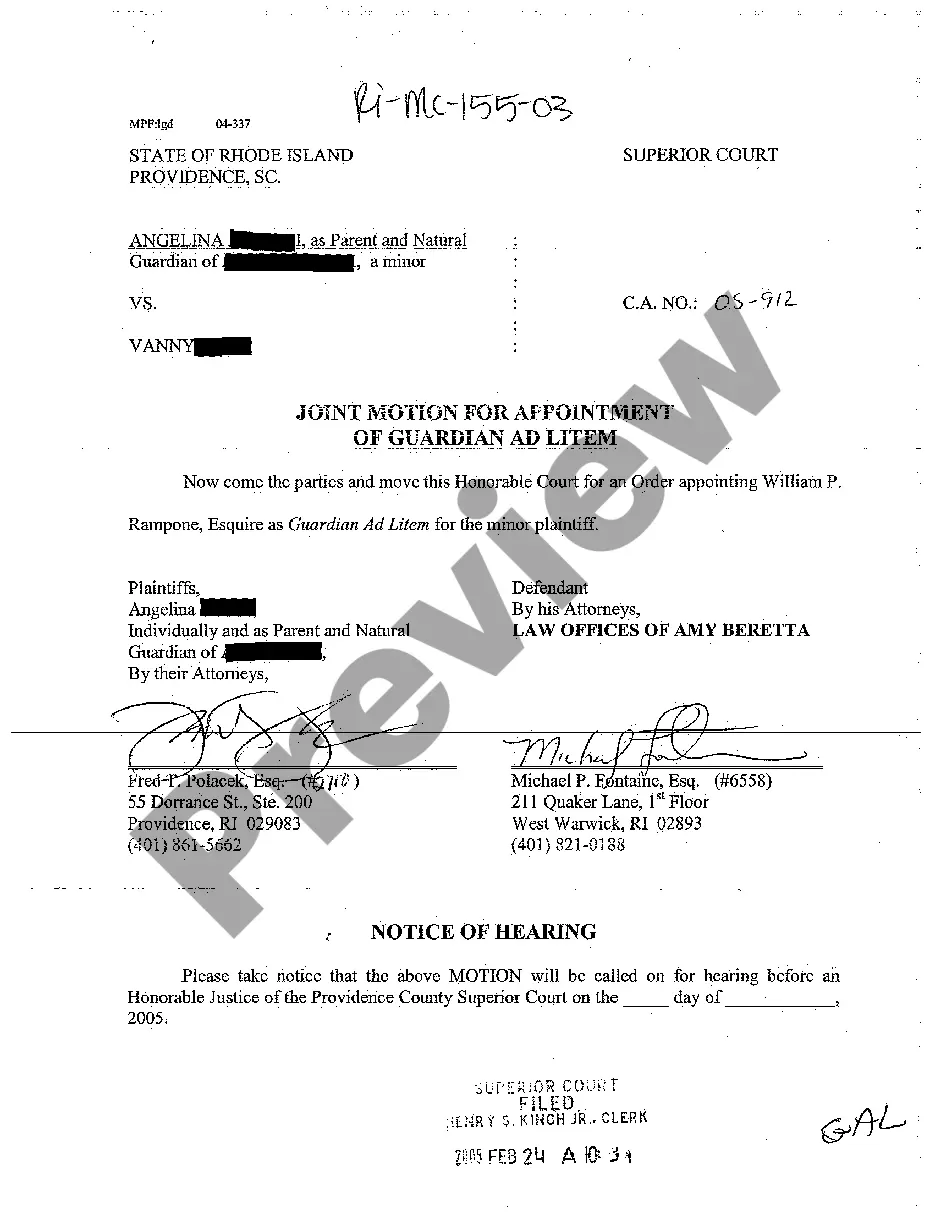
Delaware Siding Contract for Contractor
What is this form?
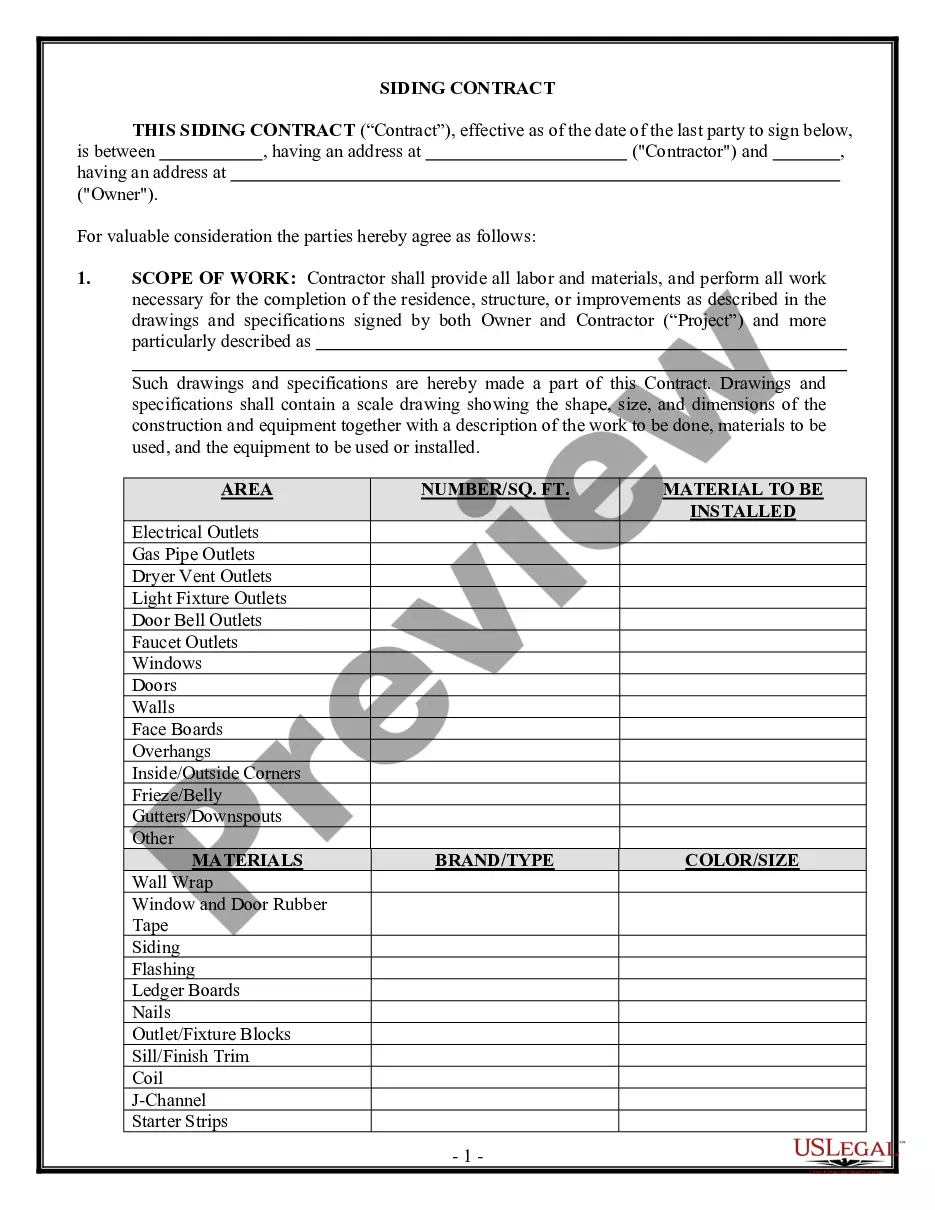
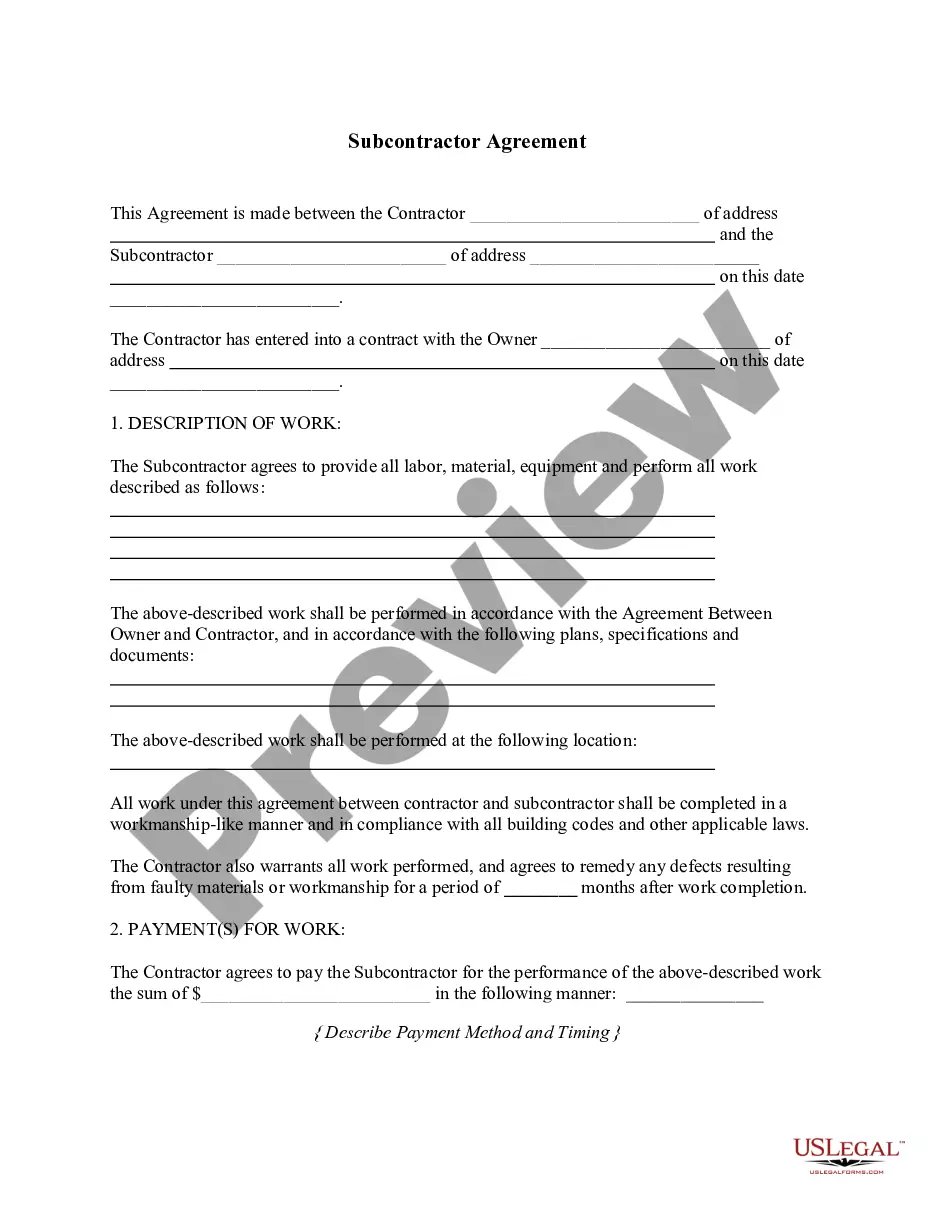
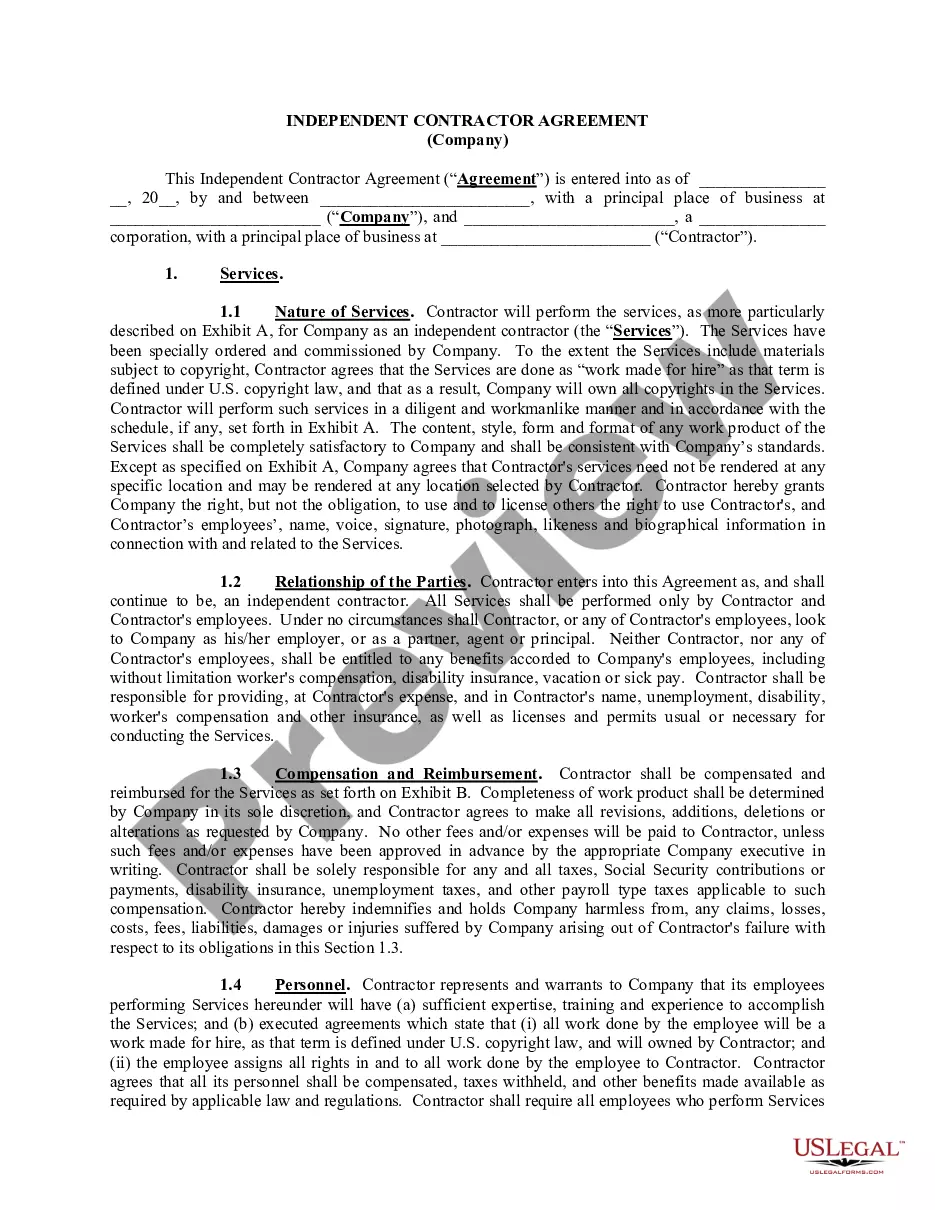
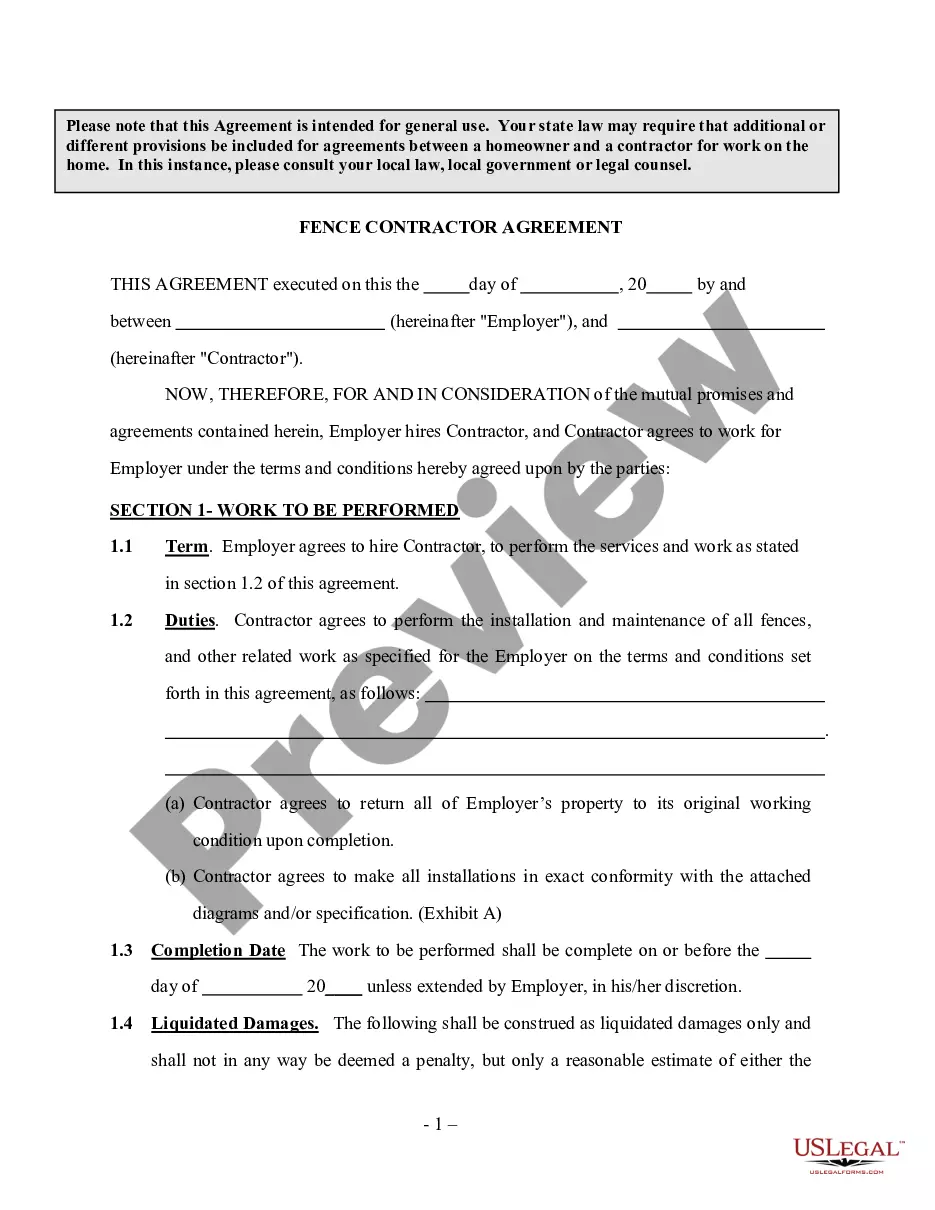
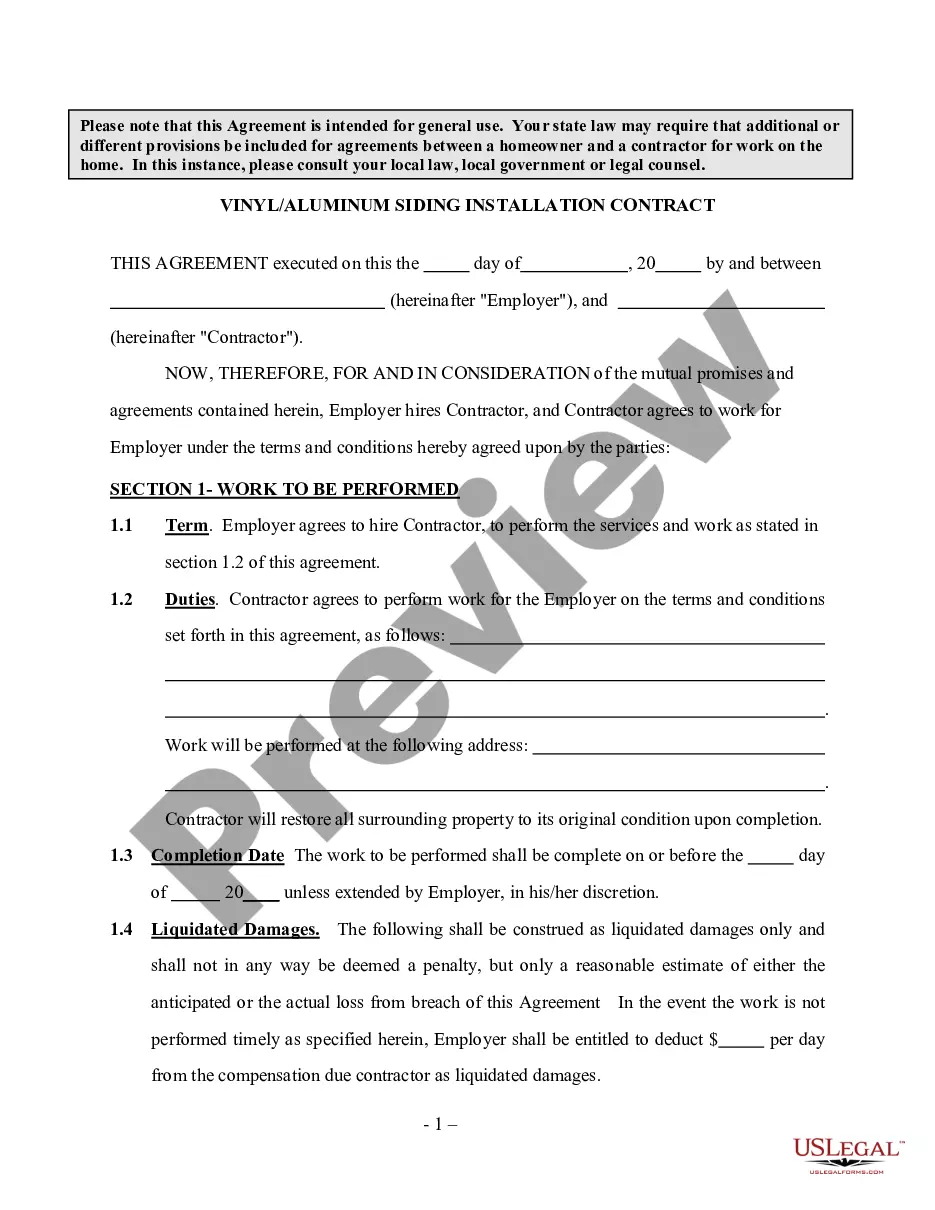
The siding contract for contractors is a legal document used between siding contractors and property owners. It outlines the terms of the construction project, including payment arrangements, work site conditions, warranty details, and insurance requirements. This contract is tailored specifically to comply with Delaware state laws, ensuring it meets local legal standards while serving its primary purpose of clearly defining the relationship and responsibilities of both parties involved in a siding project.
Key components of this form
- Permits: Establishes that the contractor must obtain necessary permits for the project.
- Insurance: Mandates the contractor to maintain various insurance types to protect against liabilities.
- Survey and Title: Ensures clarity on property boundaries and confirms ownership of the work site.
- Changes to Scope of Work: Allows the owner to make changes, requiring written change orders agreed upon by both parties.
- Destruction and Damage: Details responsibilities in case of project damage and conditions under which the contract may be terminated.
- Assignment: Prohibits assignment of the contract without mutual consent of the parties involved.
- Attorneys Fees and Costs: States that the prevailing party in legal disputes may recover attorney fees and costs.



Common use cases
This form should be used when a property owner hires a siding contractor for any siding installation or repair projects. It is particularly useful when the agreement involves specific payment structures, such as cost-plus or fixed fee arrangements. Additionally, if changes to the project scope or requirements are anticipated, this contract provides a framework for managing those changes effectively.
Who this form is for
This form is designed for:
- Siding contractors looking to formalize agreements with clients.
- Property owners planning to hire a contractor for siding work.
- Individuals or businesses in Delaware that need a legal framework for construction agreements.
How to complete this form
- Identify the parties involved, including the contractor and property owner.
- Specify the details of the project, including the scope of work and payment terms.
- Enter necessary details about permits and insurance requirements.
- Document any changes to the project scope via signed change orders.
- Ensure signatures from both parties to validate the contract.
Does this form need to be notarized?
Notarization is not commonly needed for this form. However, certain documents or local rules may make it necessary. Our notarization service, powered by Notarize, allows you to finalize it securely online anytime, day or night.
Get your form ready online
Our built-in tools help you complete, sign, share, and store your documents in one place.
Make edits, fill in missing information, and update formatting in US Legal Forms—just like you would in MS Word.
Download a copy, print it, send it by email, or mail it via USPS—whatever works best for your next step.
Sign and collect signatures with our SignNow integration. Send to multiple recipients, set reminders, and more. Go Premium to unlock E-Sign.
If this form requires notarization, complete it online through a secure video call—no need to meet a notary in person or wait for an appointment.
We protect your documents and personal data by following strict security and privacy standards.

Make edits, fill in missing information, and update formatting in US Legal Forms—just like you would in MS Word.

Download a copy, print it, send it by email, or mail it via USPS—whatever works best for your next step.

Sign and collect signatures with our SignNow integration. Send to multiple recipients, set reminders, and more. Go Premium to unlock E-Sign.

If this form requires notarization, complete it online through a secure video call—no need to meet a notary in person or wait for an appointment.

We protect your documents and personal data by following strict security and privacy standards.
Mistakes to watch out for
- Failing to include specific payment terms.
- Not clearly defining the scope of work, leading to disputes.
- Omitting signatures, which invalidates the contract.
- Neglecting to obtain required permits before starting work.
Benefits of completing this form online
- Convenience: Downloadable and easily accessible at any time.
- Editability: Customize the contract to suit individual project needs.
- Reliability: Form created by licensed attorneys familiar with Delaware law.
Legal use & context
- The contract provides a legally binding agreement between the contractor and owner.
- Terms outlined in the contract help protect both parties in case of disputes.
- Compliance with Delaware state laws ensures enforceability.
What to keep in mind
- The Siding Contract for Contractor is essential for structuring siding projects responsibly.
- It includes important sections on permits, insurance, and scope changes.
- Utilizing this form minimizes misunderstandings between contractors and property owners.
- State-specific compliance is critical for the contract's validity in Delaware.
Looking for another form?

Form popularity
FAQ
When selecting a siding contractor, prioritize experience and a solid portfolio of previous projects. Look for a contractor who specializes in a Delaware Siding Contract for Contractor, as this ensures they understand local codes and best practices. Additionally, consider their communication skills and responsiveness to your inquiries. A trustworthy contractor will foster an open dialogue throughout the project.
To hire a siding contractor effectively, start by researching local companies and checking their reviews. Once you narrow down your options, ask for estimates and review their expertise in handling a Delaware Siding Contract for Contractor. Communication is key; discuss your project clearly and assess their understanding and professionalism. Finally, verify their licensing and insurance to protect yourself from potential issues.
In Delaware, a handyman can perform minor home repairs and maintenance tasks without a license. However, for significant projects like siding installation, a Delaware Siding Contract for Contractor is essential. This ensures that work meets safety and quality standards. Always consult the specifics of your project to determine if a licensed contractor is necessary.
Yes, Delaware requires contractors to obtain a license to operate legally. A Delaware Siding Contract for Contractor specifically stipulates that contractors need to meet local requirements to ensure quality and accountability. Hiring a licensed contractor offers peace of mind, as they must adhere to state regulations and standards. Always verify their license status before proceeding.
To write a simple contract agreement, start with the names of both parties and a clear description of the work being done. Include specific payment terms and deadlines. The Delaware Siding Contract for Contractor is an ideal resource to structure your agreement simply and effectively. By following this framework, you can easily create a contract that covers all critical points.
Filling out a contractor agreement begins by detailing the project scope, timelines, and payment terms. Clearly state what is expected from both parties to avoid confusion. Utilize the guidelines provided in the Delaware Siding Contract for Contractor available through uslegalforms for a streamlined process. This way, you ensure all critical elements are correctly documented.
Your contractor typically needs to fill out a construction contract form, as well as any specific forms required by local regulations. If your project involves permits, those forms are necessary too. The Delaware Siding Contract for Contractor is designed to encapsulate these requirements, making it easier for you and the contractor to stay compliant. Always check with local authorities for any additional paperwork.
In addition to the main contract, a contractor will often need to complete various permits and licenses related to your project. They may also require insurance documents and safety compliance forms. Using a reliable platform like uslegalforms can guide you through the necessary paperwork for your Delaware Siding Contract for Contractor. This helps ensure all legalities are addressed.
A solid contractor contract should clearly outline the scope of work, payment terms, and project timelines. It also must include any permits needed and the rights of both parties. The Delaware Siding Contract for Contractor provides an excellent framework, ensuring all necessary elements are included to protect both you and the contractor. Clarity within the contract fosters a smooth working relationship.
When discussing your project, avoid making vague statements about your expectations or budget. Instead, provide clear details about your vision and financial limits. Misleading information can hinder the construction process and lead to misunderstandings. Always communicate openly to prevent issues down the line.