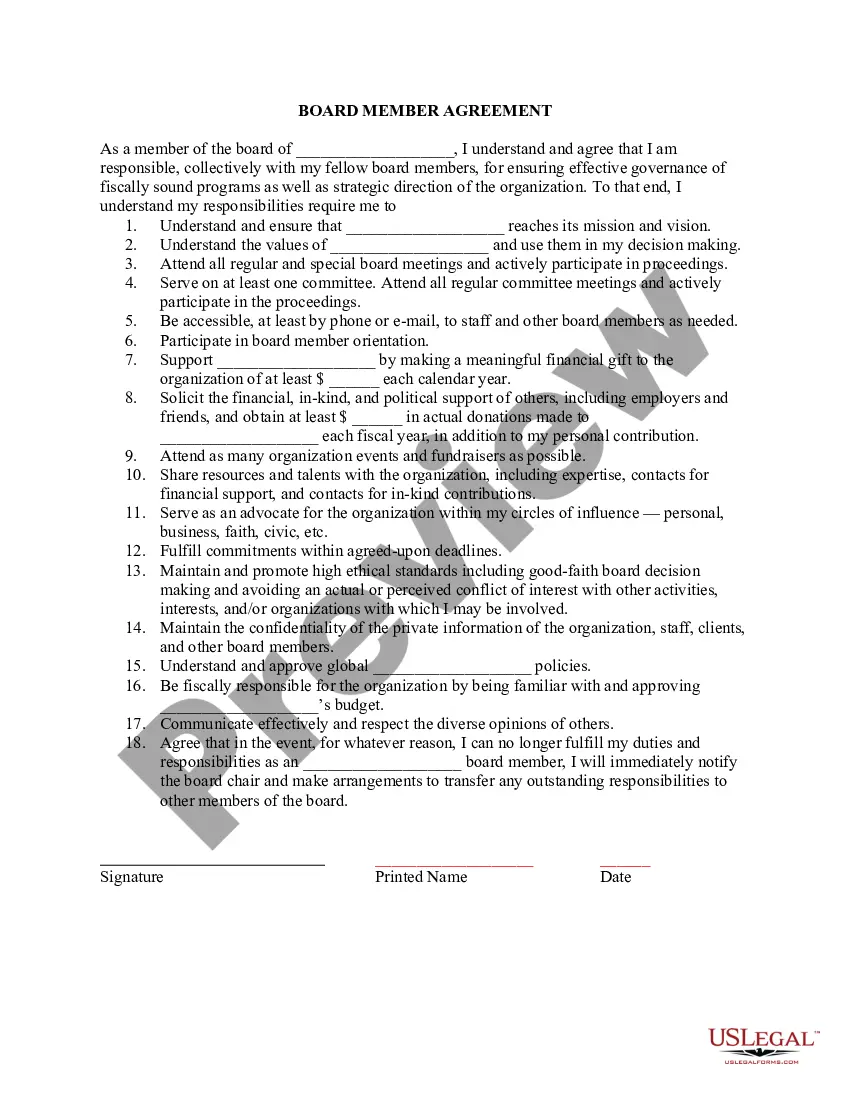
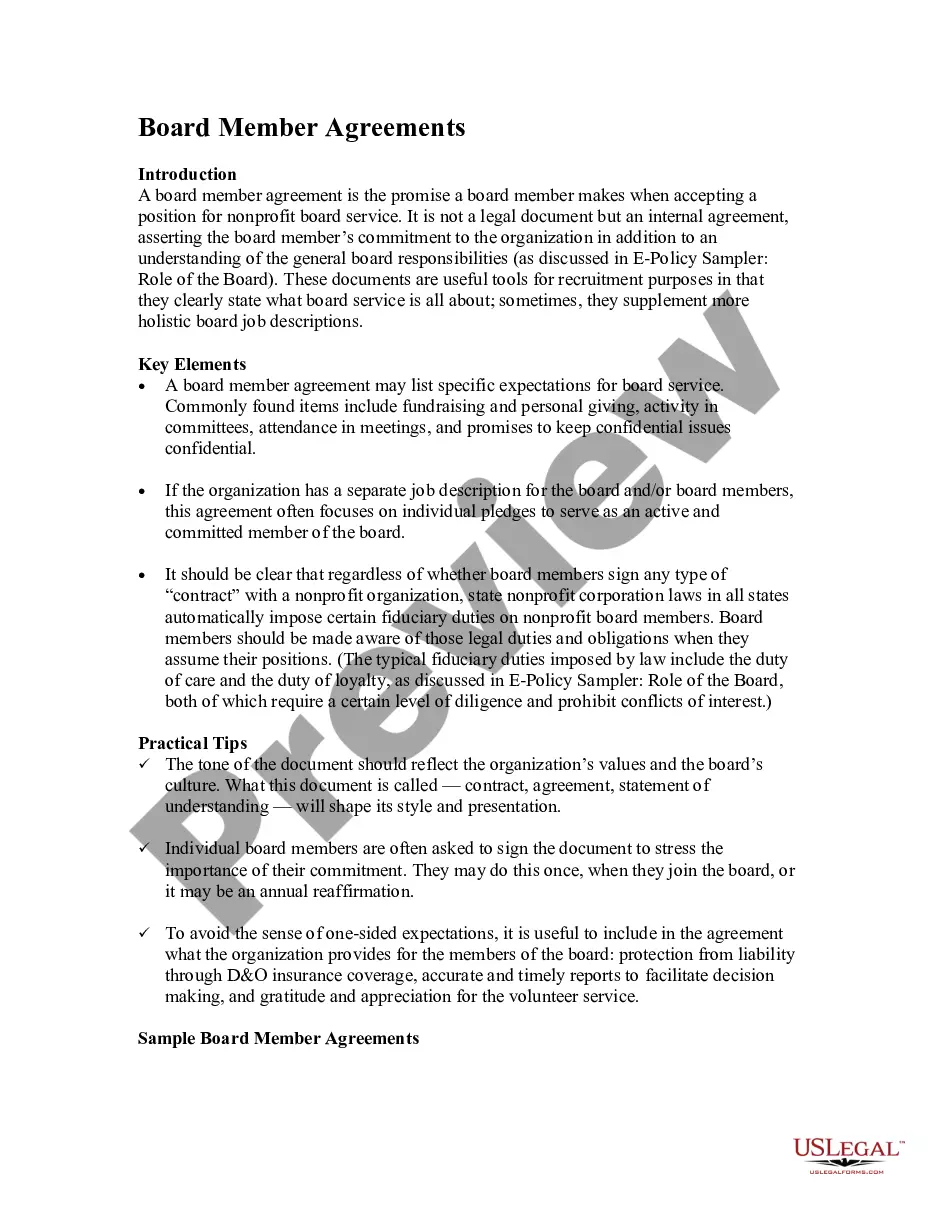
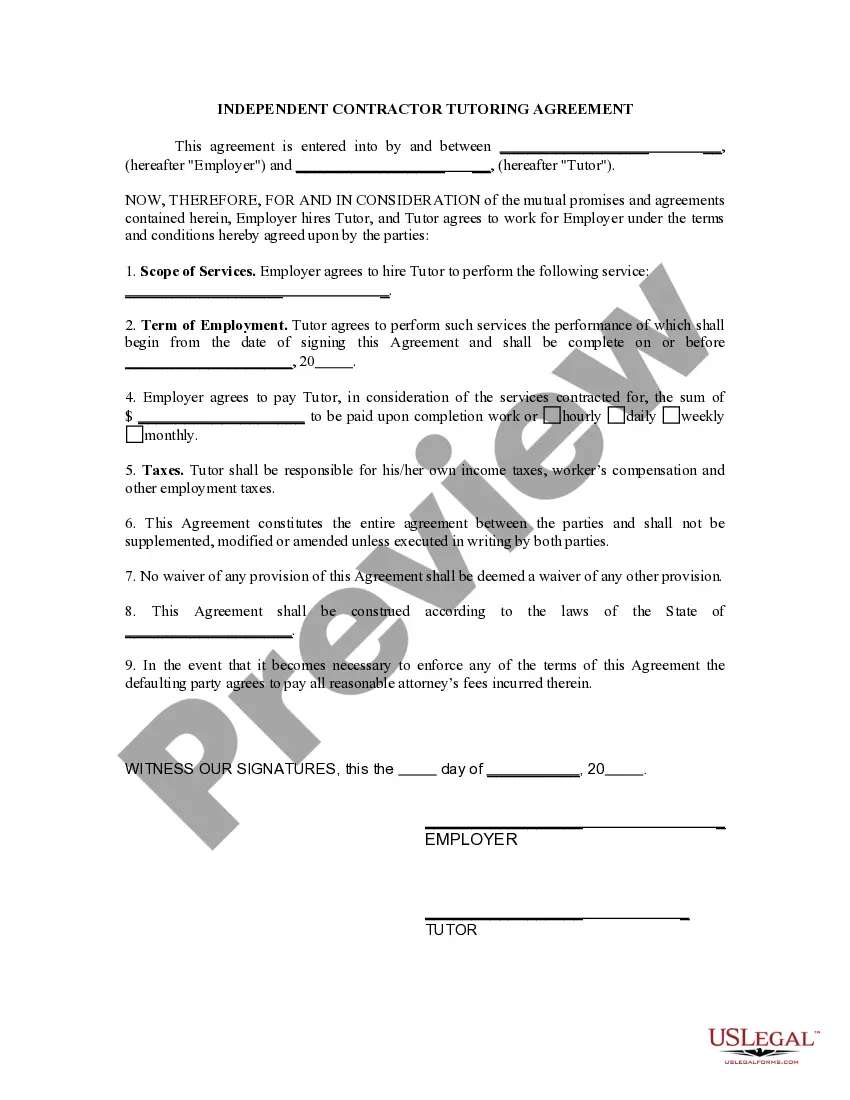
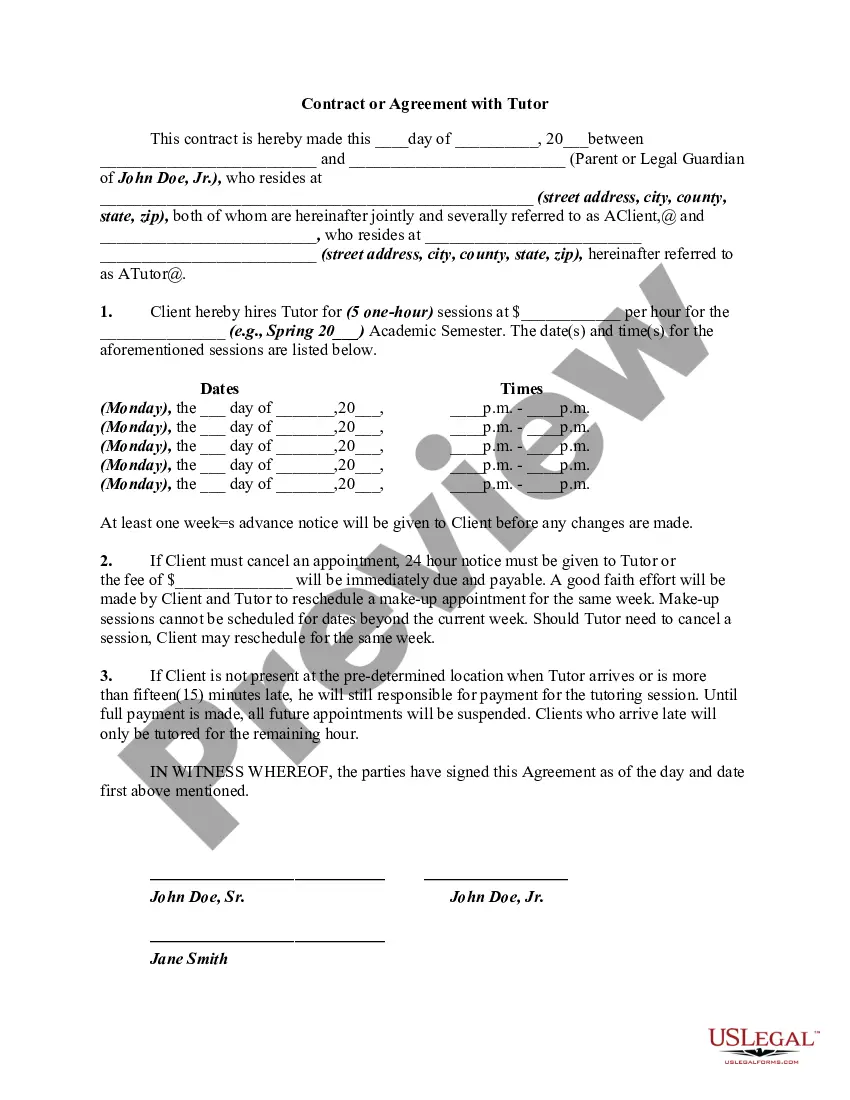
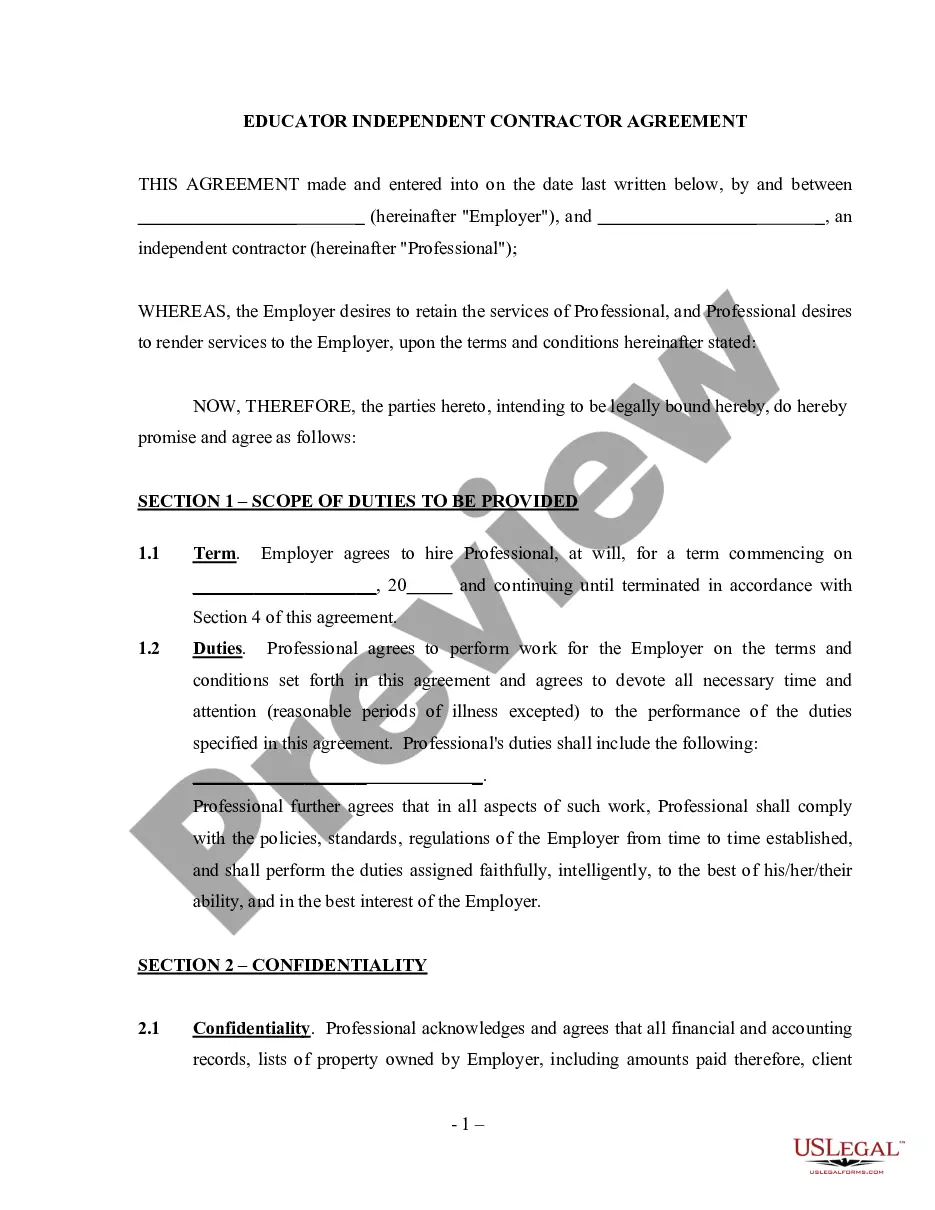
Employer contracts with a tutor as an independent contractor to provide tutoring services for the employer as specified and agreed upon in the contract.
District of Columbia Tutoring Agreement - Self-Employed Independent Contractor
State:
Multi-State
Control #:
US-INDC-136
Format:
Word;
Rich Text
Instant download
Description


How to fill out Tutoring Agreement - Self-Employed Independent Contractor?
If you need to thoroughly, retrieve, or create official document templates, utilize US Legal Forms, the largest collection of legal forms available online. Employ the site's straightforward and user-friendly search to locate the documents you require. Numerous templates for business and personal purposes are categorized by types and states, or keywords. Use US Legal Forms to find the District of Columbia Tutoring Agreement - Self-Employed Independent Contractor in just a few clicks.
If you are already a US Legal Forms user, Log In to your account and click the Download option to acquire the District of Columbia Tutoring Agreement - Self-Employed Independent Contractor. You can also access forms you previously purchased in the My documents tab of your account.
If you are utilizing US Legal Forms for the first time, follow the instructions below: Step 1. Ensure you have selected the form for the correct city/state. Step 2. Use the Preview option to review the form's details. Be sure to check the description. Step 3. If you are dissatisfied with the form, use the Search field at the top of the screen to find other versions of your legal form template. Step 4. Once you have found the form you need, click the Get now button. Choose the payment plan you prefer and enter your credentials to register for an account. Step 5. Complete the payment process. You can use your credit card or PayPal account to finalize the transaction. Step 6. Select the format of your legal form and download it to your device. Step 7. Complete, modify, and print or sign the District of Columbia Tutoring Agreement - Self-Employed Independent Contractor.
- Every legal document template you obtain is yours indefinitely.
- You have access to every form you acquired within your account.
- Visit the My documents section and choose a form to print or download again.
- Complete and download, and print the District of Columbia Tutoring Agreement - Self-Employed Independent Contractor with US Legal Forms.
- There are thousands of professional and state-specific forms you can utilize for your personal or business needs.
Form popularity
FAQ
Yes, an independent contractor is generally considered self-employed. This classification means that the contractor works for themselves, managing their business and finances independently. For those in the tutoring field, a District of Columbia Tutoring Agreement - Self-Employed Independent Contractor provides essential structure and legal clarity, enhancing their professional status while protecting their interests.
Tutoring can fall under both freelance and self-employed categories. Freelance tutors operate independently, choosing their clients and setting their own schedules. In the District of Columbia, many freelancers utilize a District of Columbia Tutoring Agreement - Self-Employed Independent Contractor to clarify their working relationship and ensure all parties are on the same page regarding expectations and compensation.
Yes, tutoring is often considered contract work. Many tutors operate as independent contractors, which means they provide their services under a contractual agreement rather than as employees. To formalize this relationship, tutors in the District of Columbia may find a District of Columbia Tutoring Agreement - Self-Employed Independent Contractor helpful, as it outlines the terms of their engagement, including payment and responsibilities.
Creating an independent contractor agreement involves outlining the terms of service, payment structure, and project details clearly. A well-structured agreement also addresses confidentiality and termination clauses. Consider using the resources at uslegalforms to help you draft a comprehensive District of Columbia Tutoring Agreement - Self-Employed Independent Contractor that protects both you and your clients.
Being self-employed means that you operate your own business or work for yourself rather than for an employer. Qualifications can include setting your own hours, having multiple clients, and managing your own business expenses. If you're drafting a District of Columbia Tutoring Agreement - Self-Employed Independent Contractor, you’re firmly in the realm of being self-employed.
Receiving a 1099 form typically indicates that you are self-employed or an independent contractor. This form reports income earned from services you provide, not as an employee. If you earn income through a District of Columbia Tutoring Agreement - Self-Employed Independent Contractor, you will likely receive a 1099, affirming your self-employed status.
Yes, an independent contractor is considered self-employed. This classification means that they operate their business independently, rather than as an employee of another entity. If you're entering a District of Columbia Tutoring Agreement as a self-employed independent contractor, you carry the responsibilities that come with running your own business.
While 'self-employed' and 'independent contractor' can often be used interchangeably, they have distinct meanings. Independent contractors provide services under a contract, whereas self-employed individuals may operate a business. Understanding these terms helps clarify your situation under a District of Columbia Tutoring Agreement - Self-Employed Independent Contractor.
In the District of Columbia, licensing requirements for contractors depend on the specific type of work they perform. Many independent contractors must obtain a license to legally operate within the city. As a self-employed independent contractor working under a District of Columbia Tutoring Agreement, ensure you check the local regulations applicable to your tutoring services.