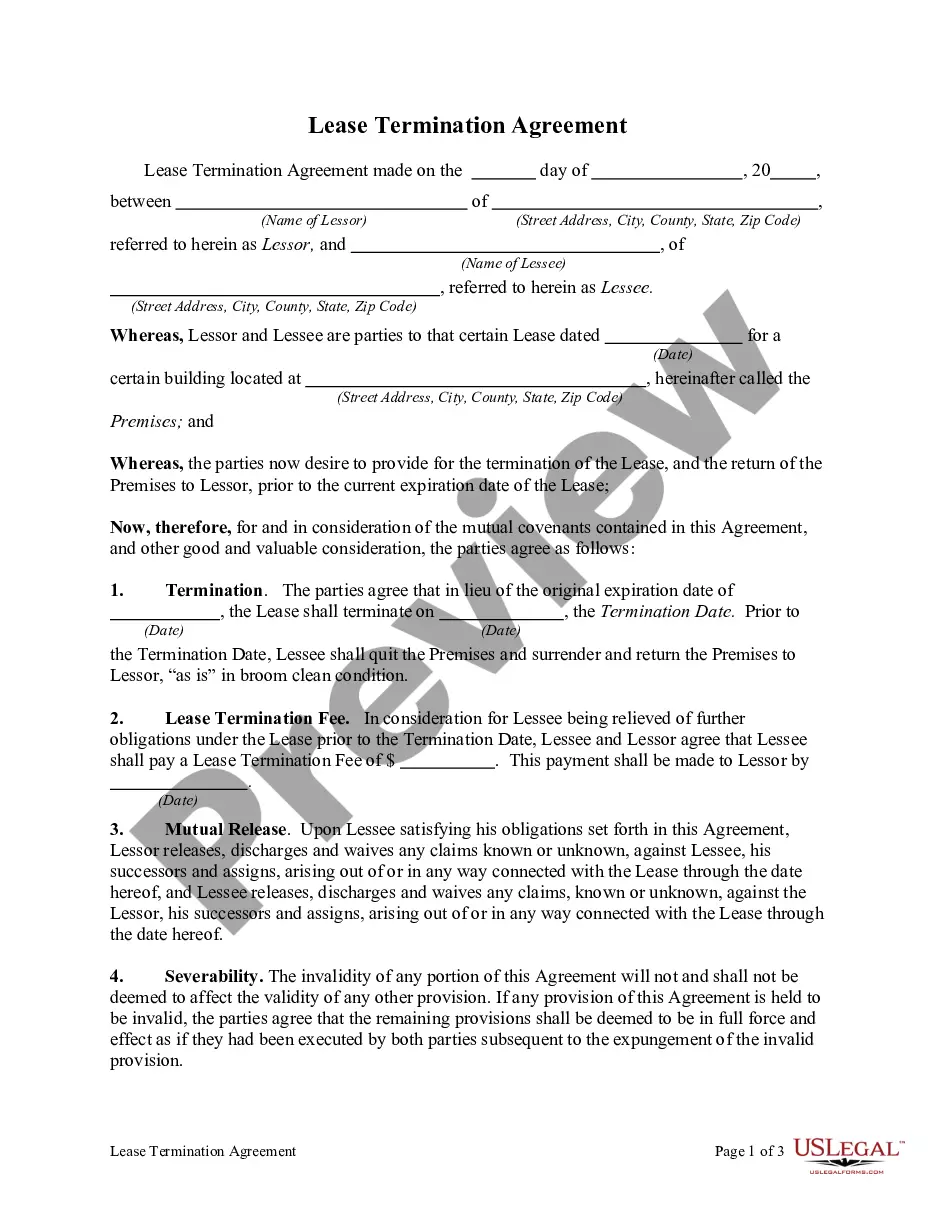
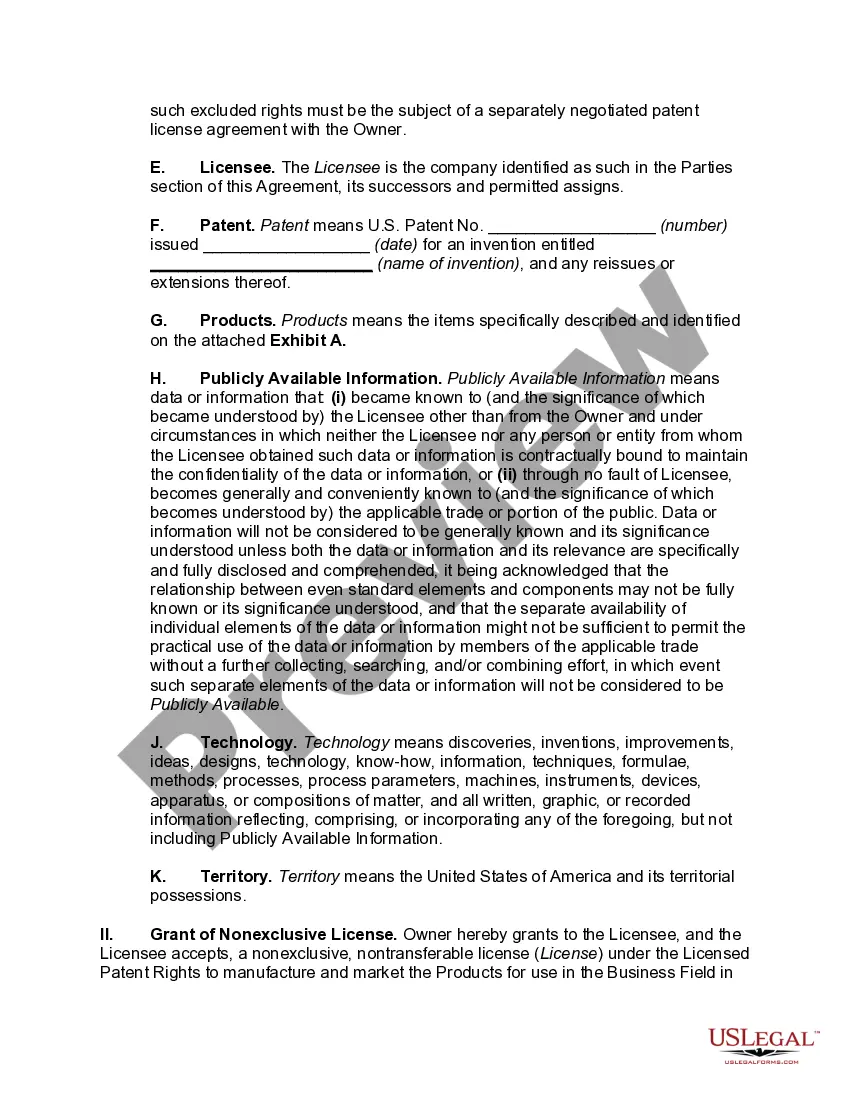
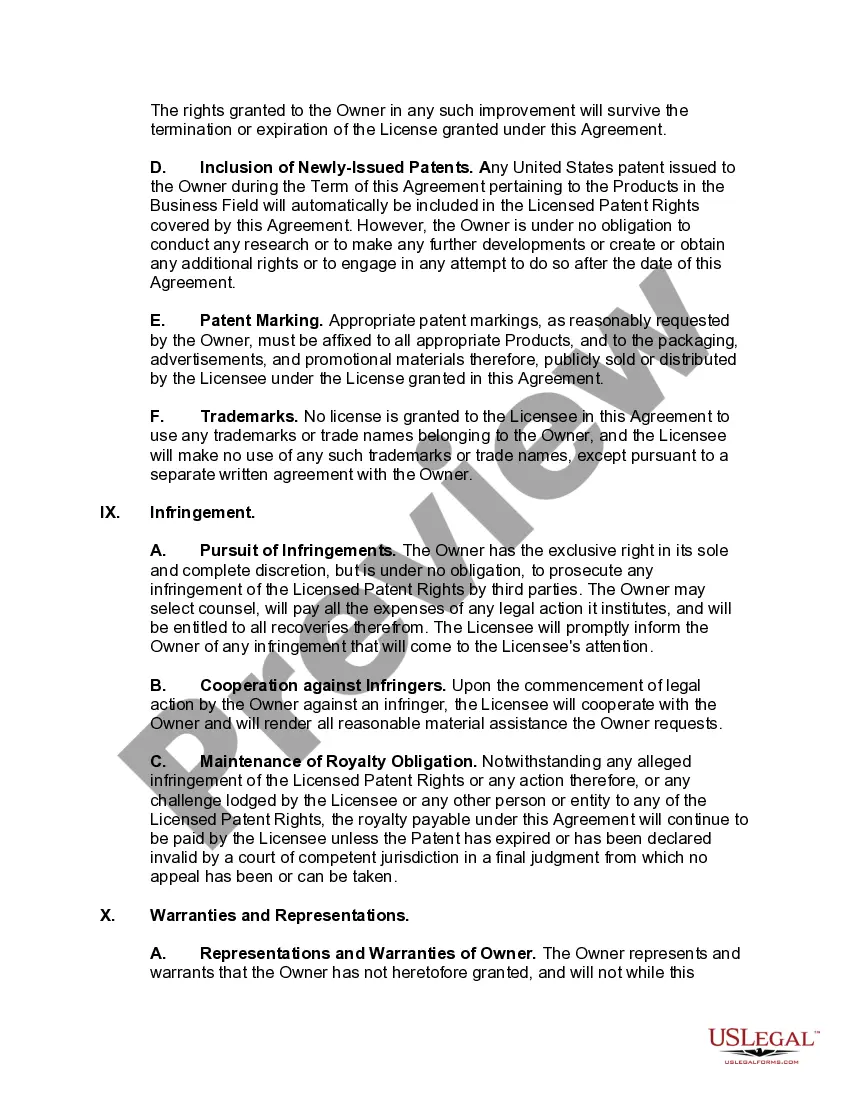
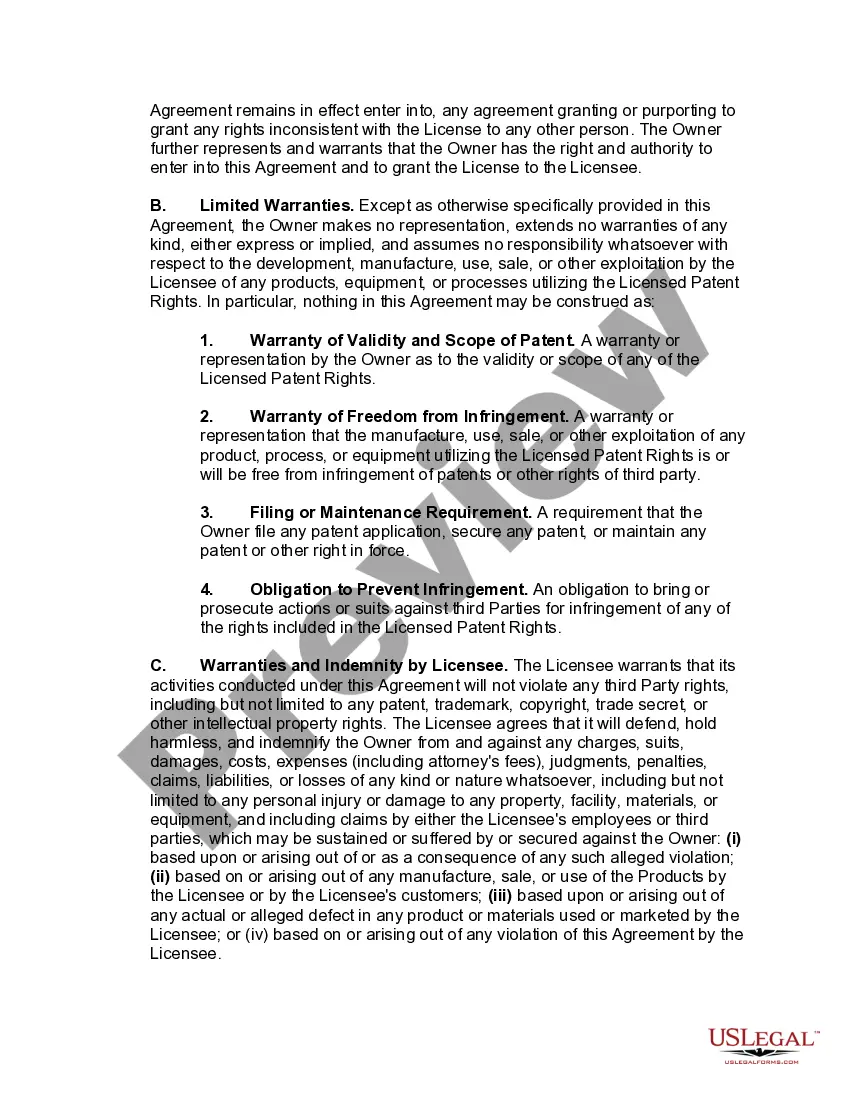
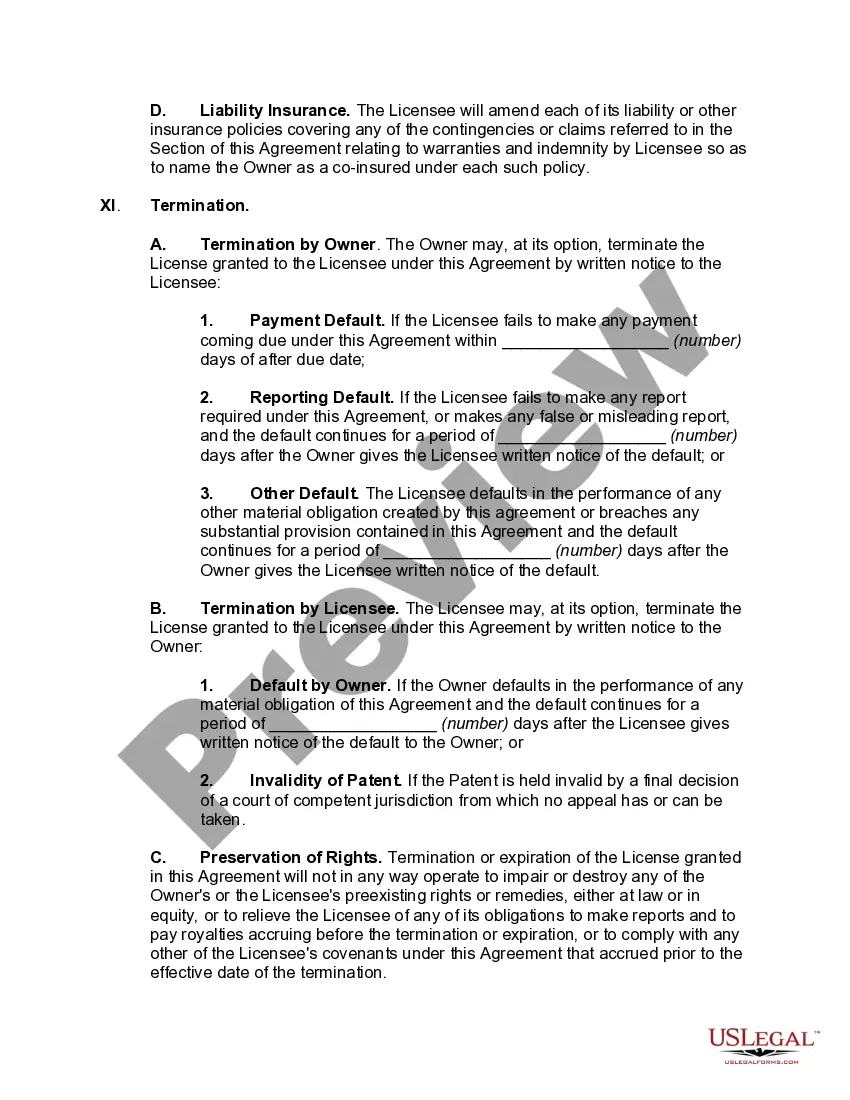
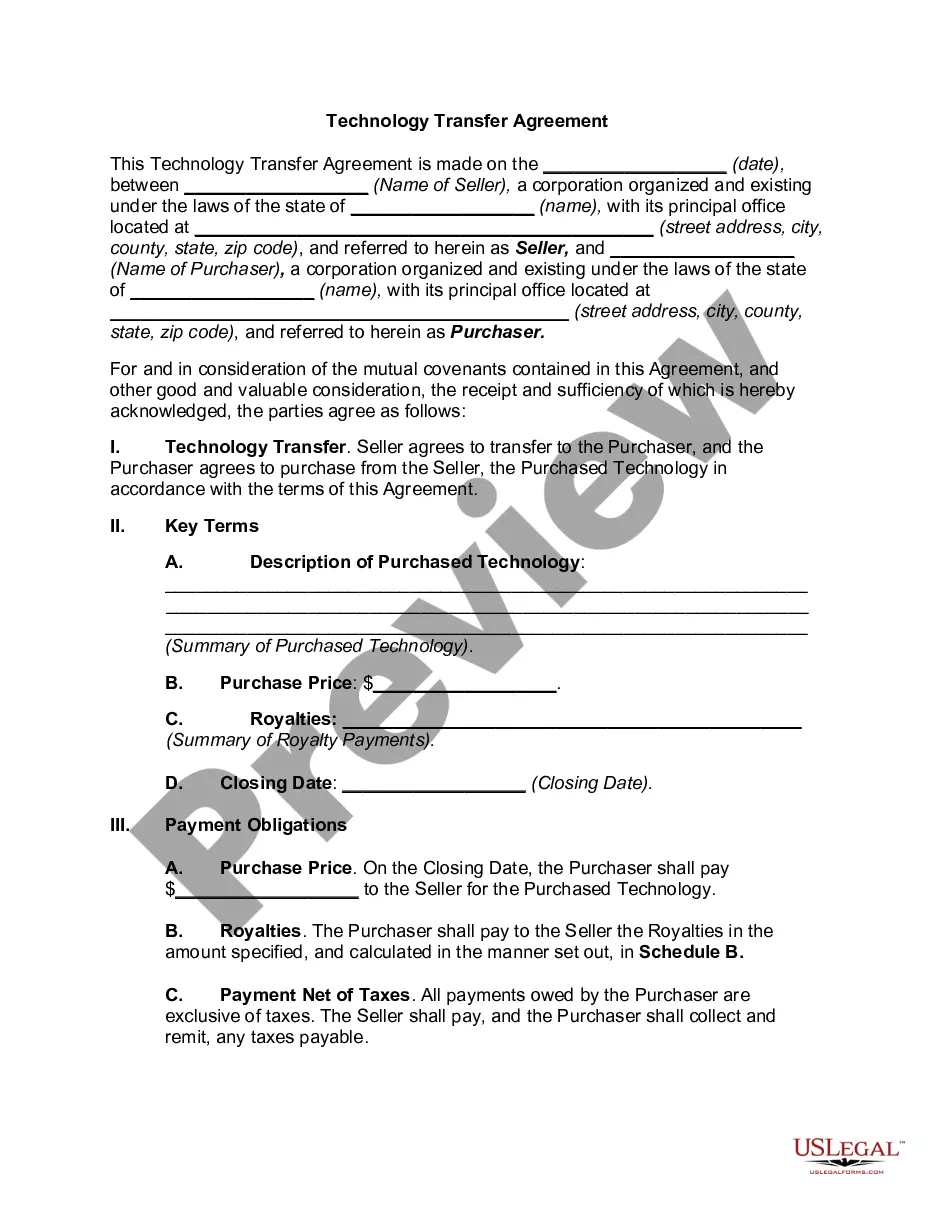
Technology Licensing is the process by which patentable intellectual property is made
marketable and is licensed or otherwise disposed for use by the pubic.
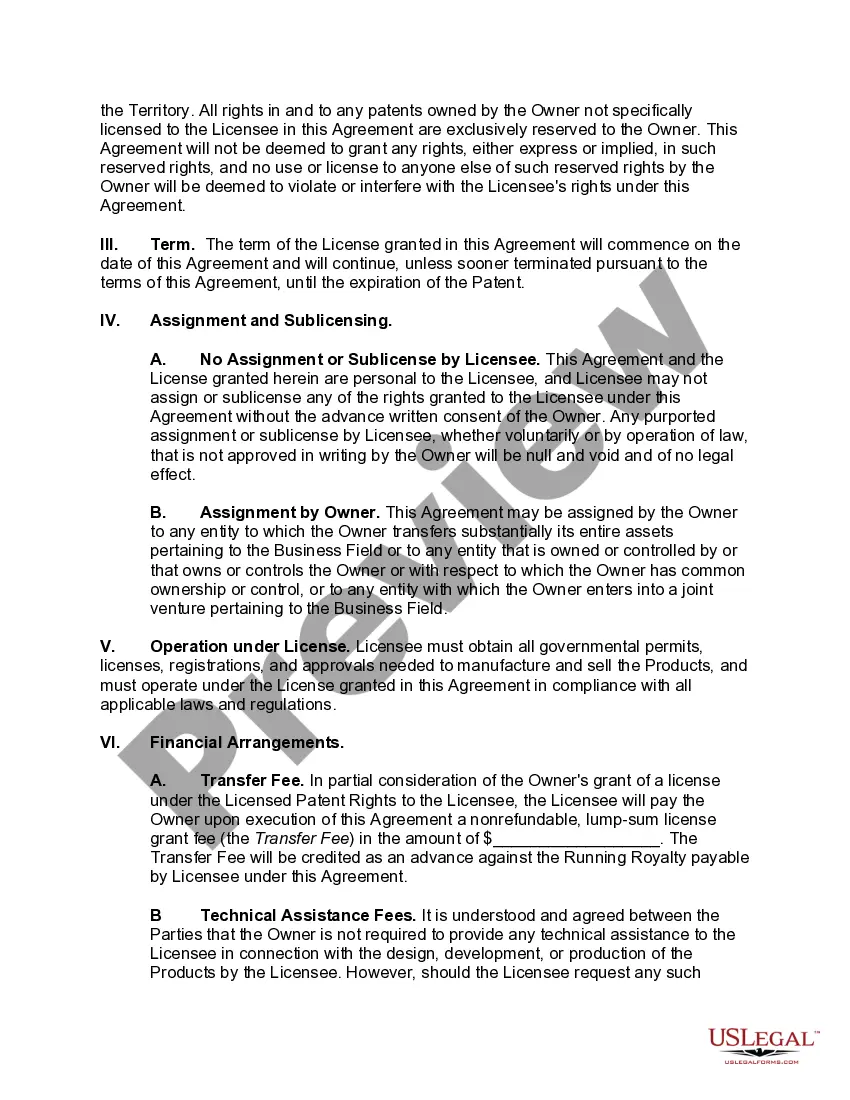
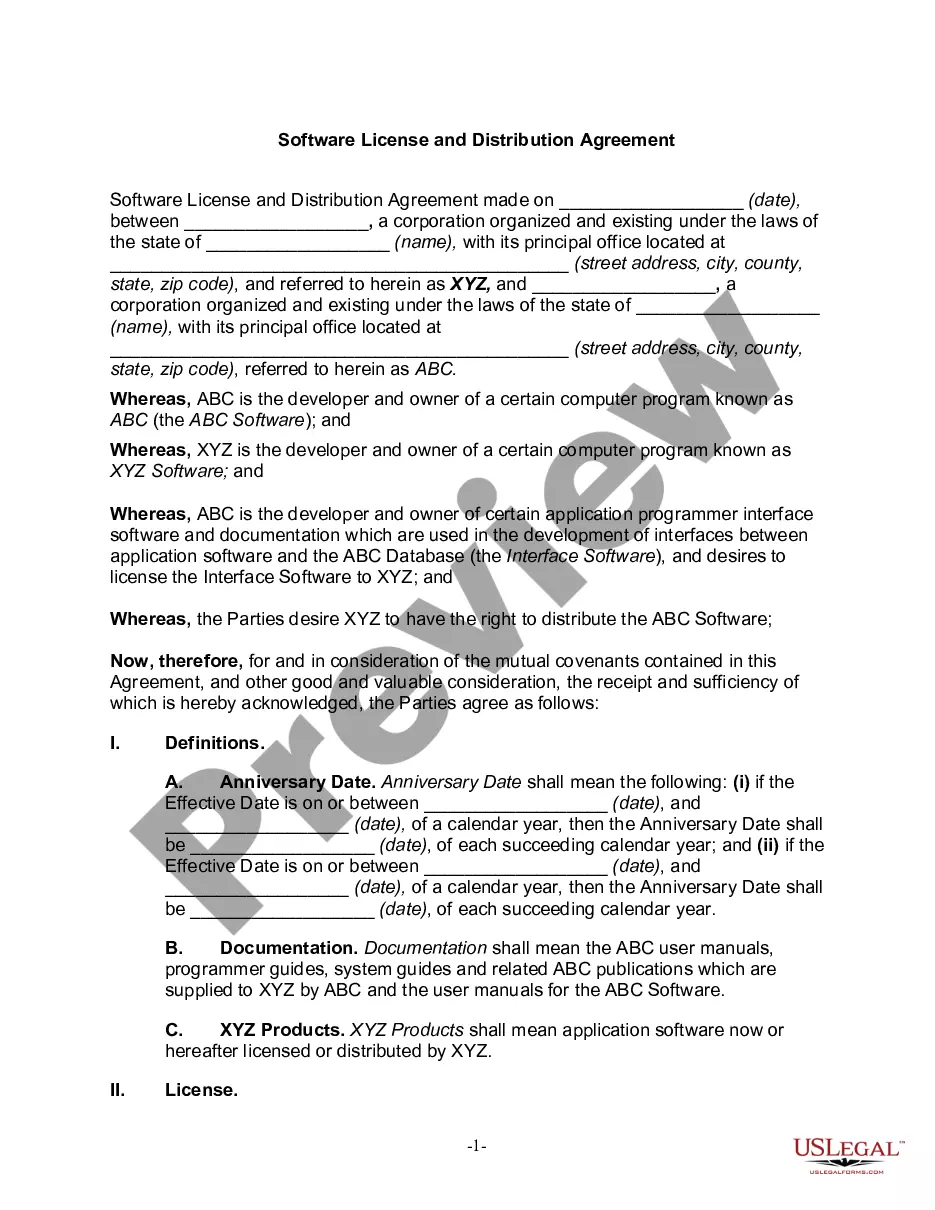
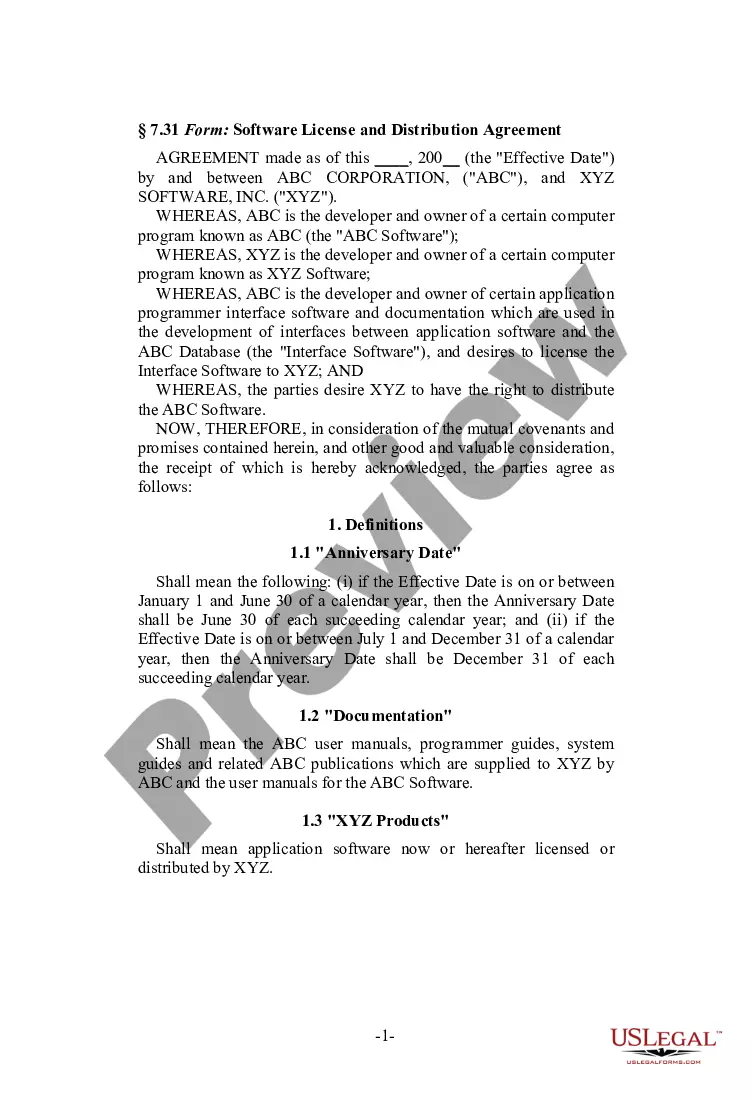
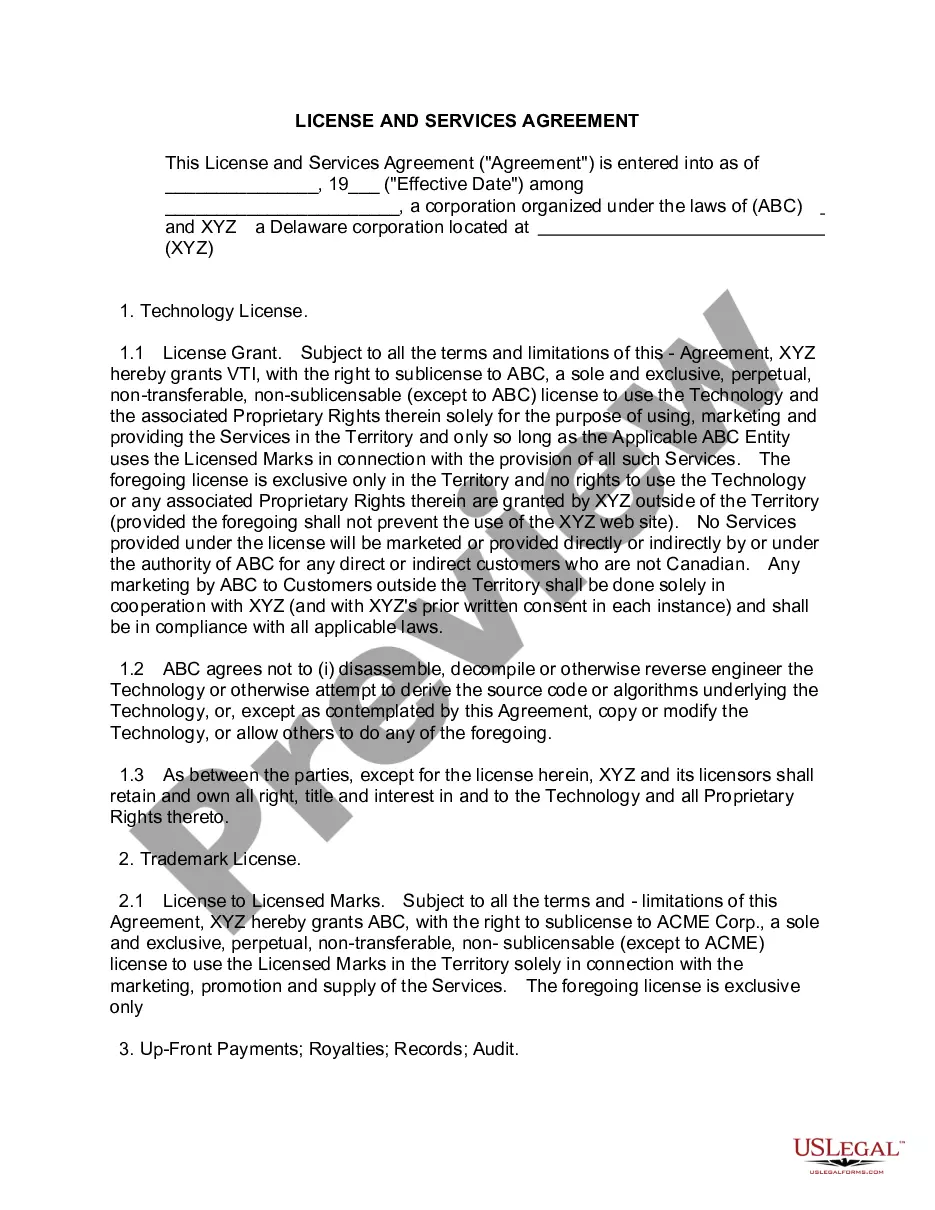
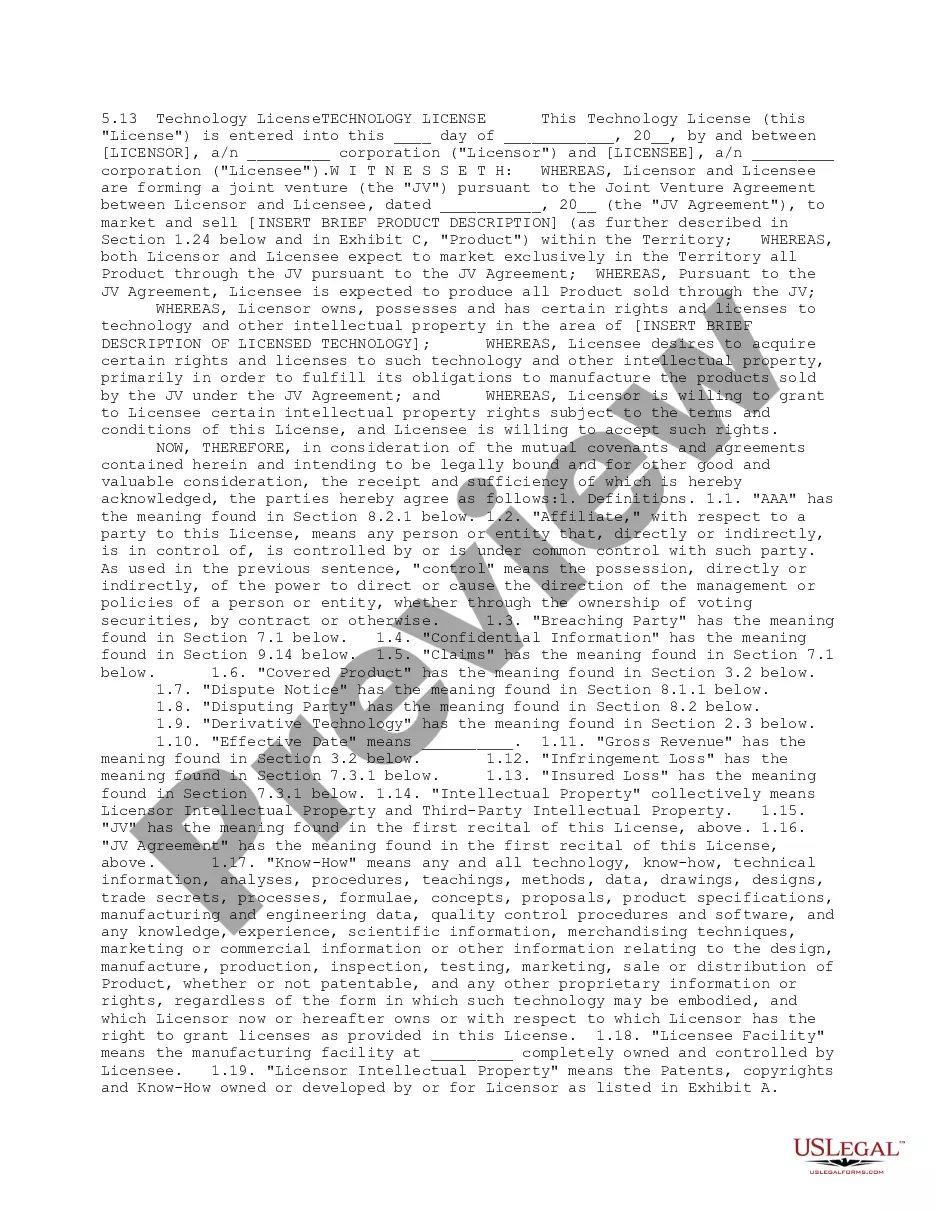
District of Columbia Technology Licensing Agreement
Instant download
Description
Free preview
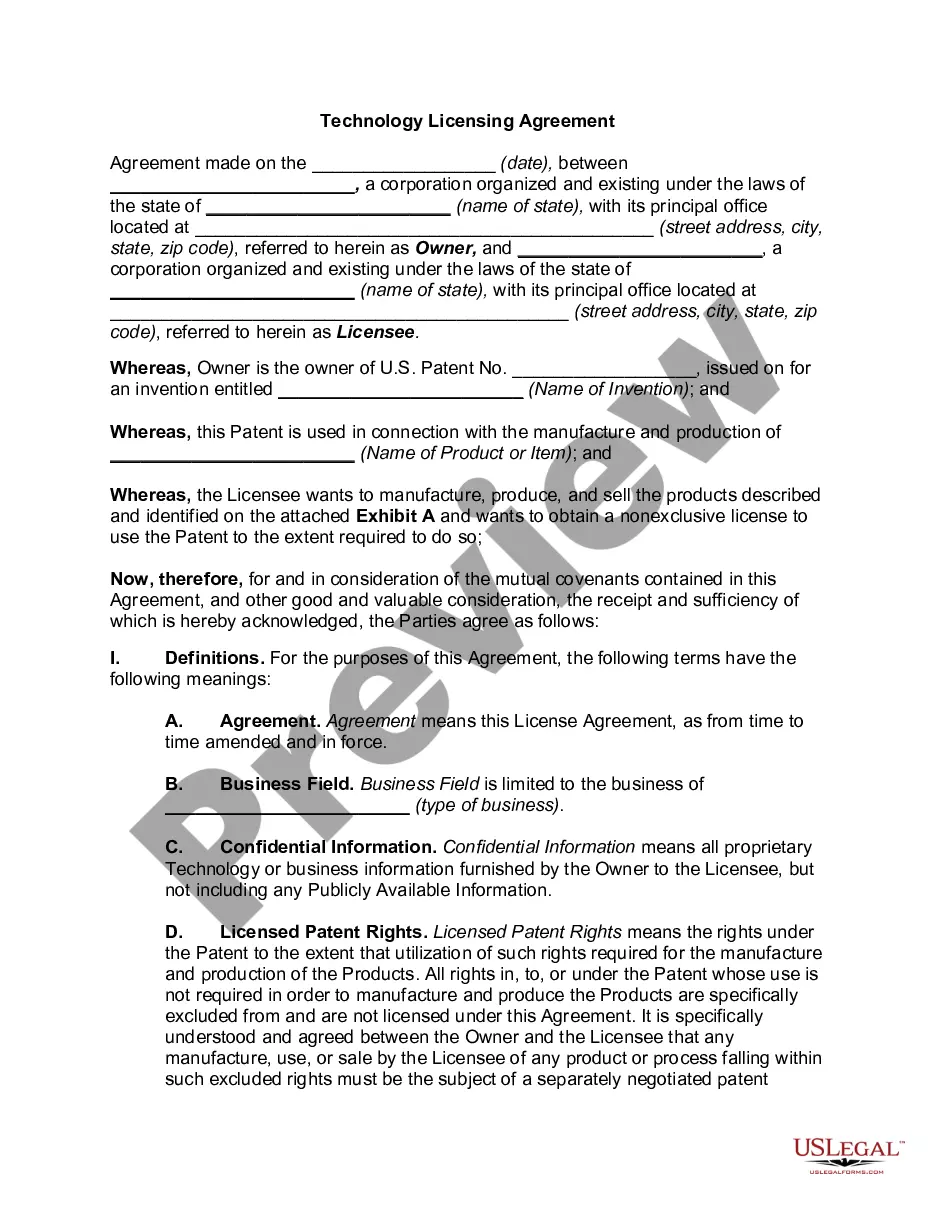

Get your form ready online
Our built-in tools help you complete, sign, share, and store your documents in one place.
Built-in online Word editor
Make edits, fill in missing information, and update formatting in US Legal Forms—just like you would in MS Word.
Export easily
Download a copy, print it, send it by email, or mail it via USPS—whatever works best for your next step.
E-sign your document
Sign and collect signatures with our SignNow integration. Send to multiple recipients, set reminders, and more. Go Premium to unlock E-Sign.
Notarize online 24/7
If this form requires notarization, complete it online through a secure video call—no need to meet a notary in person or wait for an appointment.
Store your document securely
We protect your documents and personal data by following strict security and privacy standards.

Make edits, fill in missing information, and update formatting in US Legal Forms—just like you would in MS Word.

Download a copy, print it, send it by email, or mail it via USPS—whatever works best for your next step.

Sign and collect signatures with our SignNow integration. Send to multiple recipients, set reminders, and more. Go Premium to unlock E-Sign.

If this form requires notarization, complete it online through a secure video call—no need to meet a notary in person or wait for an appointment.

We protect your documents and personal data by following strict security and privacy standards.
Looking for another form?




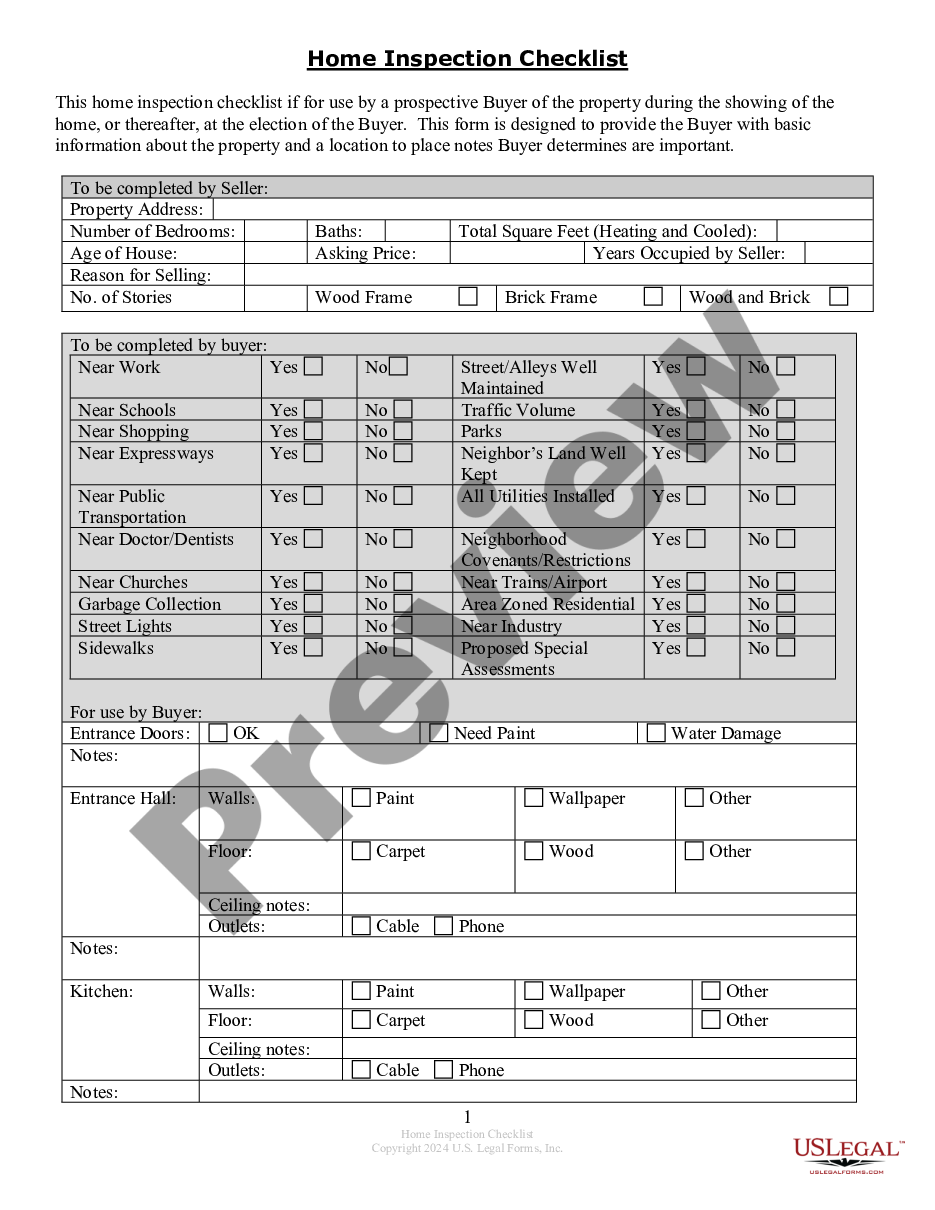
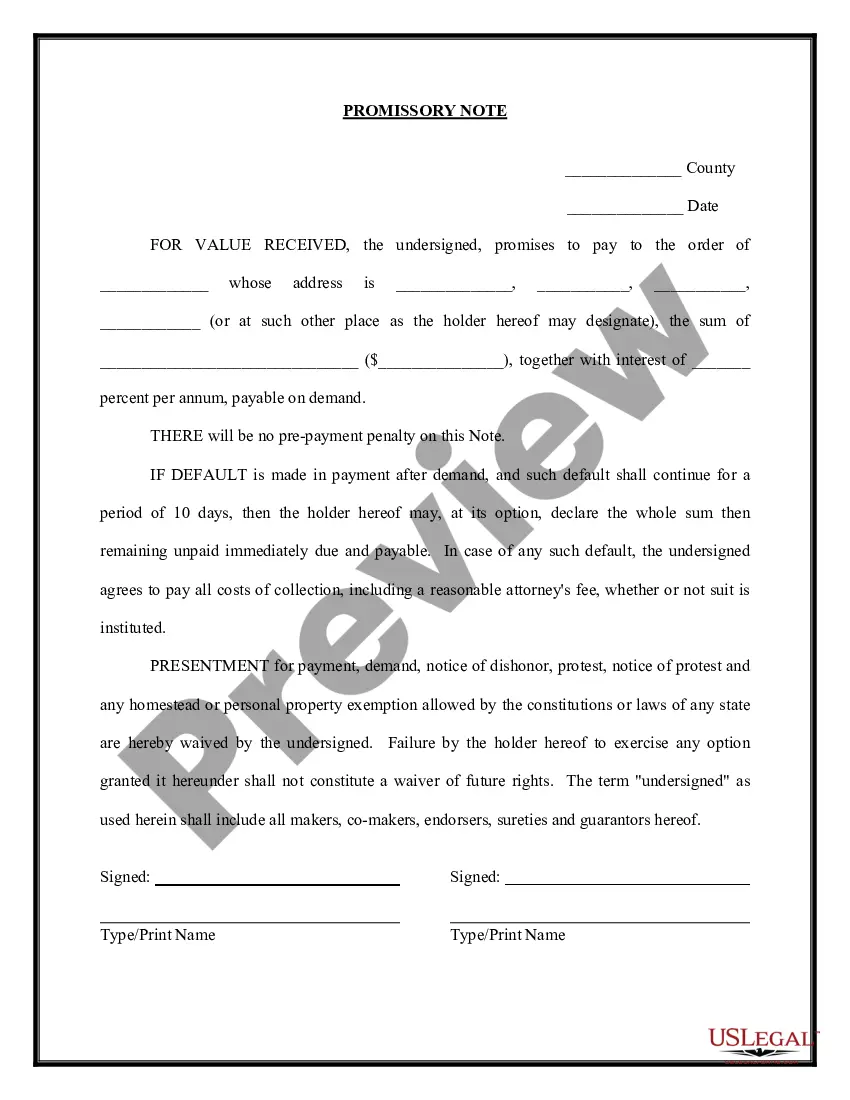
How to fill out Technology Licensing Agreement?
Are you presently in the situation where you require documentation for both professional and personal applications on a nearly daily basis.
There are numerous legitimate document templates accessible online, yet finding reliable ones can be challenging.
US Legal Forms provides a wide array of form templates, including the District of Columbia Technology Licensing Agreement, which can be tailored to comply with both federal and state regulations.
Once you locate the correct form, click Acquire now.
Choose your preferred pricing plan, provide the necessary information to create your account, and complete your purchase using PayPal or a credit card.
- If you are already acquainted with the US Legal Forms website and possess an account, simply Log In.
- You can then download the District of Columbia Technology Licensing Agreement template.
- If you do not have an account and wish to begin utilizing US Legal Forms, follow these steps.
- Find the form you need and ensure it corresponds to the correct area/county.
- Use the Preview button to review the form.
- Read the description to confirm you have selected the appropriate document.
- If the form does not meet your expectations, use the Lookup field to find a document that matches your requirements.
Form popularity
FAQ
Types of licensing agreement The unique feature of this type of agreement is that even the licensor is excluded to use or exploit the licensed property during the term of the agreement. Copyright, trademark and patent licenses are the best examples of an exclusive license agreement.
Licensing agreements are found in many different industries. An example of a licensing agreement is a contract between the copyright holders of software and another company, allowing the latter to use the computer software for their daily business operations.
There are three key types of licences.Exclusive Licence. An exclusive licence, as the name suggests, is a licence that allows the licensee exclusively to both use and commercialise your IP.Non-Exclusive Licence. A non-exclusive licence allows you to licence the IP to multiple different parties.Sole Licence.
A licensing agreement is a contract between two parties (the licensor and licensee) in which the licensor grants the licensee the right to use the brand name, trademark, patented technology, or ability to produce and sell goods owned by the licensor.
Precisely identifying which intellectual property will be the subject of the license is necessary to ensure both parties are on the same page and not exceeding their rights.Scope of the Grant.Exclusivity.Territory.Term.Compensation.Termination.Conclusion.
Practitioners and licensing executives often refer to three basic types of voluntary licenses: non-exclusive, sole, and exclusive. A non-exclusive licence allows the licensor to retain the right to use the licensed property and the right to grant additional licenses to third parties.
Examples of licenses include a company using the design of a popular character, e.g. Mickey Mouse, on their products. Another example would be a clothing manufacturer like Life is Good licensing its designs and brand in a certain country to a local company.
Virtually every type of license agreement includes some form of initial payment and ongoing royalty to the licensor. Royalty formulas vary widely, however. They may be based on gross sales, net sales, net profits, fixed sum per product sold, or a minimum payment to be made to the licensor over a given period of time.
Technology Licensing is a contractual arrangement in which the licensor's Intellectual Property (IP) such as, patents, trademarks, service marks, copyrights, trade secrets, or other intellectual property may be transferred to a licensee for a specified period of time.
Most licensing agreements will be valid only for a certain length of time....Scope of the AgreementExclusivity.Territory Rights.Guarantees of Sales.