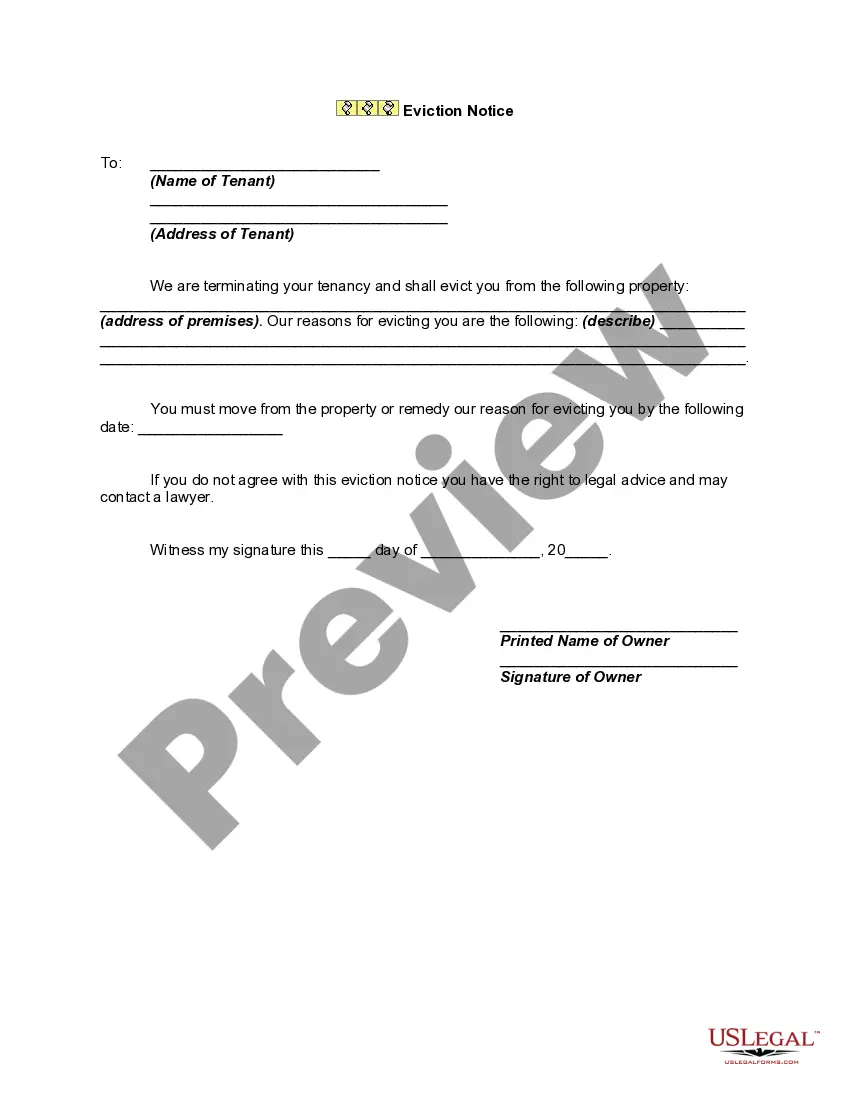
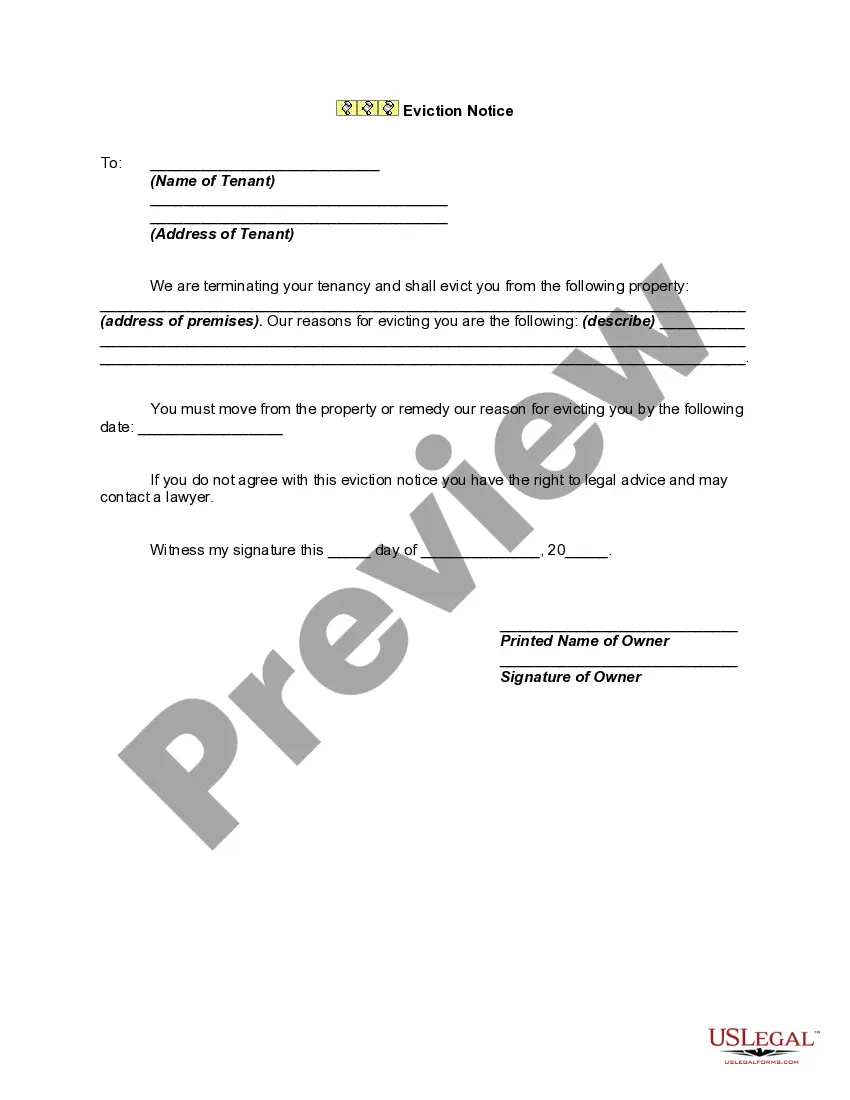
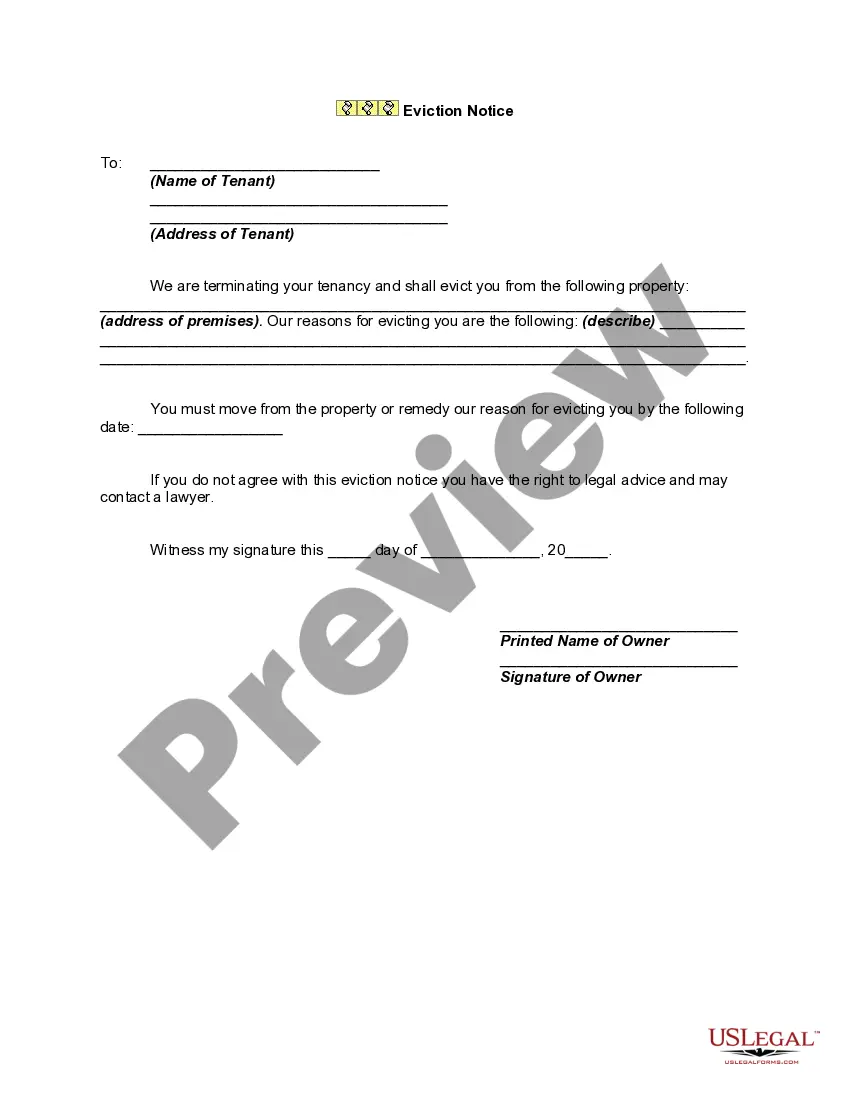
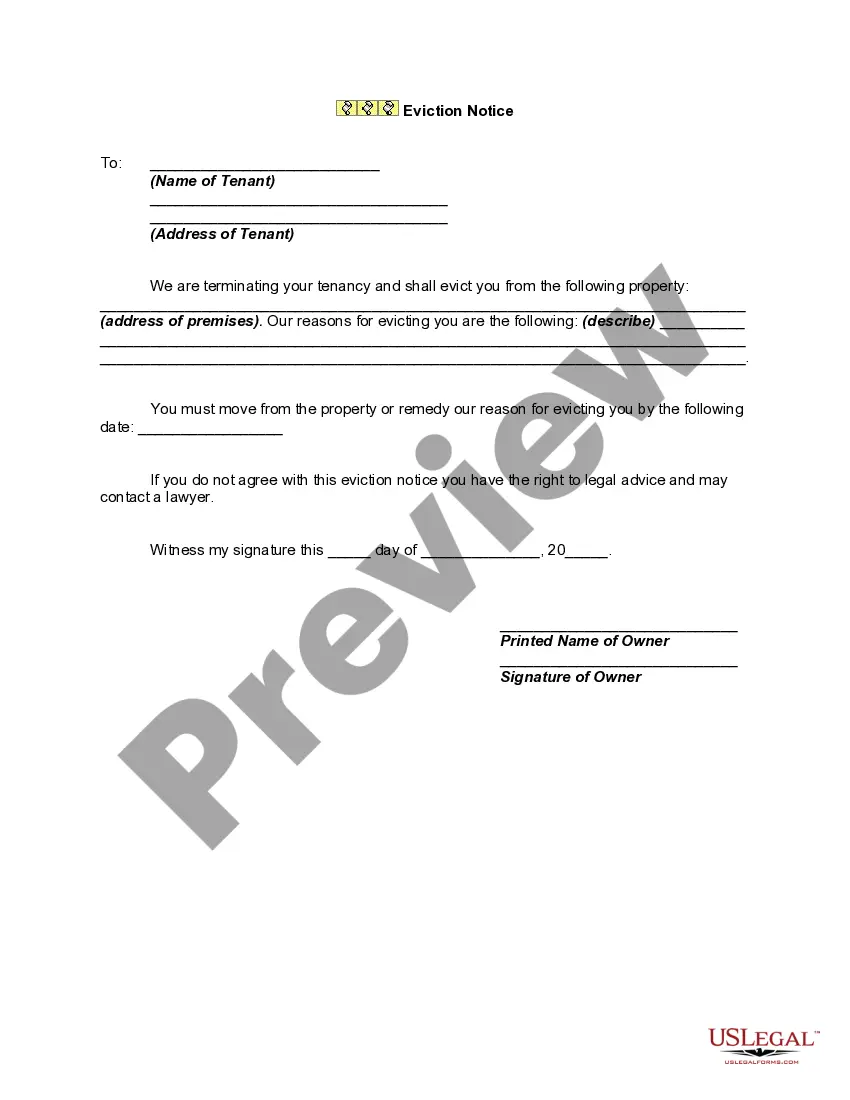
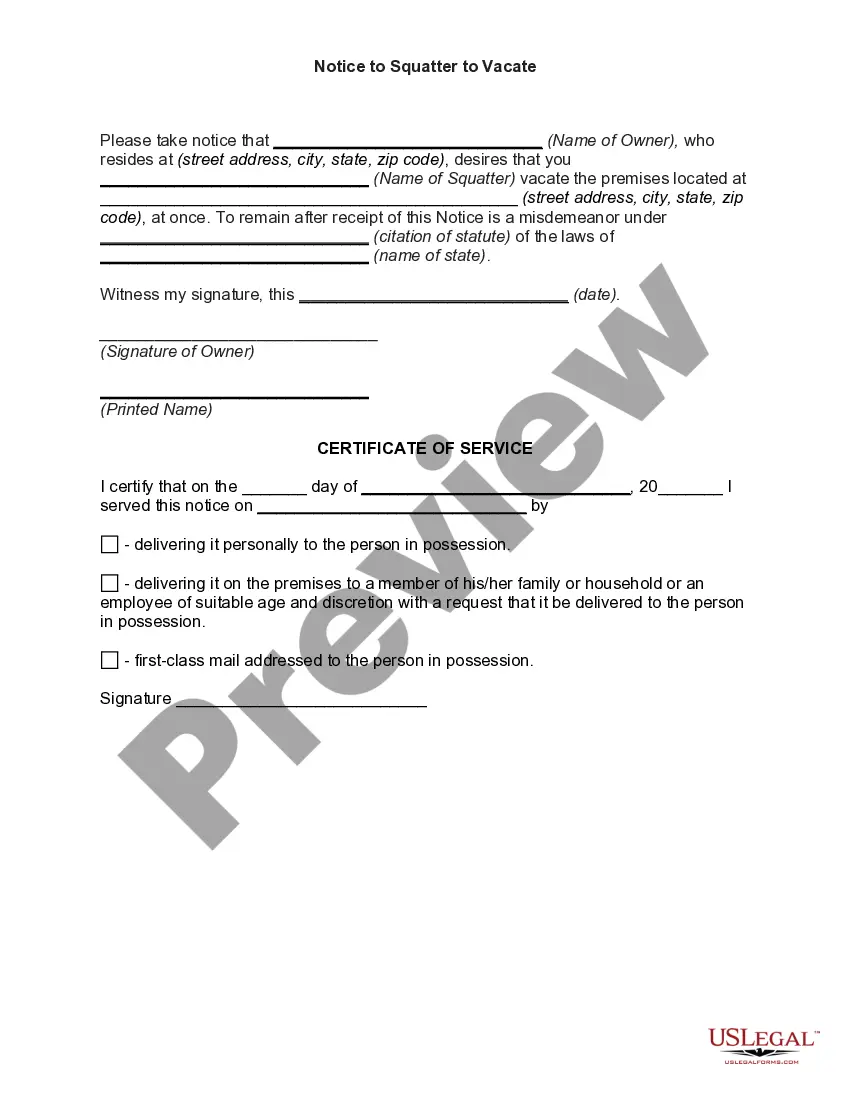
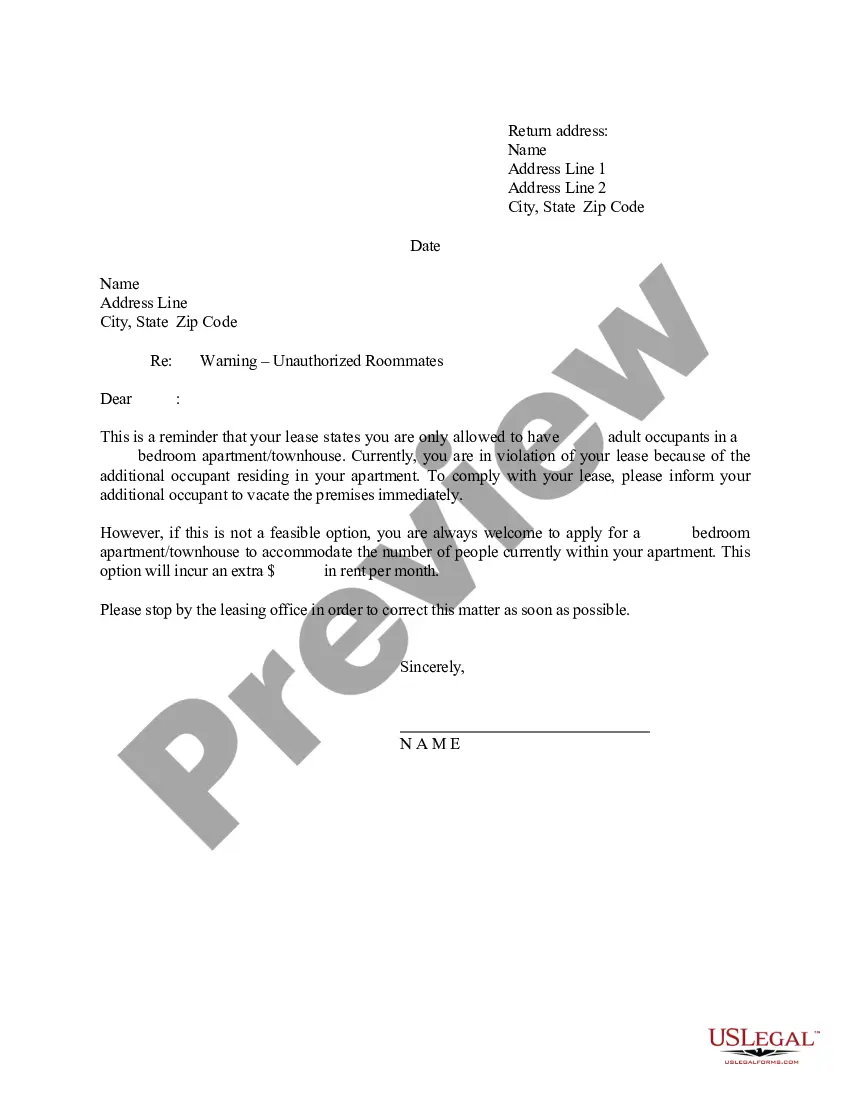
District of Columbia Eviction Notice for Roommate
Description
Get your form ready online
Our built-in tools help you complete, sign, share, and store your documents in one place.
Make edits, fill in missing information, and update formatting in US Legal Forms—just like you would in MS Word.
Download a copy, print it, send it by email, or mail it via USPS—whatever works best for your next step.
Sign and collect signatures with our SignNow integration. Send to multiple recipients, set reminders, and more. Go Premium to unlock E-Sign.
If this form requires notarization, complete it online through a secure video call—no need to meet a notary in person or wait for an appointment.
We protect your documents and personal data by following strict security and privacy standards.

Make edits, fill in missing information, and update formatting in US Legal Forms—just like you would in MS Word.

Download a copy, print it, send it by email, or mail it via USPS—whatever works best for your next step.

Sign and collect signatures with our SignNow integration. Send to multiple recipients, set reminders, and more. Go Premium to unlock E-Sign.

If this form requires notarization, complete it online through a secure video call—no need to meet a notary in person or wait for an appointment.

We protect your documents and personal data by following strict security and privacy standards.
Looking for another form?





How to fill out Eviction Notice For Roommate?
Selecting the appropriate lawful document template can be a challenge. Certainly, there are numerous designs accessible online, but how can you secure the valid form you require? Utilize the US Legal Forms website. The service offers thousands of templates, including the District of Columbia Eviction Notice for Roommate, which can be utilized for business and personal purposes. All of the forms are verified by experts and meet federal and state regulations.
If you are already registered, Log In to your account and click on the Download button to obtain the District of Columbia Eviction Notice for Roommate. Use your account to search through the legal forms you may have purchased previously. Visit the My documents section of your account and retrieve another copy of the document you need.
If you are a new user of US Legal Forms, here are straightforward steps you should follow: First, ensure you have selected the correct form for your region/area. You can browse the form using the Review button and read the form description to confirm this is indeed the right one for you. If the form does not meet your requirements, use the Search area to find the appropriate form. Once you are confident that the form is suitable, click the Buy now button to acquire the form. Choose the pricing plan you prefer and enter the necessary information. Create your account and complete the purchase using your PayPal account or credit card. Select the file format and download the legal document template to your device. Complete, modify, and print and sign the obtained District of Columbia Eviction Notice for Roommate.
In summary, US Legal Forms is an essential resource for obtaining various legal templates that fulfill necessary legal standards.
- US Legal Forms is the largest repository of legal forms where you can find numerous document templates.
- Utilize the service to obtain properly crafted documents that comply with state regulations.
- Make sure you choose the correct form for your area.
- Browse and review the form description before purchasing.
- Use the search feature if the form does not meet your needs.
- Download and complete the document after purchase.
Form popularity
FAQ
Evicting a tenant in Washington D.C. can take around 1 to 8 months depending on the reason for the eviction. If tenants file an answer or request a jury trial the process can take longer.
You can't start a case for eviction in housing court. Under D.C. law, only a ?housing provider? can bring an eviction proceeding. Instead, you'll need to put it in your landlord's hands.
Difference between a Guest and a Tenant A tenant is a person who has signed a lease to live at your rental property. He or she is legally responsible for paying the rent and keeping the property in good condition. In short, a tenant is on the lease. A guest is not.
(b) A residential tenancy may be terminated by a 30-day notice in writing only from the tenant to the housing provider of the tenant's intention to quit. The notice shall expire on the first day of the first month at least 30 days after the date of the notice.
If your roommate has violated the rental agreement or has neglected to pay their part of the rent or utilities, then you have just cause to evict them from your unit with proper notice. If they refuse to leave after this time, you may have to seek assistance from the authorities or your landlord.
Even though a guest is not a tenant, you can still file an eviction case in the Landlord and Tenant Branch of D.C. Superior Court. The Landlord and Tenant Branch is eviction court, and you do not have to be a landlord to file a case to evict someone.
Yes. In D.C., you cannot evict your tenant just because you do not like him or her. You must have at least one legal reason in order to lawfully evict a tenant. The most common legal reasons include not paying the rent and violating another part of the lease (for example, keeping a dog when the lease forbids it).
Rules and ordinances around the country differ, but in Washington, DC and in many other places, a guest that stays longer than two weeks within a six-month period is usually considered a tenant. You need to be aware of the laws governing tenants and guests in your own area.