District of Columbia Complaint Against Adjacent Landowner for Damages as a Result of Tree Falling on the Property of Plaintiff

State:
Multi-State
Control #:
US-01275BG
Format:
Word; 
Rich Text
84 downloads

Description

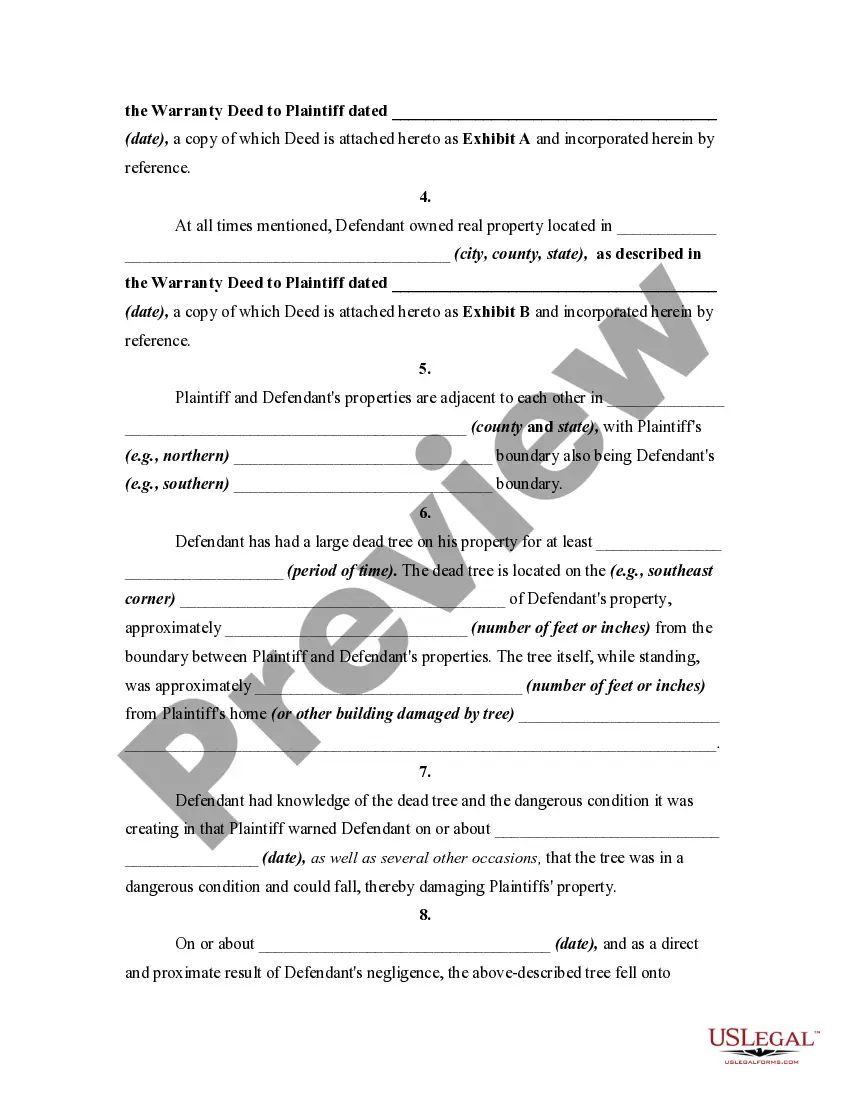
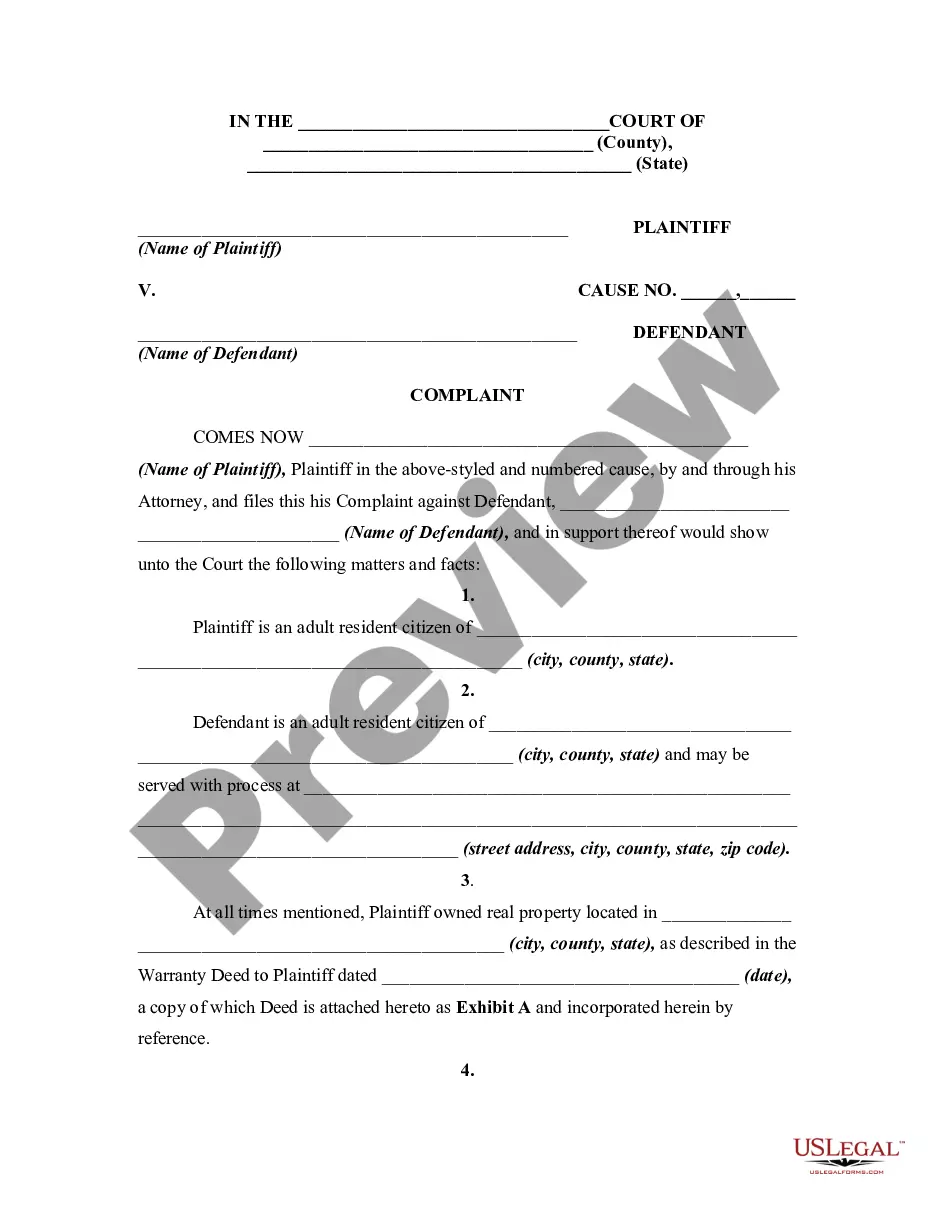
As a general rule, every person is entitled to use their property in any way they want, provided the property is used in such a manner as to not injure others. Growths such as trees, bushes, and hedges, by their branches or roots, may invade the property rights of an adjoining owner and a falling tree raises the issue of negligence. The owner of the tree is generally liable for damages caused to the adjoining property owner.


This form is a generic pleading and adopts the "notice pleadings" format of the Federal Rules of Civil Procedure, which have been adopted by most states in one form or another. This form is for illustrative purposes only. Local laws should be consulted to determine any specific requirements for such a form in a particular jurisdiction.

Free preview
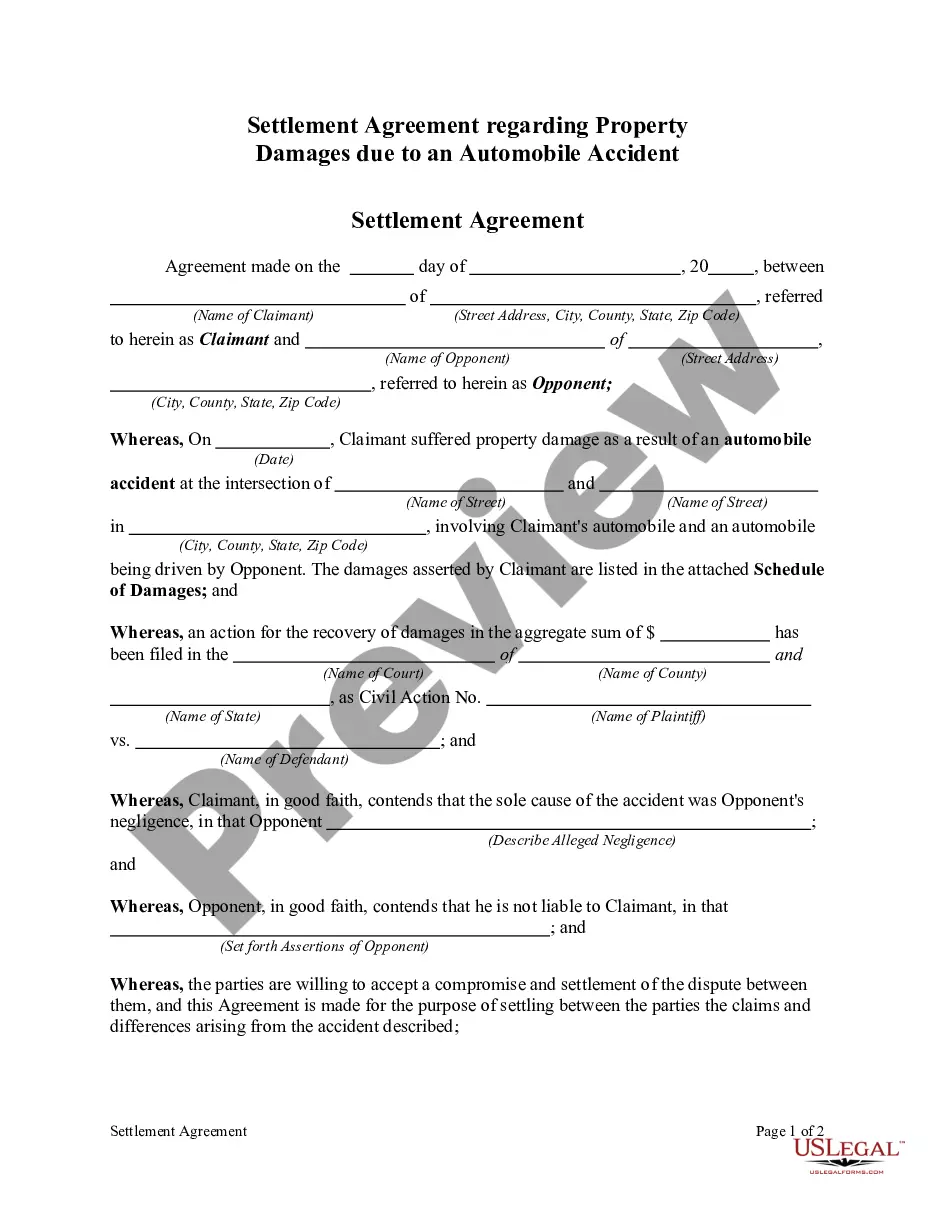
  • Preview Complaint Against Adjacent Landowner for Damages as a Result of Tree Falling on the Property of Plaintiff
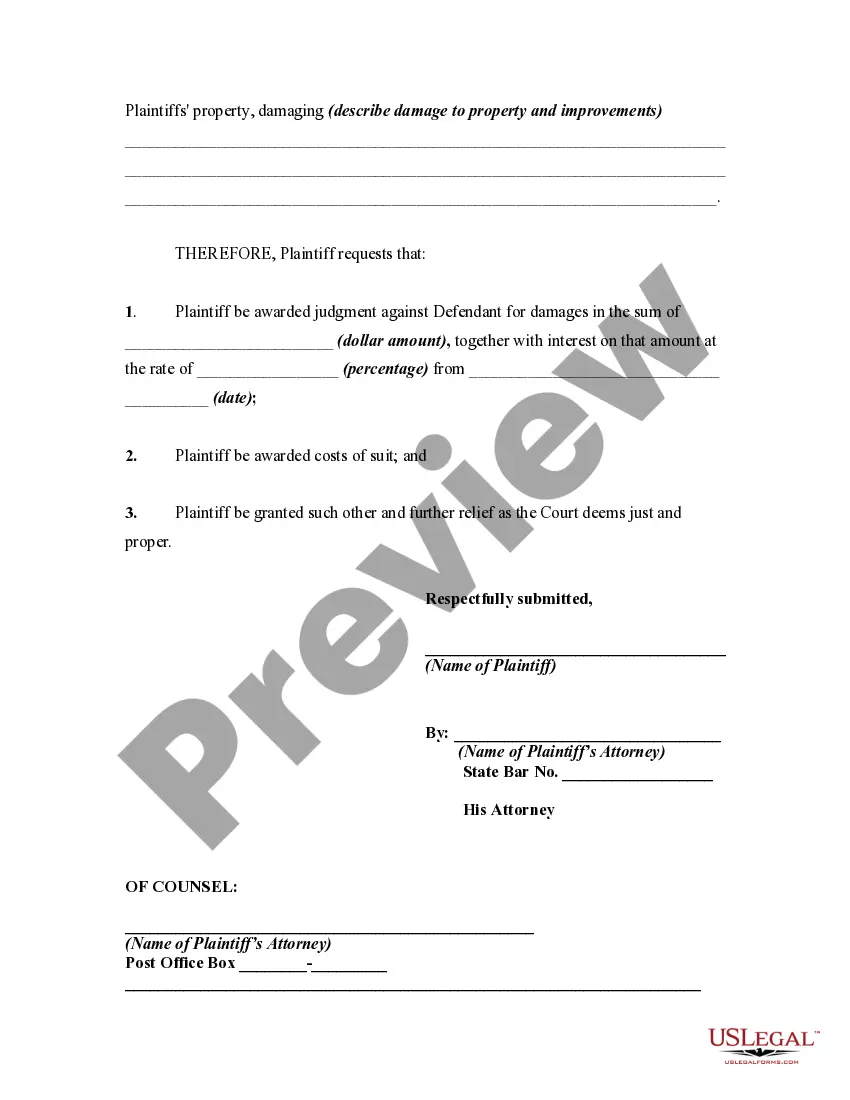
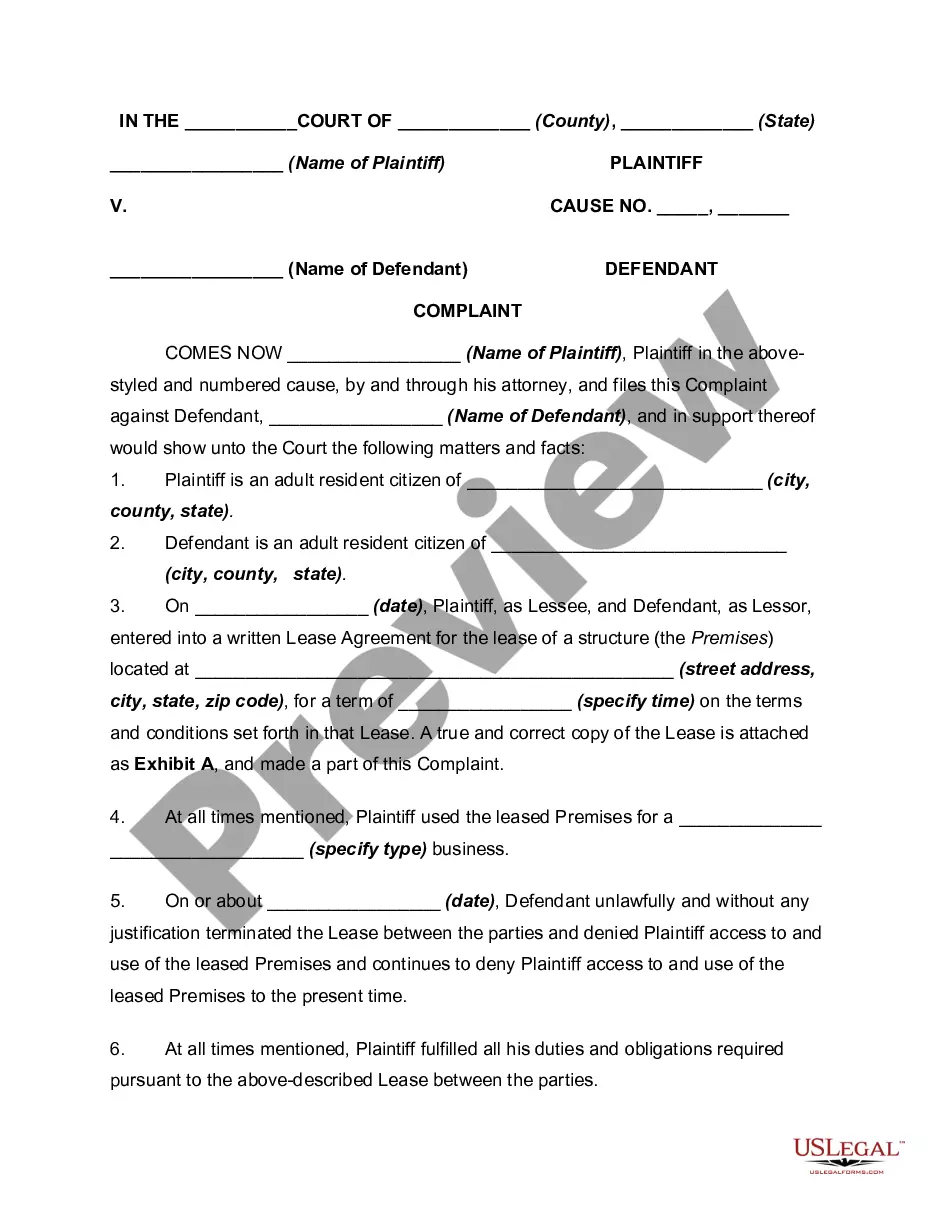
  • Preview Complaint Against Adjacent Landowner for Damages as a Result of Tree Falling on the Property of Plaintiff
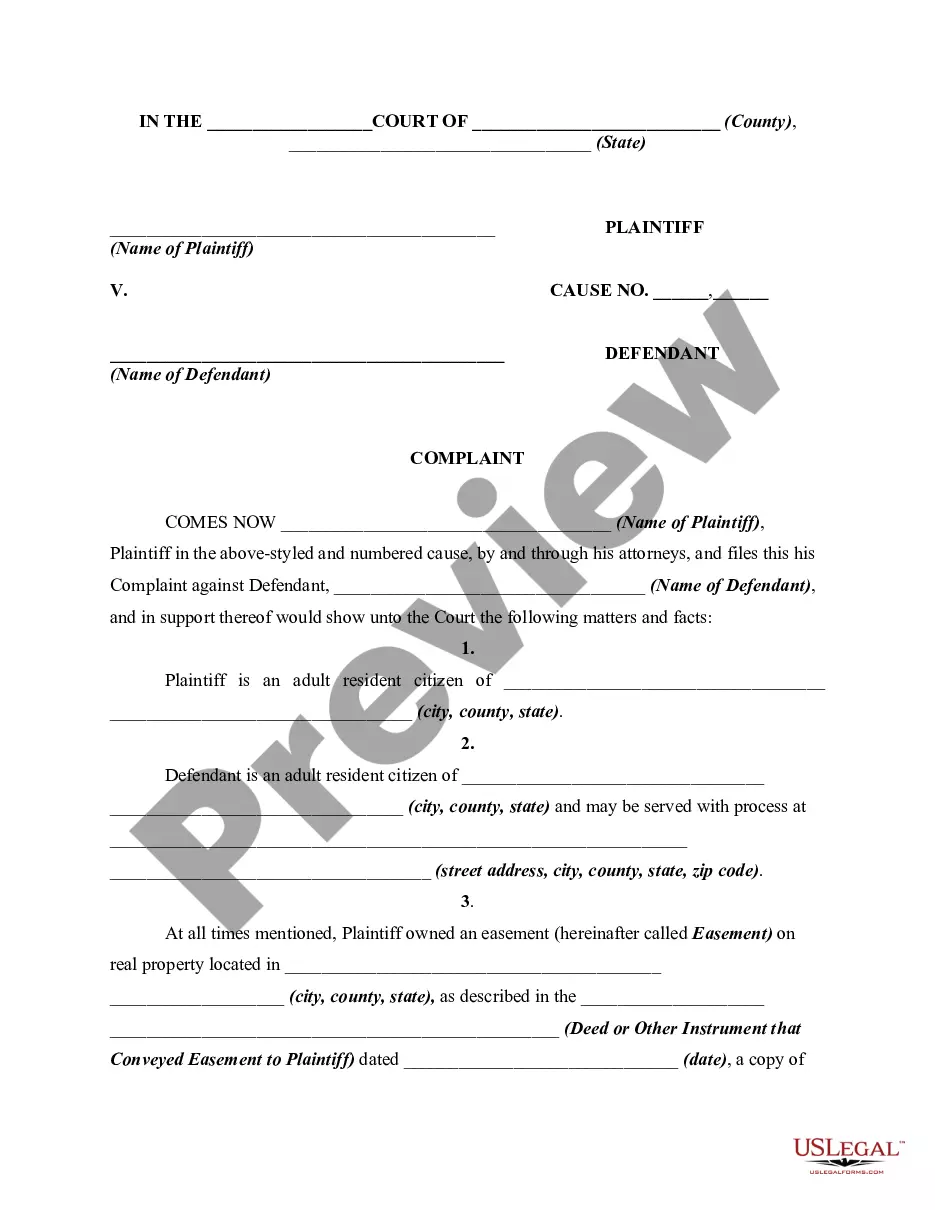
  • Preview Complaint Against Adjacent Landowner for Damages as a Result of Tree Falling on the Property of Plaintiff
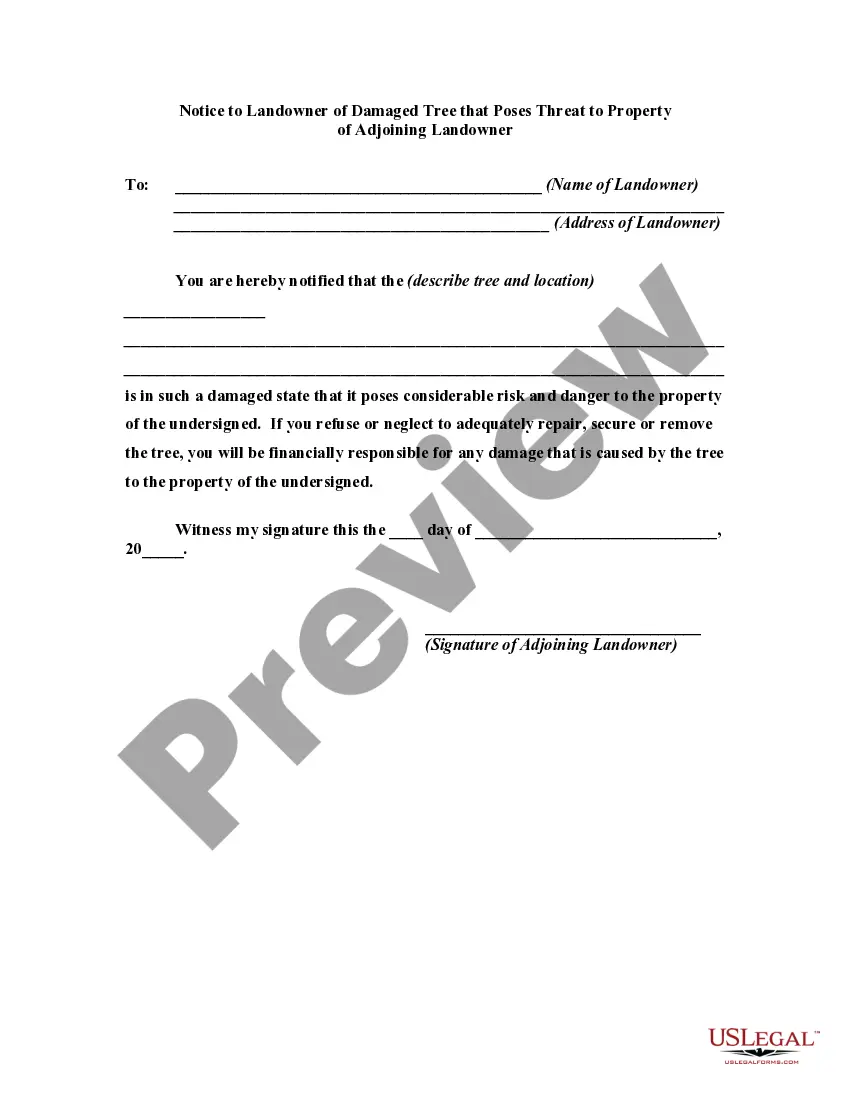
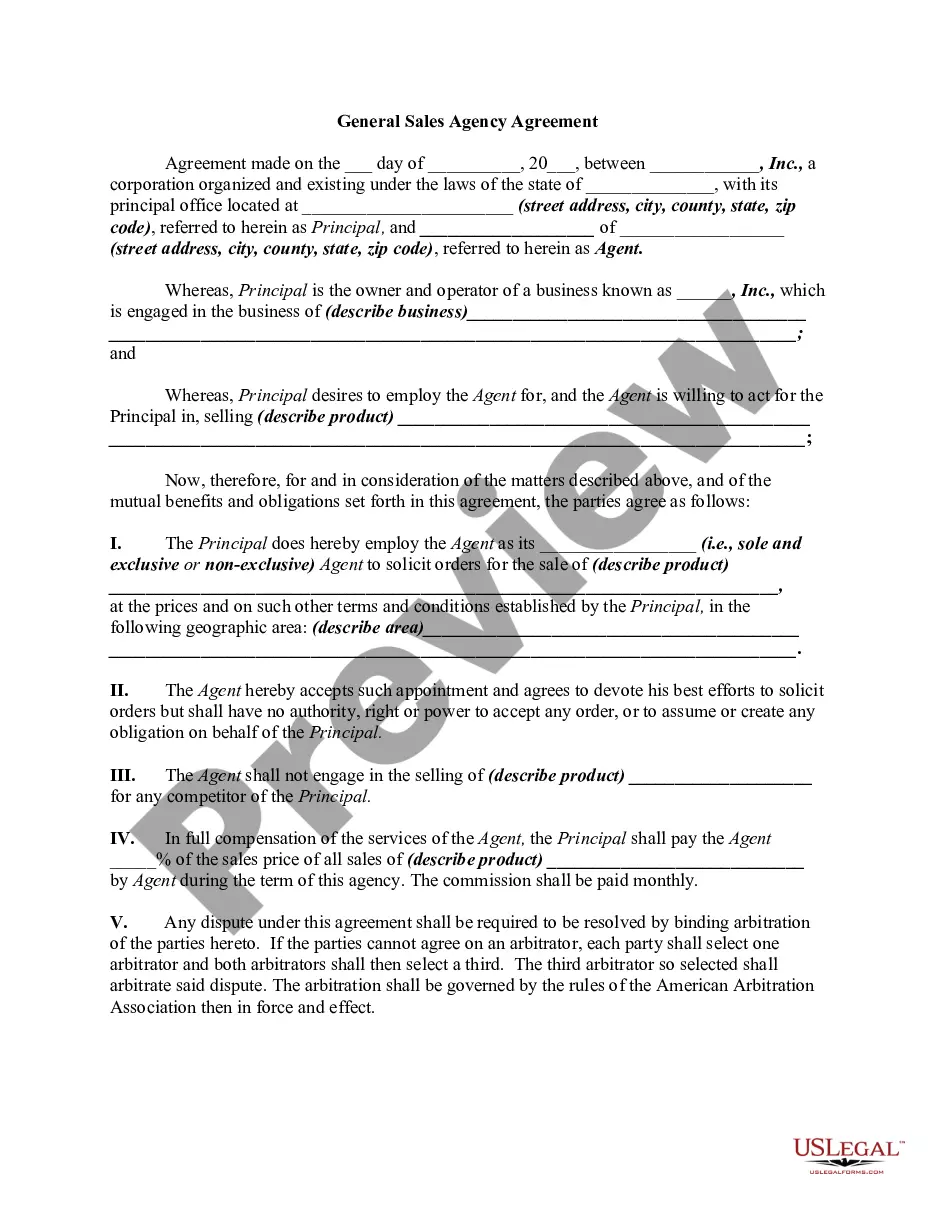
  • Preview Complaint Against Adjacent Landowner for Damages as a Result of Tree Falling on the Property of Plaintiff

Get your form ready online

Our built-in tools help you complete, sign, share, and store your documents in one place.

Built-in online Word editor

Make edits, fill in missing information, and update formatting in US Legal Forms—just like you would in MS Word.

Export easily

Download a copy, print it, send it by email, or mail it via USPS—whatever works best for your next step.

E-sign your document

Sign and collect signatures with our SignNow integration. Send to multiple recipients, set reminders, and more. Go Premium to unlock E-Sign.

Notarize online 24/7

If this form requires notarization, complete it online through a secure video call—no need to meet a notary in person or wait for an appointment.

Store your document securely

We protect your documents and personal data by following strict security and privacy standards.

Form selector

Make edits, fill in missing information, and update formatting in US Legal Forms—just like you would in MS Word.

Form selector

Download a copy, print it, send it by email, or mail it via USPS—whatever works best for your next step.

Form selector

Sign and collect signatures with our SignNow integration. Send to multiple recipients, set reminders, and more. Go Premium to unlock E-Sign.

Form selector

If this form requires notarization, complete it online through a secure video call—no need to meet a notary in person or wait for an appointment.

Form selector

We protect your documents and personal data by following strict security and privacy standards.

Looking for another form?

This field is required
Ohio
Select state

How to fill out Complaint Against Adjacent Landowner For Damages As A Result Of Tree Falling On The Property Of Plaintiff?

US Legal Forms - one of the largest collections of authentic documents in the United States - offers a range of legal form templates you can download or print.

By using the website, you can access thousands of forms for business and personal use, organized by categories, states, or keywords. You can find the latest versions of forms such as the District of Columbia Complaint Against Adjacent Landowner for Damages as a Result of Tree Falling on the Property of Plaintiff in moments.

If you have a subscription, Log In and download the District of Columbia Complaint Against Adjacent Landowner for Damages as a Result of Tree Falling on the Property of Plaintiff from the US Legal Forms library. The Download option will appear on every form you view. You will have access to all previously saved forms in the My documents tab of your account.

Select the pricing plan you desire and provide your details to create an account. Complete the transaction. Use your credit card or PayPal account to finalize the purchase. Choose the format and download the form to your device. Make changes. Fill in, edit, print, and sign the saved District of Columbia Complaint Against Adjacent Landowner for Damages as a Result of Tree Falling on the Property of Plaintiff.

Every template you add to your account does not have an expiration date, which means it is yours forever. Therefore, if you want to download or print another copy, simply go to the My documents section and click on the form you need. Access the District of Columbia Complaint Against Adjacent Landowner for Damages as a Result of Tree Falling on the Property of Plaintiff with US Legal Forms, the largest library of authentic document templates. Utilize thousands of professional and state-specific templates that meet your business or personal requirements and needs.

  1. If this is your first time using US Legal Forms, here are simple steps to help you get started:
  2. Ensure you have chosen the correct form for your locality/region.
  3. Click the Review button to check the form's content.
  4. Read the form description to confirm that you have selected the right form.
  5. If the form does not meet your needs, use the Lookup field at the top of the screen to find the one that does.
  6. If you are satisfied with the form, confirm your selection by clicking the Buy now button.
Form popularity

FAQ

What Kind of Structural Damage Can Tree Roots Cause? Soil Shifting. ... Weather Changes. ... Concrete Buckling. ... Plumbing Damage. ... Foundation Damage Near a Tree. ... Buckling Concrete Surface. ... Plumbing Issues. ... Risk of Soil Erosion.

Under Maryland Law, for fallen trees or similar accidents that may be qualified as an "act of God," the affected owners are responsible for damages to their property, including cleanup, removal and related expenses.

If your neighbor or someone else cuts down, removes, or damages a tree on private property without the owner's permission, that person is required to compensate the tree owner. This recovery is available even if the damage was unintentional. If necessary, you can sue to enforce your rights.

Severing roots reduces water and nutrient uptake, eliminates stored energy and may compromise the stability of the tree. When the grade is lowered by more than two inches, vital feeder roots are eliminated, nutrient rich topsoil is removed and the remaining root system is severely wounded.

You can cut limbs that grow onto your property, but you cannot kill the tree. The tree owner may be responsible for removing a dead or diseased tree prior to a storm, but you cannot take on that responsibility yourself. Rather, you should inform your neighbor, in writing, of the dangerous condition of the tree.

Since 1886, California caselaw has provided that a property owner is essentially strictly liable for damages caused by tree roots and branches that encroach on another's land.

You could be held liable if your tree was dying or already dead before it fell on your neighbor's property, and you did nothing to prevent property damage. In this case, your insurance carrier would have to cover the repairs.

Most people assume that they are liable since it is their tree. However, this is not always true. When a tree falls over onto a neighbor's property, that neighbor should submit a claim to his or her insurance company immediately. The insurance company is usually responsible for taking care of the damages.

Trusted and secure by over 3 million people of the world’s leading companies

District of Columbia Complaint Against Adjacent Landowner for Damages as a Result of Tree Falling on the Property of Plaintiff