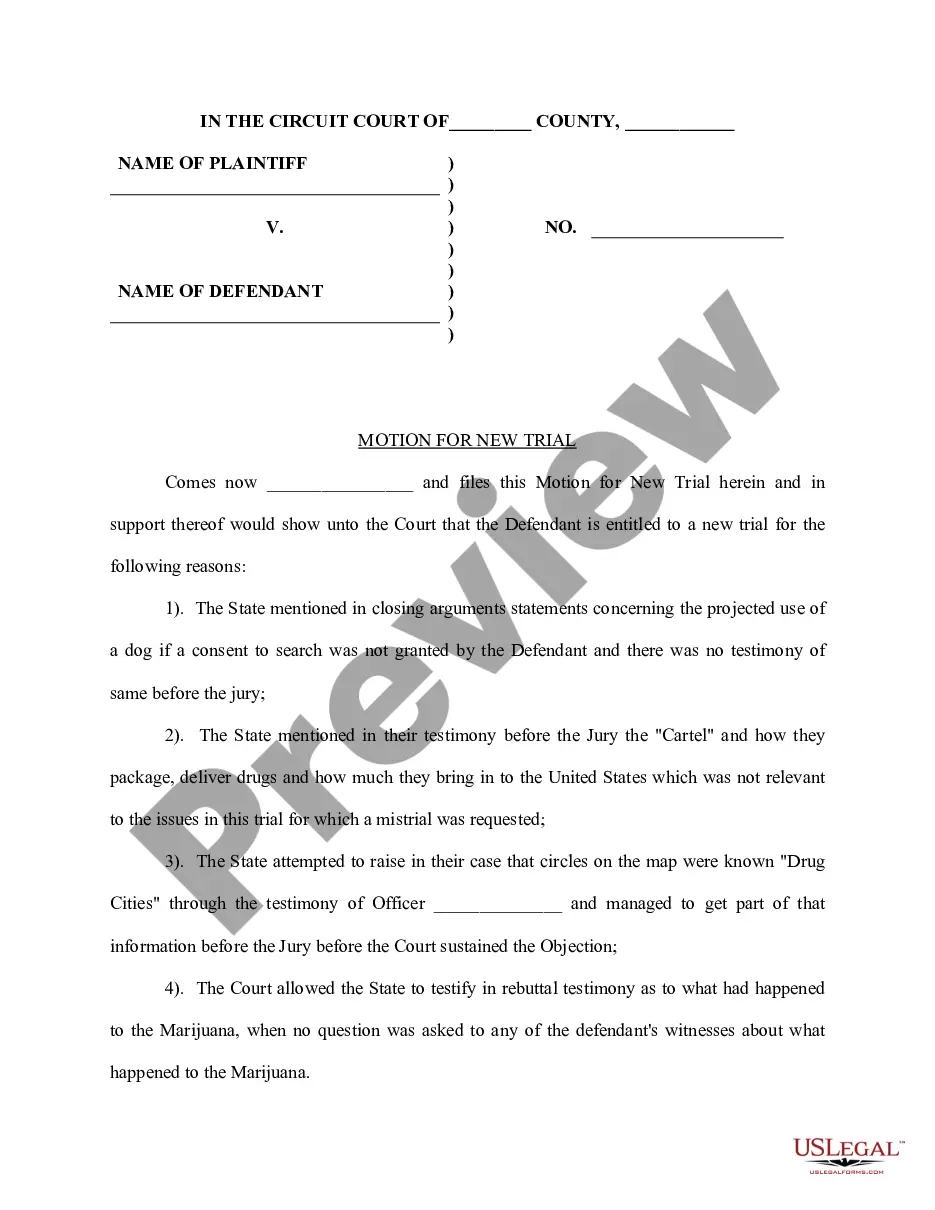
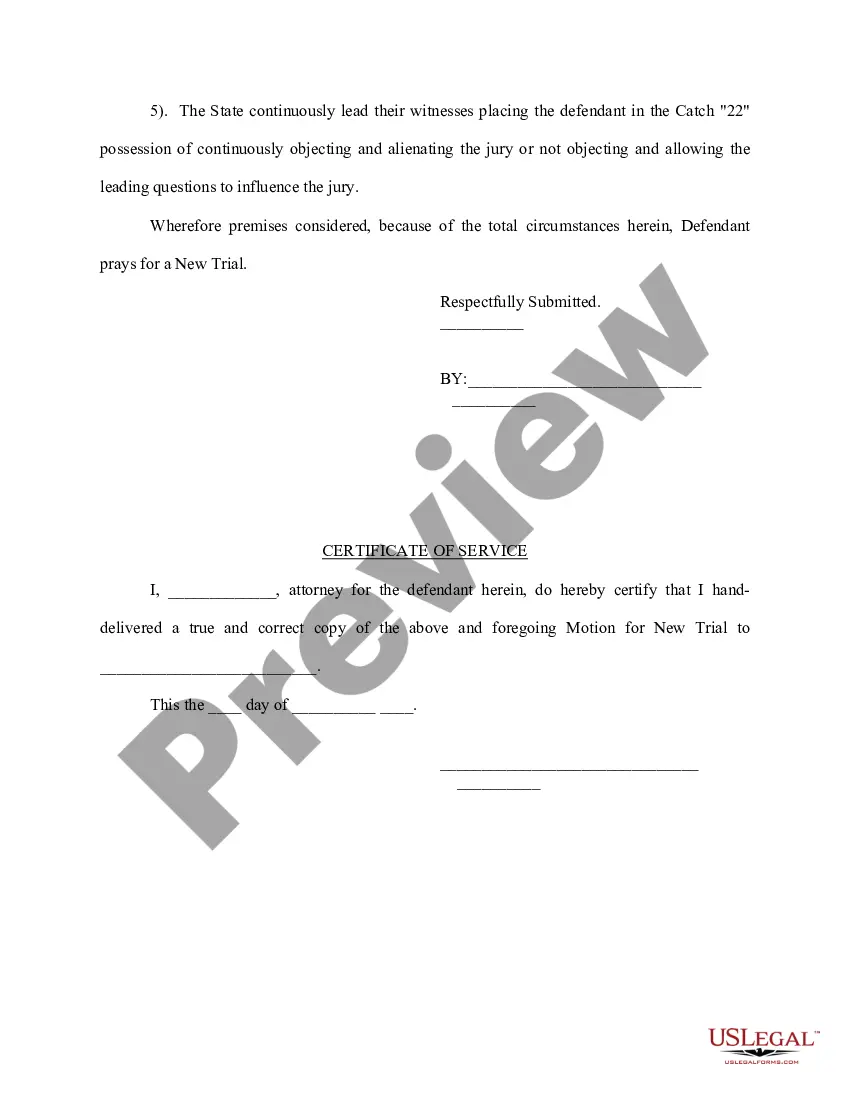
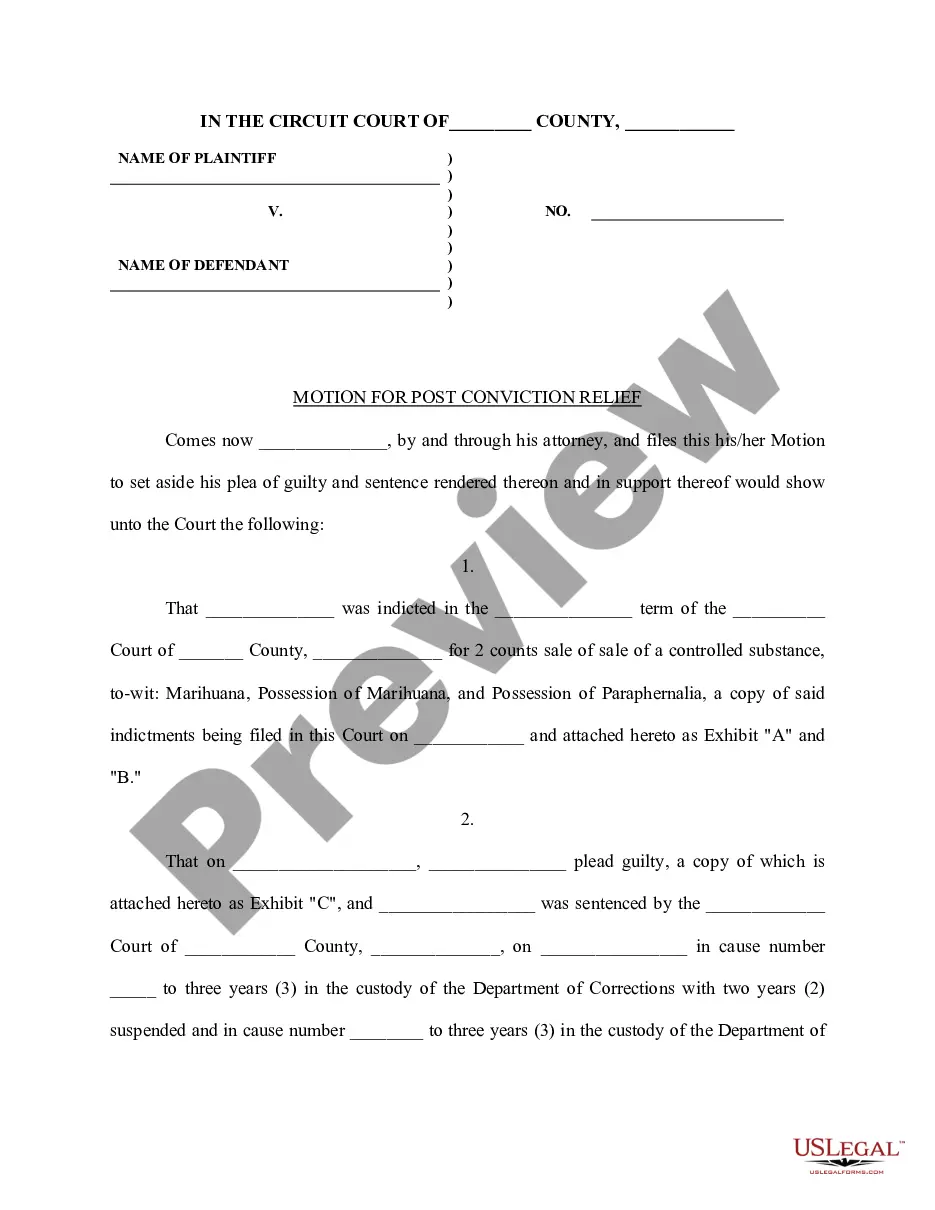
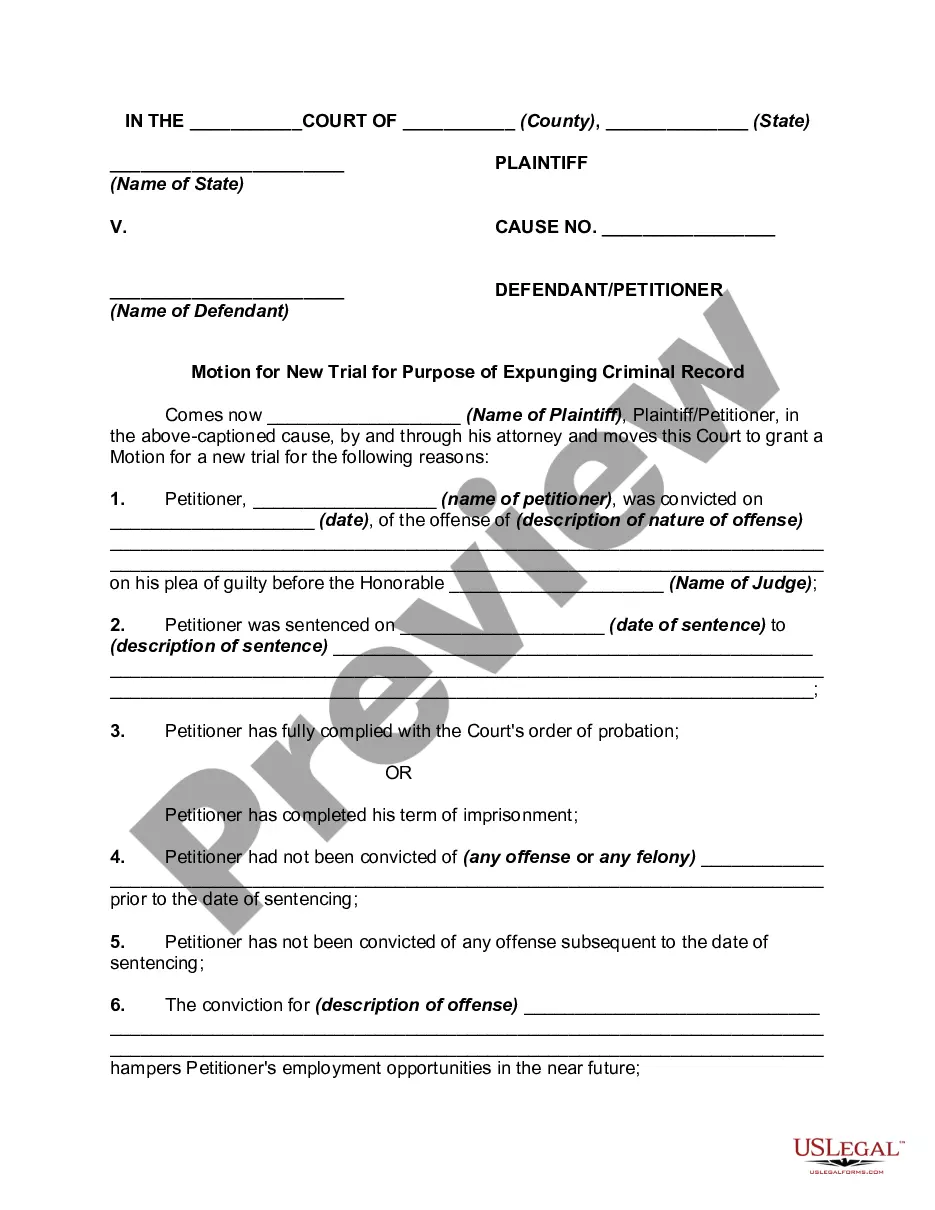
District of Columbia Motion for New Trial
Description
Get your form ready online
Our built-in tools help you complete, sign, share, and store your documents in one place.
Make edits, fill in missing information, and update formatting in US Legal Forms—just like you would in MS Word.
Download a copy, print it, send it by email, or mail it via USPS—whatever works best for your next step.
Sign and collect signatures with our SignNow integration. Send to multiple recipients, set reminders, and more. Go Premium to unlock E-Sign.
If this form requires notarization, complete it online through a secure video call—no need to meet a notary in person or wait for an appointment.
We protect your documents and personal data by following strict security and privacy standards.

Make edits, fill in missing information, and update formatting in US Legal Forms—just like you would in MS Word.

Download a copy, print it, send it by email, or mail it via USPS—whatever works best for your next step.

Sign and collect signatures with our SignNow integration. Send to multiple recipients, set reminders, and more. Go Premium to unlock E-Sign.

If this form requires notarization, complete it online through a secure video call—no need to meet a notary in person or wait for an appointment.

We protect your documents and personal data by following strict security and privacy standards.
Looking for another form?


How to fill out Motion For New Trial?
If you wish to finalize, acquire, or create legal document templates, utilize US Legal Forms, the largest collection of legal forms available online.
Employ the site's simple and convenient search to find the documents you require.
Numerous templates for business and personal purposes are organized by categories and jurisdictions, or keywords.
Step 4. Once you have found the form you need, click the Purchase Now button. Select the payment plan you prefer and input your credentials to register for an account.
Step 5. Complete the transaction. You can use your Visa or Mastercard or PayPal account to finalize the purchase.
- Utilize US Legal Forms to download the District of Columbia Motion for New Trial with just a few clicks.
- If you are already a US Legal Forms user, sign in to your account and click the Download button to retrieve the District of Columbia Motion for New Trial.
- You can also access forms you have previously saved in the My documents section of your account.
- If you are using US Legal Forms for the first time, follow the instructions below.
- Step 1. Ensure you have selected the form for the correct state/jurisdiction.
- Step 2. Utilize the Review option to examine the form's details. Don't forget to read the summary.
- Step 3. If you are not satisfied with the form, use the Search bar at the top of the screen to find other types of your legal document template.
Form popularity
FAQ
(b) For Defending Party. A party against whom a claim, counterclaim, or cross-claim is asserted or a declaratory judgment is sought may, at any time, move with or without supporting affidavits for a summary judgment in the party's favor as to all or any part thereof.
A motion for a new trial or for reconsideration shall be filed not later than 10 days after the entry of the judgment, order, or other decision.
The court shall grant summary judgment if the movant shows that there is no genuine dispute as to any material fact and the movant is entitled to judgment as a matter of law. The court should state on the record the reasons for granting or denying the motion.
Summary judgment motions shall be heard more than 14 calendar days before the date set for trial unless leave of court is granted to allow otherwise. Confirmation of the hearing may be required by local rules.
If a motion for summary judgment is filed before a responsive pleading is due from a party affected by the motion, the time for responding to the motion is 21 days after the responsive pleading is due.
Motion for a New Trial ? The court can vacate the judgment and allow for a new trial. This is rarely granted, but may be done ?if the interest of justice so requires.? Motion for Judgment of Acquittal ? Court may set aside the jury's verdict and allow the defendant to go free.
No later than 28 days after the entry of judgment, the court, on its own, may order a new trial for any reason that would justify granting one on a party's motion. After giving the parties notice and an opportunity to be heard, the court may grant a timely motion for a new trial for a reason not stated in the motion.