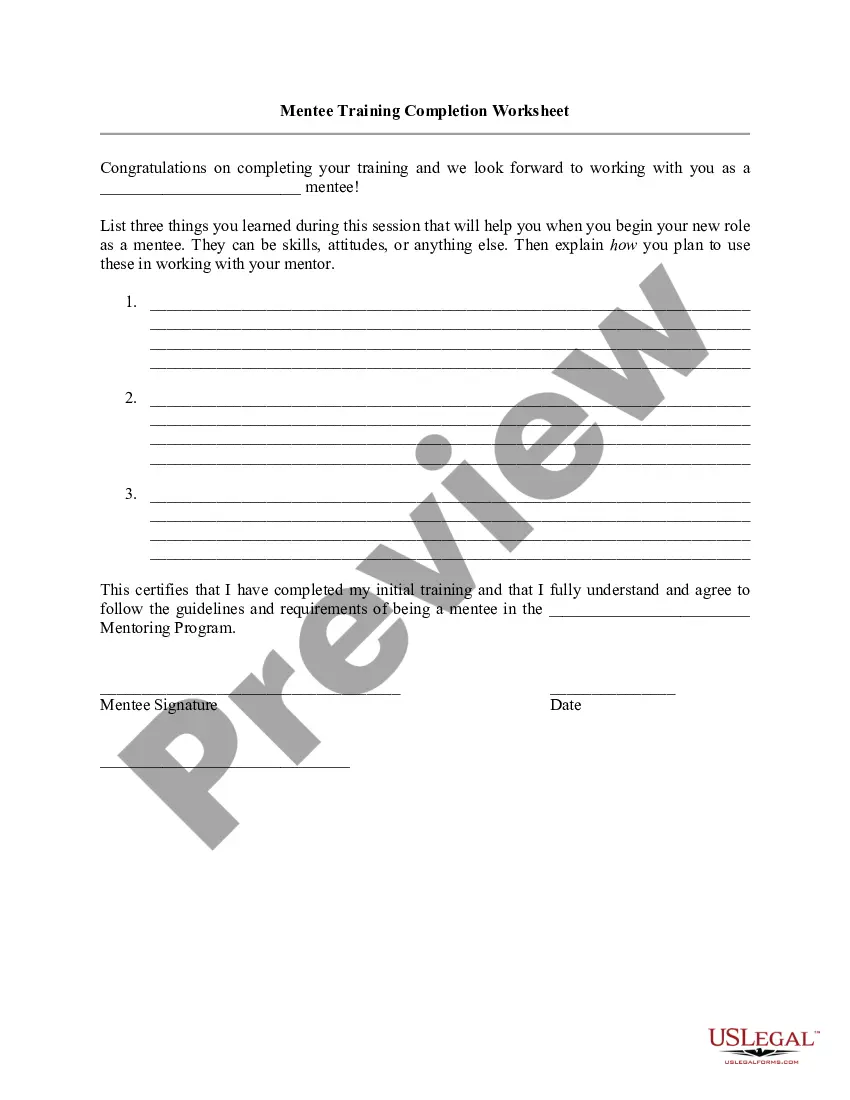
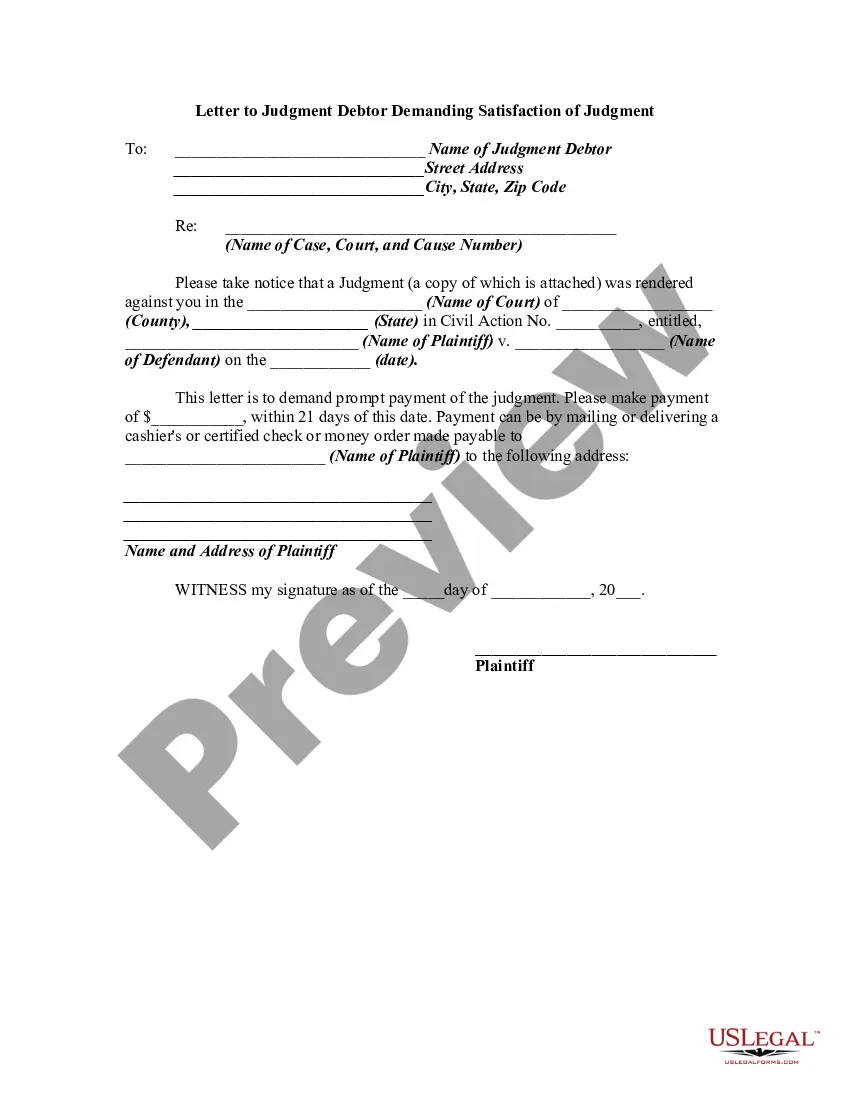
Pursuant to this form, a plaintiff who obtained a judgment against a defendant is demanding satisfaction of the judgment by payment of a sum of money sent to a specified address. If the parties are represented by an attorney, it would be preferable for the attorney representing the plaintiff to send such a letter to the attorney representing the defendant.
District of Columbia Letter to Judgment Debtor Demanding Satisfaction of Judgment
Category:
State:
Multi-State
Control #:
US-00760BG
Format:
Word;
Rich Text
Instant download
Description




Get your form ready online
Our built-in tools help you complete, sign, share, and store your documents in one place.
Built-in online Word editor
Make edits, fill in missing information, and update formatting in US Legal Forms—just like you would in MS Word.
Export easily
Download a copy, print it, send it by email, or mail it via USPS—whatever works best for your next step.
E-sign your document
Sign and collect signatures with our SignNow integration. Send to multiple recipients, set reminders, and more. Go Premium to unlock E-Sign.
Notarize online 24/7
If this form requires notarization, complete it online through a secure video call—no need to meet a notary in person or wait for an appointment.
Store your document securely
We protect your documents and personal data by following strict security and privacy standards.

Make edits, fill in missing information, and update formatting in US Legal Forms—just like you would in MS Word.

Download a copy, print it, send it by email, or mail it via USPS—whatever works best for your next step.

Sign and collect signatures with our SignNow integration. Send to multiple recipients, set reminders, and more. Go Premium to unlock E-Sign.

If this form requires notarization, complete it online through a secure video call—no need to meet a notary in person or wait for an appointment.

We protect your documents and personal data by following strict security and privacy standards.
Looking for another form?



How to fill out Letter To Judgment Debtor Demanding Satisfaction Of Judgment?
Selecting the appropriate legal document template can be a challenge. Certainly, there are numerous templates available online, but how do you obtain the legal form you require? Utilize the US Legal Forms website. The service offers thousands of templates, including the District of Columbia Letter to Judgment Debtor Demanding Satisfaction of Judgment, which can be utilized for business and personal needs. All the forms are reviewed by experts and comply with state and federal regulations.
If you are already registered, Log In to your account and click on the Acquire button to obtain the District of Columbia Letter to Judgment Debtor Demanding Satisfaction of Judgment. Use your account to browse through the legal forms you have previously purchased. Go to the My documents tab of your account and download another copy of the document you need.
If you are a new user of US Legal Forms, here are simple steps you should follow: First, ensure you have selected the correct form for your area/region. You can review the form using the Preview button and read the form description to confirm it is suitable for you. If the form does not meet your requirements, use the Search field to find the appropriate form. Once you are confident that the form is correct, click on the Buy now button to purchase the form. Choose the pricing plan you want and enter the necessary information. Create your account and pay for the order using your PayPal account or credit card. Select the document format and download the legal document template to your device. Finally, complete, modify, print, and sign the obtained District of Columbia Letter to Judgment Debtor Demanding Satisfaction of Judgment.
Make the most of the resources available through US Legal Forms to streamline your legal document needs.
- US Legal Forms is the largest collection of legal forms where you can find a variety of document templates.
- Utilize the service to download professionally crafted paperwork that comply with state requirements.
- Ensure your templates are accurate and up-to-date.
- Access and manage your forms easily through your account.
- Discover a wide range of legal documents tailored to your needs.
- Benefit from expert-reviewed templates for peace of mind.
Form popularity
FAQ
A satisfaction of judgment is a document signed by a judgment creditor and generally filed with the court, indicating that a judgment has been paid in full.
The one-satisfaction rule is a common law principle that a plaintiff should only recover once for a particular injury, thereby preventing overcompensation of the plaintiff for their injury. Thus, a plaintiff who fully recovers from one tortfeasor may not recover more damages from a joint tortfeasor.
A creditor who obtains a judgment against you is the "judgment creditor." You are the "judgment debtor" in the case. A judgment lasts for 12 years and the plaintiff can renew the judgment for another 12 years.
(c) The acknowledgment of satisfaction of judgment shall be executed and acknowledged by one of the following: (1) The judgment creditor. (2) The assignee of record. (3) The attorney for the judgment creditor or assignee of record unless a revocation of the attorney's authority is filed.
724.060. (a) An acknowledgment of satisfaction of judgment shall contain the following information: (1) The title of the court. (2) The cause and number of the action. (3) The names and addresses of the judgment creditor, the judgment debtor, and the assignee of record if any.
If you do not pay the judgment, the judge can order you to appear in court. This is called an Application And Order For Appearance and Examination (EJ-125) . You can be ordered into court every 4 months to furnish information to aid in the enforcement of judgment until you pay the judgment.
What is Discovery in Aid of Execution? Certain discovery procedures that are provided by law and which allow a judgment creditor to obtain information about the defendant judgment debtor's assets and property that may be available for execution on the judgment.
Tells the court and others that a judgment has been paid in full or in part. Can be recorded with a county to release a lien against the judgment debtor's land or filed with the Secretary of State to release a lien against the debtor's personal property.