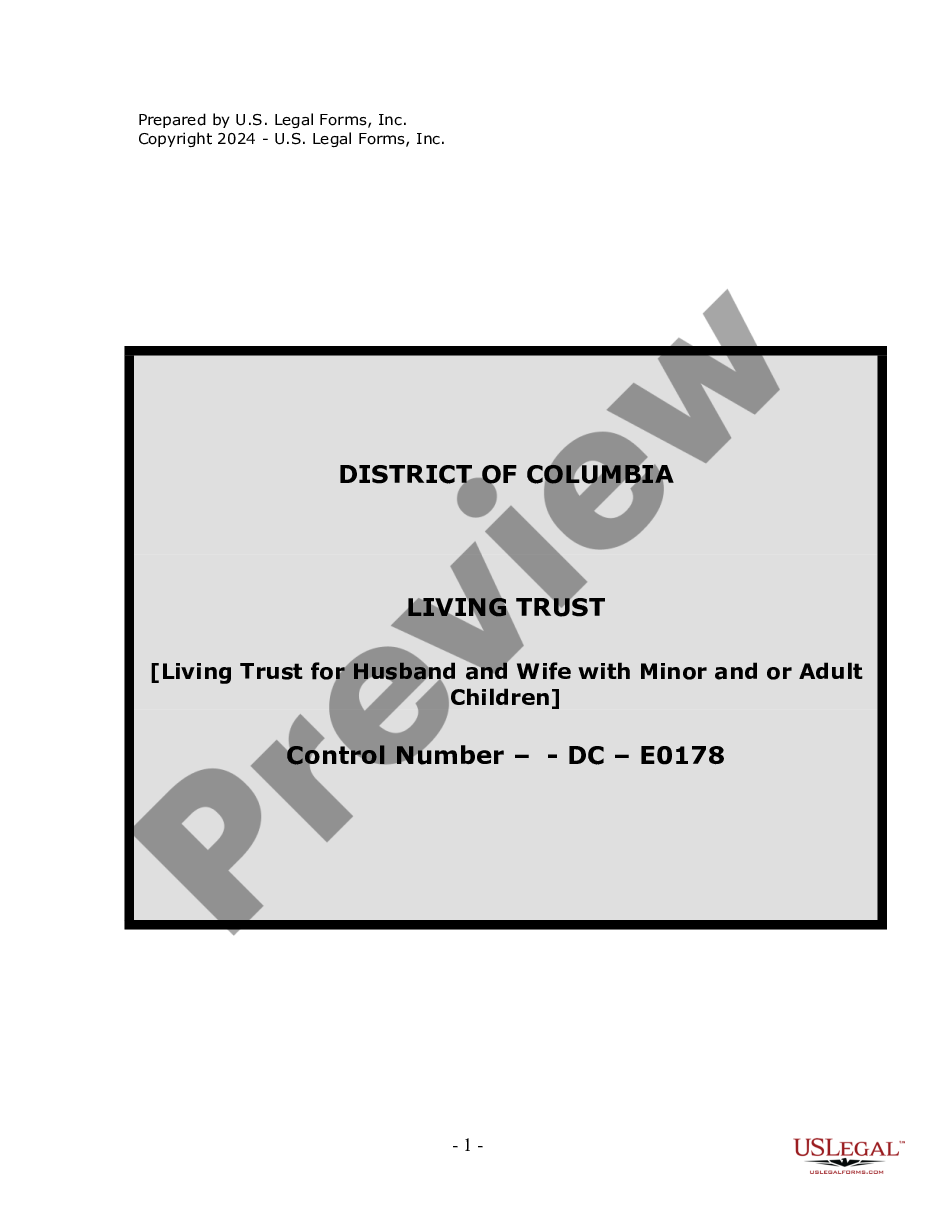
District of Columbia Living Trust for Husband and Wife with Minor and or Adult Children

What is this form?
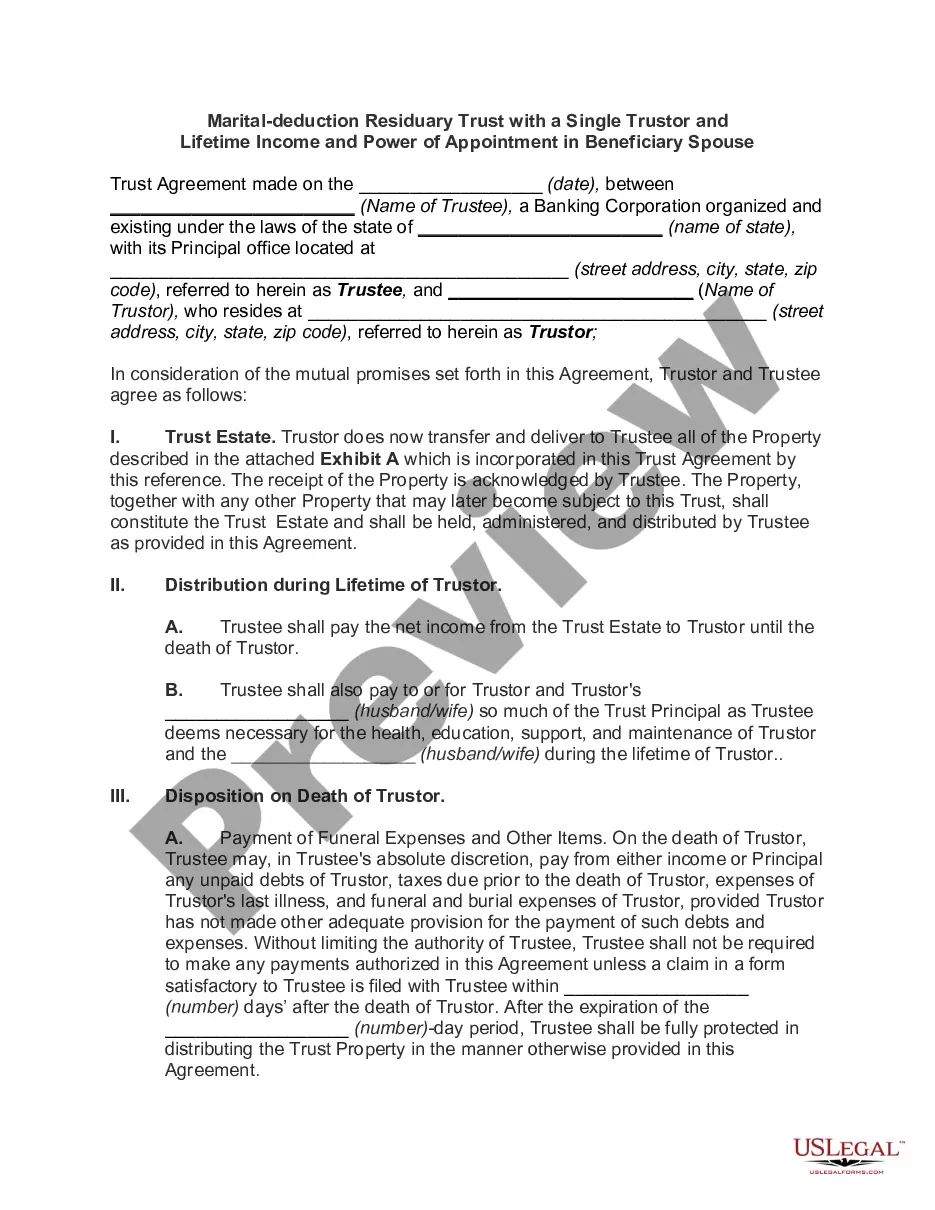
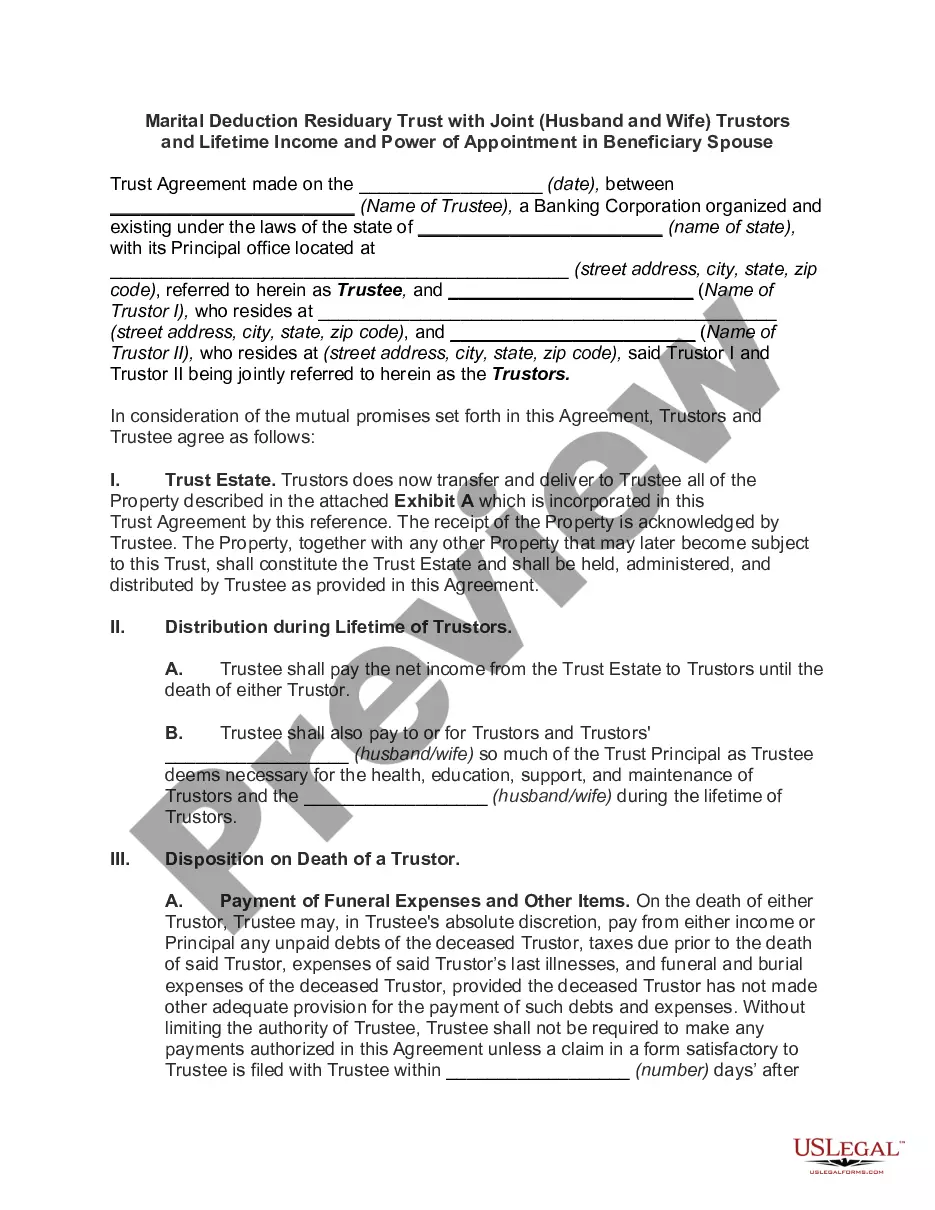
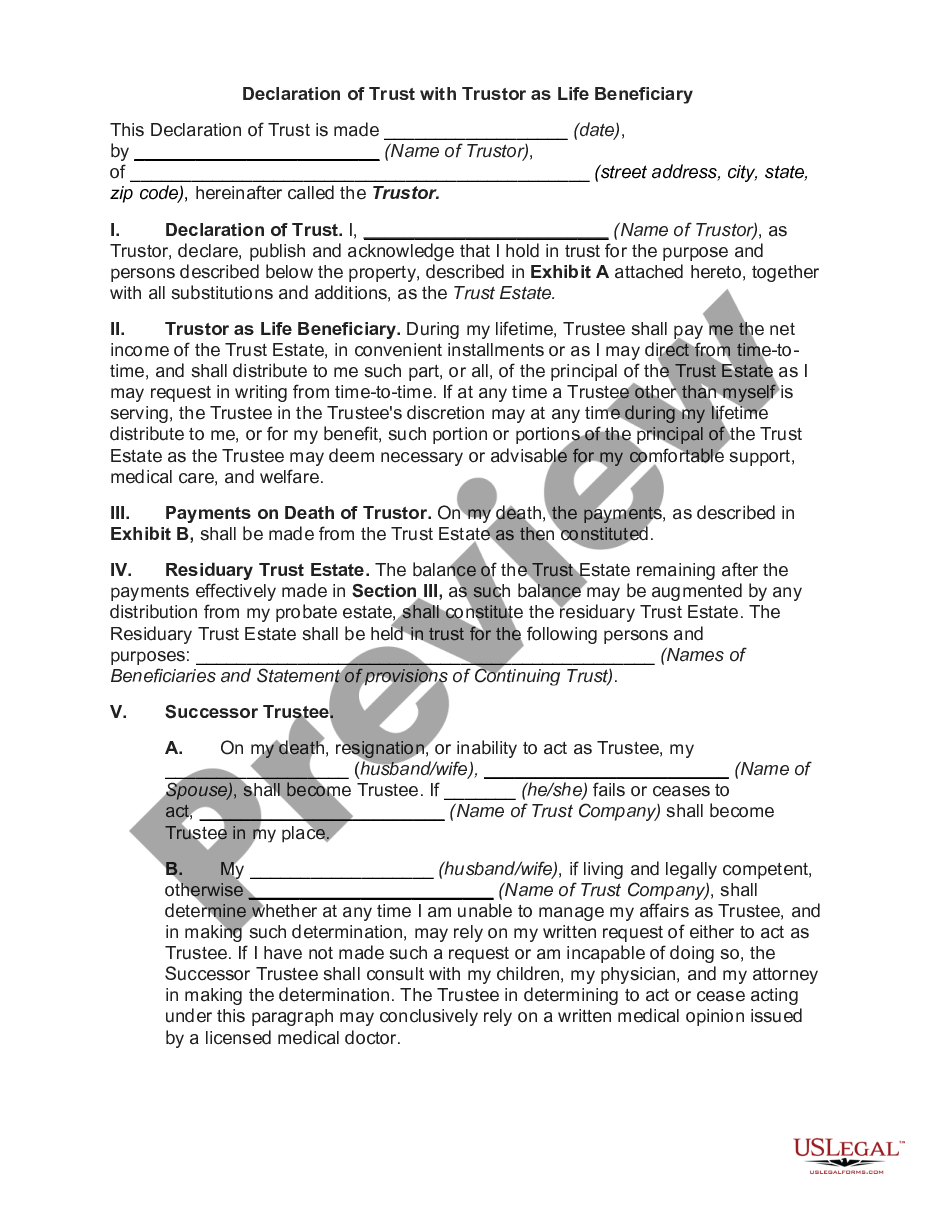
This Living Trust for Husband and Wife with Minor and or Adult Children is a legal document that establishes a trust during the lifetime of the creatorsâtypically a husband and wife. This form allows the couple to manage their assets effectively and ensure a smooth transition of property to their children, whether they are minors or adults, upon their passing. Unlike a will, a living trust avoids probate, providing a more streamlined process for the beneficiaries. It is designed to help you maintain control over your assets and plan for their distribution without court involvement after death.
What’s included in this form
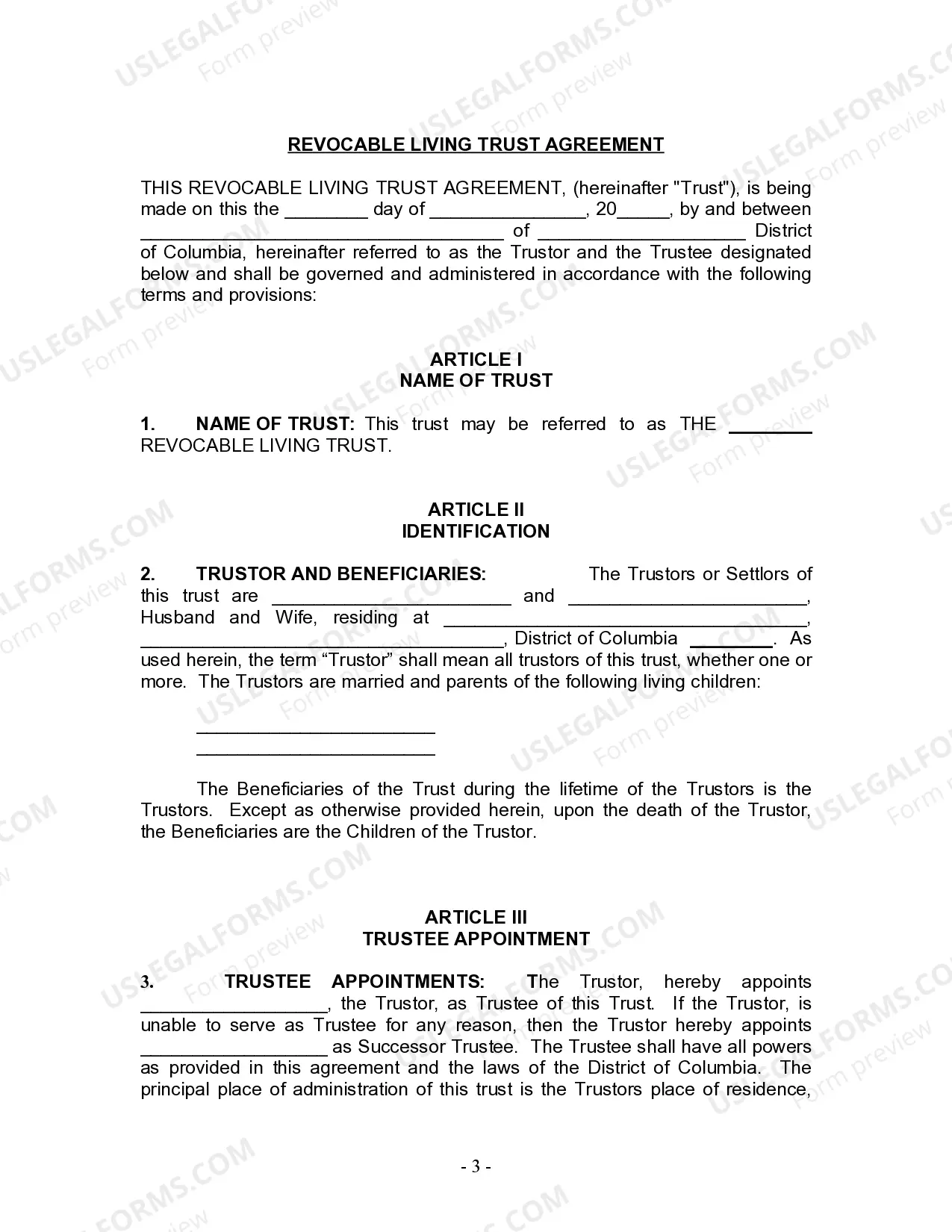
- Name of Trust: A designated title for your trust.
- Trustor and Beneficiaries: Identifying the creators and beneficiaries of the trust.
- Trustee Appointments: Designation of the trustee responsible for managing the trust.
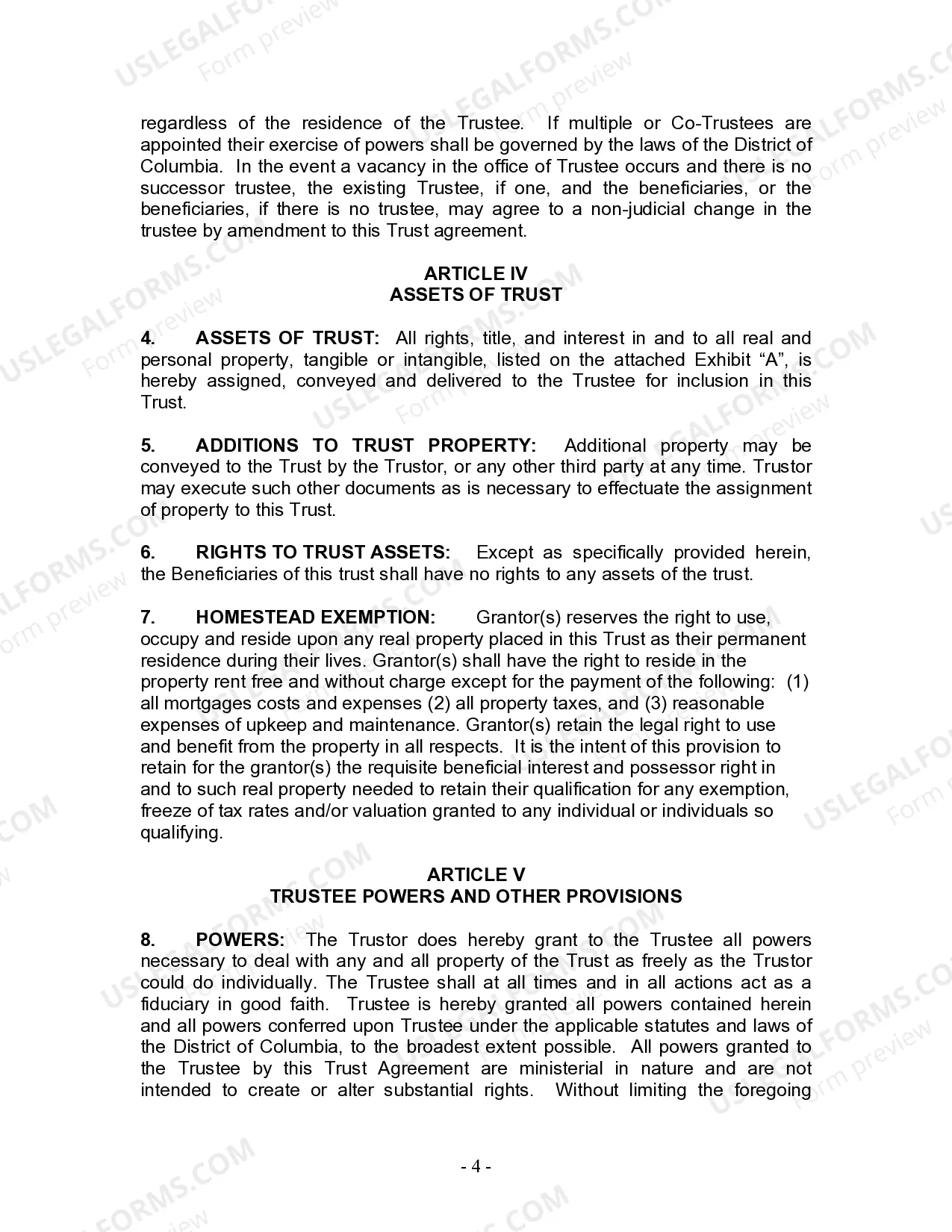
- Assets of Trust: Listing all the properties and interests included in the trust.
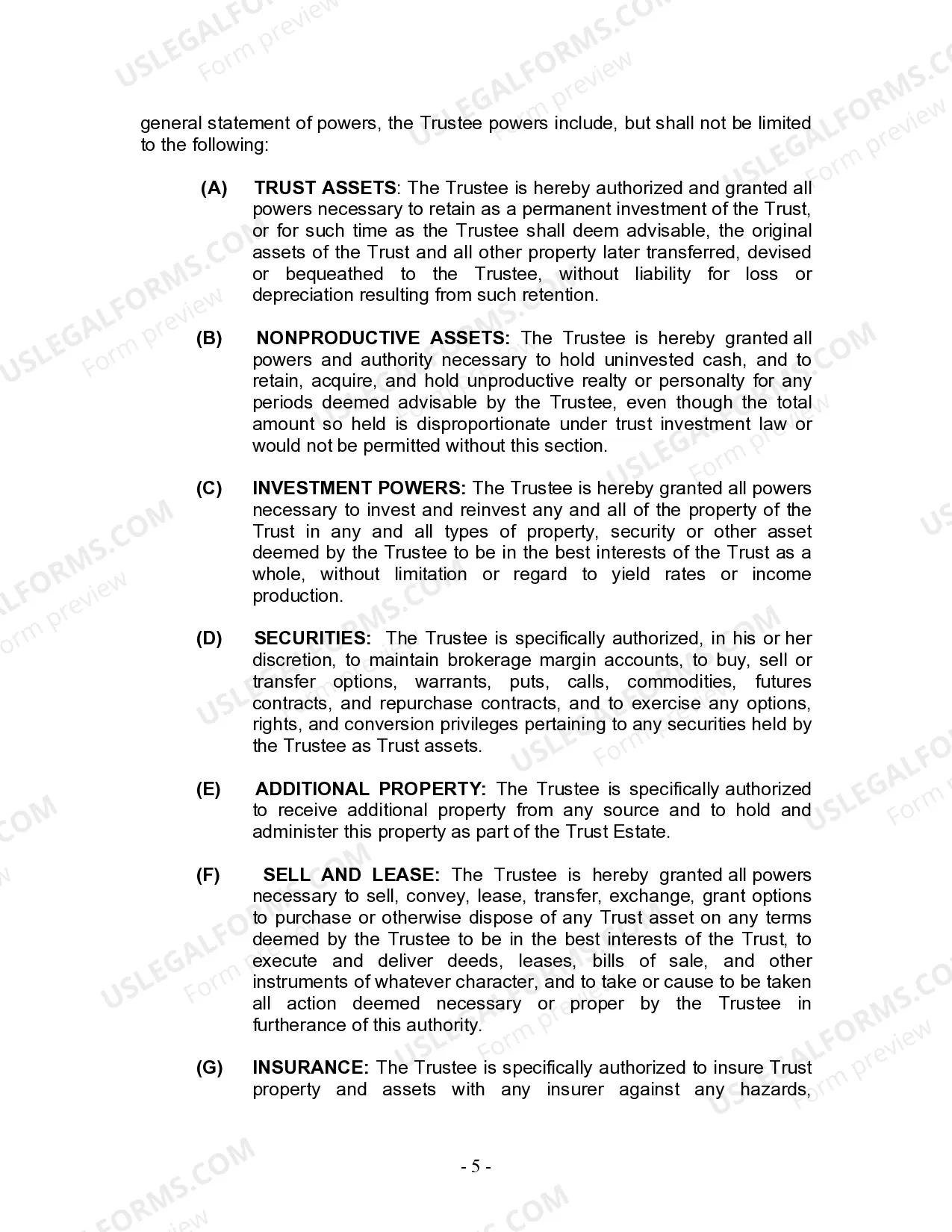
- Powers of the Trustee: The authority granted to the trustee to manage and distribute trust assets.
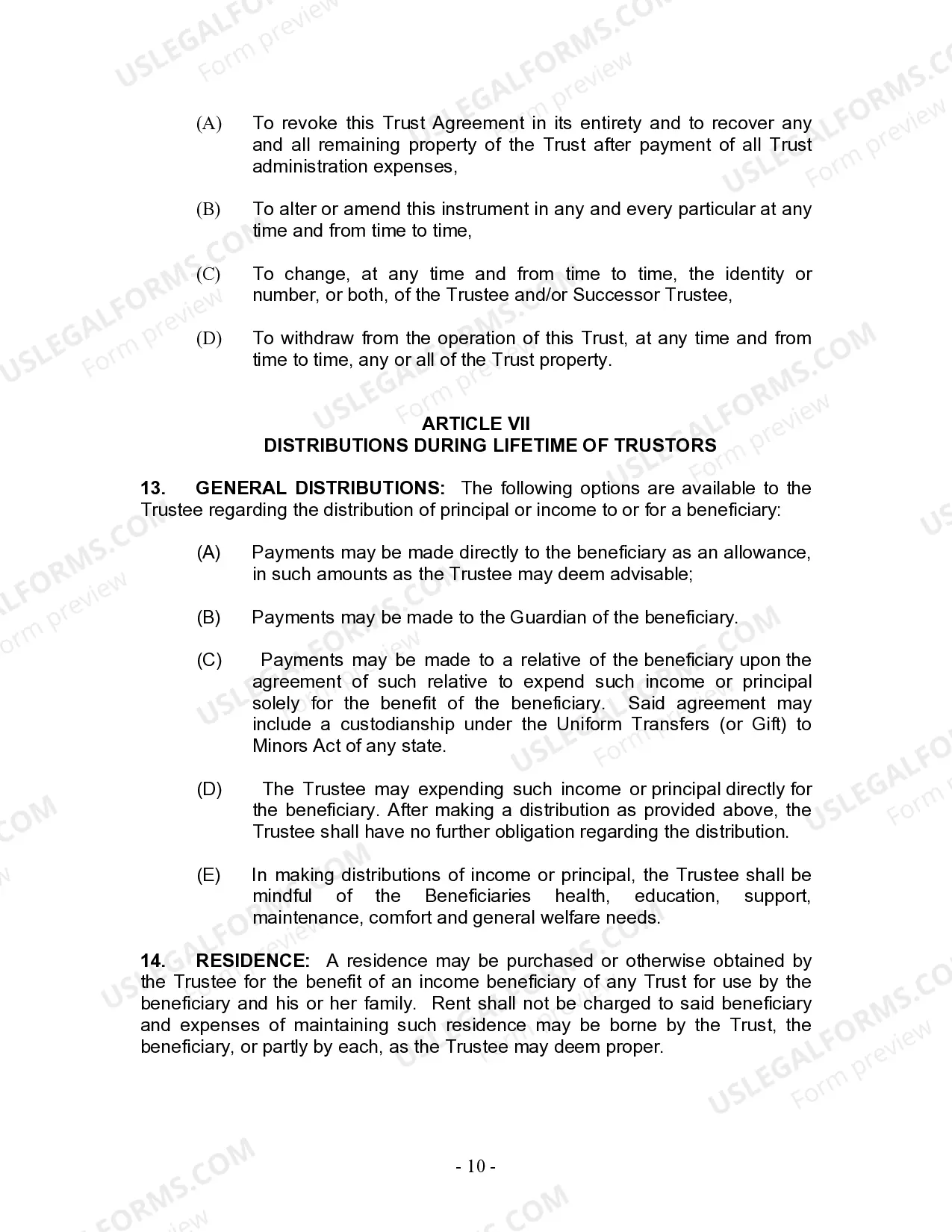
- Distribution Provisions: Guidelines on how and when the assets will be distributed to beneficiaries.

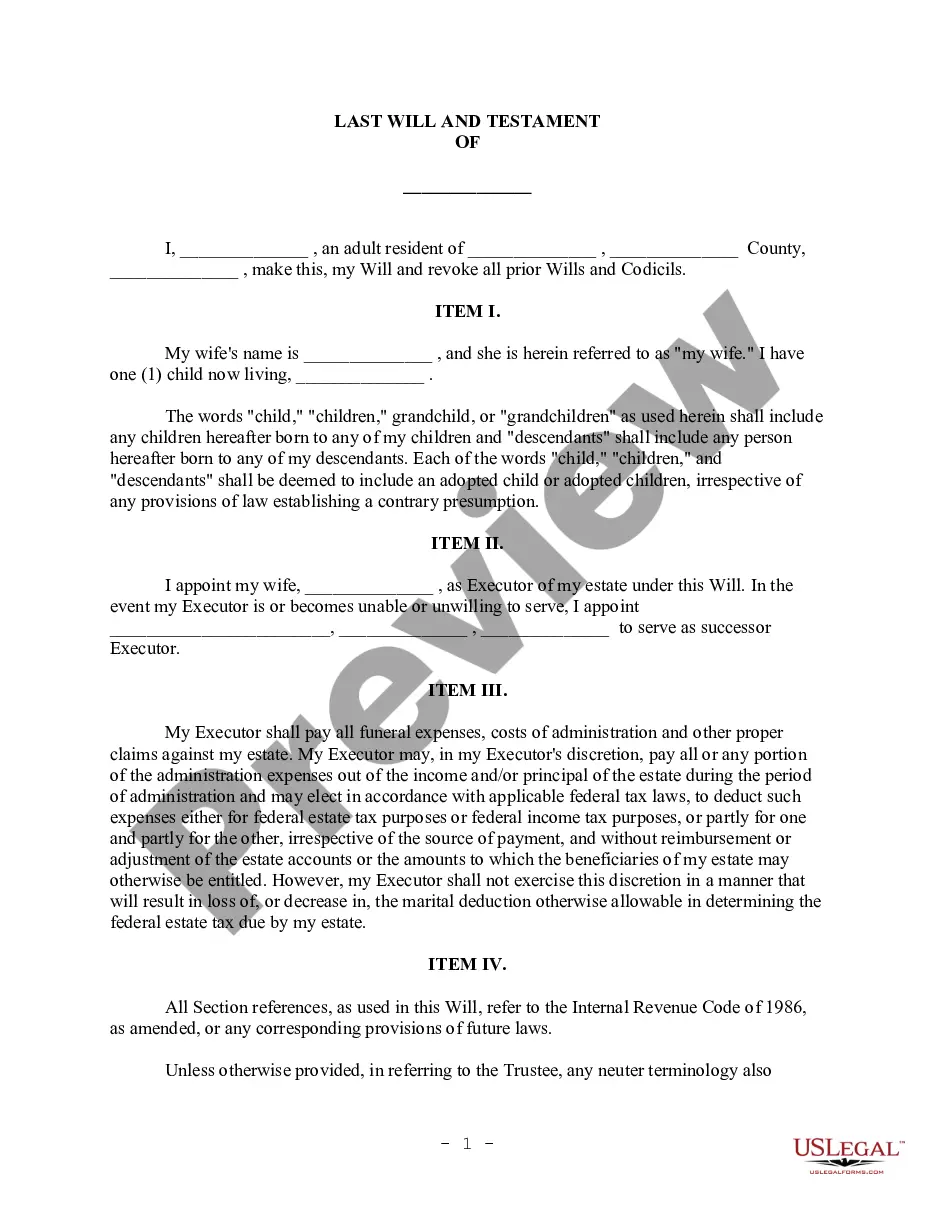
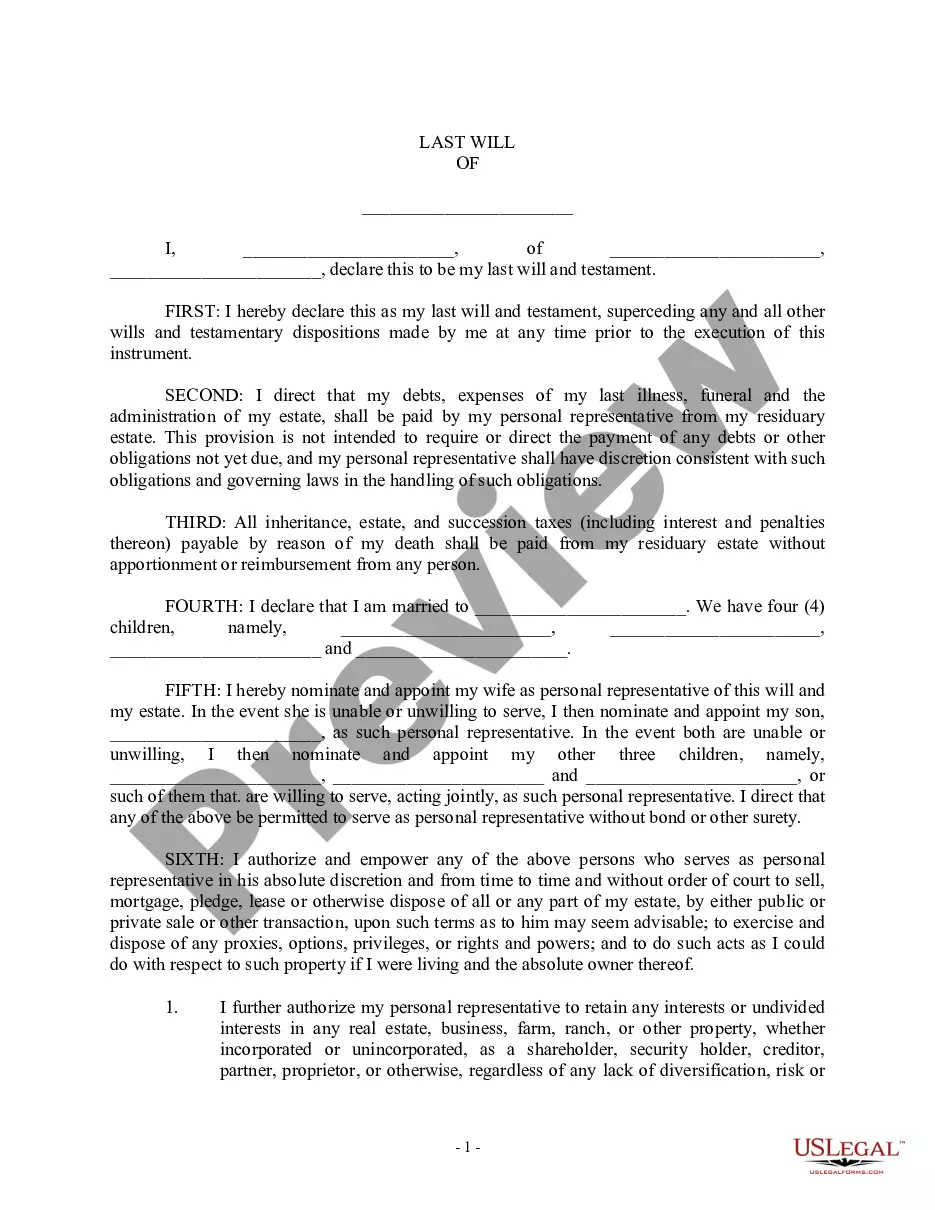
When to use this form
This form is ideal for couples looking to manage their estate planning effectively, especially those with minor or adult children. You should consider using this living trust if you want to avoid the probate process, maintain privacy regarding your assets, or ensure that your children are cared for through specific provisions in the trust after your passing. It is particularly beneficial if you have substantial assets, unique family situations, or wish to provide for special needs beneficiaries.
Who can use this document
- Married couples with minor children who want to provide for their care and education.
- Couples planning their estates to minimize taxation and probate costs.
- Individuals seeking flexibility in managing assets while retaining control during their lifetime.
- Parents wanting to ensure their adult children receive their inheritance responsibly.
Steps to complete this form
- Identify the parties: Fill in the names of the Trustors (husband and wife) and the designated Trustee.
- Specify the property: List all assets and properties you wish to include in the trust on the attached exhibit.
- Enter dates and signatures: Include the effective date of the trust and have all parties sign the document appropriately.
- Designate beneficiaries: Clearly outline who will receive the assets after your passing and under what conditions.
- Add specific provisions: Include any special instructions regarding the distribution of assets, especially for minors.
Notarization guidance
This form does not typically require notarization unless specified by local law. However, it is prudent to check local regulations or consult with an attorney to ensure the form's validity in your jurisdiction.
Get your form ready online
Our built-in tools help you complete, sign, share, and store your documents in one place.
Make edits, fill in missing information, and update formatting in US Legal Forms—just like you would in MS Word.
Download a copy, print it, send it by email, or mail it via USPS—whatever works best for your next step.
Sign and collect signatures with our SignNow integration. Send to multiple recipients, set reminders, and more. Go Premium to unlock E-Sign.
If this form requires notarization, complete it online through a secure video call—no need to meet a notary in person or wait for an appointment.
We protect your documents and personal data by following strict security and privacy standards.

Make edits, fill in missing information, and update formatting in US Legal Forms—just like you would in MS Word.

Download a copy, print it, send it by email, or mail it via USPS—whatever works best for your next step.

Sign and collect signatures with our SignNow integration. Send to multiple recipients, set reminders, and more. Go Premium to unlock E-Sign.

If this form requires notarization, complete it online through a secure video call—no need to meet a notary in person or wait for an appointment.

We protect your documents and personal data by following strict security and privacy standards.
Mistakes to watch out for
- Failing to include all relevant assets in the trust.
- Not updating the trust after significant life changes (e.g., divorce, death).
- Neglecting to clearly define the roles and responsibilities of the trustee.
- Forgetting to sign the document in the presence of necessary witnesses or notaries if required.
Why complete this form online
- Convenience: Download and complete the form at your own pace from anywhere.
- Editability: Easily modify the form as your needs or circumstances change.
- Reliability: Access a form that is drafted by licensed attorneys to adhere to legal standards.
Looking for another form?

Form popularity
FAQ
Generally, the most suitable living trust for a married couple is a revocable living trust. This trust allows both spouses to maintain control and make changes as needed throughout their lives. By utilizing a District of Columbia Living Trust for Husband and Wife with Minor and or Adult Children, couples can efficiently manage their assets, protect their legacy, and ensure that their children's future is secure.
When planning for adult children, many families prefer a revocable living trust as it provides flexibility and control over asset distribution. This type of trust allows parents to manage their assets during their lifetime and seamlessly pass them onto their adult children afterward. Utilizing a District of Columbia Living Trust for Husband and Wife with Minor and or Adult Children ensures that your wishes are clearly laid out, and any potential conflicts are minimized.
Husbands and wives might choose to have separate trusts for various reasons. One significant reason is to protect individual assets from each other’s financial issues or liabilities. Additionally, separate trusts allow each spouse to specify unique distributions for their children, whether they are minor or adult, making the management of the District of Columbia Living Trust for Husband and Wife with Minor and or Adult Children more personalized.
One of the biggest mistakes parents make is failing to fund the trust appropriately. When establishing a District of Columbia Living Trust for Husband and Wife with Minor and or Adult Children, it is essential to ensure all intended assets are transferred into the trust. Neglecting this step can defeat the purpose of your trust and complicate future asset management.
Whether a husband and wife should have separate living trusts depends on individual circumstances. In some cases, a District of Columbia Living Trust for Husband and Wife with Minor and or Adult Children may work best when jointly managed. On the other hand, separate trusts can offer more tailored control over each person's assets and wishes.
Yes, establishing a living trust without your husband is possible. It is important to remember, however, that a District of Columbia Living Trust for Husband and Wife with Minor and or Adult Children benefits from collaboration. Jointly planning can enhance your trust strategy and ensure your family's needs are fully met.
To create a living trust in Washington, D.C., start by drafting the trust document outlining your assets and beneficiaries. Then, fund the trust by transferring your assets into it. For effective guidance, consider using platforms like uslegalforms, which can help you navigate the specifics of a District of Columbia Living Trust for Husband and Wife with Minor and or Adult Children.
Yes, you can create a trust without your spouse. However, if you are considering a District of Columbia Living Trust for Husband and Wife with Minor and or Adult Children, it is beneficial to involve your spouse. Working together allows for a more comprehensive approach to managing assets and planning for the future of your children.
Yes, a trust is indeed state dependent, which means the laws governing trusts rely on the state where the trust is created. In the context of a District of Columbia Living Trust for Husband and Wife with Minor and or Adult Children, it is crucial to understand local regulations. These regulations could affect how the trust is managed and the distribution of assets.