District of Columbia Notice of Intent to Vacate at End of Specified Lease Term from Tenant to Landlord - Nonresidential
What this document covers
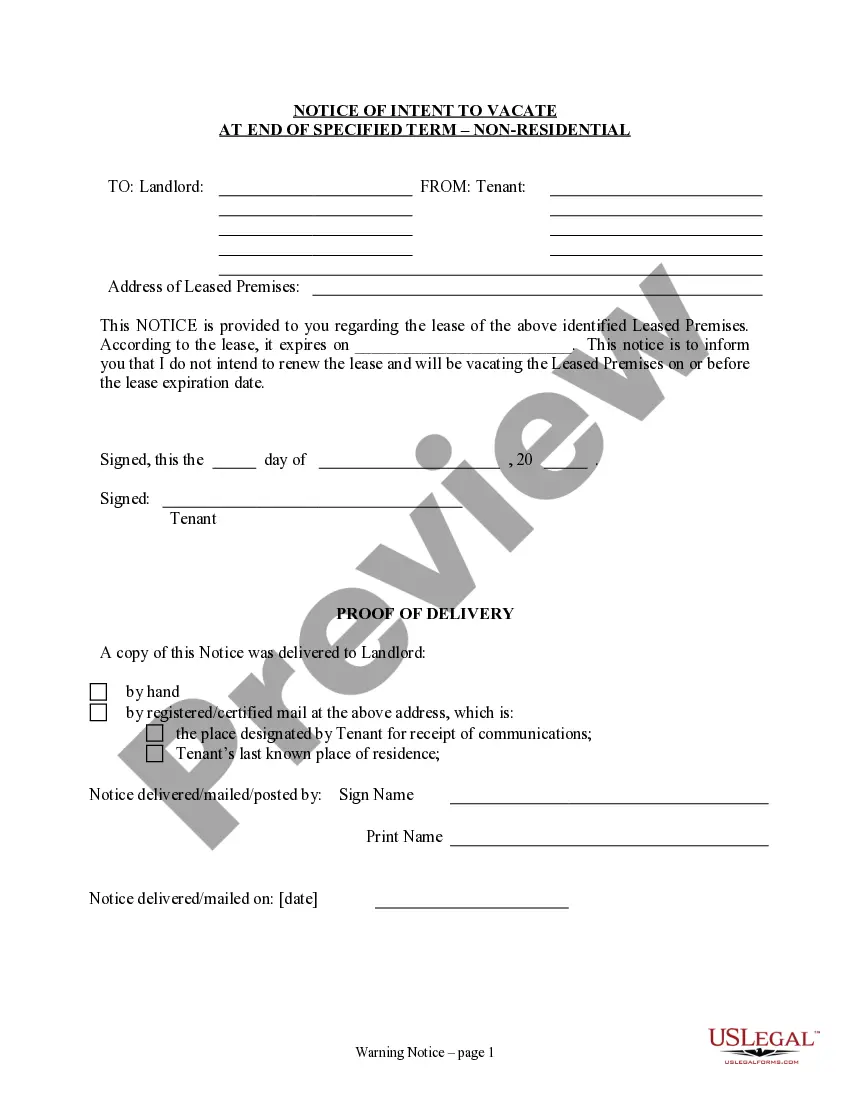
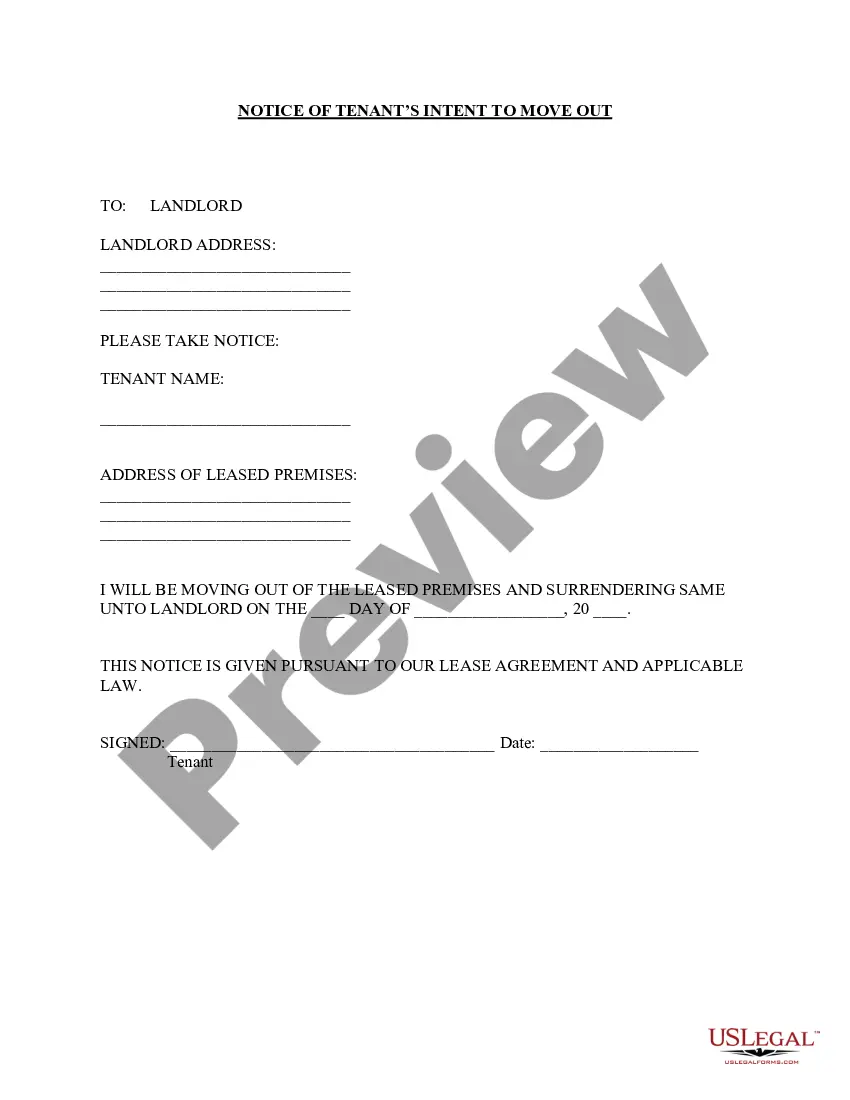
This Notice of Intent to Vacate at End of Specified Lease Term from Tenant to Landlord - Nonresidential is a formal document that allows a tenant to notify their landlord of their intention to vacate the leased property at the end of the specified lease term. Unlike lease termination notices that may require more extensive communication, this form serves as a clear and straightforward declaration that the tenant will not be renewing their lease and will be vacating by the end date specified in the lease agreement.
Form components explained
- Parties involved: Identifies the tenant and landlord.
- Property details: States the address of the leased premises.
- Lease expiration: Specifies the date the lease will expire.
- Intent to vacate: Clearly states the tenant's intention not to renew the lease.
- Signature lines: Provides space for the tenant's signature and date.
- Proof of delivery: Includes instructions on how to deliver the notice to the landlord.
Common use cases
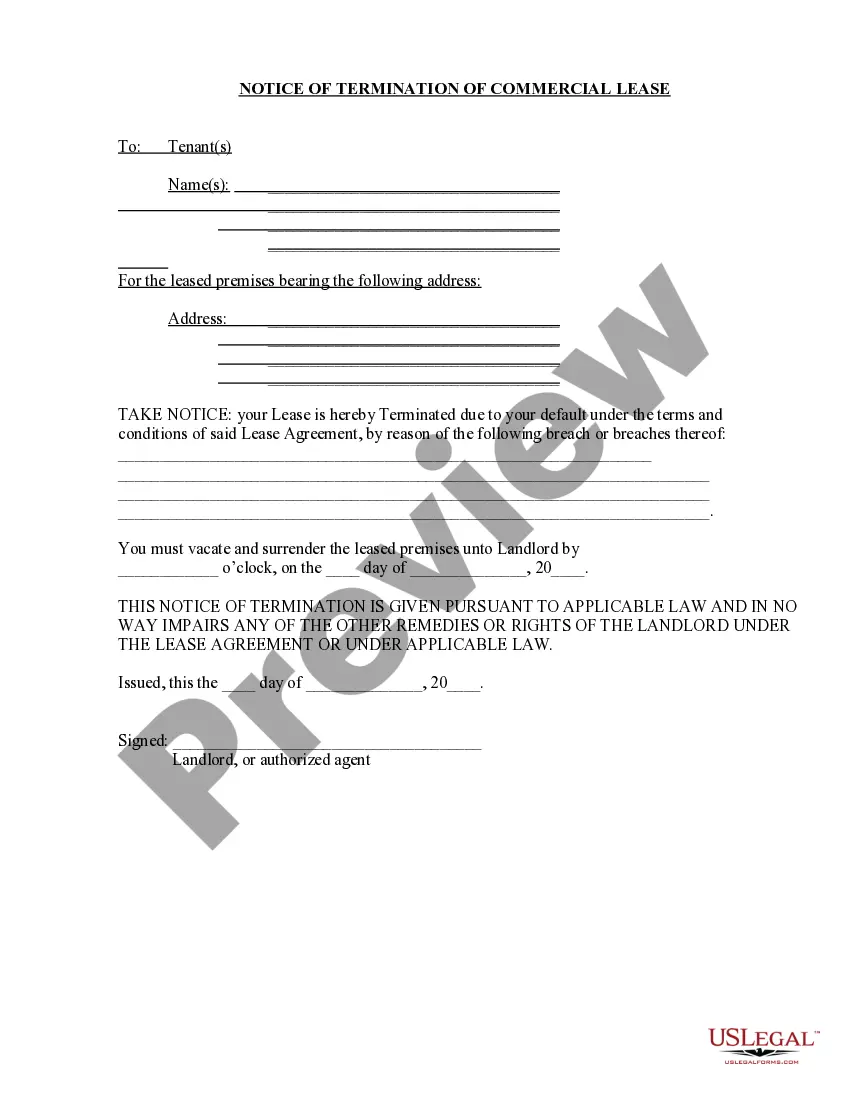
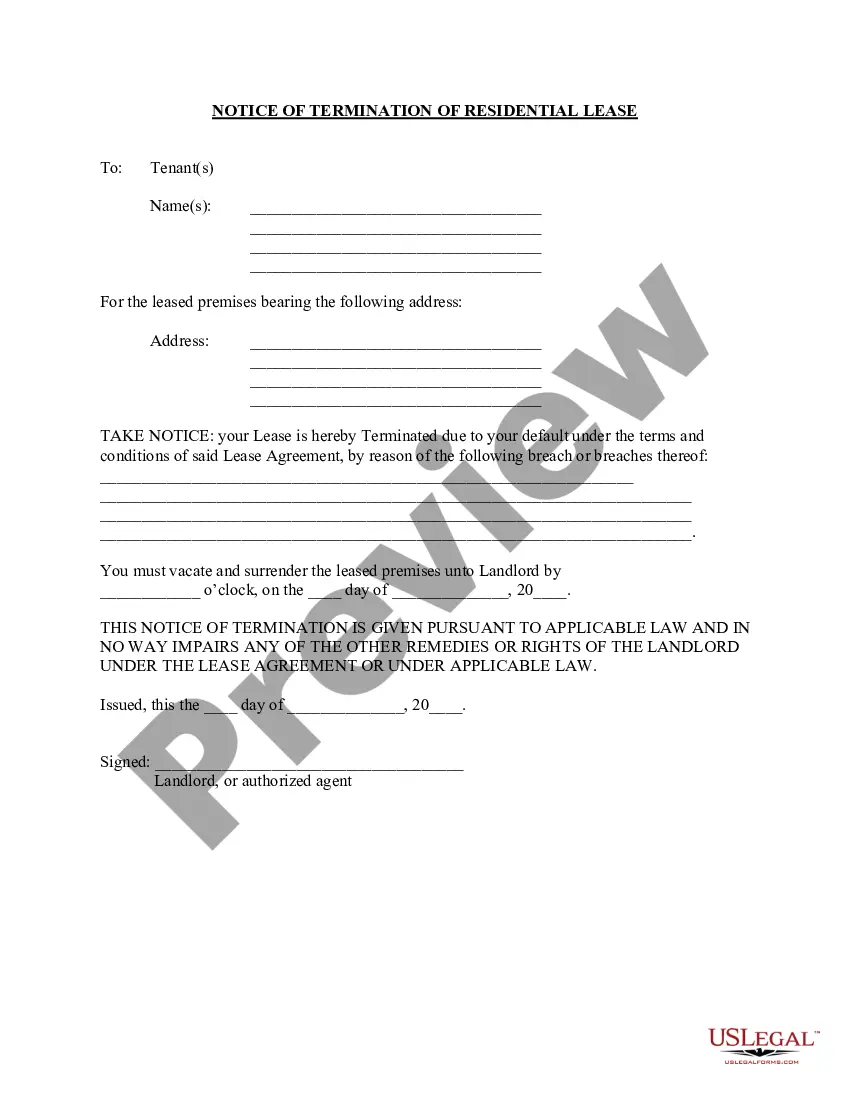
This form should be used when a tenant is approaching the end of a nonresidential lease and does not intend to renew it. It can be helpful in situations where the tenant wants to ensure that the landlord is formally notified of their decision to vacate, thereby avoiding any misunderstandings about the lease continuation. Common scenarios include businesses relocating, closing, or changing operational needs that no longer require the leased space.
Who needs this form
- Business tenants who are renting nonresidential property.
- Individuals or organizations with an upcoming lease termination date.
- Tenants who wish to formally inform their landlord of their intent to vacate.
Steps to complete this form
- Identify the parties: Fill in the names of the tenant and landlord.
- Specify the property: Enter the address of the leased premises.
- Enter the lease expiration date: Clearly indicate when the lease ends.
- State your intent: Inform the landlord that you will not be renewing the lease.
- Sign and date the notice: Ensure you provide your signature and the date of signing.
- Deliver the notice: Follow the specified method for delivering the notice to the landlord.
Is notarization required?
In most cases, this form does not require notarization. However, some jurisdictions or signing circumstances might. US Legal Forms offers online notarization powered by Notarize, accessible 24/7 for a quick, remote process.
Get your form ready online
Our built-in tools help you complete, sign, share, and store your documents in one place.
Make edits, fill in missing information, and update formatting in US Legal Forms—just like you would in MS Word.
Download a copy, print it, send it by email, or mail it via USPS—whatever works best for your next step.
Sign and collect signatures with our SignNow integration. Send to multiple recipients, set reminders, and more. Go Premium to unlock E-Sign.
If this form requires notarization, complete it online through a secure video call—no need to meet a notary in person or wait for an appointment.
We protect your documents and personal data by following strict security and privacy standards.
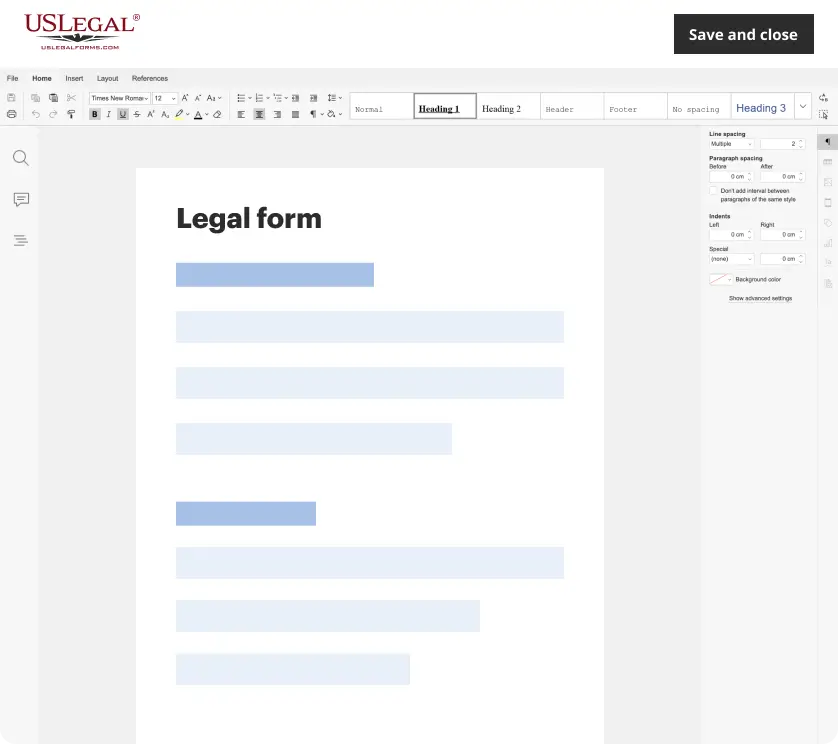
Make edits, fill in missing information, and update formatting in US Legal Forms—just like you would in MS Word.
Download a copy, print it, send it by email, or mail it via USPS—whatever works best for your next step.
Sign and collect signatures with our SignNow integration. Send to multiple recipients, set reminders, and more. Go Premium to unlock E-Sign.
If this form requires notarization, complete it online through a secure video call—no need to meet a notary in person or wait for an appointment.
We protect your documents and personal data by following strict security and privacy standards.
Avoid these common issues
- Failing to deliver the notice within the required time frame.
- Not including the lease expiration date, leading to confusion.
- Neglecting to sign the notice, which renders it ineffective.
Why use this form online
- Convenience: Easily fill out and customize the form from anywhere.
- Editability: Make changes as needed before finalizing the document.
- Reliability: Ensure the form conforms to legal standards drafted by licensed attorneys.
Summary of main points
- This form is essential for tenants wishing to notify landlords of their intent to vacate.
- Timely delivery of the notice is crucial to avoid lease renewal issues.
- Utilizing this online form can provide convenience and ensure legal compliance.
Looking for another form?
Form popularity
FAQ
To write a letter to vacate your apartment at the end of the lease, include your name, address, and the date, followed by a statement clearly indicating your intention to vacate. Specify the lease expiration date and mention the District of Columbia Notice of Intent to Vacate at End of Specified Lease Term from Tenant to Landlord - Nonresidential. An organized letter demonstrates professionalism and ensures clarity for both you and your landlord.
DC Code 42 3505.01 A provides guidance regarding eviction processes and tenant protections. It outlines what steps a landlord must take if they wish to remove a tenant for noncompliance with lease terms. Knowing this code can help tenants feel secure in their rights during potential disputes surrounding the District of Columbia Notice of Intent to Vacate at End of Specified Lease Term from Tenant to Landlord - Nonresidential.
D.C. Code 42 3208 outlines the procedures for handling lease terminations, including the obligations of landlords and tenants. It ensures both parties follow a clear process, minimizing disputes. Familiarity with this code will aid tenants in understanding their rights when they issue a District of Columbia Notice of Intent to Vacate at End of Specified Lease Term from Tenant to Landlord - Nonresidential.
The D.C. Code 42 3202 details the conditions under which a landlord can terminate a lease for nonresidential properties. It highlights the tenant's rights to receive a fair notice period and other stipulations that apply. Understanding this code is essential for both landlords and tenants navigating the District of Columbia Notice of Intent to Vacate at End of Specified Lease Term from Tenant to Landlord - Nonresidential.
D.C. Code 42 3201 addresses the notice requirements for landlords when they intend to not renew a lease. It requires landlords to provide tenants with a written notice specifying the intent to terminate the lease upon its expiration. This code ensures that tenants are adequately informed, allowing them to prepare and manage their options regarding the District of Columbia Notice of Intent to Vacate at End of Specified Lease Term from Tenant to Landlord - Nonresidential.
Tenants in D.C. have specific rights when a landlord plans to sell the property. They must be notified in advance, and the sale cannot cause unjust eviction. Additionally, the tenant can continue to occupy the space as per the lease terms, unless a notice to vacate is provided under the District of Columbia Notice of Intent to Vacate at End of Specified Lease Term from Tenant to Landlord - Nonresidential.
In many cases, an email can serve as written notice to vacate, provided that both parties agree on this method. However, for a District of Columbia Notice of Intent to Vacate at End of Specified Lease Term from Tenant to Landlord - Nonresidential, it's often more prudent to deliver a physical letter. This ensures that there is a clear, documented communication trail. Always check your lease agreement to confirm acceptable notice methods and consider using UsLegalForms for formal templates.
A notice to vacate informs a tenant of their obligation to leave, typically at the end of a lease. In contrast, an eviction letter is a formal request initiated by a landlord to remove a tenant who has violated lease terms. The District of Columbia Notice of Intent to Vacate at End of Specified Lease Term from Tenant to Landlord - Nonresidential can be used before eviction proceedings become necessary. Understanding these distinctions can help both landlords and tenants navigate their rights effectively.
When writing a letter to ask someone to leave your house, clarity and respect are vital. Start by stating your intention clearly and include a reasonable timeline for them to vacate. Referencing the District of Columbia Notice of Intent to Vacate at End of Specified Lease Term from Tenant to Landlord - Nonresidential may provide a more formal touch. It’s also advisable to keep a copy for your records, ensuring that both parties have a clear understanding of the agreement.
A letter of intent to vacate serves as formal notification from a tenant to a landlord regarding their decision to leave the premises. In the context of the District of Columbia Notice of Intent to Vacate at End of Specified Lease Term from Tenant to Landlord - Nonresidential, it outlines your plan to vacate at the end of the lease term. This document helps ensure a clear understanding between both parties, preventing potential disputes. Utilizing a well-crafted letter can enhance communication with your landlord.