Connecticut USLegal Guide to Advance Directives for Health Care
Description
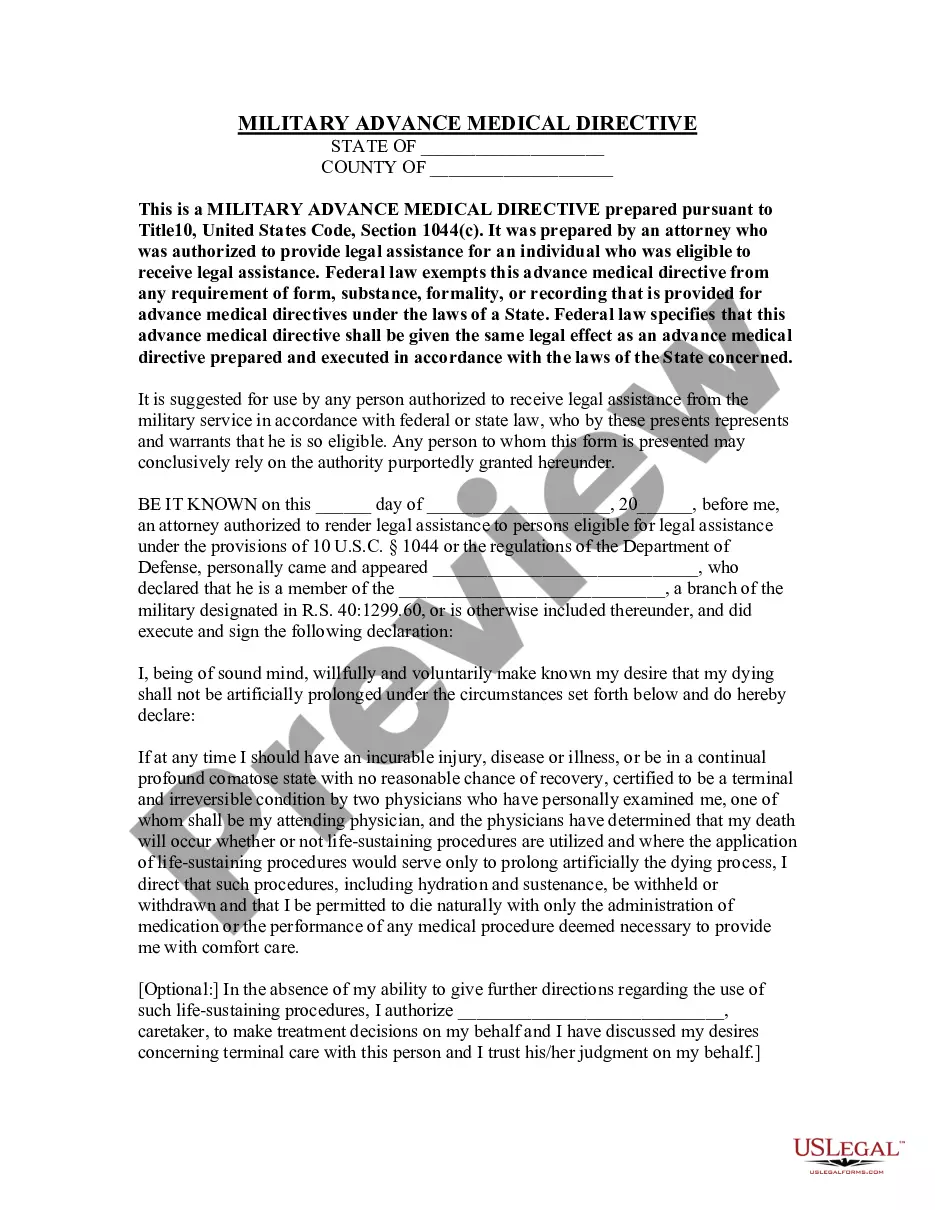
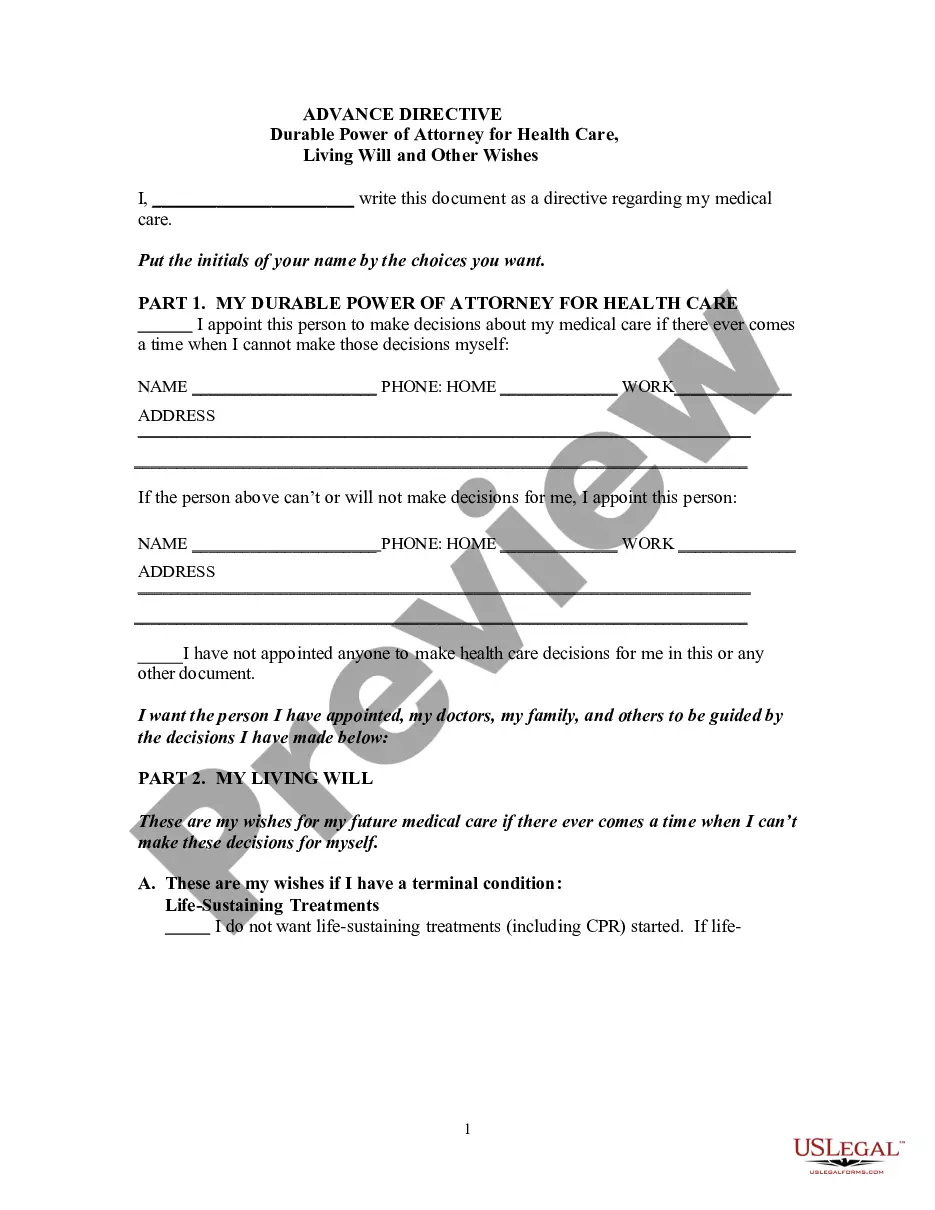
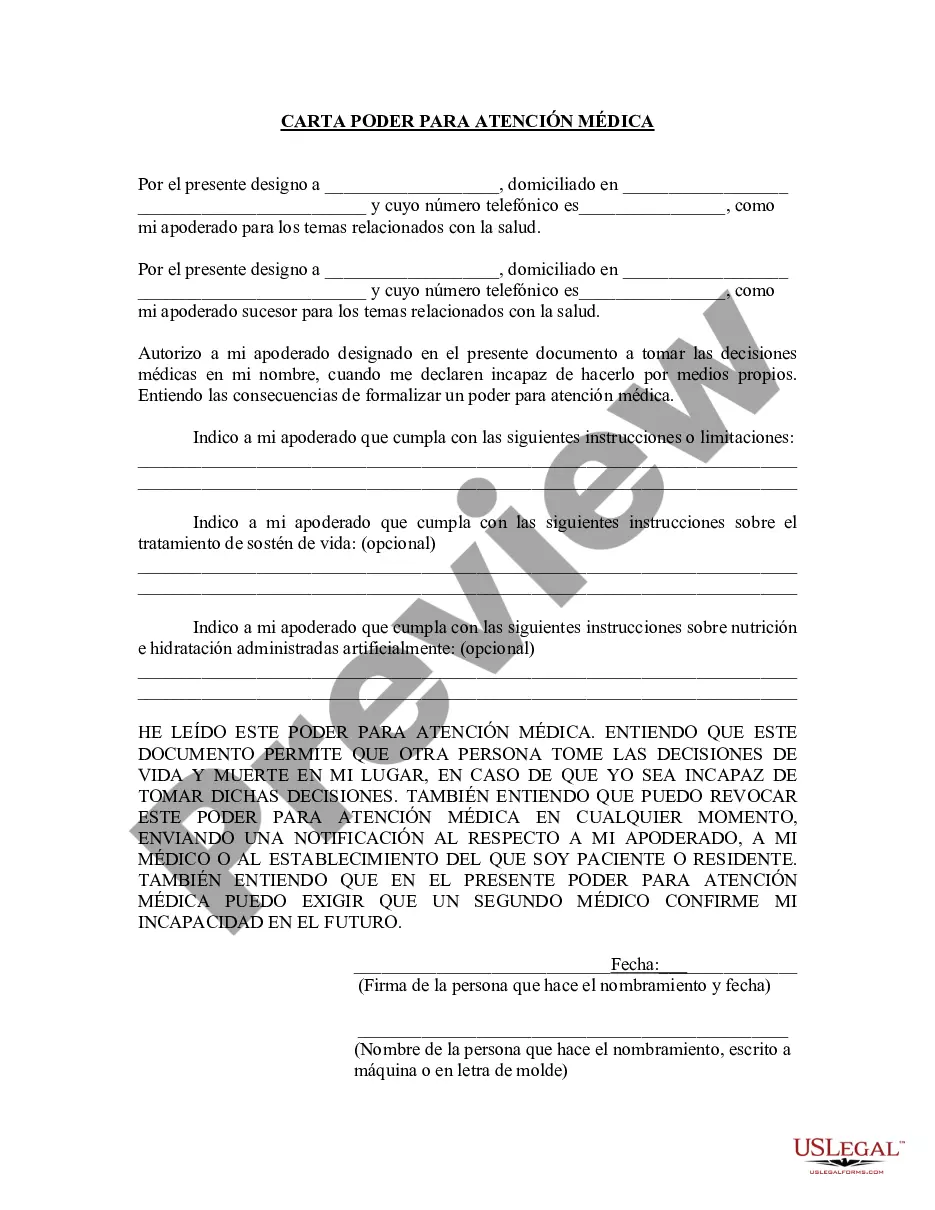
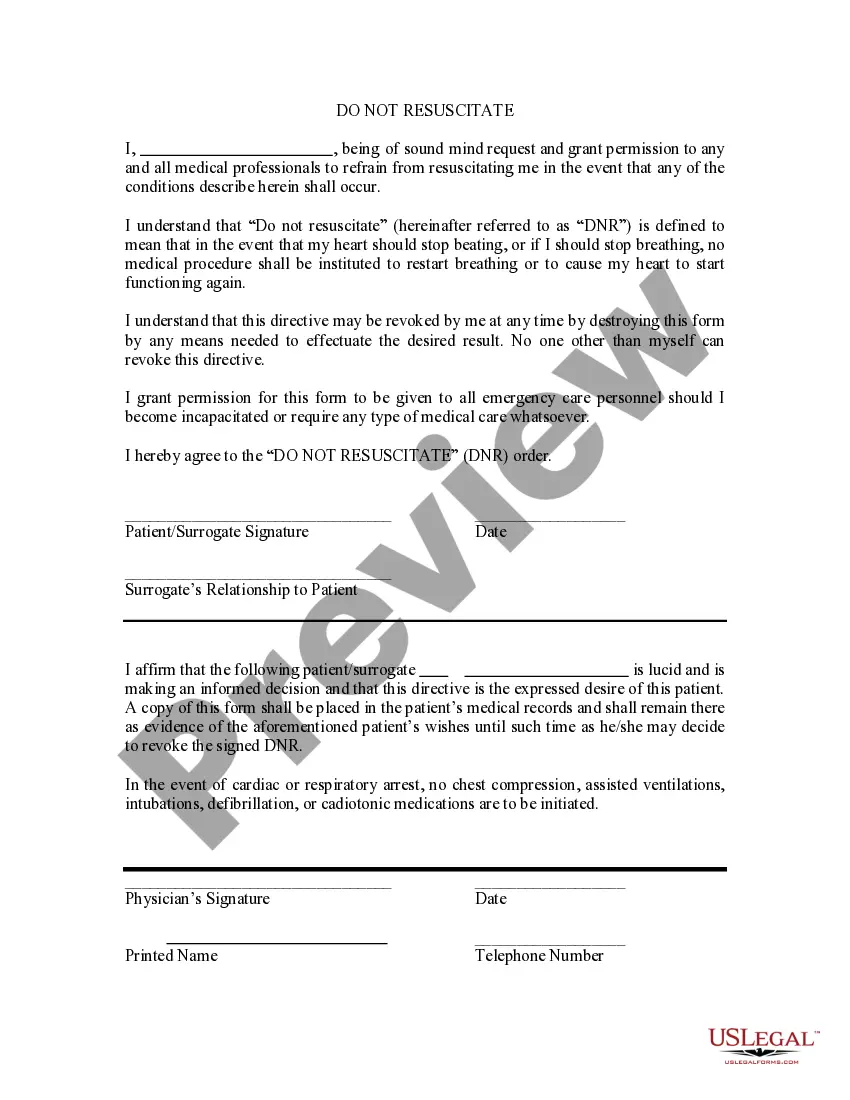
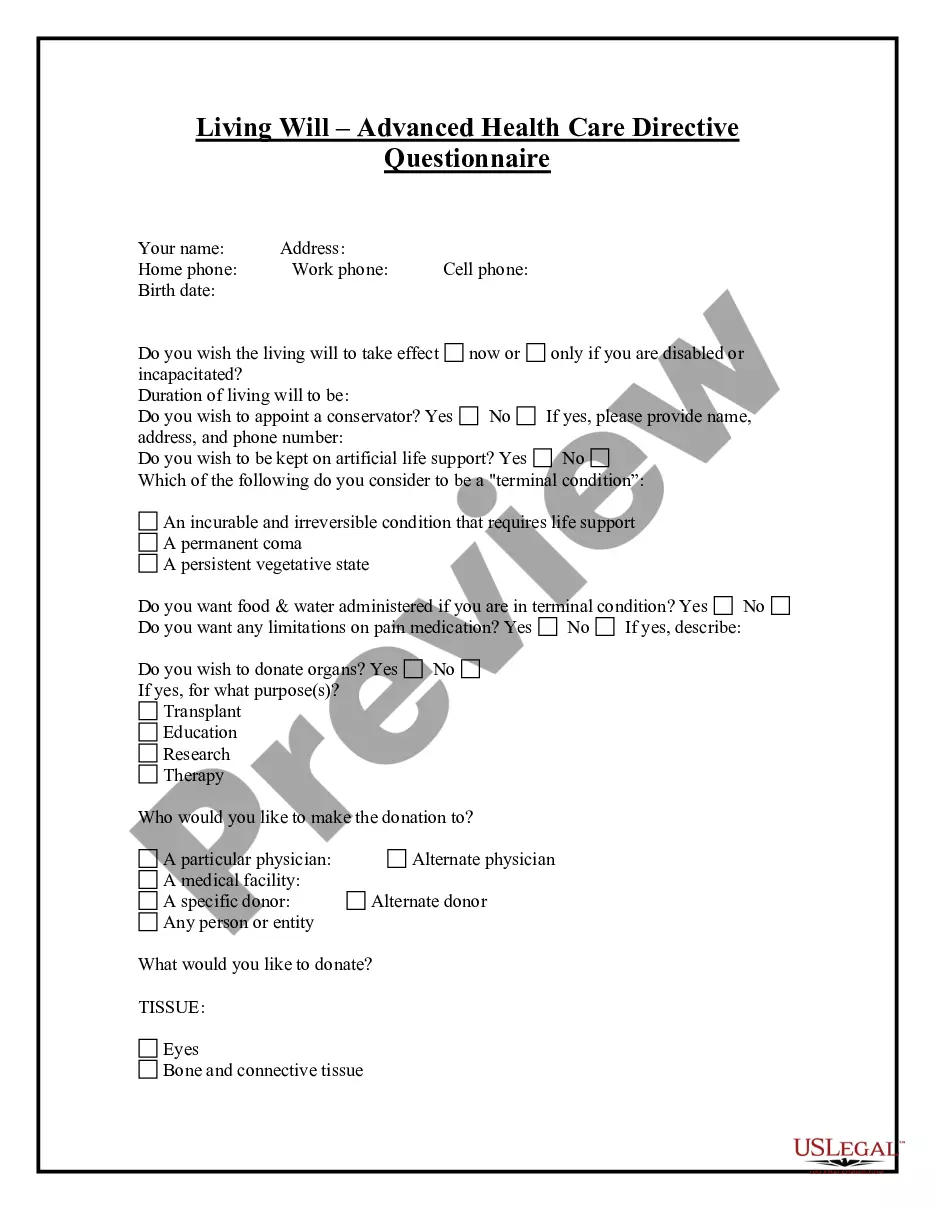

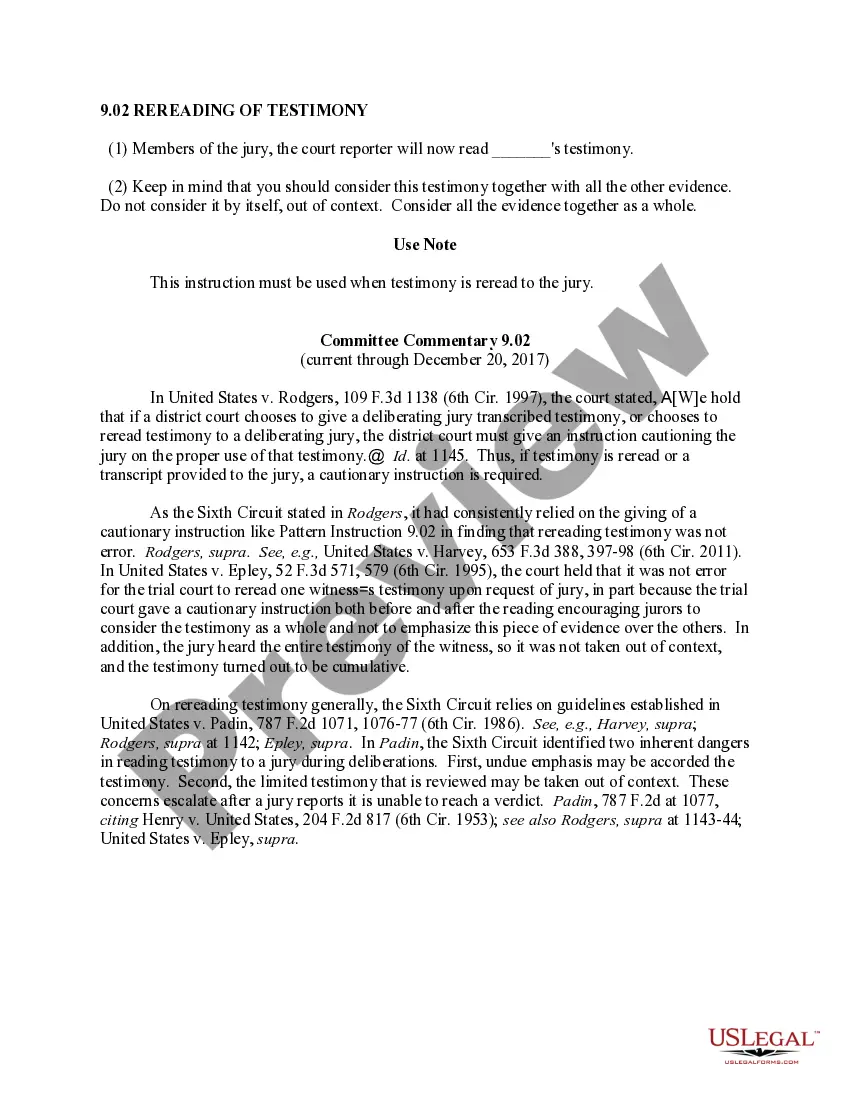
How to fill out USLegal Guide To Advance Directives For Health Care?
Locating the appropriate legal document template can be challenging.
Of course, there is an array of templates accessible online, but how can you find the legal form you require? Utilize the US Legal Forms site.
The platform offers a multitude of templates, including the Connecticut USLegal Guide to Advance Directives for Health Care, suitable for both business and personal use.
You can examine the form using the Preview button and review the form description to make sure it is the right one for you. If the form does not meet your requirements, utilize the Search field to find the suitable form.
- All forms are reviewed by experts and comply with state and federal regulations.
- If you are already a registered user, sign in to your account and click on the Download button to obtain the Connecticut USLegal Guide to Advance Directives for Health Care.
- Use your account to browse the legal forms you have previously ordered.
- Navigate to the My documents tab of your account to receive another copy of the document you need.
- If you are a new user of US Legal Forms, here are simple steps to follow.
- First, ensure you have selected the correct form for your city/county.
Form popularity
FAQ
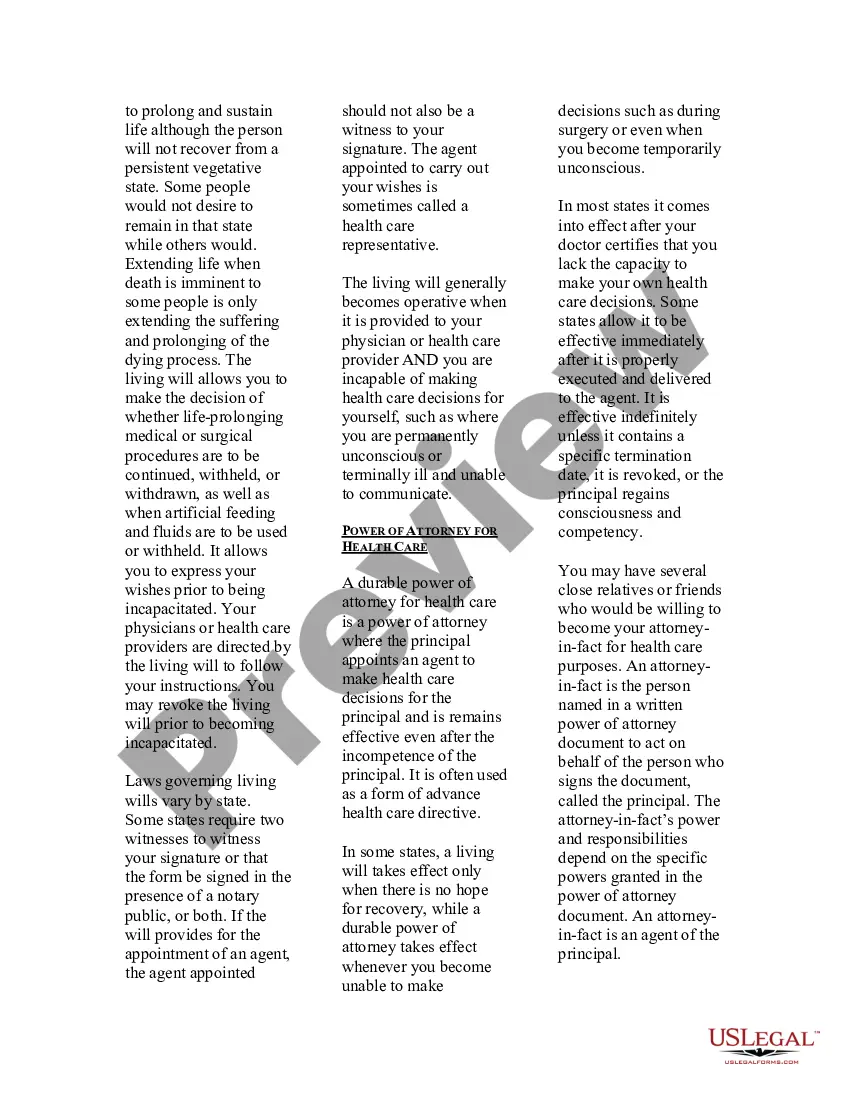
Typically, advance directives include a living will and a durable power of attorney for health care. The living will outlines your specific wishes for medical treatment, while the durable power of attorney designates someone to make health care decisions on your behalf. As highlighted in the Connecticut USLegal Guide to Advance Directives for Health Care, having both documents ensures comprehensive representation of your health care preferences.
Filling out an advanced directive is a clear process when you know the steps. Start by reflecting on your health care preferences, then access a reliable template, like those from uslegalforms, which aligns with the Connecticut USLegal Guide to Advance Directives for Health Care. Complete the document by providing your personal information, specifying your wishes, and signing it in the presence of witnesses.
In Oregon, an advance directive does not need to be notarized, but it must be either signed by witnesses or a notary depending on your preferences. In the context of the Connecticut USLegal Guide to Advance Directives for Health Care, it’s crucial to know the specific regulations for your state. If you're unsure, consulting a resource like uslegalforms can clarify any state-specific requirements.
Sample wording for an advance directive typically includes a statement of your health care preferences, including any specific treatments you wish to receive or refuse. According to the Connecticut USLegal Guide to Advance Directives for Health Care, clarify your desires regarding life-sustaining treatments, artificial nutrition, and pain relief. Using a legally vetted template can help organize your thoughts into clear directives.
Filling out an advance directive involves several straightforward steps. First, you should clearly understand your health care wishes and preferences. As outlined in the Connecticut USLegal Guide to Advance Directives for Health Care, use a template provided by a trusted source, such as uslegalforms, to ensure compliance with state laws. Finally, sign the document and have it witnessed as required by Connecticut law.
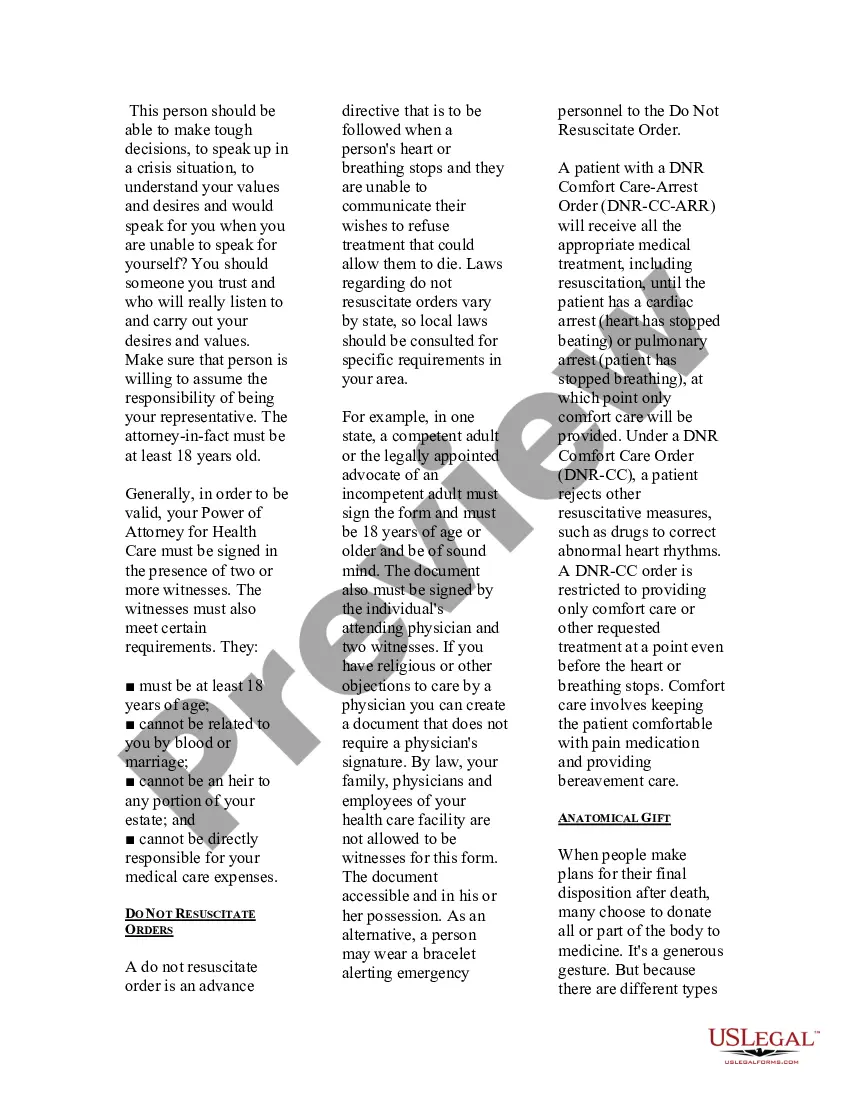
While many people consider living wills and health care proxies the primary forms, the Connecticut USLegal Guide to Advance Directives for Health Care also highlights the importance of do-not-resuscitate (DNR) orders as a third type. Each of these documents serves a distinct purpose in planning for your medical care. It’s beneficial to understand all available options so you can select the right ones for your needs. Review the guide for comprehensive insights into each type and how they work together.
To make an advance directive a legal document in Connecticut, you must sign it in the presence of two witnesses or a notary public. The witnesses should not be related to you and must be at least 18 years old. Ensuring that these steps are properly followed is crucial for the validity of your document. The Connecticut USLegal Guide to Advance Directives for Health Care provides detailed instructions to ensure you meet all legal requirements.
In Connecticut, the two primary types of advance directives are the living will and the health care proxy. A living will specifies your wishes regarding medical treatment if you become unable to communicate. Meanwhile, a health care proxy allows you to appoint someone to make health care decisions on your behalf. Understanding these options is essential, and the Connecticut USLegal Guide to Advance Directives for Health Care can help clarify your choices.
Yes, you can fill out an advance directive online using the Connecticut USLegal Guide to Advance Directives for Health Care. This platform offers user-friendly forms that guide you through the process. Completing your advance directive online saves time and ensures you have the necessary legal language. Additionally, you can easily access and update your document when needed.