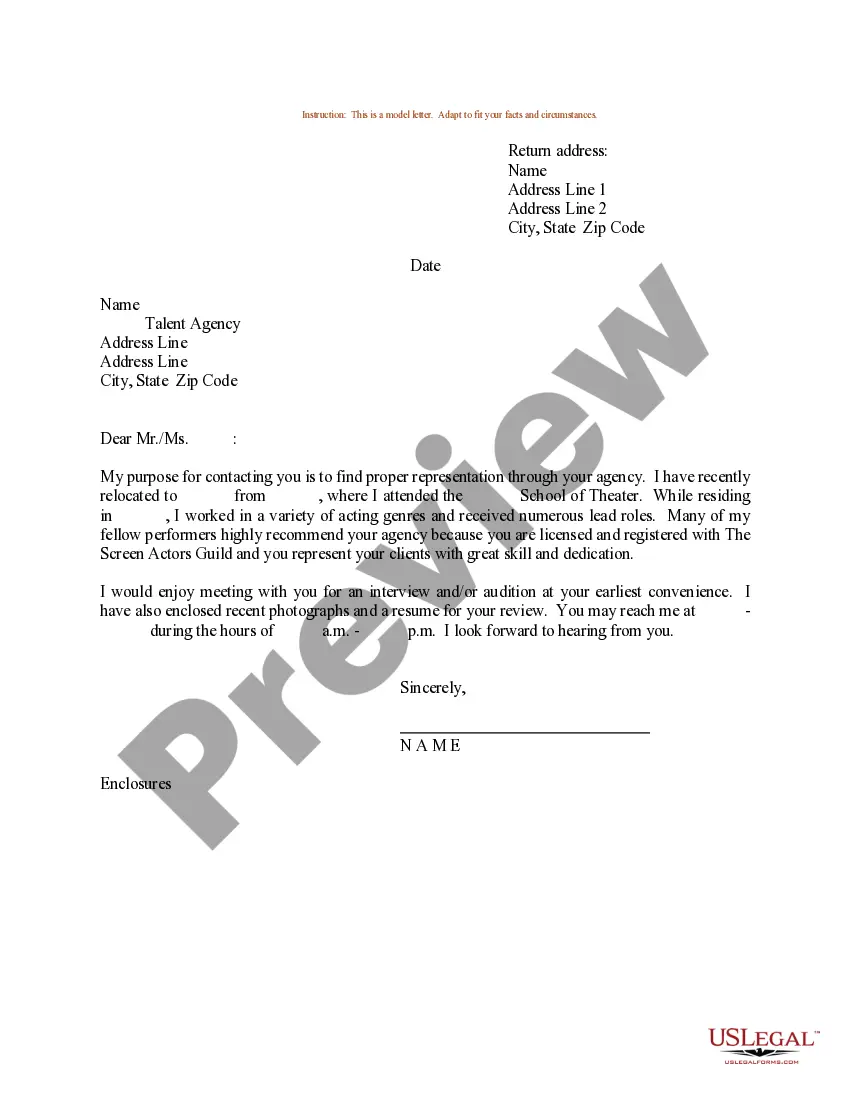
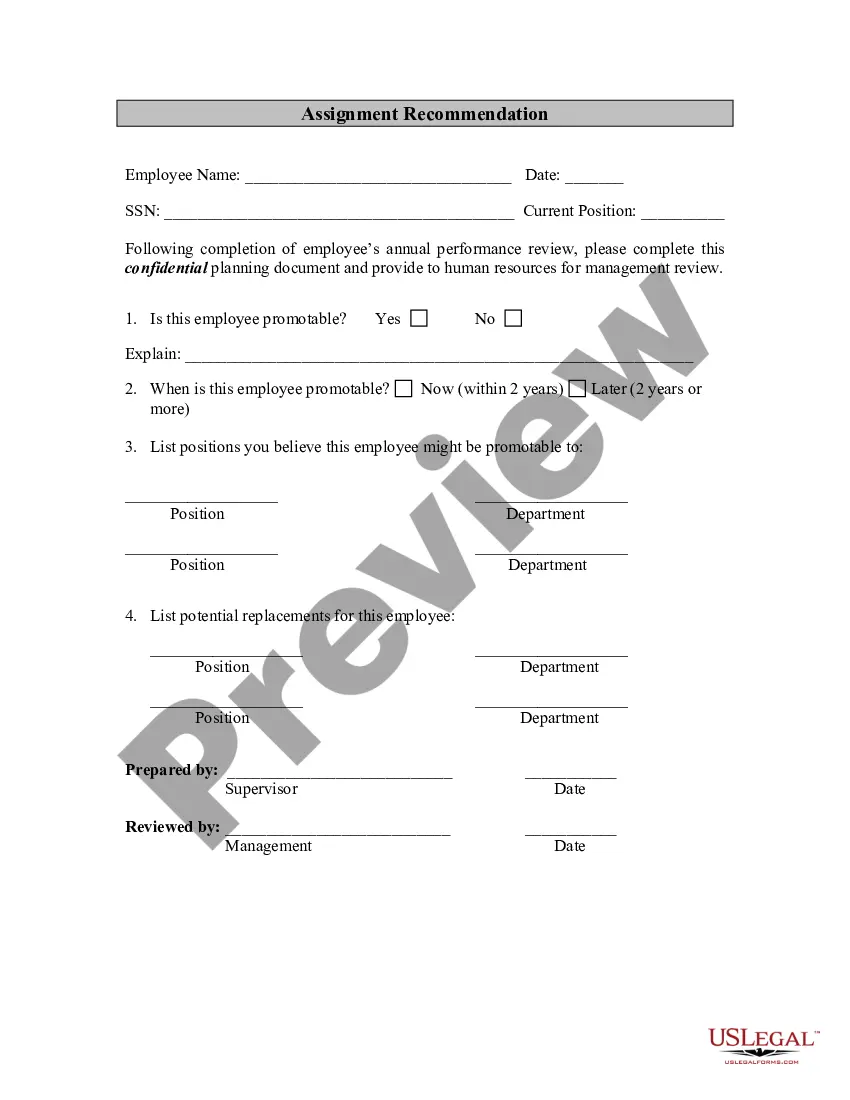
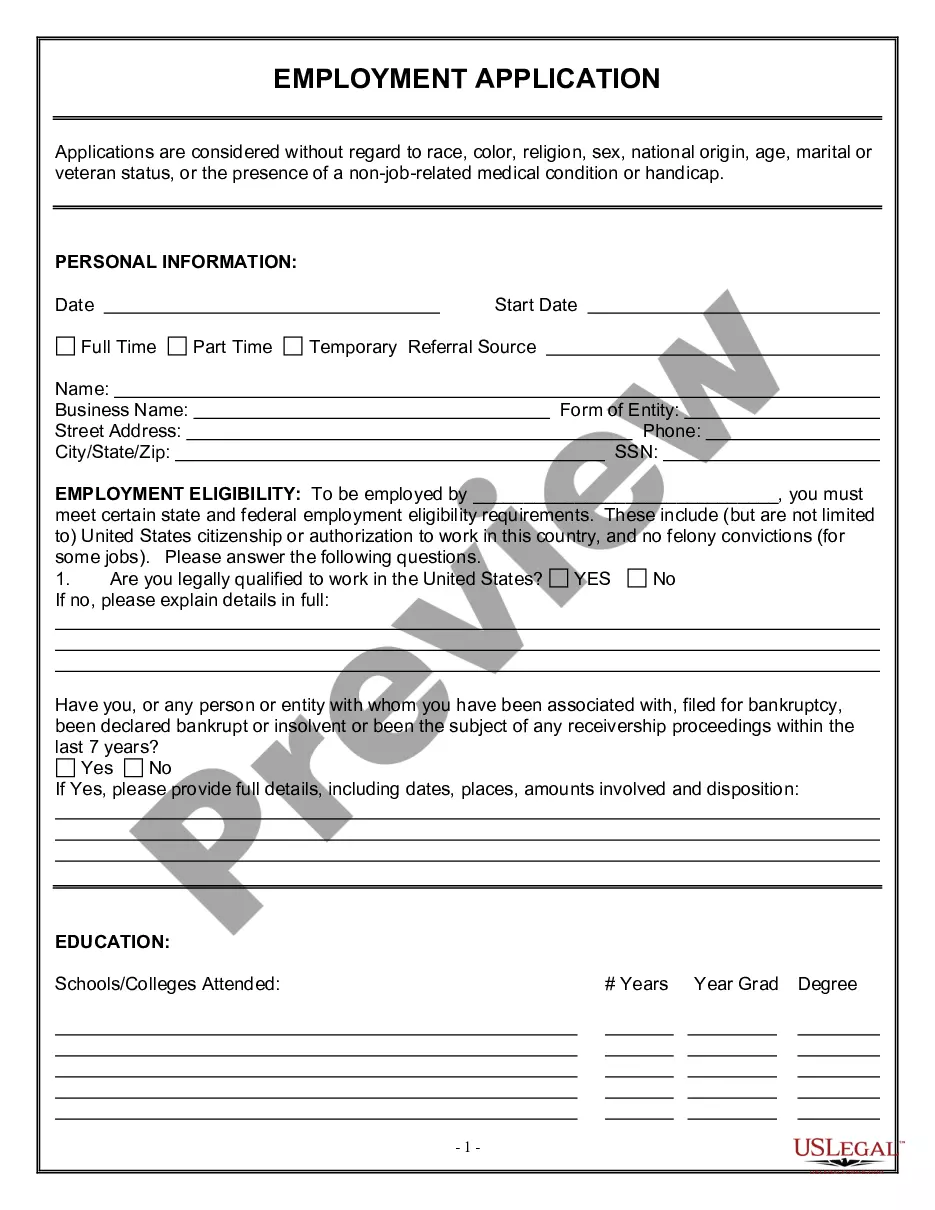
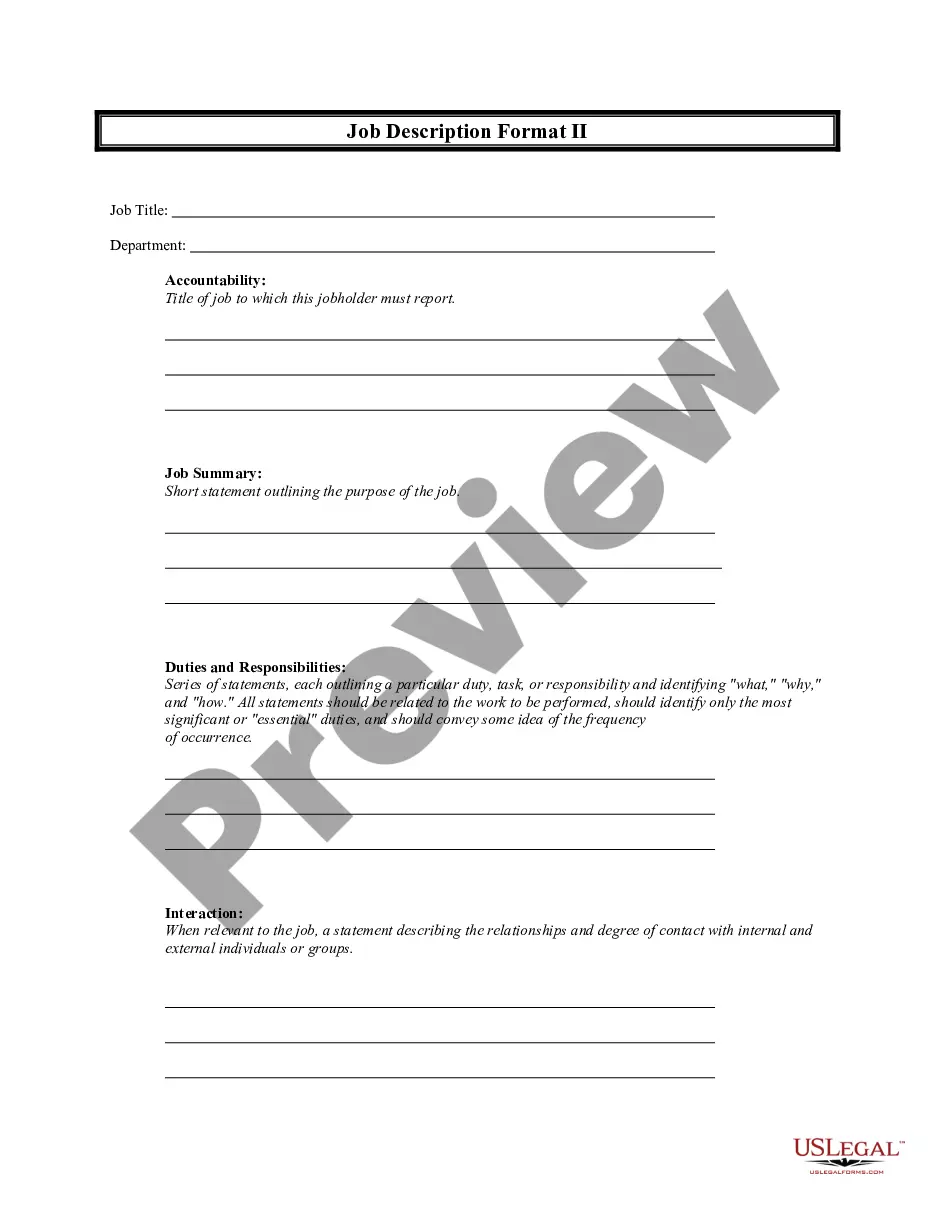
Connecticut Assignment Recommendation
Description
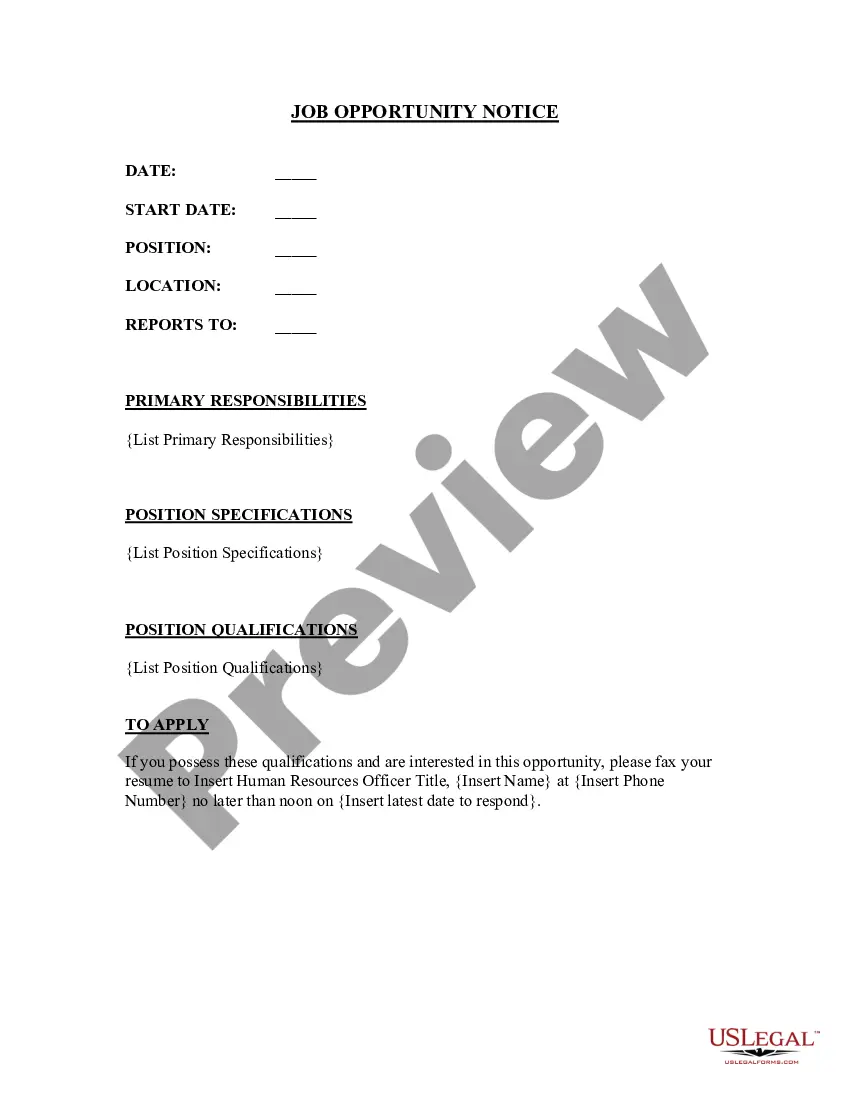
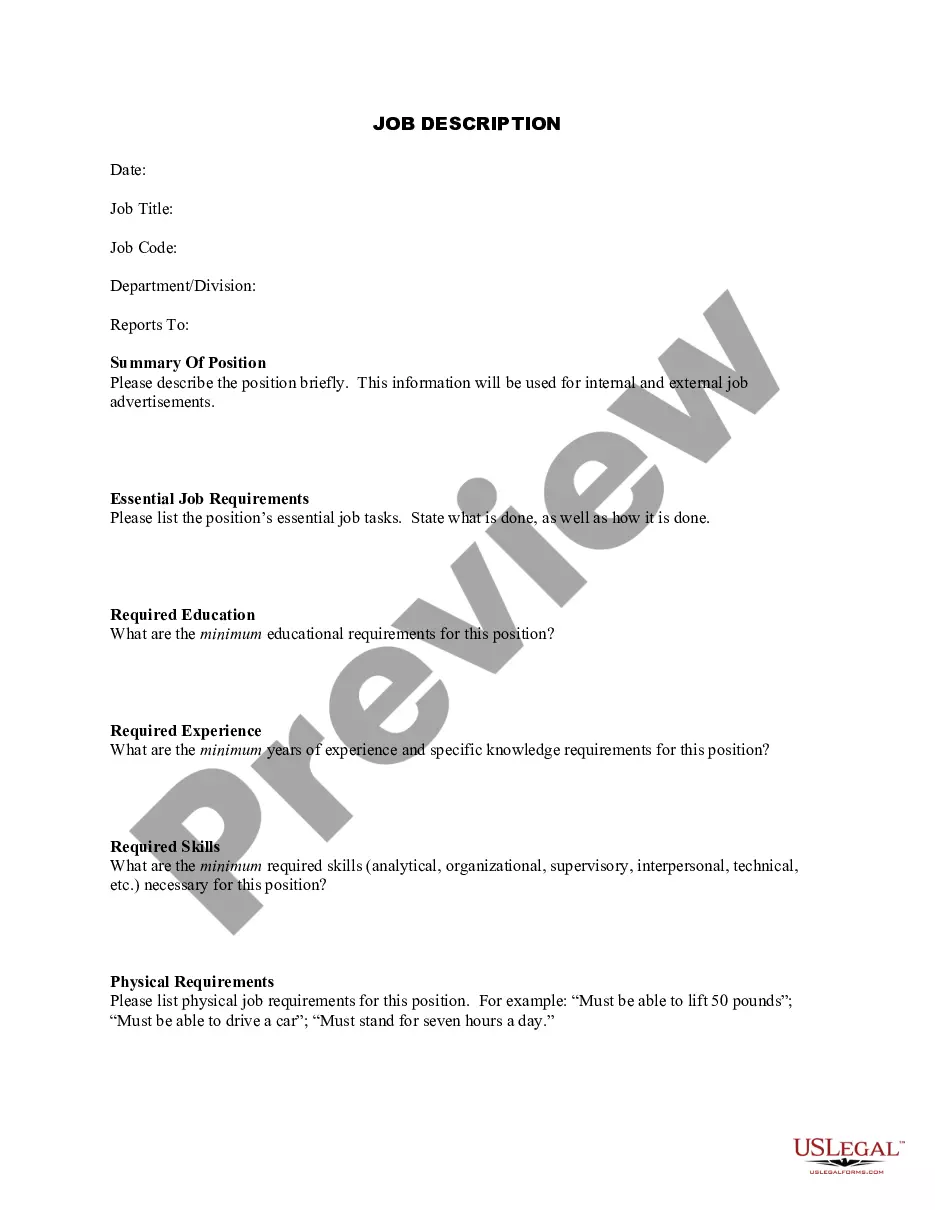
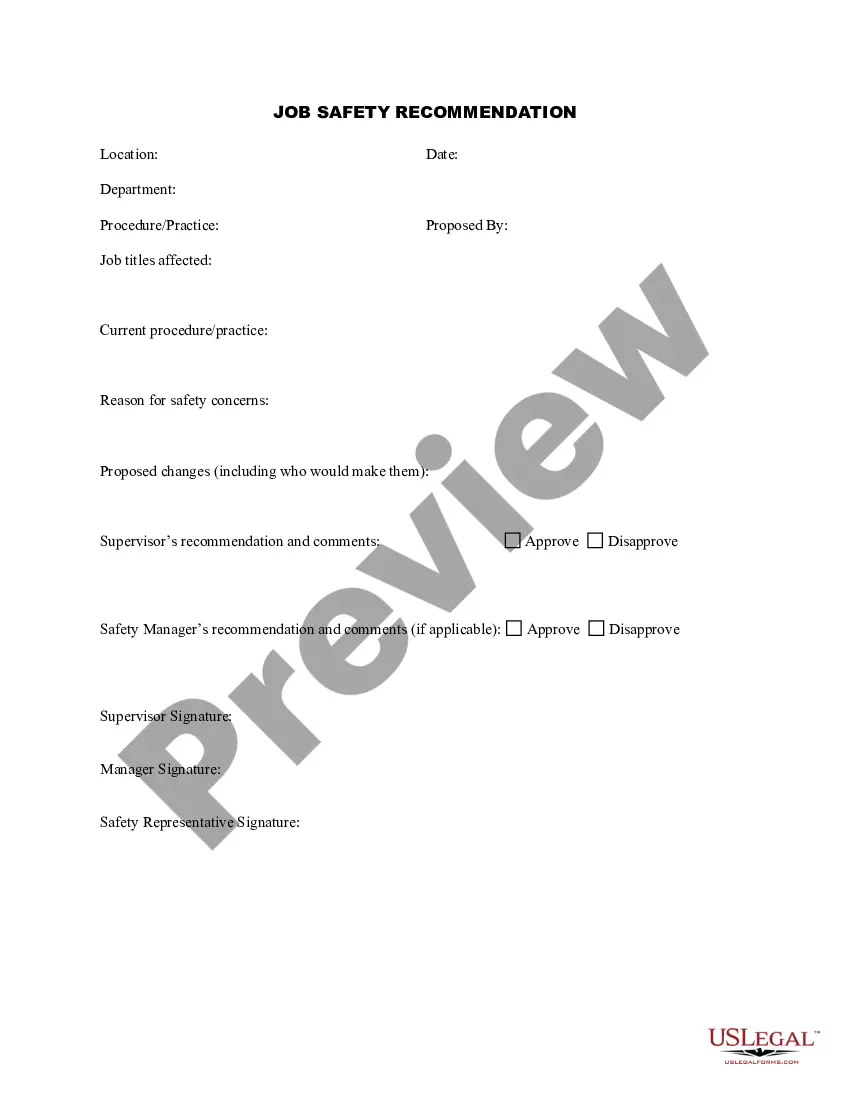
Get your form ready online
Our built-in tools help you complete, sign, share, and store your documents in one place.
Make edits, fill in missing information, and update formatting in US Legal Forms—just like you would in MS Word.
Download a copy, print it, send it by email, or mail it via USPS—whatever works best for your next step.
Sign and collect signatures with our SignNow integration. Send to multiple recipients, set reminders, and more. Go Premium to unlock E-Sign.
If this form requires notarization, complete it online through a secure video call—no need to meet a notary in person or wait for an appointment.
We protect your documents and personal data by following strict security and privacy standards.

Make edits, fill in missing information, and update formatting in US Legal Forms—just like you would in MS Word.

Download a copy, print it, send it by email, or mail it via USPS—whatever works best for your next step.

Sign and collect signatures with our SignNow integration. Send to multiple recipients, set reminders, and more. Go Premium to unlock E-Sign.

If this form requires notarization, complete it online through a secure video call—no need to meet a notary in person or wait for an appointment.

We protect your documents and personal data by following strict security and privacy standards.
Looking for another form?


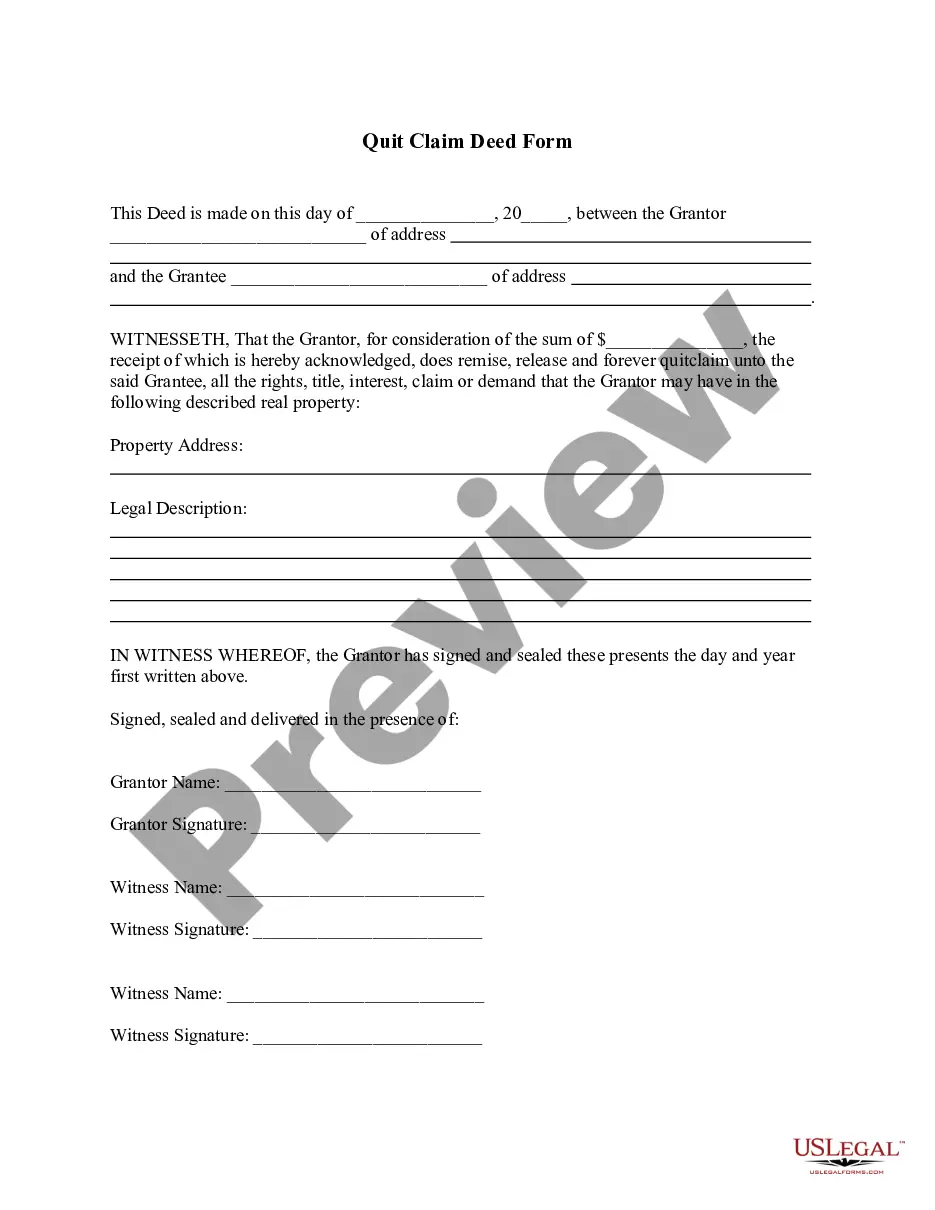
How to fill out Assignment Recommendation?
If you wish to acquire thorough, download, or print legal document templates, utilize US Legal Forms, the largest collection of legal forms available online.
Take advantage of the site's user-friendly and convenient search options to find the documents you need.
Different templates for business and personal uses are categorized by state, categories, or keywords.
Step 4. After finding the form you need, click the Get now button. Choose your preferred payment plan and provide your details to create an account.
Step 5. Complete the transaction. You can use your credit card or PayPal account to finalize the purchase.
- Utilize US Legal Forms to obtain the Connecticut Assignment Recommendation in just a few clicks.
- If you are already a US Legal Forms user, Log In to your account and click on the Download button to access the Connecticut Assignment Recommendation.
- You can also find forms you previously downloaded in the My documents tab of your account.
- If this is your first time using US Legal Forms, follow the instructions below.
- Step 1. Ensure that you have selected the form for the correct city/state.
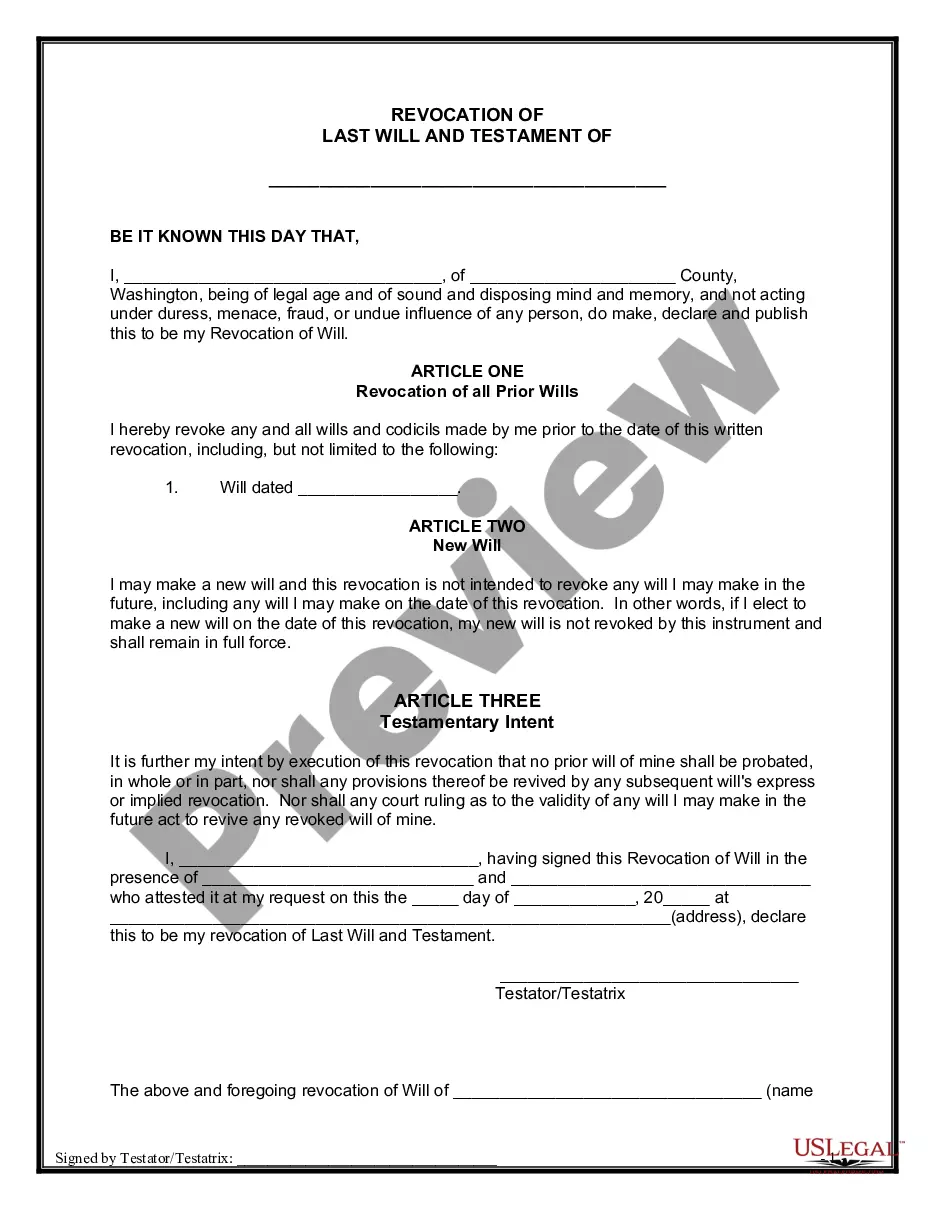
- Step 2. Utilize the Review option to examine the form's contents. Remember to read the description.
- Step 3. If you are dissatisfied with the form, use the Search field at the top of the page to locate alternative versions of the legal form template.
Form popularity
FAQ
Rule 1.6 of the Connecticut Rules of Professional Conduct outlines an attorney's obligation to maintain client confidentiality. It specifies that attorneys must not disclose information relating to the representation of a client unless expressly authorized or required by law. This vital rule highlights the importance of trust in the attorney-client relationship. For individuals navigating legal matters, understanding this rule in light of the Connecticut Assignment Recommendation can enhance your legal strategy.