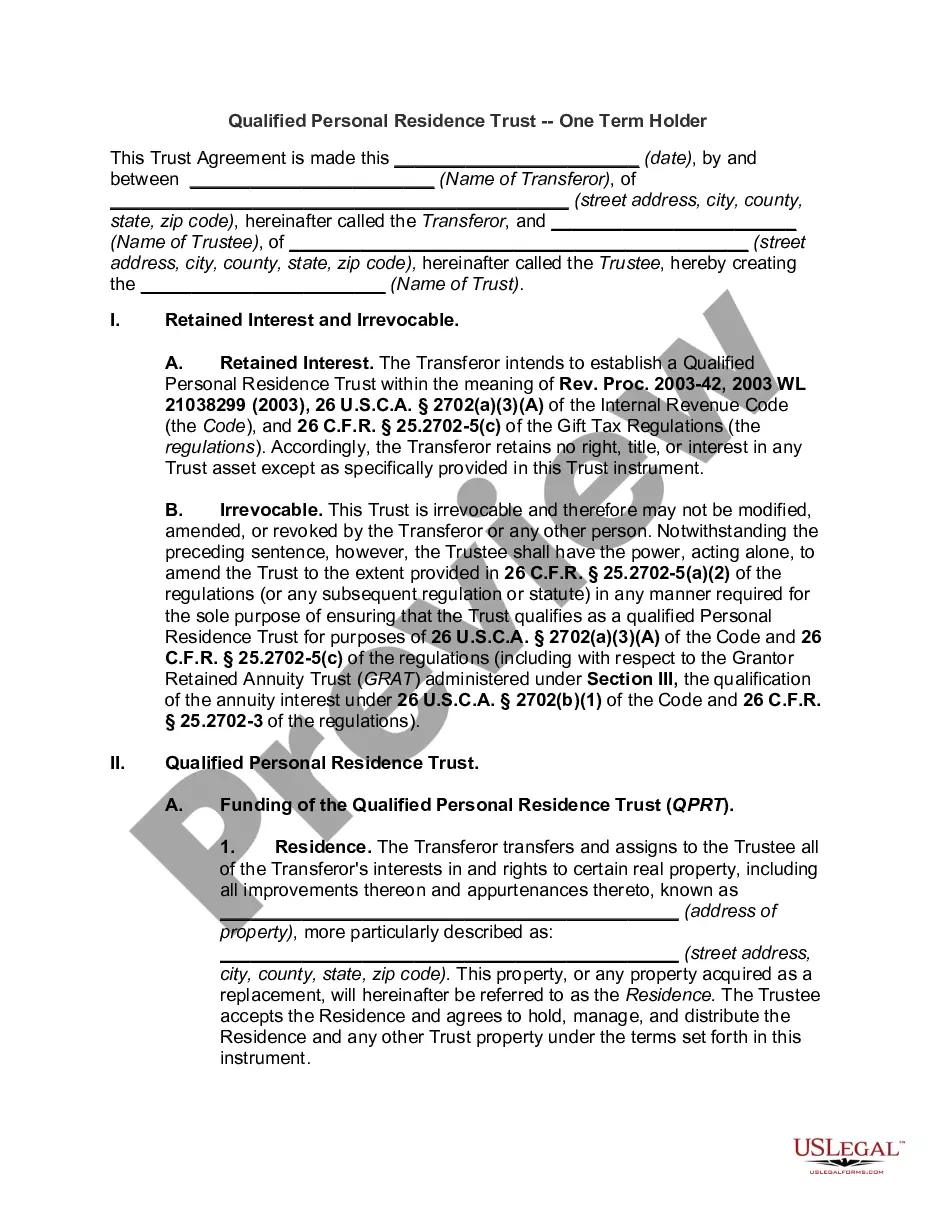
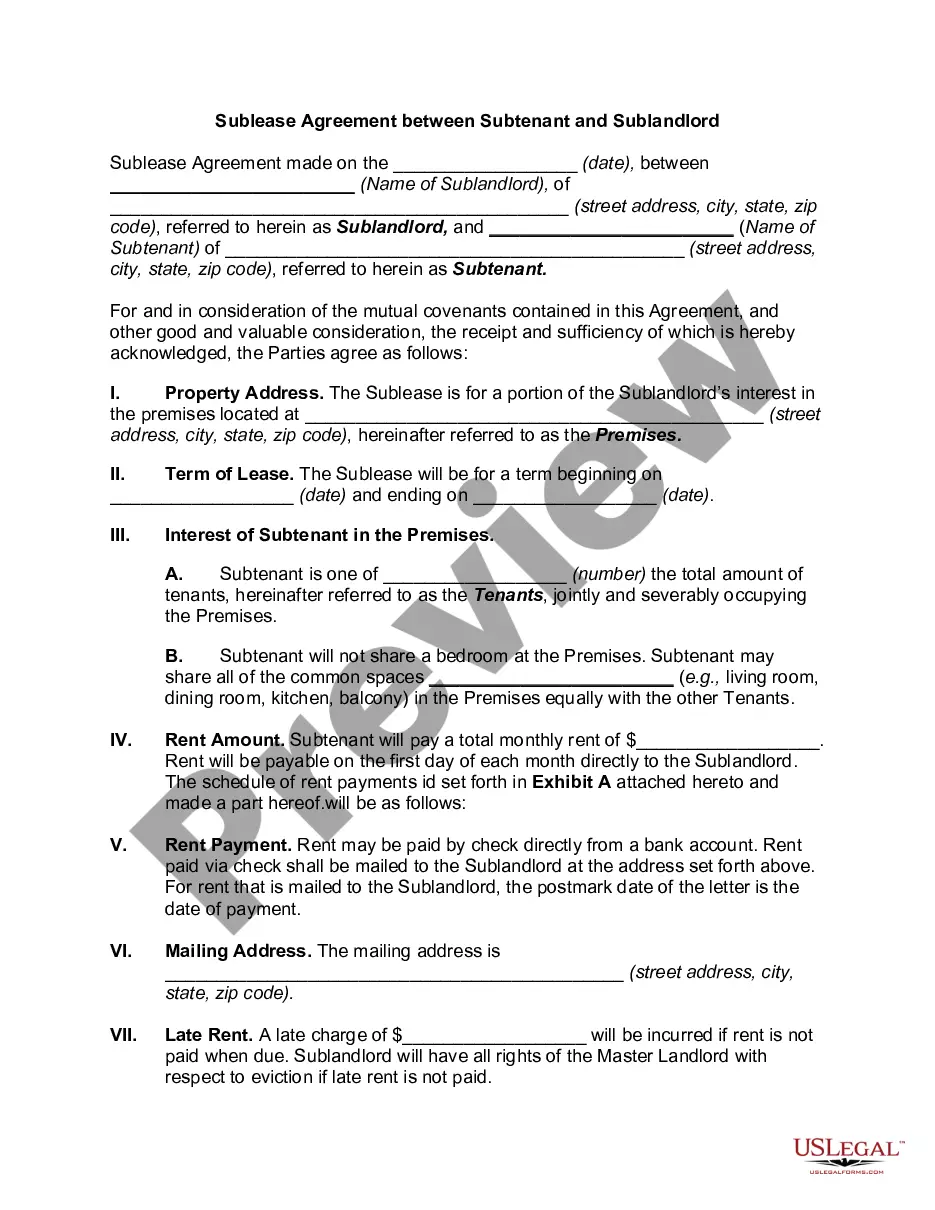
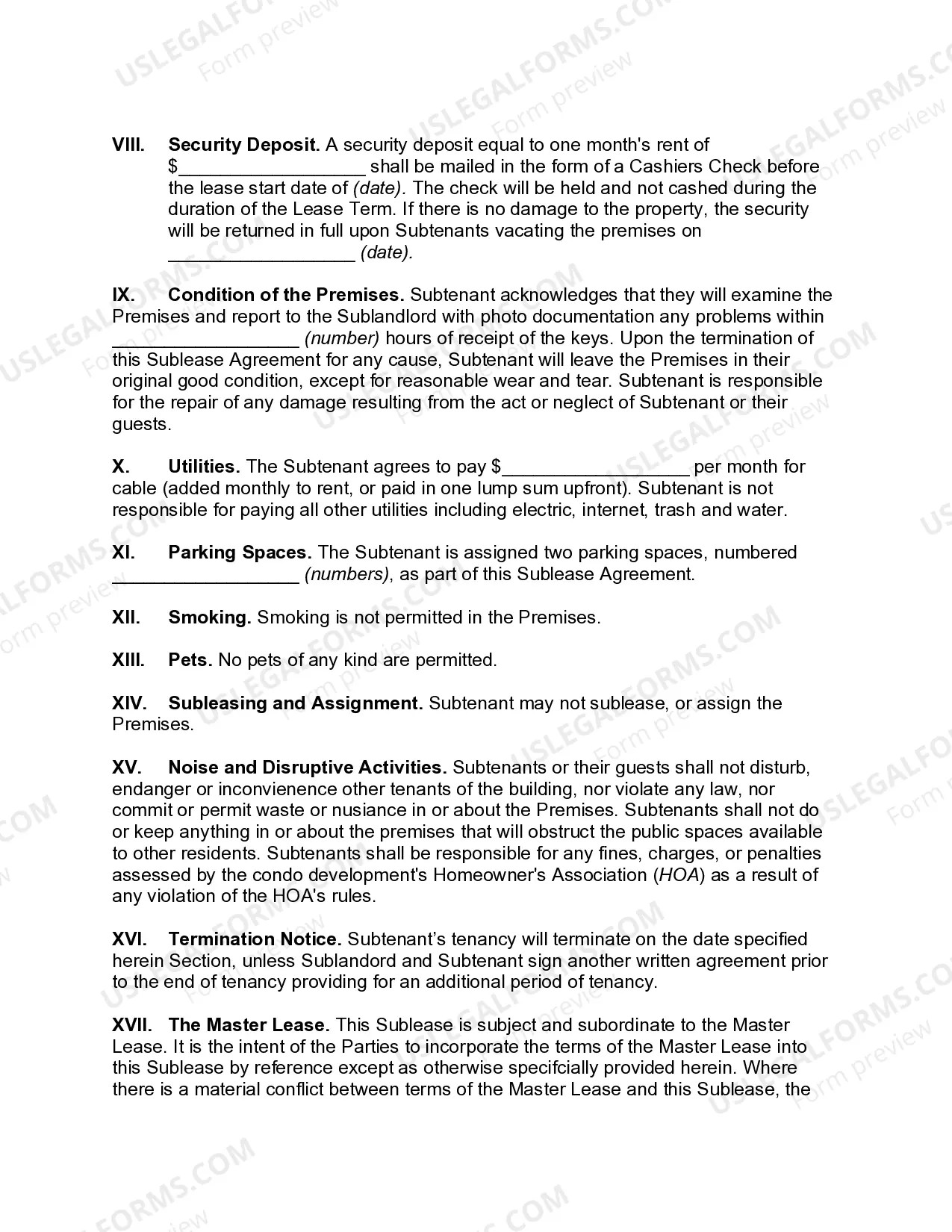
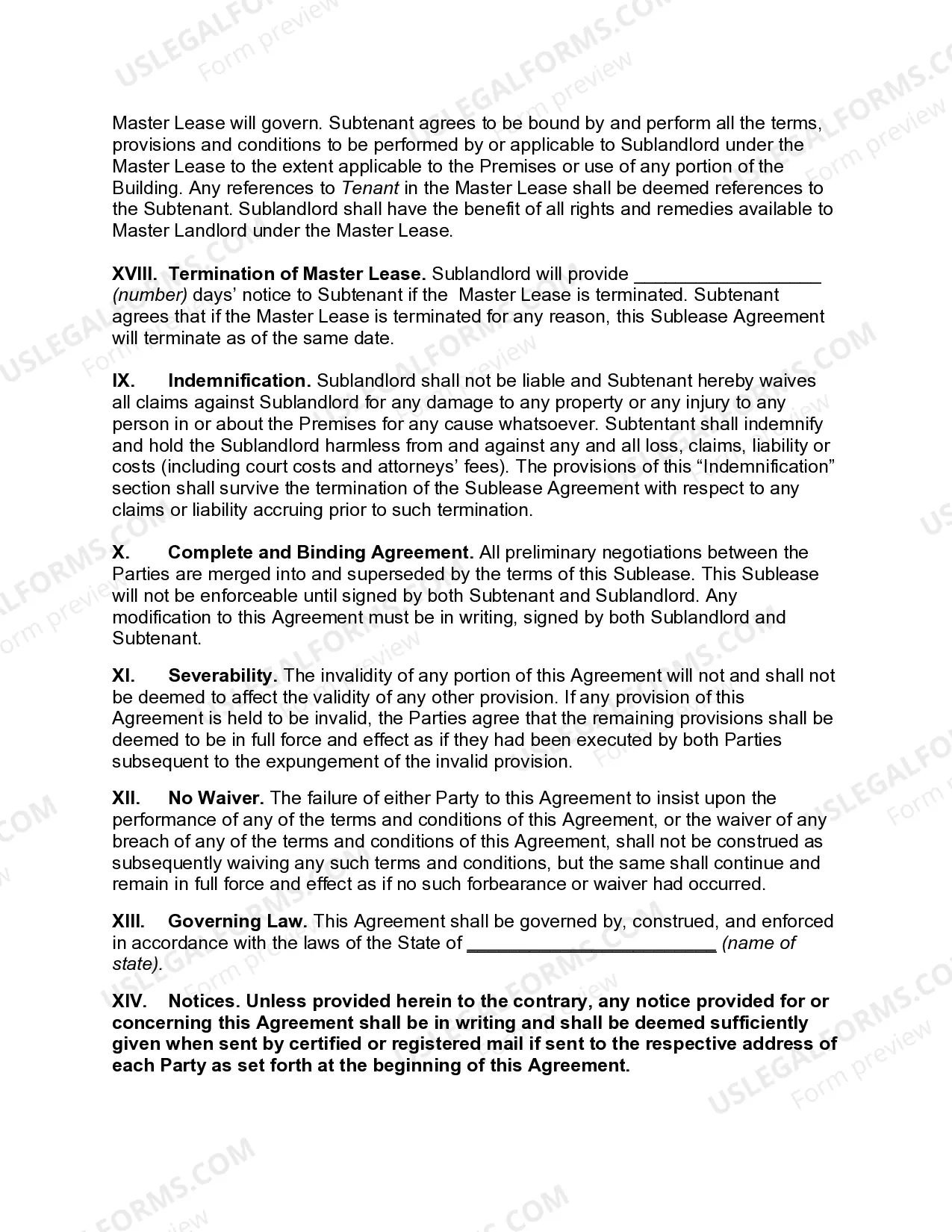
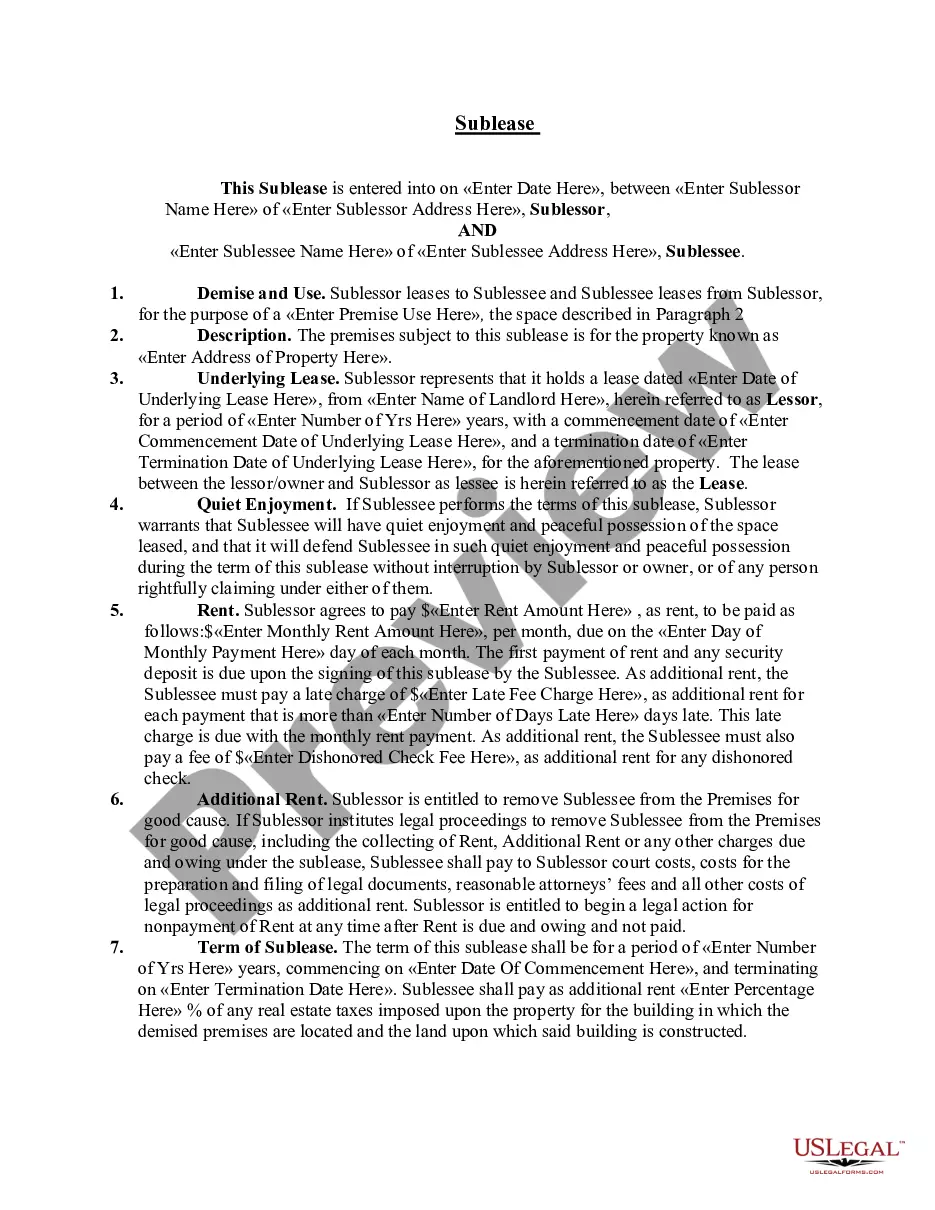
Connecticut Sublease Agreement
Description
Get your form ready online
Our built-in tools help you complete, sign, share, and store your documents in one place.
Make edits, fill in missing information, and update formatting in US Legal Forms—just like you would in MS Word.
Download a copy, print it, send it by email, or mail it via USPS—whatever works best for your next step.
Sign and collect signatures with our SignNow integration. Send to multiple recipients, set reminders, and more. Go Premium to unlock E-Sign.
If this form requires notarization, complete it online through a secure video call—no need to meet a notary in person or wait for an appointment.
We protect your documents and personal data by following strict security and privacy standards.

Make edits, fill in missing information, and update formatting in US Legal Forms—just like you would in MS Word.

Download a copy, print it, send it by email, or mail it via USPS—whatever works best for your next step.

Sign and collect signatures with our SignNow integration. Send to multiple recipients, set reminders, and more. Go Premium to unlock E-Sign.

If this form requires notarization, complete it online through a secure video call—no need to meet a notary in person or wait for an appointment.

We protect your documents and personal data by following strict security and privacy standards.
Looking for another form?





How to fill out Sublease Agreement?
If you require comprehensive, acquire, or print official document templates, utilize US Legal Forms, the largest selection of legal forms available online.
Utilize the site’s simple and user-friendly search to find the documents you need.
A range of templates for commercial and personal purposes are organized by categories and states, or keywords.
Step 4. After finding the required form, click the Buy now button. Choose the payment plan you prefer and enter your details to create an account.
Step 5. Complete the payment. You can use your credit card or PayPal account to finalize the transaction.
- Use US Legal Forms to receive the Connecticut Sublease Agreement within a few clicks.
- If you are already a customer of US Legal Forms, sign in to your account and click the Download button to access the Connecticut Sublease Agreement.
- You can also find forms you have previously downloaded in the My documents section of your account.
- If you are using US Legal Forms for the first time, follow the steps below.
- Step 1. Make sure you have selected the form for the correct city/state.
- Step 2. Use the Review option to examine the form’s details. Don’t forget to read the information.
- Step 3. If you are not satisfied with the form, use the Search box at the top of the screen to find other versions of the legal form template.
Form popularity
FAQ
No, your Connecticut lease agreement does not need to be notarized. Here, leases are binding without requiring a notary seal. The tenant and landlord can choose to have the lease agreement notarized if they wish, but it is not required by law in order for the lease to be enforceable.
The three most common types of leases are gross leases, net leases, and modified gross leases....3 Types of Leases Business Owners Should UnderstandThe Gross Lease. The gross lease tends to favor the tenant.The Net Lease. The net lease, however, tends to favor the landlord.The Modified Gross Lease.
Certain tenants living in social housing may be committing a criminal offence if they sublet their home without their landlord's permission or by going against what it says in their tenancy agreement.
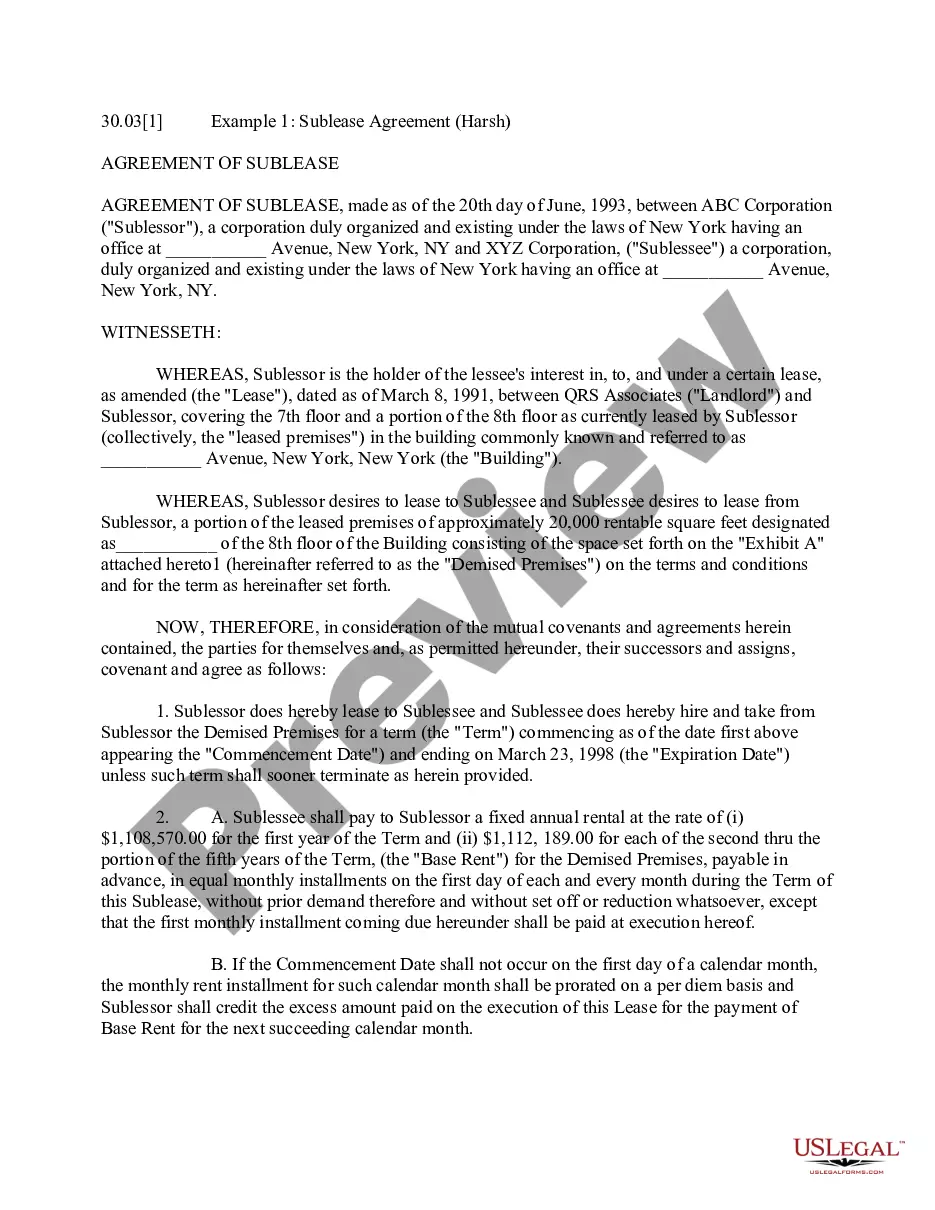
When a tenant assigns its lease, the assignee takes over the tenant's obligations under the lease and deals directly with the landlord. What is it? A sublease is the transfer of all or a portion of the premises for less than the entire term of the lease.
Your landlord may take legal action against you if you sublet your home unlawfully. Unlawful subletting includes if you: need your landlord's permission before subletting all or part of your home but don't get it. aren't allowed to sublet all or part of your home but you do so anyway.
A sublease is the re-renting of property by an existing tenant to a new third party for a portion of the tenant's existing lease contract. The sublease agreement may also be called a sublet.
A sublease is the re-renting of property by an existing tenant to a new third party for a portion of the tenant's existing lease contract. The sublease agreement may also be called a sublet.
Subletting happens when an existing tenant lets all or part of their home to someone else who is known as a subtenant. Many tenants need permission before they can sublet.
Is subletting illegal in Connecticut? No, subletting isn't illegal in Connecticut. Connecticut state law doesn't explicitly ban subletting, but if you're considering it, begin by reading your original lease carefully. If the original lease forbids subletting, then you cannot sublease the property.
A sublease can be for less than all of the leased premises, while an assignment that transfers the entire lease must be for all of the premises. A sublease is a more involved transaction, as it requires a full sublease document between the commercial tenant as sublessor and the sublessee.