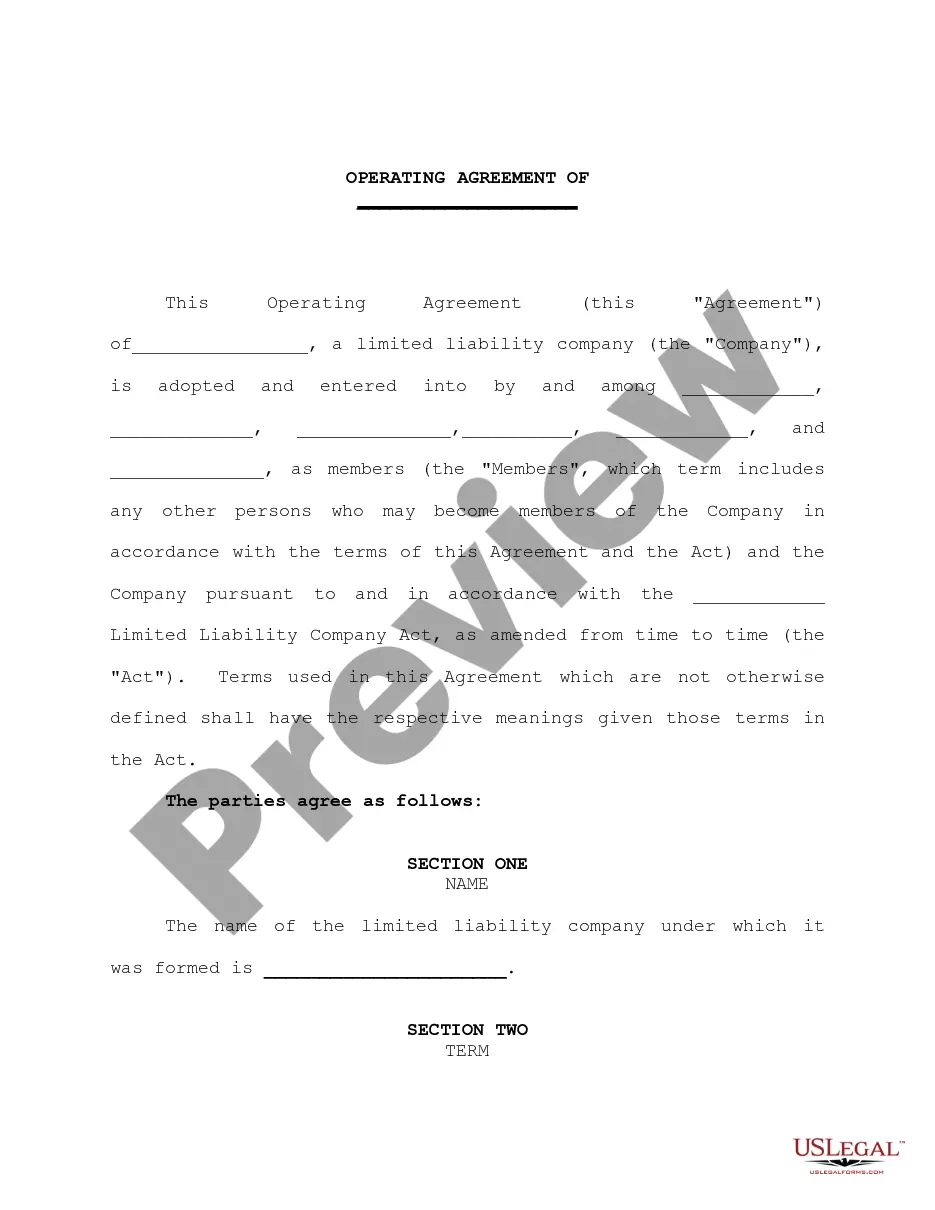
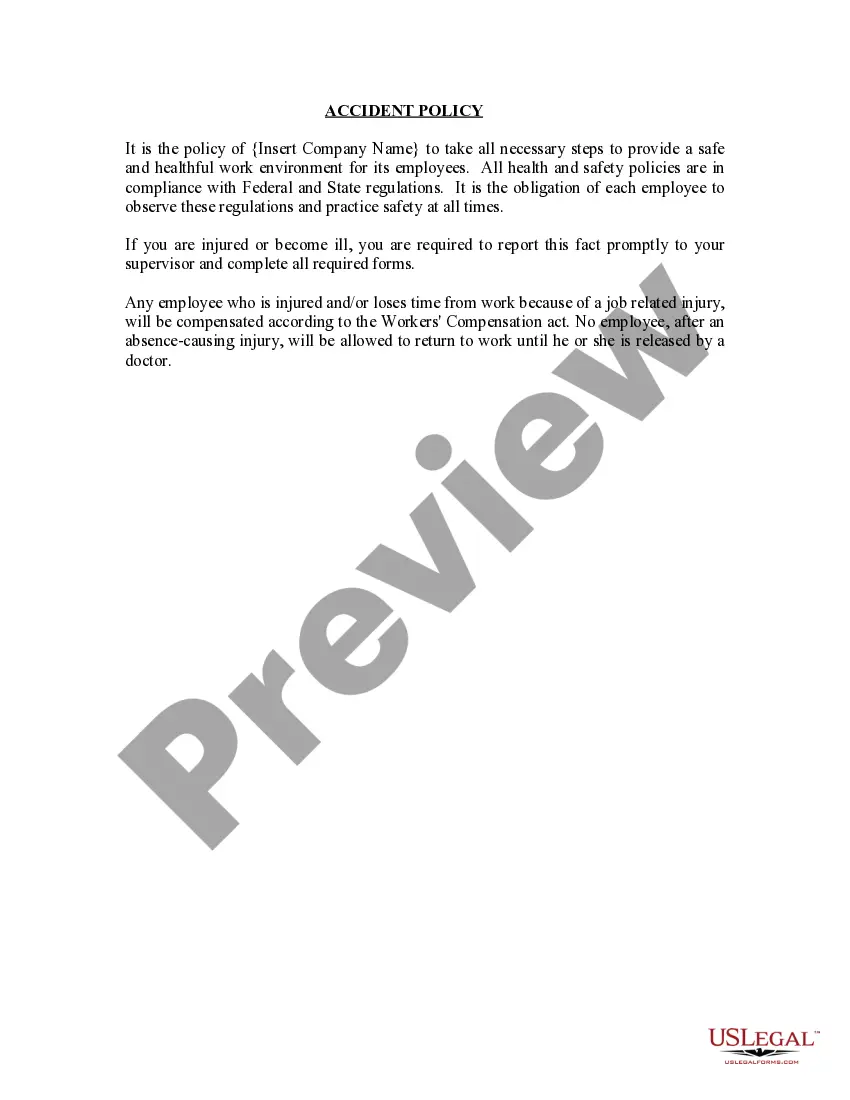
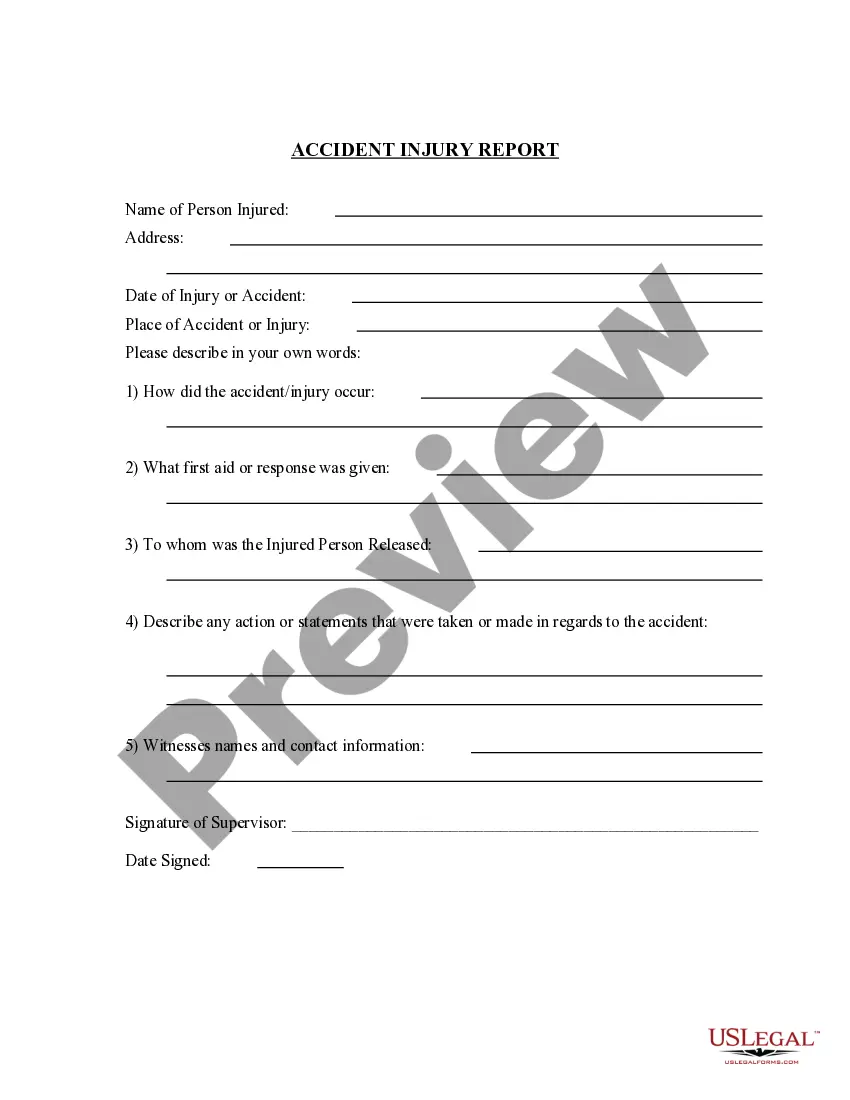
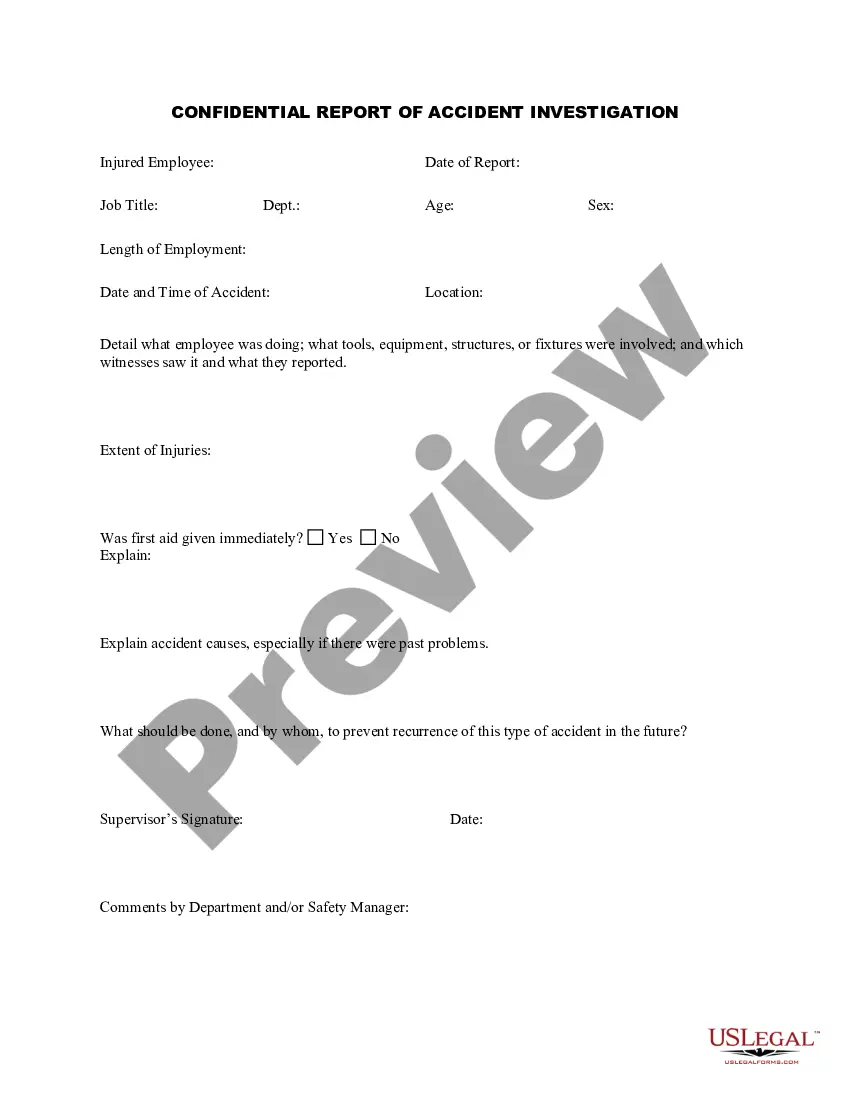
Connecticut Accident Policy
Description

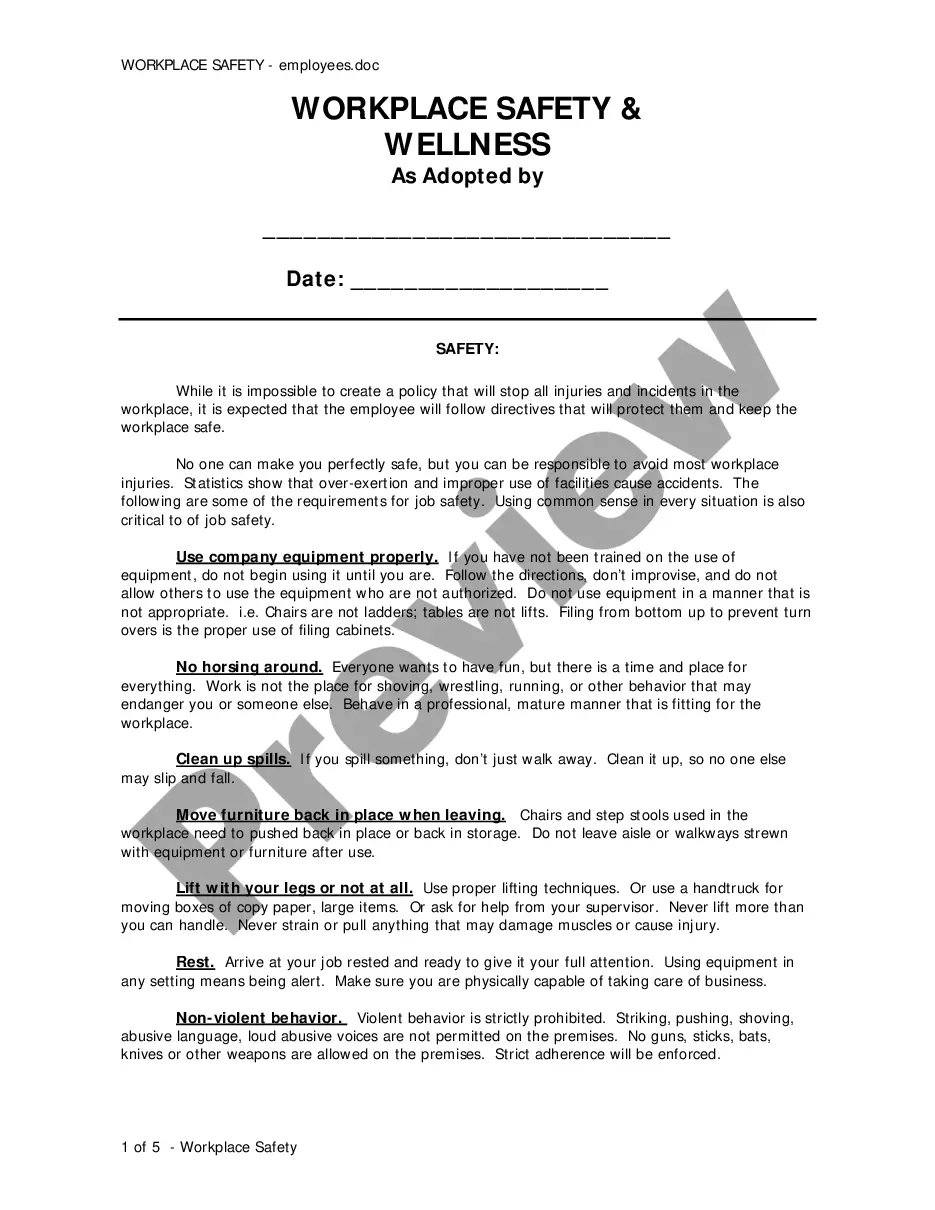
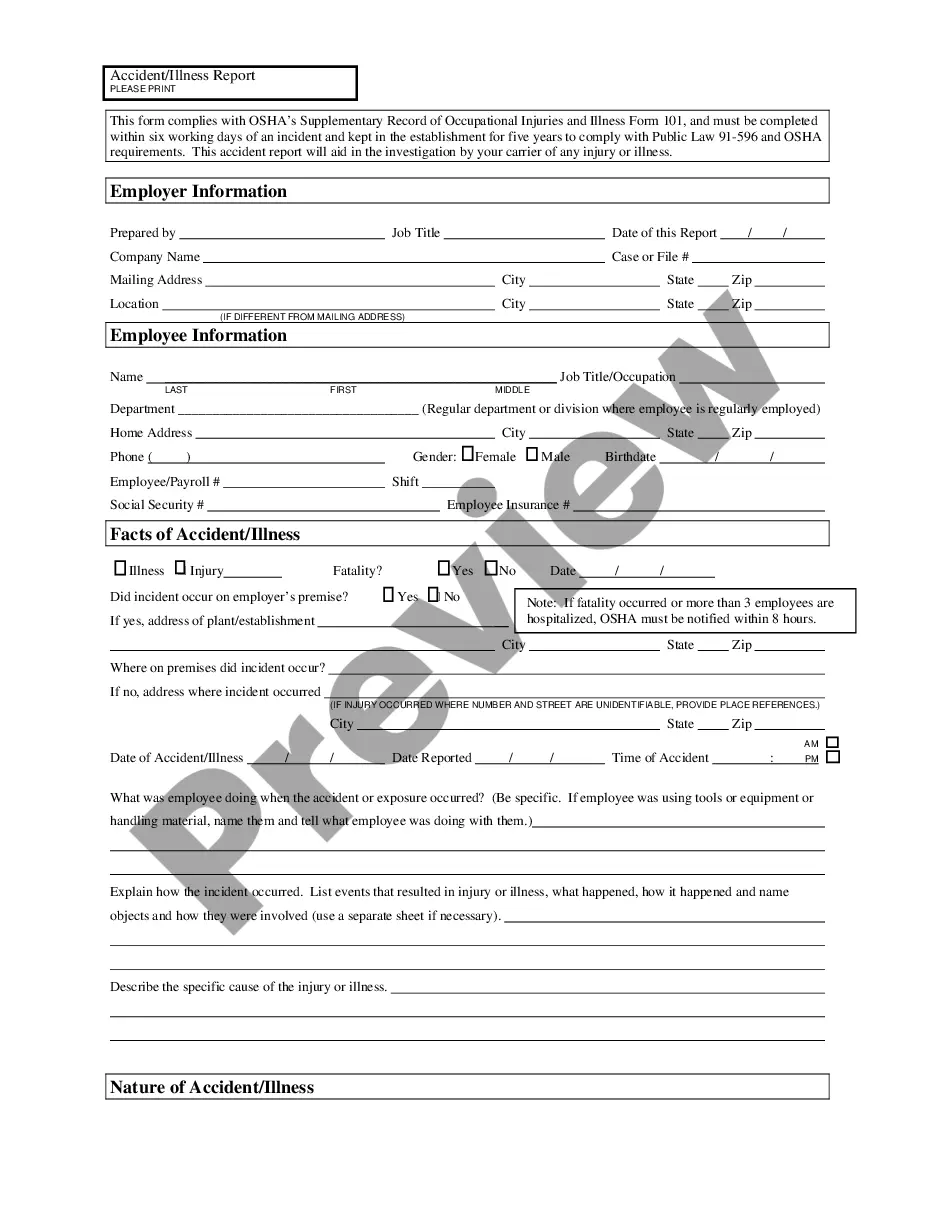
Get your form ready online
Our built-in tools help you complete, sign, share, and store your documents in one place.
Make edits, fill in missing information, and update formatting in US Legal Forms—just like you would in MS Word.
Download a copy, print it, send it by email, or mail it via USPS—whatever works best for your next step.
Sign and collect signatures with our SignNow integration. Send to multiple recipients, set reminders, and more. Go Premium to unlock E-Sign.
If this form requires notarization, complete it online through a secure video call—no need to meet a notary in person or wait for an appointment.
We protect your documents and personal data by following strict security and privacy standards.

Make edits, fill in missing information, and update formatting in US Legal Forms—just like you would in MS Word.

Download a copy, print it, send it by email, or mail it via USPS—whatever works best for your next step.

Sign and collect signatures with our SignNow integration. Send to multiple recipients, set reminders, and more. Go Premium to unlock E-Sign.

If this form requires notarization, complete it online through a secure video call—no need to meet a notary in person or wait for an appointment.

We protect your documents and personal data by following strict security and privacy standards.
Looking for another form?
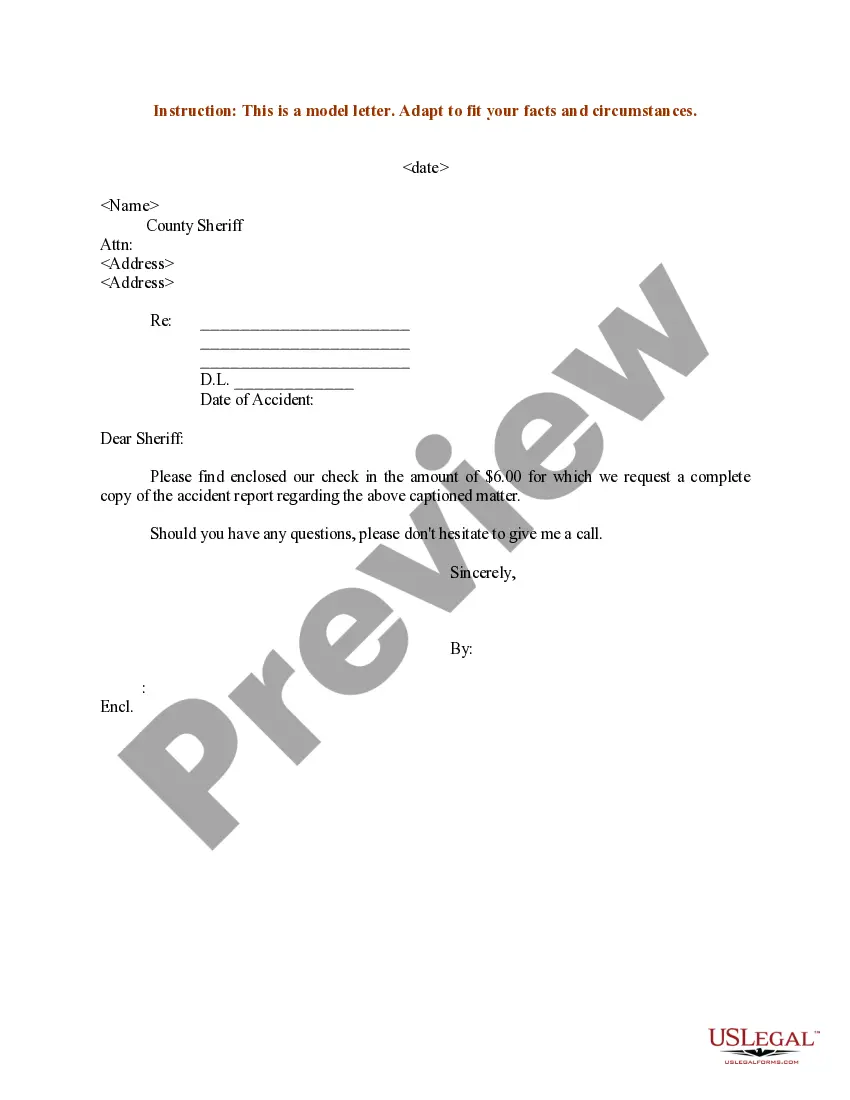

How to fill out Accident Policy?
You might spend multiple hours online attempting to locate the valid document format that complies with the federal and state requirements you desire.
US Legal Forms offers a vast array of valid templates that have been evaluated by experts.
You can conveniently obtain or create the Connecticut Accident Policy through the service.
If available, utilize the Preview option to review the document format as well.
- If you already possess a US Legal Forms account, you can Log In and select the Obtain button.
- Then, you can complete, edit, create, or sign the Connecticut Accident Policy.
- Every legal document format you purchase is yours permanently.
- To obtain another copy of any purchased form, navigate to the My documents section and click on the relevant option.
- If you're visiting the US Legal Forms website for the first time, adhere to the simple instructions provided below.
- First, ensure that you have selected the correct document format for the county/city of your choice.
- Review the form outline to confirm that you have chosen the appropriate form.
Form popularity
FAQ
Connecticut is a 'Fault' Insurance State Compensation for car accident victims in Connecticut is based on the state's "fault" insurance system. This means the at-fault driver must compensate everyone injured in the accident, including other drivers, passengers, pedestrians and cyclists.
As mentioned earlier, you have exactly 5 days to file an accident report with the police in Connecticut after a car accident. Any damage to property and injuries that exceed $1,000 needed to be reported right after the accident.
Car insurance after an at-fault crash in Connecticut A serious incident like an at-fault collision will stay on your insurance record for as long as three years!
11 Important Steps to Take After a Car CrashDetermine whether anyone is hurt.Get yourself and your vehicle out of danger.Contact the police.Collect important information.Document the scene.Avoid roadside discussions about responsibility.Call a tow truck if needed.Call your insurance company.More items...?
Offer immediate assistance to all those involved in the auto accident. If possible, wait for an ambulance to arrive before attempting to move an injured person. Notify the police (if the accident involves property damage, injury, or death, the authorities need to be called ASAP) Call for medical assistance.
The statute of limitations for filing a lawsuit arising from a car or auto accident in Connecticut is TWO YEARS from the date of the collision. See Connecticut General Statutes § 52-284.
Connecticut is a 'Fault' Insurance State This means the at-fault driver must compensate everyone injured in the accident, including other drivers, passengers, pedestrians and cyclists. Determining who's at fault might seem straightforward.
No, Connecticut is not a no-fault state. Connecticut is an at-fault (or tort) state. That means the driver who causes an accident uses their insurance to pay for the other driver's bills from the collision. Police and insurance companies use the available evidence to decide who is at fault for the accident.
Connecticut is no longer a no-fault state for automobile insurance, but was before 1994. The term no-fault automobile insurance often refers to automobile insurance that permits a person to recover financial losses from his or her own insurance company regardless of who caused the loss.
According to the Connecticut Statutes §14-108, even if the damage is small, a police report should be filed as it makes it easier for you to file an insurance claim.