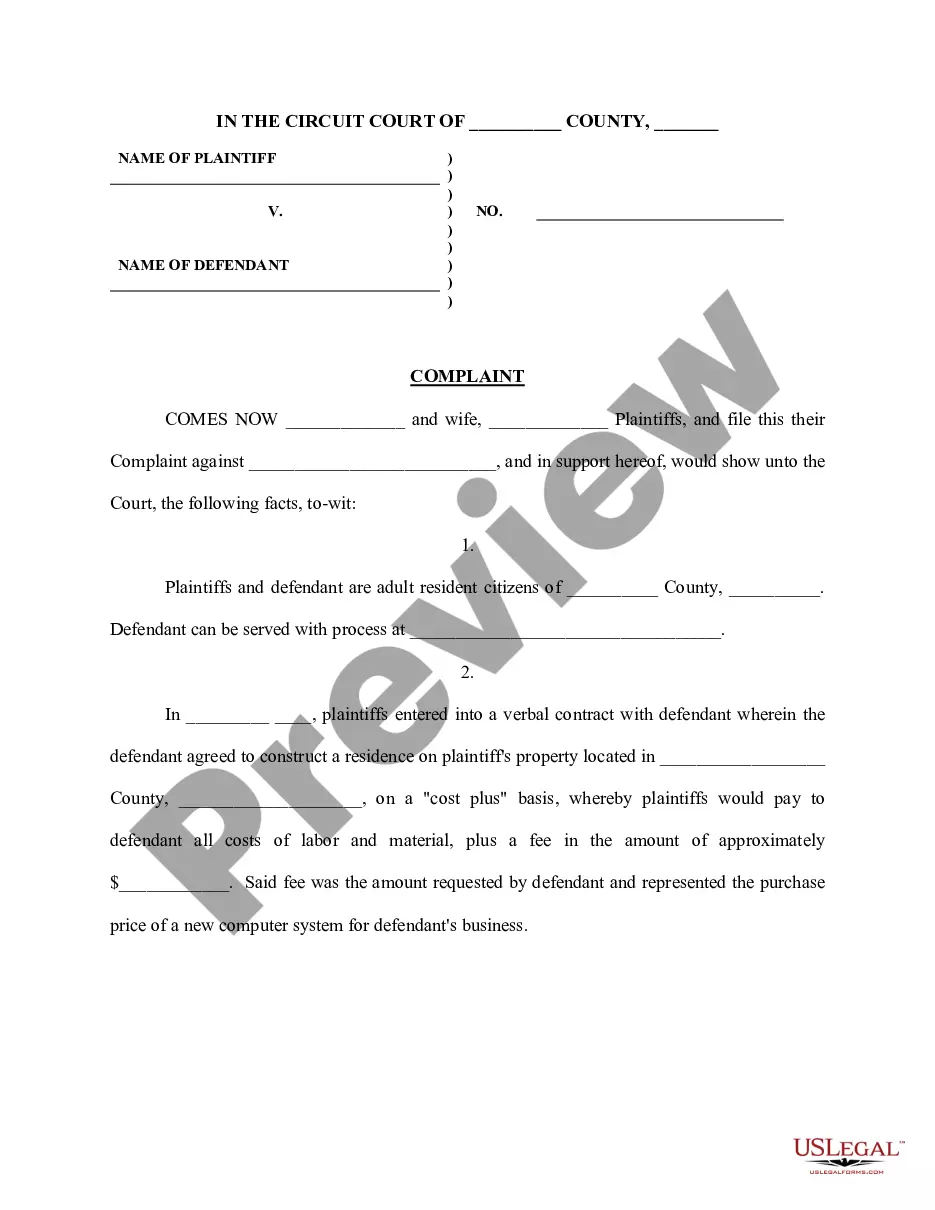
Connecticut Toll Manufacturing Agreement
Description
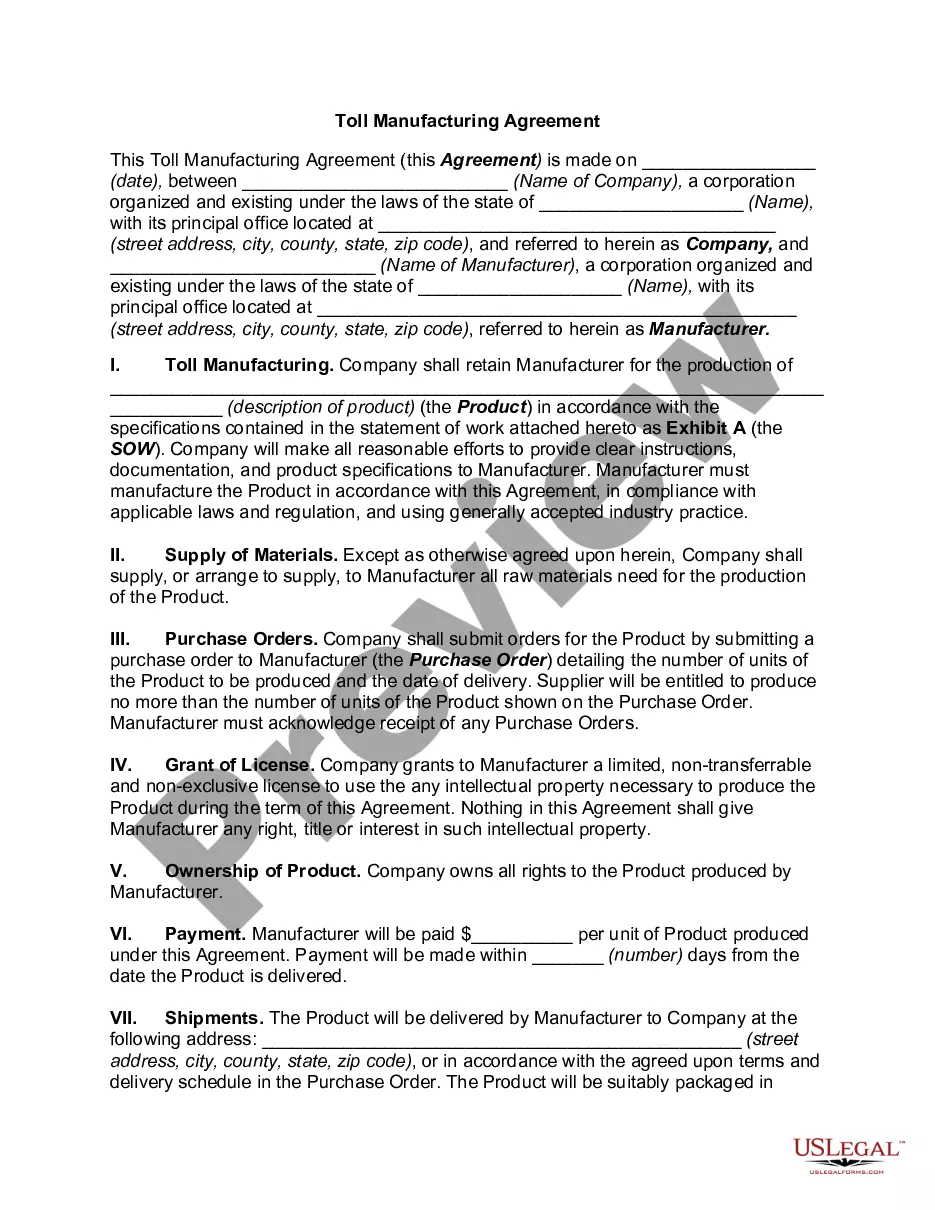
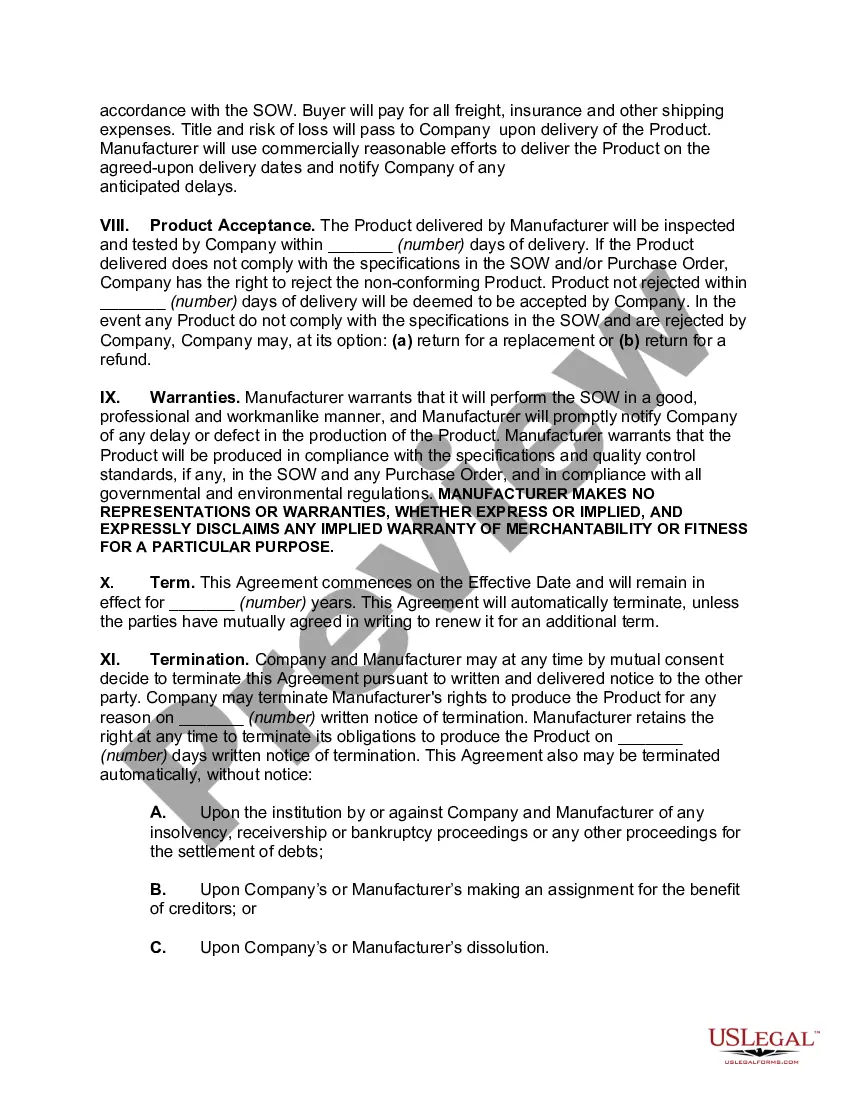
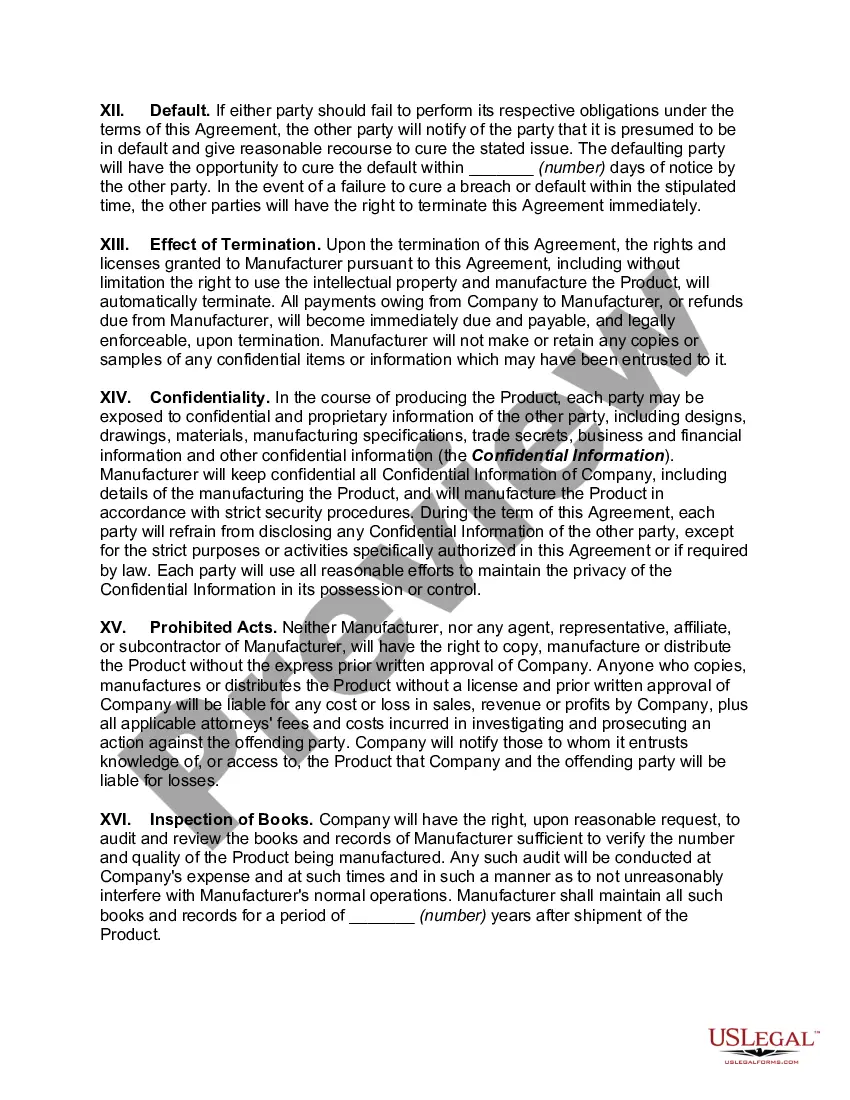
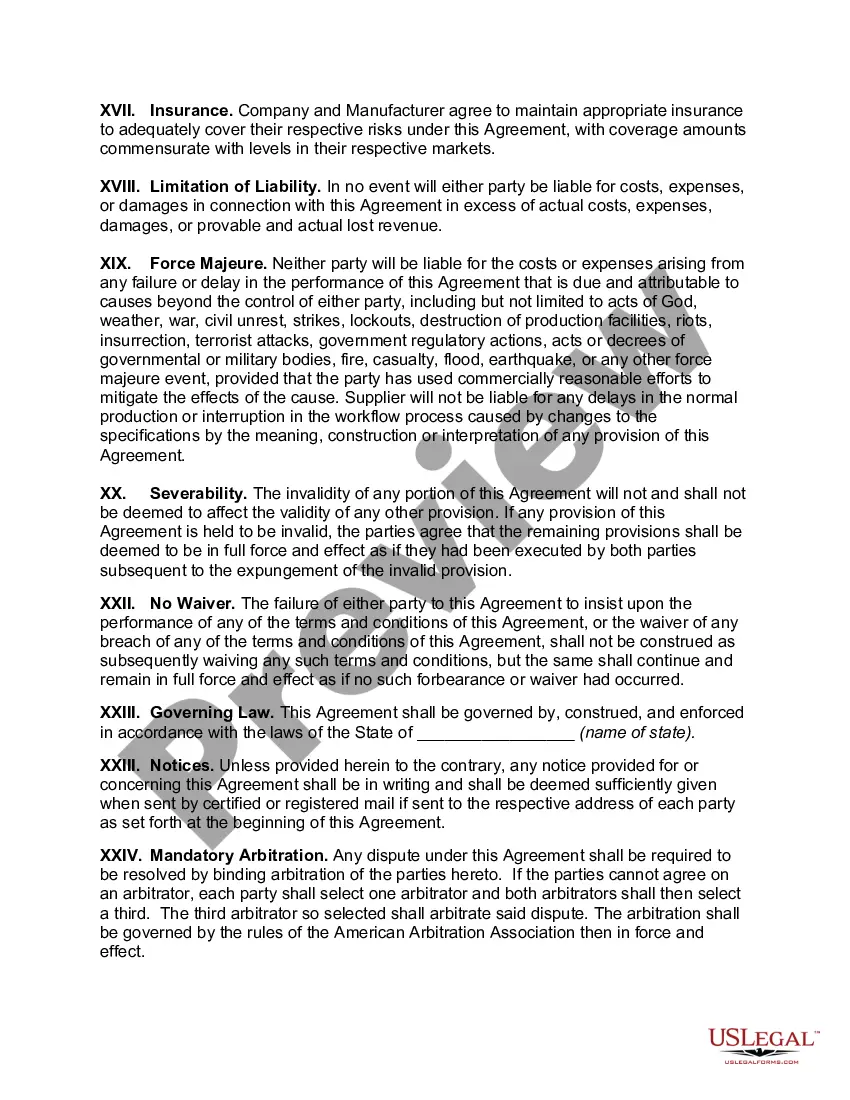
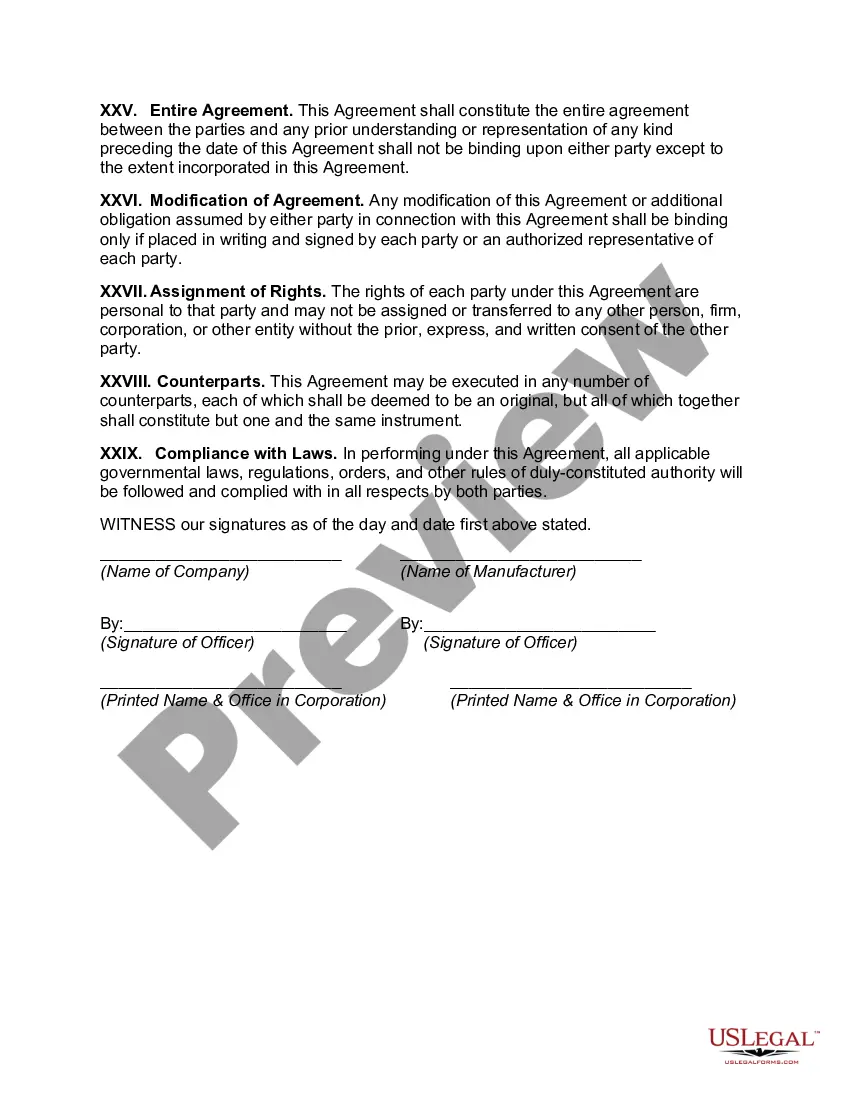
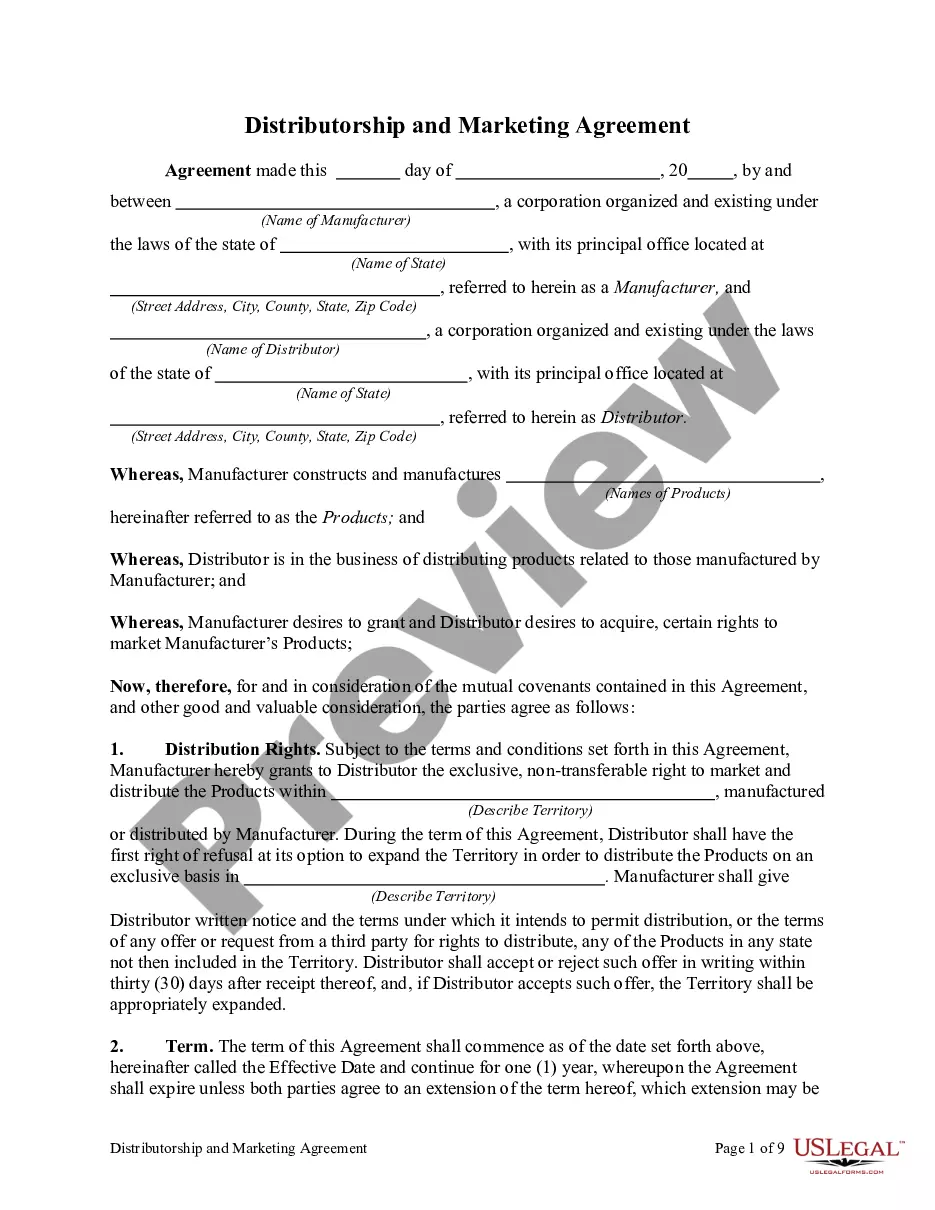
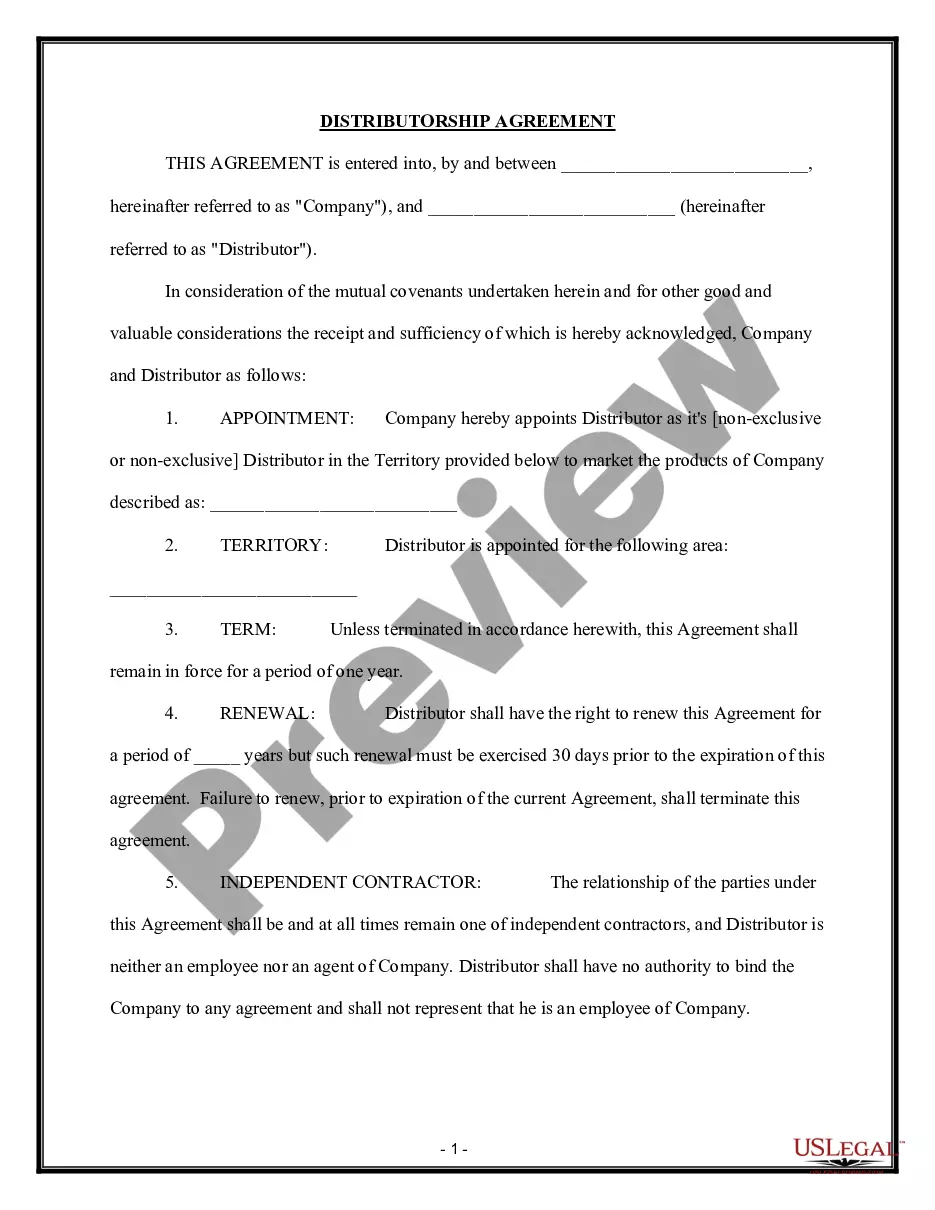
Get your form ready online
Our built-in tools help you complete, sign, share, and store your documents in one place.
Make edits, fill in missing information, and update formatting in US Legal Forms—just like you would in MS Word.
Download a copy, print it, send it by email, or mail it via USPS—whatever works best for your next step.
Sign and collect signatures with our SignNow integration. Send to multiple recipients, set reminders, and more. Go Premium to unlock E-Sign.
If this form requires notarization, complete it online through a secure video call—no need to meet a notary in person or wait for an appointment.
We protect your documents and personal data by following strict security and privacy standards.

Make edits, fill in missing information, and update formatting in US Legal Forms—just like you would in MS Word.

Download a copy, print it, send it by email, or mail it via USPS—whatever works best for your next step.

Sign and collect signatures with our SignNow integration. Send to multiple recipients, set reminders, and more. Go Premium to unlock E-Sign.

If this form requires notarization, complete it online through a secure video call—no need to meet a notary in person or wait for an appointment.

We protect your documents and personal data by following strict security and privacy standards.
Looking for another form?




How to fill out Toll Manufacturing Agreement?
If you need to finalize, obtain, or produce legal document templates, utilize US Legal Forms, the largest collection of legal forms available online.
Take advantage of the site's straightforward and convenient search to find the documents you require.
Various templates for business and personal purposes are organized by types and states, or keywords.
Step 5. Process the payment. You can use your credit card or PayPal account to complete the transaction.
Step 6. Select the format of the legal form and download it to your device.Step 7. Fill out, modify, and print or sign the Connecticut Toll Manufacturing Agreement. Every legal document template you download is yours permanently. You can access all the forms you saved in your account. Click on the My documents section and select a form to print or download again. Complete and obtain, and print the Connecticut Toll Manufacturing Agreement with US Legal Forms. There are thousands of professional and state-specific forms available for your business or personal needs.
- Use US Legal Forms to retrieve the Connecticut Toll Manufacturing Agreement with just a few clicks.
- If you are already a US Legal Forms user, Log In to your account and click the Obtain button to find the Connecticut Toll Manufacturing Agreement.
- You can also view forms you previously saved in the My documents section of your account.
- If you are using US Legal Forms for the first time, follow the guidelines below.
- Step 1. Make sure you have selected the form for your specific city/state.
- Step 2. Use the Preview option to check the form's content. Don't forget to read the description.
- Step 3. If you are not satisfied with the form, use the Search field at the top of the screen to find other versions of the legal form template.
- Step 4. After finding the form you need, click on the Get now button. Choose the pricing plan you prefer and enter your details to sign up for an account.
Form popularity
FAQ
Subcontract manufacturing involves hiring a third party to produce goods according to the specifications of the contracting company. This approach allows businesses to manage costs and scale production without investing in their own manufacturing facilities. A Connecticut Toll Manufacturing Agreement typically outlines these terms, ensuring both parties understand their roles and responsibilities.
Subcontractors focus on specific tasks or services needed for a project, while manufacturers produce the final products. In a Connecticut Toll Manufacturing Agreement, manufacturers take raw materials and turn them into finished goods, often on behalf of another company. Understanding this difference is crucial for businesses looking to streamline production and enhance operational efficiency.
A toll manufacturer processes raw materials for a product owner without taking ownership of those materials, while a contract manufacturer typically handles production on behalf of a client and may own the materials. The Connecticut Toll Manufacturing Agreement emphasizes the operational roles that distinguish these two types of manufacturers. Choosing between the two depends on your business model and production requirements.
Toll manufacturing offers several advantages, such as reduced capital investment and access to specialized expertise. Companies can focus on their core activities while leveraging the capabilities of a toll manufacturer. Additionally, the Connecticut Toll Manufacturing Agreement allows you to scale production according to demand without the burden of owning the production facilities. This flexibility can be crucial for businesses aiming for growth.
Toll manufacturing involves one company processing raw materials for another company without taking ownership of the goods. In contrast, subcontracting typically entails a company hiring another to complete a project or service while maintaining full control over the product. By understanding the Connecticut Toll Manufacturing Agreement, you can see how these models serve different business needs. This distinction can help you choose the right approach for your manufacturing strategy.
A manufacturer produces goods from raw materials using their own facilities and resources. On the other hand, a contract manufacturer specializes in creating products on behalf of other companies based on their designs and specifications. In a Connecticut Toll Manufacturing Agreement, the lines blur as the client retains control over the materials, while the manufacturer focuses on production efficiency. Knowing this distinction helps businesses choose the best path for their product development.
Toll manufacturing refers to a situation where a company hires a manufacturer to produce its goods using the company's own raw materials. This setup can be highly beneficial, as it allows businesses to reduce operational costs without sacrificing quality. Having a solid Connecticut Toll Manufacturing Agreement is essential, as it outlines the terms of production, ensuring that both parties are aligned on expectations and responsibilities. This clarity helps prevent misunderstandings and promotes smoother operations.
Toll manufacturing typically involves the exchange of raw materials for finished products, while contract manufacturing encompasses a broader scope, including product development and design. In a Connecticut Toll Manufacturing Agreement, the manufacturer usually does not take ownership of the raw materials but instead processes them. This distinction allows businesses to choose the manufacturing strategy that best fits their operational needs, whether they want to retain tight control over production or outsource more responsibilities.
The toll manufacturing process involves one company providing production services on behalf of another company. In this arrangement, the toll manufacturer processes the raw materials delivered by the client into finished goods. A well-structured Connecticut Toll Manufacturing Agreement will clarify what materials are used, the production method, and quality assurance measures. This process allows companies to leverage the manufacturing capabilities of others while focusing on their core business.
A contract manufacturing agreement outlines the relationship between a manufacturer and a company that wants to produce a product. This agreement specifies responsibilities, costs, and timelines for production. A comprehensive Connecticut Toll Manufacturing Agreement can detail aspects such as quality control, intellectual property rights, and delivery schedules to ensure both parties’ expectations are met. By having this agreement in place, companies can streamline their operations and reduce risks.