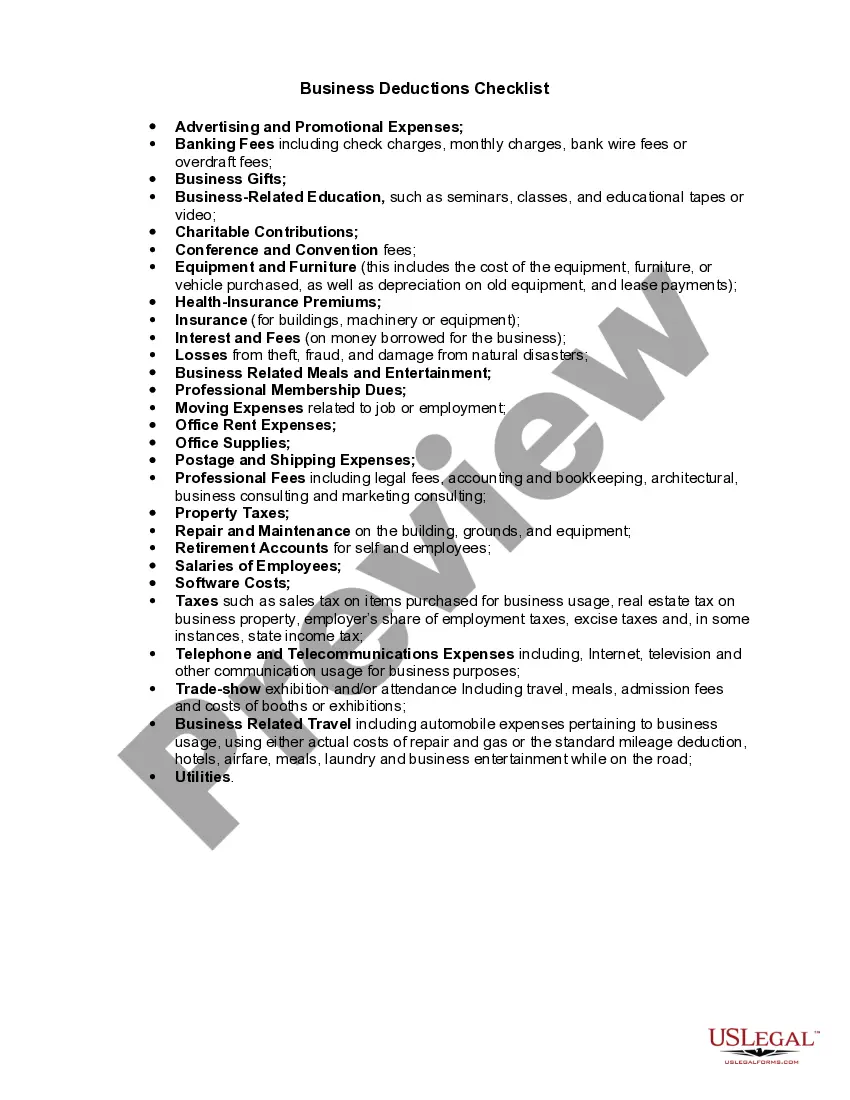
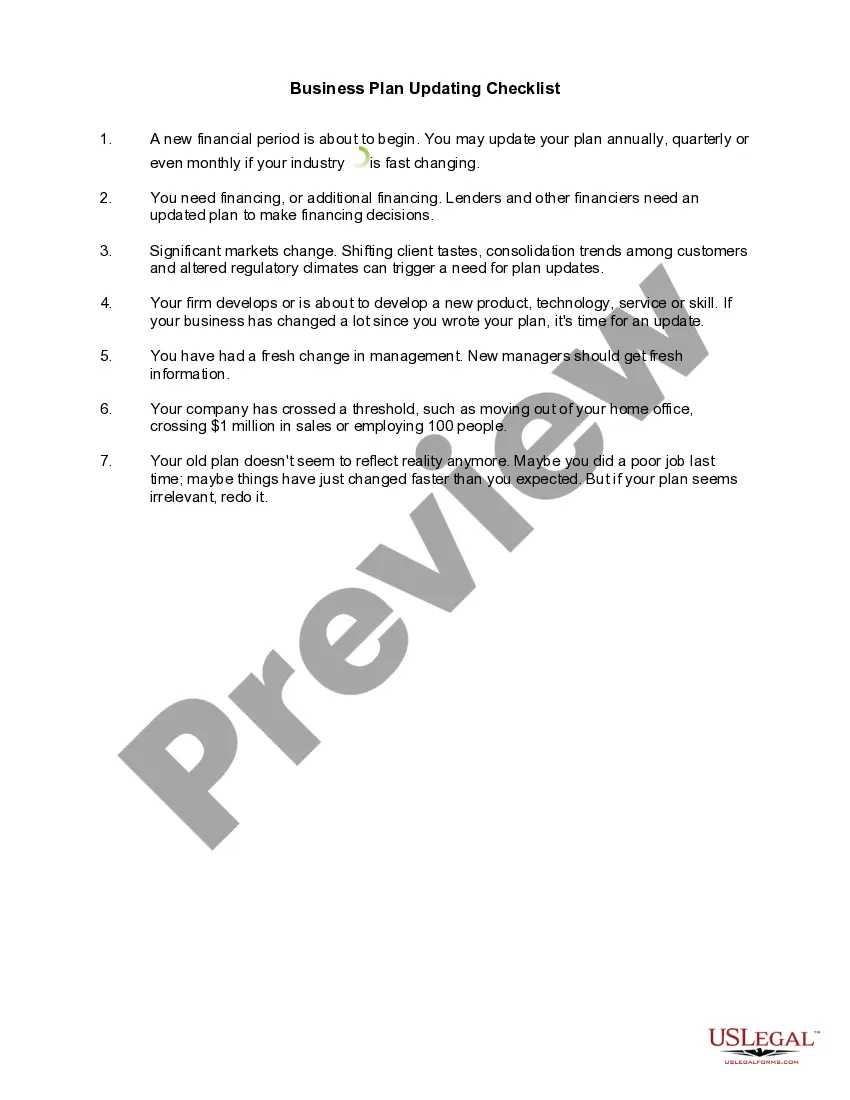
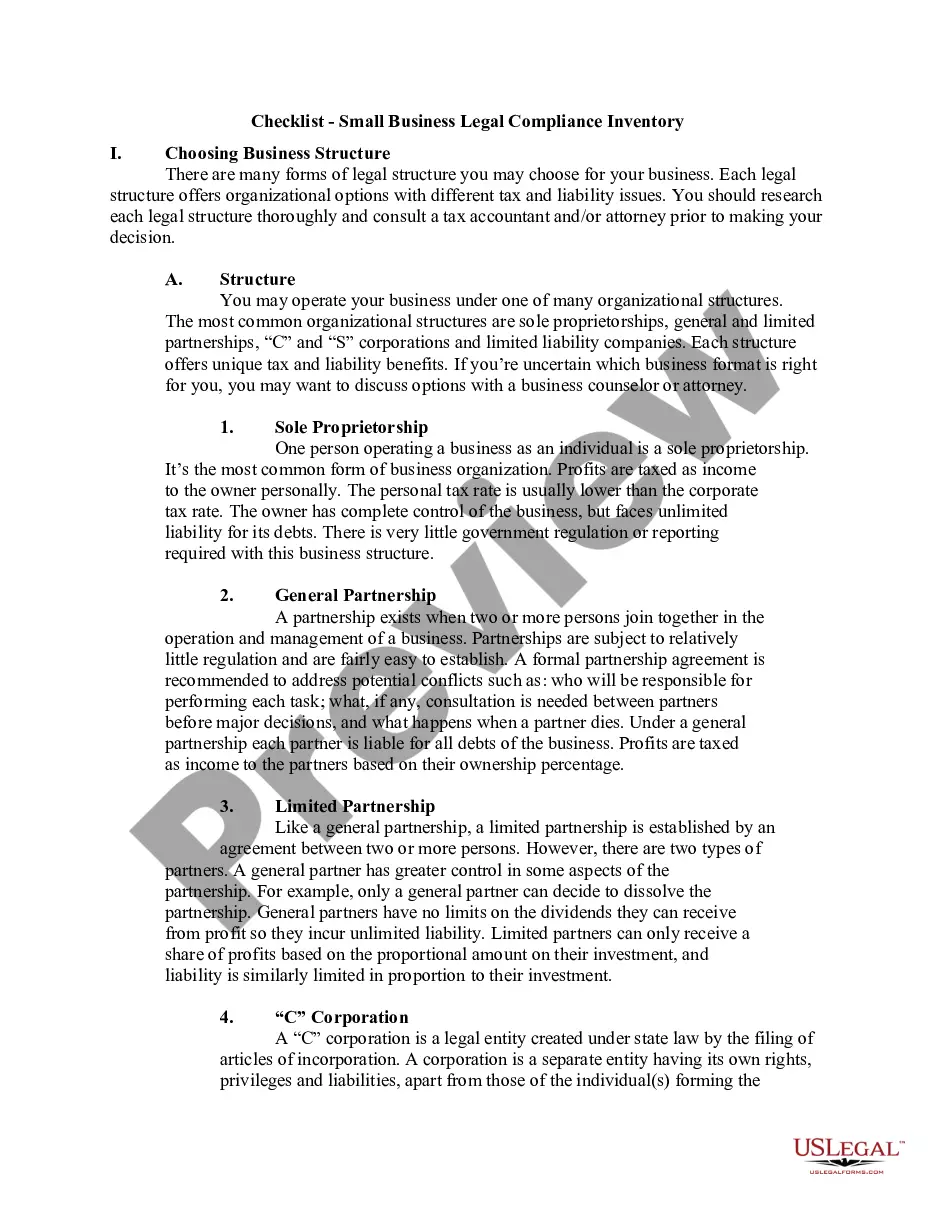
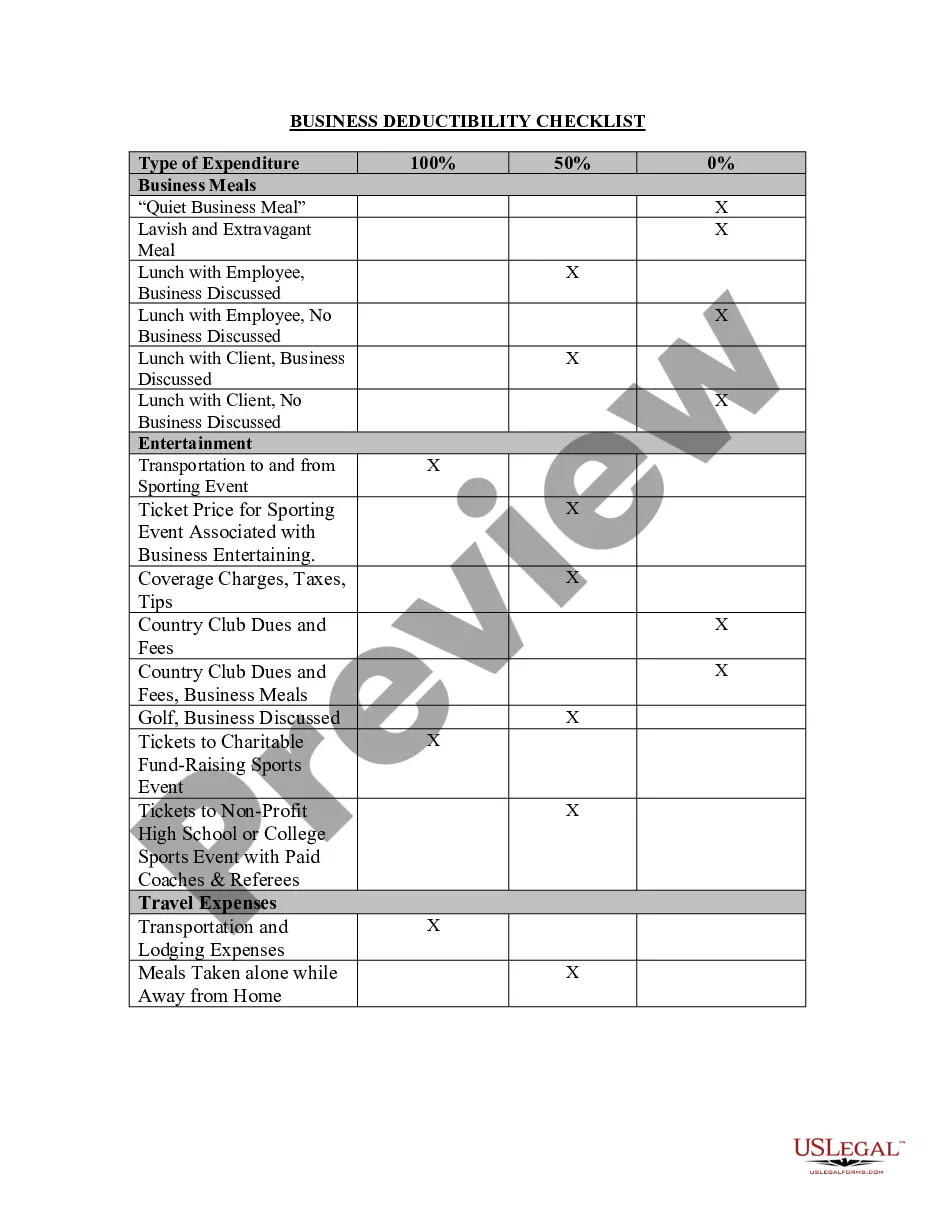
Connecticut Business Deductions Checklist
Description
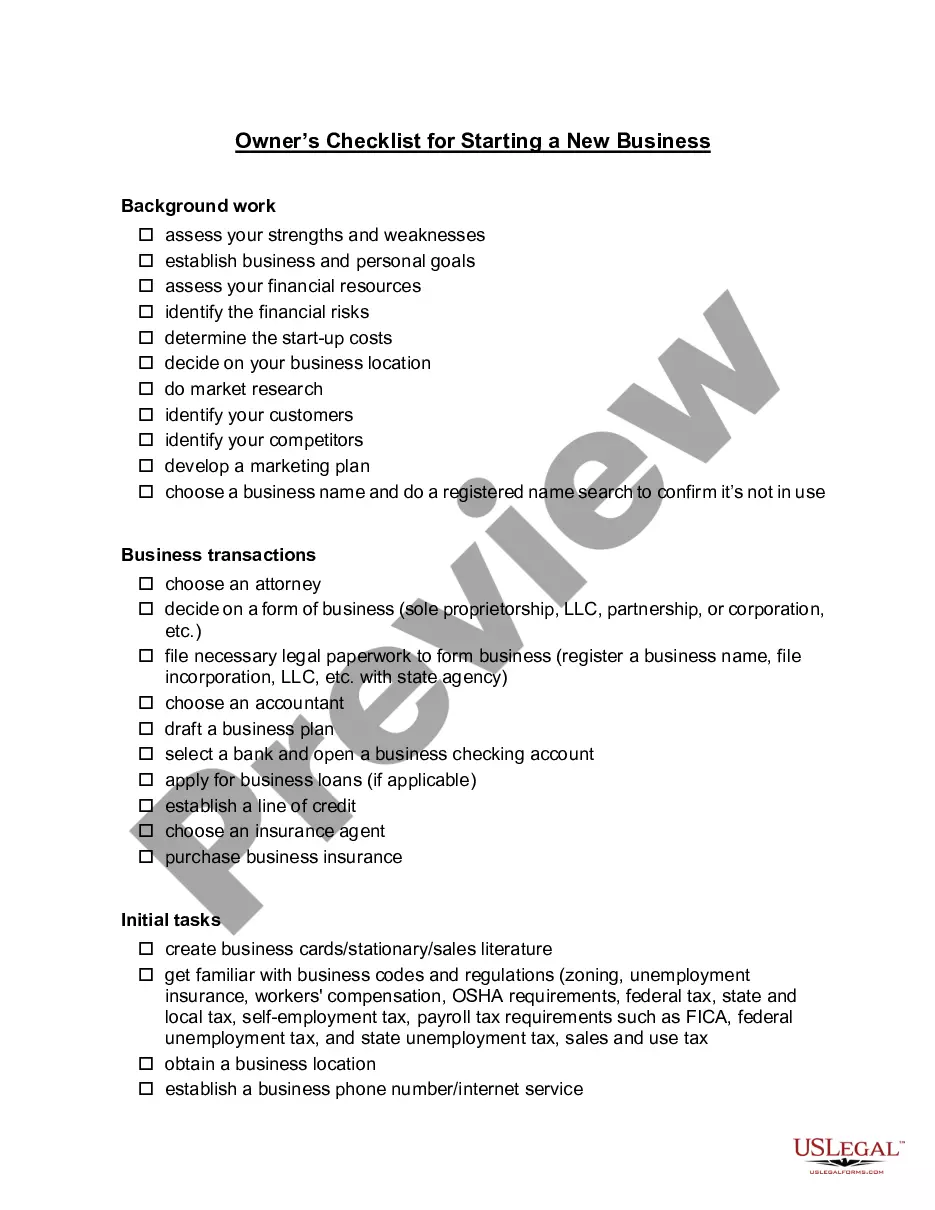
Get your form ready online
Our built-in tools help you complete, sign, share, and store your documents in one place.
Make edits, fill in missing information, and update formatting in US Legal Forms—just like you would in MS Word.
Download a copy, print it, send it by email, or mail it via USPS—whatever works best for your next step.
Sign and collect signatures with our SignNow integration. Send to multiple recipients, set reminders, and more. Go Premium to unlock E-Sign.
If this form requires notarization, complete it online through a secure video call—no need to meet a notary in person or wait for an appointment.
We protect your documents and personal data by following strict security and privacy standards.
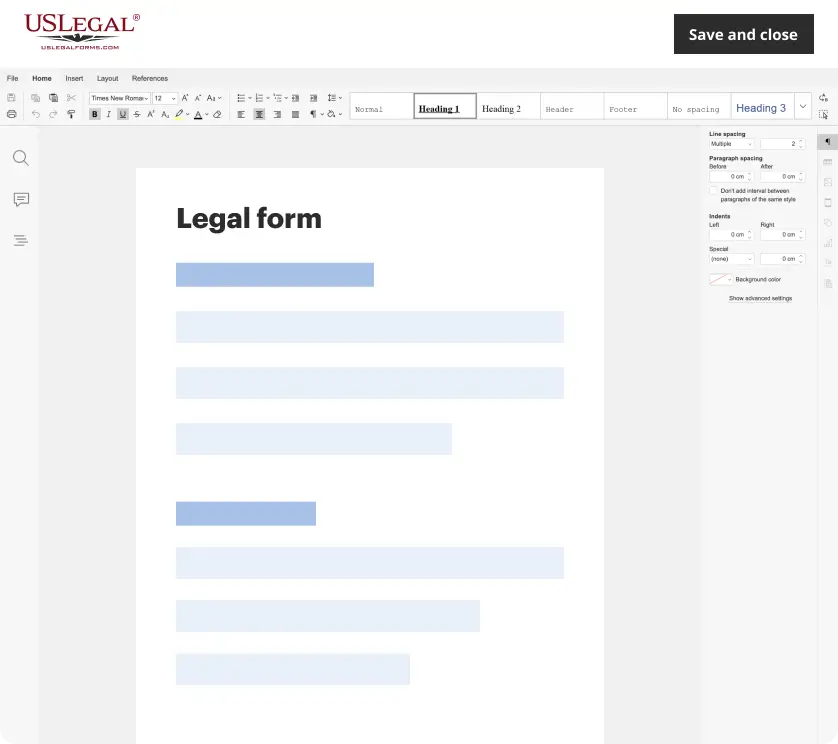
Make edits, fill in missing information, and update formatting in US Legal Forms—just like you would in MS Word.
Download a copy, print it, send it by email, or mail it via USPS—whatever works best for your next step.
Sign and collect signatures with our SignNow integration. Send to multiple recipients, set reminders, and more. Go Premium to unlock E-Sign.

If this form requires notarization, complete it online through a secure video call—no need to meet a notary in person or wait for an appointment.
We protect your documents and personal data by following strict security and privacy standards.
Looking for another form?
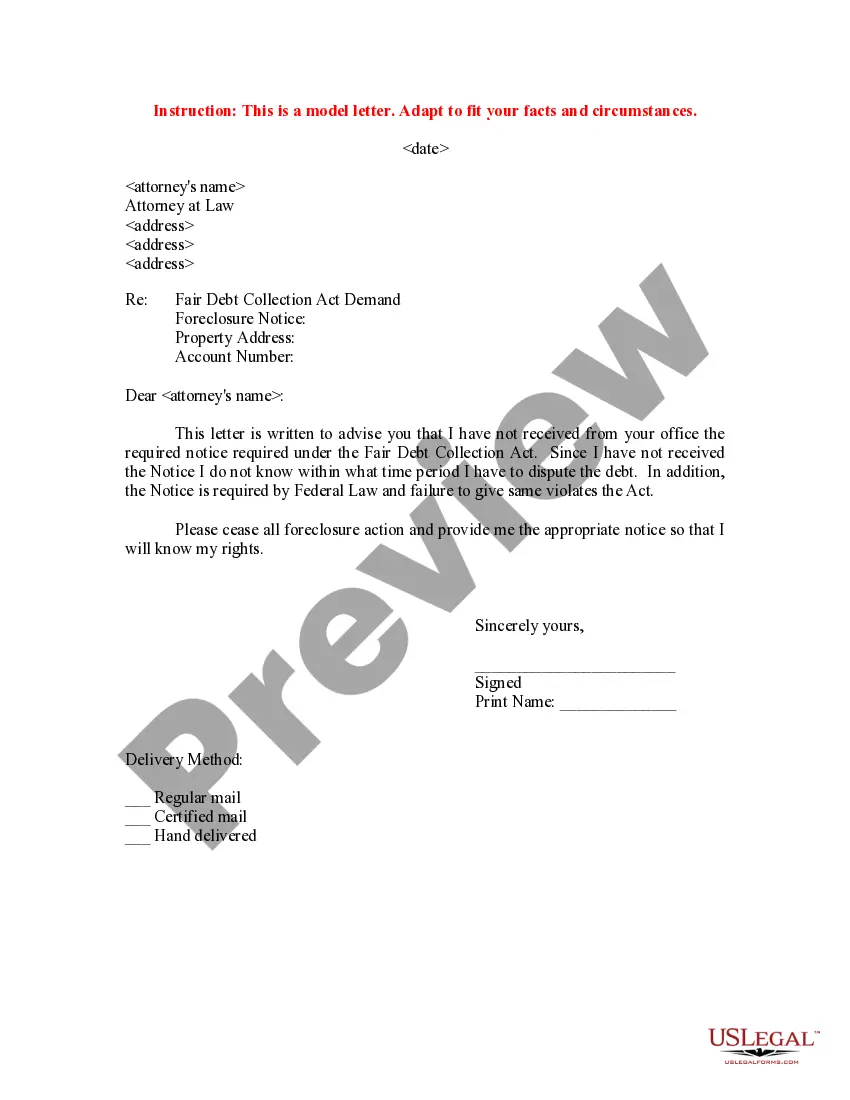
How to fill out Business Deductions Checklist?
Locating the appropriate legal document format can be a challenge. Of course, there are numerous templates accessible online, but how do you acquire the legal document you need.
Utilize the US Legal Forms website. The platform offers thousands of templates, including the Connecticut Business Deductions Checklist, which can be utilized for business and personal purposes. All of the forms are reviewed by professionals and satisfy state and federal requirements.
If you are already a member, Log In to your account and click on the Download button to retrieve the Connecticut Business Deductions Checklist. Use your account to browse the legal forms you may have purchased previously. Visit the My documents section of your account to obtain another copy of the document you need.
US Legal Forms is the largest collection of legal forms available for different document templates. Take advantage of the service to download professionally crafted documents that comply with state regulations.
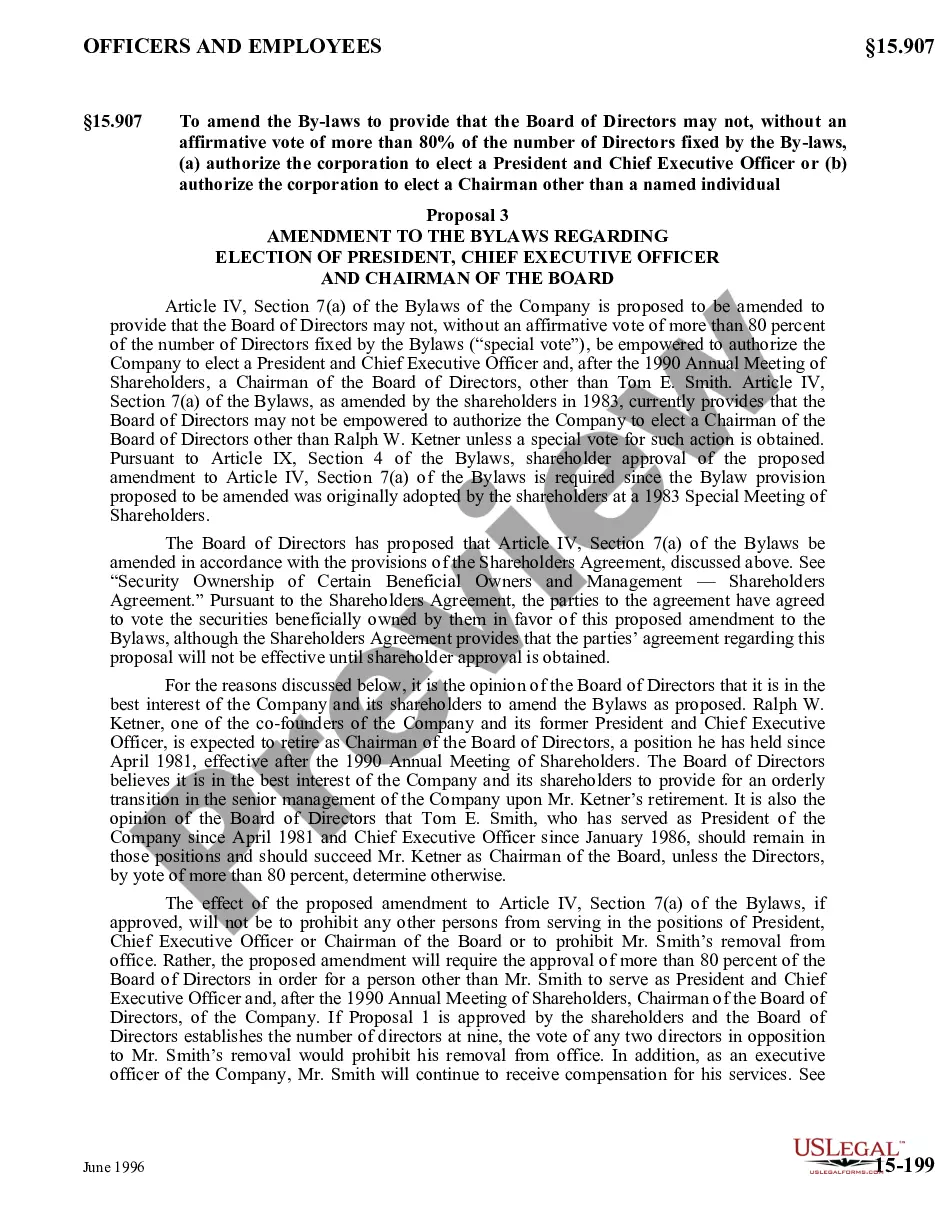
- First, ensure that you have selected the correct document for your state/region. You can view the form using the Preview option and read the document details to confirm it is suitable for you.
- If the document does not meet your requirements, use the Search field to find the appropriate form.
- Once you are confident that the document is correct, click on the Purchase now button to acquire the document.
- Select the pricing plan you prefer and enter the required information. Create your account and pay for the order using your PayPal account or credit card.
- Choose the format of the document and download the legal document format to your device.
- Complete, edit, print, and sign the acquired Connecticut Business Deductions Checklist.
Form popularity
FAQ
Yes, Connecticut offers a standard deduction for its residents, which can simplify your tax filing process. However, if your itemized deductions exceed the standard amount, you may benefit more from using the Connecticut Business Deductions Checklist to itemize. Always evaluate both options to determine which approach provides greater tax savings.
Yes, itemized deductions are still permitted, both at the federal and state levels. While some changes have occurred in tax law, you can still take advantage of many deductions listed on the Connecticut Business Deductions Checklist. This is especially relevant for business owners who can qualify for various expenses that directly reduce taxable income.
In Connecticut, you can itemize state taxes such as income taxes, property taxes, and certain business-related taxes. Utilizing the Connecticut Business Deductions Checklist helps ensure that you capture all eligible items for deduction. This can be beneficial in lowering your overall tax liability.
You report business deductions on your federal tax return using Schedule C, as well as on your Connecticut state tax return using the appropriate forms. The Connecticut Business Deductions Checklist can guide you through documenting your expenses correctly. For detailed assistance, consider using platforms like uslegalforms, which can provide templates and resources tailored to your needs.
Yes, Connecticut allows residents to itemize deductions on their state tax returns. By using the Connecticut Business Deductions Checklist, you can identify the deductions that apply to your business and personal expenses. This can help you reduce your taxable income and potentially lower your state tax bill.
Some items on the Connecticut Business Deductions Checklist, such as advertising costs, business insurance premiums, and certain education expenses, are fully tax-deductible. You can also deduct expenses for employee salaries and benefits, as long as they are necessary for your business operations. To maximize your deductions, keep detailed records of all related expenses throughout the year.
Dividends that are eligible under section 199A will typically be marked in Box 5 on the K-1 form. This indicates that the dividends qualify for the 20% qualified business income deduction. To ensure you understand all necessary details, consult the Connecticut Business Deductions Checklist for clarity on these tax provisions.
Yes, Connecticut allows taxpayers to itemize deductions, provided they meet specific conditions. However, the state has its own set of rules regarding which deductions can be taken. For comprehensive guidance, the Connecticut Business Deductions Checklist can help clarify what deductions are available to you.
To deduct business expenses, you must demonstrate that the expenses are ordinary and necessary for your business operations. Additionally, you need to maintain accurate records and receipts for these expenses. The Connecticut Business Deductions Checklist can assist you in navigating the requirements and ensuring you keep proper documentation.
One of the most overlooked tax breaks is the Qualified Business Income deduction, commonly referred to as the pass-through deduction. Many business owners miss out on this benefit due to a lack of understanding or guidance. The Connecticut Business Deductions Checklist highlights this deduction, ensuring you don't miss out on potential savings.