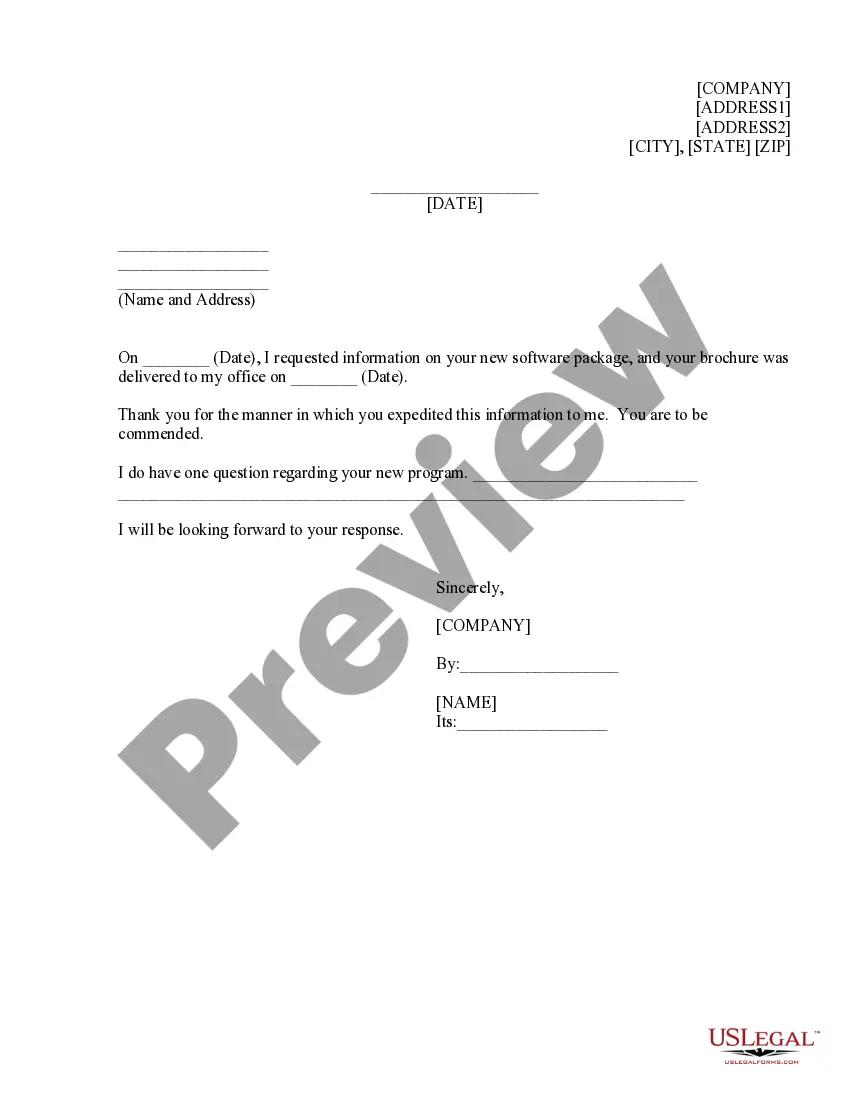
Connecticut Early Possession Agreement
Description
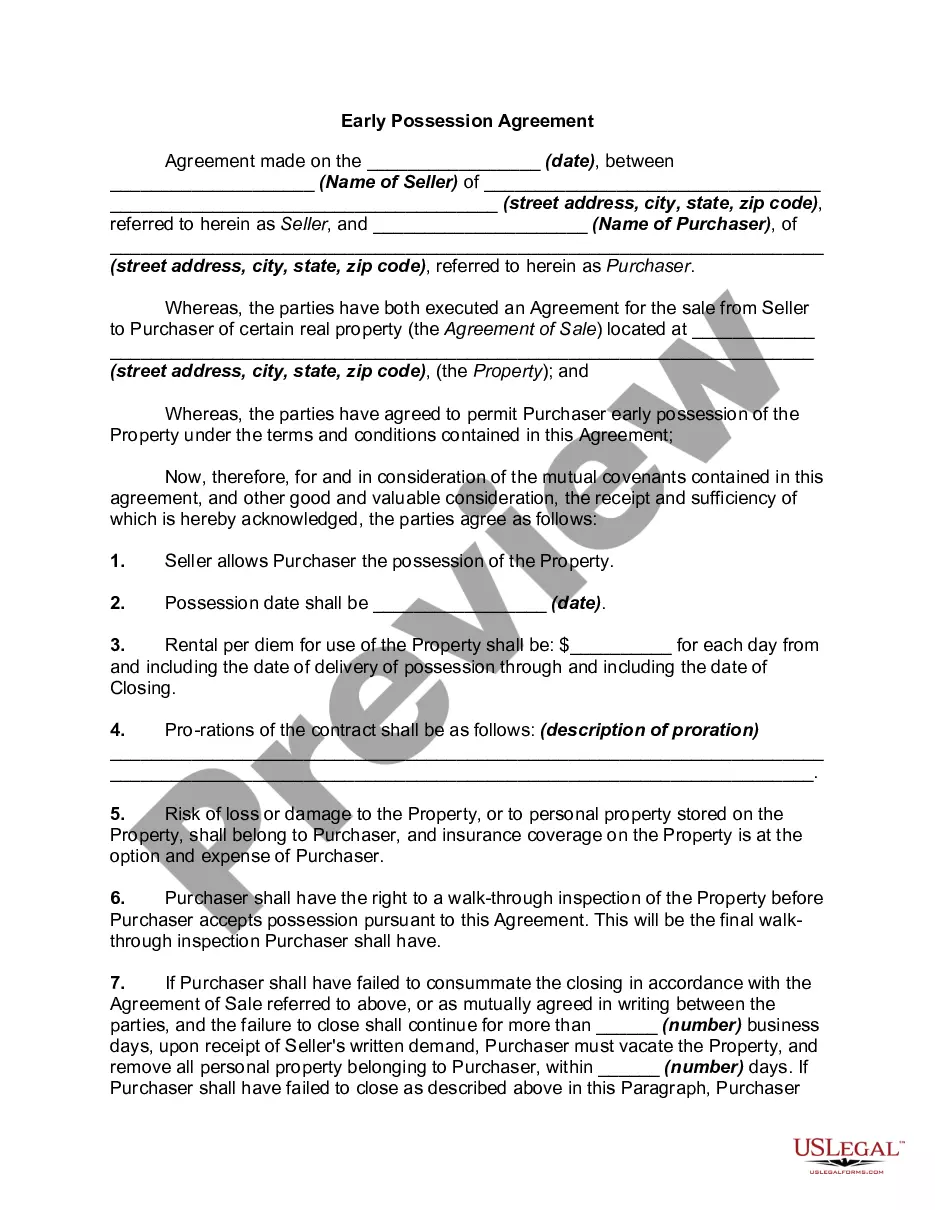
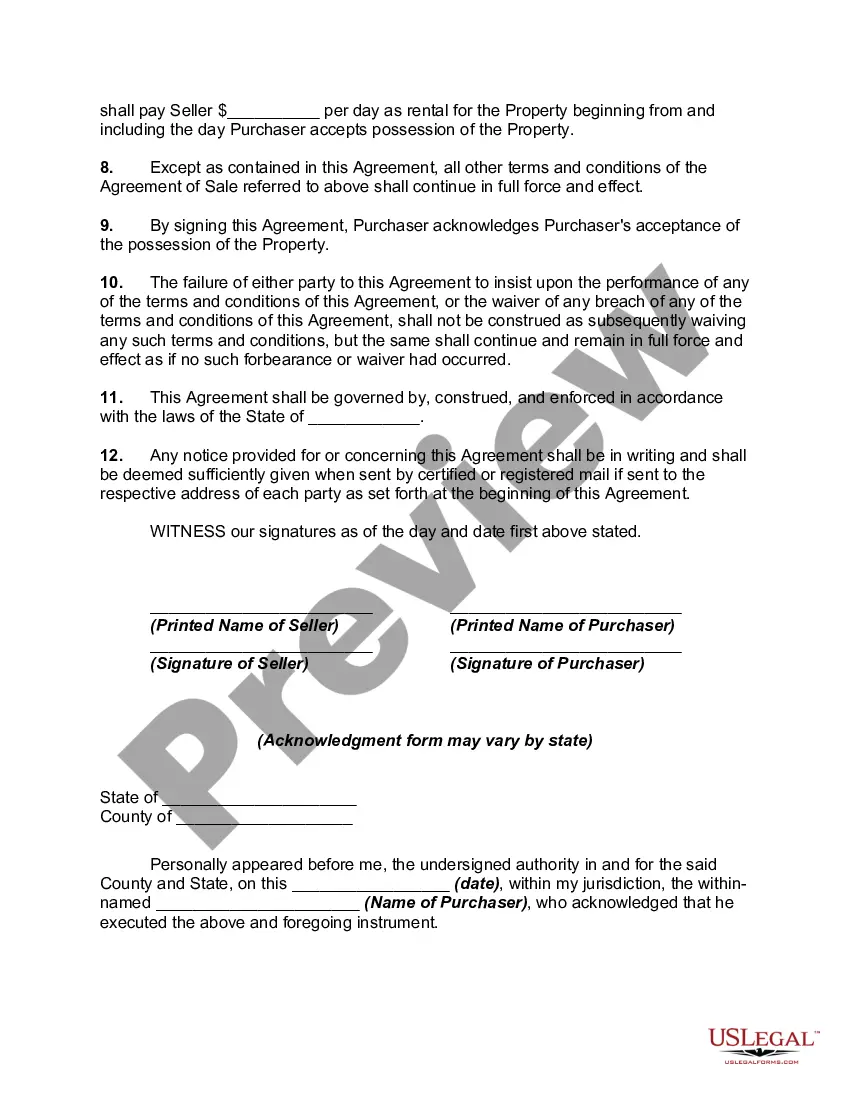
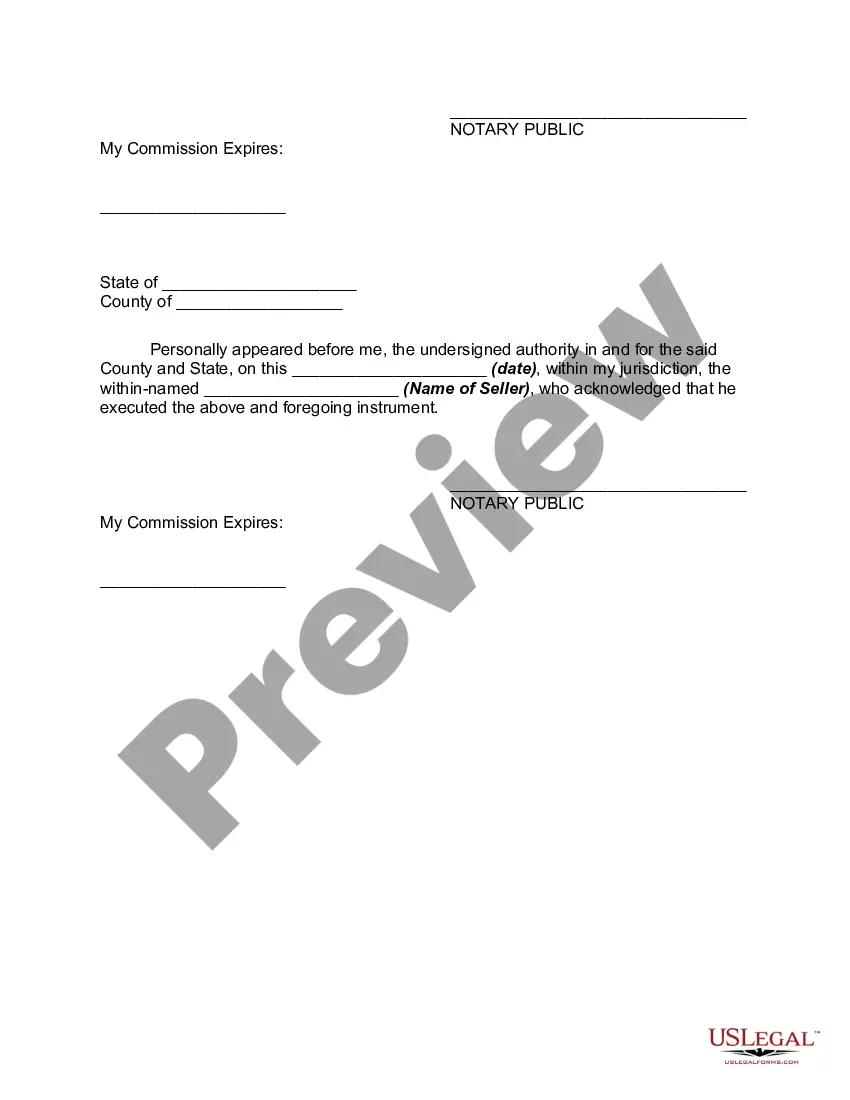
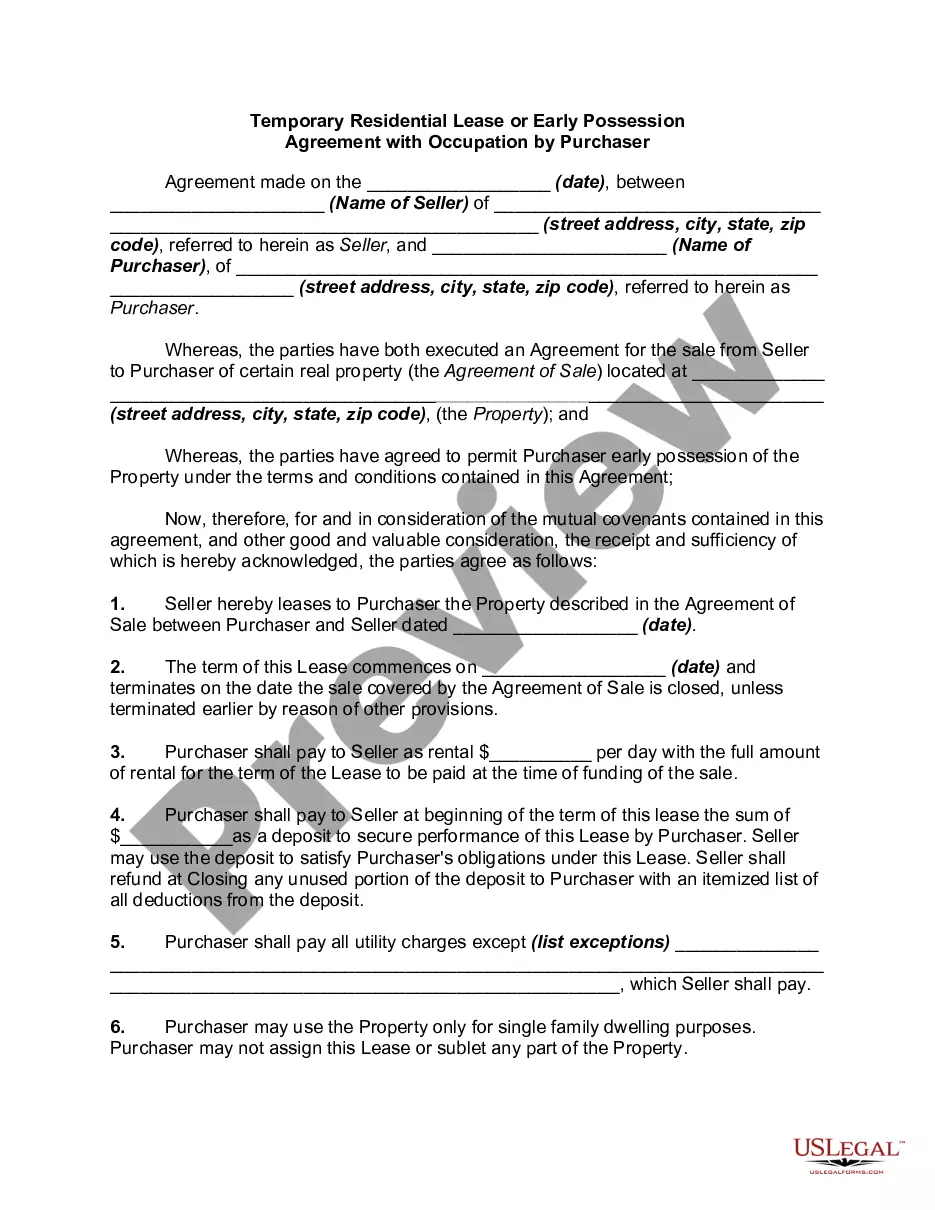
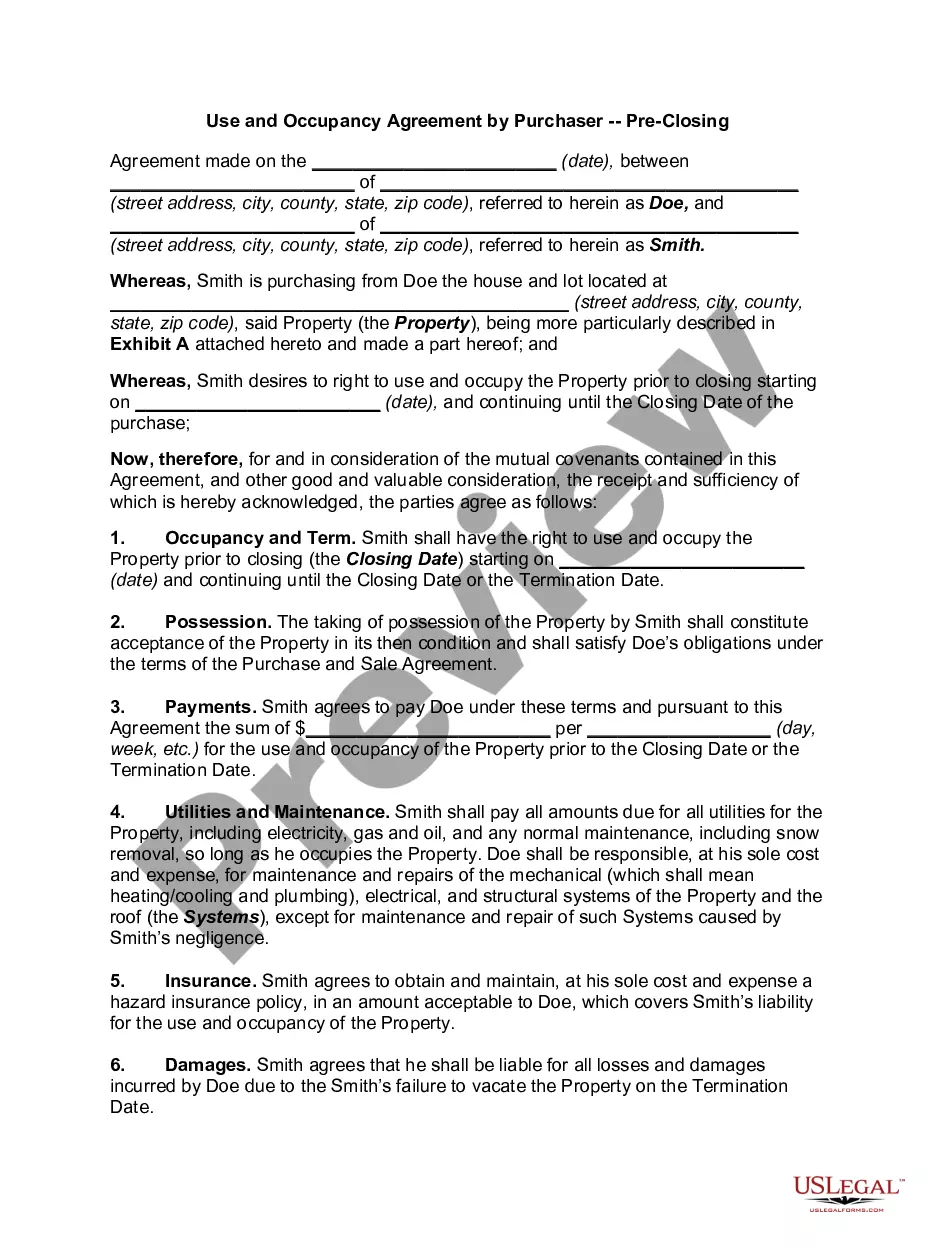
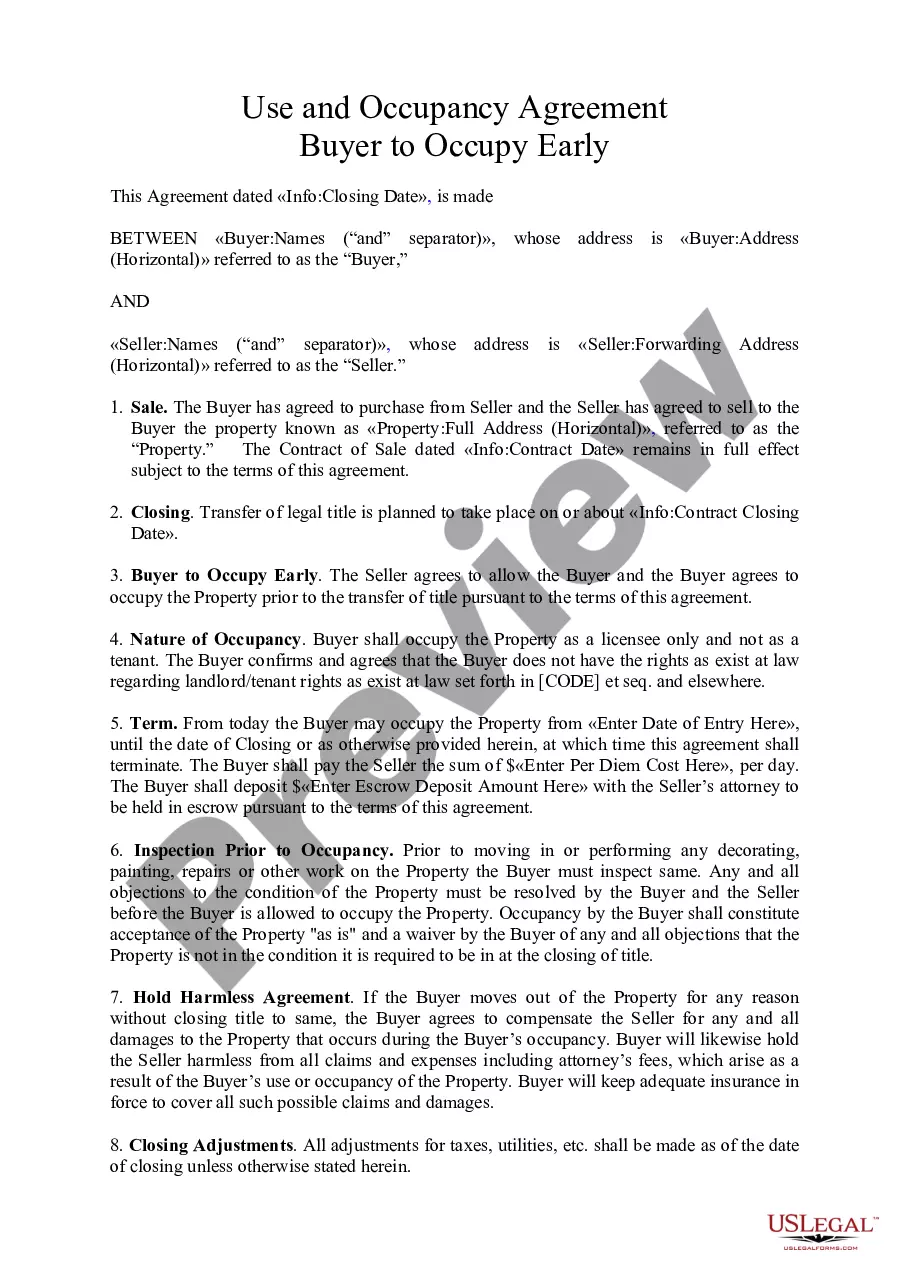
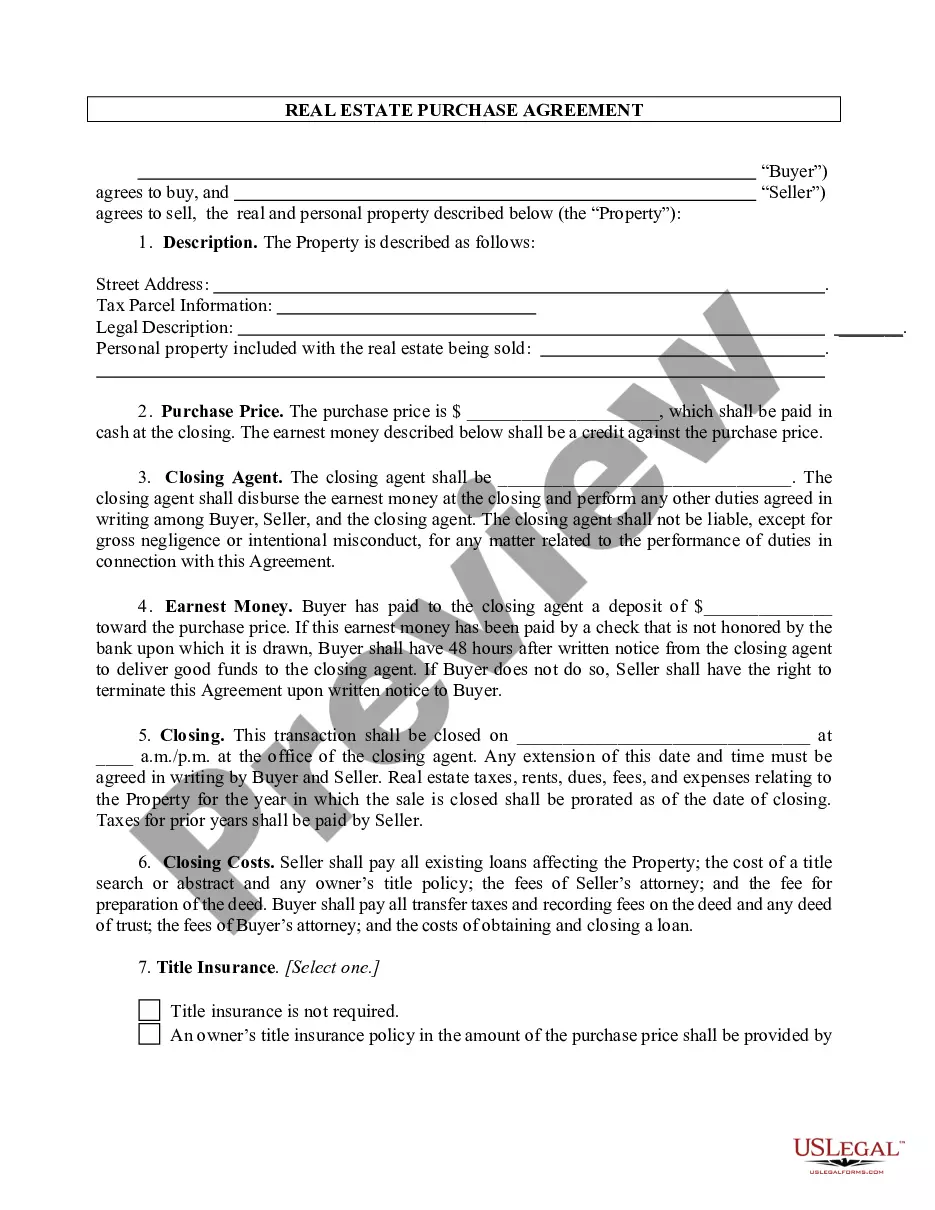







How to fill out Early Possession Agreement?
Locating the correct authentic document template can be a challenge.
Clearly, there are countless templates available online, but how can you find the genuine form you need.
Utilize the US Legal Forms website.
If you are a new user of US Legal Forms, here are simple instructions you can follow: First, ensure that you have selected the correct form for your city/county.
- The service offers thousands of templates, such as the Connecticut Early Possession Agreement, which you can utilize for both business and personal needs.
- All templates are reviewed by professionals and comply with state and federal regulations.
- If you are already a registered user, Log In to your account and click on the Obtain button to access the Connecticut Early Possession Agreement.
- You can use your account to review the legal forms you have previously obtained.
- Navigate to the My documents tab of your account to download another copy of the document you need.
Form popularity
FAQ
Allowing buyers to take possession before closing can lead to significant risks for sellers. The Connecticut Early Possession Agreement serves as a tool to manage these risks, ensuring that both parties have clear expectations. Without a formal agreement, sellers may face potential liabilities, property damage, or disputes if the transaction falls through. It's crucial to have the right protections in place to secure your interests during this transitional phase.
A landlord cannot lock you out of your rental property without going through the legal eviction process in Connecticut. Doing so is considered illegal and can expose the landlord to legal actions. Protecting your rights as a tenant is crucial, and understanding the law can help you navigate any disputes. If you find yourself facing unfair eviction, a Connecticut Early Possession Agreement could provide clarity and support in retaining your rights.
In Connecticut, a landlord cannot evict a tenant without a court order. Self-help evictions, such as changing locks or shutting off utilities, are illegal and can lead to legal repercussions for the landlord. The proper legal process must be followed to ensure both parties uphold their rights. A Connecticut Early Possession Agreement can help set clear expectations and timelines, making the eviction process more transparent and manageable.
To start the eviction process in Connecticut, you must first serve the tenant with a written notice, usually a notice to quit. This notice specifies the reasons for eviction and the timeframe for them to vacate. If they do not leave, you can file a summary process lawsuit in the appropriate court. A Connecticut Early Possession Agreement can be beneficial, as it clarifies terms and expectations between you and the tenant, potentially avoiding misunderstandings.
The eviction process in Connecticut can take anywhere from a few weeks to several months, depending on various factors. After filing an eviction action, you must wait for a hearing, which could take a few weeks. If the court grants the eviction, the tenant has time to vacate the property, which can further extend the timeline. Using a Connecticut Early Possession Agreement may help expedite possession and mitigate delays.
To remove someone from your property in Connecticut, you should start by giving them a written notice. This can be a notice to quit, which informs them that they need to leave the premises. If they do not comply, you may need to pursue legal action, such as filing for eviction. Utilizing a Connecticut Early Possession Agreement can provide a clearer pathway for ownership and possession, ensuring a smoother process.
Pre-occupancy refers to the phase where a buyer occupies a home before the official closing date. This situation often requires a legal framework, such as a Connecticut Early Possession Agreement, to outline the rules and expectations. This approach can streamline the transition into a new life chapter while minimizing potential disagreements.
A temporary occupancy agreement for a buyer prior to closing is a legal contract that enables the buyer to occupy the property while the transaction is not yet finalized. This agreement typically outlines the occupancy terms, including duration, fees, and utility responsibilities. Utilizing a Connecticut Early Possession Agreement ensures both parties are covered under the law during this period.
Temporary occupancy before closing allows the buyer to reside in a property while awaiting the completion of the sale. This arrangement is beneficial as it can ease the transition into a new home and offers the buyer time to settle in. The Connecticut Early Possession Agreement ensures this type of agreement is clear, addressing any responsibilities and liabilities.
Moving into a house before closing is not illegal, but it requires a proper agreement, such as a Connecticut Early Possession Agreement. Without a legal contract, moving in could lead to disputes or complications if something goes wrong. It is always advisable to formalize early occupancy to protect your interests.