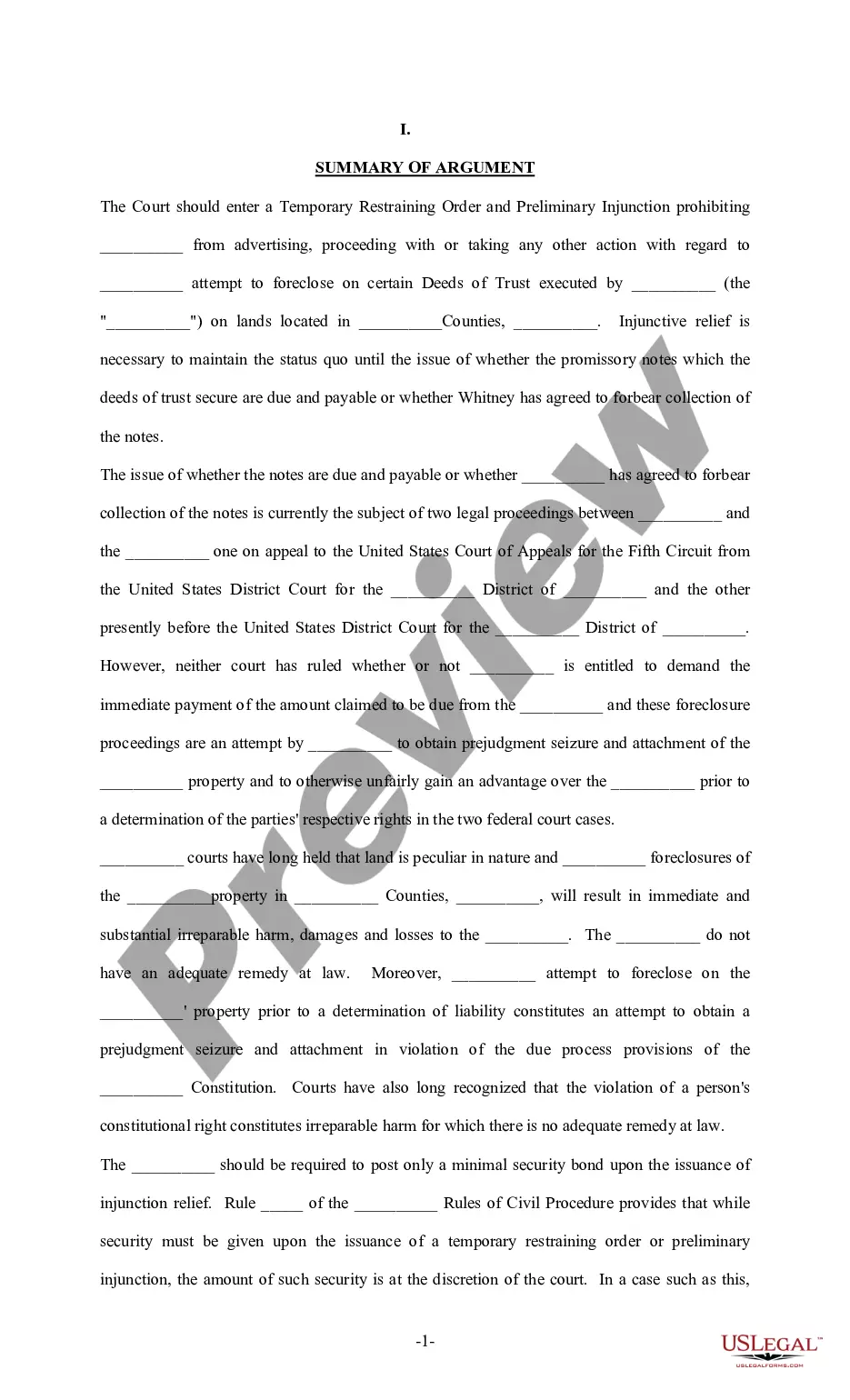
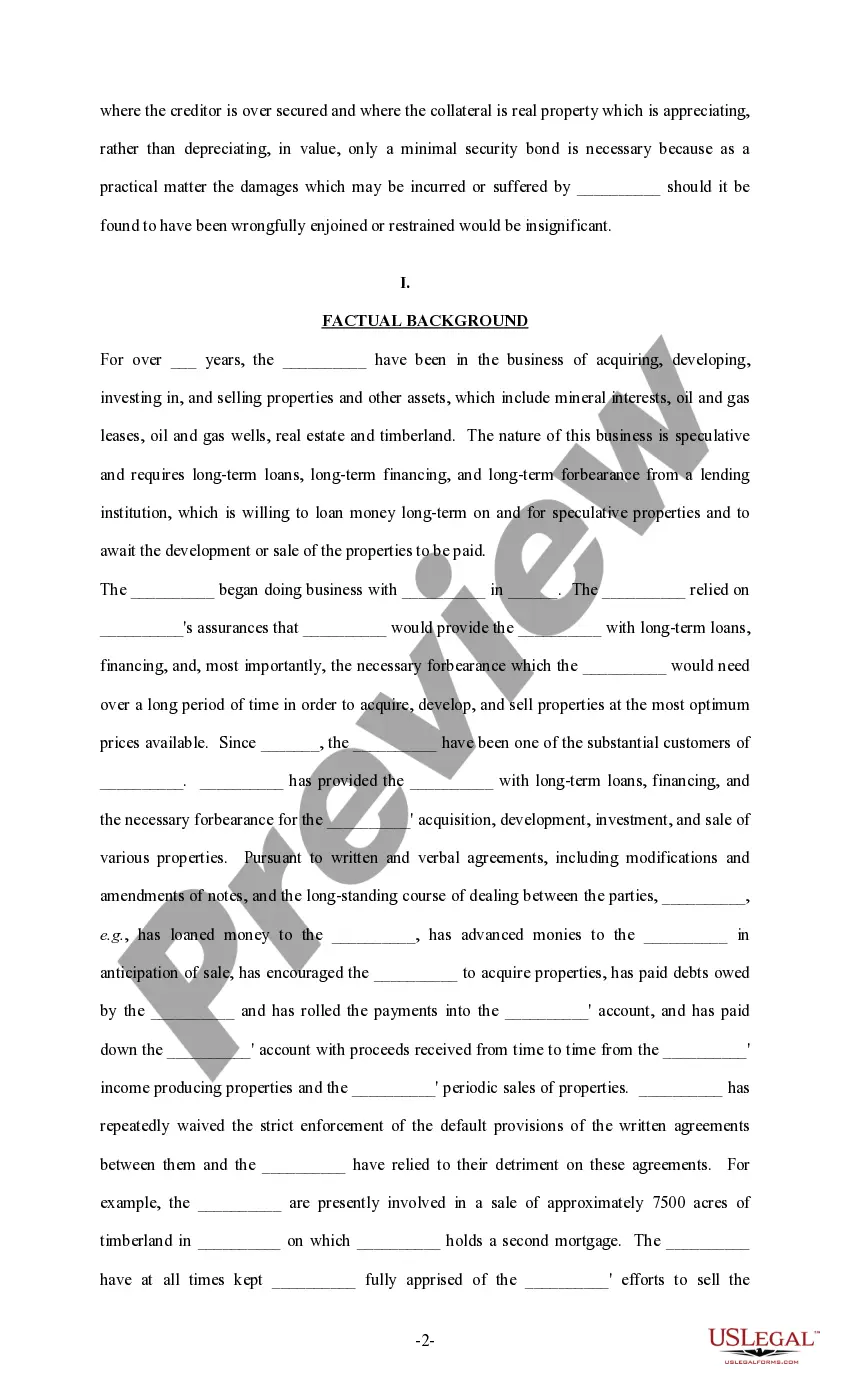
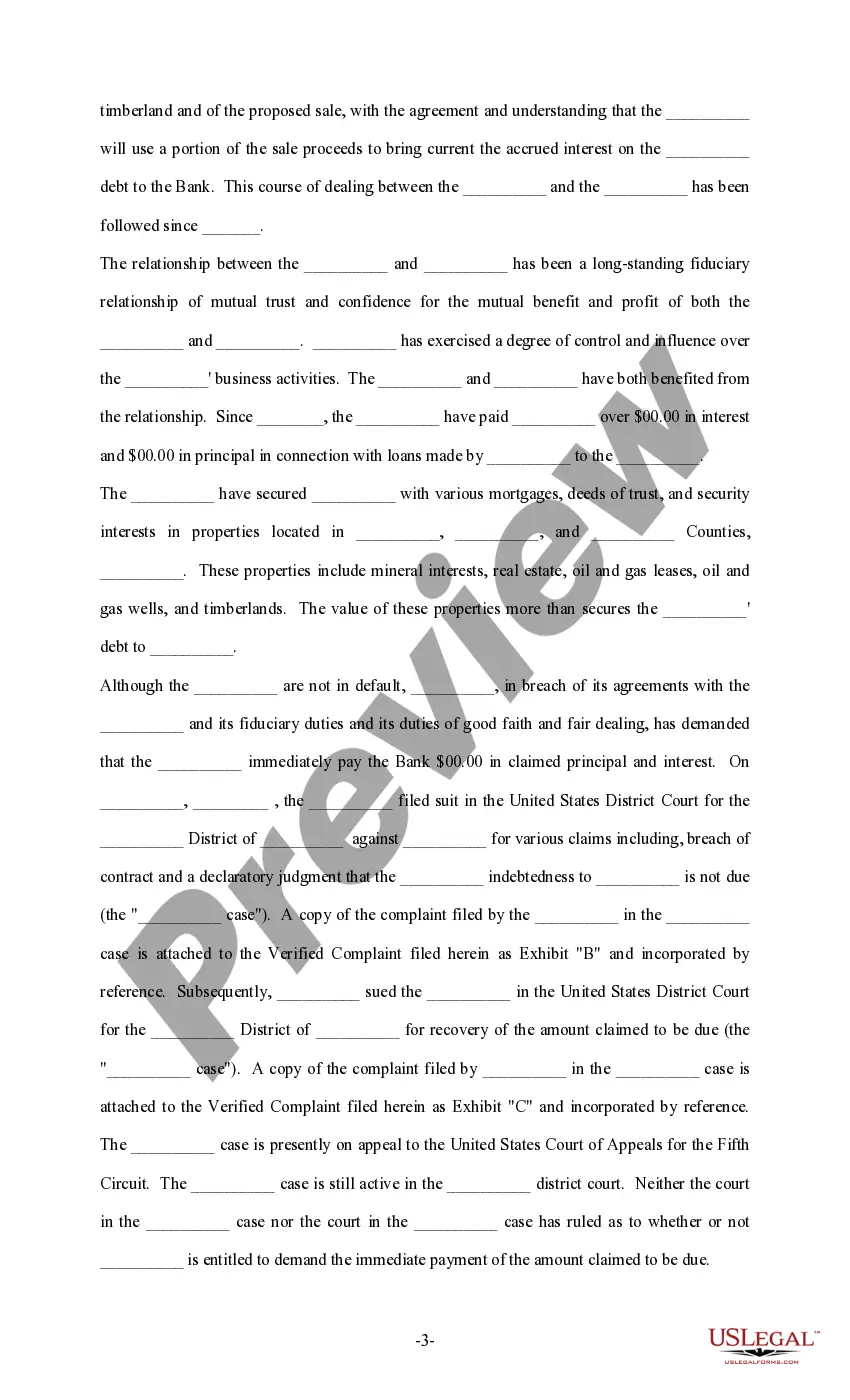
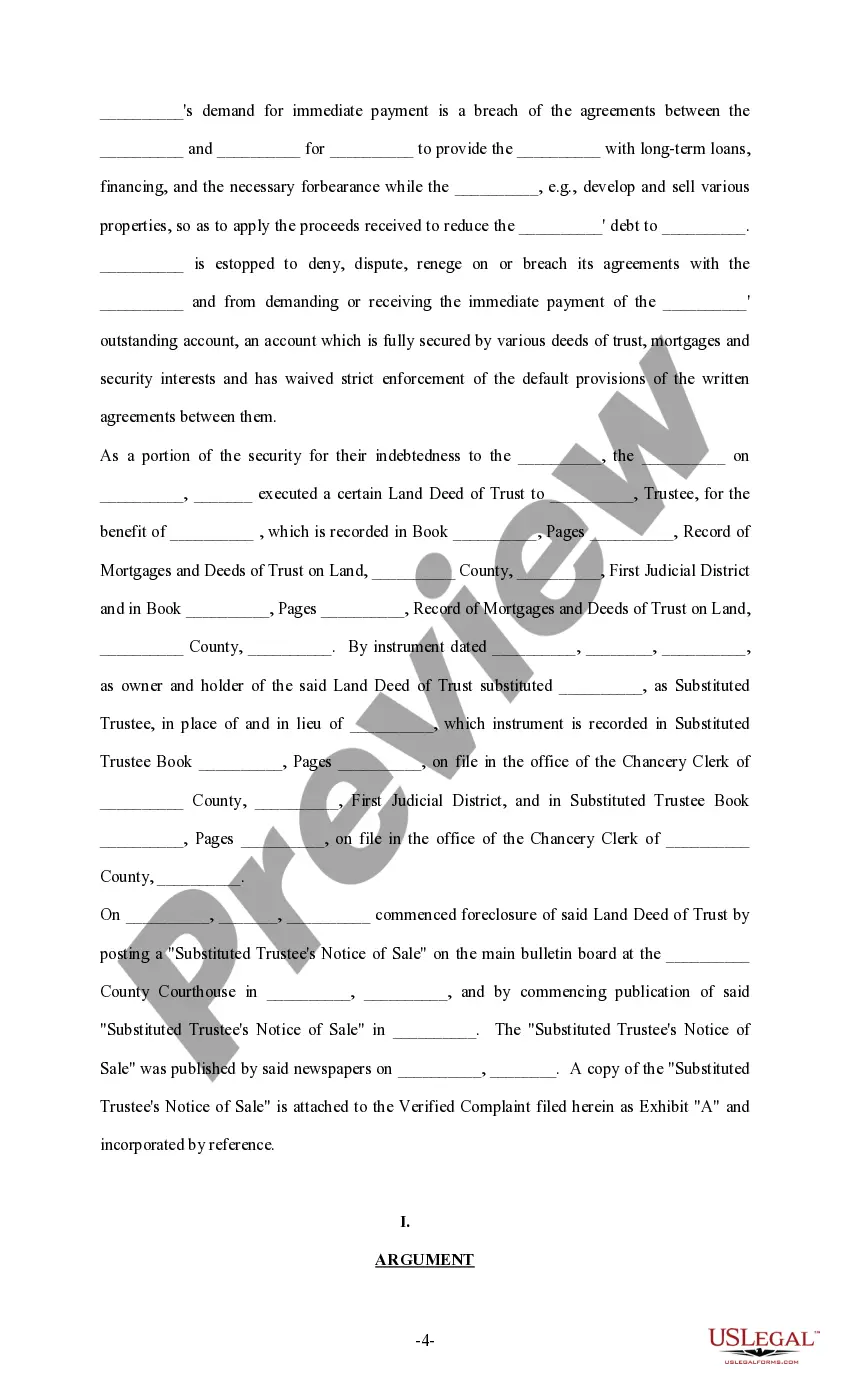
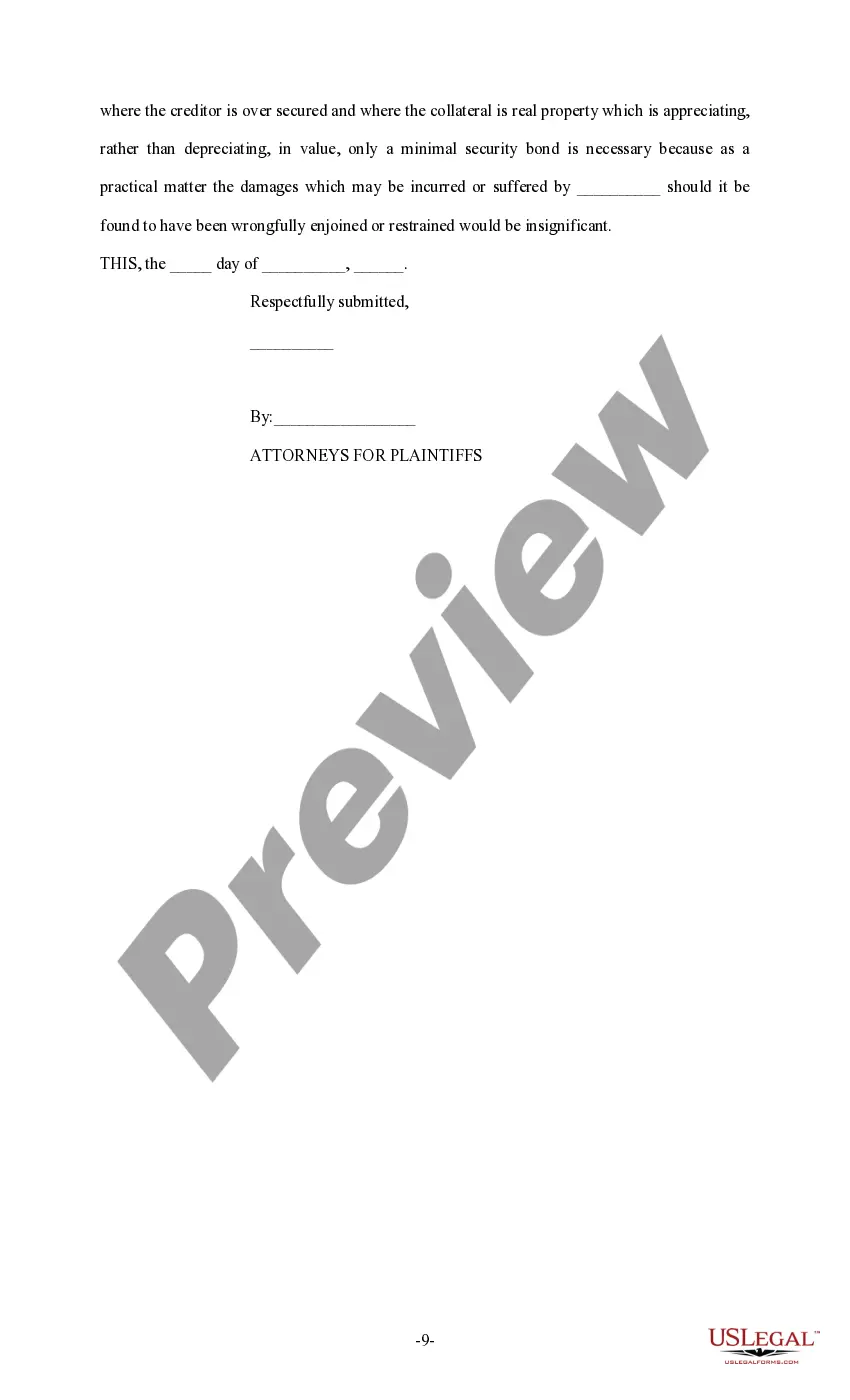
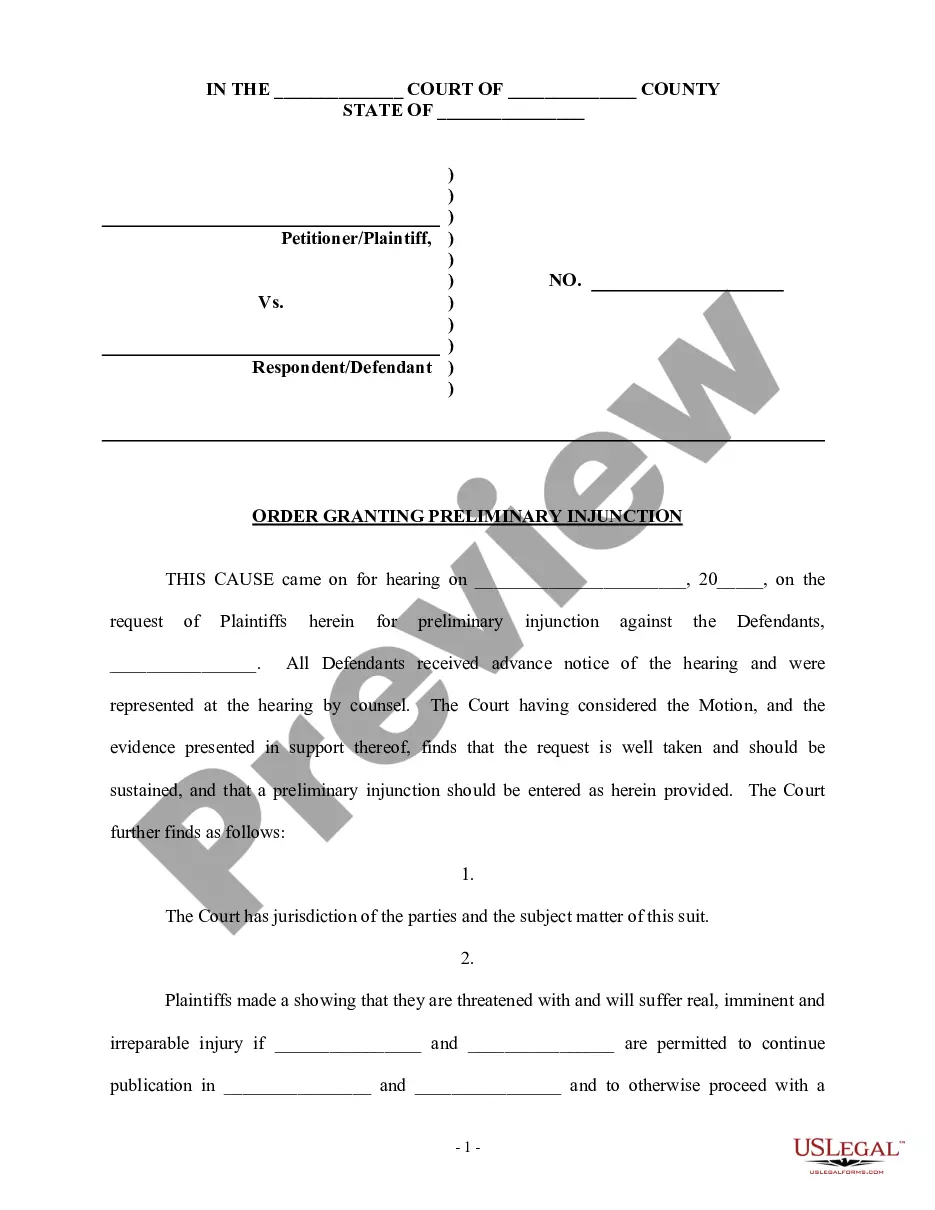
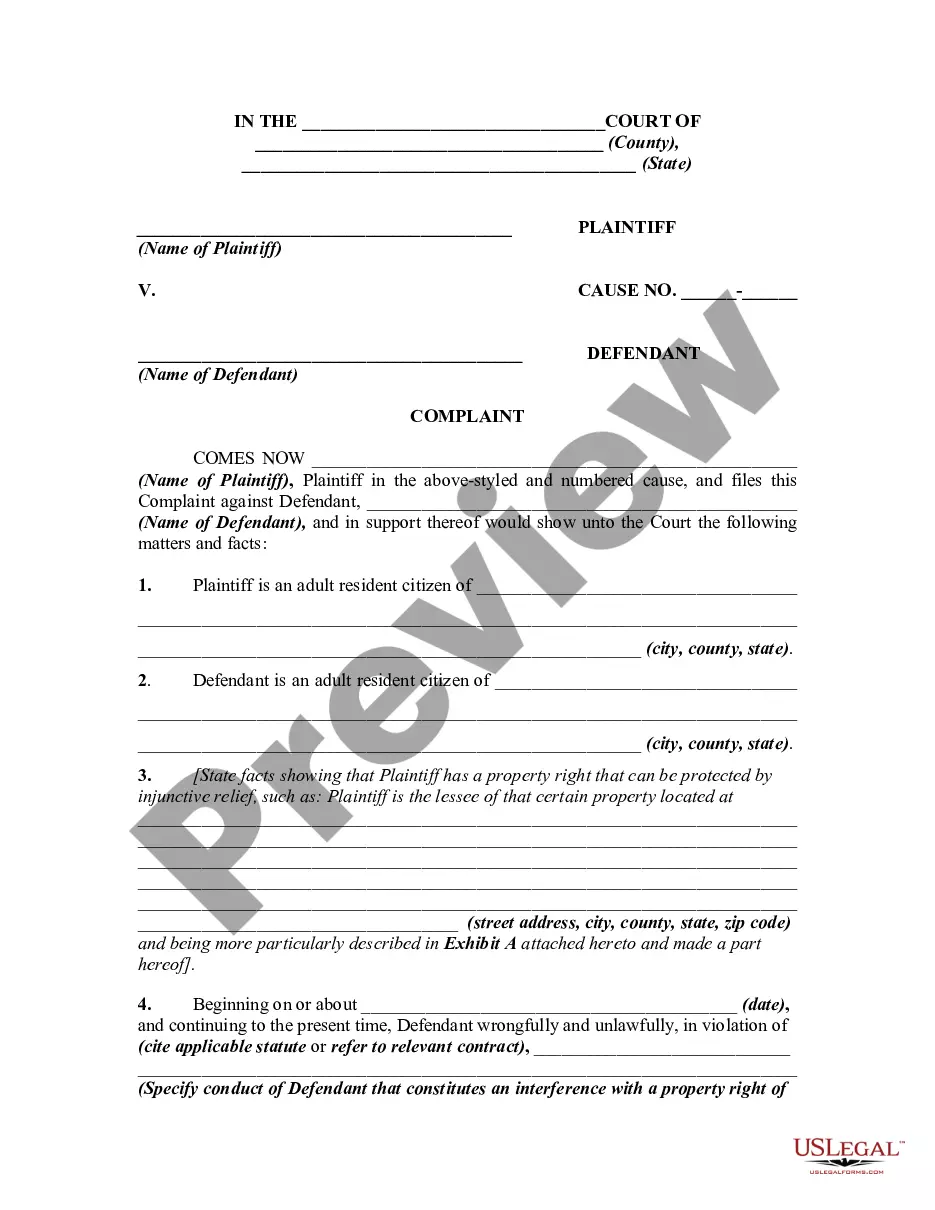
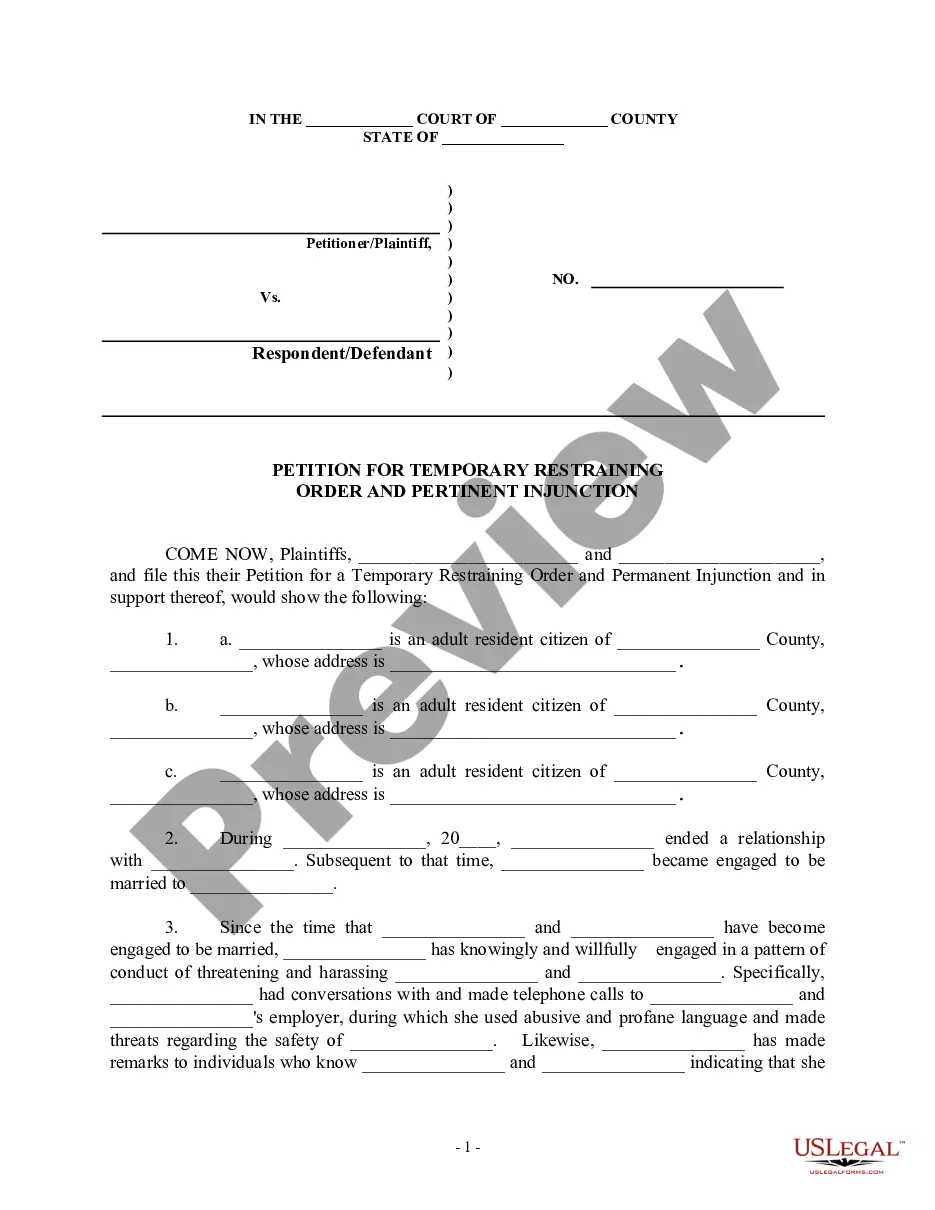
Connecticut Sample Brief - Injunction
Description

Get your form ready online
Our built-in tools help you complete, sign, share, and store your documents in one place.
Make edits, fill in missing information, and update formatting in US Legal Forms—just like you would in MS Word.
Download a copy, print it, send it by email, or mail it via USPS—whatever works best for your next step.
Sign and collect signatures with our SignNow integration. Send to multiple recipients, set reminders, and more. Go Premium to unlock E-Sign.
If this form requires notarization, complete it online through a secure video call—no need to meet a notary in person or wait for an appointment.
We protect your documents and personal data by following strict security and privacy standards.

Make edits, fill in missing information, and update formatting in US Legal Forms—just like you would in MS Word.

Download a copy, print it, send it by email, or mail it via USPS—whatever works best for your next step.

Sign and collect signatures with our SignNow integration. Send to multiple recipients, set reminders, and more. Go Premium to unlock E-Sign.

If this form requires notarization, complete it online through a secure video call—no need to meet a notary in person or wait for an appointment.

We protect your documents and personal data by following strict security and privacy standards.
Looking for another form?
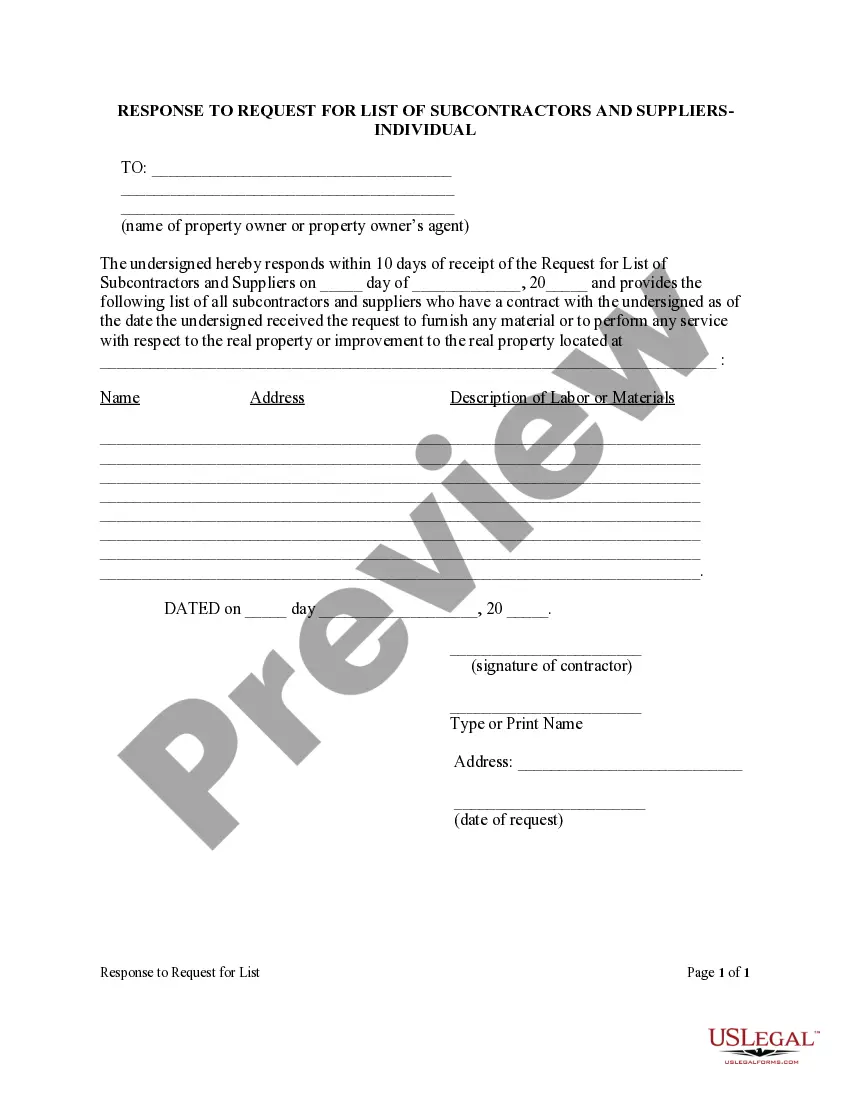
How to fill out Sample Brief - Injunction?
Are you presently in a location where you frequently require documents for either professional or personal purposes almost every business day.
There are numerous legal document templates accessible online, but acquiring reliable versions is not straightforward.
US Legal Forms offers thousands of template forms, such as the Connecticut Sample Brief - Injunction, which are designed to comply with both federal and state regulations.
Choose the pricing plan you prefer, fill in the required details to process your payment, and complete your order using your PayPal or credit card.
Select a convenient file format and download your copy. You can view all the document templates you have purchased in the My documents section. You can obtain another copy of the Connecticut Sample Brief - Injunction whenever necessary. Just select the desired form to download or print the document template. Utilize US Legal Forms, which boasts one of the largest collections of legal forms, to save time and avoid errors. The service provides professionally crafted legal document templates that can be utilized for various purposes. Create an account on US Legal Forms and start simplifying your life.
- If you are already familiar with the US Legal Forms website and possess an account, simply Log In.
- Once logged in, you can download the Connecticut Sample Brief - Injunction template.
- If you do not have an account and wish to start using US Legal Forms, follow these steps.
- Select the form you need and ensure it is for the correct city/state.
- Use the Preview feature to review the form.
- Check the description to confirm you have selected the correct form.
- If the form is not what you need, use the Search field to find the form that meets your requirements.
- When you find the correct form, click on Acquire now.
Form popularity
FAQ
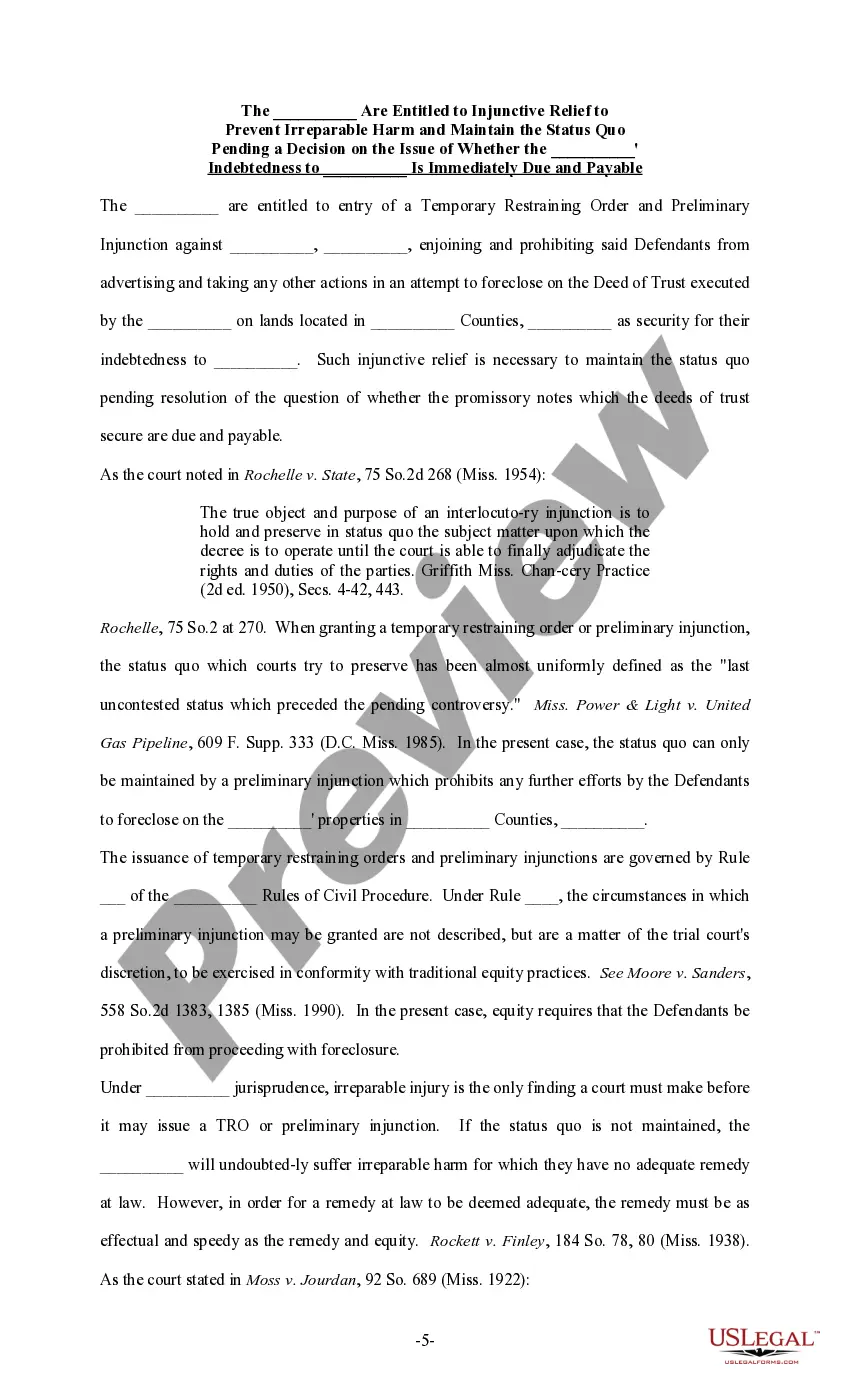
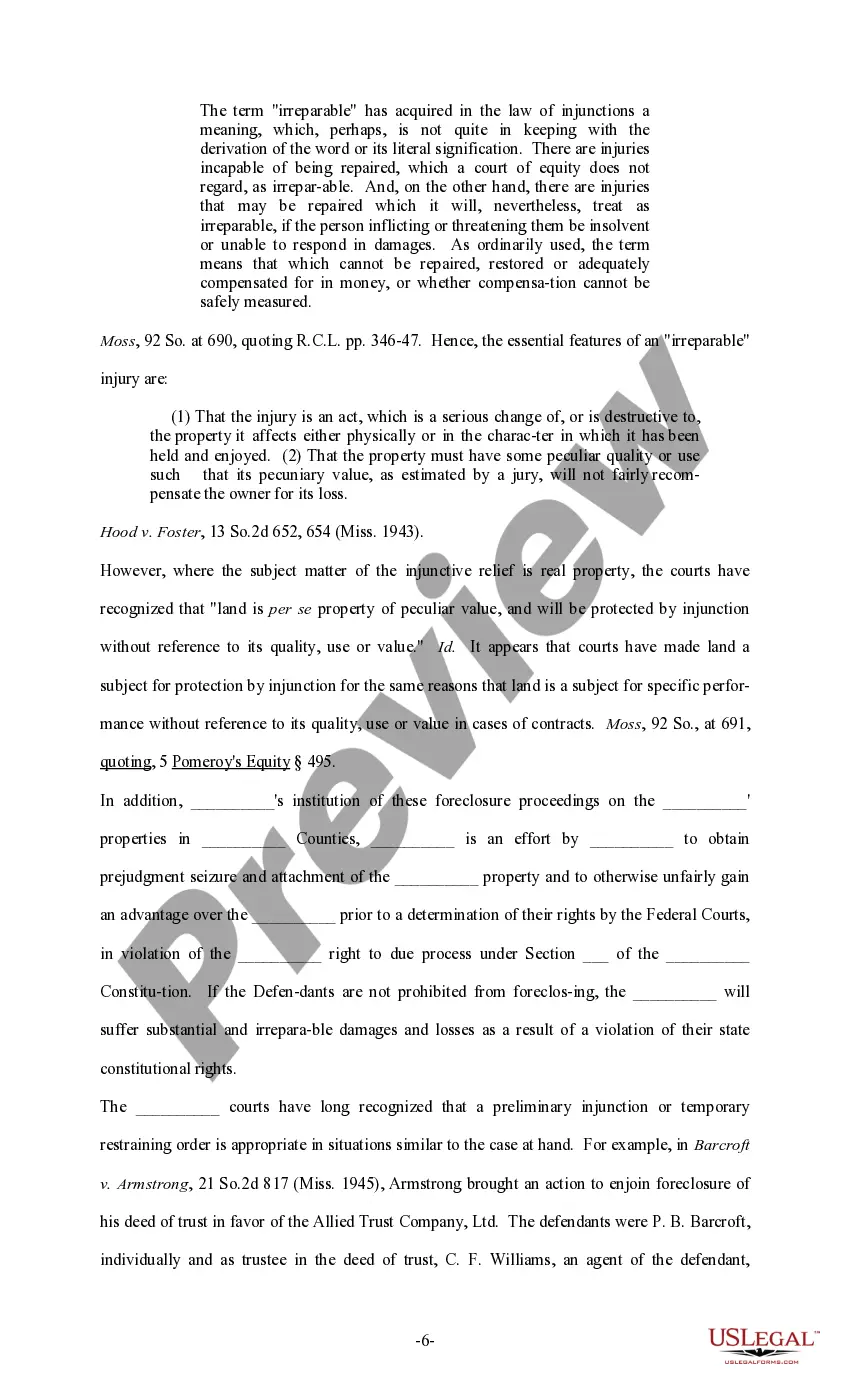
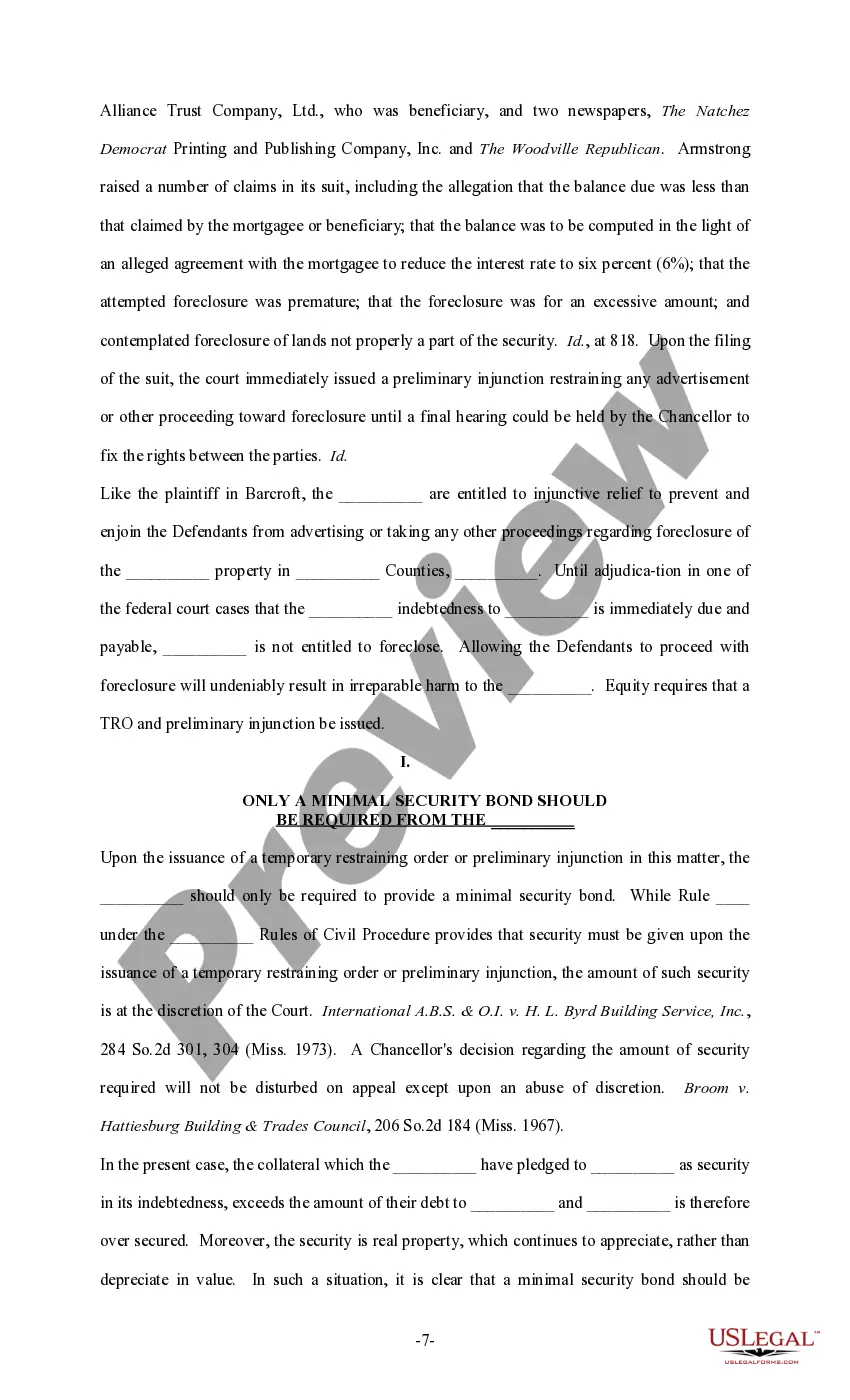
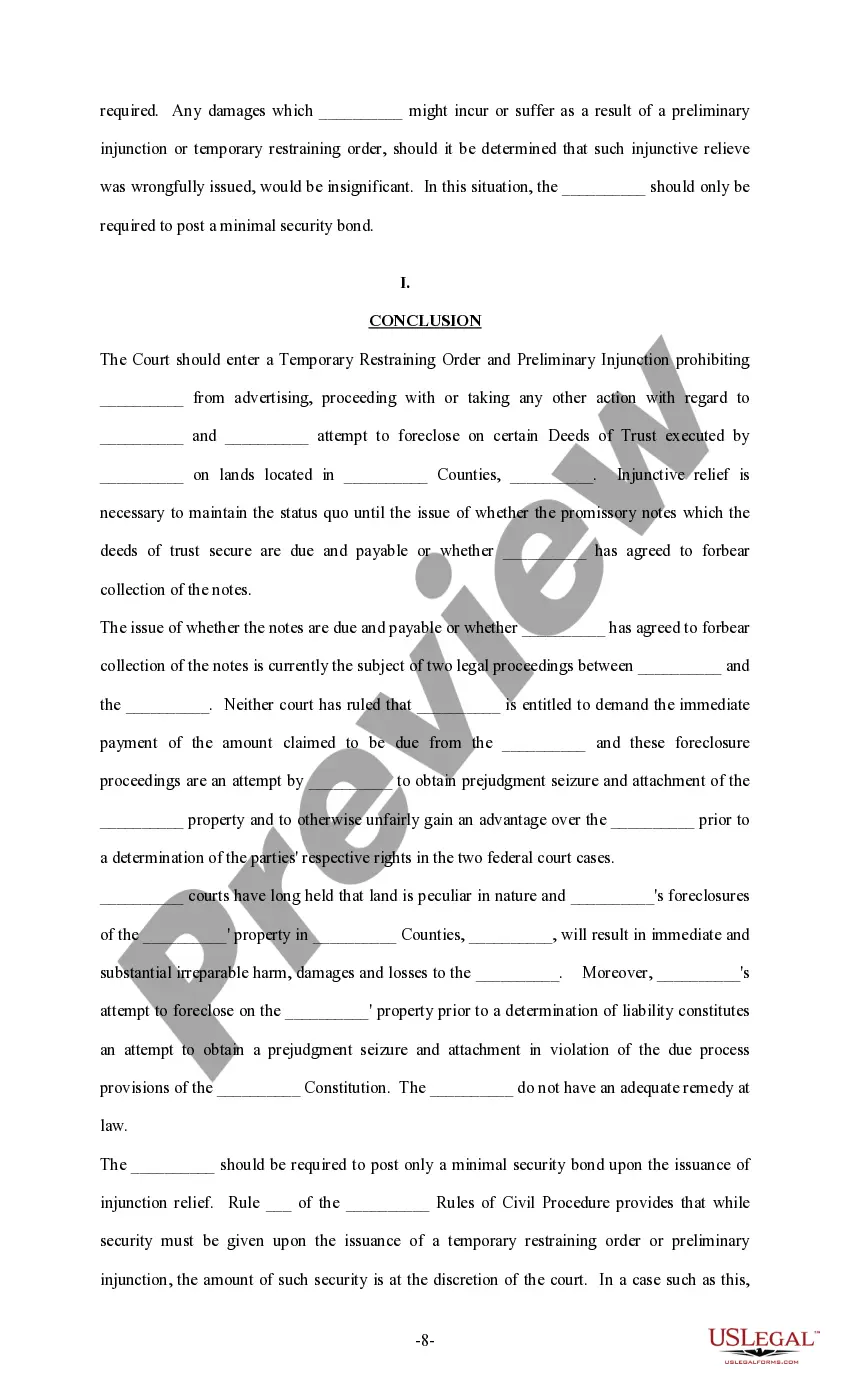
An injunction is a court order requiring a person to do or cease doing a specific action. There are three types of injunctions: Permanent injunctions, Temporary restraining orders and preliminary injunctions. Temporary restraining orders (TRO) and preliminary injunctions are equitable in nature.
Examples: ?I am asking the court to grant me a _____ month/year injunction.? ?I want no contact in person, at home, by phone, at work, by mail or through third parties.? ?I would consider any contact in the future to be a violation.? Tell the court why you would like the temporary restraining order injunction.
The party seeking a preliminary injunctive relief must demonstrate: (1) irreparable injury in the absence of such an order; (2) that the threatened injury to the moving party outweighs the harm to the opposing party resulting from the order; (3) that the injunction is not adverse to public interest; and (4) that the ...
It is well established that, to determine whether an injunction is ?just and proper,? courts apply the ?familiar set of four equitable factors: the movant's likelihood of success on the merits; the possibility of irreparable injury to the moving party; the extent to which the balance of hardships favors each party; and ...
An injunction is a court order stating that a company must do something or seize from doing a certain action. Injunctions are often granted when monetary damages are not sufficient to remedy a given situation. For example, an industrial plant dumping waste into a lake may be served an injunction to stop that activity.
State as briefly as possible the facts showing that each plaintiff is entitled to the injunction or other relief sought. State how each defendant was involved and what each defendant did that caused the plaintiff harm or violated the plaintiff's rights, including the dates and places of that involvement or conduct.
A prohibitory injunction is the most common form of injunction, and directs a party to refrain from acting in a certain manner. Examples of a prohibitory injunction are cease and desist orders (entered against Napster), or an order stopping a bulldozer prior to the razing of an historic building.