Connecticut Exclusive Shipping Agreement Between Licensed Transportation Broker and Organization
Description
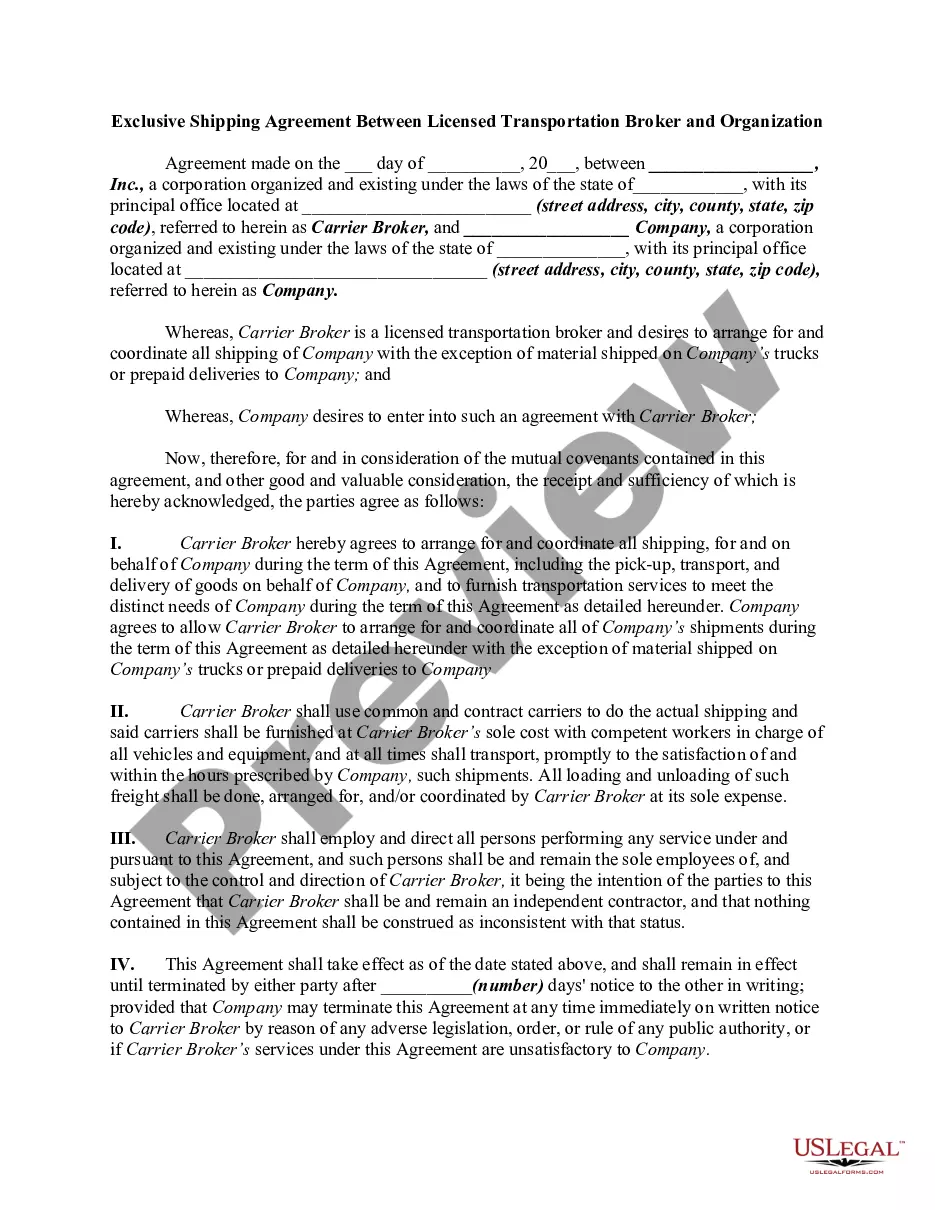
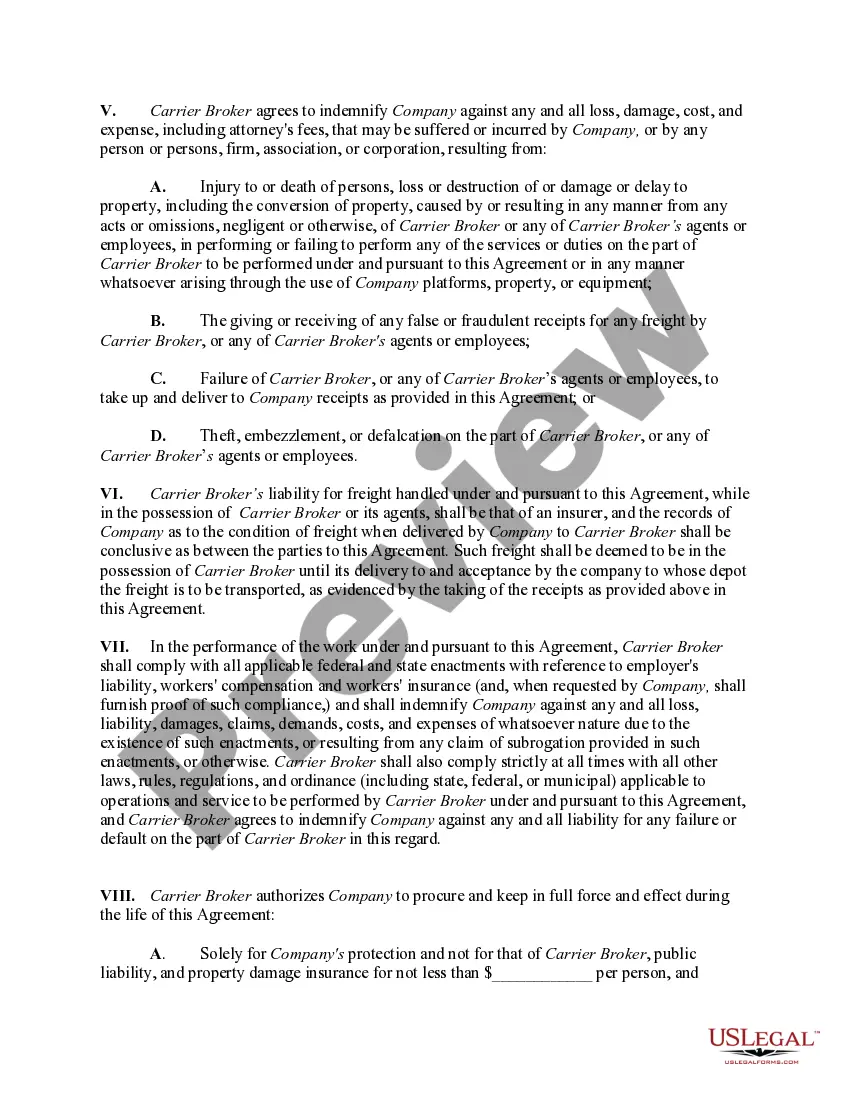
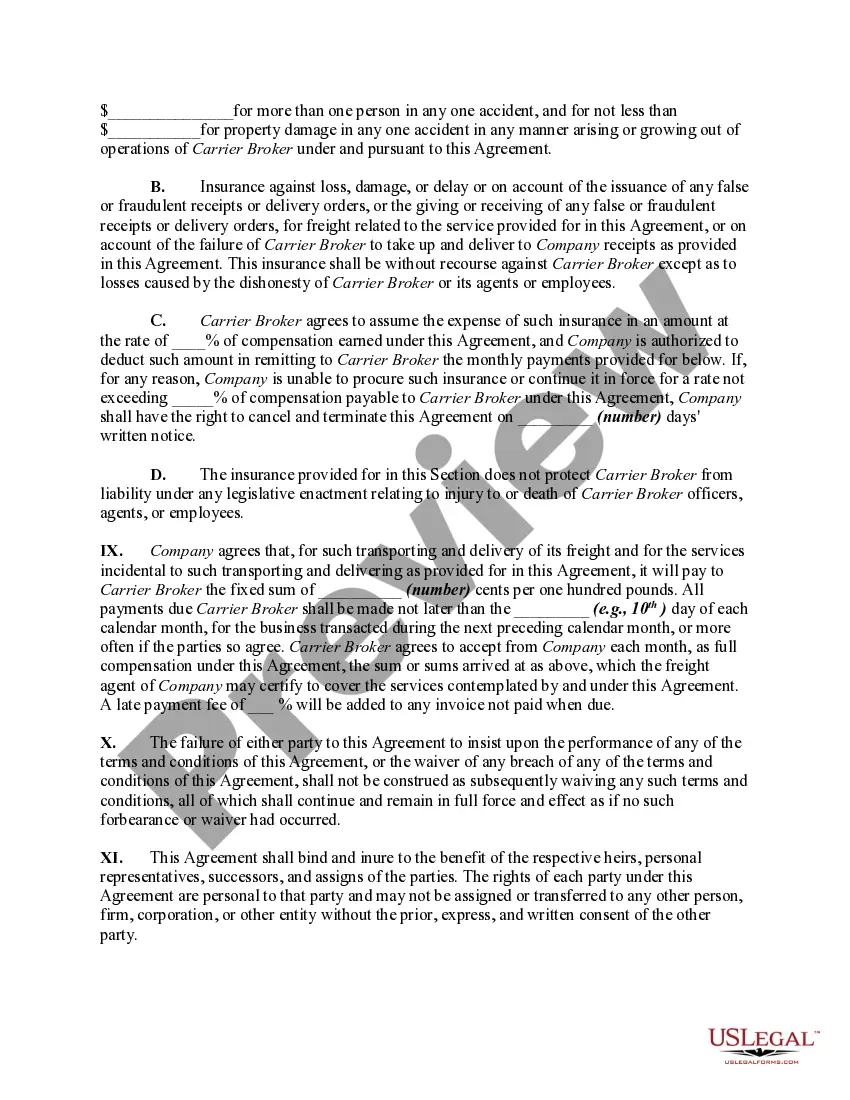
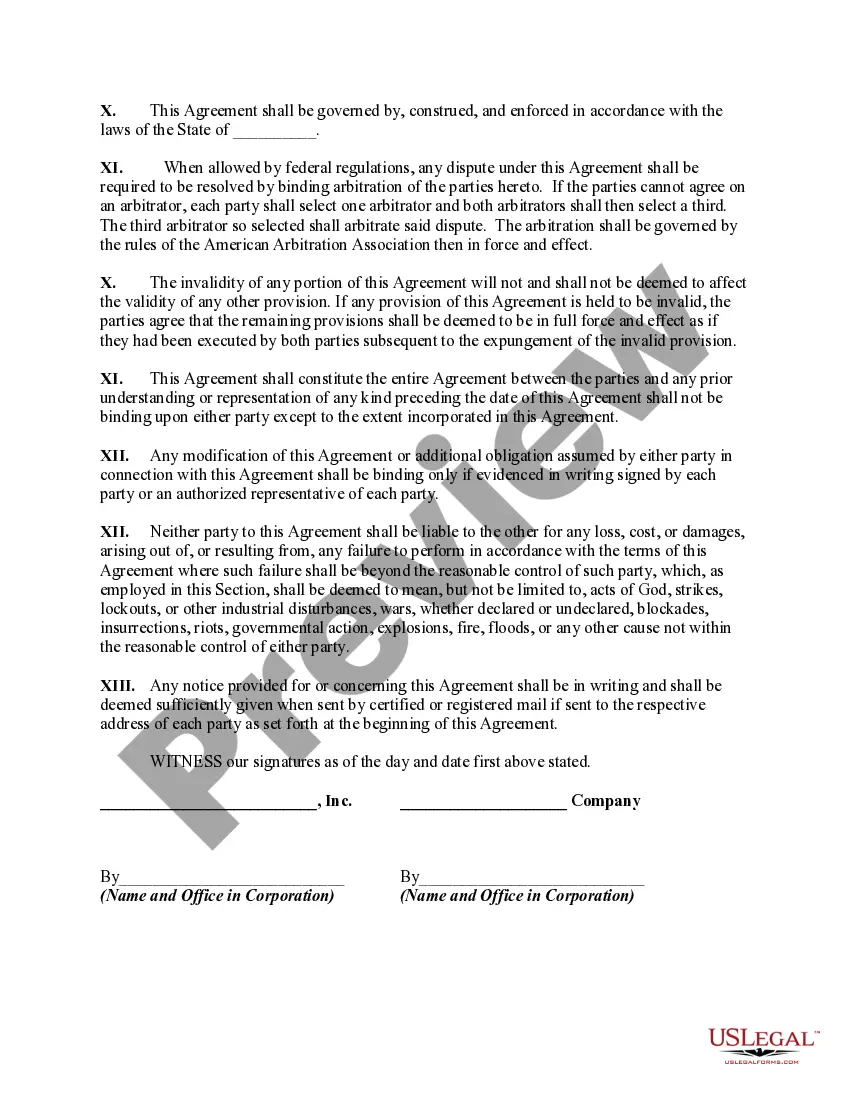
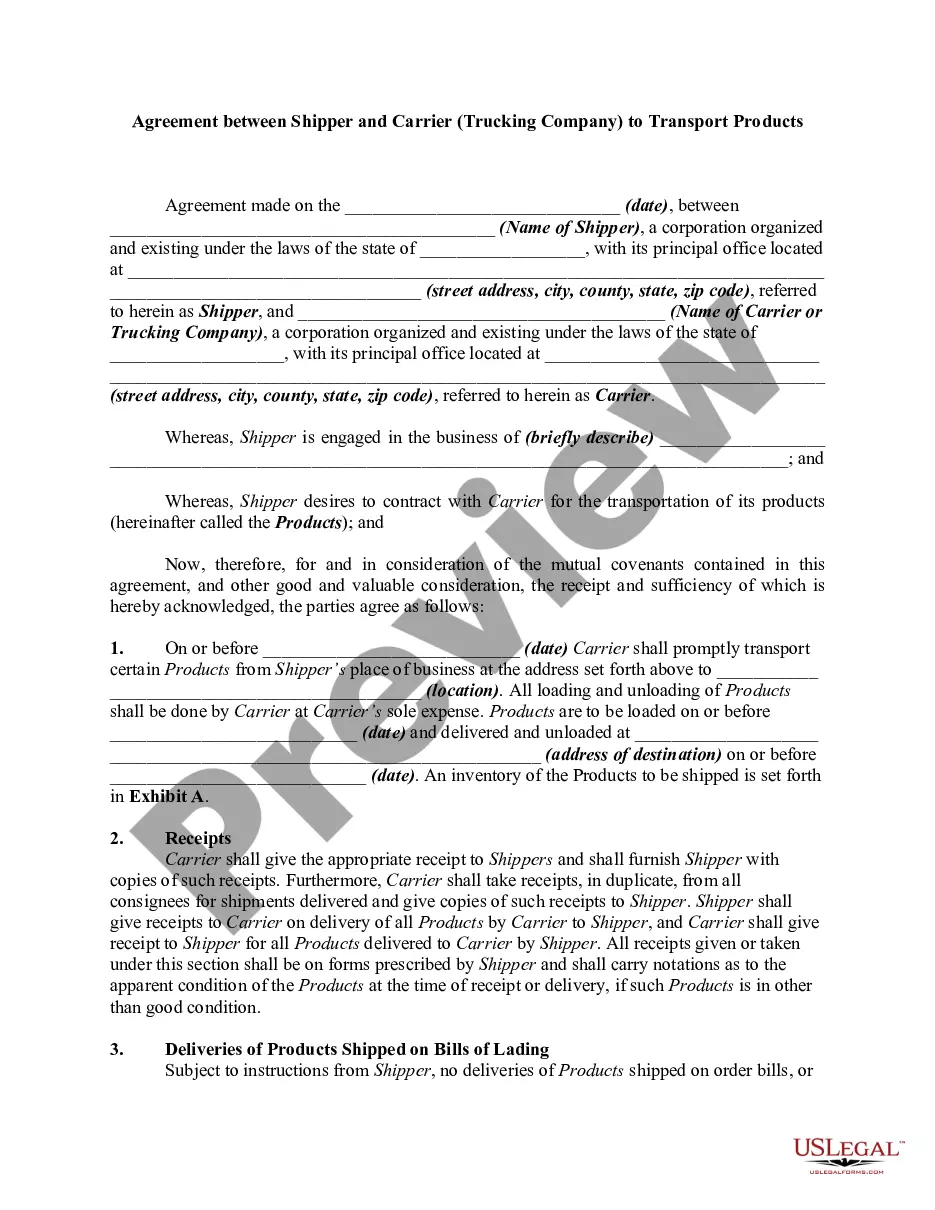
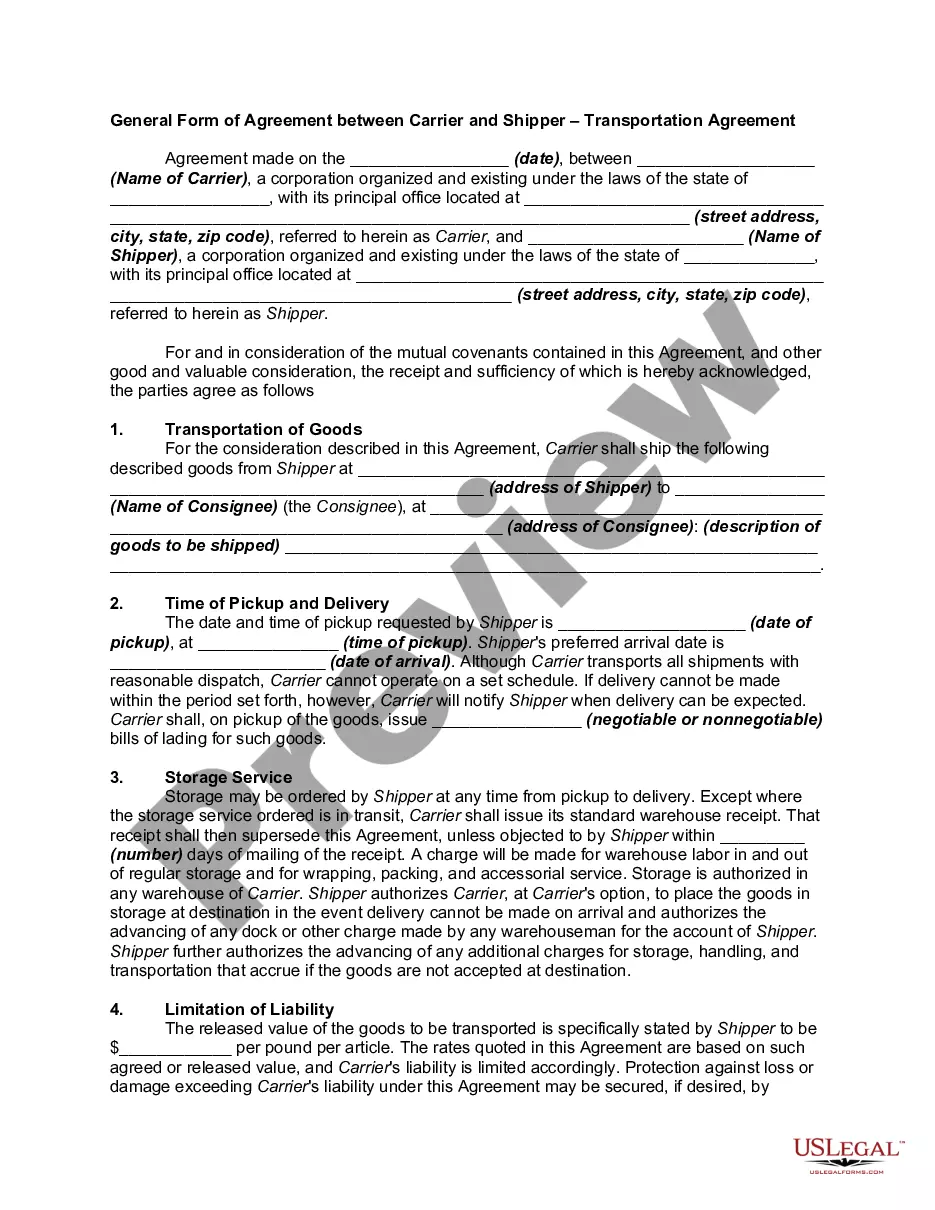
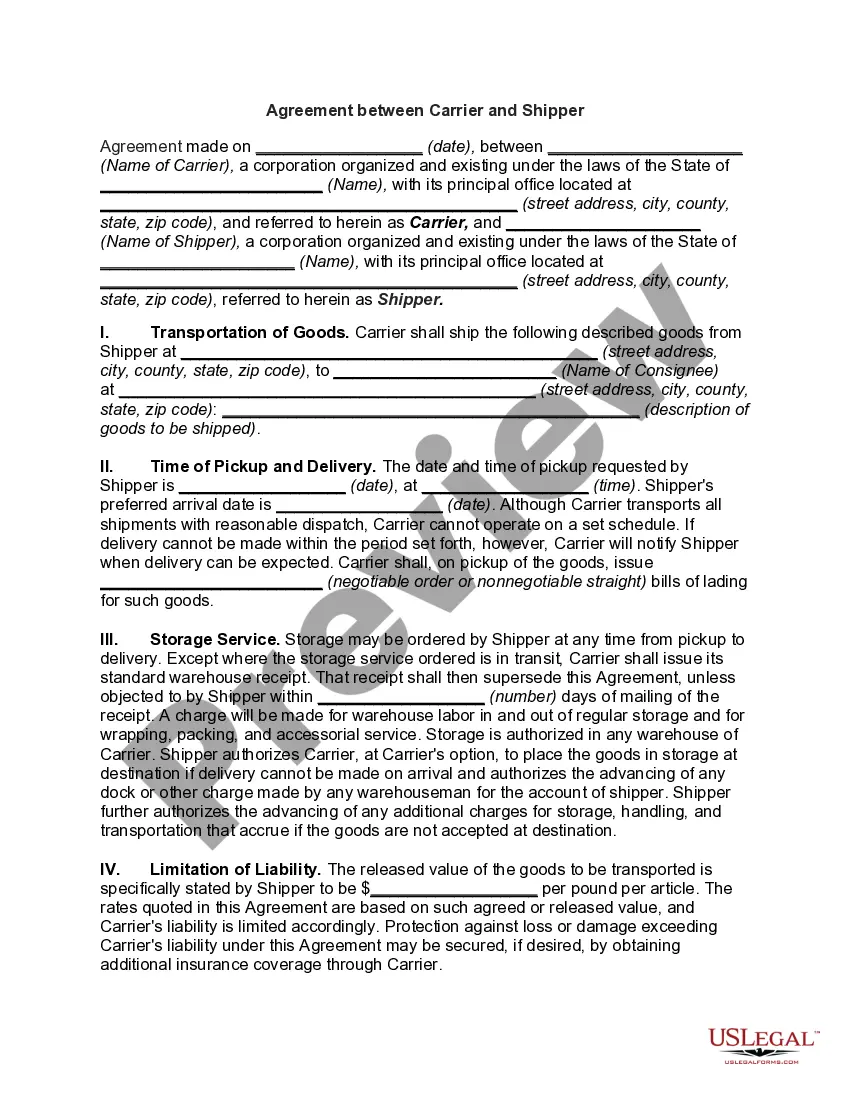
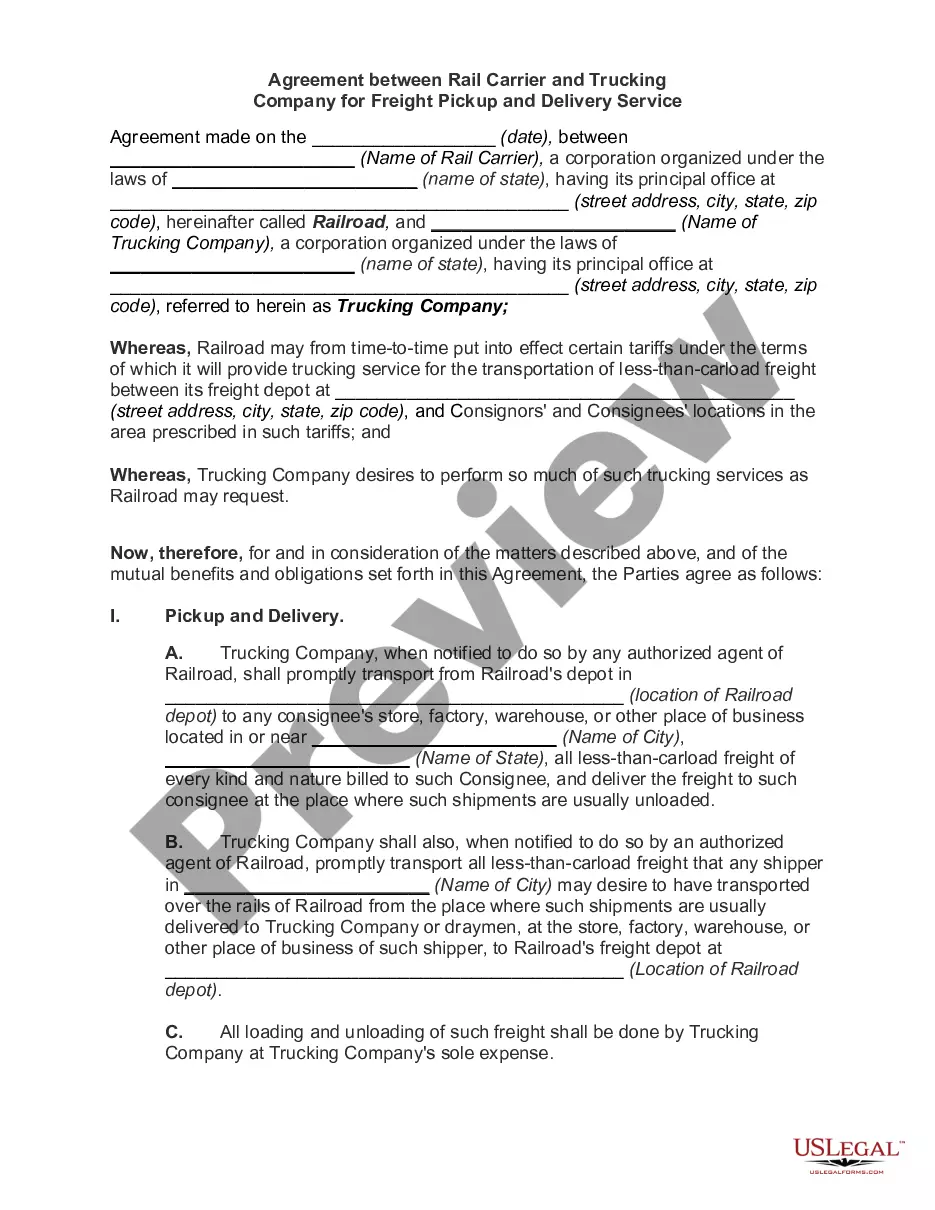
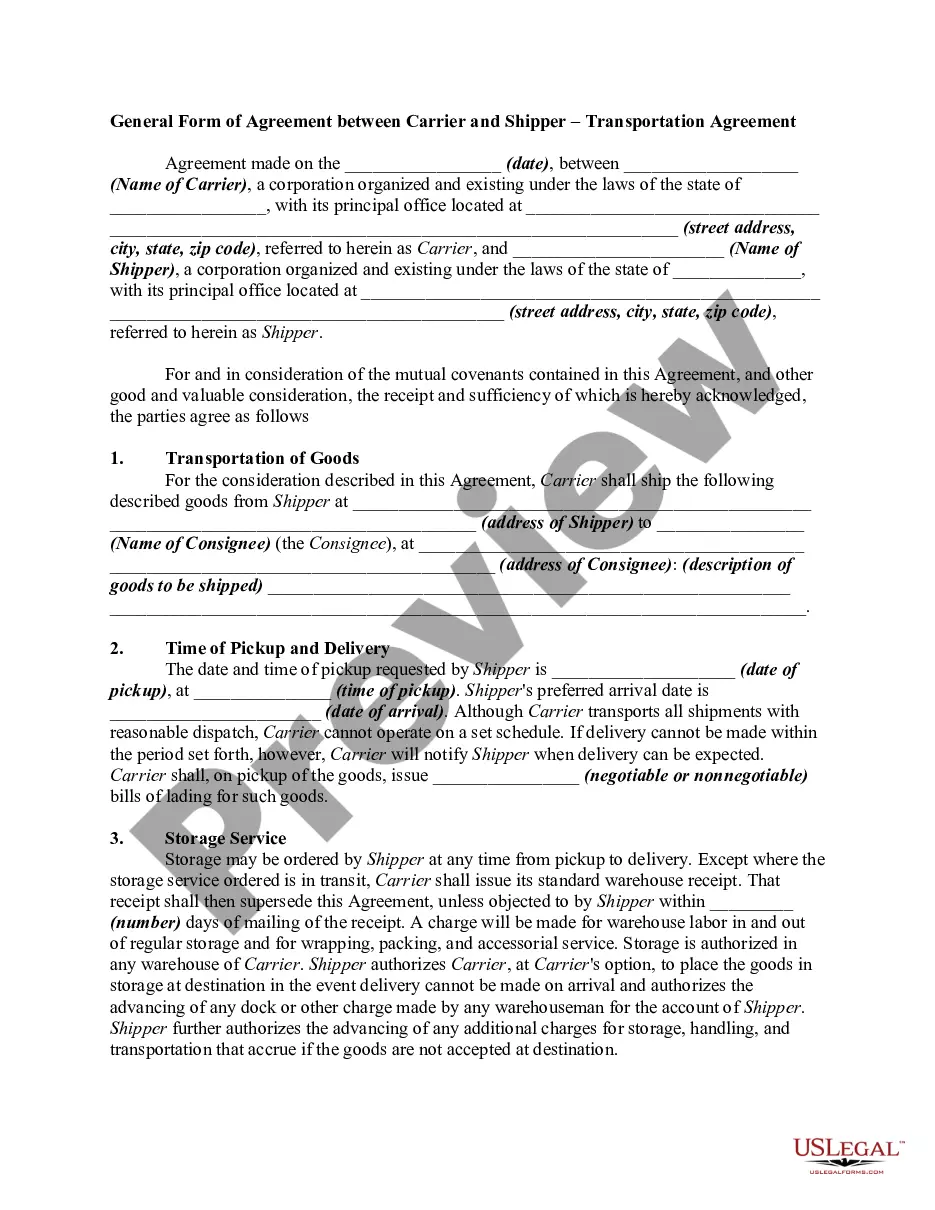
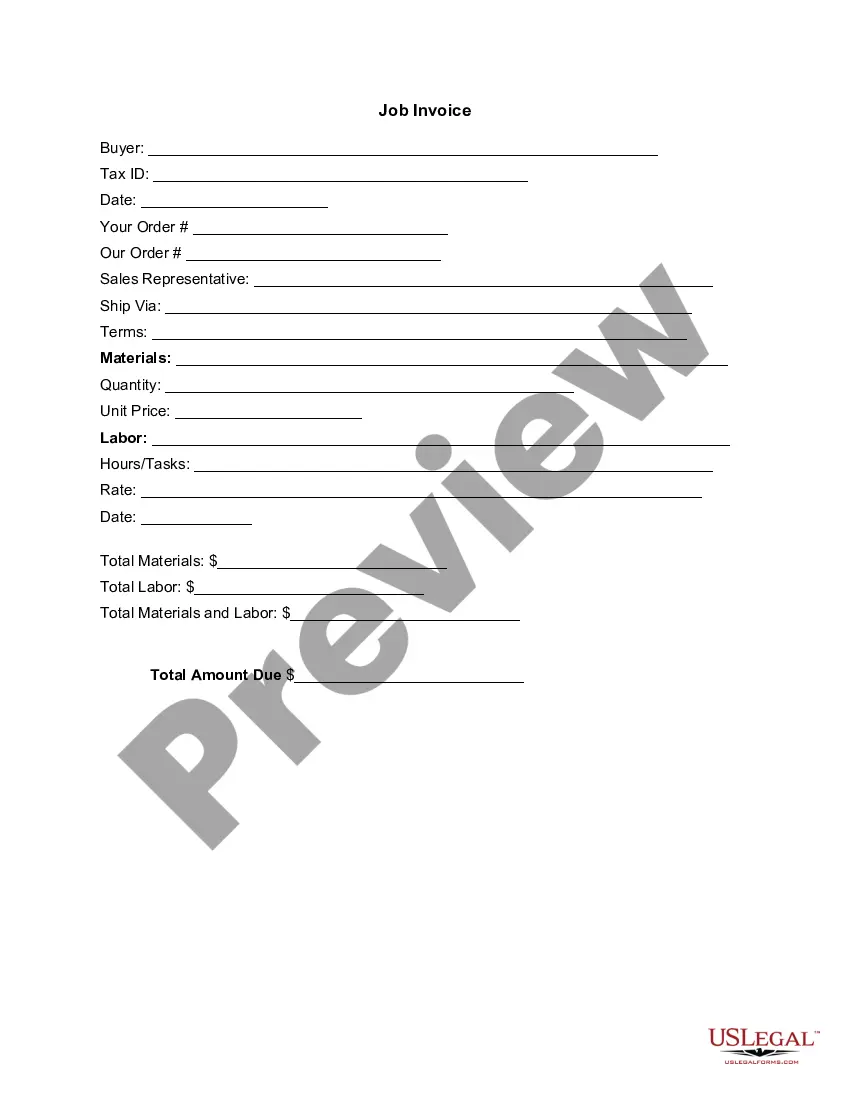
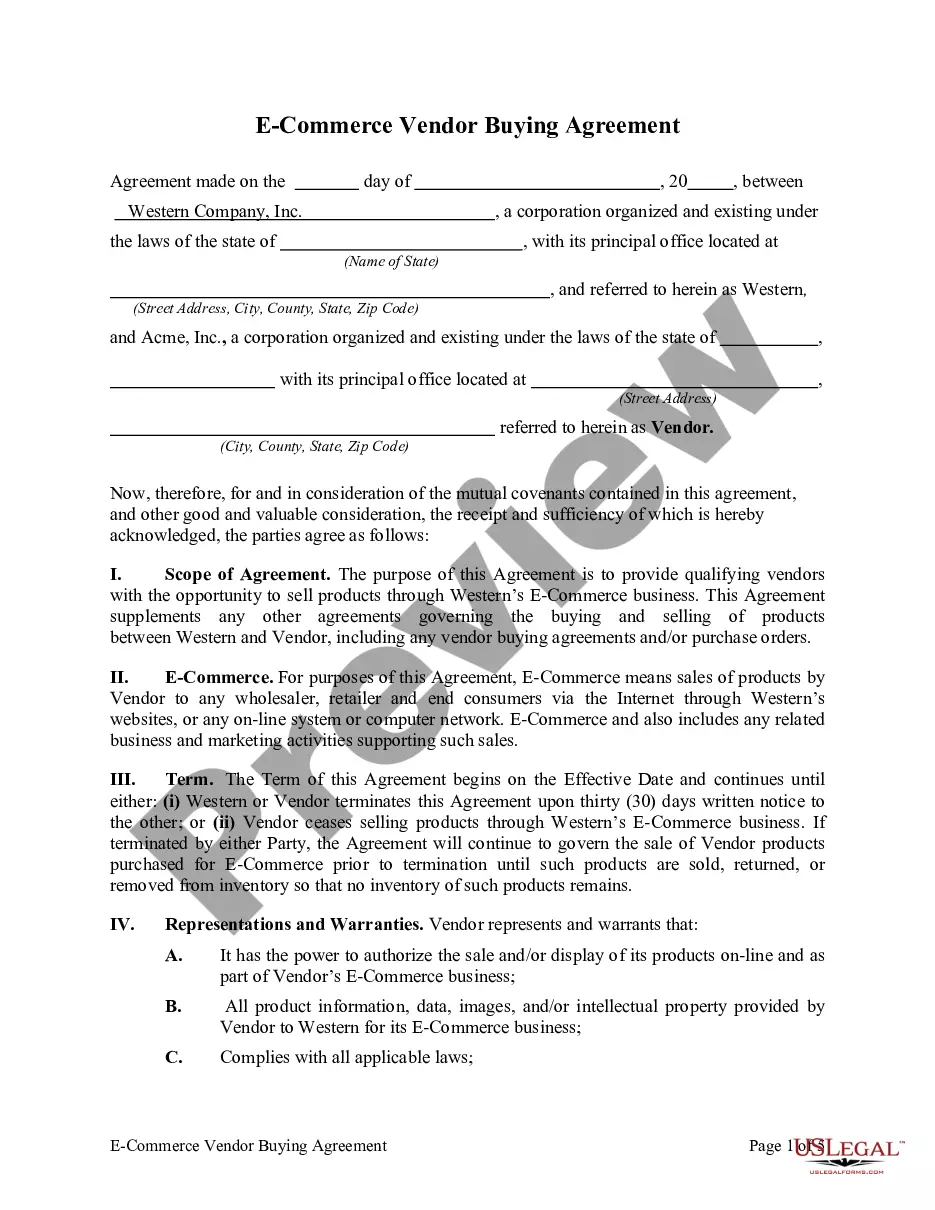
How to fill out Exclusive Shipping Agreement Between Licensed Transportation Broker And Organization?
Are you currently in a circumstance in which you will require documents for either an organization or particular applications almost every time.
There are numerous legitimate document templates accessible online, but finding versions you can trust isn't easy.
US Legal Forms provides a vast array of form templates, such as the Connecticut Exclusive Shipping Agreement Between Licensed Transportation Broker and Business, which can be tailored to comply with state and federal regulations.
When you find the suitable document, click on Acquire now.
Choose the payment plan you prefer, fill in the necessary information to set up your payment, and complete the transaction using your PayPal or credit card.
- If you are already familiar with the US Legal Forms website and possess an account, simply Log In.
- Then, you can download the Connecticut Exclusive Shipping Agreement Between Licensed Transportation Broker and Business template.
- If you do not have an account and wish to start using US Legal Forms, follow these instructions.
- Obtain the document you need and ensure it is appropriate for the correct area/state.
- Utilize the Preview option to examine the document.
- Review the details to ensure you have selected the correct document.
- If the document isn't what you're looking for, use the Lookup box to find the document that meets your needs and requirements.
Form popularity
FAQ
A broker in shipping facilitates the transportation process by connecting shippers with carriers. They handle negotiations, track shipments, and resolve any issues that arise during transportation. Brokers simplify the shipping process for clients, allowing them to focus on their core business. A Connecticut Exclusive Shipping Agreement Between Licensed Transportation Broker and Organization can enhance this collaboration.
The role of a shipping broker involves coordinating logistics between shippers and carriers. They ensure that goods are transported safely and efficiently, managing all necessary documentation and communication. This essential position helps streamline the shipping process. Utilizing a Connecticut Exclusive Shipping Agreement Between Licensed Transportation Broker and Organization can provide clarity on the broker's duties.
Freight brokers secure contracts primarily through networking, referrals, and competitive bidding. They build relationships within the industry, demonstrating expertise and reliability. Once trust is established, clients are more likely to enter into agreements with them. A Connecticut Exclusive Shipping Agreement Between Licensed Transportation Broker and Organization can formalize these arrangements and enhance credibility.
A carrier broker refers to a broker who specifically works with transportation carriers to facilitate shipping, while a shipper is the entity that needs to move goods. The carrier broker focuses on finding the best carrier options, while the shipper’s primary concern is moving their products efficiently. Having a Connecticut Exclusive Shipping Agreement Between Licensed Transportation Broker and Organization can help both parties navigate their responsibilities.
A broker is an intermediary who connects shippers with carriers, while a shipper is an entity looking to transport goods. The broker negotiates shipping terms and manages logistics, whereas the shipper focuses on product delivery. Understanding this distinction is vital for efficient transactions in the shipping industry. A Connecticut Exclusive Shipping Agreement Between Licensed Transportation Broker and Organization clarifies these roles.
A shipper relies on a broker to facilitate the transportation of goods. The broker utilizes their industry expertise to match shippers with appropriate carriers. This creates a beneficial relationship where both parties can maximize efficiency. Incorporating a Connecticut Exclusive Shipping Agreement Between Licensed Transportation Broker and Organization can streamline this process.
The relationship between a broker and her client is typically one of service and trust. The broker acts as an intermediary, ensuring that the client's shipping needs are met efficiently. This professional relationship involves clear communication and alignment on goals. Establishing a Connecticut Exclusive Shipping Agreement Between Licensed Transportation Broker and Organization can further strengthen this partnership.
The contract between the broker and the carrier outlines the terms and conditions for transporting goods. It details responsibilities, payment terms, liability, and timelines. This contract is crucial for ensuring smooth logistics operations. In Connecticut, a well-drafted Exclusive Shipping Agreement Between Licensed Transportation Broker and Organization can help establish clear obligations.
To become a freight broker in the United States, you should start by researching the industry thoroughly. Pursue relevant training, obtain your Federal Motor Carrier Safety Administration (FMCSA) Broker Authority, and secure a surety bond. Creating a comprehensive Connecticut Exclusive Shipping Agreement Between Licensed Transportation Broker and Organization will also enhance your business practices and professional relationships.
A carrier is a company that physically transports goods, while a shipper is the party that needs those goods delivered. A broker acts as the intermediary, connecting shippers with carriers. Understanding these roles helps clarify the processes involved in creating a Connecticut Exclusive Shipping Agreement Between Licensed Transportation Broker and Organization, ensuring that all parties are aware of their responsibilities.