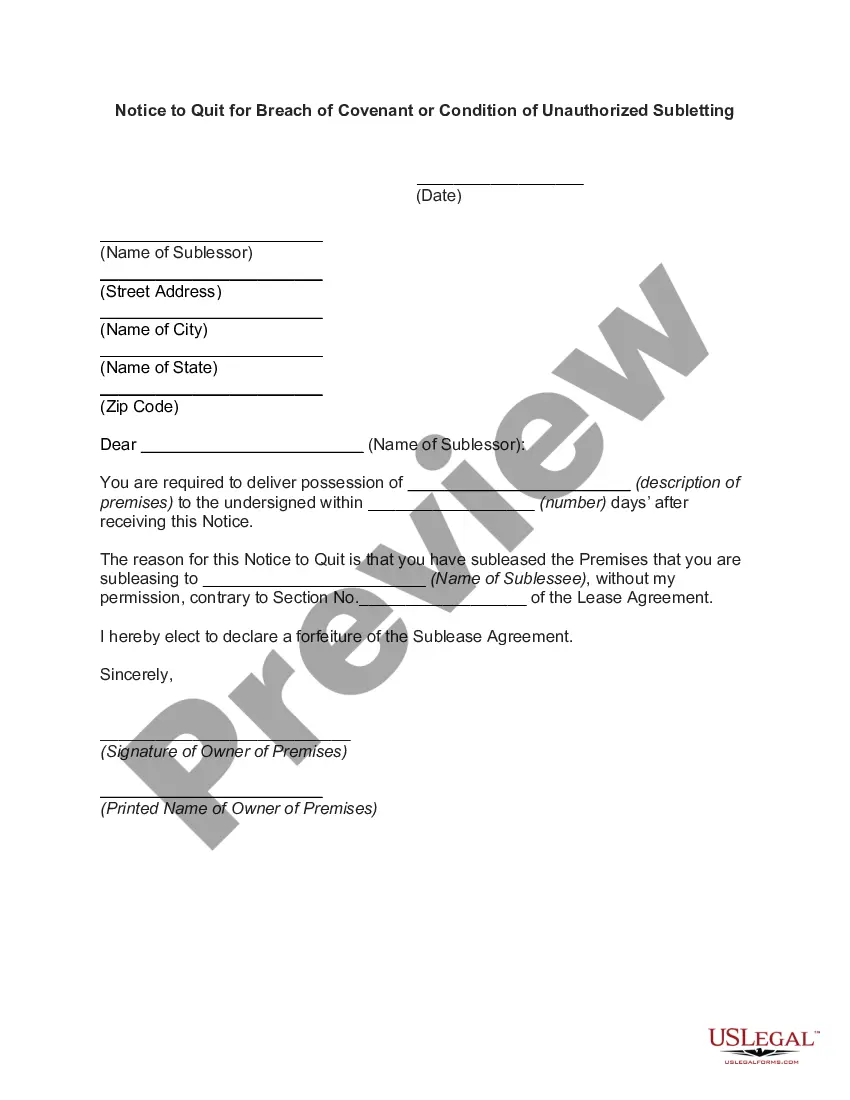
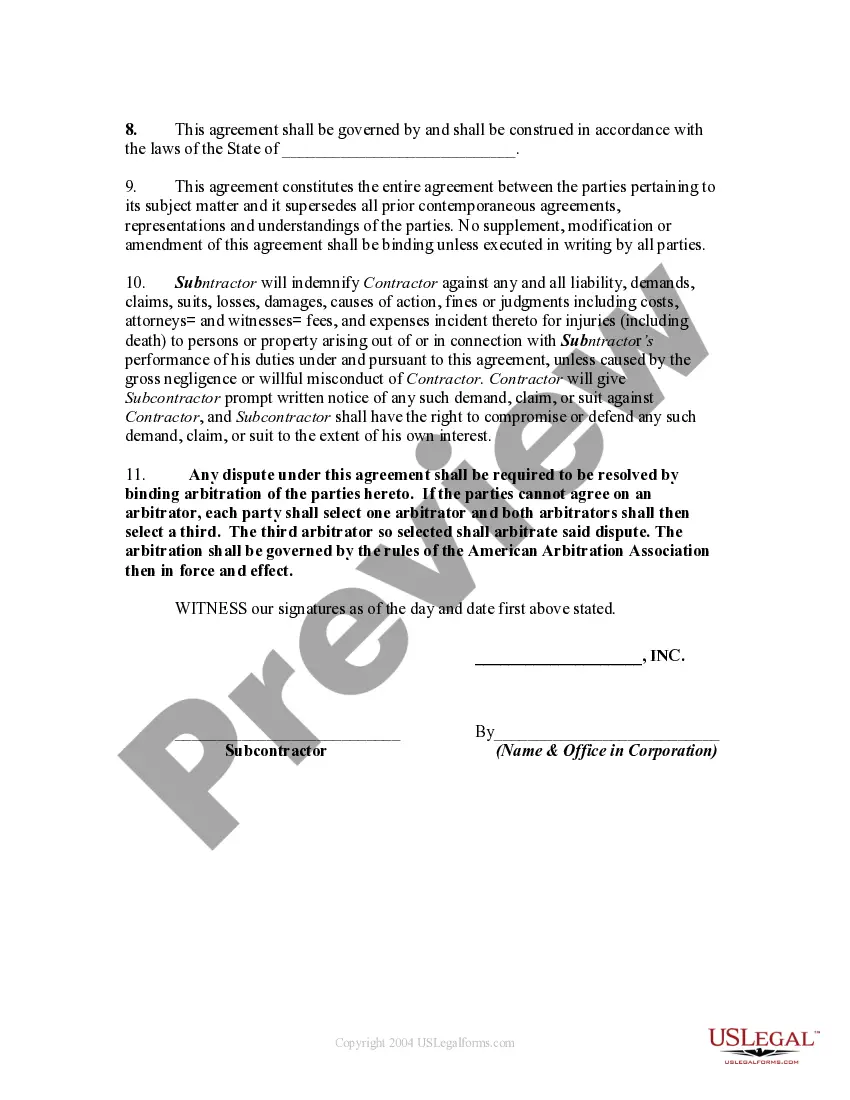
Connecticut Electrical, Drywall, and General Construction Contract with Subcontractor
Description
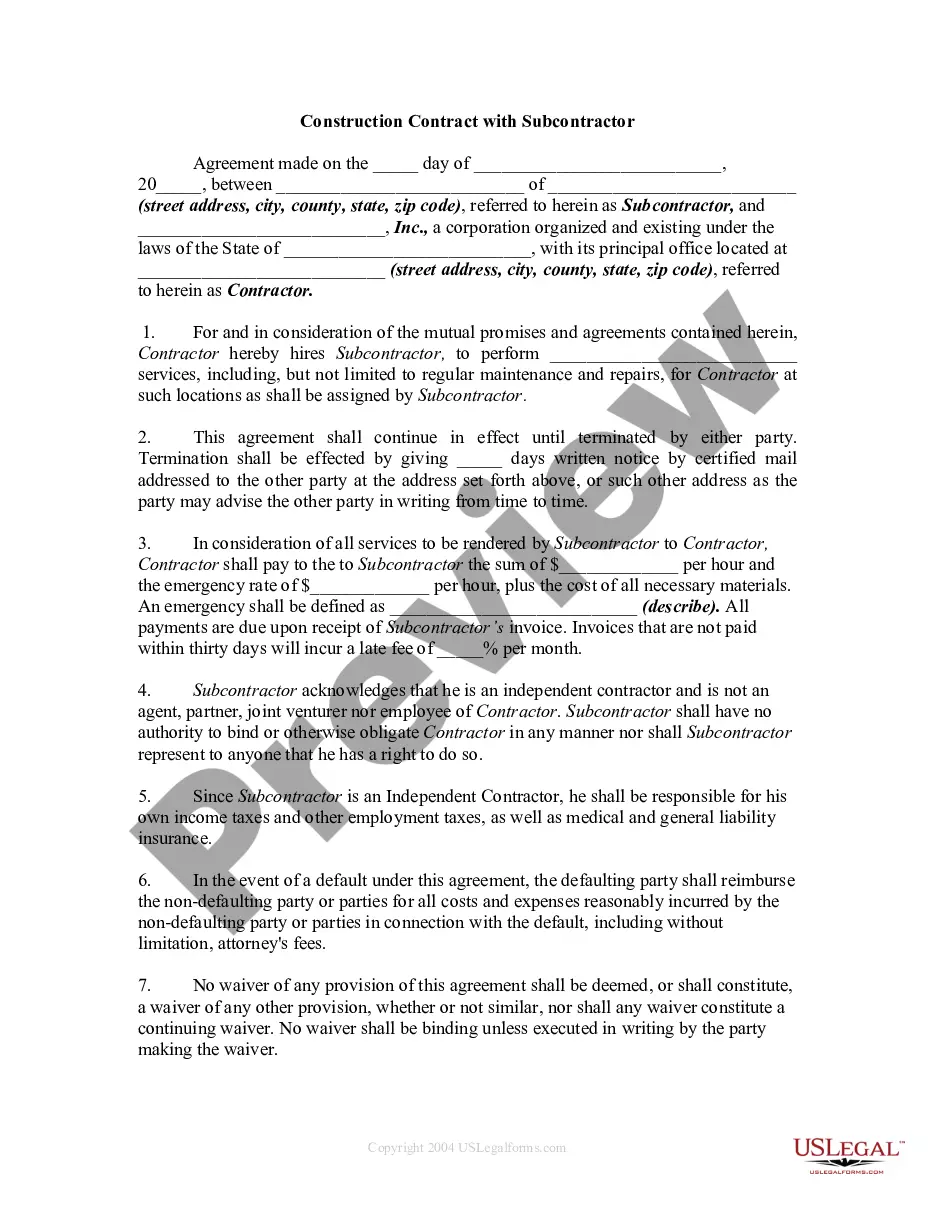
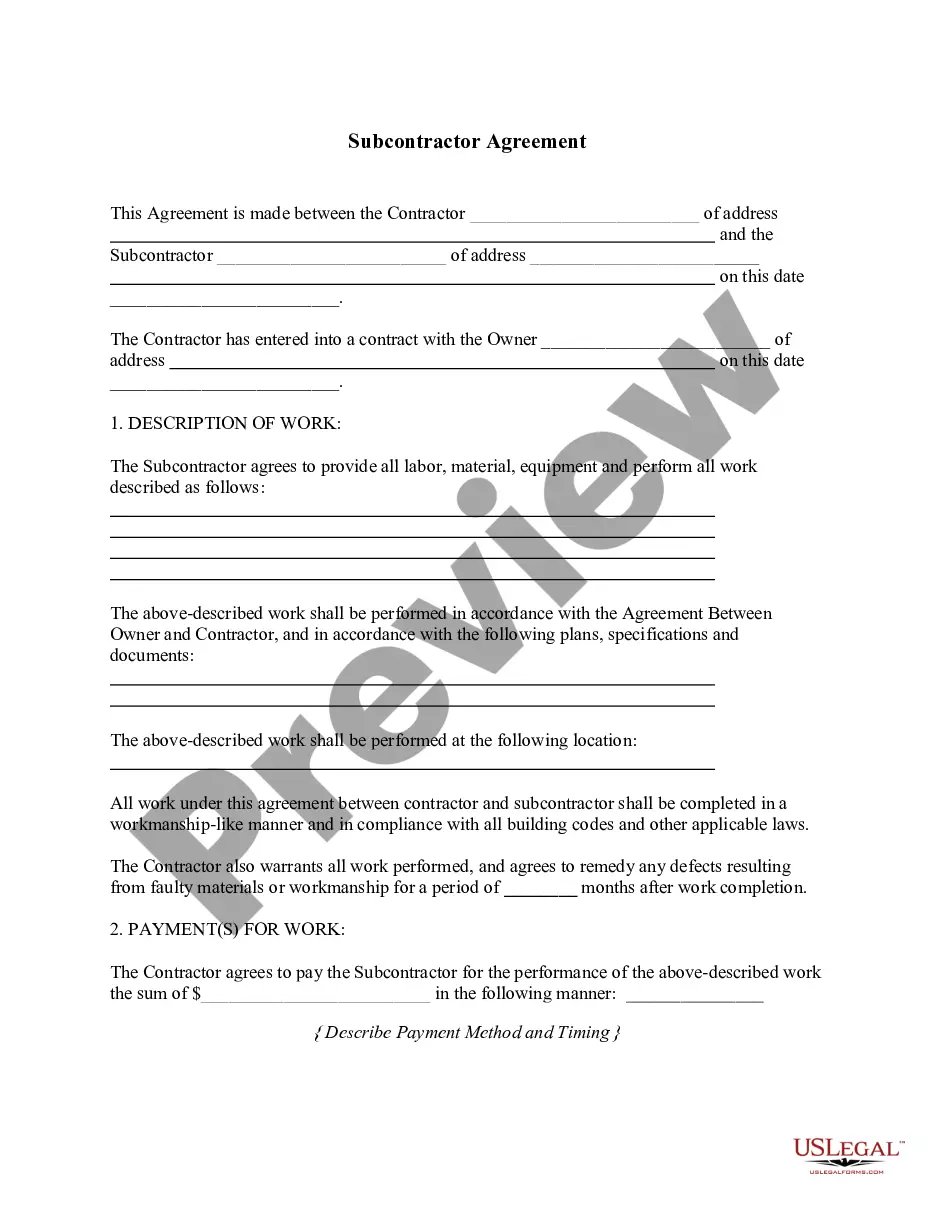
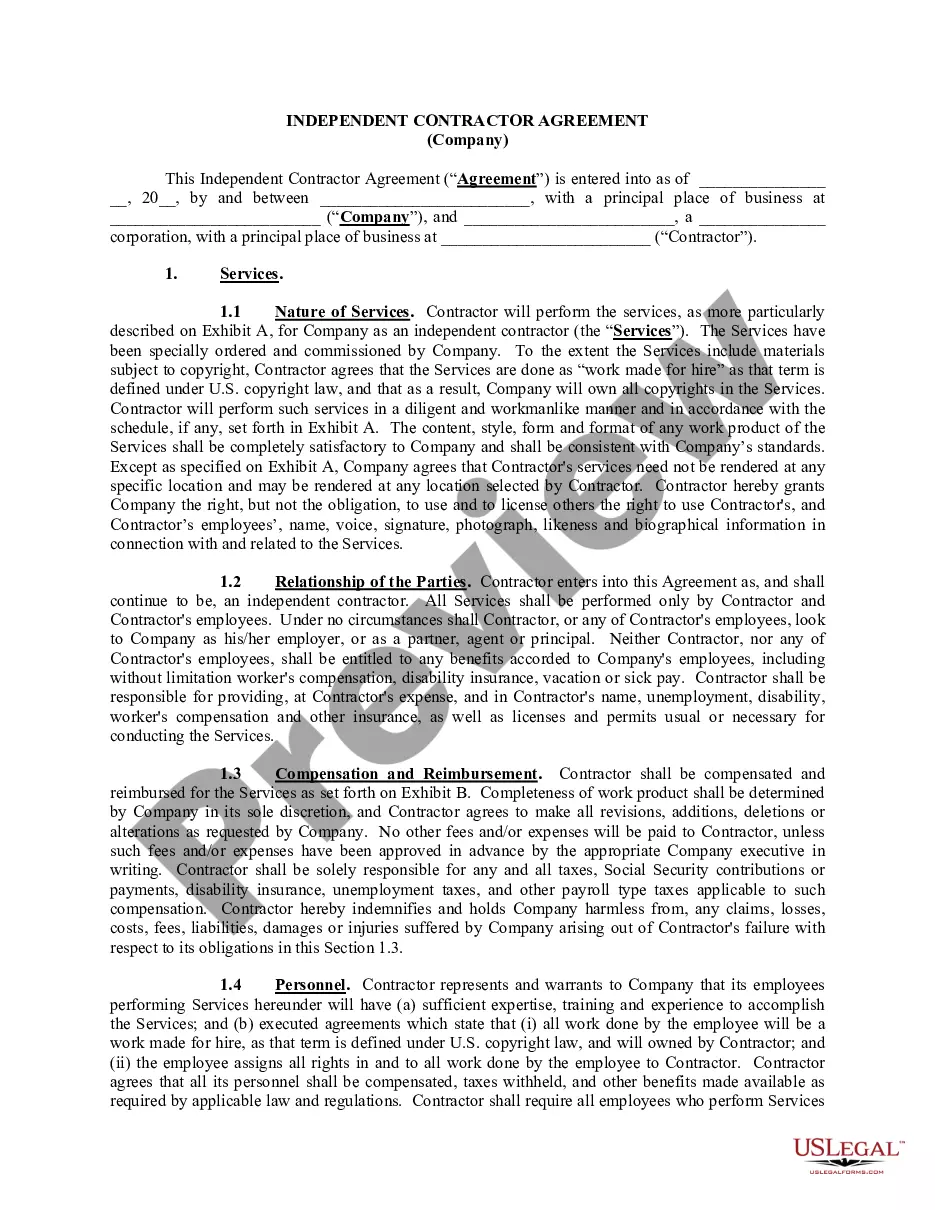
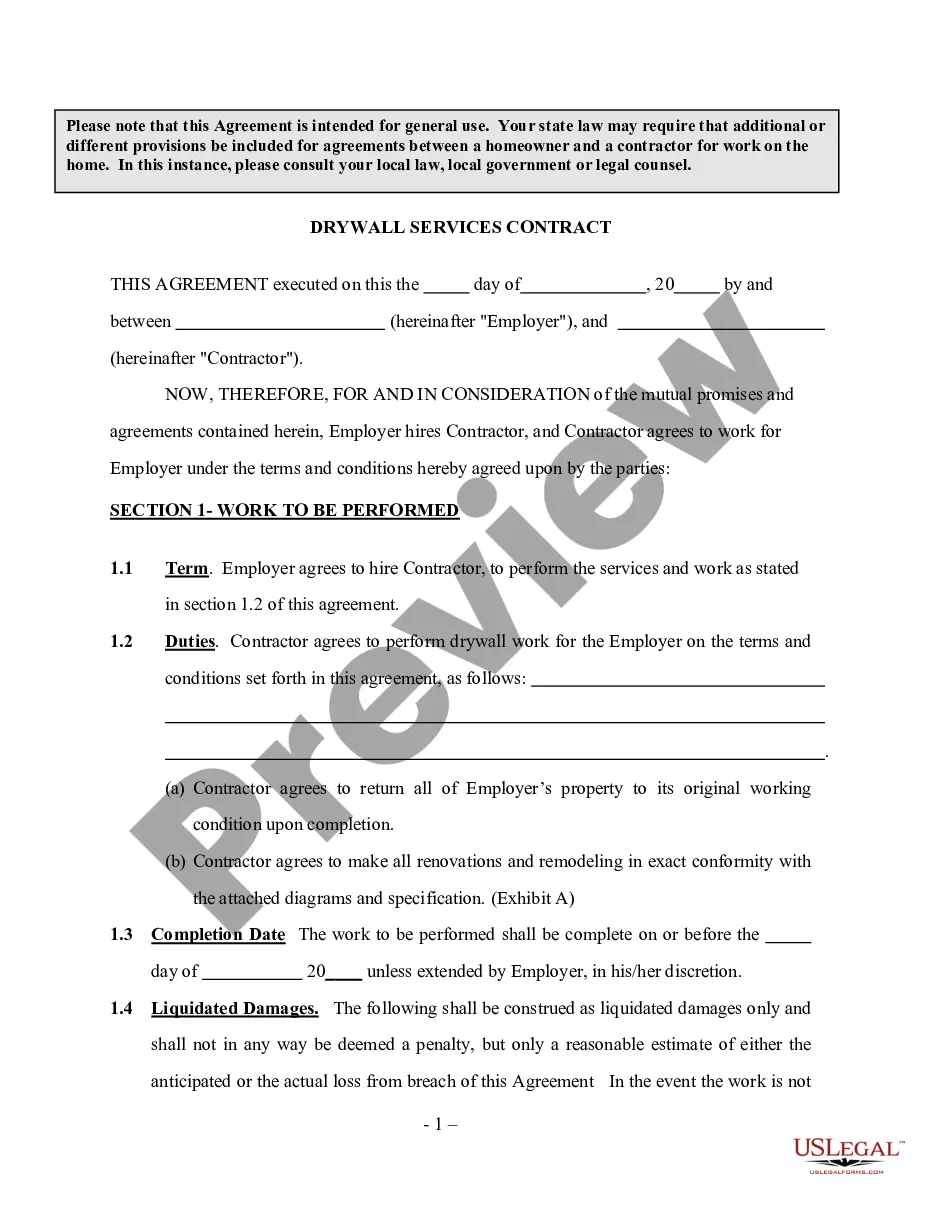
Get your form ready online
Our built-in tools help you complete, sign, share, and store your documents in one place.
Make edits, fill in missing information, and update formatting in US Legal Forms—just like you would in MS Word.
Download a copy, print it, send it by email, or mail it via USPS—whatever works best for your next step.
Sign and collect signatures with our SignNow integration. Send to multiple recipients, set reminders, and more. Go Premium to unlock E-Sign.
If this form requires notarization, complete it online through a secure video call—no need to meet a notary in person or wait for an appointment.
We protect your documents and personal data by following strict security and privacy standards.

Make edits, fill in missing information, and update formatting in US Legal Forms—just like you would in MS Word.

Download a copy, print it, send it by email, or mail it via USPS—whatever works best for your next step.

Sign and collect signatures with our SignNow integration. Send to multiple recipients, set reminders, and more. Go Premium to unlock E-Sign.

If this form requires notarization, complete it online through a secure video call—no need to meet a notary in person or wait for an appointment.

We protect your documents and personal data by following strict security and privacy standards.
Looking for another form?





How to fill out Electrical, Drywall, And General Construction Contract With Subcontractor?
You can allocate time on the web searching for the sanctioned document template that matches the state and national requirements you will need.
US Legal Forms provides thousands of legal documents that are assessed by experts.
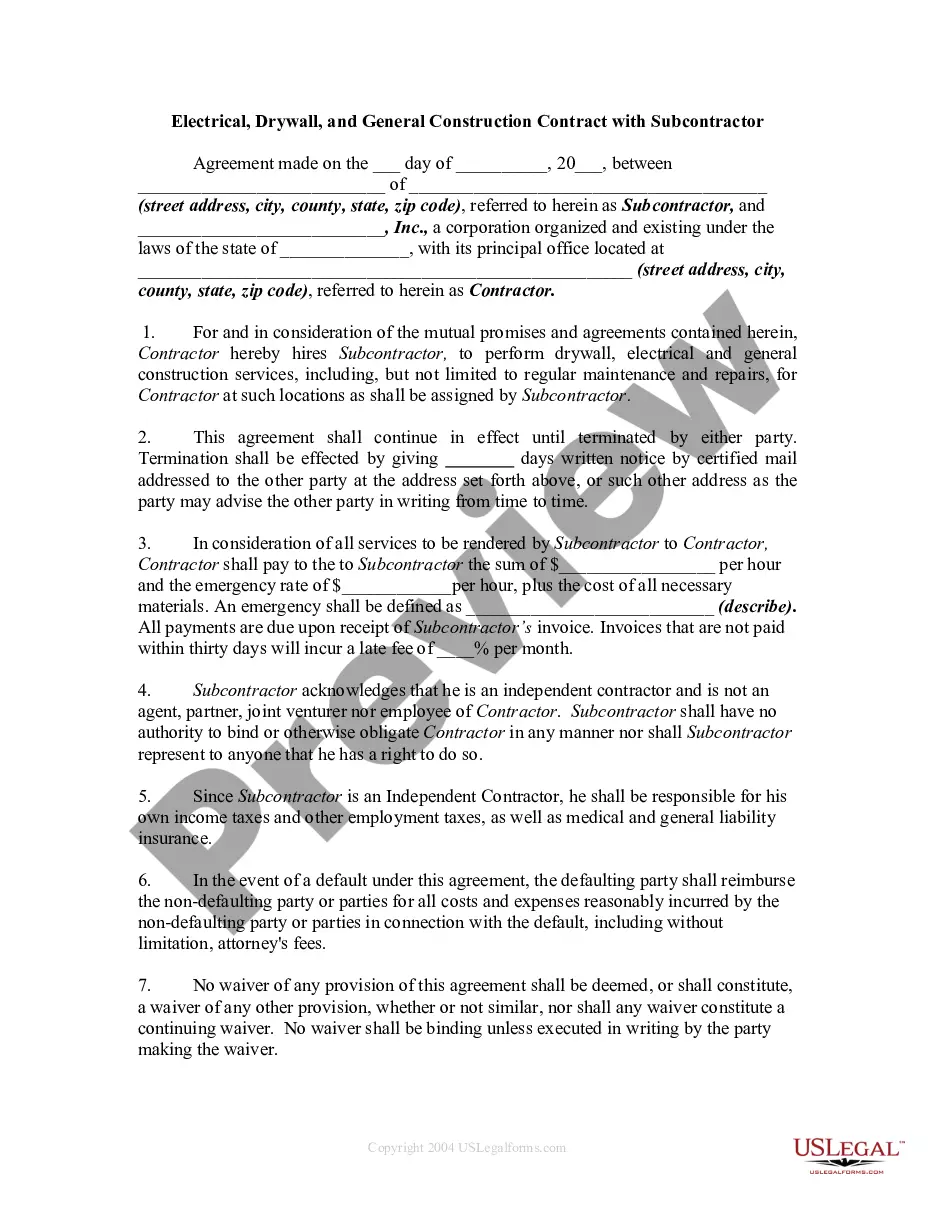
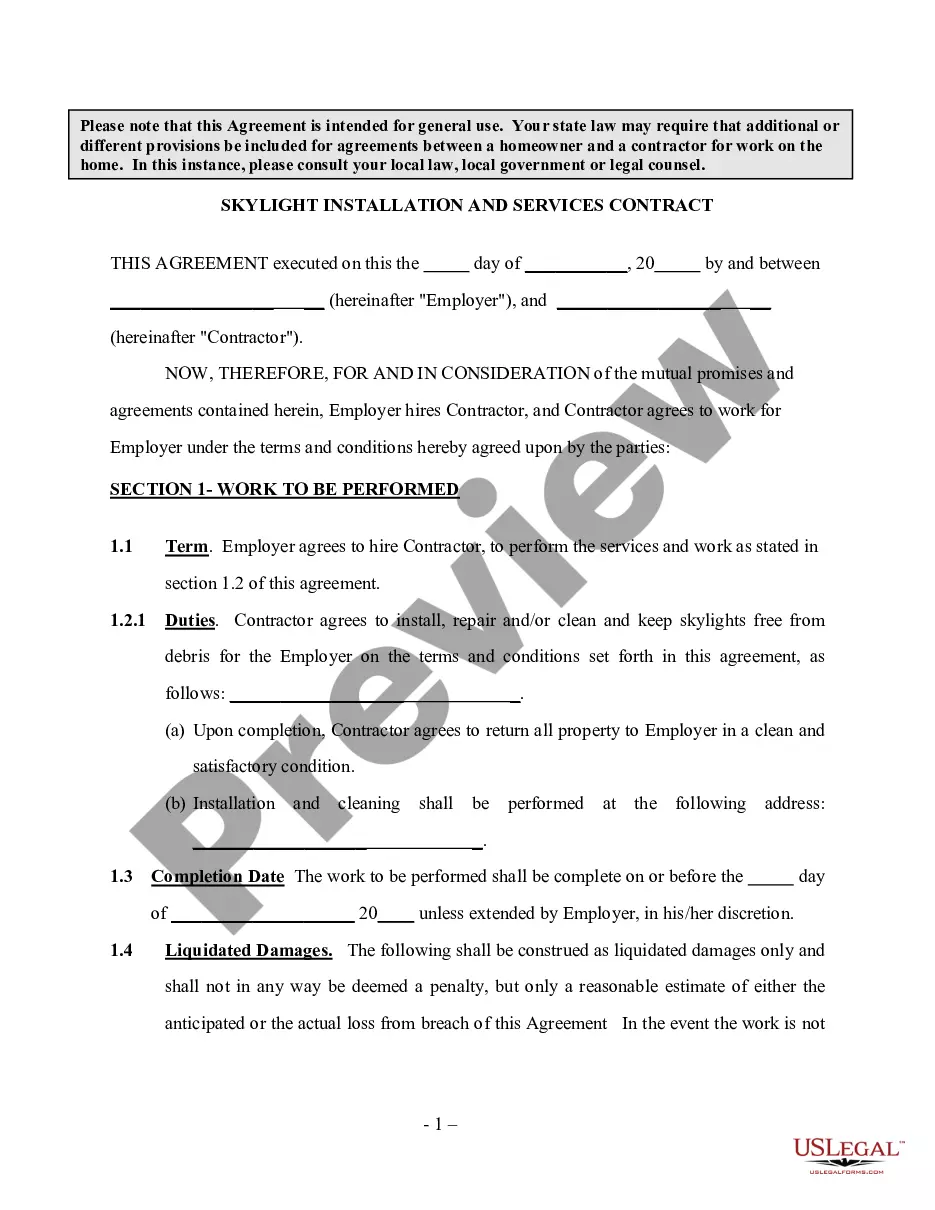
It is easy to acquire or print the Connecticut Electrical, Drywall, and General Construction Agreement with Subcontractor from the service.
If you are using the US Legal Forms website for the first time, follow the straightforward instructions below.
- If you already possess a US Legal Forms account, you can Log In and then click the Download button.
- After that, you can complete, edit, print, or sign the Connecticut Electrical, Drywall, and General Construction Agreement with Subcontractor.
- Every legal document template you purchase belongs to you indefinitely.
- To obtain another copy of a purchased document, go to the My documents section and select the appropriate option.
Form popularity
FAQ
Writing a simple agreement, such as a Connecticut Electrical, Drywall, and General Construction Contract with Subcontractor, involves a few straightforward steps. Start by clearly stating the agreement's purpose, outlining the responsibilities of each party. Be specific about deliverables, payment details, and deadlines. Finally, ensure that both parties sign and date the agreement to enforce its validity.
The five C's of a contract that you should know include clarity, completeness, conciseness, consistency, and compliance. Clarity ensures that all terms are easily understandable. Completeness involves including all necessary details. Conciseness prevents unnecessary information, while consistency maintains the same terms throughout. Compliance ensures the contract adheres to relevant laws and regulations.
To fill a contract effectively, start by reading the entire document to understand its contents. Clearly write the required information, ensuring all sections are completed, particularly those related to project details, costs, and timelines. It's essential to double-check the information for accuracy before signing. For an easy guide, consider using resources from uslegalforms for templates and tips.
A comprehensive Connecticut Electrical, Drywall, and General Construction Contract with Subcontractor includes five key elements: offer, acceptance, consideration, capacity, and legality. The offer outlines what one party will do, while acceptance confirms the agreement of the other party. Consideration refers to what is exchanged for the work performed. Lastly, all parties must have the legal capacity to agree to the terms.
Filling out a Connecticut Electrical, Drywall, and General Construction Contract with Subcontractor begins with clearly identifying the parties involved. You should include the scope of work, payment terms, and timelines. Each section must be filled in accurately to avoid misunderstandings. Additionally, ensure that both parties sign and date the document for validation.
To write a contract with a subcontractor, start by defining the project scope, deliverables, and payment terms. It's important to clarify timelines and responsibilities to ensure smooth project execution. Always align this contract with your Connecticut Electrical, Drywall, and General Construction Contract with Subcontractor to maintain consistency and legal compliance throughout the project.
Creating a contract with a contractor involves detailing the project scope, payment structure, and timelines. Clearly define responsibilities and expectations to avoid misunderstandings. Utilize your Connecticut Electrical, Drywall, and General Construction Contract with Subcontractor as a framework to integrate these elements effectively.
Writing a subcontractor agreement begins with outlining the project details, including the scope of work, payment terms, and timeline. Ensure both parties review and sign the document to enforce compliance. Your Connecticut Electrical, Drywall, and General Construction Contract with Subcontractor should serve as the backbone for this agreement, providing a template to ensure all necessary elements are included.
Yes, a subcontractor should always operate under a contract to establish clear obligations and expectations. A well-drafted contract protects all parties involved and outlines project details, payment terms, and dispute resolution methods. Ensure your Connecticut Electrical, Drywall, and General Construction Contract with Subcontractor includes these critical components.
A Memorandum of Understanding (MOU) is a formal agreement between a contractor and subcontractor outlining both parties' expectations and responsibilities. While not legally binding, it serves as a crucial reference point for future engagements. It's essential to align an MOU with your Connecticut Electrical, Drywall, and General Construction Contract with Subcontractor to ensure smooth project execution.