Connecticut Tax Free Exchange Agreement Section 1031
Description
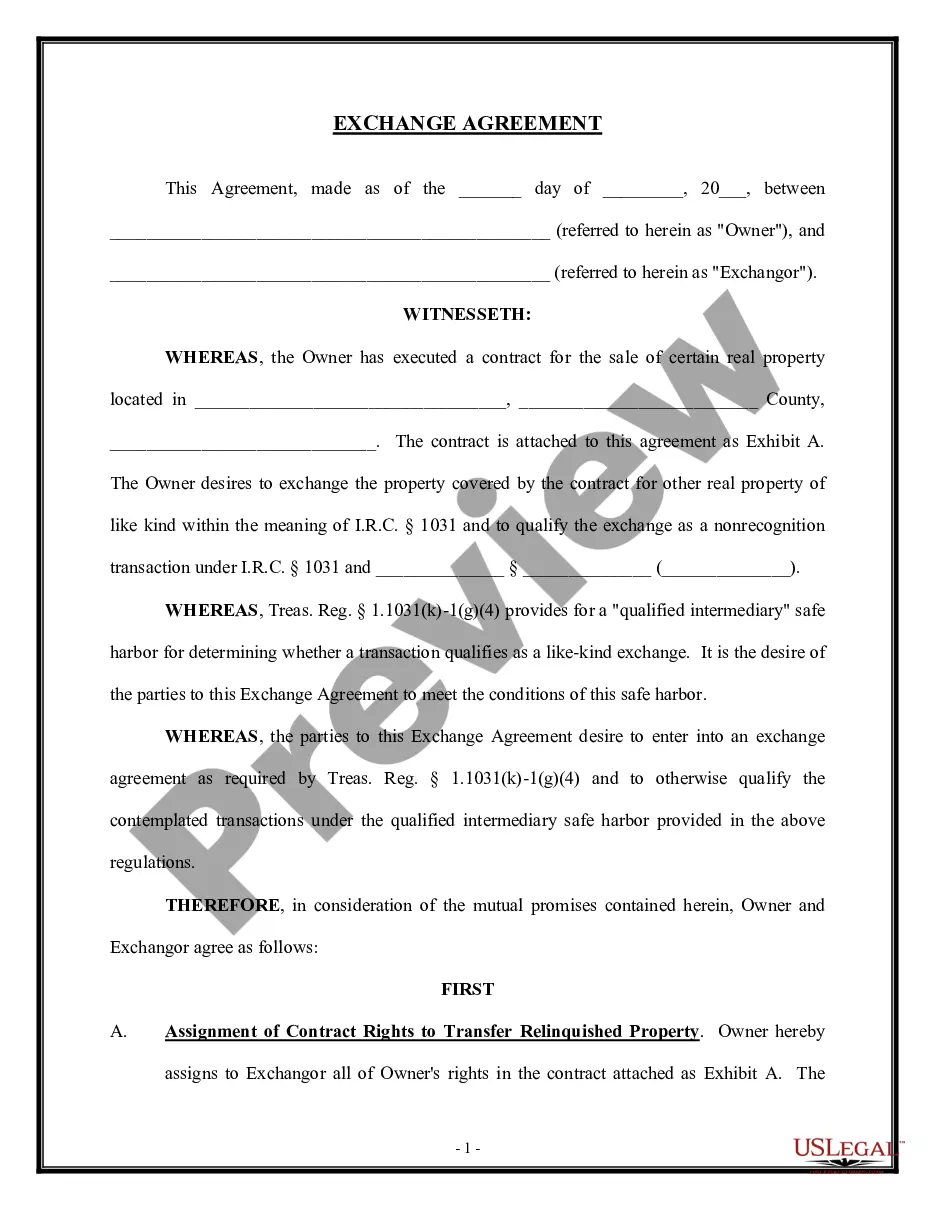
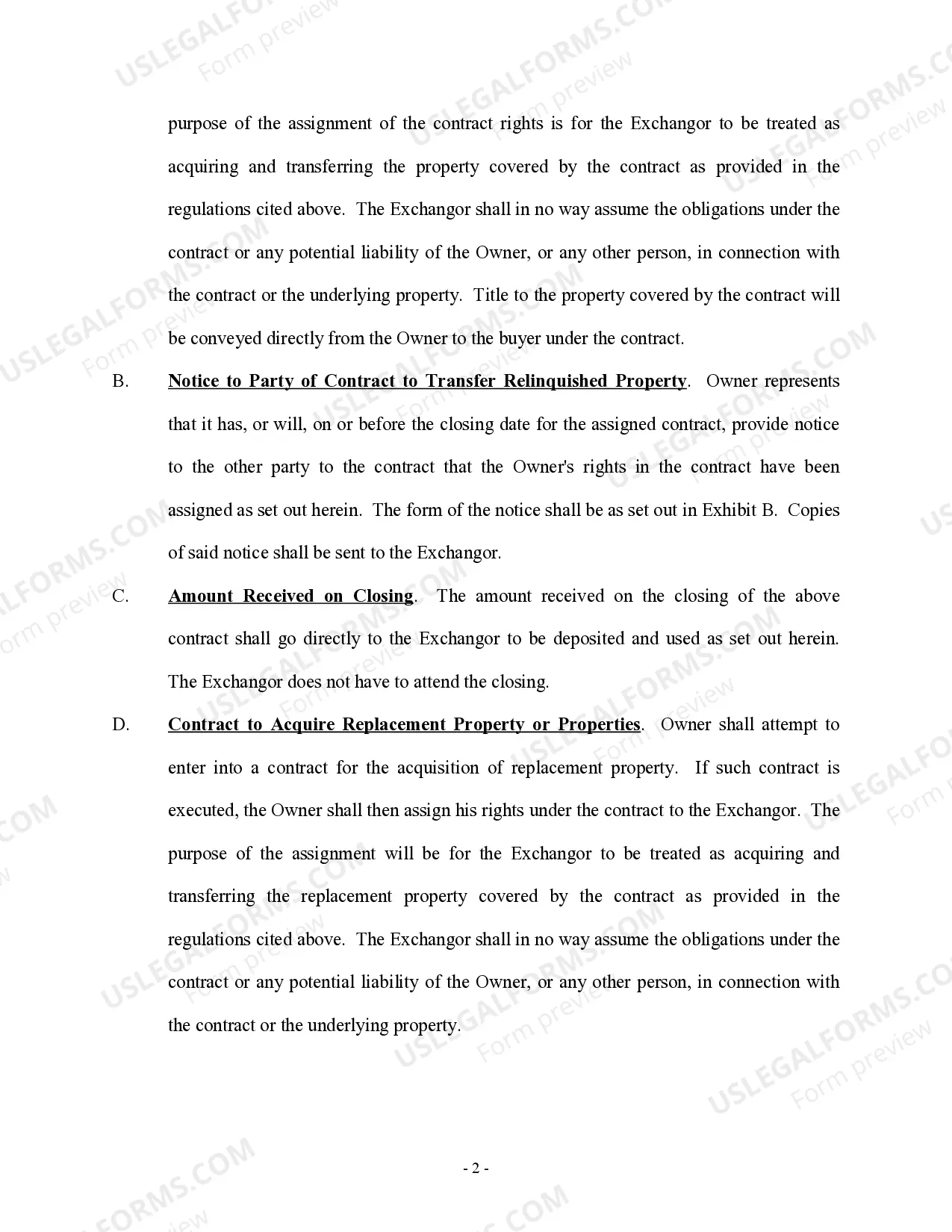
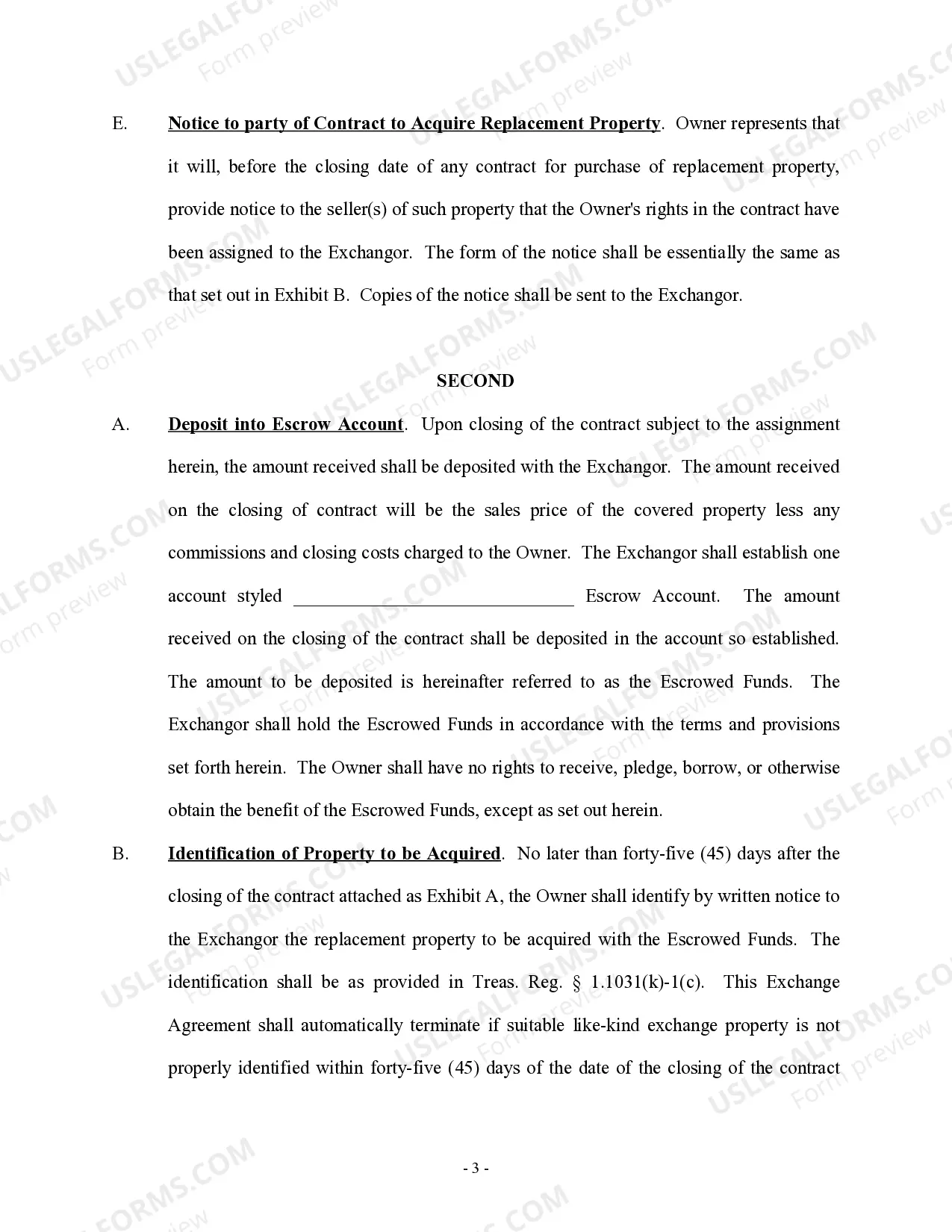
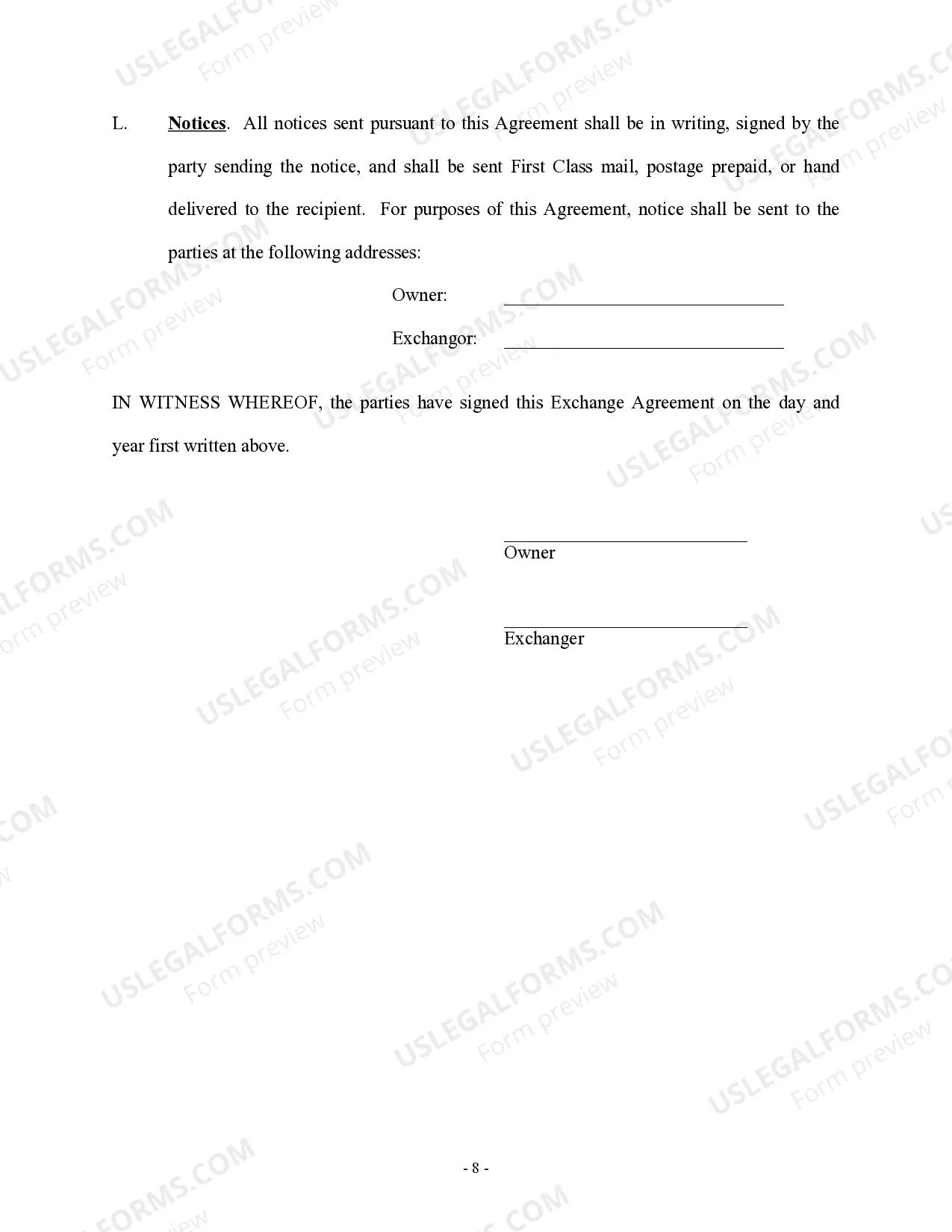
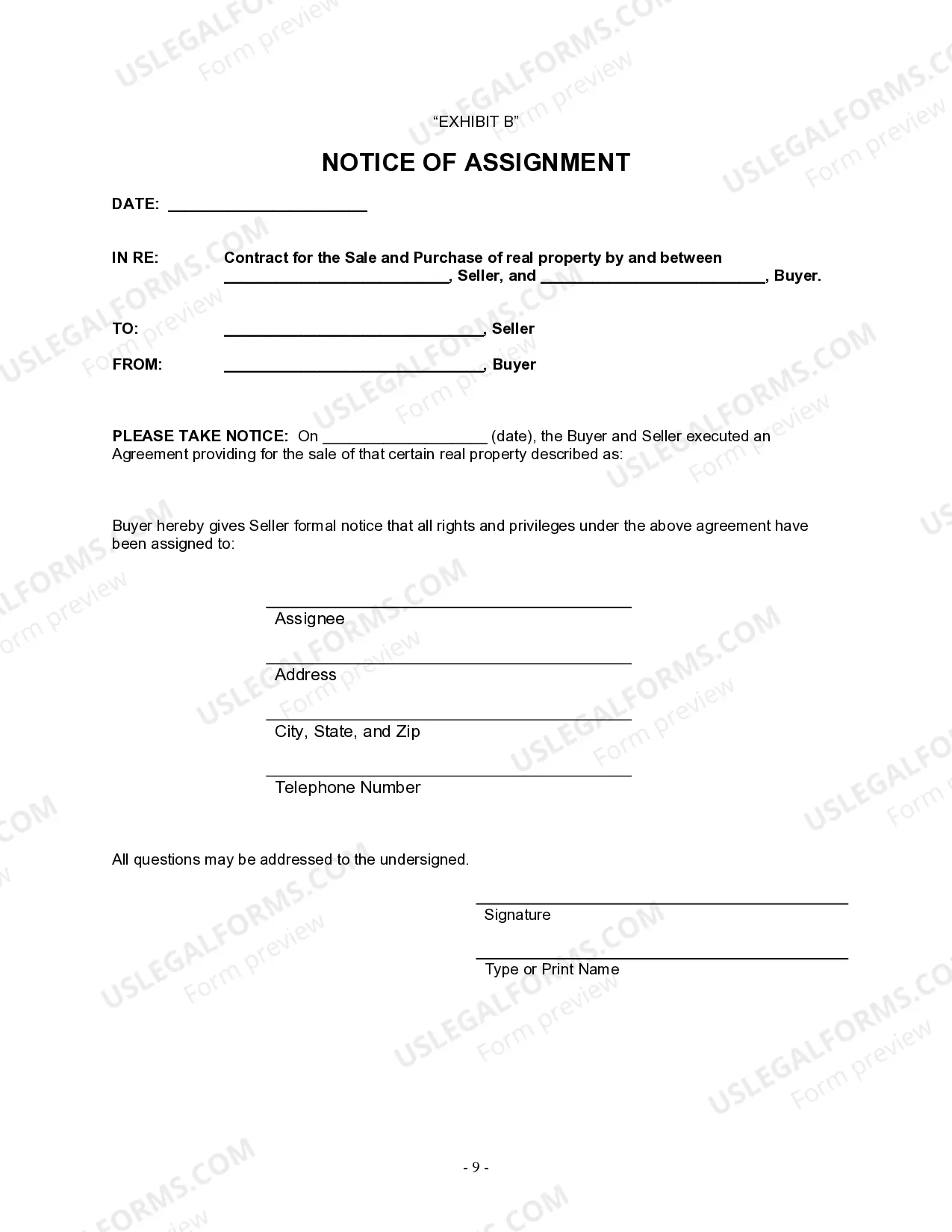

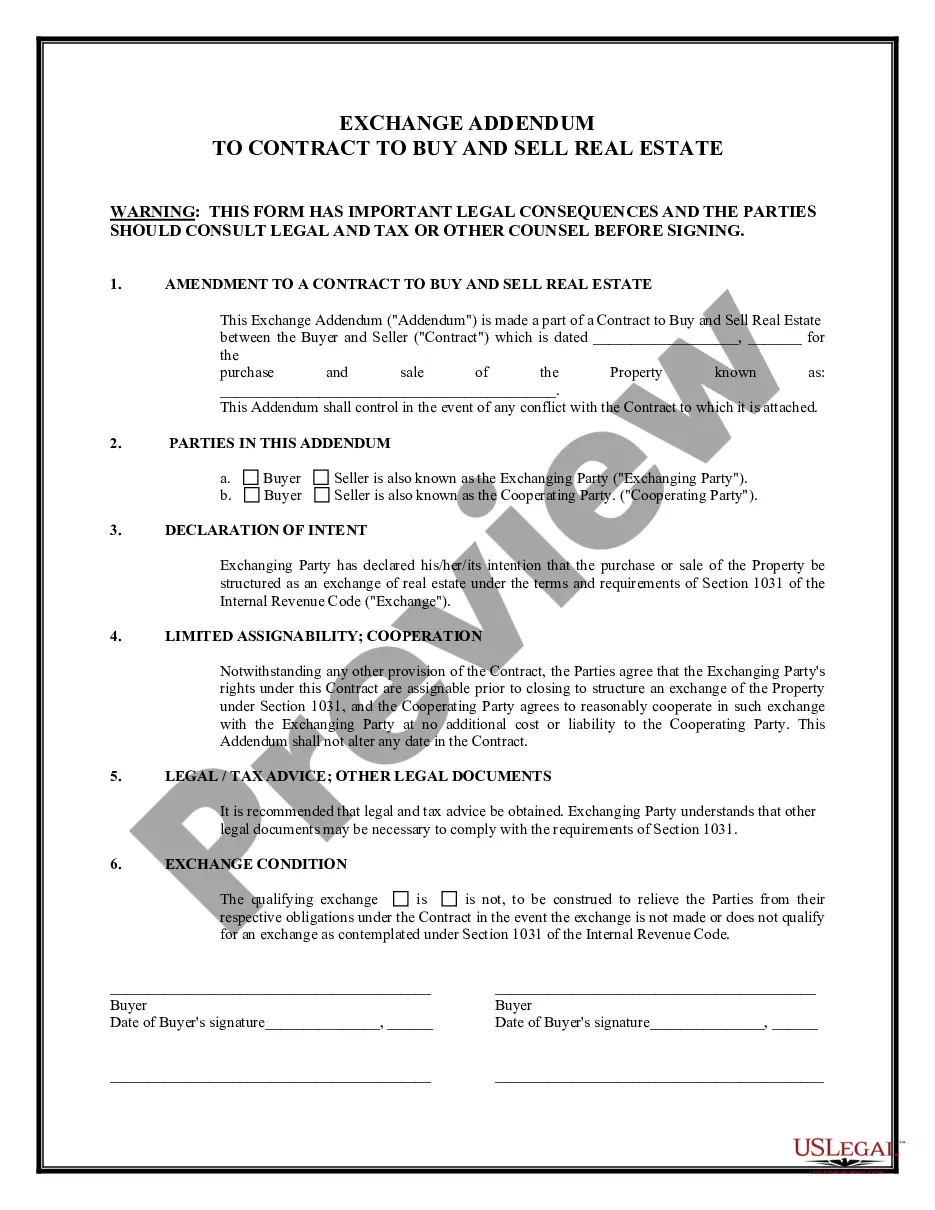



How to fill out Tax Free Exchange Agreement Section 1031?
Are you in a situation where you require documents for either business or personal purposes almost all the time? There are numerous authorized document templates accessible on the web, but finding ones you can rely on is challenging.
US Legal Forms offers a vast collection of form templates, such as the Connecticut Tax-Free Exchange Agreement Section 1031, which are designed to comply with state and federal regulations.
If you are already familiar with the US Legal Forms website and have an account, simply Log In. Afterwards, you can download the Connecticut Tax-Free Exchange Agreement Section 1031 template.
Retrieve all the document templates you have purchased from the My documents section. You can obtain an additional copy of the Connecticut Tax-Free Exchange Agreement Section 1031 whenever necessary. Just access the required form to download or print the document template.
Utilize US Legal Forms, the most comprehensive collection of legal forms, to save time and avoid errors. The service offers professionally crafted legal document templates that you can use for various purposes. Create your account on US Legal Forms and start simplifying your life.
- Locate the form you need and ensure it is for the correct city/region.
- Use the Review option to evaluate the form.
- Check the description to confirm you have selected the correct form.
- If the form is not what you are looking for, utilize the Research section to find the form that fulfills your needs and requirements.
- Once you find the suitable form, click on Buy now.
- Choose the pricing plan you prefer, provide the necessary details to create your account, and pay for your purchase using your PayPal or credit card.
- Select a convenient document format and download your copy.
Form popularity
FAQ
Yes, you can engage in a 1031 exchange with another person, provided the properties meet IRS guidelines. This arrangement can offer benefits in terms of property value and tax deferral. Working with a qualified intermediary can help outline the steps necessary for a successful exchange between multiple parties.
Yes, a non-US citizen can sell real estate in the United States. They must follow relevant regulatory requirements, including tax laws. Depending on the circumstances, this may involve filing certain forms with the IRS. Being informed about these requirements can assist in ensuring a smooth sale process.
The concept of a 1031 exchange is specific to the United States and does not directly apply in India. However, India offers its own tax deferral mechanisms for property transactions. If you are considering international investments, it is advisable to consult a tax expert who understands both the US and Indian tax systems.
Keep in mind that you will have 45 days to find a property and 180 days to complete the exchange. Any delay on these time limits could cause you to pay capital gains taxes. As an investor, these exchanges can be useful in a variety of ways.
Potential Drawbacks of a 1031 DST Exchange1031 DST investors give up control.The 1031 DST properties are illiquid.Costs, fees and charges.You must be an accredited investor.You cannot raise new capital in a 1031 DST.Small offering size.DSTs must adhere to strict prohibitions.
Any rental property sold by those who qualify in accordance with IRS rules as real estate professionals is not considered passive and thus will not be counted as net investment income. The gain deferred in a 1031 exchange is not included in your Adjusted Gross income (AGI) or Net Investment Income (NII).
HOW TO REPORT THE EXCHANGE. Your 1031 exchange must be reported by completing Form 8824 and filing it along with your federal income tax return. If you completed more than one exchange, a different form must be completed for each exchange.
Under IRC §1031, the following properties do not qualify for tax-deferred exchange treatment: Stock in trade or other property held primarily for sale (i.e. property held by a developer, flipper or other dealer) Securities or other evidences of indebtedness or interest. Stocks, bonds, or notes.
Gain deferred in a like-kind exchange under IRC Section 1031 is tax-deferred, but it is not tax-free. The exchange can include like-kind property exclusively or it can include like-kind property along with cash, liabilities and property that are not like-kind.
Specifically, if you have a vacation property in a rental pool, you can do a 1031 exchange as long as you have used it no more than 14 days per year or 10% of the total time it was rented.