Connecticut Assignment to Living Trust
What this document covers
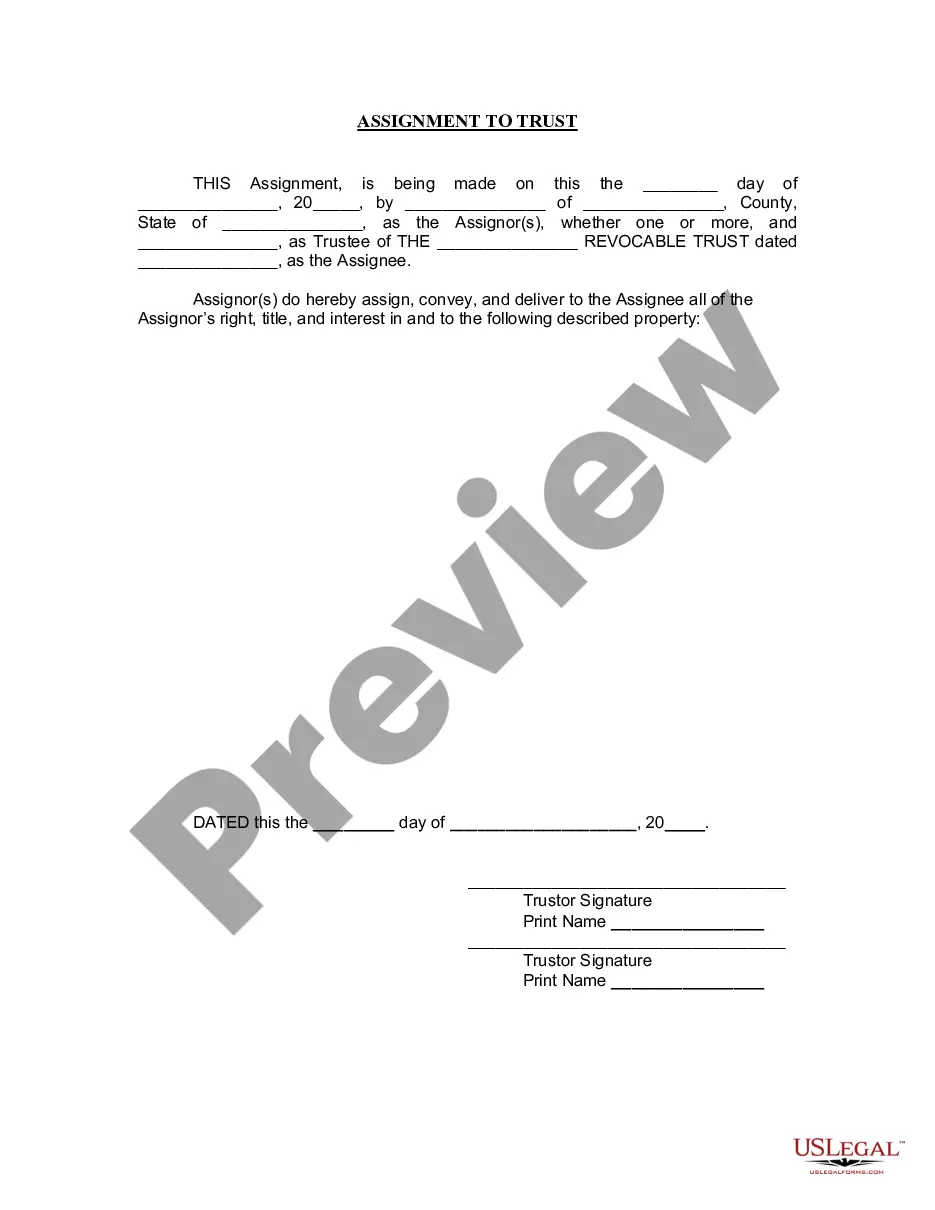
The Assignment to Living Trust form is used to transfer ownership of specific property to a living trust. A living trust is established during a person's lifetime to manage their assets and facilitate estate planning. This form enables the Assignor to formally assign their interest in property to a trust, thereby simplifying the transfer of assets upon their passing. Unlike a will, which takes effect after death, a living trust is active during the individual's lifetime, offering more control and flexibility in asset management.
Main sections of this form
- Parties involved: Identification of the Assignor(s) and the Trustee of the Living Trust.
- Property description: A detailed description of the property being assigned to the trust.
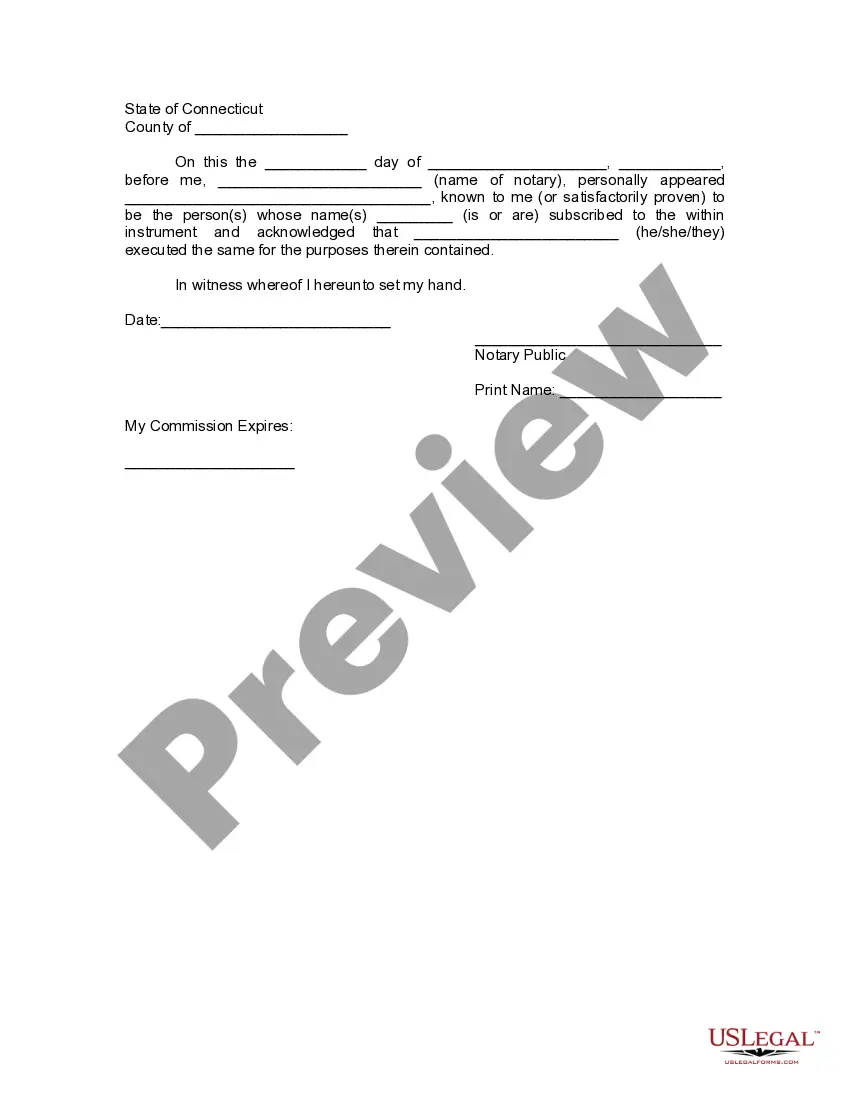
- Signature requirement: Signatures of the Assignor and the Trustee, along with a notary acknowledgment.
- Date fields: Dates indicating when the assignment is made and when it is notarized.
- Notary section: Certification by a notary public affirming the identities and signatures of the parties involved.
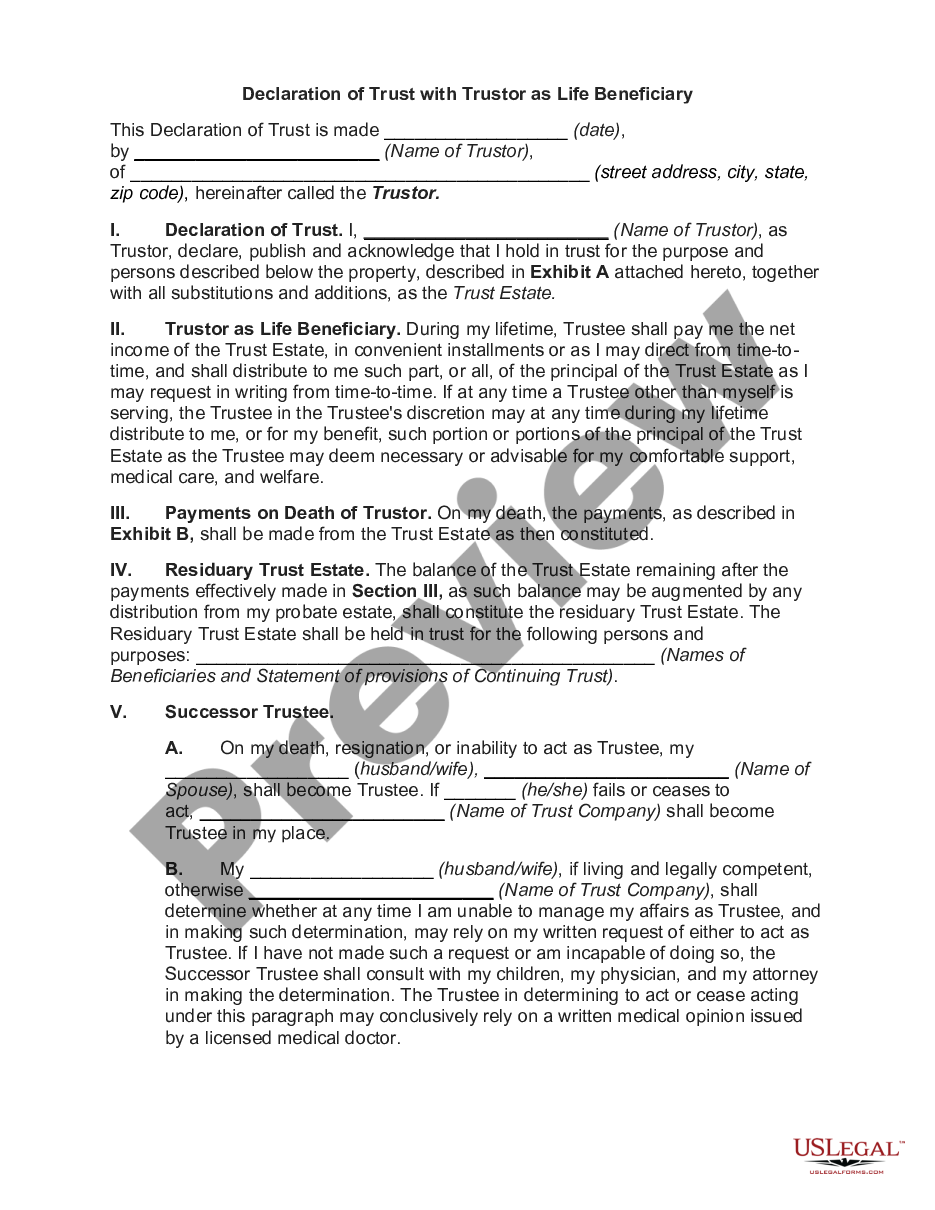
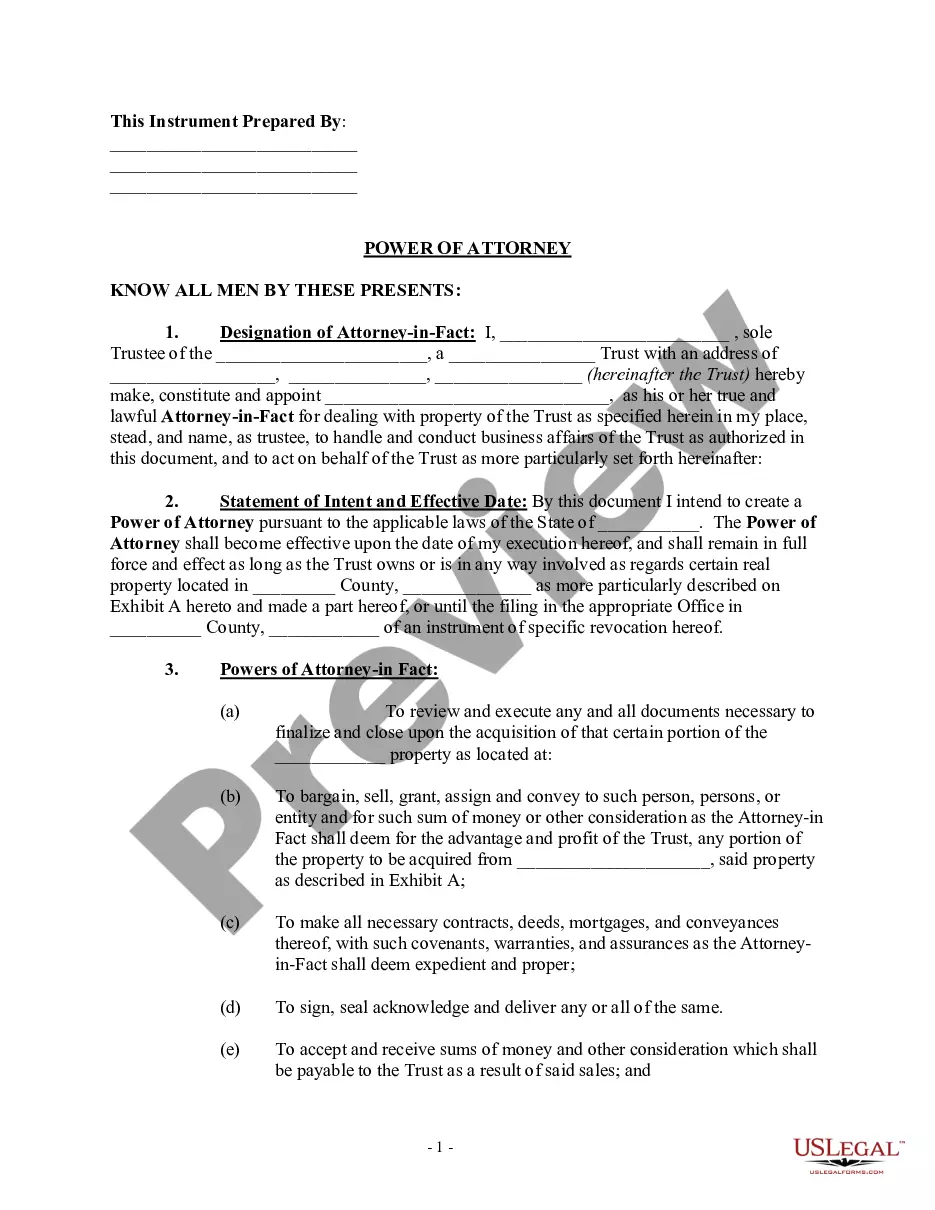
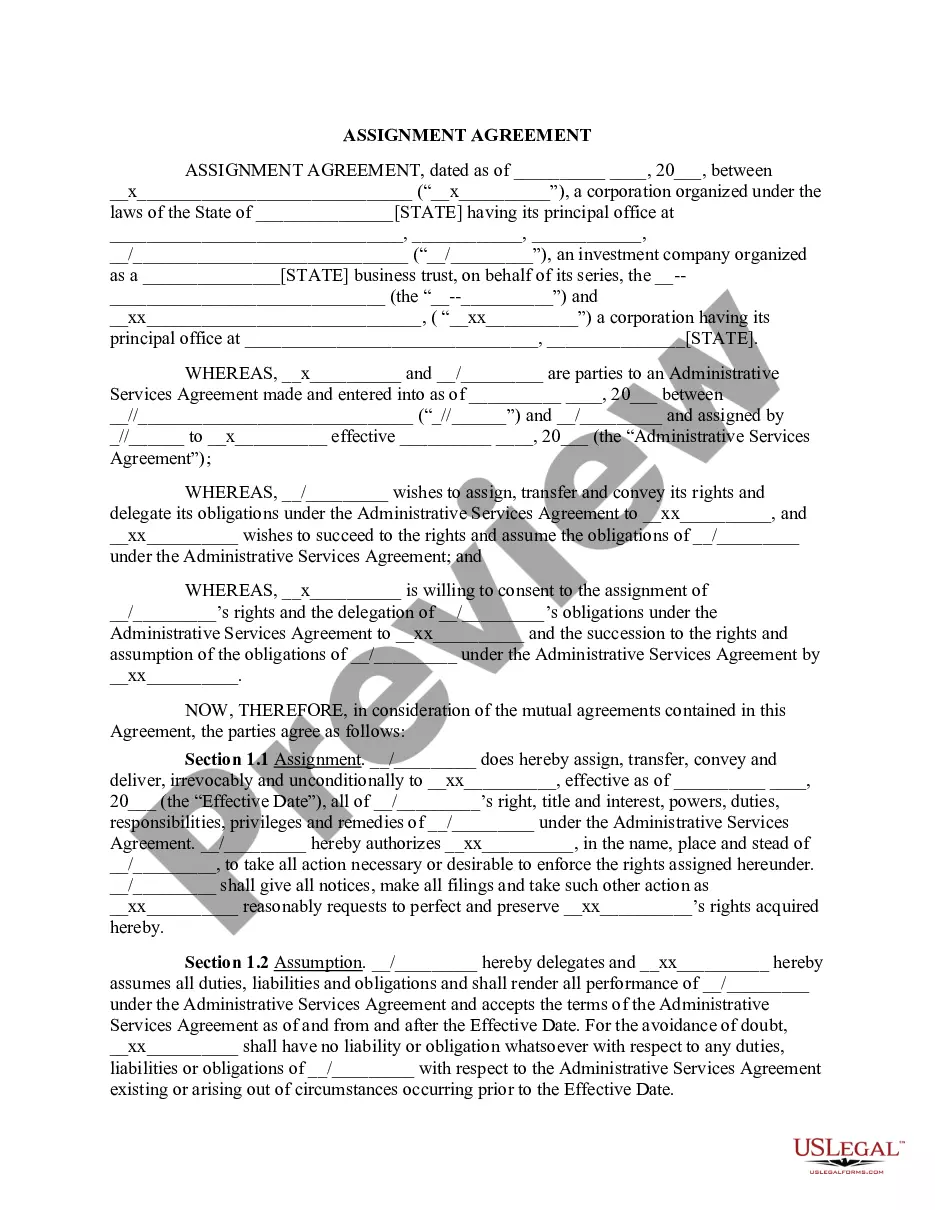
When this form is needed
This form is essential when you wish to transfer assets into a living trust as part of your estate planning process. It is commonly used when individuals want to avoid probate, ensure a smooth transition of assets, and manage their property during their lifetime. Scenarios may include when you have acquired new property, wish to change the title of existing assets, or want to facilitate better management of your estate for your beneficiaries.
Who should use this form
- Individuals who have established or are in the process of establishing a living trust.
- Anyone looking to transfer specific assets into their living trust.
- Property owners wanting to simplify the transfer of property upon their passing.
How to complete this form
- Identify the parties by entering the names of the Assignor(s) and the Trustee.
- Specify the property being assigned by clearly describing it within the appropriate section.
- Enter the date of assignment in the designated field.
- Ensure all parties sign the document where indicated, in the presence of a notary.
- Complete the notary acknowledgment section to validate the signatures and the transaction.
Notarization requirements for this form
Notarization is required for this form to take effect. Our online notarization service, powered by Notarize, lets you verify and sign documents remotely through an encrypted video session, available 24/7.
Get your form ready online
Our built-in tools help you complete, sign, share, and store your documents in one place.
Make edits, fill in missing information, and update formatting in US Legal Forms—just like you would in MS Word.
Download a copy, print it, send it by email, or mail it via USPS—whatever works best for your next step.
Sign and collect signatures with our SignNow integration. Send to multiple recipients, set reminders, and more. Go Premium to unlock E-Sign.
If this form requires notarization, complete it online through a secure video call—no need to meet a notary in person or wait for an appointment.
We protect your documents and personal data by following strict security and privacy standards.

Make edits, fill in missing information, and update formatting in US Legal Forms—just like you would in MS Word.

Download a copy, print it, send it by email, or mail it via USPS—whatever works best for your next step.

Sign and collect signatures with our SignNow integration. Send to multiple recipients, set reminders, and more. Go Premium to unlock E-Sign.

If this form requires notarization, complete it online through a secure video call—no need to meet a notary in person or wait for an appointment.

We protect your documents and personal data by following strict security and privacy standards.
Common mistakes
- Failing to provide a complete and accurate description of the property.
- Not having the form signed in front of a notary, which can lead to invalidation.
- Overlooking necessary signatures from all parties involved.
- Leaving date fields blank, which can create legal ambiguities.
Benefits of completing this form online
- Convenient: Download and complete the form at your own pace.
- Editability: Customize the form to meet your specific needs easily.
- Reliable: Use professionally drafted templates created by licensed attorneys.
Summary of main points
- The Assignment to Living Trust form is crucial for transferring property into a living trust.
- Proper execution includes signatures and notarization to ensure legal validity.
- This form helps in effective estate planning, simplifying asset management.
Looking for another form?
Form popularity
FAQ
Setting up a living trust in Connecticut involves several key steps: first, you need to choose a trustee. Then, clearly outline the assets to be included in the Connecticut Assignment to Living Trust. Drafting the trust document with a qualified attorney ensures all legal requirements are met. Lastly, don't forget to transfer ownership of the intended assets to the trust for it to function effectively.
A common mistake parents make when establishing a trust fund is failing to fund the trust correctly. A Connecticut Assignment to Living Trust is only effective if assets are properly transferred into it. Additionally, many overlook updating the trust as their financial situation changes. Regularly reviewing and adjusting the trust ensures it remains effective and aligns with their wishes.
One downside of using a Connecticut Assignment to Living Trust includes the potential loss of control over assets. Once assets are placed in the trust, many individuals might feel they no longer have direct ownership. Additionally, if not properly managed, the trust can have tax implications that may affect beneficiaries. It's essential to engage in thorough discussions with a professional before proceeding.
Your parents might benefit from placing their assets in a Connecticut Assignment to Living Trust, especially if they wish to avoid probate. A trust can provide privacy and ease of transfer upon their passing. However, they should consider their financial situation and consult with a legal expert to ensure it aligns with their overall estate planning goals. The right approach can lead to a smoother transition for heirs.
Filling out a living trust involves several clear steps. First, gather your asset information, such as properties and bank accounts, that you wish to include in the Connecticut Assignment to Living Trust. Then, use a reliable platform, like US Legal Forms, to access templates and guidance that help you complete the process accurately. Finally, ensure that you sign your trust documents in front of a notary public to make it legally valid.
Handwritten changes, often called 'holographic amendments,' can be legal in some circumstances. However, it's essential to ensure these changes follow the legal format required for amendments in Connecticut. To avoid confusion or potential disputes, consider using formal amendment processes for your Connecticut Assignment to Living Trust. US Legal Forms can assist you in creating proper legal documents to ensure your wishes are honored.
Generally, an amendment to a trust does not need to be recorded with the state in Connecticut. However, keeping copies of your amendment with other important documents is a wise practice. You want to ensure that anyone involved is aware of the changes to your Connecticut Assignment to Living Trust. To help with this, US Legal Forms offers resources for documenting and organizing your trust amendments.
Writing an amendment to a living trust requires clarity and precision. Begin by clearly referencing the existing trust and specify the changes you want to make. Ensure the amendment aligns with your intent regarding your Connecticut Assignment to Living Trust. To simplify the process, you can use forms from US Legal Forms, which provide templates and guidance for creating a valid amendment.
Assigning assets to a trust involves transferring ownership from yourself to the trust. You need to change the title of assets, like property or bank accounts, to the name of your trust. This process ensures your assets are managed according to your wishes laid out in your Connecticut Assignment to Living Trust. Using US Legal Forms can help streamline this task with proper instructions and documentation.
Amending a trust is generally a straightforward process. You can make changes to the trust document as long as you follow the correct legal procedures. In Connecticut, a well-drafted amendment to a living trust can efficiently reflect your current wishes without much difficulty. If you need assistance, consider using US Legal Forms to ensure your Connecticut Assignment to Living Trust meets all legal requirements.