Connecticut Marital Legal Separation and Property Settlement Agreement Adult Children Parties May have Joint Property or Debts effective Immediately
Overview of this form
This Marital Legal Separation and Property Settlement Agreement is designed for married individuals with adult children who are seeking an immediate separation. It outlines the division of joint property and liabilities after the separation, distinguishing it from standard divorce settlement agreements. This form ensures that both parties have clarity on their financial obligations and entitlements, protecting their interests as they navigate the separation process.
What’s included in this form
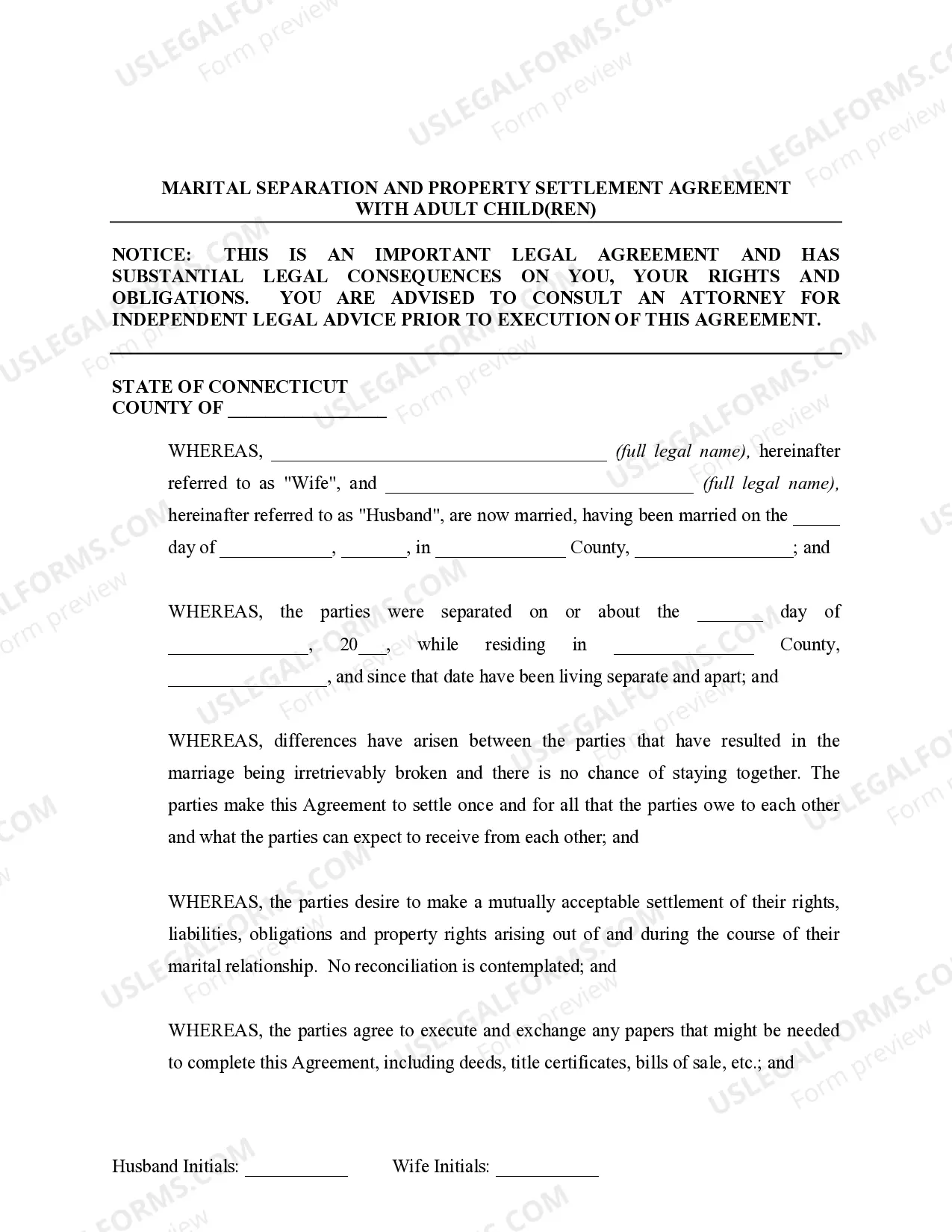
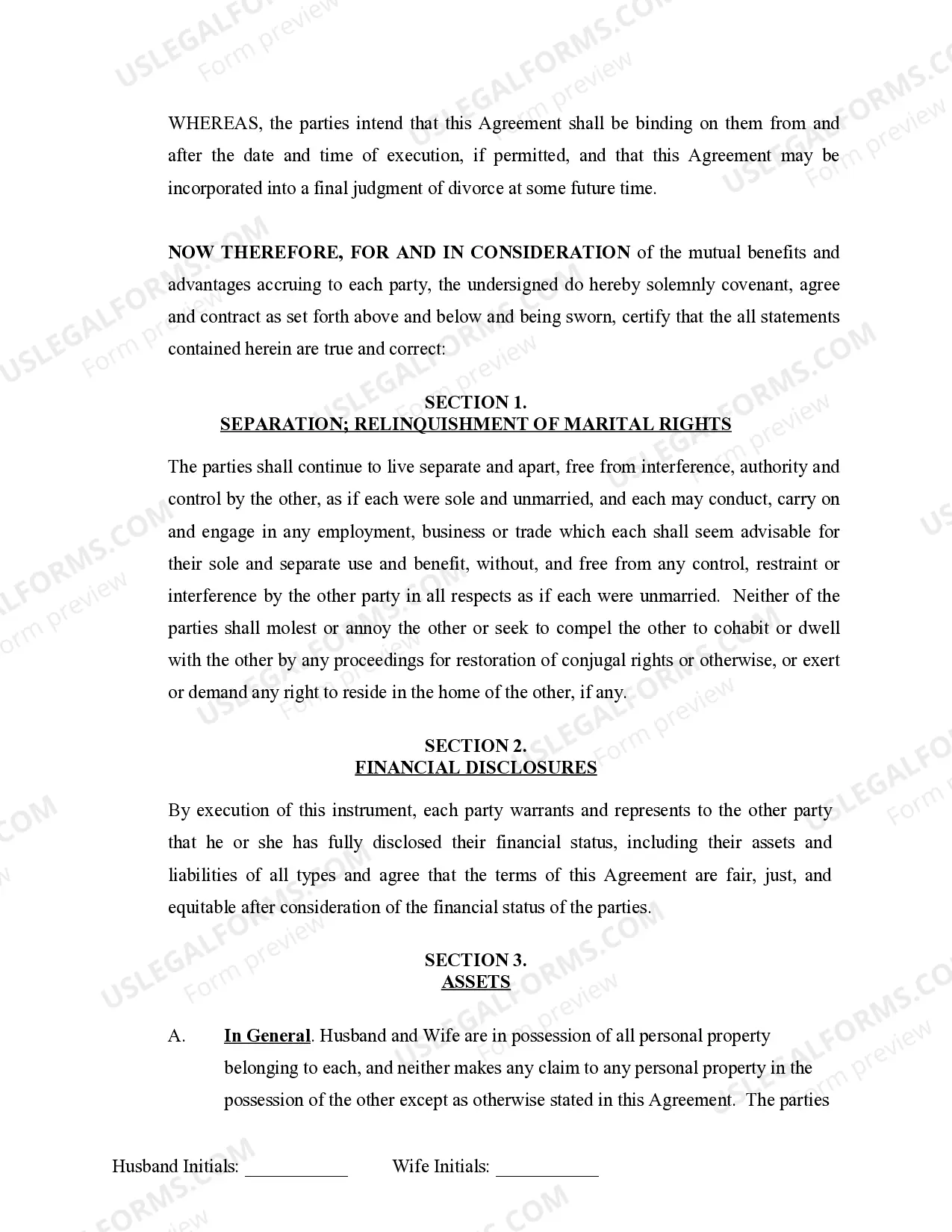
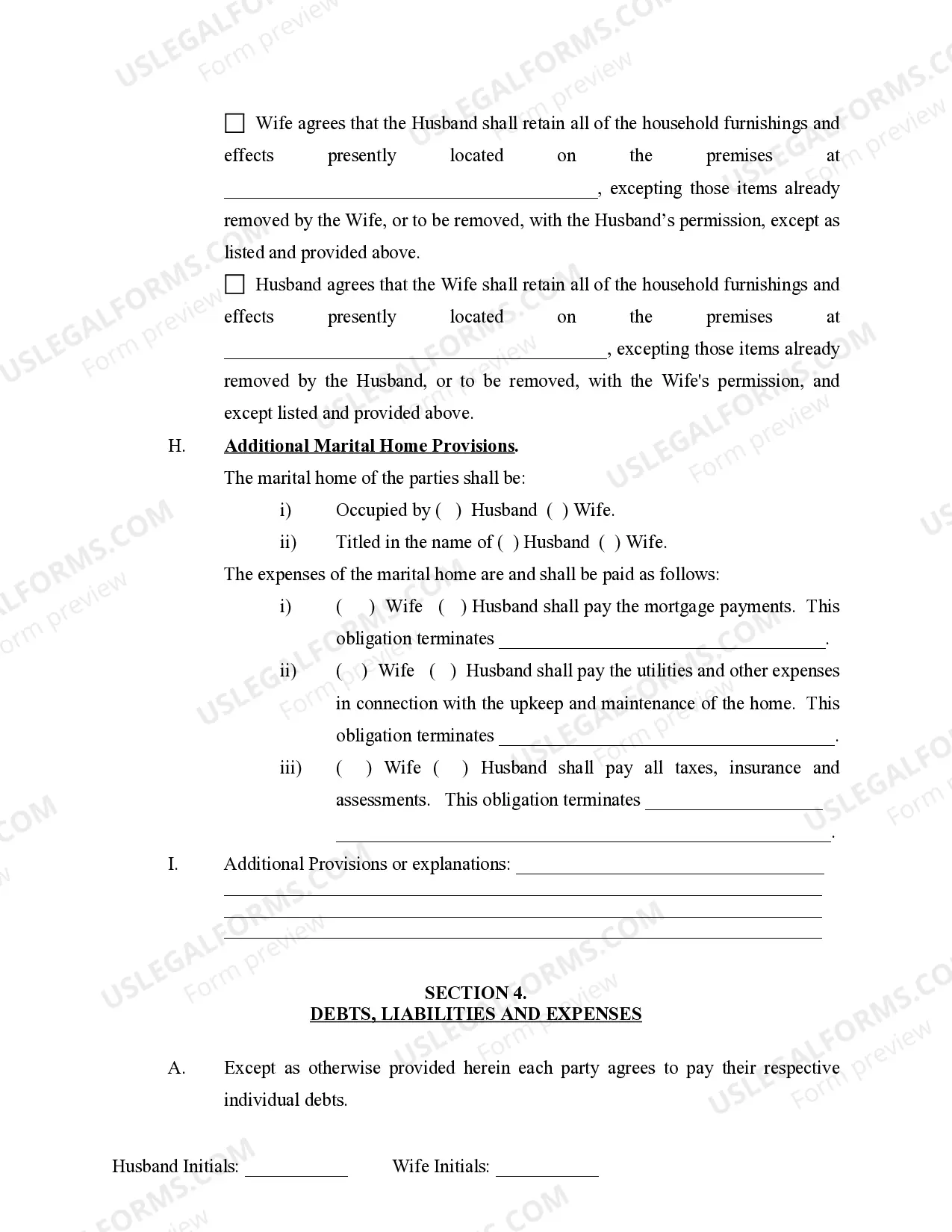
- The agreement specifies the separation of the parties and relinquishment of marital rights.
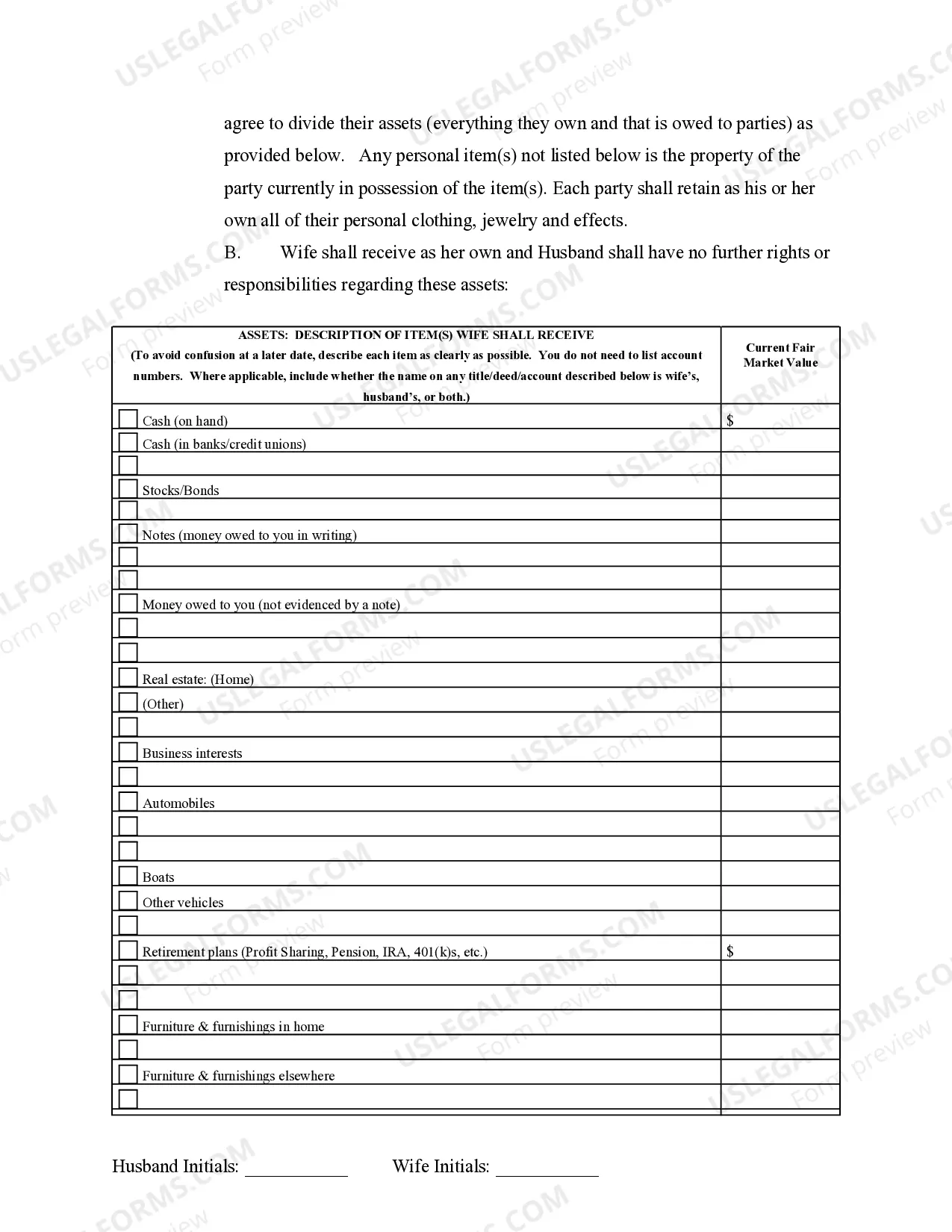
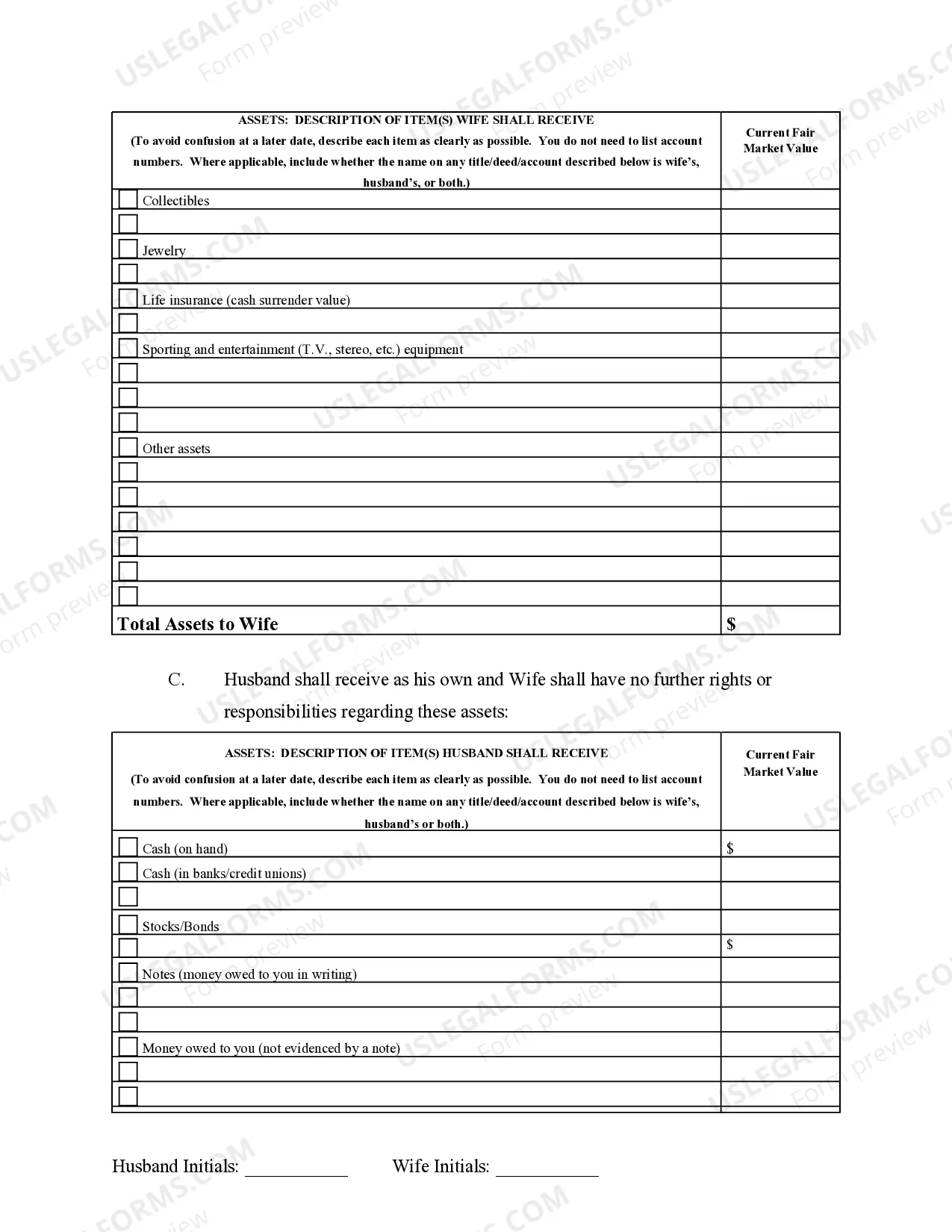
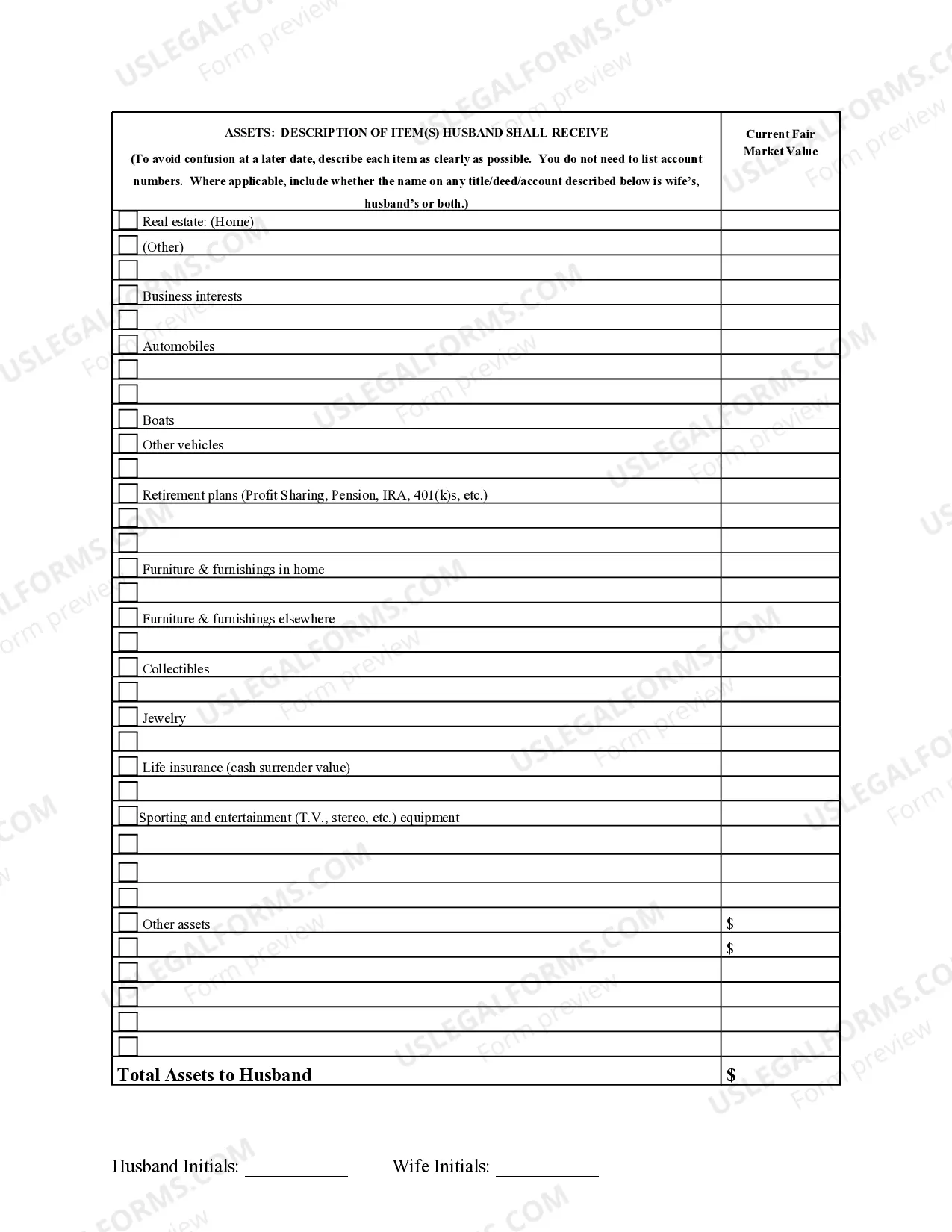
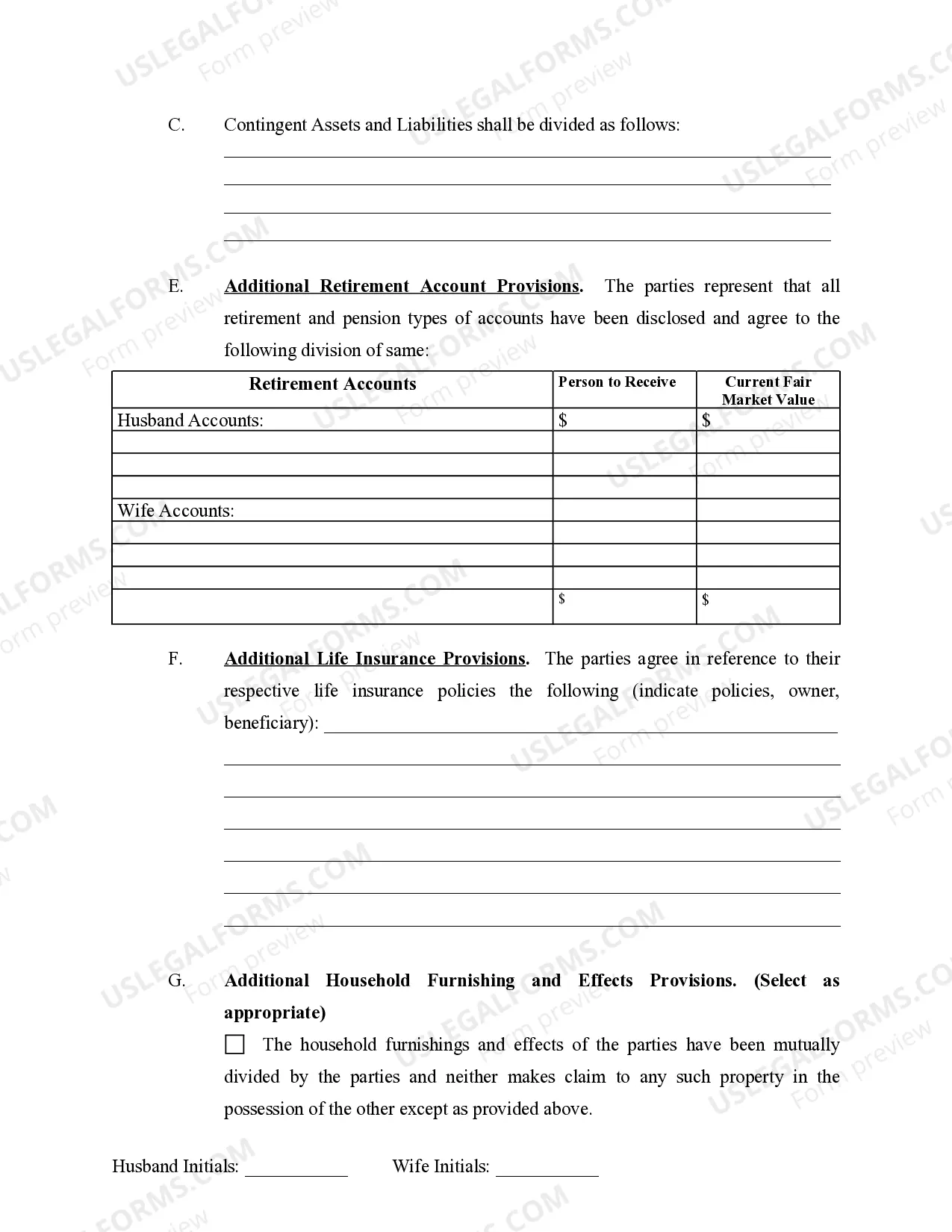
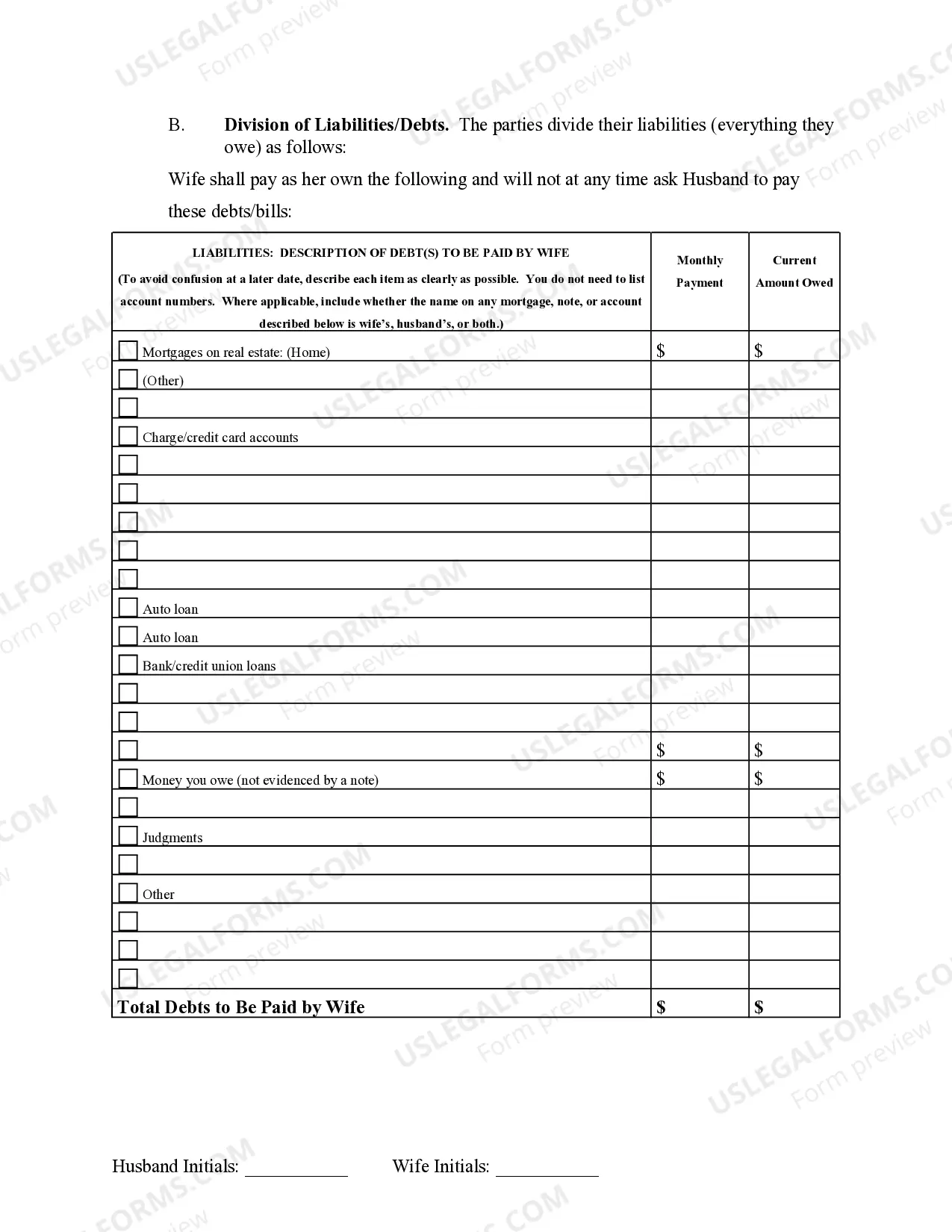
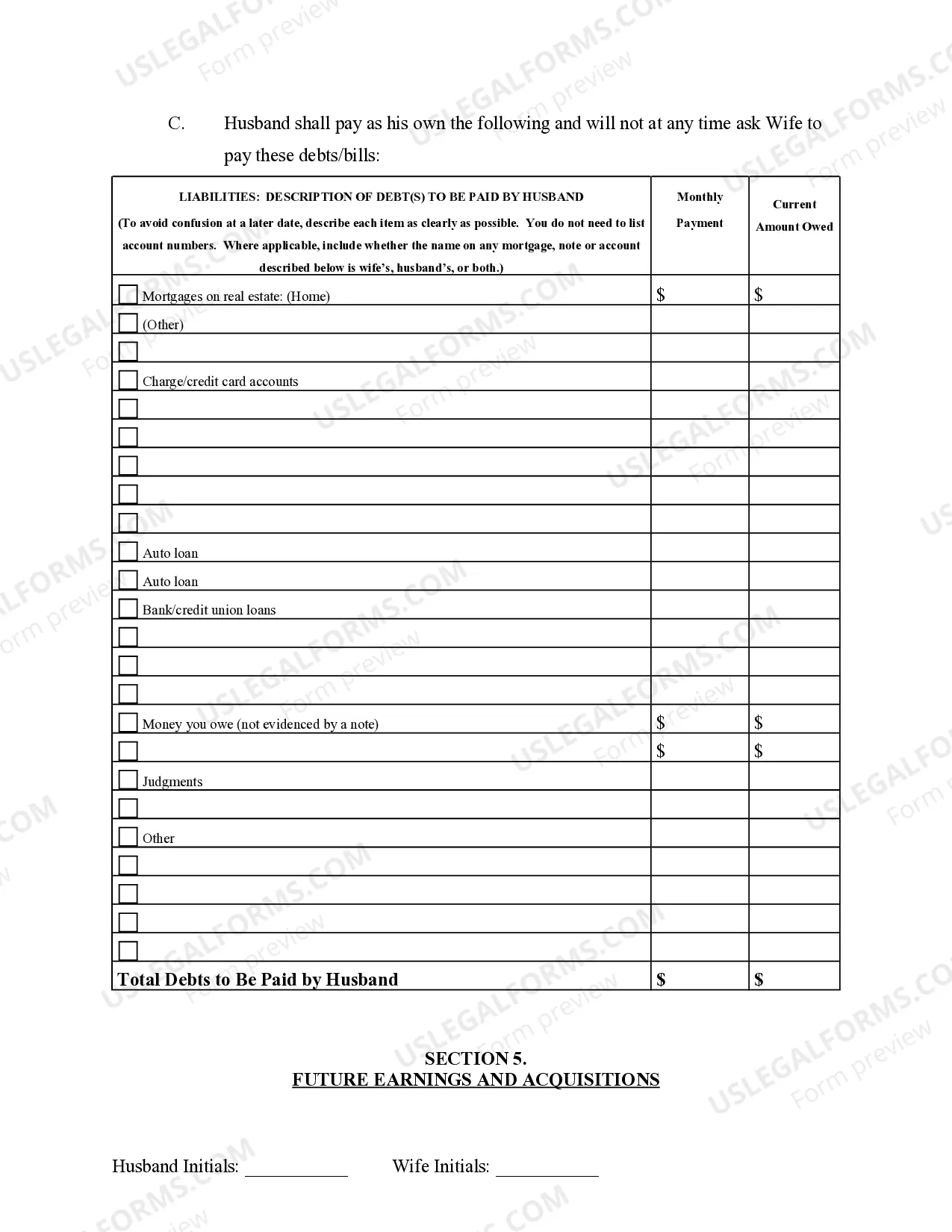
- It includes detailed financial disclosures about each party's assets and liabilities.
- Provisions for the division of both assets and debts are clearly outlined.
- There are clauses regarding future earnings and the maintenance of a relationship with adult children.
- The form includes mandatory fields for signatures and notarization.

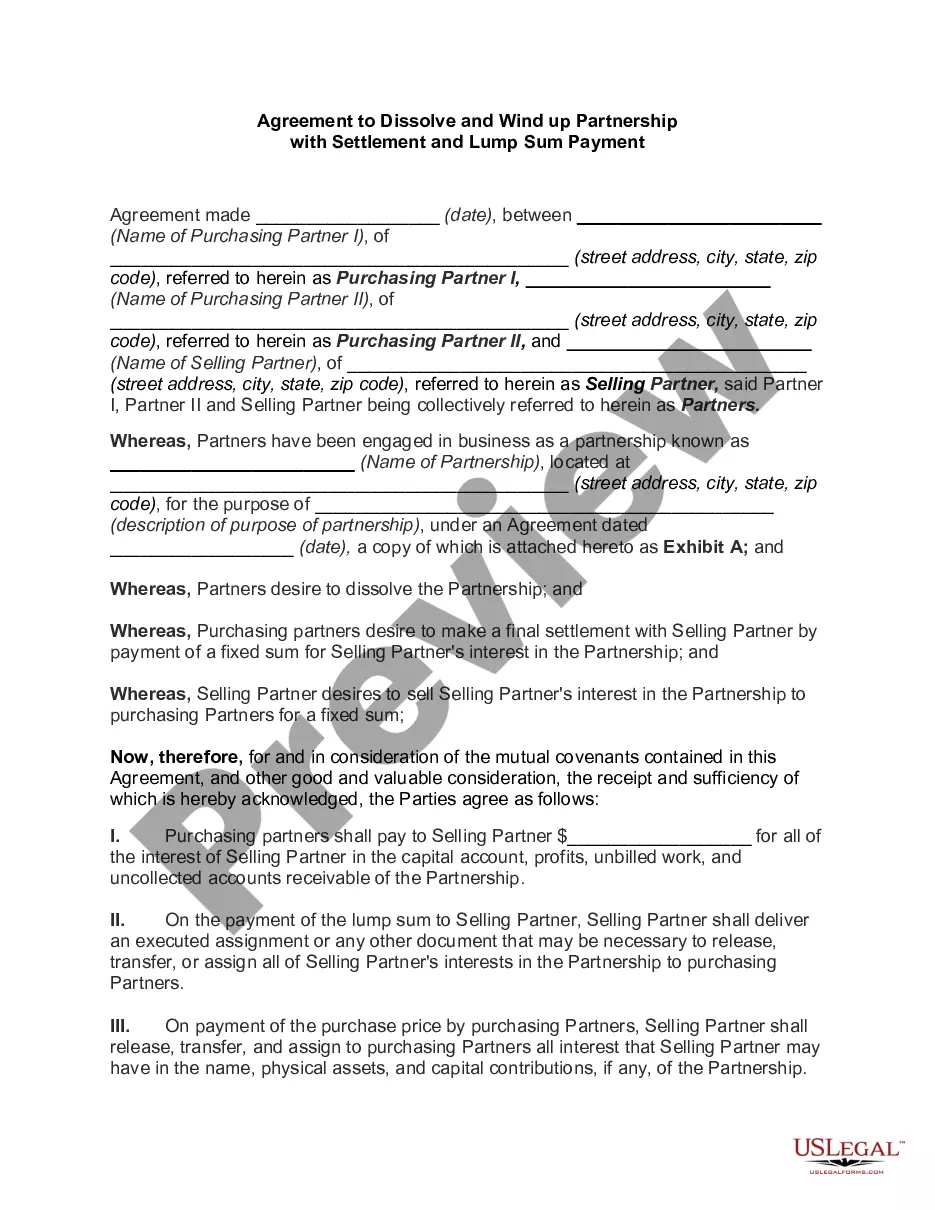
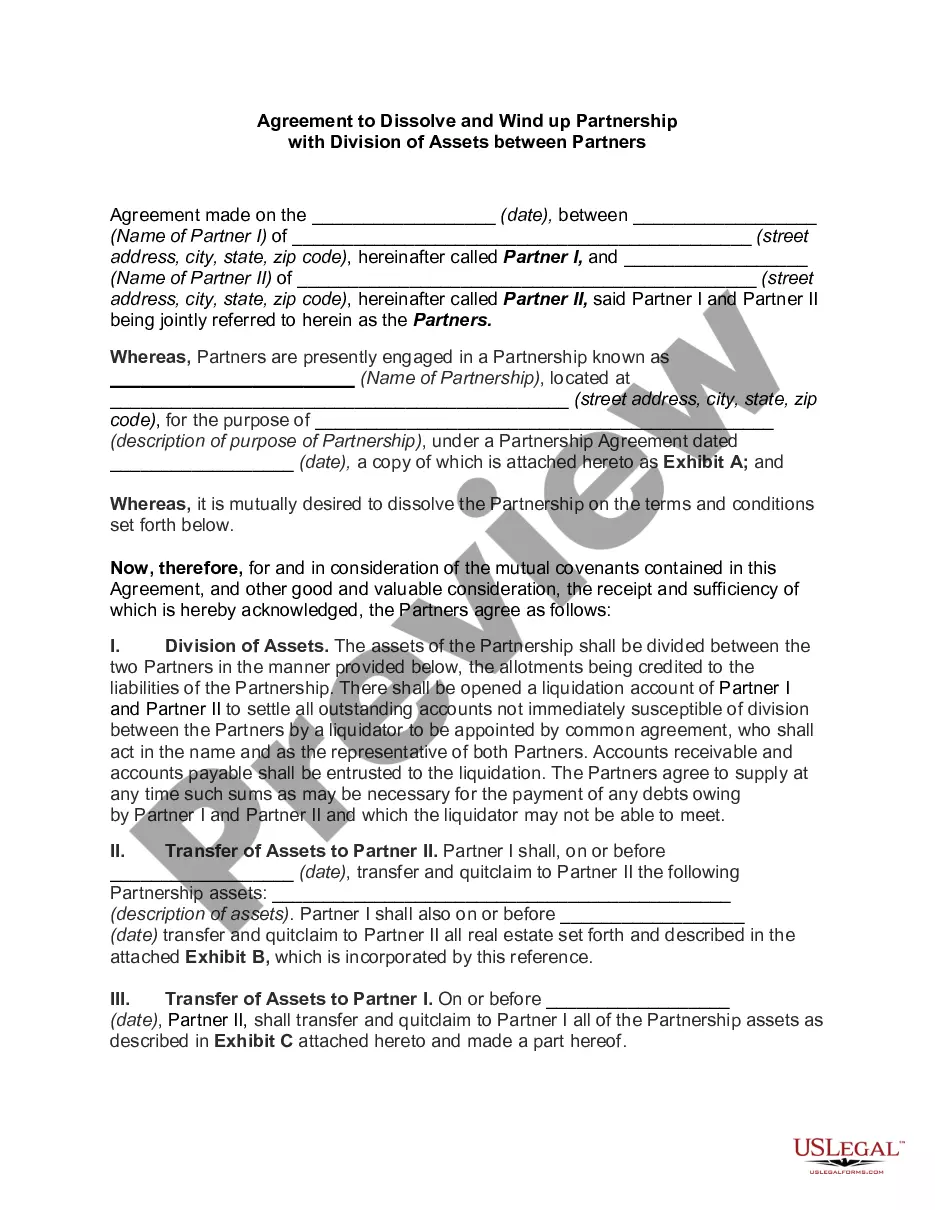
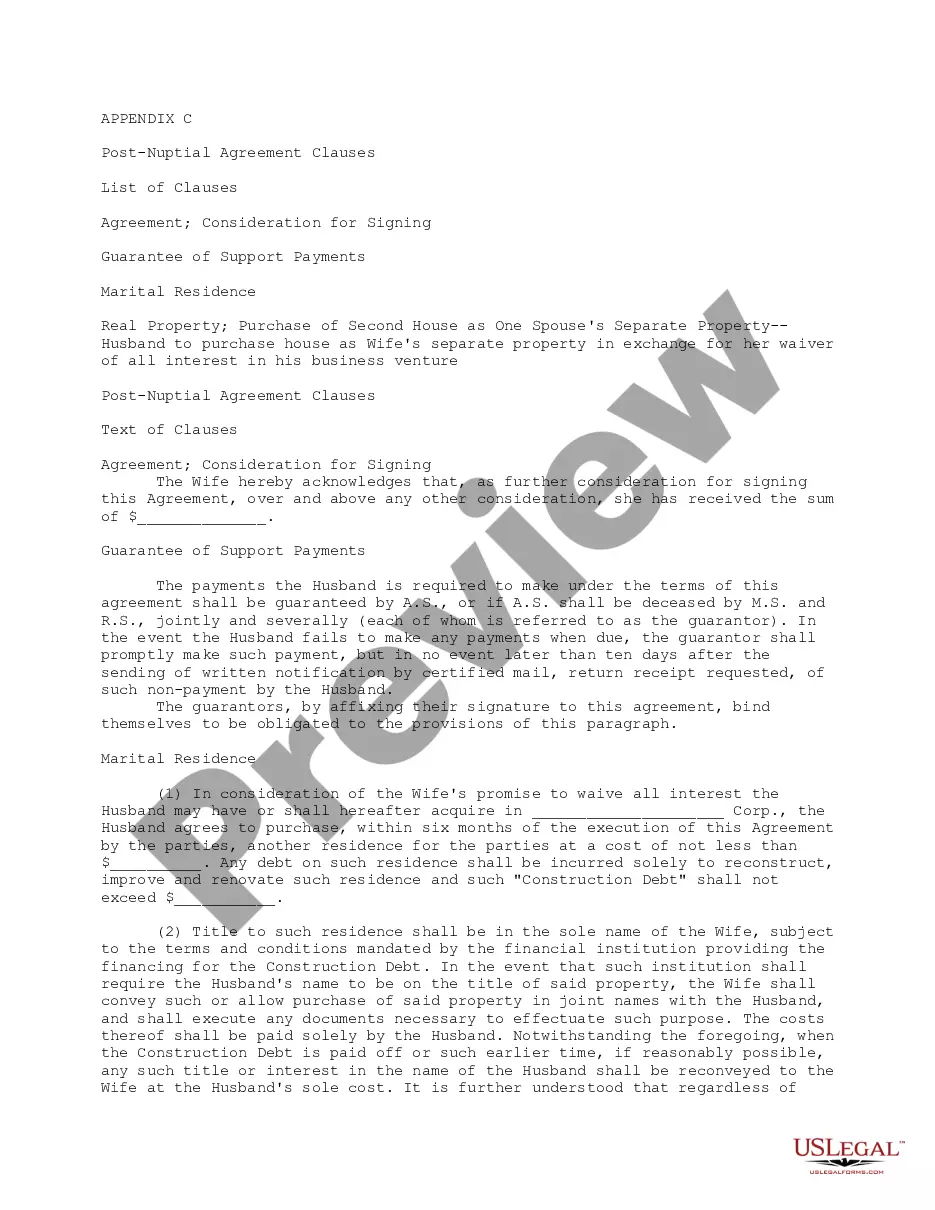
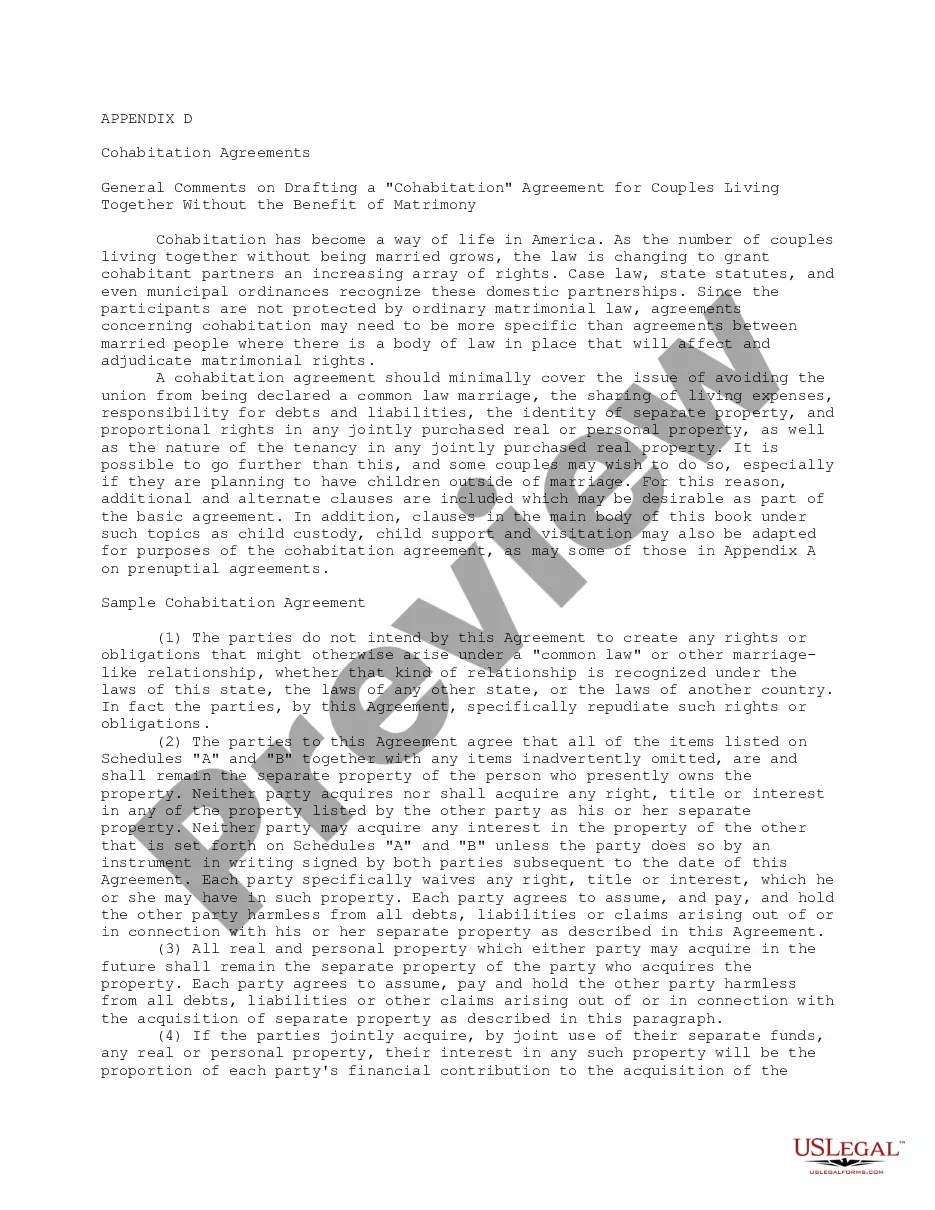
When to use this form
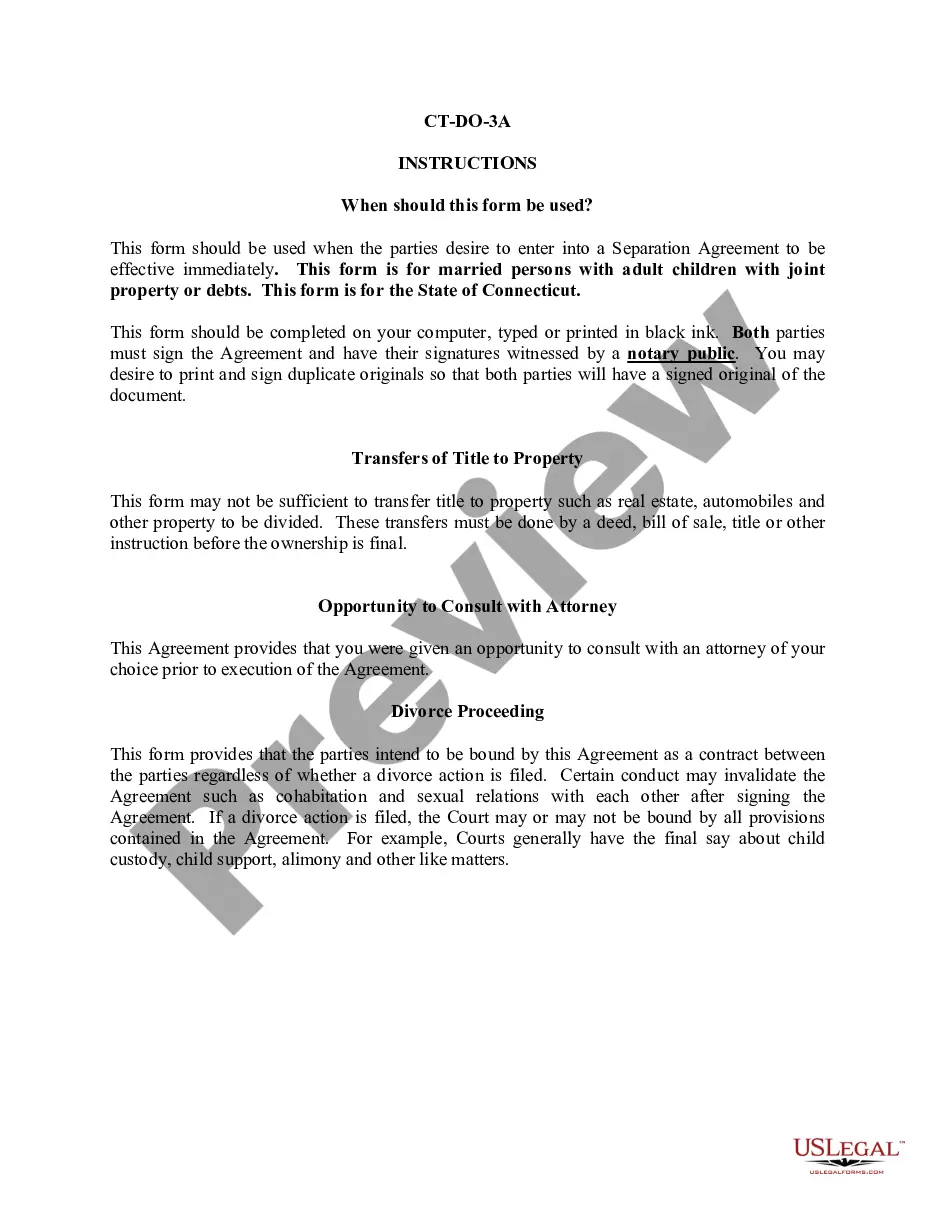
This form should be used when the parties want to formalize their separation and manage the distribution of their joint property and debts. It is particularly relevant in cases where both parties have adult children and wish to document their arrangement without filing for divorce immediately.
Who should use this form
- Married couples with adult children seeking a legal separation.
- Parties who wish to outline the division of joint property and debts.
- Individuals who want to create a binding agreement prior to any divorce proceedings.
How to complete this form
- Identify and enter the full legal names of both parties involved.
- Specify the date of separation.
- Disclose all assets and liabilities, listing what each party will retain.
- Both parties should sign the document in the presence of a notary public.
- Consider making duplicate originals for each party's record.
Notarization requirements for this form
Yes, this form must be notarized to be legally valid. It is important that both parties sign the agreement in the presence of a notary public who can verify their identities and ensure compliance with legal standards. US Legal Forms offers integrated online notarization, allowing you to complete this process conveniently through secure video calls.
Get your form ready online
Our built-in tools help you complete, sign, share, and store your documents in one place.
Make edits, fill in missing information, and update formatting in US Legal Forms—just like you would in MS Word.
Download a copy, print it, send it by email, or mail it via USPS—whatever works best for your next step.
Sign and collect signatures with our SignNow integration. Send to multiple recipients, set reminders, and more. Go Premium to unlock E-Sign.
If this form requires notarization, complete it online through a secure video call—no need to meet a notary in person or wait for an appointment.
We protect your documents and personal data by following strict security and privacy standards.

Make edits, fill in missing information, and update formatting in US Legal Forms—just like you would in MS Word.

Download a copy, print it, send it by email, or mail it via USPS—whatever works best for your next step.

Sign and collect signatures with our SignNow integration. Send to multiple recipients, set reminders, and more. Go Premium to unlock E-Sign.

If this form requires notarization, complete it online through a secure video call—no need to meet a notary in person or wait for an appointment.

We protect your documents and personal data by following strict security and privacy standards.
Mistakes to watch out for
- Failing to accurately disclose all assets and debts.
- Not having the document notarized when required.
- Leaving out essential details like the date of separation.
- Not reviewing the agreement with a legal professional before signing.
Advantages of online completion
- Convenience of downloading and completing the form at your own pace.
- Editability allows you to customize the agreement to suit your specific circumstances.
- Access to templates drafted by licensed attorneys ensures legal reliability.
- Easy record-keeping and the ability to save a digital copy for future reference.
Looking for another form?
Form popularity
FAQ
One of the biggest mistakes during a divorce is failing to fully understand the financial implications of asset division. Many individuals overlook the importance of accurate property valuation and the long-term effects of decisions made in haste. Involving adult children in these discussions can complicate matters. To avoid pitfalls, consider using resources like uslegalforms to create a sound Connecticut Marital Legal Separation and Property Settlement Agreement that addresses your needs comprehensively.
In Connecticut, a wife is entitled to her fair share of marital property, including assets acquired during the marriage, just like her husband. She may also seek alimony based on various factors, including the length of marriage and the financial stability of each spouse. When adult children are part of the equation, the division of assets can also take their needs into account. This clarity and fairness can be achieved through a well-structured Property Settlement Agreement.
In Connecticut, legal separation occurs when a married couple formally agrees to live apart while maintaining their marital status. This can be governed by a court decree that outlines terms related to support, property division, and custody arrangements, benefiting adult children if applicable. It is important to document this separation legally to clarify rights and obligations, which can be effectively done through a Property Settlement Agreement.
Legal separation in Connecticut allows couples to live apart while remaining legally married. This arrangement can provide a period for reflection and evaluation before committing to divorce. Additionally, it often facilitates better financial planning, especially regarding property and child custody, as adult children may be involved. Entering into a Property Settlement Agreement can provide a clear framework for managing joint assets and debts.
Marital property in Connecticut includes assets acquired during the marriage, regardless of whose name is on the title. This can include real estate, vehicles, bank accounts, and retirement funds. It is vital to clearly identify and value these assets in your Connecticut Marital Legal Separation and Property Settlement Agreement, especially when adult children and joint debts are present. This careful consideration helps ensure an equitable outcome for all parties.
In a divorce in Connecticut, a husband is entitled to a fair share of marital property, which typically includes assets acquired during the marriage. He may also seek alimony, depending on the circumstances of the marriage and the financial situations of both parties. Moreover, if adult children are involved, considerations regarding their needs can also influence the division of property. A well-structured Property Settlement Agreement can help clarify these entitlements.
In Connecticut, assets are divided based on the principle of equitable distribution. This means that the court considers various factors, such as the length of the marriage, financial contributions, and the needs of each party, before determining how to distribute property and debts. If you have joint property or debts, it is essential to address these matters during your Connecticut Marital Legal Separation and Property Settlement Agreement, especially when adult children may be involved.
One disadvantage of legal separation is that it does not officially end your marriage, which may limit your ability to remarry. Additionally, legal separations can lead to complex situations regarding joint property and debts, especially as they pertain to adult children. It is important to consider how this impacts your long-term plans before proceeding.
To get legally separated in Connecticut, you must file a petition for legal separation and attend a court hearing. This process allows the court to approve the separation terms, impacting property held jointly and any debts incurred. Legal separation maintains your marital status while organizing responsibilities, which is crucial for adult children and necessary for handling joint property.
A marital separation agreement outlines the terms of separation, including living arrangements and financial responsibilities, whereas a marital settlement agreement finalizes the terms of the divorce. Both agreements serve critical roles in providing clarity on joint property and debts, especially impacting adult children. Understanding these differences helps ensure that all parties are well informed and prepared.