Connecticut Acknowledgment for Attorneys
Overview of this form
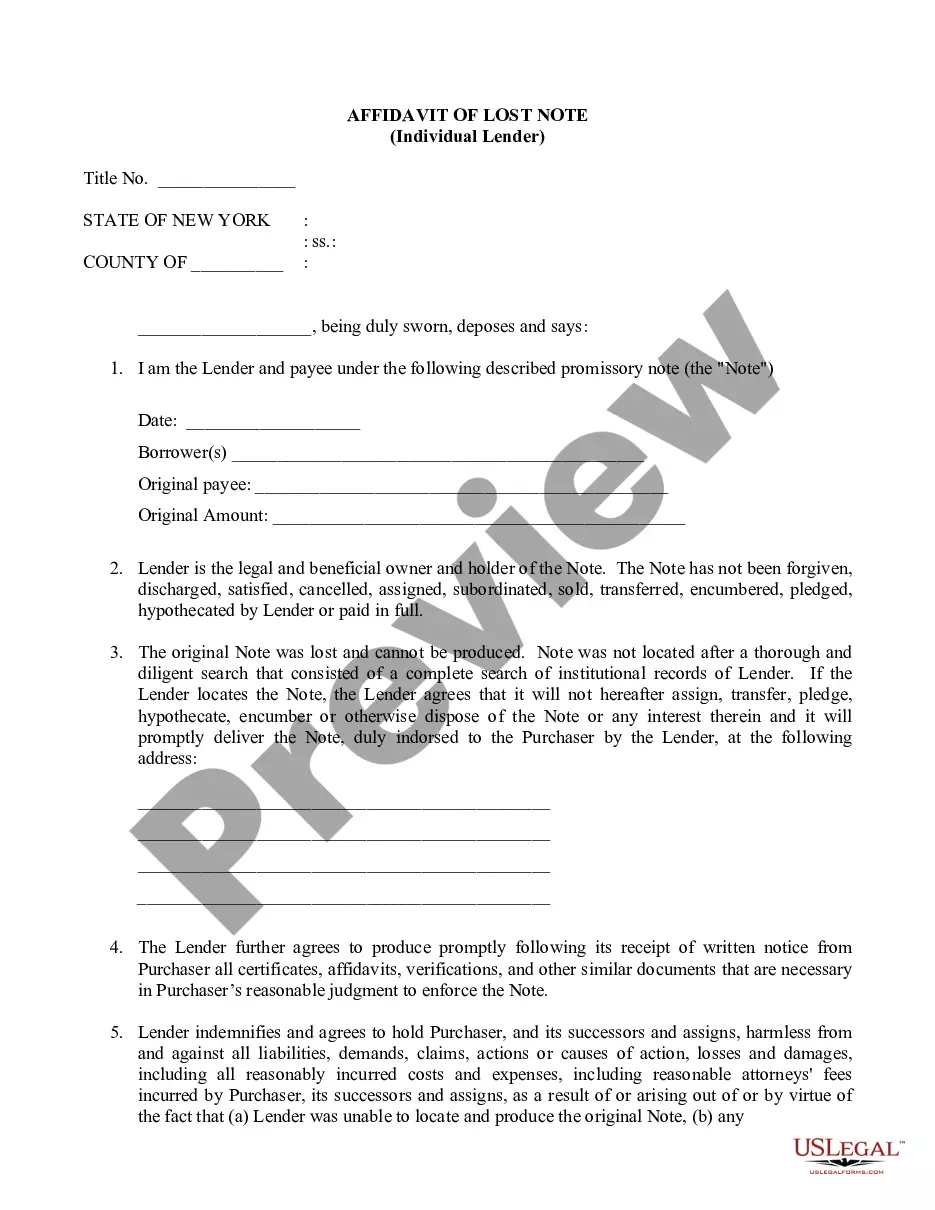
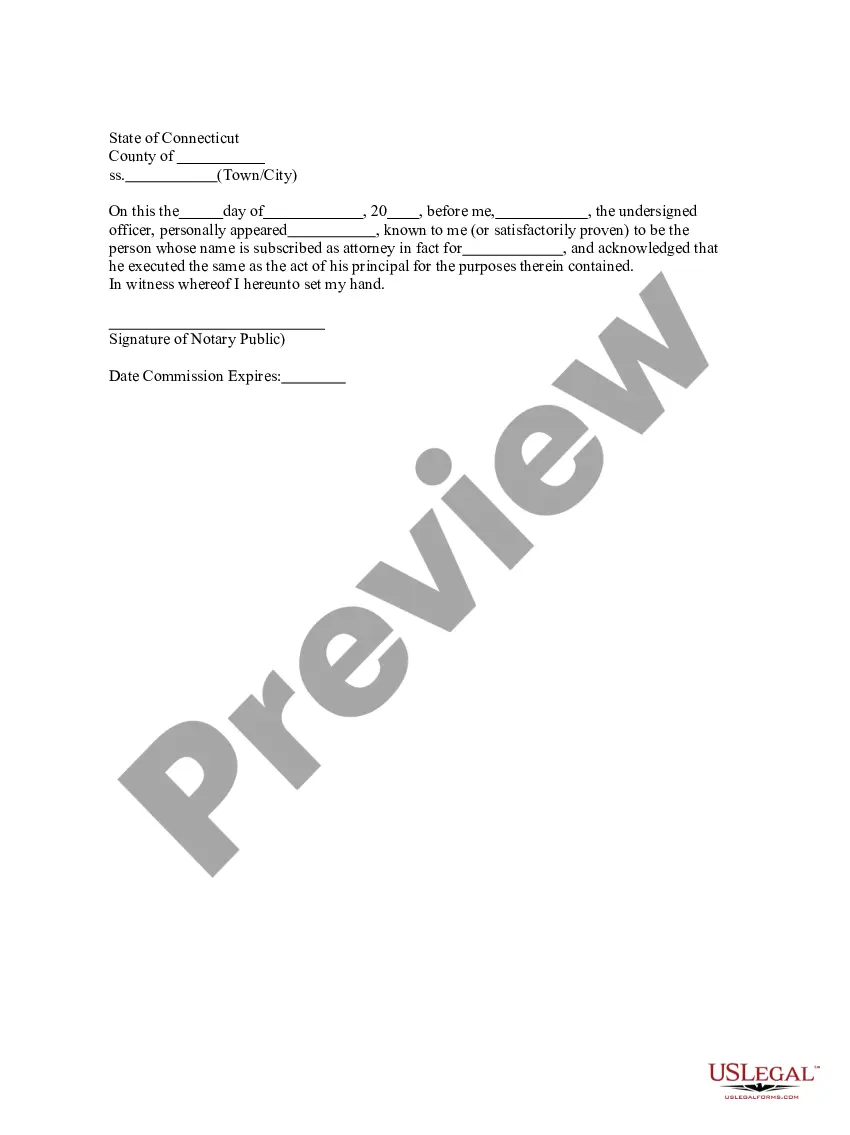
The Acknowledgment for Attorneys is a legal document that verifies and confirms the authority of an individual to act on behalf of another person in legal matters. This form differs from similar documents by specifically addressing the role of attorneys in acknowledging their client's instructions and responsibilities. It serves as a critical element in the legal process, ensuring clarity and accountability in attorney-client engagements.
Key parts of this document
- Identification of the attorney acting on behalf of the principal.
- Signature section for the attorney and the notary public.
- Statement acknowledging the attorney's execution of the document as needed by the principal.
- Date of execution and acknowledgment of the notary.

When this form is needed
This form is essential whenever an attorney requires formal acknowledgment of their authority to act on behalf of a client. Real-world scenarios include situations involving the signing of important legal documents, executing real estate transactions, or managing powers of attorney. Using this form helps to authenticate the attorney's actions, thereby enhancing legal certainty for all parties involved.
Intended users of this form
- Attorneys looking to confirm their authority in legal matters.
- Clients who need to formally document the powers granted to their attorney.
- Entities that require a verification of authority for legal representations.
Completing this form step by step
- Identify the parties involved by listing the attorney's name and the principal's name.
- Clearly state the date of execution for the acknowledgment.
- Provide the attorney's signature to confirm their agreement and understanding.
- Ensure the notary public signs and dates the document to validate the acknowledgment.
- Store the completed form in a safe location for future reference and legal needs.
Does this form need to be notarized?
Notarization is required for this form to take effect. Our online notarization service, powered by Notarize, lets you verify and sign documents remotely through an encrypted video session, available 24/7.
Get your form ready online
Our built-in tools help you complete, sign, share, and store your documents in one place.
Make edits, fill in missing information, and update formatting in US Legal Forms—just like you would in MS Word.
Download a copy, print it, send it by email, or mail it via USPS—whatever works best for your next step.
Sign and collect signatures with our SignNow integration. Send to multiple recipients, set reminders, and more. Go Premium to unlock E-Sign.
If this form requires notarization, complete it online through a secure video call—no need to meet a notary in person or wait for an appointment.
We protect your documents and personal data by following strict security and privacy standards.

Make edits, fill in missing information, and update formatting in US Legal Forms—just like you would in MS Word.

Download a copy, print it, send it by email, or mail it via USPS—whatever works best for your next step.

Sign and collect signatures with our SignNow integration. Send to multiple recipients, set reminders, and more. Go Premium to unlock E-Sign.

If this form requires notarization, complete it online through a secure video call—no need to meet a notary in person or wait for an appointment.

We protect your documents and personal data by following strict security and privacy standards.
Common mistakes to avoid
- Failing to include the appropriate names of the parties involved.
- Not obtaining the notary's signature, which is essential for validation.
- Leaving the date of execution blank, which may affect the legality of the acknowledgment.
Benefits of using this form online
- Convenience of immediate access to the form from anywhere, anytime.
- Editability to customize the form as needed to fit specific scenarios.
- Reliable templates that comply with legal standards and requirements.
Key takeaways
- The Acknowledgment for Attorneys is important for validating an attorney's authority.
- Failure to properly complete or notarize the form can lead to legal challenges.
- This form should be used whenever formal acknowledgment is required in legal matters.
Looking for another form?
Form popularity
FAQ
One of the most common mistakes by notaries involves failing to ensure the signer's identity. Not verifying the identity can lead to invalid acknowledgments. It’s essential to ask for an acceptable form of identification and confirm that the signer is present and willing to sign. For a thorough understanding of this process, consider using resources from US Legal Forms, which can provide guidance on best practices.
Not all attorneys are automatically notaries. Attorneys can apply for a notary public commission in Connecticut, but they must go through the application process just like any other applicant. Once commissioned, they have the authority to perform acknowledgments, making them a valuable resource for Connecticut Acknowledgment for Attorneys.
Filling out a notary acknowledgment form requires careful attention. Start by entering the date on which the acknowledgment takes place. Next, write the signer's name and any relevant details about the document being acknowledged. Finally, sign and affix your notary seal to complete the Connecticut Acknowledgment for Attorneys correctly.
To perform a Connecticut Acknowledgment for Attorneys, you must first ensure that the signer appears in person before you. After confirming their identity, you should ask them to acknowledge the document's execution voluntarily. Then, complete the notary acknowledgment form, including the date of the acknowledgment. Lastly, sign and stamp the form with your notary seal.
Yes, an attorney can effectively notarize a document in Connecticut. This capability allows them to verify signatures and documents lawfully. When you require a Connecticut acknowledgment for attorneys, working with an attorney simplifies the notarization process.
An example of signed acknowledgment includes a document where the signer confirms their identity before a notary. The notary then provides their signature and seal, validating the acknowledgment. This process is essential for ensuring documents are recognized legally, especially in Connecticut acknowledgment for attorneys.
The Secretary of the State in Connecticut is the official authorized to appoint a notary public. This appointment is crucial for maintaining the legitimacy of documents notarized within the state. Understanding the role of this office can enhance your knowledge of Connecticut acknowledgment for attorneys.
Certainly, an attorney can notarize a document in Connecticut. Not only does this service add another layer of convenience for clients, but it also upholds legal standards for documentation. Choosing Connecticut acknowledgment for attorneys ensures a seamless notarization experience.
Yes, you can notarize a document without an acknowledgment depending on the type of document. However, using an acknowledgment enhances the document's legal standing, making it more effective. For anyone needing guidance, uslegalforms offers detailed insights on Connecticut acknowledgment for attorneys.
Key words for an acknowledgment notary typically include phrases like 'acknowledged before me' and 'signature verified.' These words are vital in confirming the authenticity of a signature during the notarial process. When pursuing Connecticut acknowledgment for attorneys, it helps to understand how these terms are used.