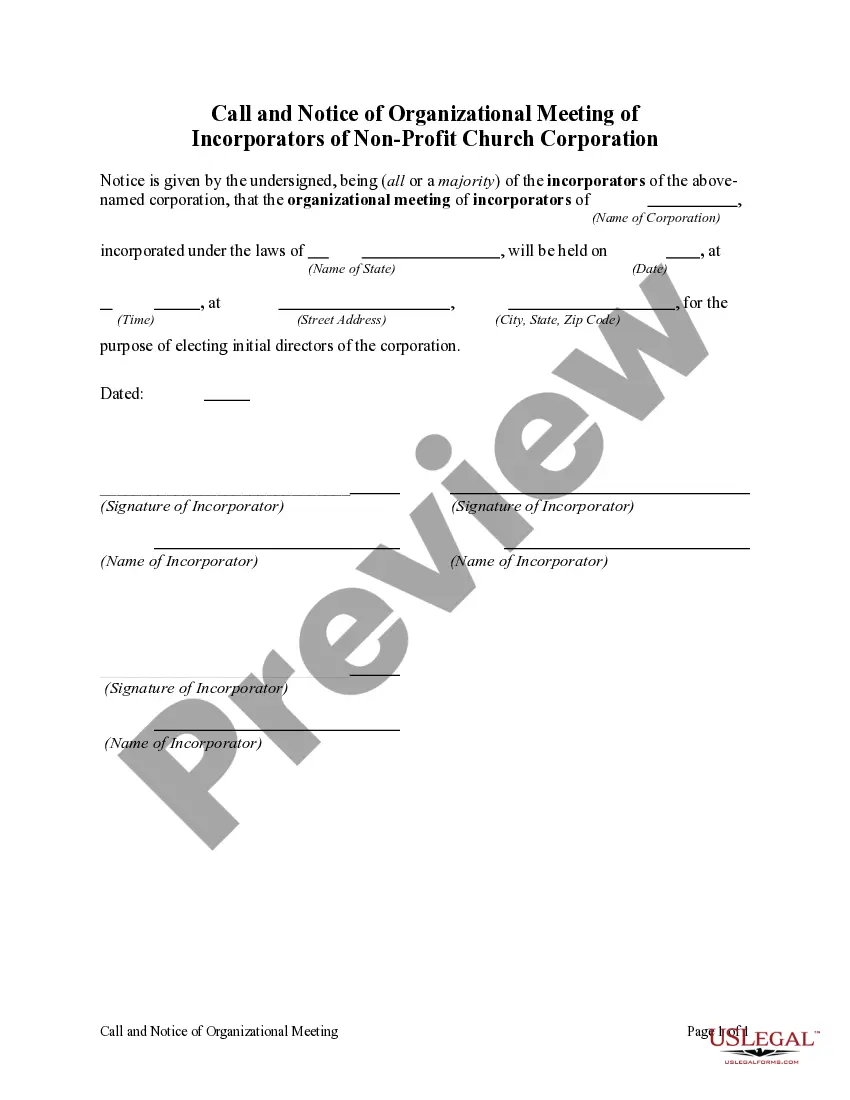
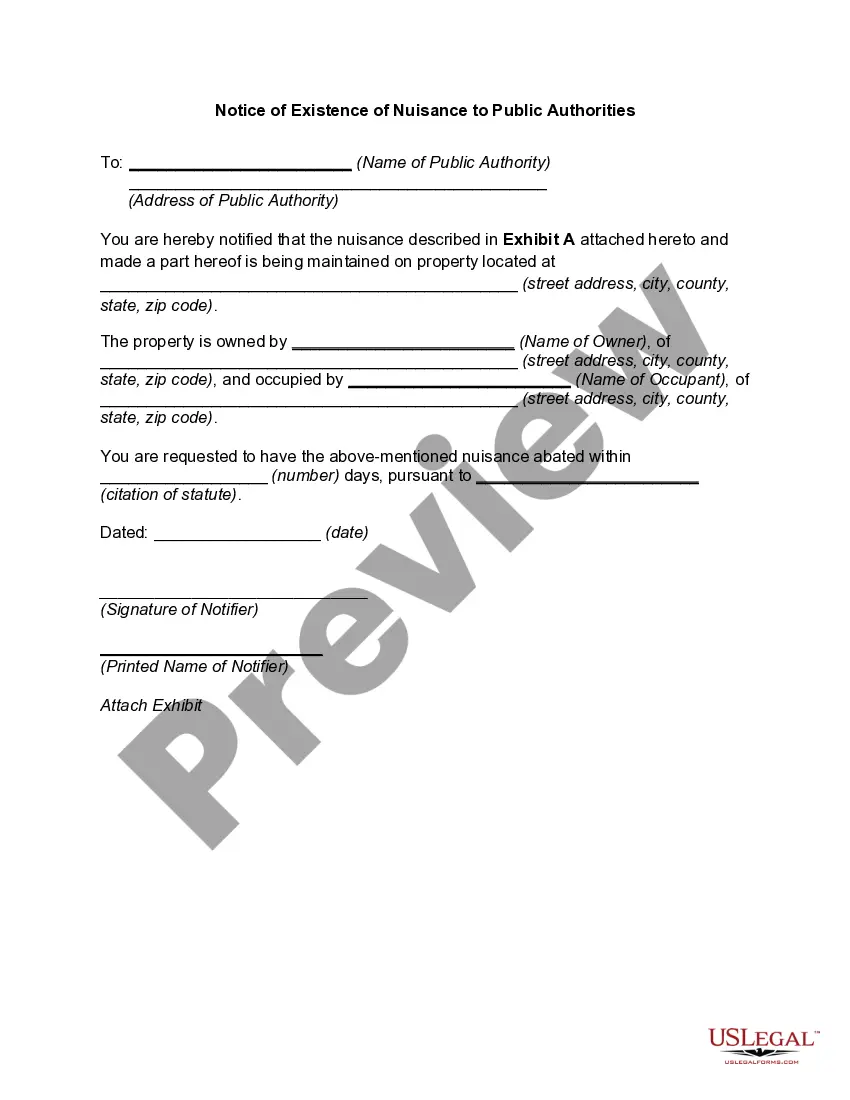
Colorado Notice of Existence of Nuisance to Public Authorities
Description
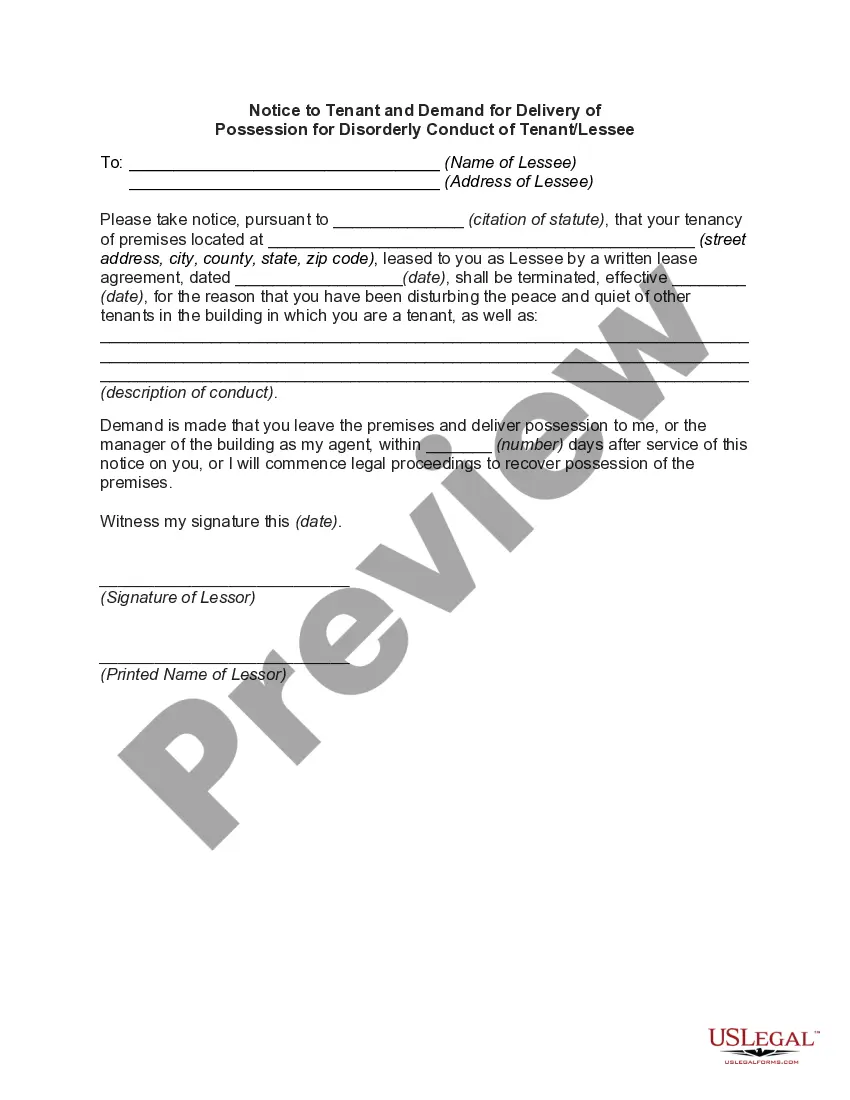
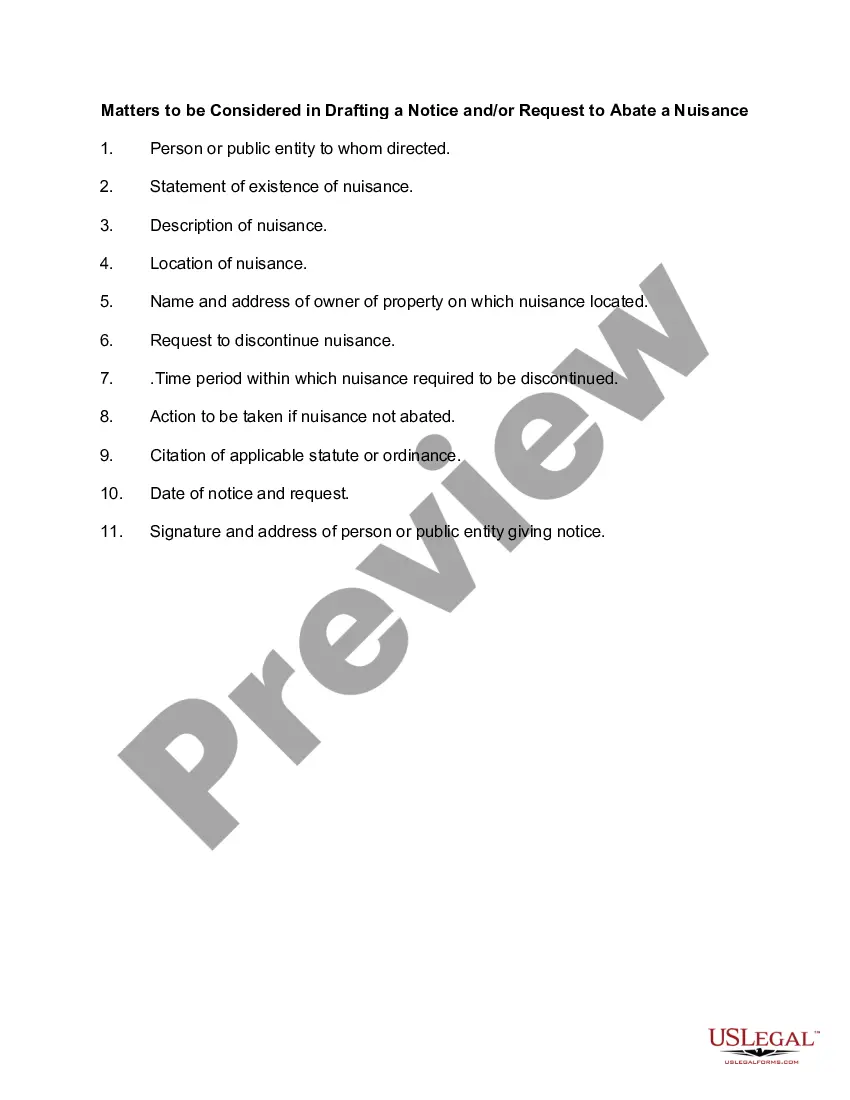
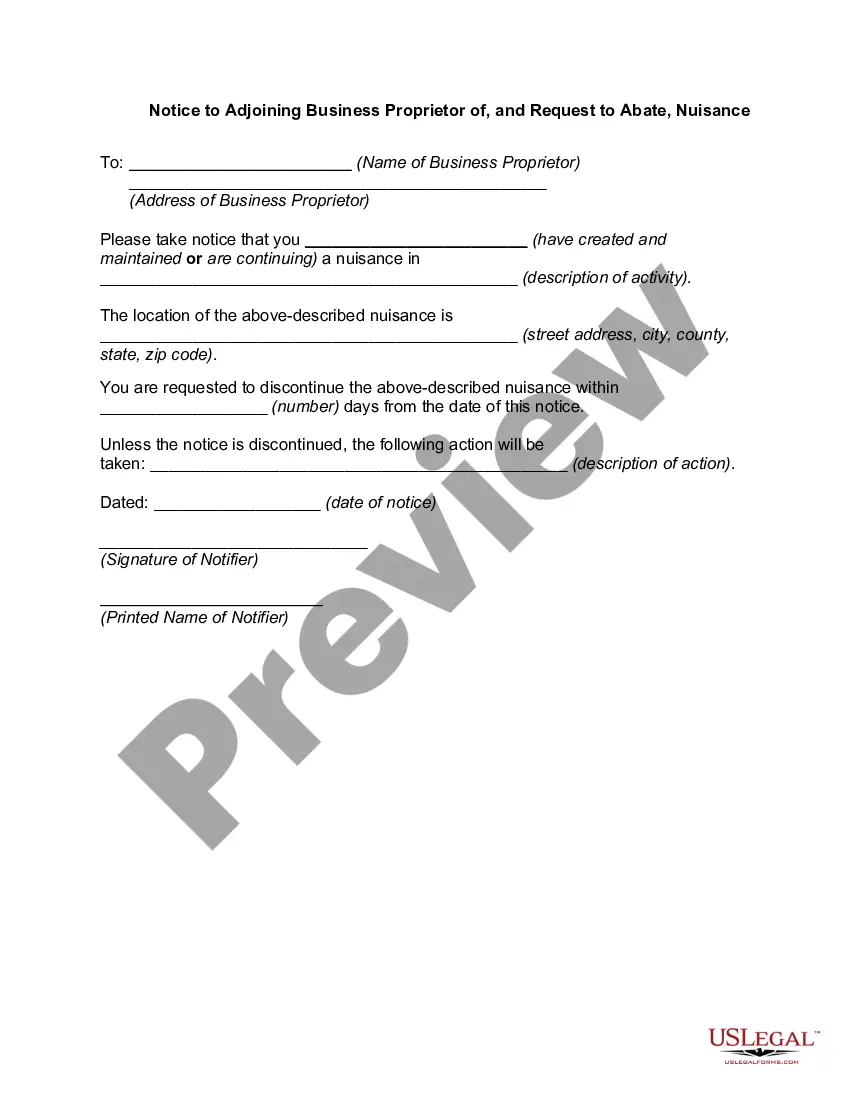
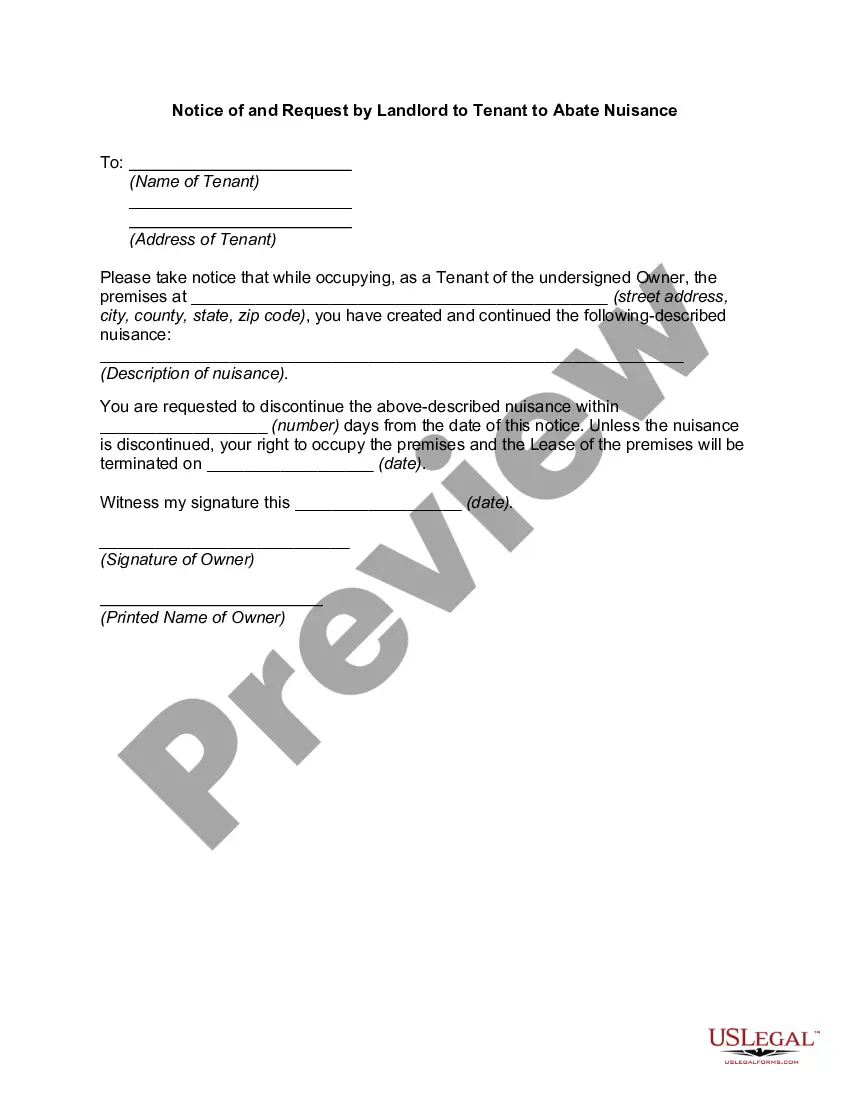
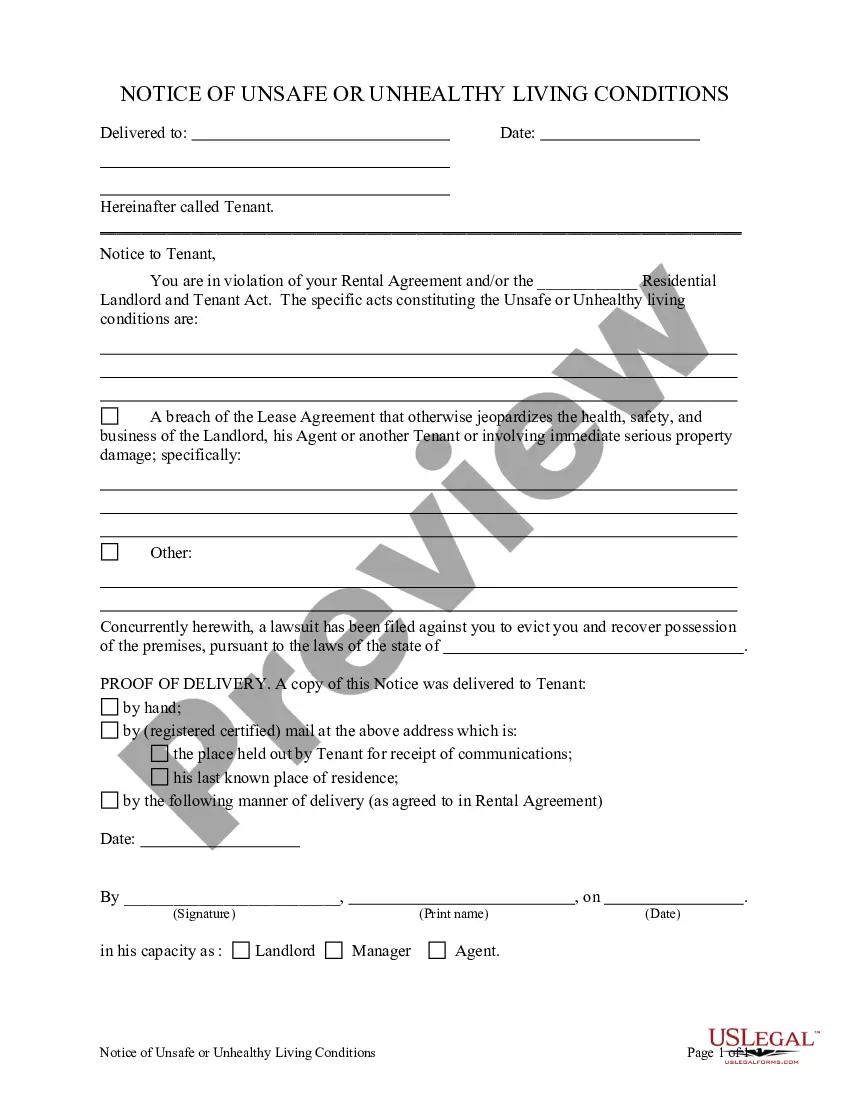

How to fill out Notice Of Existence Of Nuisance To Public Authorities?
Are you presently in a position where you require documents for either business or particular needs almost every day.
There are numerous legal form templates accessible online, but locating reliable ones is not easy.
US Legal Forms offers a vast collection of form templates, such as the Colorado Notice of Existence of Nuisance to Public Authorities, which are designed to fulfill federal and state regulations.
Choose the pricing plan you want, fill in the necessary information to create your account, and complete your order using your PayPal or Visa or MasterCard.
Select a convenient document format and download your version.
- If you are already familiar with the US Legal Forms website and have an account, simply Log In.
- Then, you can download the Colorado Notice of Existence of Nuisance to Public Authorities template.
- If you do not have an account and want to start using US Legal Forms, follow these instructions.
- 1. Find the form you need and ensure it is for the correct city/county.
- 2. Use the Review button to examine the form.
- 3. Read the description to ensure you have selected the correct form.
- 4. If the form is not what you're looking for, use the Search field to find the form that meets your needs and specifications.
- Once you have found the appropriate form, click Get now.
Form popularity
FAQ
A few examples of private nuisances are: vibration, pollution of a stream or soil, smoke, foul odors, excessive light, and loud noises. Private nuisance lawsuits typically arise between neighbors, with one property owner being negatively affected by the acts of his or her neighbor.
A public nuisance is when a person unreasonably interferes with a right that the general public shares in common. A private nuisance is when the plaintiff's use and enjoyment of her land is interfered with substantially and unreasonably through a thing or activity.
A public nuisance generally refers to any conduct that interferes with the rights of the public. The precise definition of public nuisance often varies by state and is embodied in civil and criminal statutes.
To make a public nuisance claim you must prove that a person's conduct or behaviour has caused injury, loss or damage to the community as a whole.
Public nuisance has been declared a crime under Section 268 of the Indian Penal Code. Public nuisance occurs when a person commits an act that causes annoyance, or injures or threatens to injure the rights of the general public, with respect to health, safety, morals, convenience, or welfare of the general public.
In order that an individual may have a private right of action in respect of a public nuisance, the following must be proved. 1) he must show a particular injury to himself beyond that which is suffered by the rest of public. 2) such injury must be direct and not a mere consequential injury.
(1) In the case of a public nuisance the Advocate General or two or more persons having obtained the consent in writing of the Advocate General, may institute a suit, though no special damage has been caused, for a declaration and injunction or for such other relief as may be appropriate to the circumstances of the
Public nuisance is a common law offence involving environmental danger or loss of amenity or offensive public behaviour. The related common law offence of outraging public decency involves actions or displays in public places that outrage generally accepted standards of decency, in the presence of at least two people.
Courts now interpret the Restatement as laying out four distinct elements: the existence of a public right, a substantial and unreason- able interference with that right, proximate causation, and injury.
As per section 268 of the Indian Penal Code, a person is guilty of a public nuisance who does any act or is guilty of an illegal omission which causes any common injury, danger or annoyance to the public or to the people in general who dwell or occupy property in the vicinity, or which must necessarily cause injury,