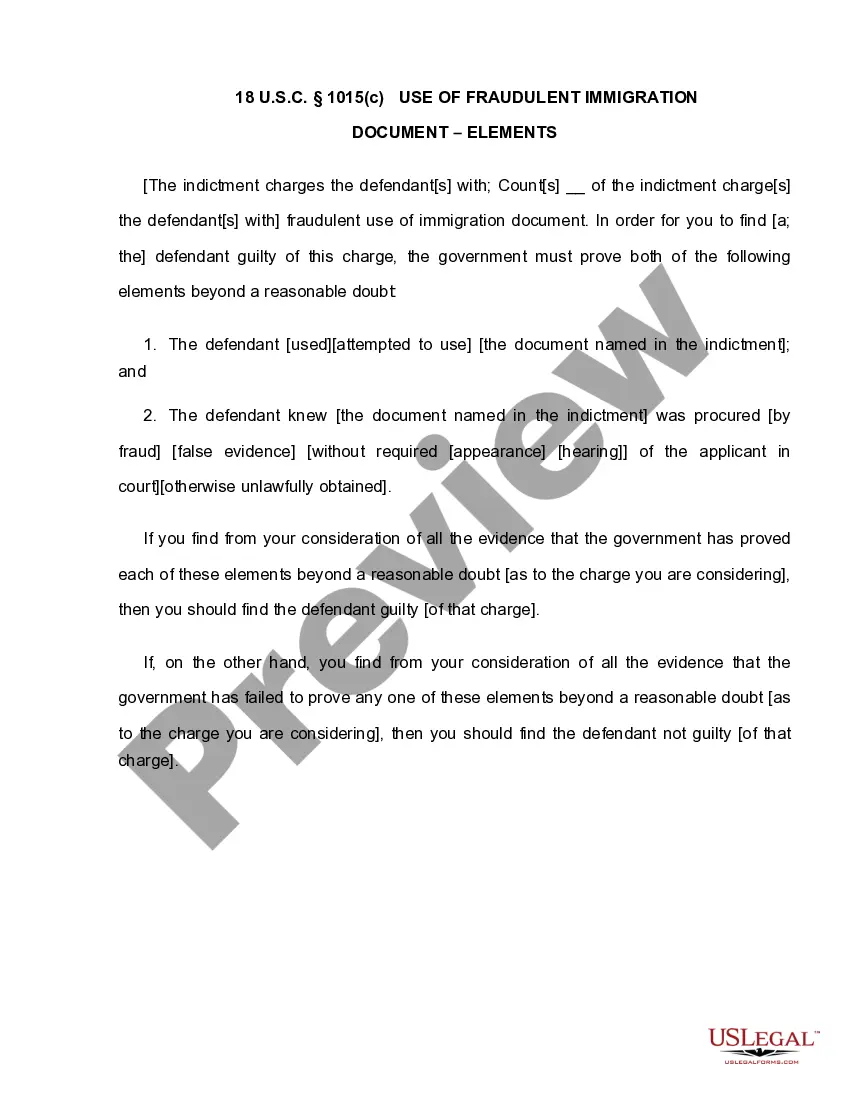
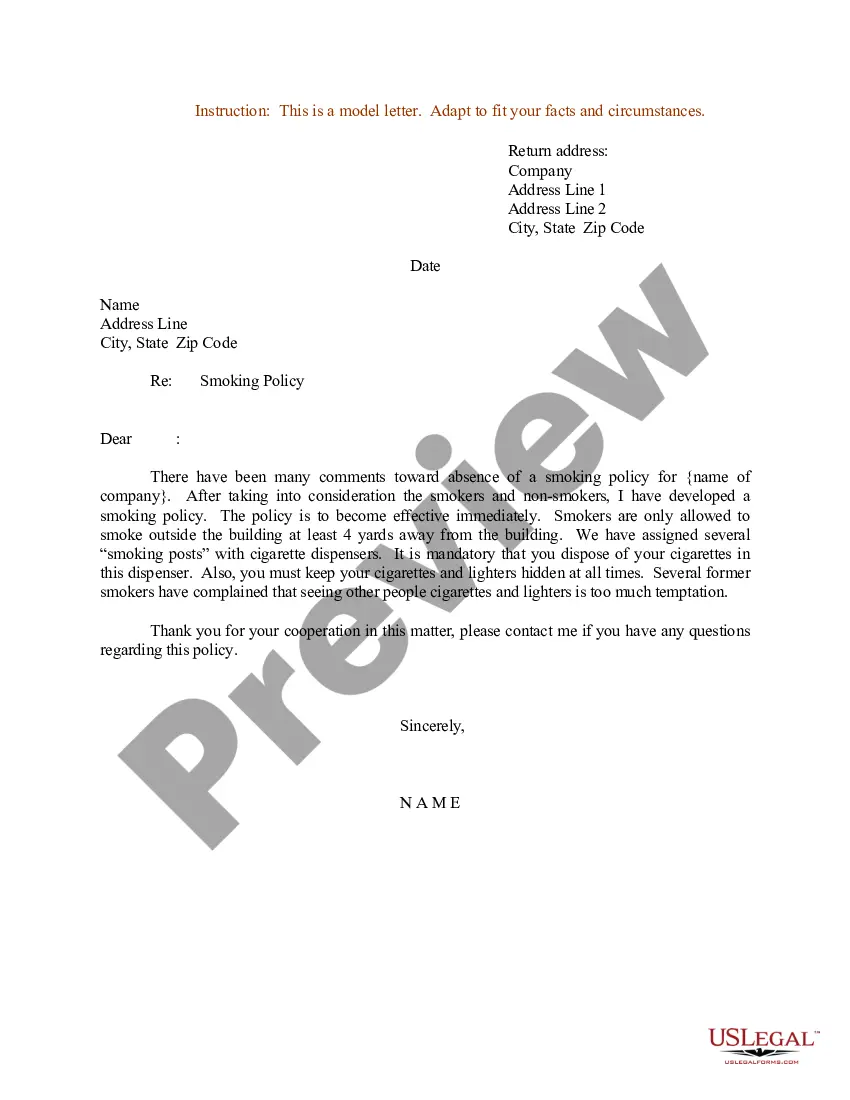
Colorado Sample Letter for Smoking Policy
Description
Get your form ready online
Our built-in tools help you complete, sign, share, and store your documents in one place.
Make edits, fill in missing information, and update formatting in US Legal Forms—just like you would in MS Word.
Download a copy, print it, send it by email, or mail it via USPS—whatever works best for your next step.
Sign and collect signatures with our SignNow integration. Send to multiple recipients, set reminders, and more. Go Premium to unlock E-Sign.
If this form requires notarization, complete it online through a secure video call—no need to meet a notary in person or wait for an appointment.
We protect your documents and personal data by following strict security and privacy standards.

Make edits, fill in missing information, and update formatting in US Legal Forms—just like you would in MS Word.

Download a copy, print it, send it by email, or mail it via USPS—whatever works best for your next step.

Sign and collect signatures with our SignNow integration. Send to multiple recipients, set reminders, and more. Go Premium to unlock E-Sign.

If this form requires notarization, complete it online through a secure video call—no need to meet a notary in person or wait for an appointment.

We protect your documents and personal data by following strict security and privacy standards.
Looking for another form?


How to fill out Sample Letter For Smoking Policy?
Are you currently in a situation where you need documentation for either business or personal use almost every day.
There are numerous legal document templates available online, but locating reliable ones can be challenging.
US Legal Forms provides a vast array of form templates, including the Colorado Sample Letter for Smoking Policy, designed to comply with federal and state regulations.
Once you find the correct form, click Purchase now.
Select the payment plan you prefer, fill in the required information to create your account, and pay for your order using PayPal or a credit card.
- If you are already familiar with the US Legal Forms website and have an account, simply Log In.
- Then, you can download the Colorado Sample Letter for Smoking Policy template.
- If you don't have an account and wish to start using US Legal Forms, follow these steps.
- Obtain the form you need and ensure it is suited for the correct city/county.
- Use the Review button to evaluate the document.
- Check the description to confirm that you have chosen the right form.
- If the form does not match what you are looking for, use the Research section to find the document that meets your needs.
Form popularity
FAQ
Legally, an employer does not need to provide a designated smoking area. If you do provide a designated area, usually in the form of a smoking shelter, the boundaries should be clearly defined and it must comply with planning requirements and building regulations.
Employers are free to ban all smoking in the workplace, even if state law allows it. In other words, there is no law that protects your right to smoke at work. However, employers have less freedom to regulate off-duty smoking by employees. Several states have laws prohibiting discrimination against smokers.
Dear insert neighbor's name, Please allow me to introduce myself, I'm your neighbor insert your name and I would love to talk with you about good outdoor lighting. I notice that you have installed outdoor lights on your property, and I applaud your desire to help improve our neighborhood.
Describe the source and extent of the second-hand smoke problem.Describe how the second-hand smoke has impacted your health.Describe how the smoke has denied you full use and enjoyment of your home.Describe the steps you have taken to resolve the problem yourself.Collect and attach supporting evidence.More items...
If you see a No Smoking sign posted, politely point it out by saying, Maybe you didn't notice, but this is a no-smoking area. Would you please put your cigarette out?
Dear Neighbor Renter, I am writing to everyone in this apartment building because I/my family have been getting a lot of secondhand smoke in our unit. I/members of my family have developed some serious health problems and we're pretty sure it's from the smoke.
In 2006, Colorado became the 7th state to enact a comprehensive smoke-free law that prohibits smoking in all indoor areas of workplaces, restaurants, and bars.
Take a friendly, educational approach. Let the neighbor know that you are experiencing difficulty from their secondhand smoke, and that you are concerned about your health. Let them know that you are flexible and interested in working out a mutually satisfying solution.
Colorado Clean Indoor Air ActRequires most indoor workplaces and public places to be smoke- and vapor-free, including: Restaurants.
Legally, an employer does not need to provide a designated smoking area. If you do provide a designated area, usually in the form of a smoking shelter, the boundaries should be clearly defined and it must comply with planning requirements and building regulations.