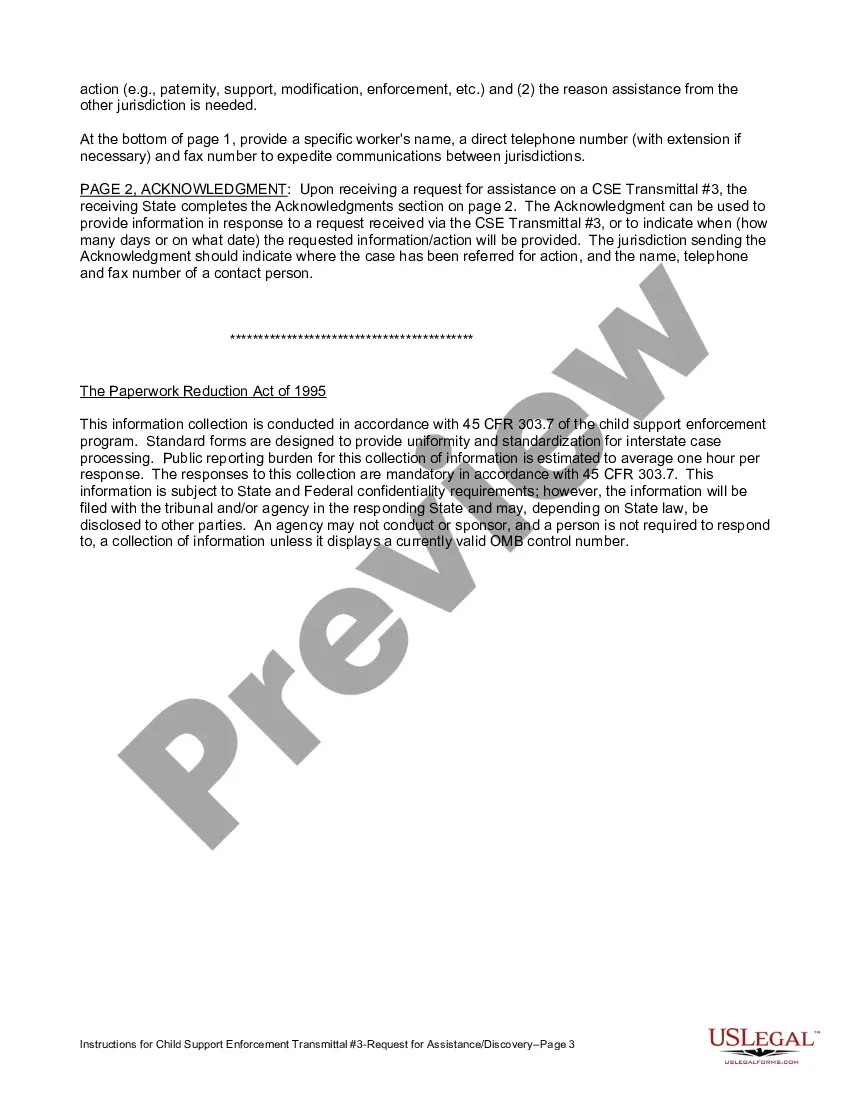
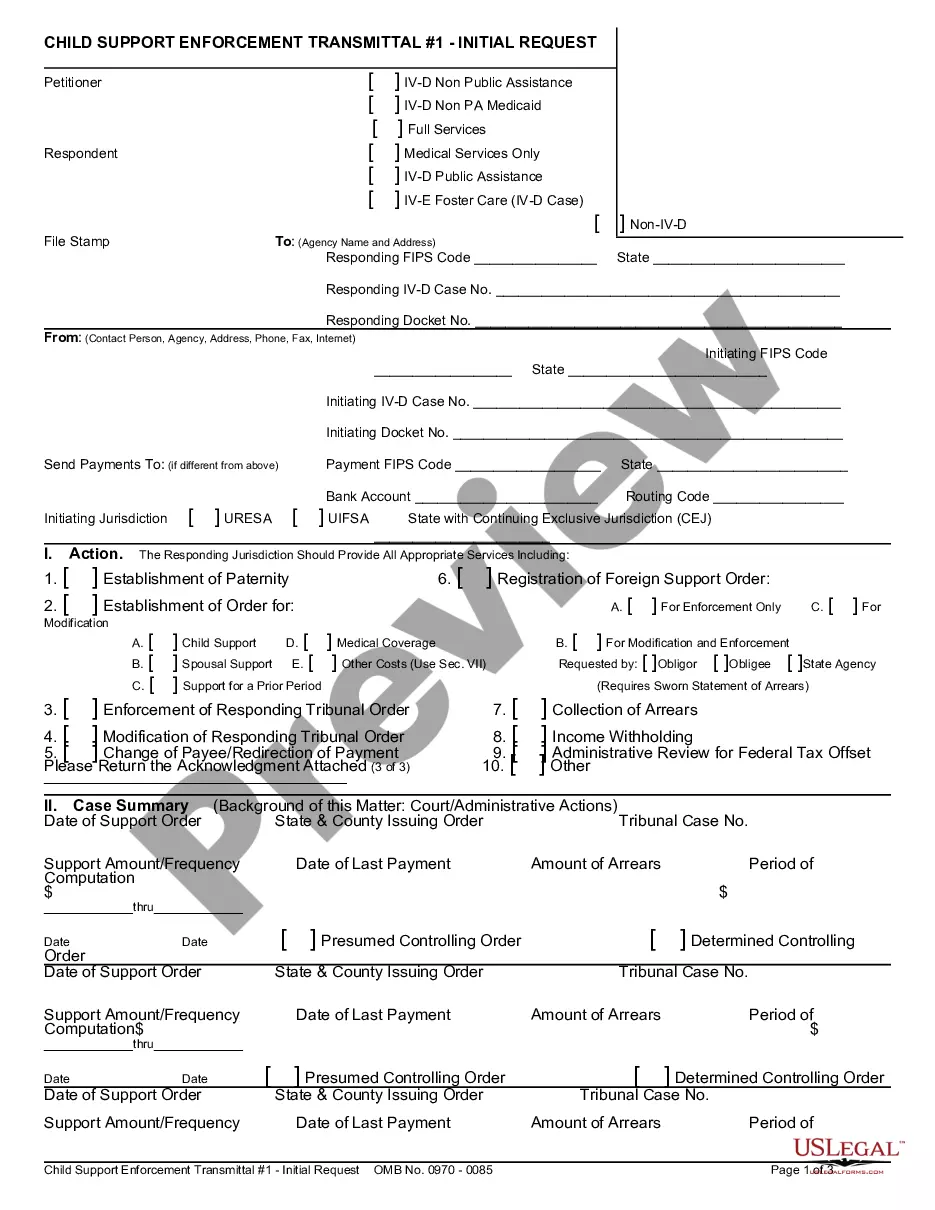
Colorado Child Support Enforcement Transmittal #3 - Request for Assistance - Discovery and Instructions
Description
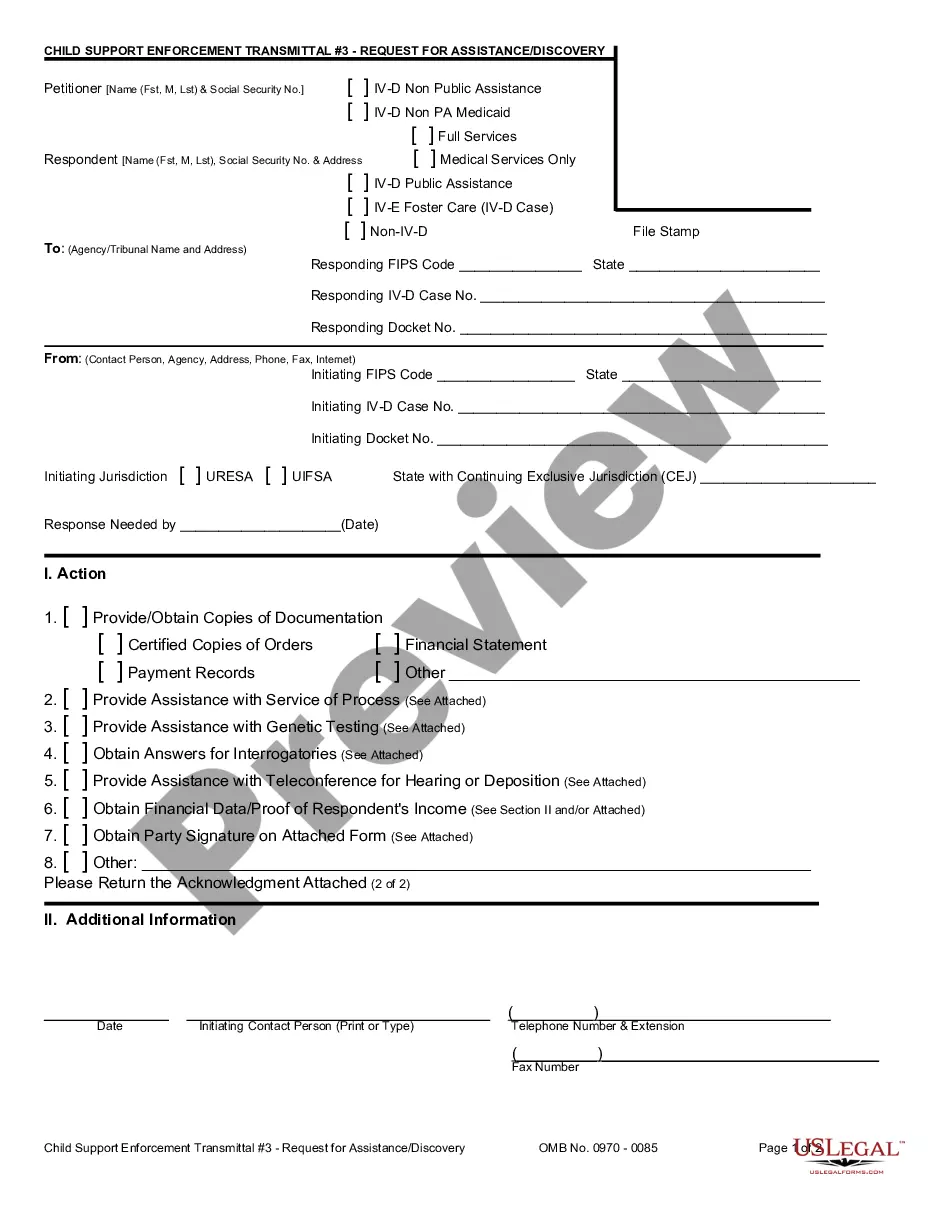
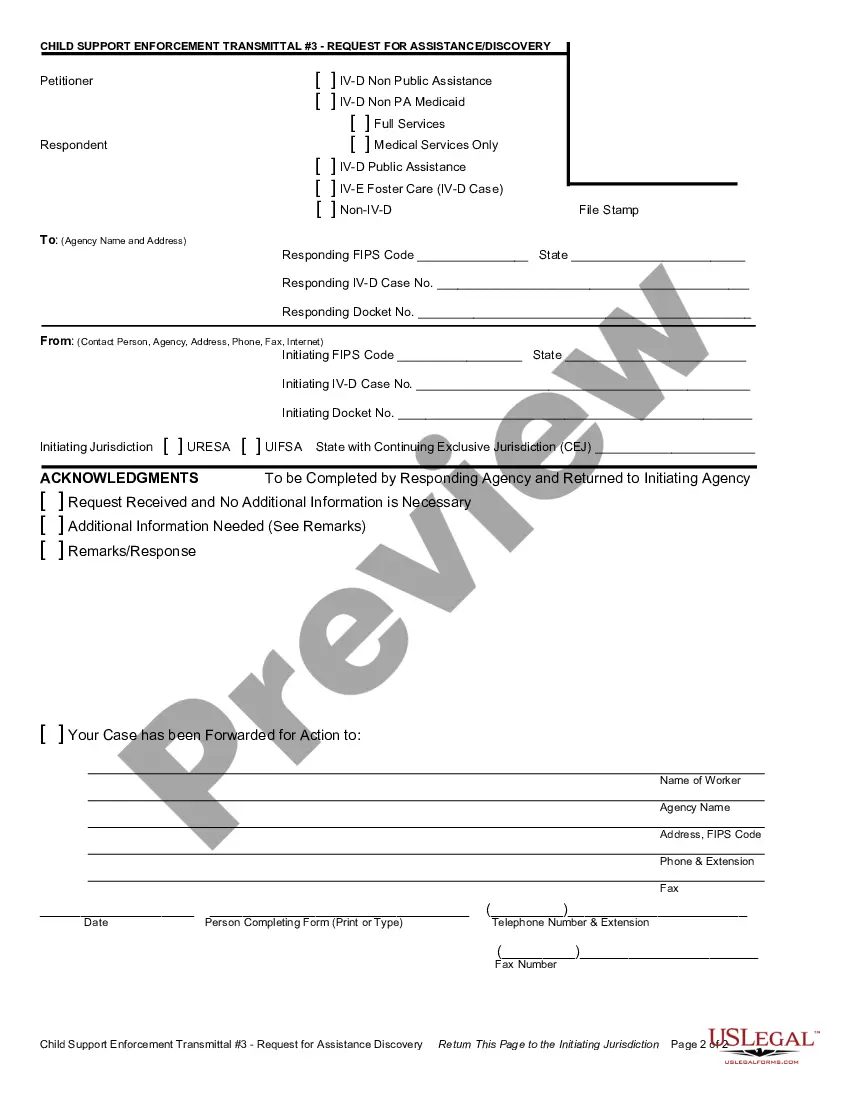
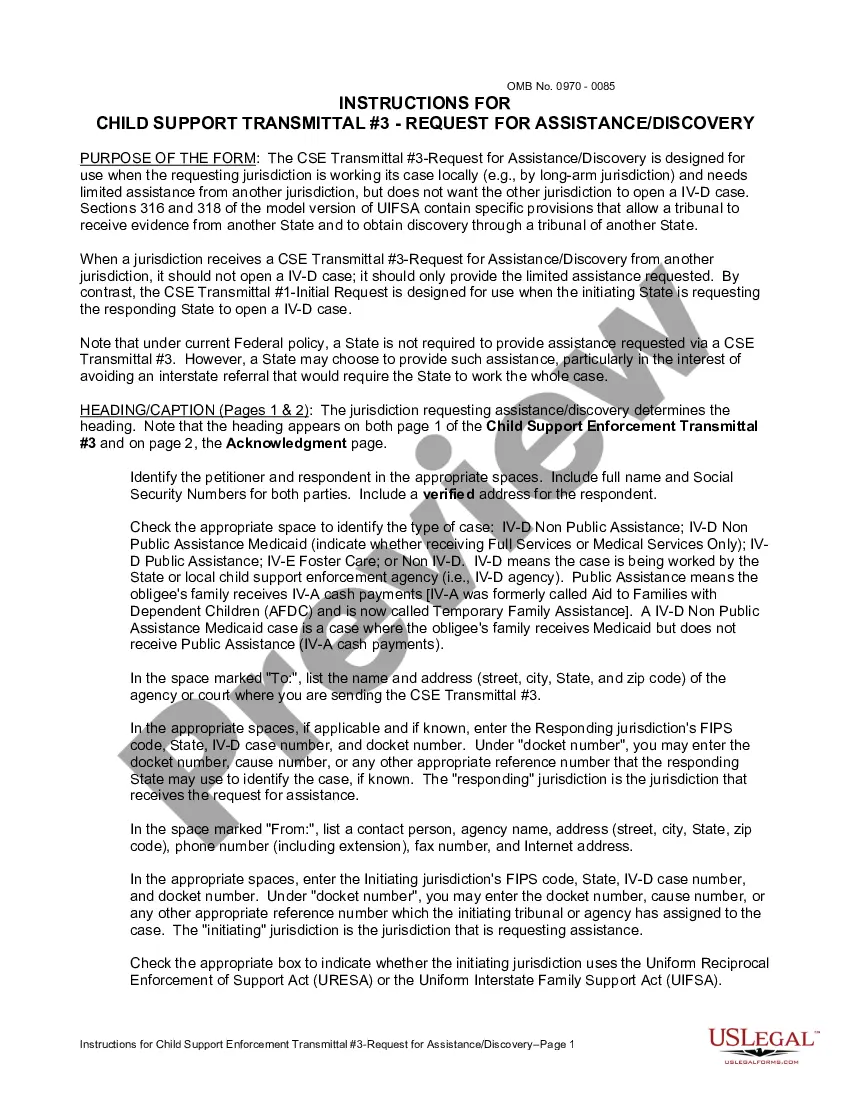
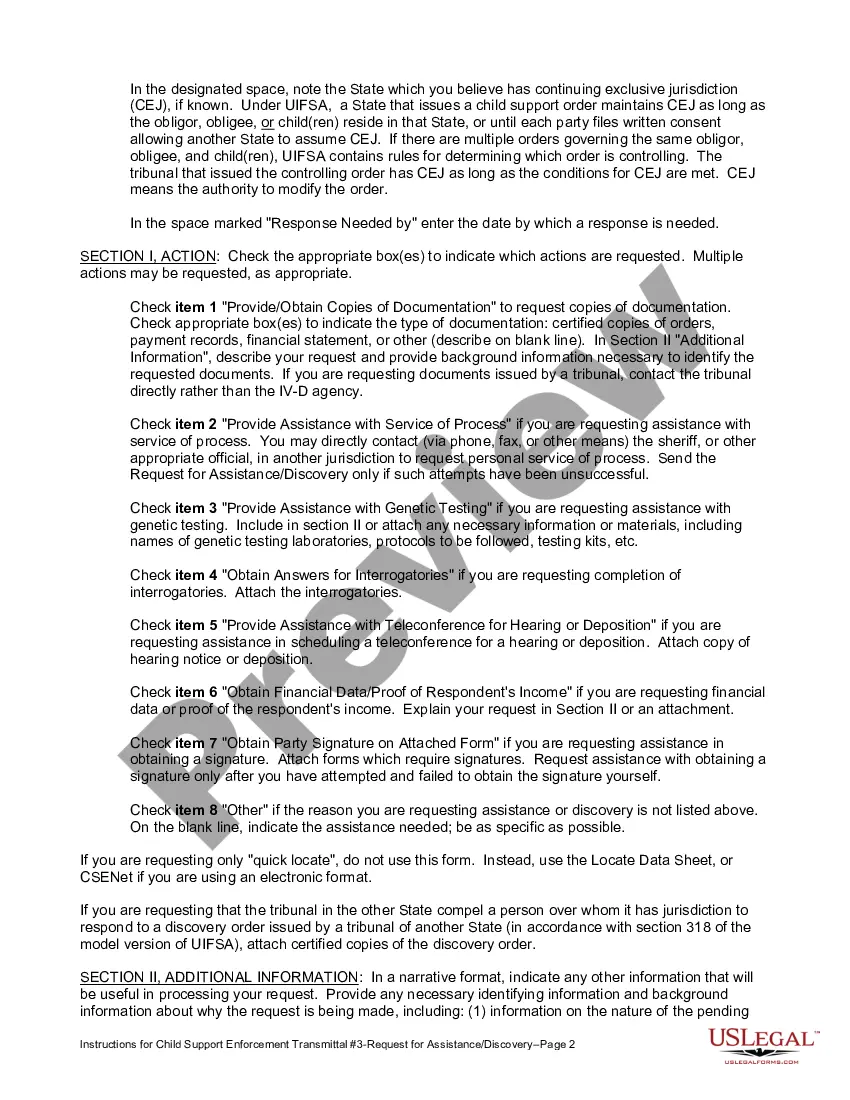
Get your form ready online
Our built-in tools help you complete, sign, share, and store your documents in one place.
Make edits, fill in missing information, and update formatting in US Legal Forms—just like you would in MS Word.
Download a copy, print it, send it by email, or mail it via USPS—whatever works best for your next step.
Sign and collect signatures with our SignNow integration. Send to multiple recipients, set reminders, and more. Go Premium to unlock E-Sign.
If this form requires notarization, complete it online through a secure video call—no need to meet a notary in person or wait for an appointment.
We protect your documents and personal data by following strict security and privacy standards.

Make edits, fill in missing information, and update formatting in US Legal Forms—just like you would in MS Word.

Download a copy, print it, send it by email, or mail it via USPS—whatever works best for your next step.

Sign and collect signatures with our SignNow integration. Send to multiple recipients, set reminders, and more. Go Premium to unlock E-Sign.

If this form requires notarization, complete it online through a secure video call—no need to meet a notary in person or wait for an appointment.

We protect your documents and personal data by following strict security and privacy standards.
Looking for another form?
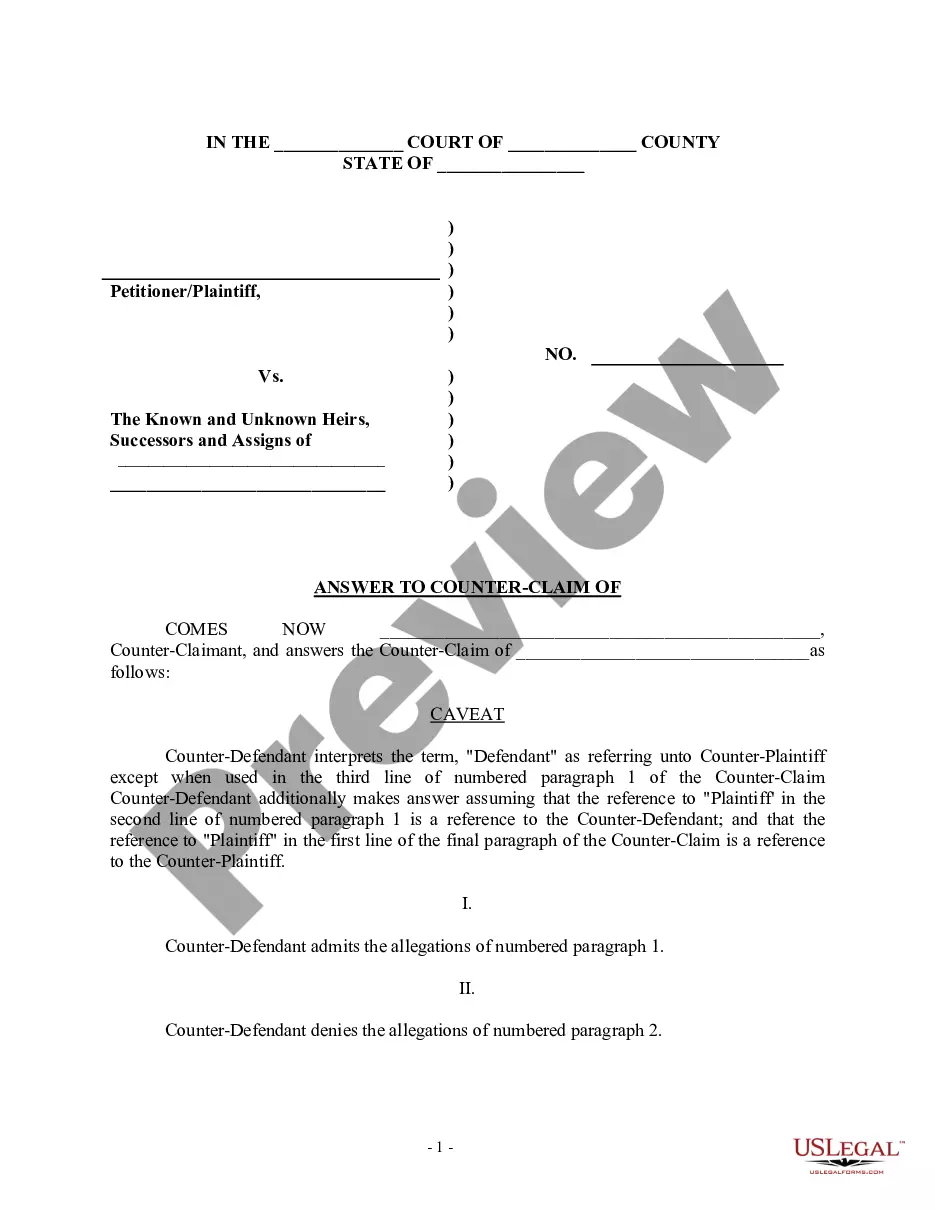
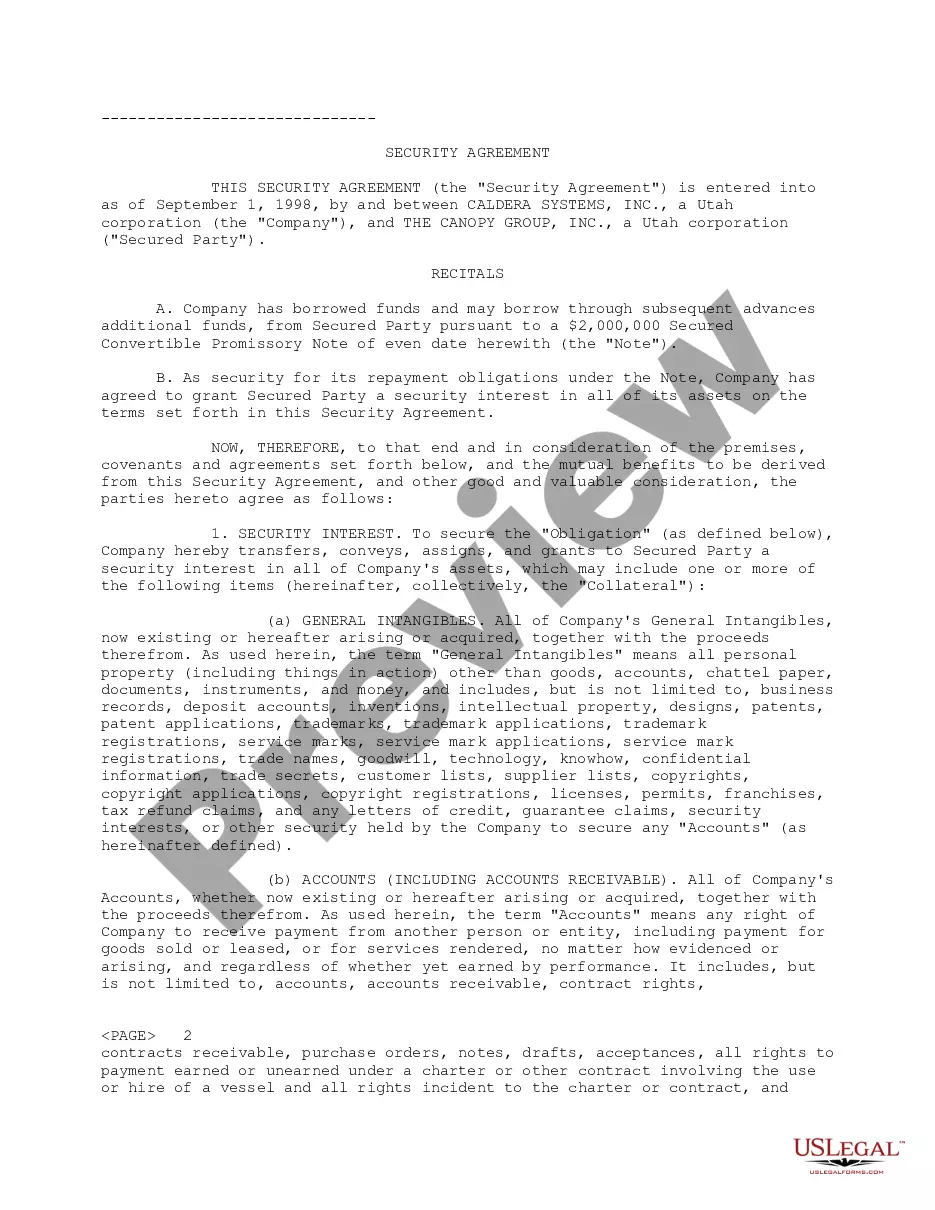
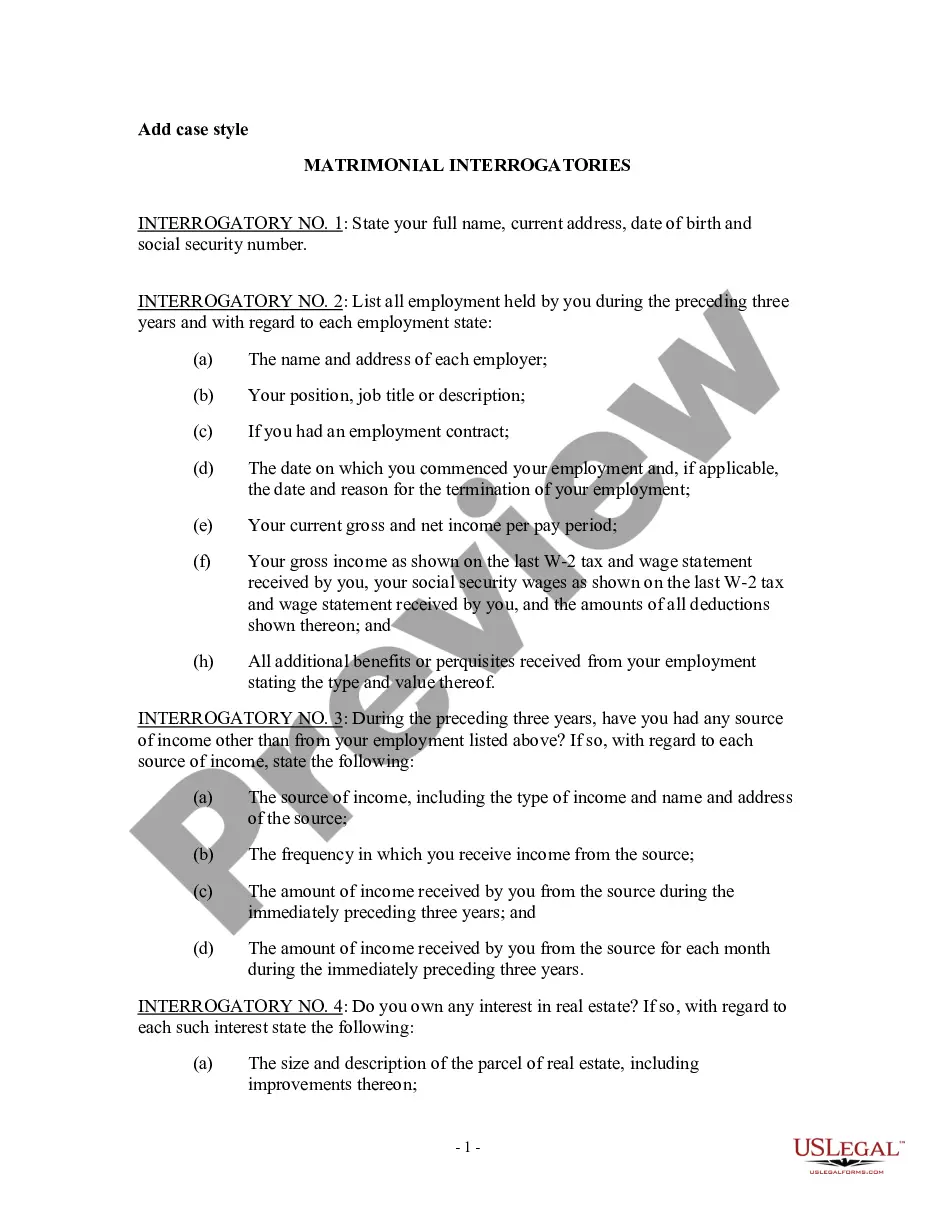
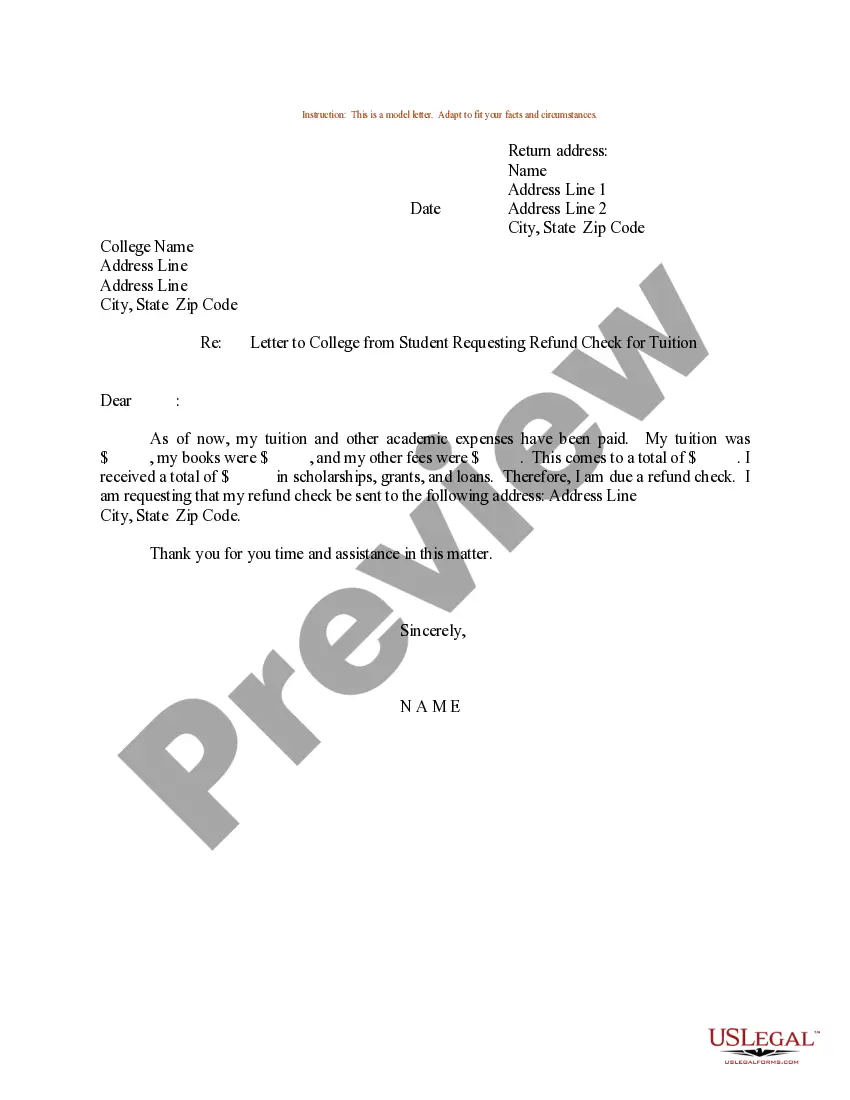
How to fill out Child Support Enforcement Transmittal #3 - Request For Assistance - Discovery And Instructions?
You can spend countless hours online trying to locate the appropriate legal document template that meets the federal and state requirements you need. US Legal Forms offers thousands of legal forms that can be reviewed by experts. You can also obtain or print the Colorado Child Support Enforcement Transmittal #3 - Request for Assistance - Discovery and Instructions from their services.
If you possess a US Legal Forms account, you can sign in and click the Download button. After that, you can fill out, edit, print, or sign the Colorado Child Support Enforcement Transmittal #3 - Request for Assistance - Discovery and Instructions. Every legal document template you purchase is yours permanently. To obtain an additional copy of a purchased form, visit the My documents tab and click the corresponding button.
If this is your first time using the US Legal Forms website, follow the straightforward instructions below: First, ensure you have selected the correct document template for the region/area of your choice. Review the form description to verify you have chosen the right form. If available, use the Preview button to view the document template as well.
Avoid altering or removing any HTML tags. Only synonymize plain text outside of the HTML tags.
- To find an additional version of the form, use the Search field to locate the template that fits your needs and requirements.
- Once you have found the template you want, click Get now to proceed.
- Select the pricing plan you prefer, enter your credentials, and sign up for a free account on US Legal Forms.
- Complete the transaction. You can use your credit card or PayPal account to pay for the legal document.
- Choose the format of the document and download it to your device.
- Make modifications to your document if necessary. You can fill out, edit, and sign and print the Colorado Child Support Enforcement Transmittal #3 - Request for Assistance - Discovery and Instructions.
- Download and print thousands of document templates using the US Legal Forms website, which provides the largest selection of legal forms. Utilize professional and state-specific templates to address your business or personal needs.
Form popularity
FAQ
You'll file your motion at the clerk's office of the district court for the county where your child lives. You'll also attend a hearing, where a judge will decide whether you've proven that the other parent is in remedial and/or punitive contempt.
You can be found in contempt of court in Colorado if you fail to pay child support. If the court convicts you, you will be required to pay a fine or serve up to 180 days in jail.
Legal penalties for not paying child support can be quite severe, including fines, contempt of court, and incarceration. In Colorado, a delinquent parent can be charged with a misdemeanor offense and face significant jail time for failure to pay child support.
Enforcement of Child Support in Colorado filing a motion for contempt on your own, using forms from the State of Colorado website. hiring a private attorney to file the motion on your behalf, or. applying for enforcement services through the Colorado Child Support Enforcement Unit (CSEU).
Colorado courts do not allow parents to waive child support obligations, even if they both agree payment from one parent to the other based on their unique circumstances makes this their preference.
What is your state's statute of limitations for the collection of past-due support? 20 years. Any unpaid child support is considered a judgment by operation of law. If the arrears are reduced to judgment by the court, the 20 year statute of limitations begins from the date the judgment was entered.
Although child support payments are owed to the custodial parent, the child is the beneficiary of these payments. Child support itself cannot be waived or modified except by agreement of the parties in writing and approval by the court.