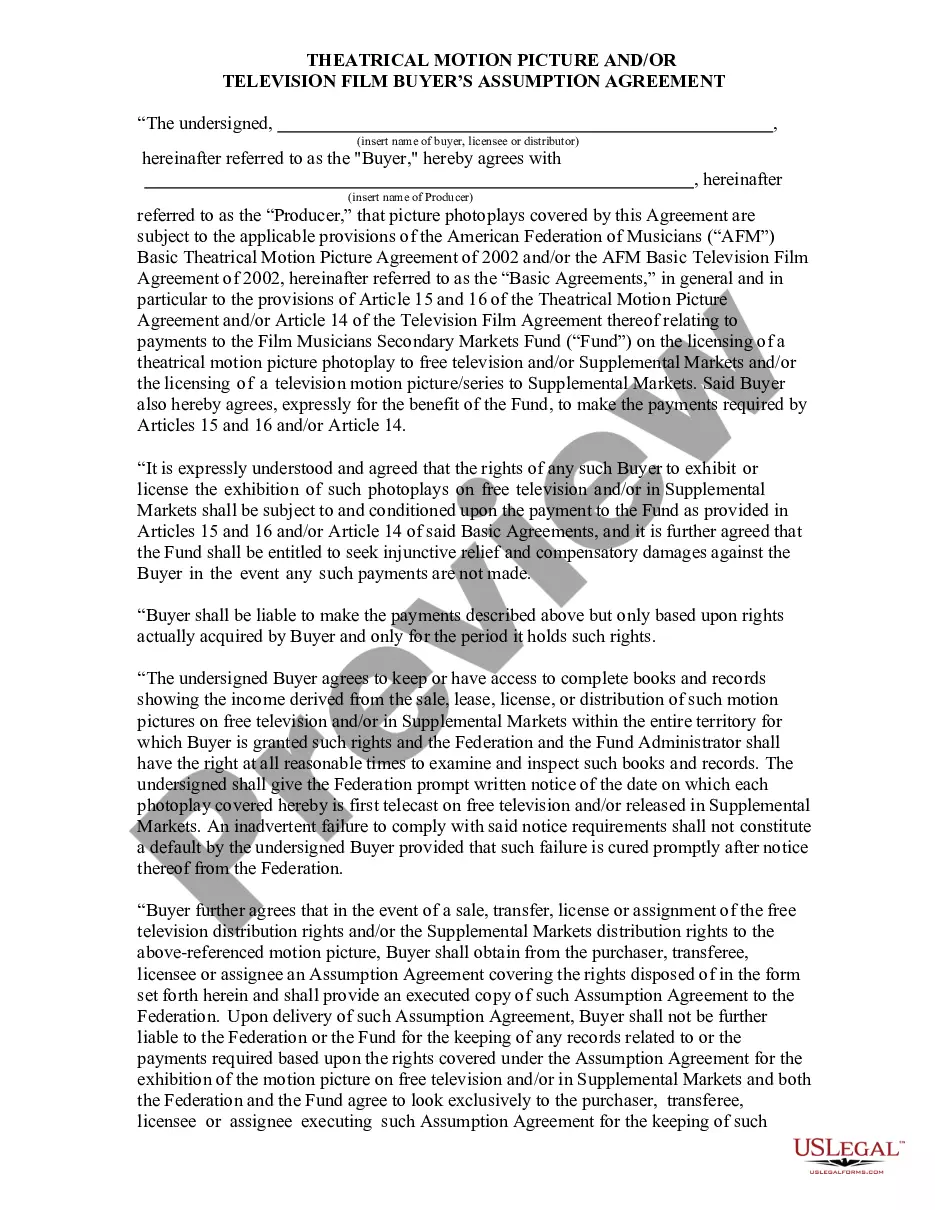
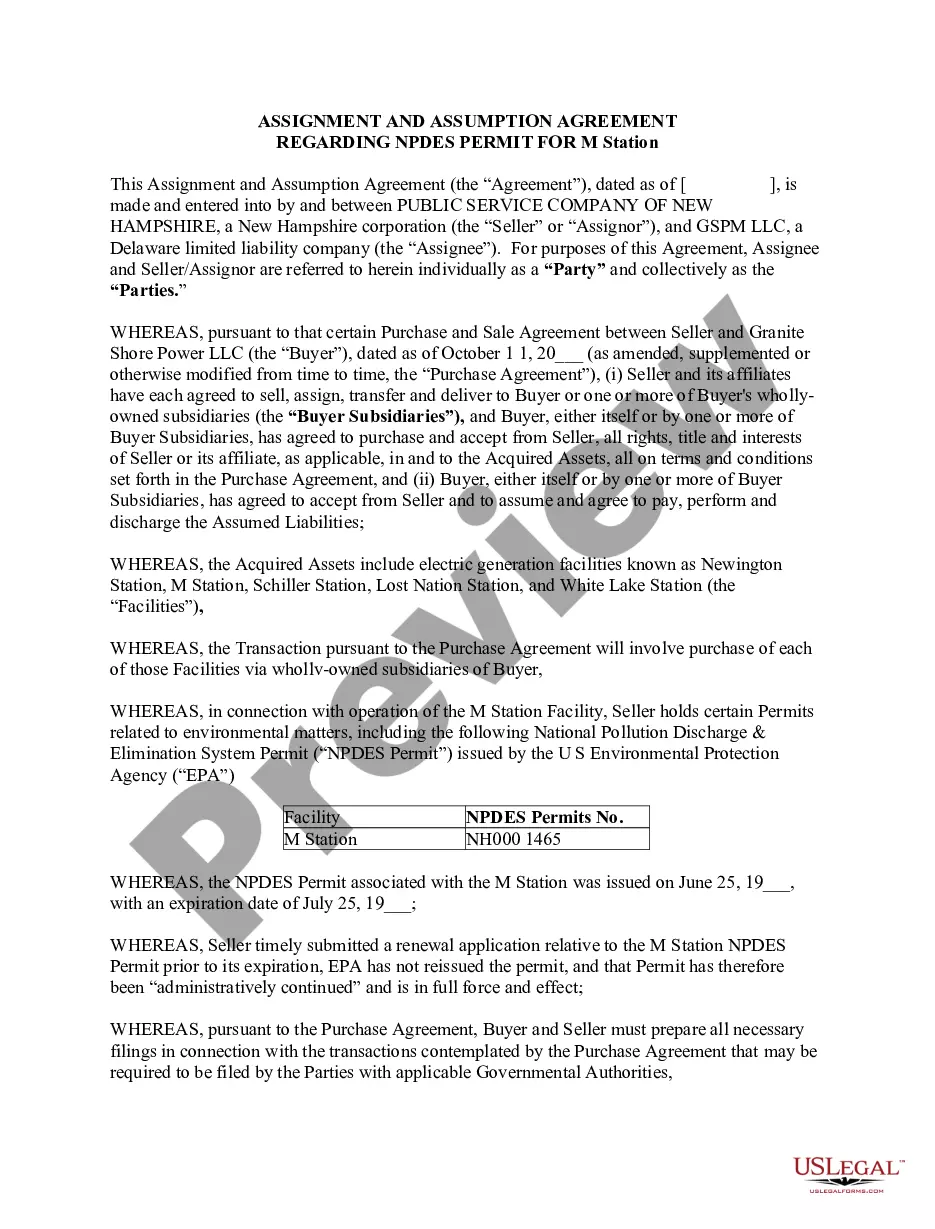
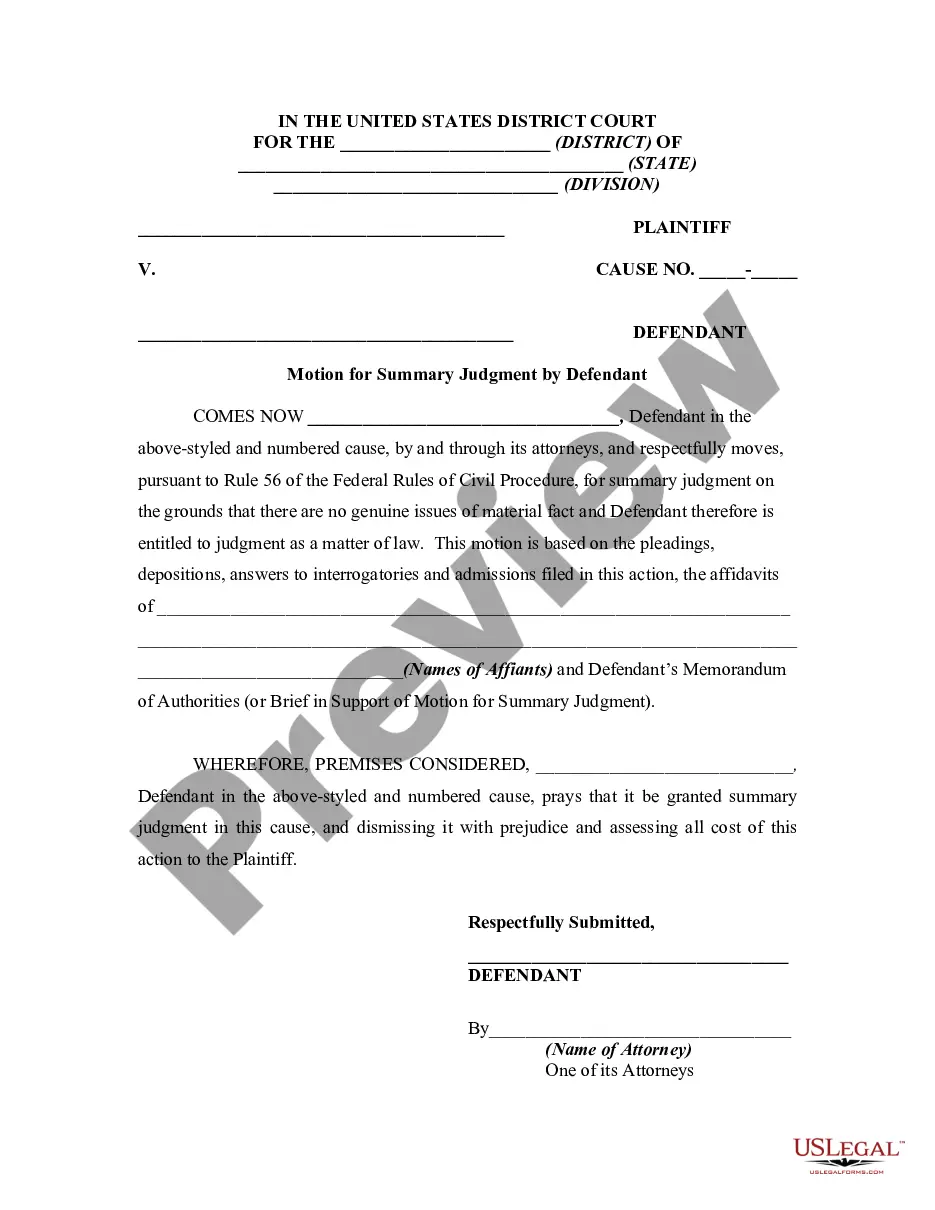
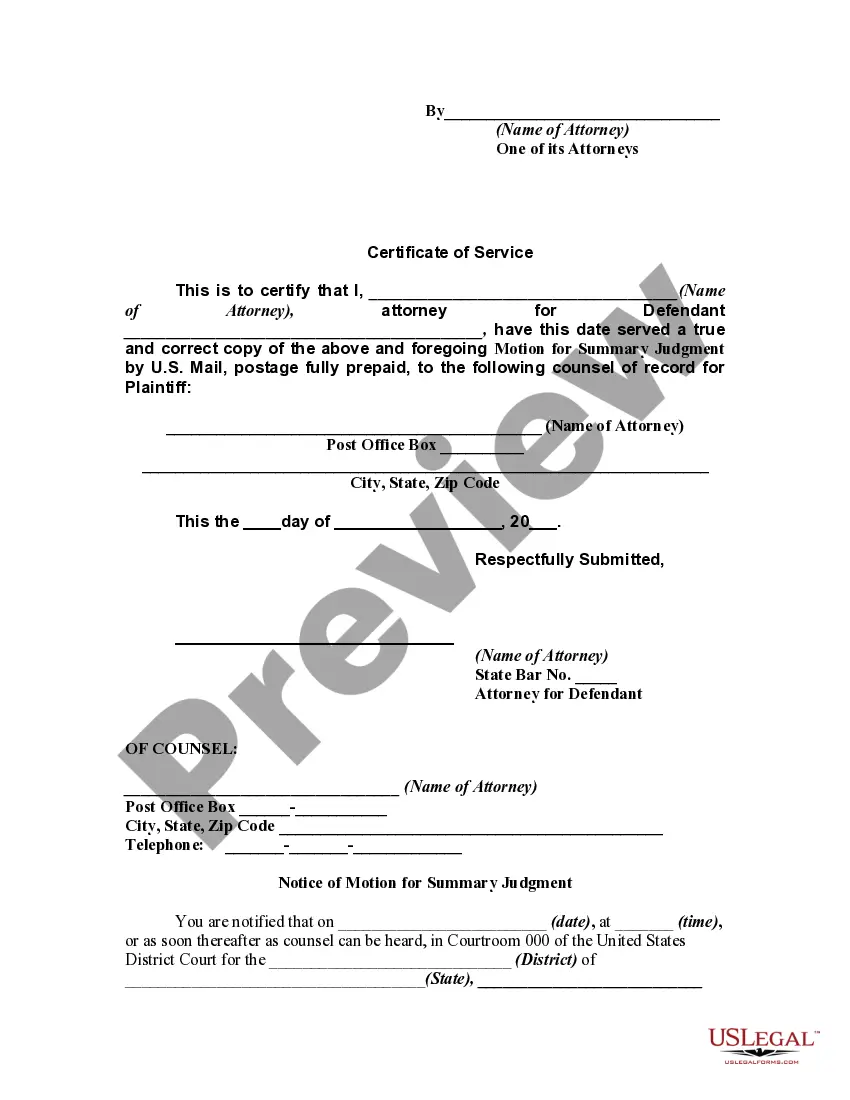
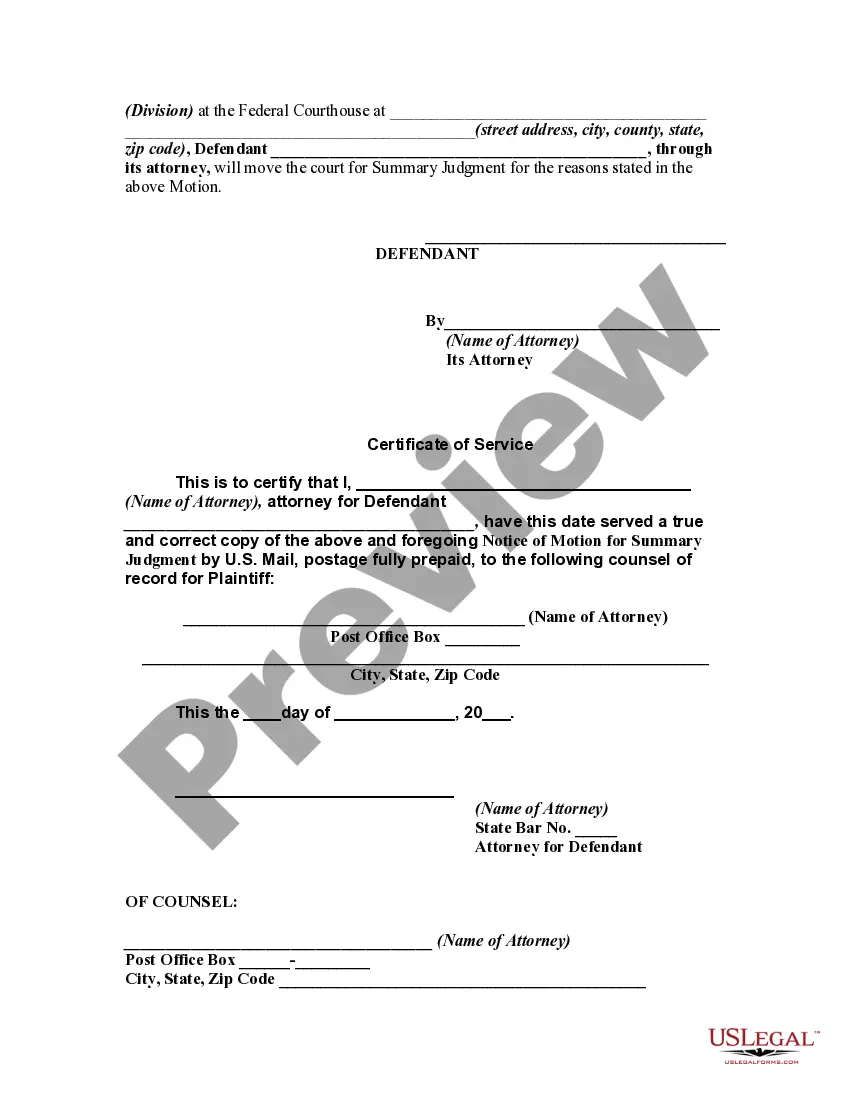
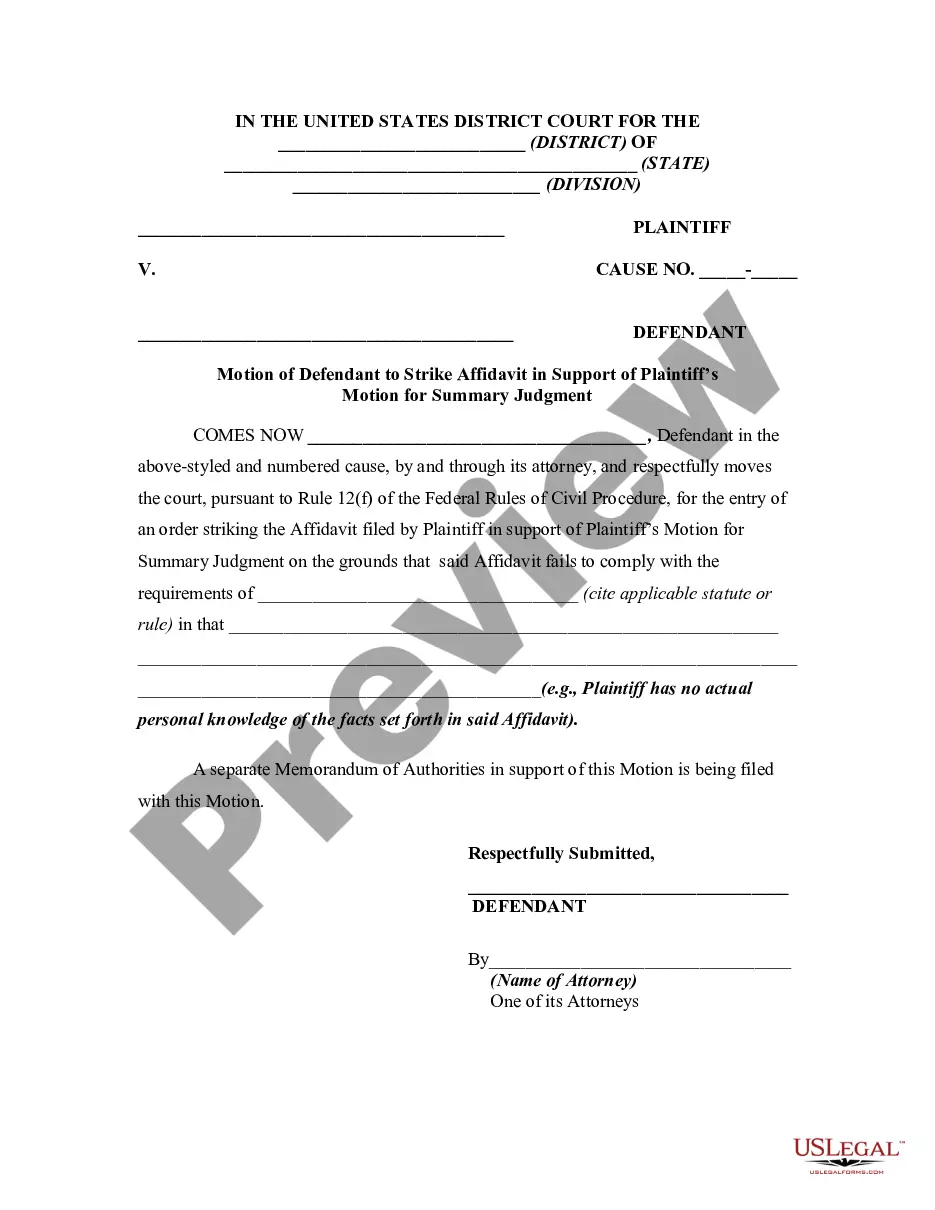
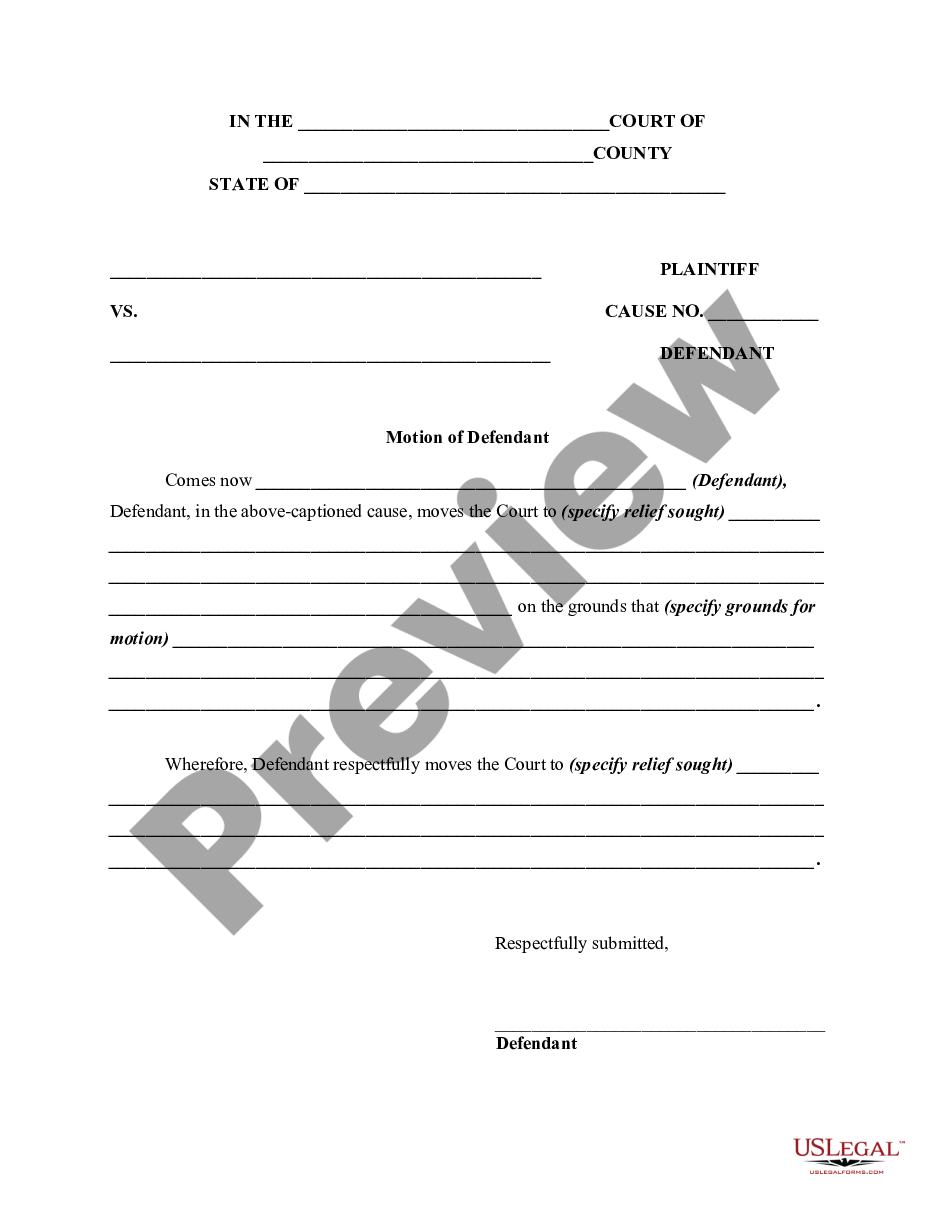
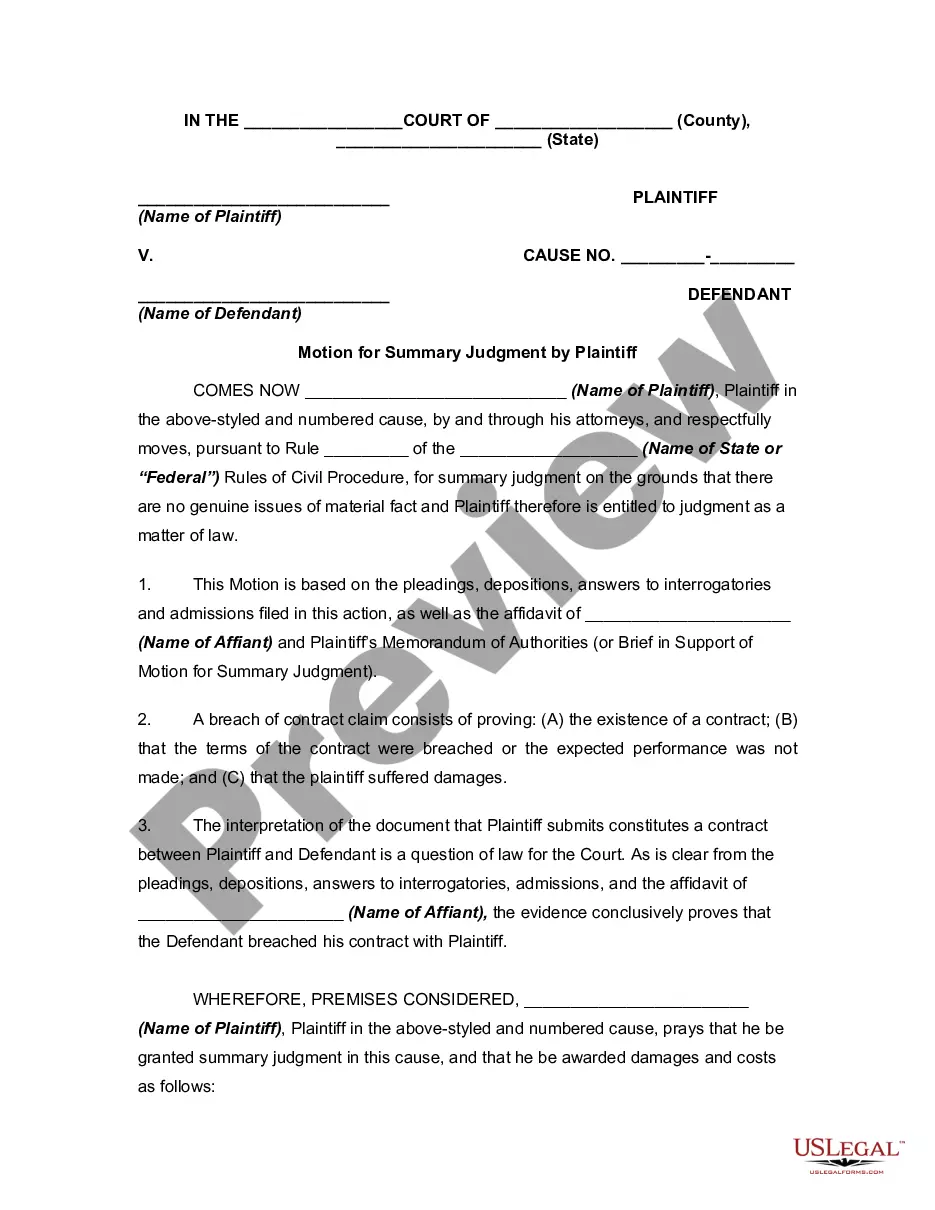
This form is a generic motion for summary judgment. The motion adopts the "notice pleadings" format of the Federal Rules of Civil Procedure, which have been adopted by most states in one form or another.
Colorado Motion for Summary Judgment by Defendant with Notice of Motion
Category:
State:
Multi-State
Control #:
US-00920BG
Format:
Word;
Rich Text
Instant download
Description
Free preview

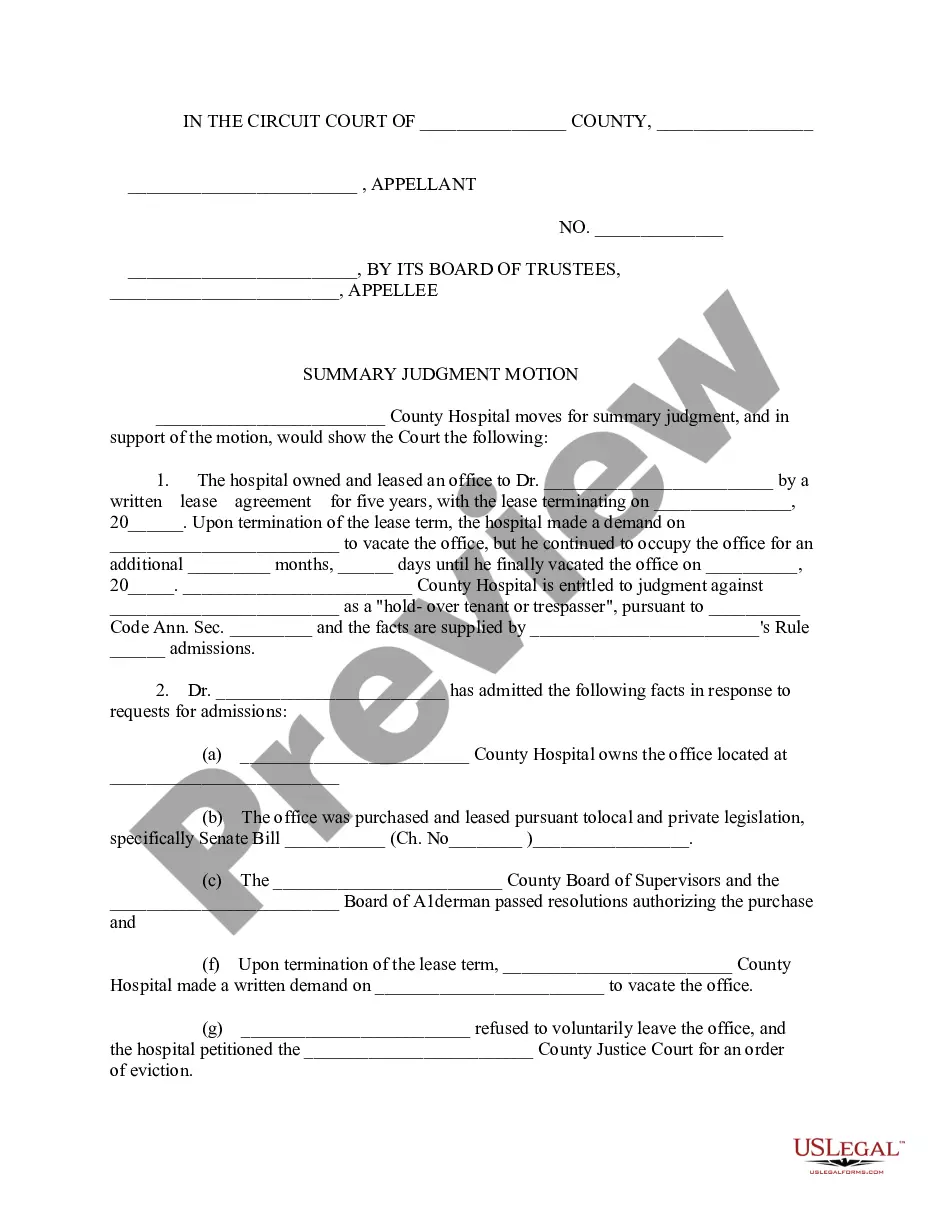
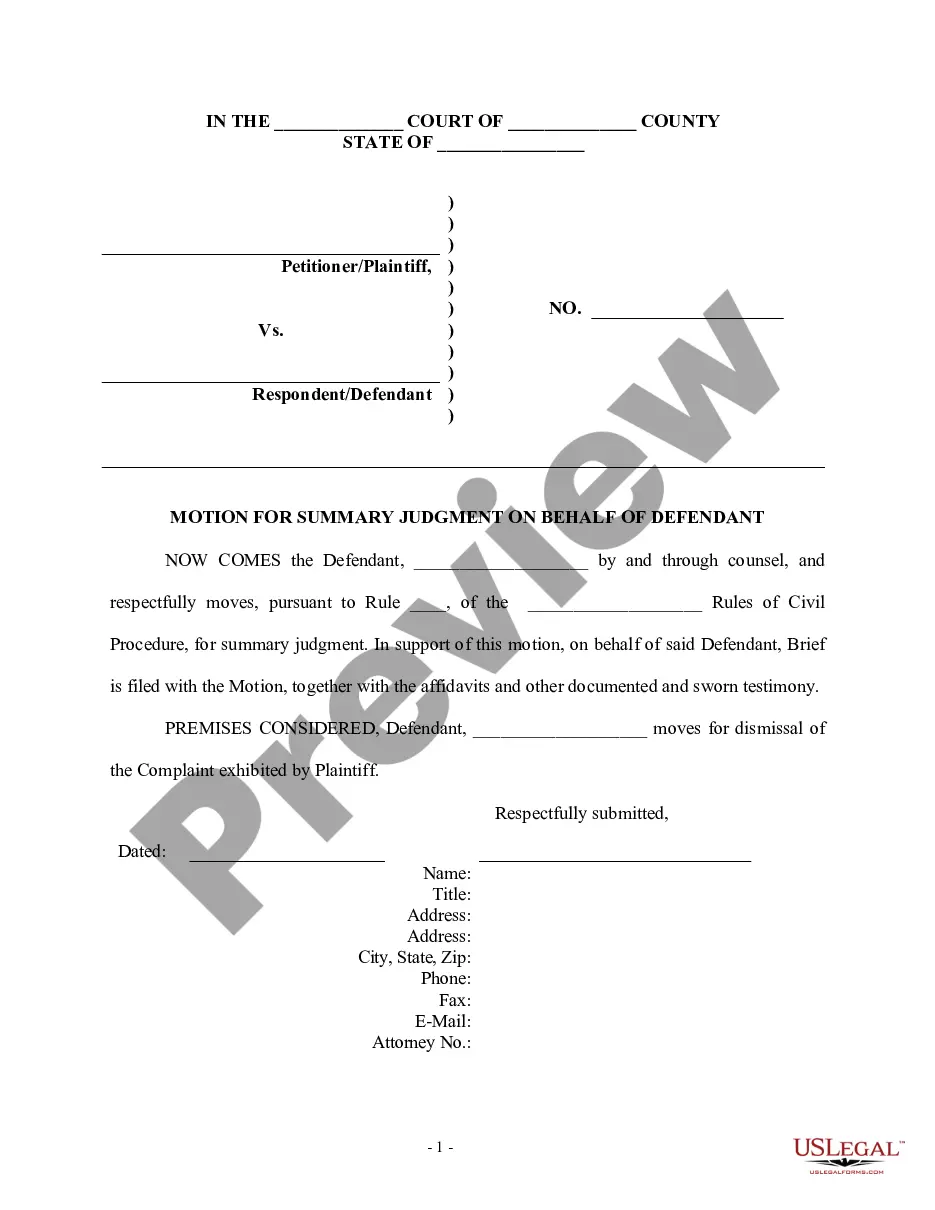




How to fill out Motion For Summary Judgment By Defendant With Notice Of Motion?
Finding the appropriate legal document template can be a challenge. Of course, there are numerous designs available online, but how will you locate the legal form you require? Utilize the US Legal Forms website. This service offers thousands of templates, including the Colorado Motion for Summary Judgment by Defendant with Notice of Motion, which you can utilize for business and personal purposes. All of the forms are verified by experts and adhere to federal and state regulations.
If you are currently registered, Log In to your account and click on the Download button to obtain the Colorado Motion for Summary Judgment by Defendant with Notice of Motion. Use your account to browse through the legal forms you have acquired previously. Navigate to the My documents tab of your account to obtain another copy of the document you need.
If you are a new user of US Legal Forms, here are simple guidelines for you to follow: First, ensure you have selected the correct form for your city/state. You can review the template using the Preview button and examine the form outline to confirm this is the right choice for you. If the form does not fulfill your requirements, utilize the Search field to find the appropriate form. Once you are certain that the form is suitable, click the Get now button to acquire the form. Choose the pricing plan you want and input the necessary information. Create your account and pay for the order using your PayPal account or credit card. Select the document format and download the legal document template to your device. Complete, edit, print, and sign the obtained Colorado Motion for Summary Judgment by Defendant with Notice of Motion.
- US Legal Forms is the largest collection of legal forms available.
- Access professionally crafted documents that comply with state requirements.
- Browse through various document templates for your needs.
- Utilize the service for both personal and business purposes.
- Find forms that are verified by industry professionals.
- Ensure that all documents meet federal and state standards.
Form popularity
FAQ
The outcome of a summary judgment application will be one of: Judgment in favour of the applicant. Striking out or dismissal of the claim.
Colorado Rule of Civil Procedure 121 § 1-15(8) provides: Duty to Confer. "Unless a statute or rule gov- erning the motion provides that it may be filed without notice, moving counsel and any self-represented party shall confer with opposing counsel and any self- represented parties before filing a motion.
The chance of success in these cases is less than 10% [1]. Another study found that summary judgment is mostly granted in Title VII cases, for example, cases involving equal pay or employment discrimination [2]. When it comes to federal cases, summary judgments are filed in 17% of total cases.
Despite the final ruling, the losing party can still ask the court to reconsider the ruling or grant a new trial. If desired, they can appeal the summary judgment to a higher court for review. However, keep in mind that strict time limits apply to these appeals procedures.
The main disadvantage of summary judgment is that a Defendant need only create a smokescreen in order to successfully avoid summary judgment. The court will not analyse the issues in any great detail and so an application will only be successful if a case is overwhelmingly in your favour.
Get a Fair Hearing in Court Show that the motion fails to list the specific facts and law supporting summary judgment. ... Show that a dispute exists on a material fact. ... Show that the law does not support judgment on the undisputed facts.
The court shall grant summary judgment if the movant shows that there is no genuine dispute as to any material fact and the movant is entitled to judgment as a matter of law. The court should state on the record the reasons for granting or denying the motion.
Ing to Federal Judicial Center research, summary-judgment motions are filed in 17% of federal cases.