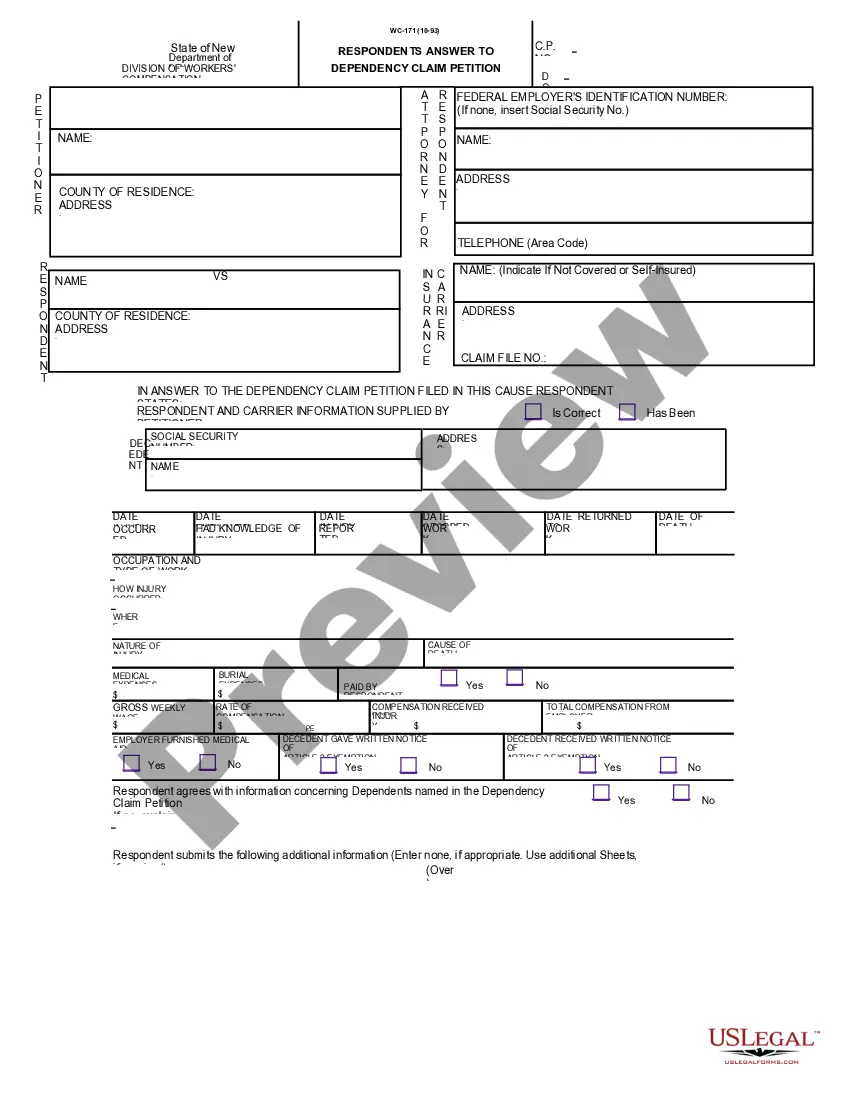
Colorado General Grant of Easement with Warranties
What this document covers
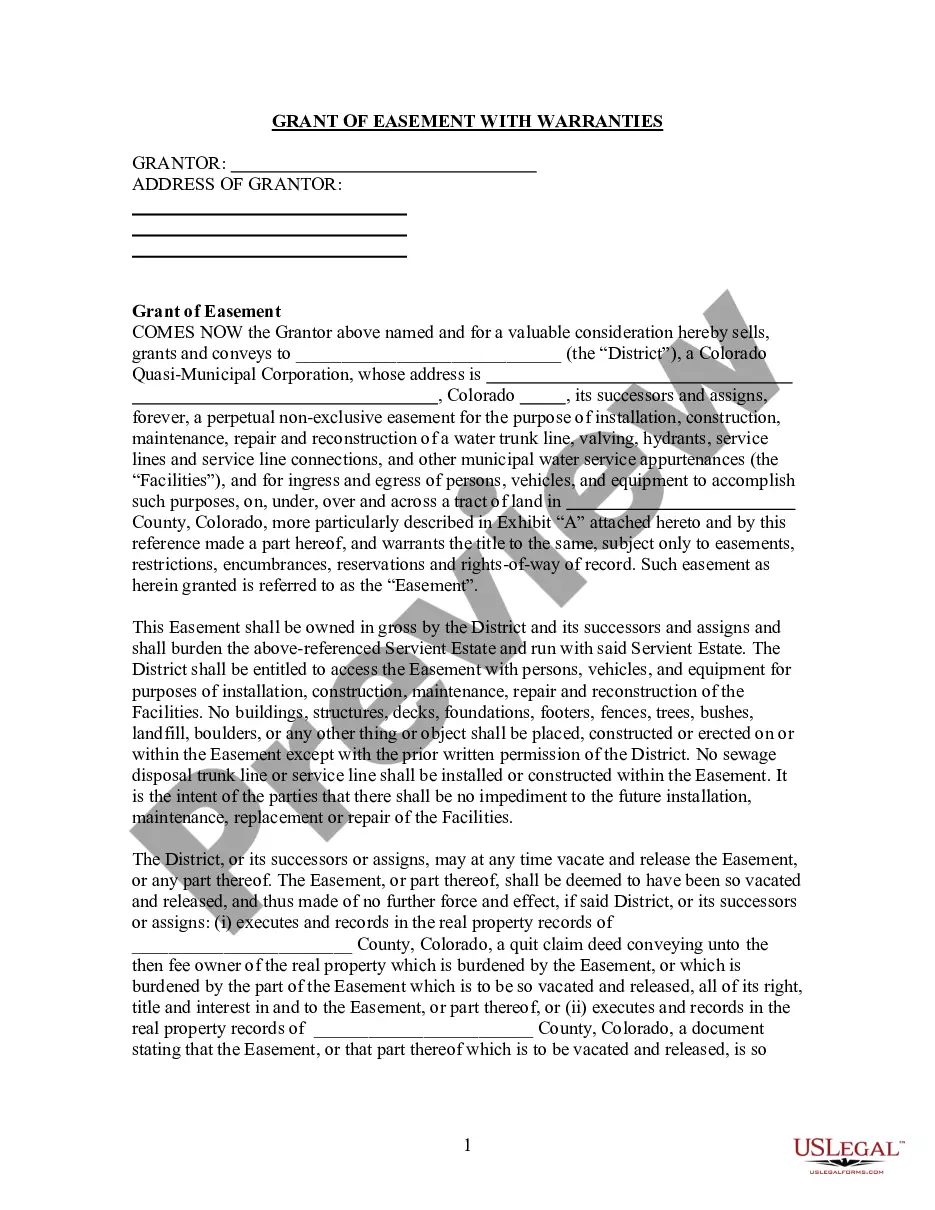
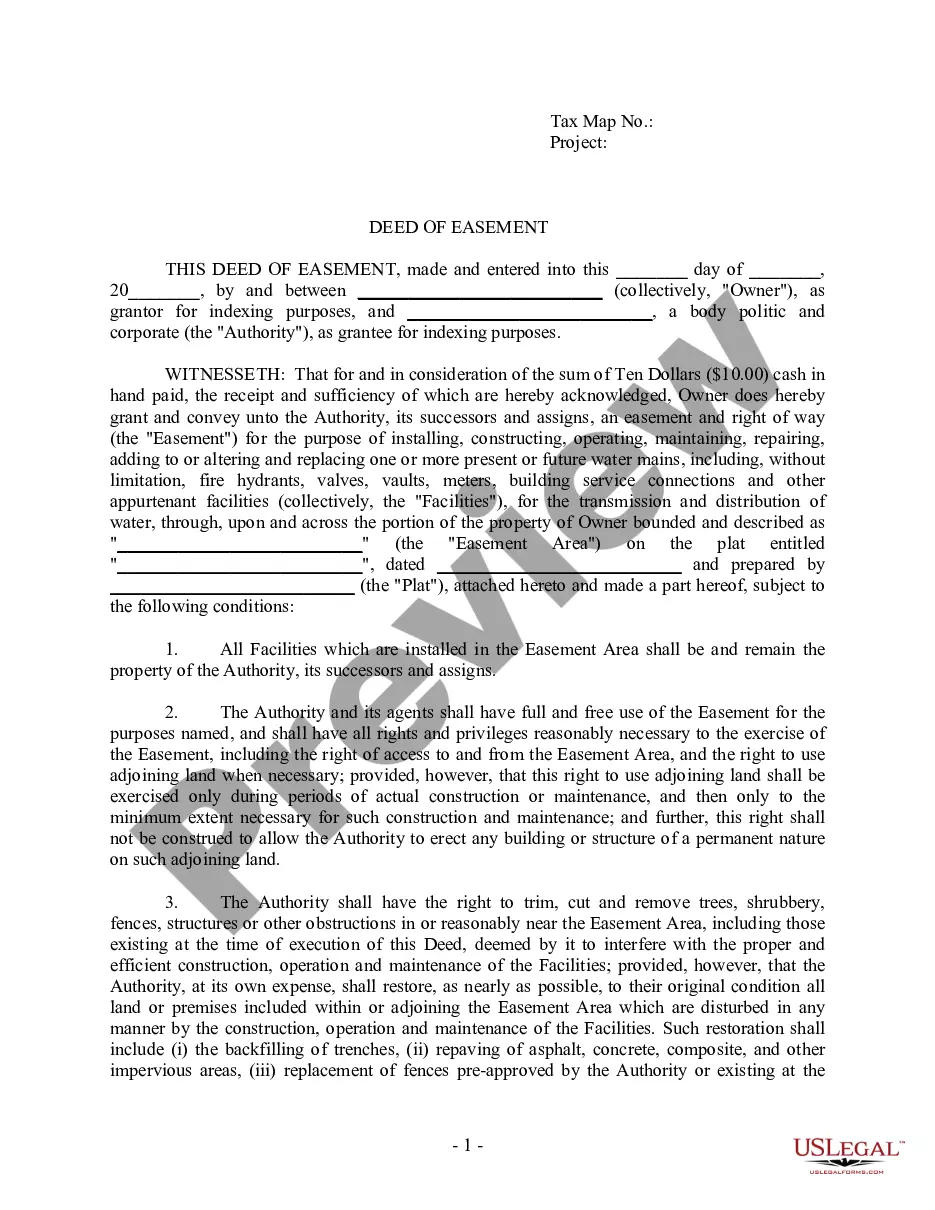
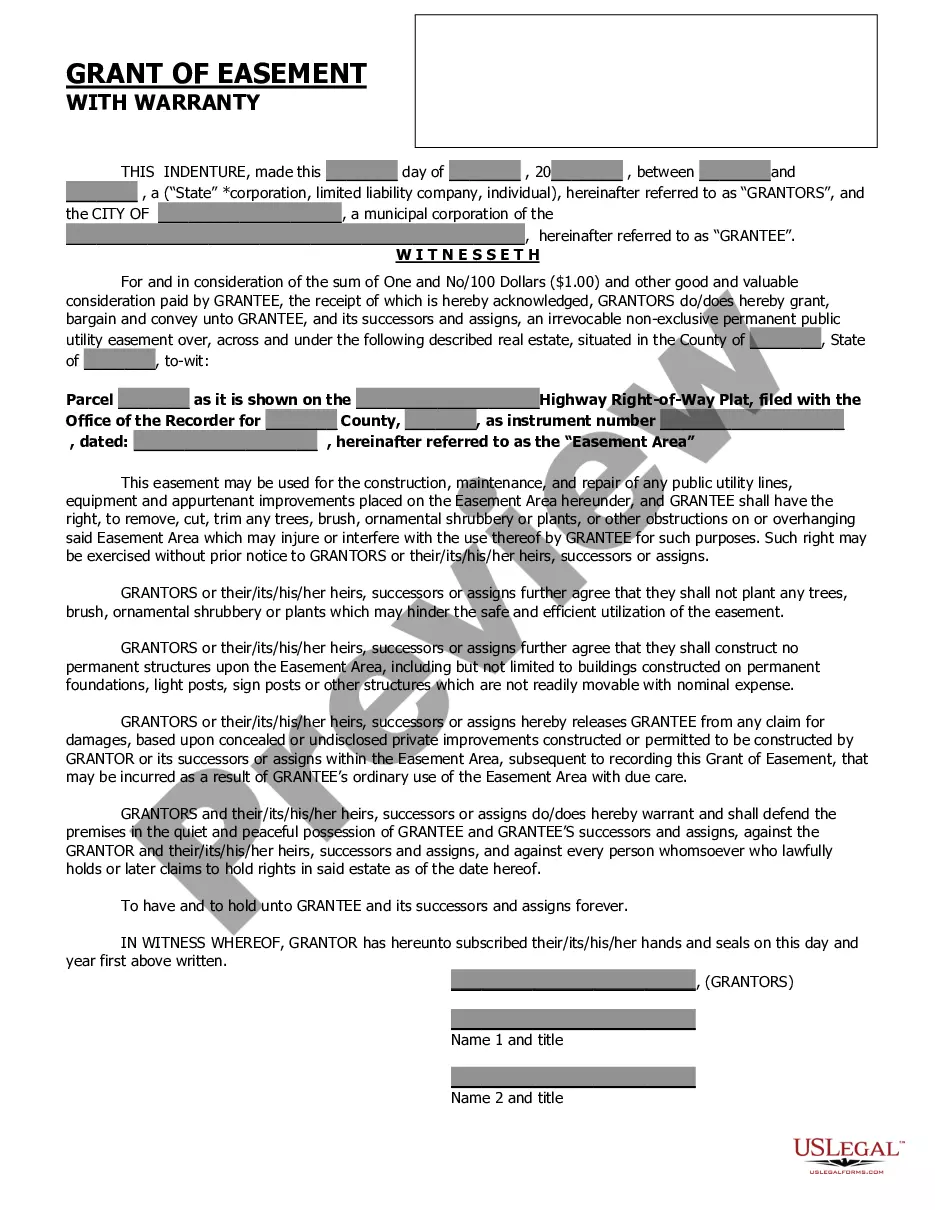
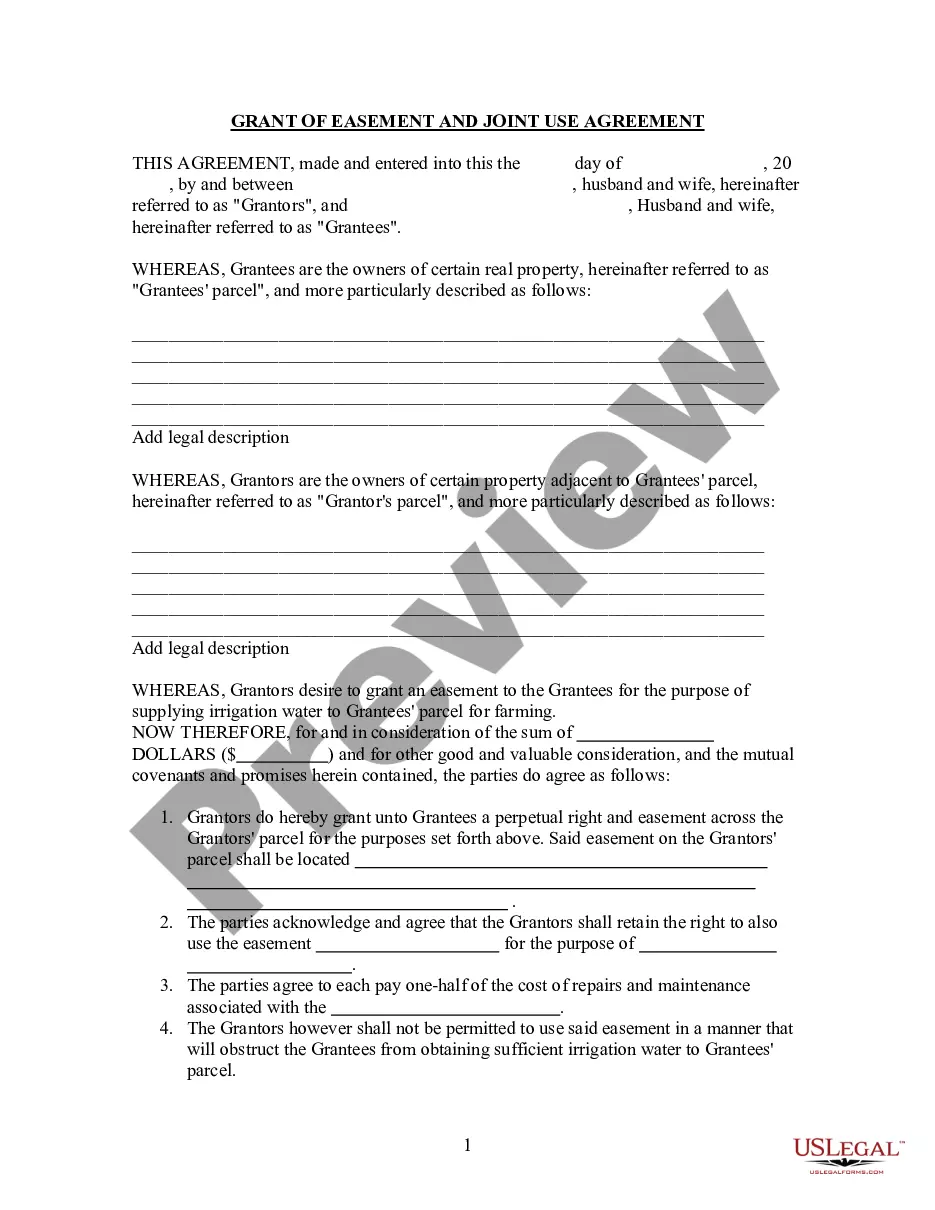
The General Grant of Easement with Warranties is a legal document that grants one party the right to use a portion of another party's property for specific purposes, such as the maintenance and repair of water lines. This easement is distinct from simple property leases, as it provides a permanent right to use the land without transferring ownership. It is especially relevant for utilities that require access to property for infrastructure maintenance while protecting the rights of both the grantor and grantee.
Key parts of this document
- Identification of the parties involved (Grantor and District).
- Specific details about the easement area (Servient Estate).
- Rights granted for installation, construction, maintenance, and repair of facilities.
- Restrictions on structures and installations within the easement.
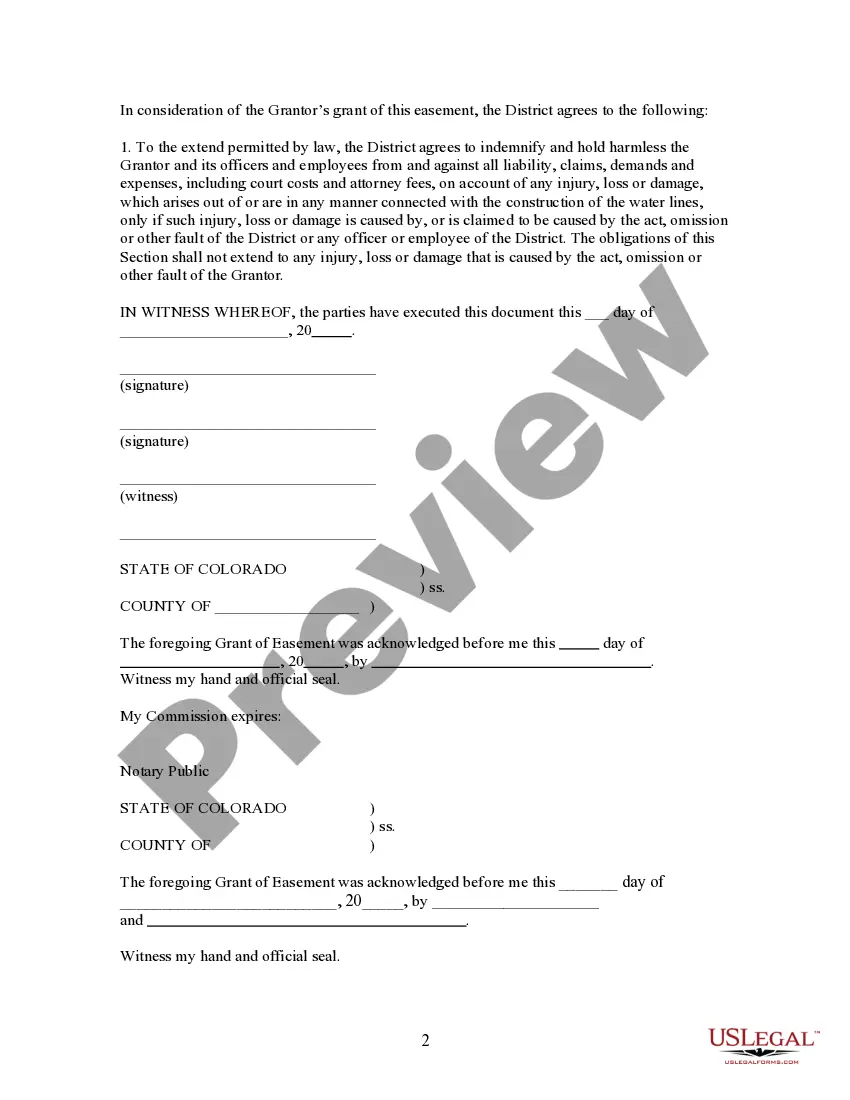
- Indemnity provisions protecting the Grantor from liability.
- Process for vacating the easement rights when no longer needed.

When to use this document
This form is typically used when a utility company or district needs to install or maintain water lines on private property. It can be employed when a permanent easement is necessary to ensure future access for repairs or improvements while limiting the property owner's ability to interfere with the easement area.
Who needs this form
This form is ideal for:
- Utility companies seeking to establish permanent rights to access land for maintenance.
- Property owners who need to formalize an agreement with utility providers.
- Legal representatives or real estate professionals managing property rights.
How to complete this form
- Enter the names and addresses of the Grantor and the District.
- Specify the exact location and boundaries of the easement on the property.
- Detail the rights granted to the District regarding access and maintenance.
- Include any limitations or restrictions on the use of the easement area.
- Obtain signatures from all parties and enter the date of execution.
Does this document require notarization?
This form does not typically require notarization unless specified by local law. However, for enhanced validity and to ensure proper execution, consider having it notarized.
Get your form ready online
Our built-in tools help you complete, sign, share, and store your documents in one place.
Make edits, fill in missing information, and update formatting in US Legal Forms—just like you would in MS Word.
Download a copy, print it, send it by email, or mail it via USPS—whatever works best for your next step.
Sign and collect signatures with our SignNow integration. Send to multiple recipients, set reminders, and more. Go Premium to unlock E-Sign.
If this form requires notarization, complete it online through a secure video call—no need to meet a notary in person or wait for an appointment.
We protect your documents and personal data by following strict security and privacy standards.

Make edits, fill in missing information, and update formatting in US Legal Forms—just like you would in MS Word.

Download a copy, print it, send it by email, or mail it via USPS—whatever works best for your next step.

Sign and collect signatures with our SignNow integration. Send to multiple recipients, set reminders, and more. Go Premium to unlock E-Sign.

If this form requires notarization, complete it online through a secure video call—no need to meet a notary in person or wait for an appointment.

We protect your documents and personal data by following strict security and privacy standards.
Avoid these common issues
- Failing to clearly define the boundaries of the easement.
- Not including the necessary indemnity provisions.
- Omitting signatures or dates, which can invalidate the form.
Why use this form online
- Convenience of downloading and completing the form at any time.
- Editability allows customization to fit specific needs.
- Reliability of templates drafted by licensed attorneys to ensure legal compliance.
- The General Grant of Easement establishes a legal right for the district to access the property.
- Warranties included in the form provide a degree of legal protection for the grantor against claims arising from the district's actions.
Summary of main points
- The General Grant of Easement with Warranties is essential for legally allowing access for utilities on private property.
- Understanding its key components can help prevent disputes in the future.
- Always ensure compliance with state-specific laws when drafting or completing the form.
Looking for another form?
Form popularity
FAQ
Yes, a property owner can block a prescriptive easement under certain conditions, especially if they give permission that can alter the claim of right. By taking actions to prevent the use of the easement openly, such as posting 'no trespassing' signs or hindering access, they can dissolve the prescriptive claim. However, if the easement was established before such actions, it may still stand unless formally contested in court. In such cases, consulting a legal platform like uslegalforms can help clarify your options and protect your property rights.
In Colorado, the requirements for a prescriptive easement typically include continual, open, and notorious use that shows a reasonable claim of right. The use must occur without permission from the property owner for a statutory period of 18 years, unless the Colorado General Grant of Easement with Warranties offers a different framework. Generally, these criteria establish the legitimacy of the easement. If you find tailoring this to your needs complex, the uslegalforms platform can help you start the process correctly.
Homeowners insurance generally does not cover easements like the Colorado General Grant of Easement with Warranties directly, as these easements usually concern property rights rather than physical damage. However, if an easement leads to disputes that escalate to damage, certain liability policies may apply. It is essential for homeowners to review their policies and consult with their insurance provider for clarity on coverage related to easements. Understanding your specific insurance needs can safeguard you from unexpected legal issues.
The concept of a prescriptive easement does not require the easement to be formalized in writing, as is the case with the Colorado General Grant of Easement with Warranties. Instead, it is based on continuous and open use of the property, which can occur without consent from the property owner. This usage is typically unopposed for a certain period, which varies by state law. Thus, documentation is not a requirement here.
One significant disadvantage of an easement is that it can limit property owner's rights, making it challenging to modify or develop the property. Additionally, owning an easement may entail maintenance responsibilities. Using a Colorado General Grant of Easement with Warranties can help clarify these obligations and protect your interests, ensuring a beneficial arrangement for all parties involved.
The rule against perpetuities limits the duration of certain property interests, including easements, to prevent indefinite control over property. Essentially, it restricts easements from lasting beyond a certain period, typically a lifetime plus twenty-one years. When drafting a Colorado General Grant of Easement with Warranties, understanding this rule ensures that the easement complies with legal limits and remains enforceable.
Yes, easements can expire under certain conditions. Factors such as non-use for a specific period, mutual agreement, or the terms outlined in the easement agreement can lead to expiration. However, a Colorado General Grant of Easement with Warranties often includes terms that keep the easement effective, providing stability for property owners.
In the context of an easement, 'perpetual' indicates that the easement remains valid as long as the property exists. This allows the easement holder continuous use of the designated area. A Colorado General Grant of Easement with Warranties can provide this certainty, ensuring that the rights granted are maintained for future property owners.
In real estate, 'perpetual' refers to an interest or right that continues indefinitely without an end date. This concept is often associated with property rights and ownership. When a Colorado General Grant of Easement with Warranties is described as perpetual, it signifies that the easement remains in effect indefinitely, allowing continued access or use of the property.
Easements in Colorado are subject to specific rules that aim to balance the rights of landowners and users. The Colorado General Grant of Easement with Warranties lays out essential regulations designed to protect all parties involved. Understanding these rules helps prevent misunderstandings and legal issues. For further assistance, US Legal Forms offers resources that guide you in creating compliant easement agreements.