Colorado Non-Marital Cohabitation Living Together Agreement
Definition and meaning
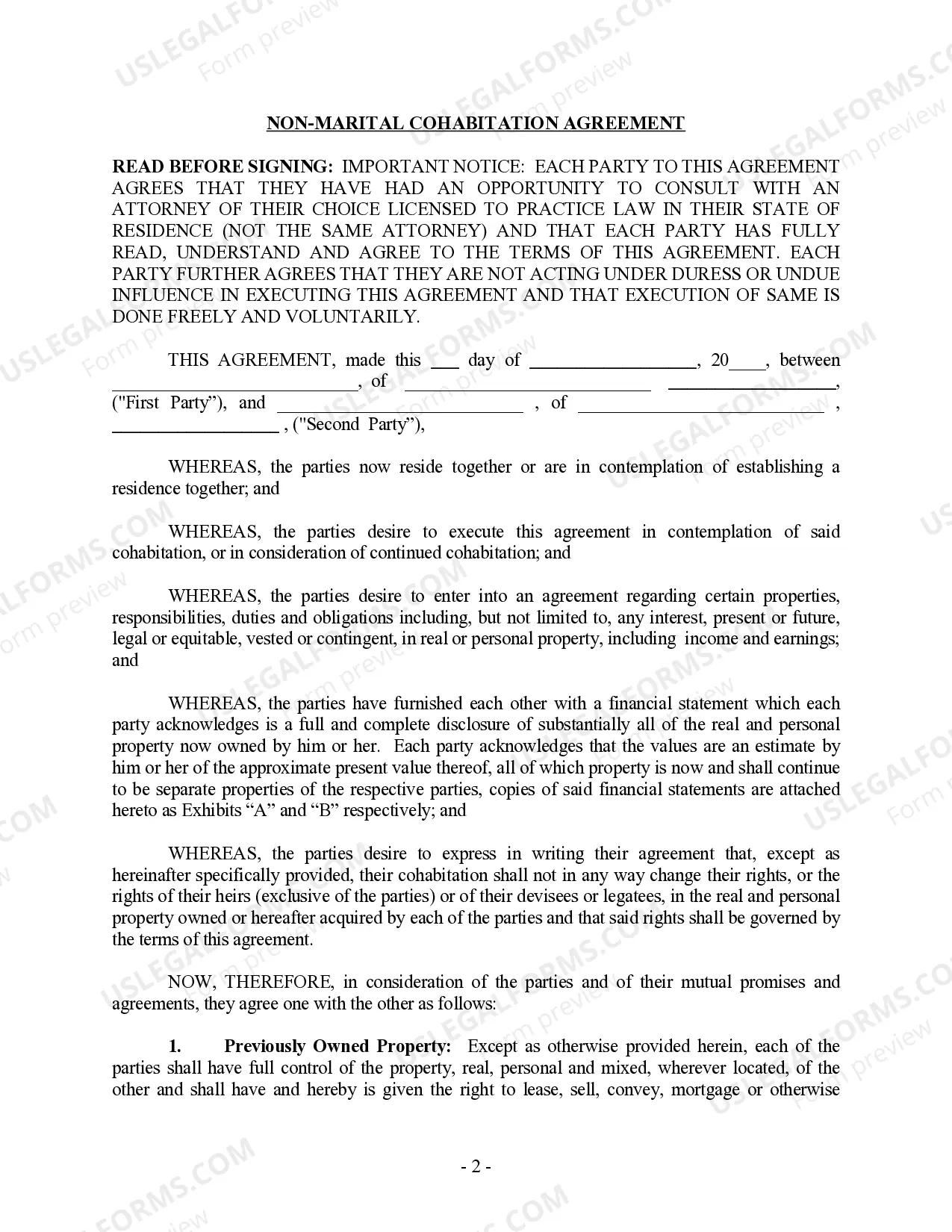
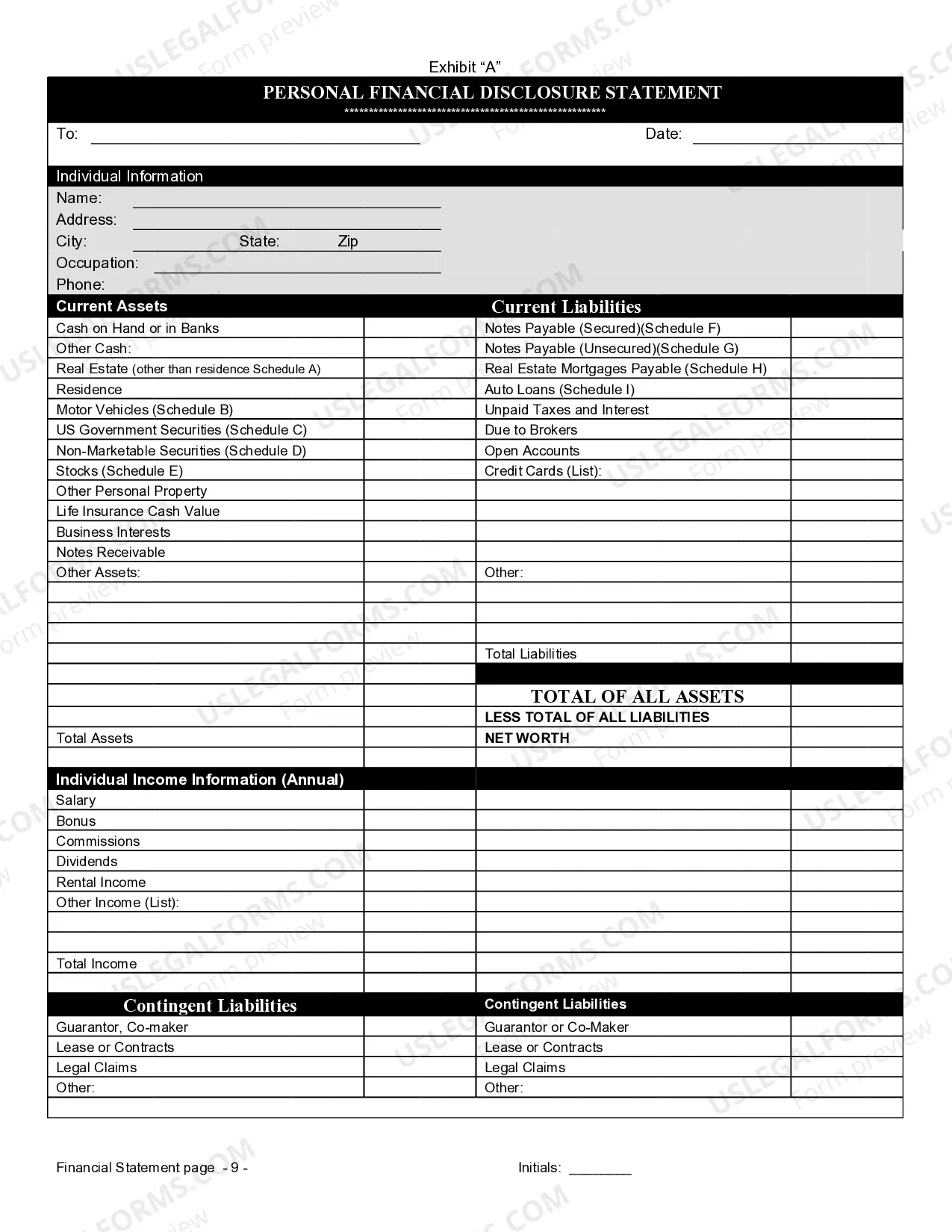
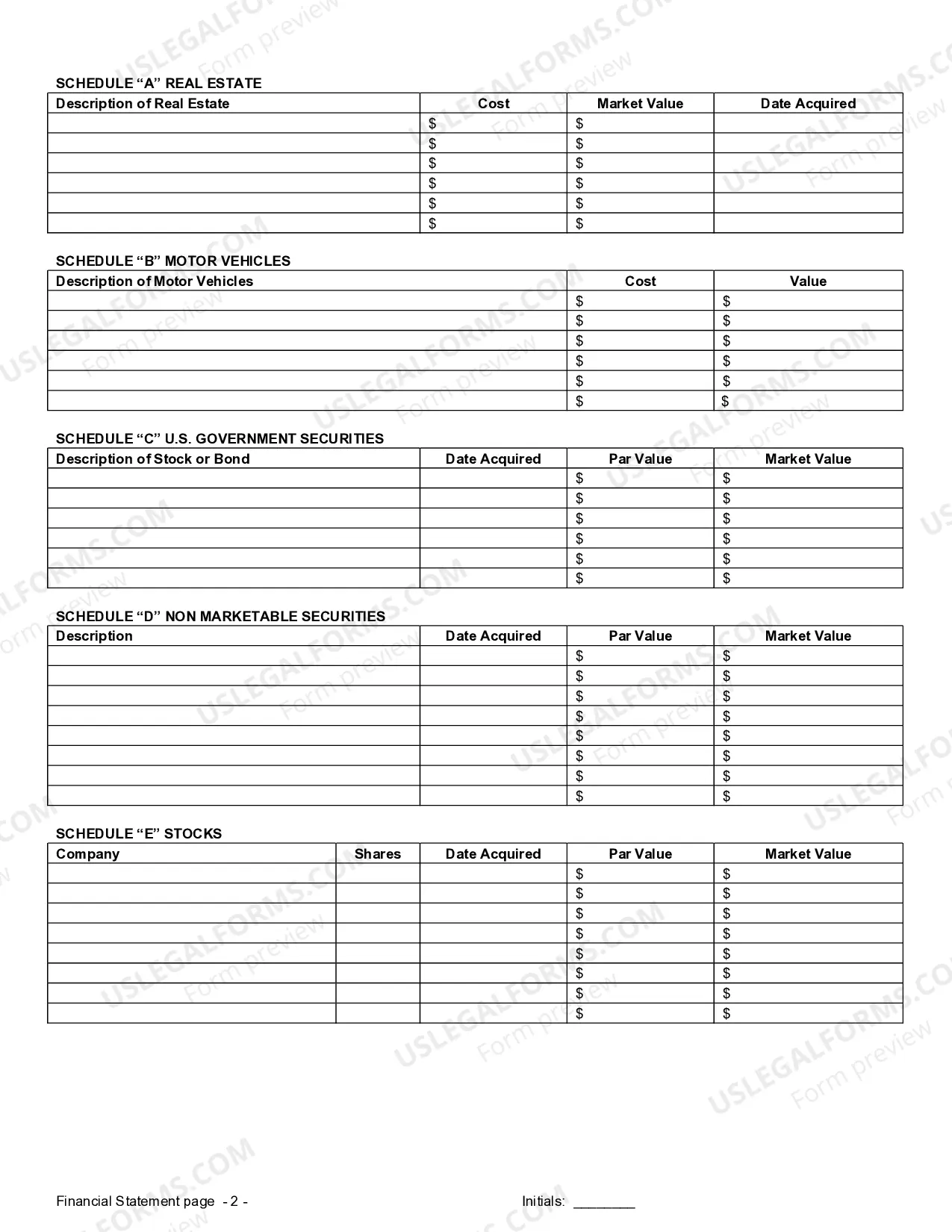
A Colorado Non-Marital Cohabitation Living Together Agreement is a legal document that outlines the rights and responsibilities of partners who choose to live together without being legally married. This agreement provides clarity on property ownership, financial obligations, and other aspects of cohabitation, thereby helping to prevent misunderstandings and disputes. It is designed for couples who wish to define their relationship legally while protecting their individual interests and assets.
How to complete a form
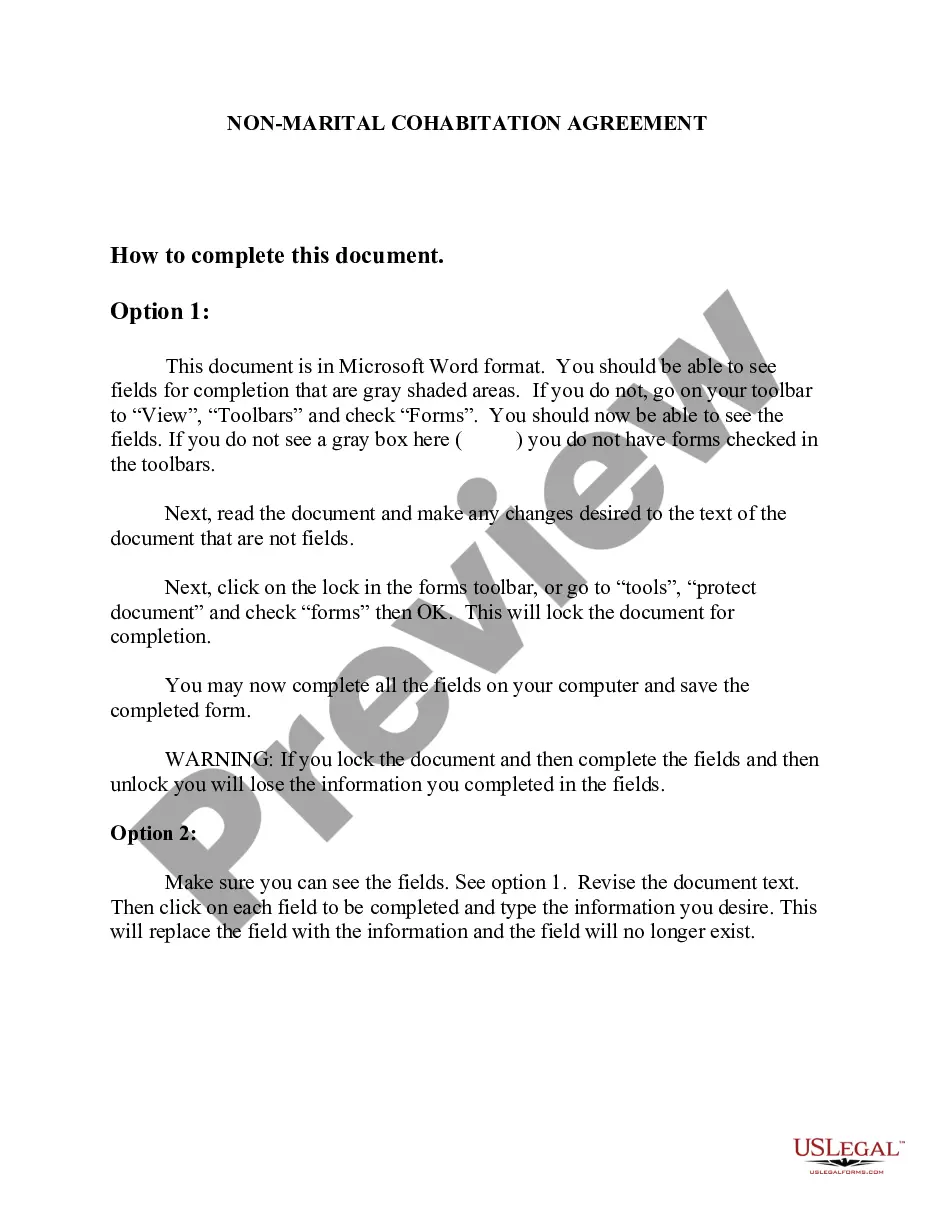
This document is available in a Microsoft Word format, which allows you to input information directly. To complete the form:
- Open the document and ensure that all fields are visible, usually indicated by gray shaded areas.
- Review the entire document and edit any text that requires changes.
- Lock the document to protect the fields by going to the forms toolbar and clicking the lock icon.
- Fill in all required fields and save your completed document.
- Make sure to unlock only after completing the fields to avoid losing your data.
Who should use this form
This form is suitable for individuals or couples in Colorado who are cohabiting or planning to live together without marriage. It benefits partners who want to formalize their living arrangement and clarify matters related to property, finances, and other commitments. Those who have significant assets, shared debts, or children from previous relationships may find this agreement particularly essential.
Key components of the form
The Colorado Non-Marital Cohabitation Living Together Agreement typically includes several critical sections:
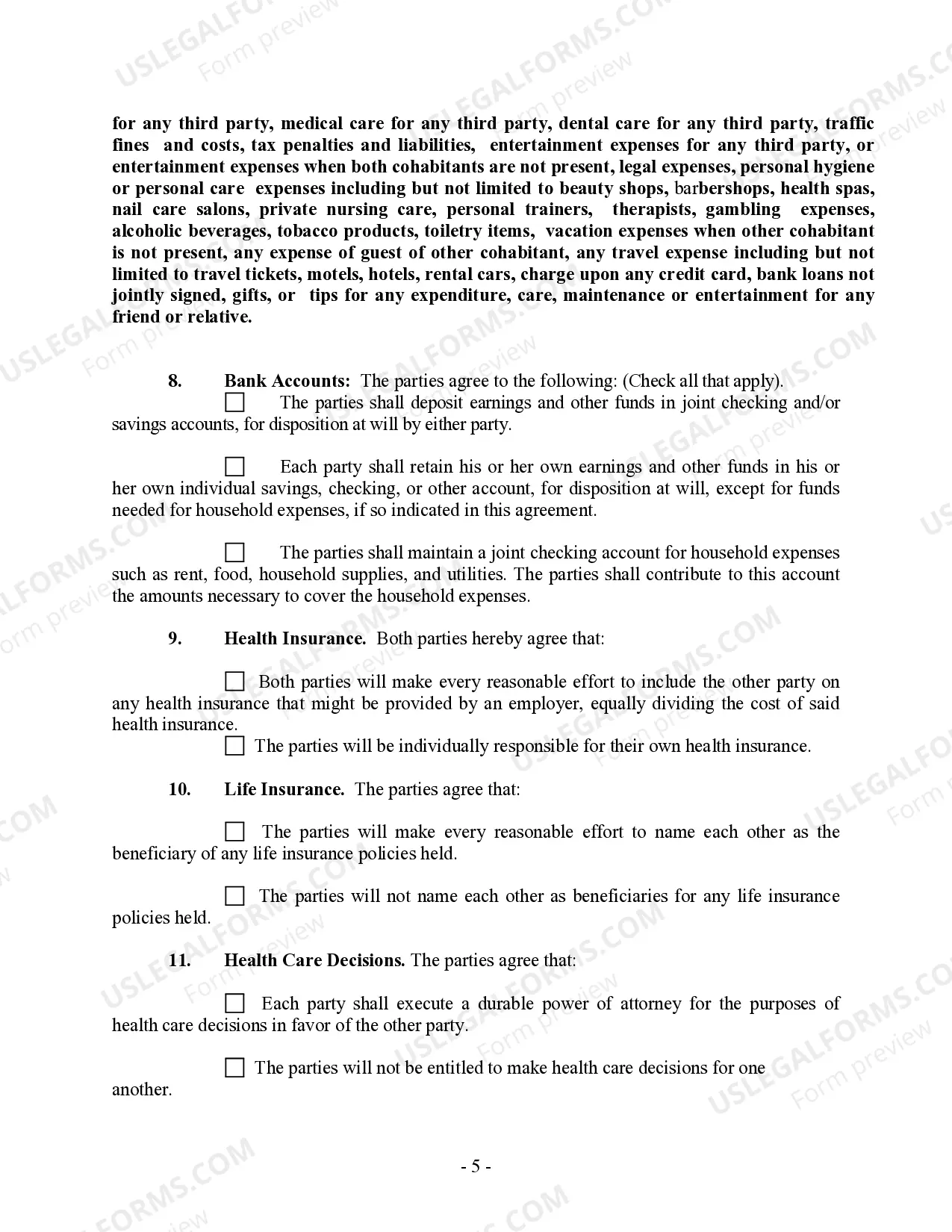
- Property Rights: Defines ownership of assets acquired before and during cohabitation.
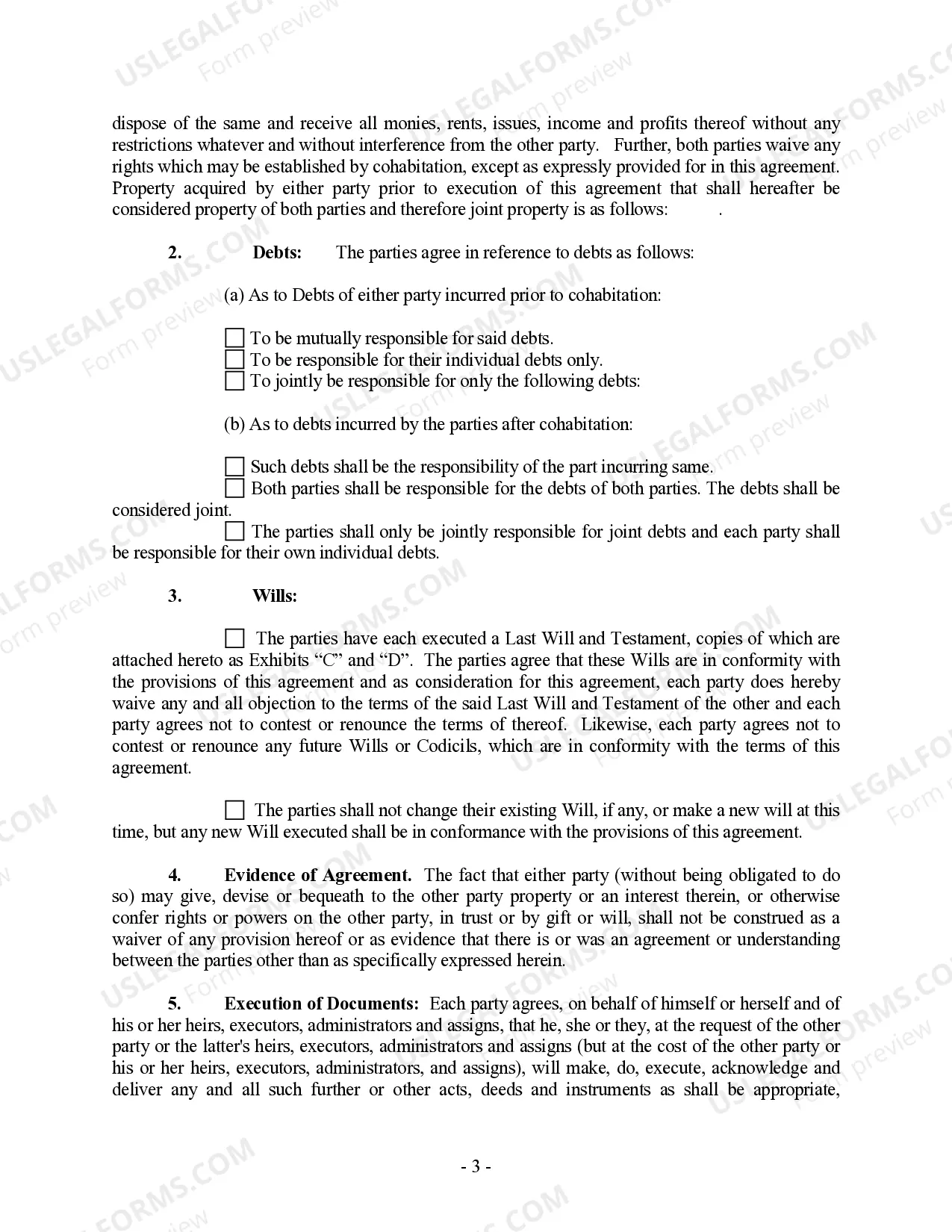
- Debts and Responsibilities: Details how debts incurred before and during cohabitation are managed.
- Wills and Estate Planning: Addresses how each party’s estate will be handled.
- Health Care Decisions: Outlines provisions for making health decisions in case of incapacity.
Legal use and context
This agreement is recognized under Colorado law and serves to provide legal protections similar to those afforded to married couples. It is important for cohabiting partners to understand that, despite living together, they do not have the same legal rights as married couples unless explicitly stated in the agreement. This document serves as evidence of the partners' intentions and can be useful in legal contexts such as property division or financial disputes.
Common mistakes to avoid when using this form
When completing the Colorado Non-Marital Cohabitation Living Together Agreement, keep the following common mistakes in mind:
- Not fully disclosing financial information between partners.
- Failing to review the agreement with legal counsel.
- Leaving necessary fields incomplete, which may lead to disputes later.
- Not addressing changes in circumstances, such as additional assets or children.
What to expect during notarization or witnessing
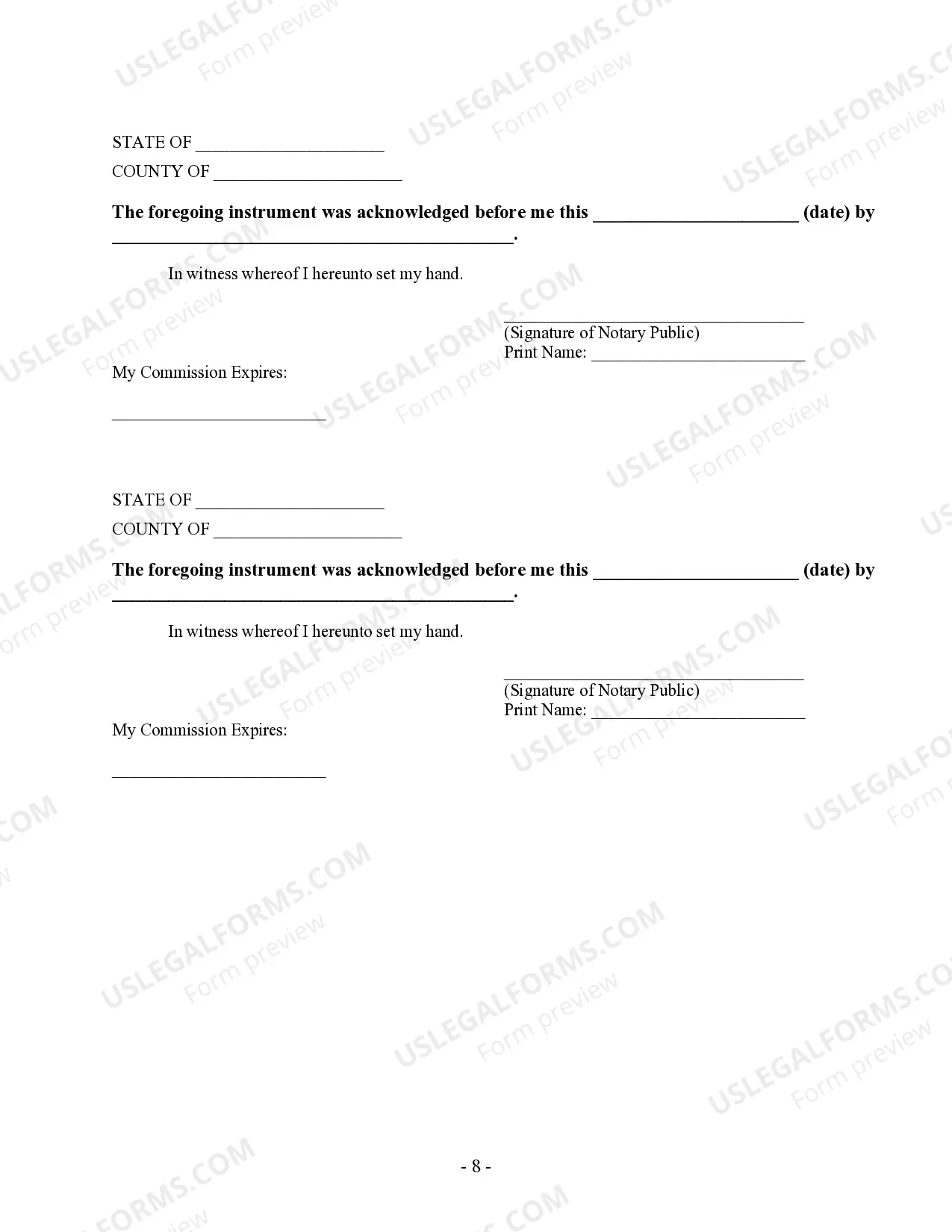
Notarization is often required to make the agreement legally binding. During this process, you should:
- Present the completed document to a notary public along with identification.
- Sign the agreement in the presence of the notary, who will then affix their signature and seal.
- Consider having a witness present, depending on your specific circumstances.
The notary will verify your identities and ensure that you understand the agreement before signing.





Form popularity
FAQ
The legal term for a couple living together without being married is cohabitation. This arrangement allows couples to stay together while enjoying some legal benefits. To enhance your security and define your shared living arrangement, consider a Colorado Non-Marital Cohabitation Living Together Agreement. This document can clarify your rights and help prevent misunderstandings in the future.
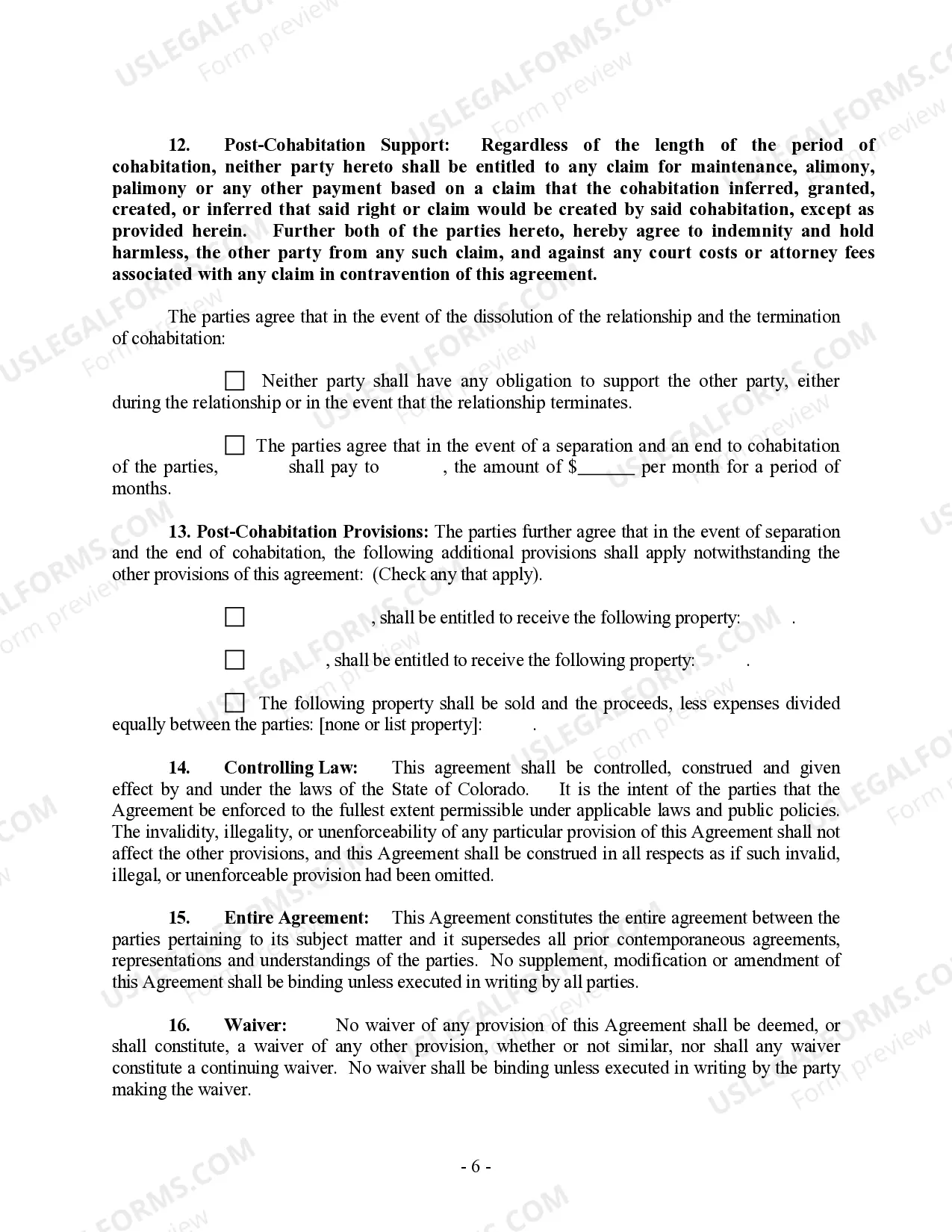
In Colorado, being in a relationship for several years does not automatically equate to being legally married, since the state does not recognize common-law marriage starting from 2020. However, if you and your partner have been living together and want legal recognition, you should consider drafting a Colorado Non-Marital Cohabitation Living Together Agreement. This agreement outlines your roles and responsibilities and offers important protections.
When you live with your partner without being married, this arrangement is commonly referred to as cohabitation. Cohabitating couples can enjoy similar rights and benefits to married couples, but it’s important to establish a legal agreement to protect both parties. A Colorado Non-Marital Cohabitation Living Together Agreement offers legal clarity and safeguards for your living situation.
In Colorado, there is no specific duration required to establish a common-law marriage, as the state does not recognize it for new couples anymore. Instead, if you claim a common-law marriage that began before the 2020 law change, it must meet the criteria of intent to be married and cohabitation. If you are living together and wish to formalize your relationship, a Colorado Non-Marital Cohabitation Living Together Agreement can help define your rights and responsibilities.
Cohabitation laws in Colorado govern the legal recognition of unmarried couples living together. While Colorado does not offer formal rights to unmarried partners, a Colorado Non-Marital Cohabitation Living Together Agreement helps protect interests related to shared property and finances. Understanding these laws is essential for maintaining a healthy relationship and minimizing legal risks. Platforms like US Legal Forms can guide you in creating comprehensive agreements based on current laws.
Yes, if you are living with your boyfriend, it’s wise to include cohabitation details in your agreement. This ensures that both partners understand their rights and duties within the relationship. A Colorado Non-Marital Cohabitation Living Together Agreement should clarify responsibilities regarding shared assets and liabilities. This clarity can help prevent conflicts and provide protection for both parties.
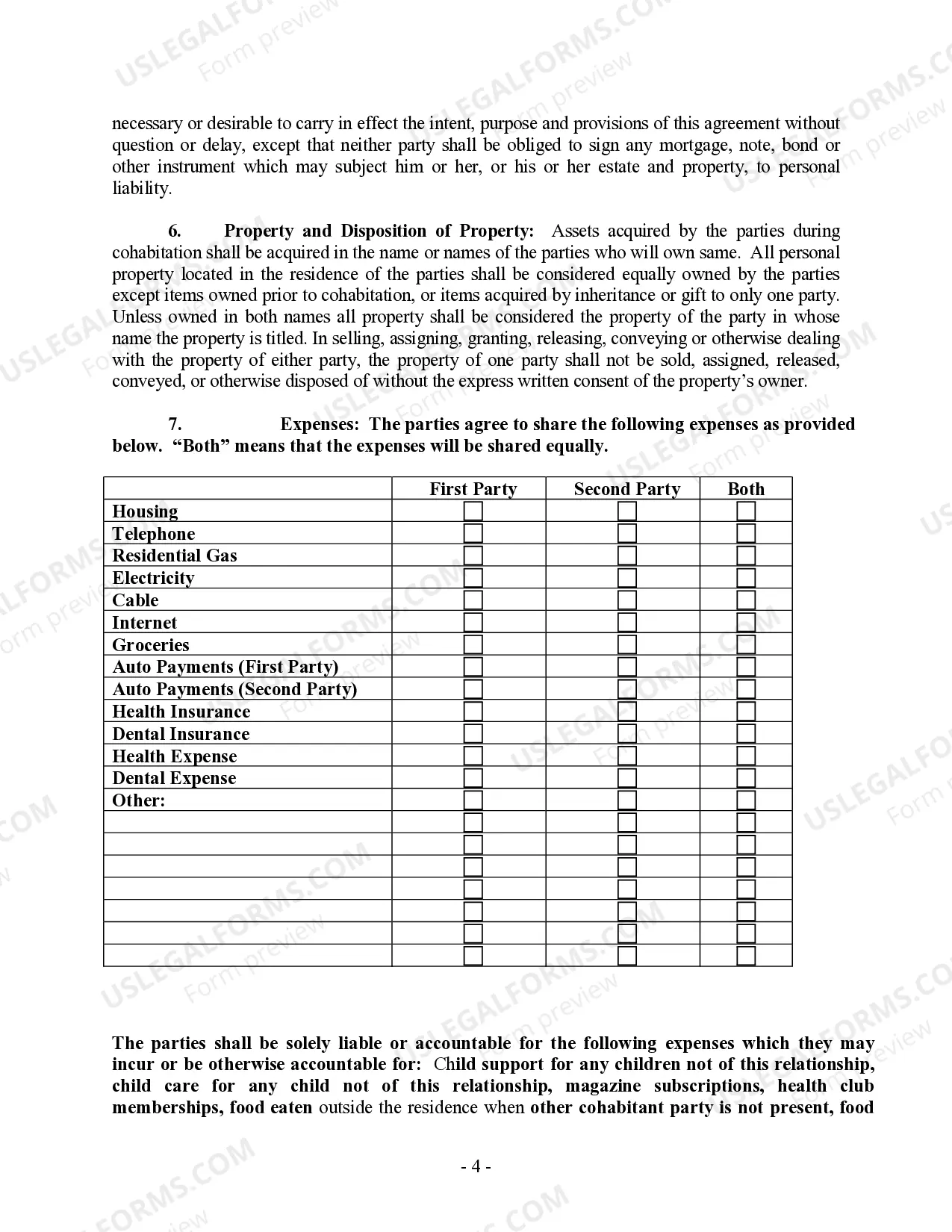
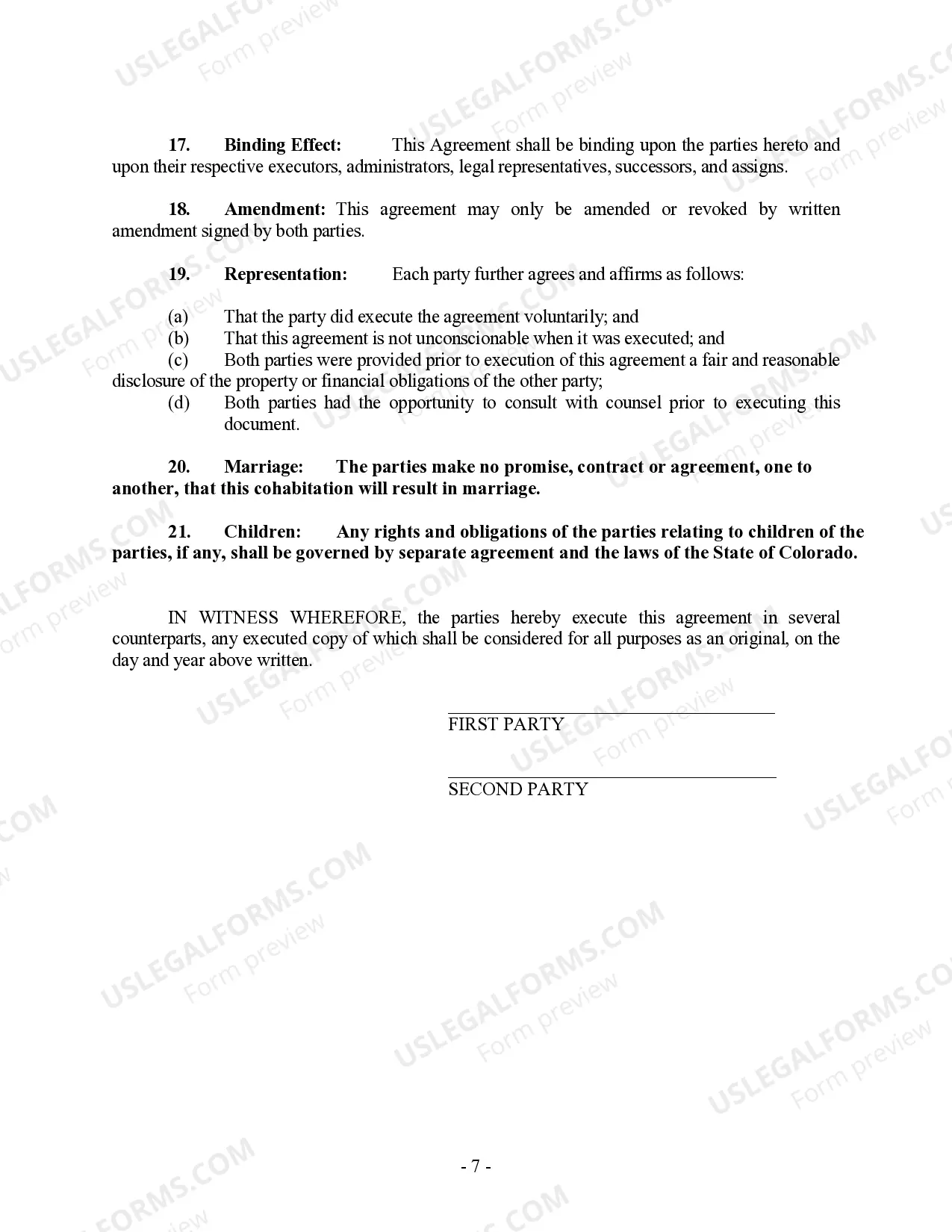
To write a Colorado Non-Marital Cohabitation Living Together Agreement, start by clearly stating both parties' names and the date. Outline each partner's financial responsibilities, property ownership, and what happens if the relationship ends. Ensure the document is thorough but straightforward, addressing key aspects like shared expenses and dispute resolution. For a polished and legally sound agreement, consider using platforms like US Legal Forms to find templates tailored to Colorado.
In Colorado, there is no specific duration required to establish a common law marriage, which some may associate with a Colorado Non-Marital Cohabitation Living Together Agreement. Instead, the focus lies on the couple’s intent to be married and their conduct as a married couple. This means that you do not need to meet a time limit, but rather demonstrate a mutual agreement and cohabitation, often with shared responsibilities. For those navigating this complex area of law, considering a Colorado Non-Marital Cohabitation Living Together Agreement can provide clarity and protection.
Cohabitation law in Colorado does not automatically grant the same rights as marriage. Instead, it focuses on the agreements made between partners regarding financial responsibilities, property ownership, and other key aspects of their shared life. If you wish to solidify your cohabitation arrangement, consider crafting a Colorado Non-Marital Cohabitation Living Together Agreement. This document is instrumental in outlining your rights and responsibilities clearly.
The cohabitation rights in Colorado primarily revolve around property and financial agreements. While unmarried couples do not have all the rights that married couples enjoy, creating a Colorado Non-Marital Cohabitation Living Together Agreement can help establish clear expectations for both parties. This agreement can address property division, financial obligations, and even child custody arrangements, ensuring both partners feel secure.