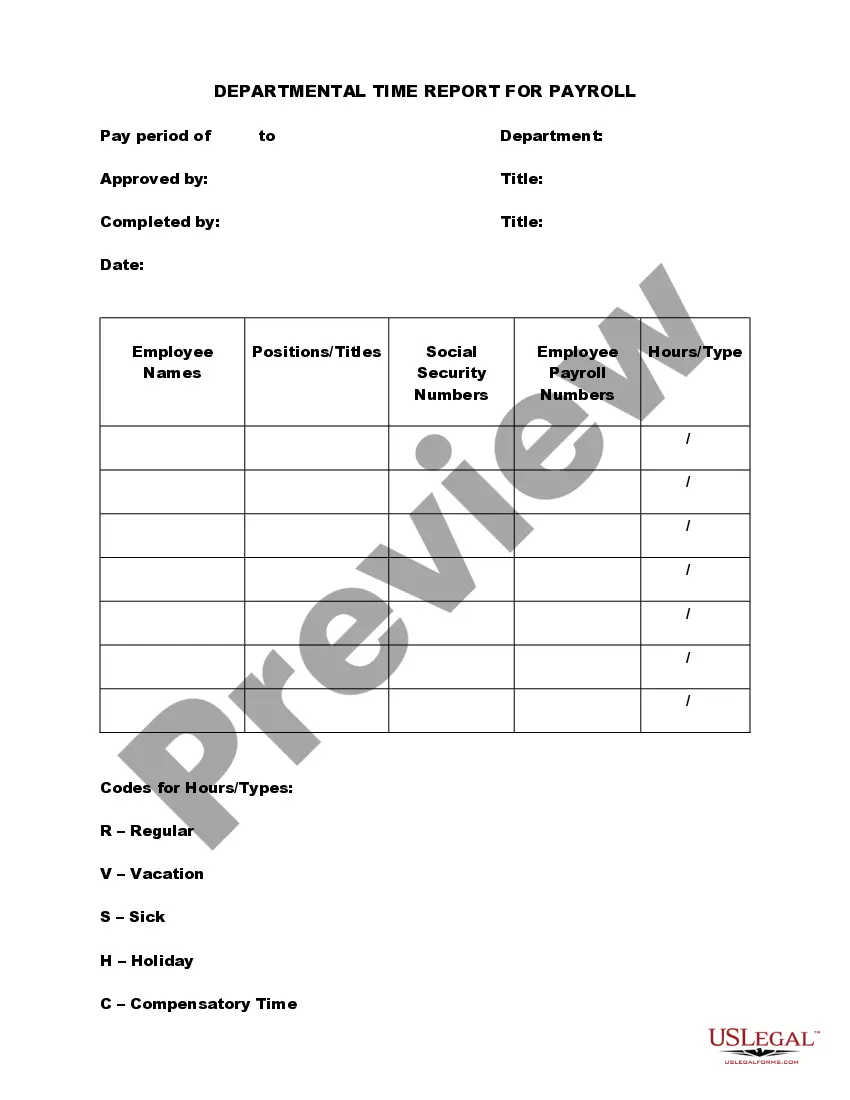
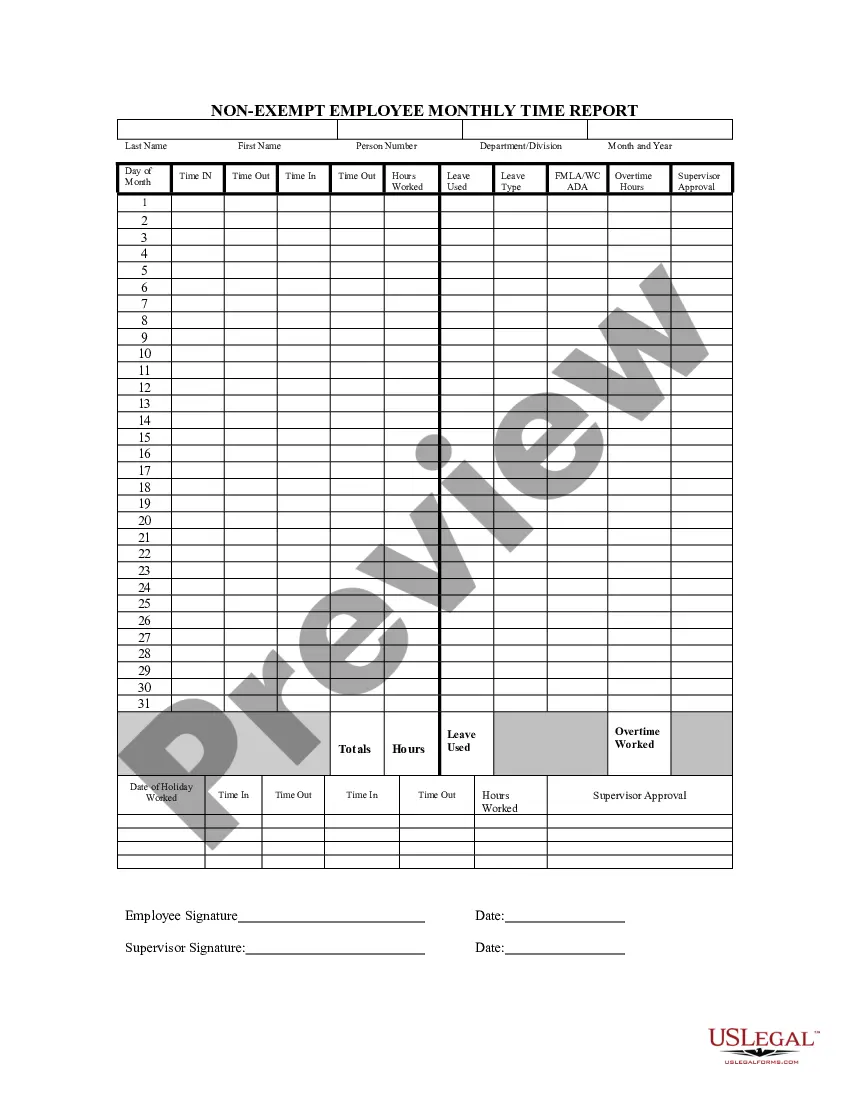
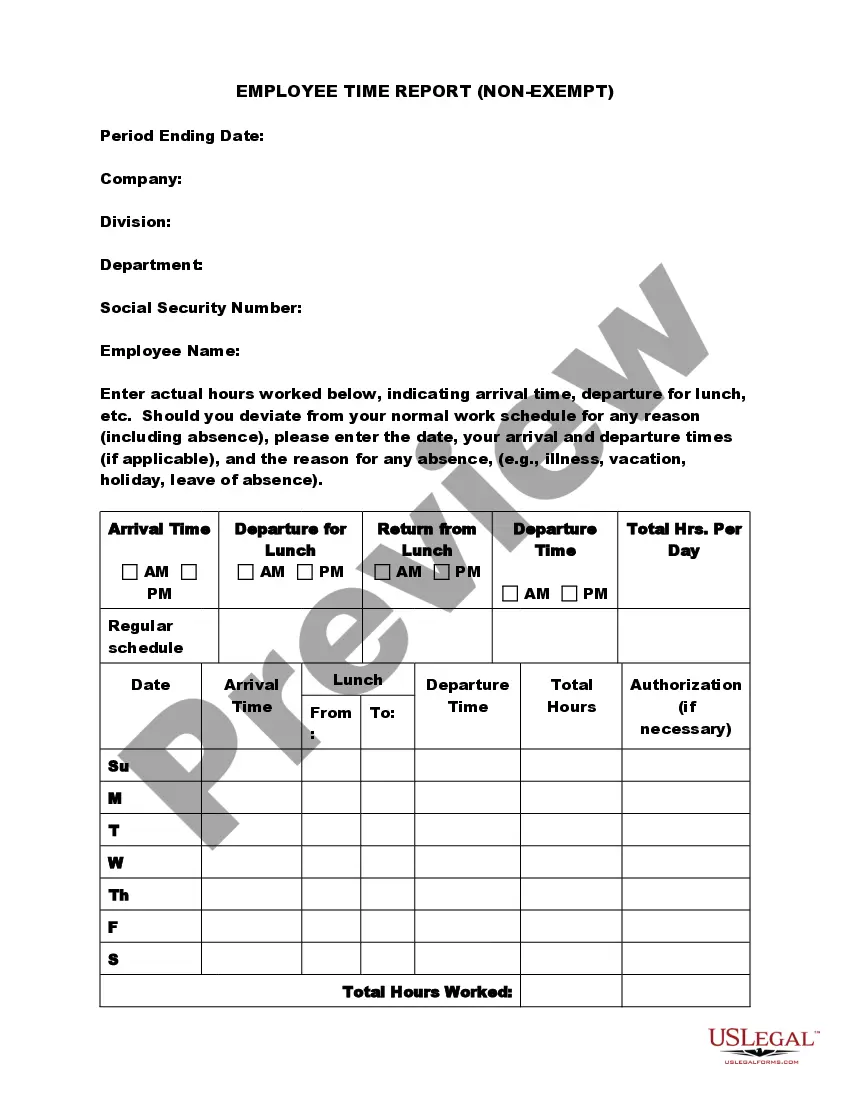
California Department Time Report for Payroll
Description
Get your form ready online
Our built-in tools help you complete, sign, share, and store your documents in one place.
Make edits, fill in missing information, and update formatting in US Legal Forms—just like you would in MS Word.
Download a copy, print it, send it by email, or mail it via USPS—whatever works best for your next step.
Sign and collect signatures with our SignNow integration. Send to multiple recipients, set reminders, and more. Go Premium to unlock E-Sign.
If this form requires notarization, complete it online through a secure video call—no need to meet a notary in person or wait for an appointment.
We protect your documents and personal data by following strict security and privacy standards.

Make edits, fill in missing information, and update formatting in US Legal Forms—just like you would in MS Word.

Download a copy, print it, send it by email, or mail it via USPS—whatever works best for your next step.

Sign and collect signatures with our SignNow integration. Send to multiple recipients, set reminders, and more. Go Premium to unlock E-Sign.

If this form requires notarization, complete it online through a secure video call—no need to meet a notary in person or wait for an appointment.

We protect your documents and personal data by following strict security and privacy standards.
Looking for another form?





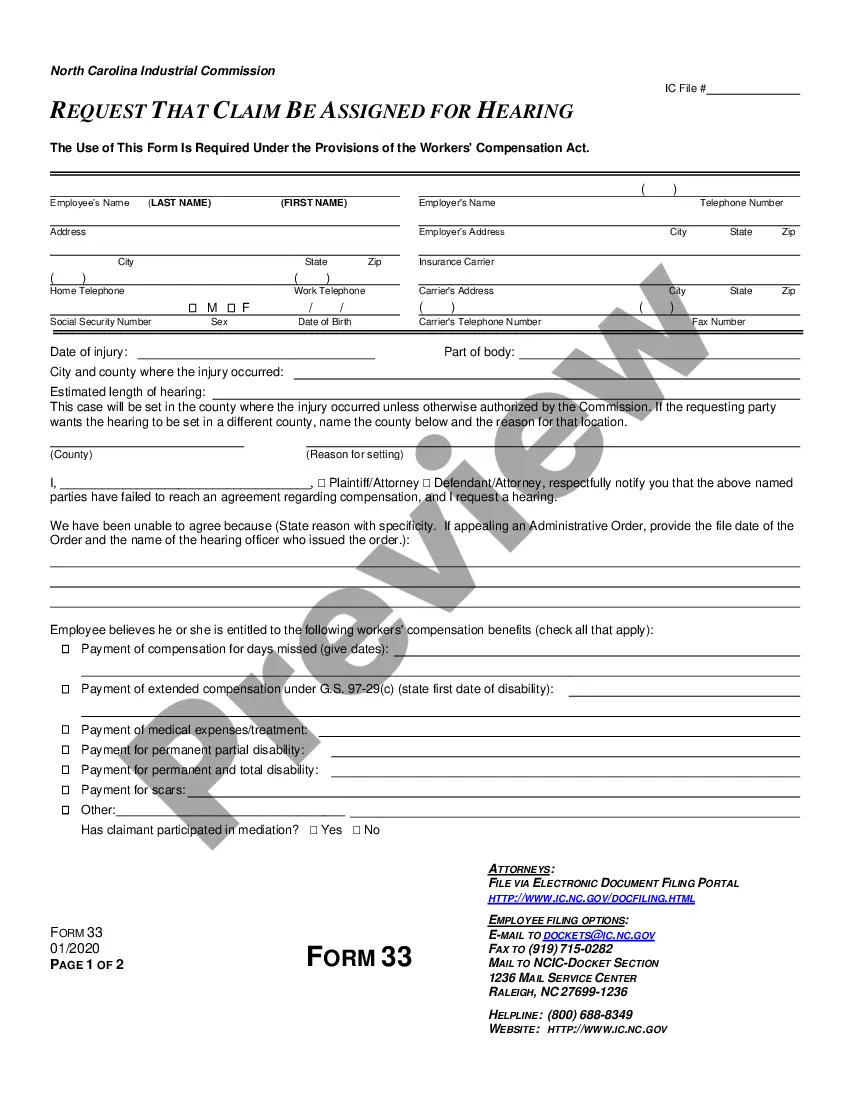

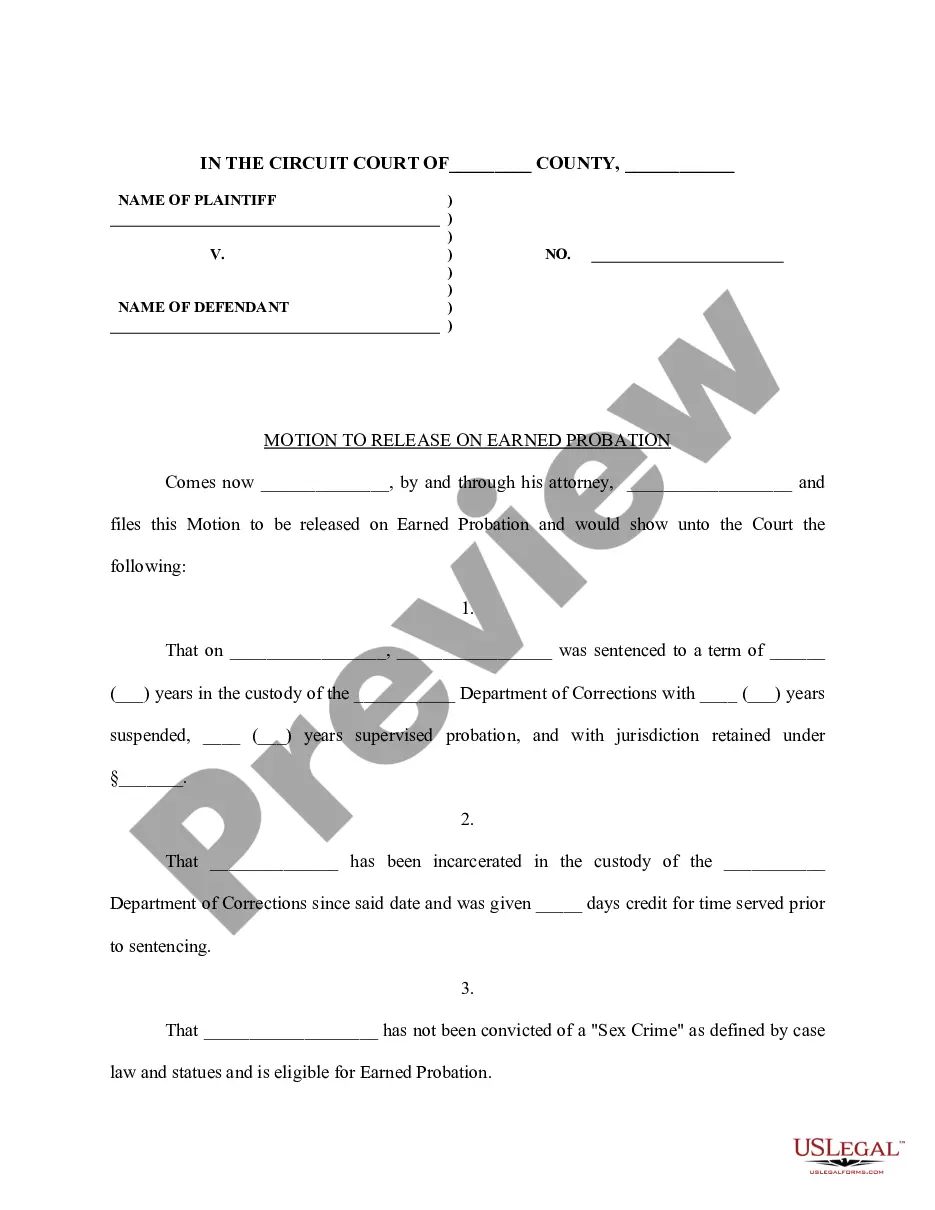
How to fill out Department Time Report For Payroll?
You might spend numerous hours online looking for the legal document template that meets the state and federal requirements you need.
US Legal Forms offers thousands of legal documents that can be reviewed by professionals.
You can download or print the California Department Time Report for Payroll from my service.
If available, use the Review option to browse through the document template as well. To find another version of the form, use the Search box to locate the template that suits your needs and requirements.
- If you already have a US Legal Forms account, you can Log In and select the Acquire option.
- After that, you can fill out, modify, print, or sign the California Department Time Report for Payroll.
- Every legal document template you purchase is yours permanently.
- To obtain another copy of the purchased form, go to the My documents tab and click the respective option.
- If you are using the US Legal Forms site for the first time, follow the basic instructions below.
- First, make sure you have chosen the correct document template for your region/town.
- Check the form summary to confirm you have selected the correct form.
Form popularity
FAQ
As set forth below, the Wage Orders require time records shall be kept on file by the employer for at least three years at the place of employment or at a central location within the State of California. Therefore, employers should consider maintaining a copy of employee time records, either electronically or on
All California employees who report for work are entitled to be paid for half of their scheduled shifts. The Reporting Time Pay must be at least two hours, but no more than four hours of pay at the employee's regular rate of pay.
California wage-and-hour law clearly states that any hour an employee spends performing work on behalf of the organization, or work that the organization knew or had reason to know was being performed by the employee, is considered hours worked and therefore deemed compensable time, regardless of where the work was
(Labor Code Section 226(a)(7)) The following information is required to be on your itemized statement: Gross wages earned. Total hours worked (not required for salaried exempt employees) The number of piece-rate units earned and any applicable piece rate if the employee is paid on a piece rate basis.
If the employer sends or receives an email or text message, or receives or places a call to an employee after hours that is related to the employee's work, the employer is responsible for payment of any overtime incurred, even if that communication is contrary to a written policy forbidding employees from working
1. Are employers required to use a particular type of timekeeping system? California law does not require the use of any electronic type of timekeeping system or time clocks. Employers may elect to use paper and pen in recording an employee's time.
In California, there are no mandatory grace periods. But as an employer you may choose to provide an employee with a 10 minute grace period for when they clock out. This grace period is voluntary and you've done so to grant employees flexibility when clocking in and out.
All nonexempt employees are required to accurately record hours worked. Unless otherwise notified, employees are required to accurately record their work time through the use of a time card, an electronic time-keeping system or a handwritten record.
A. "Reporting time pay is a form of wages that compensate employees who are scheduled to report to work but who are not put to work or furnished with less than half of their usual or scheduled day's work because of inadequate scheduling or lack of proper notice by the employer.