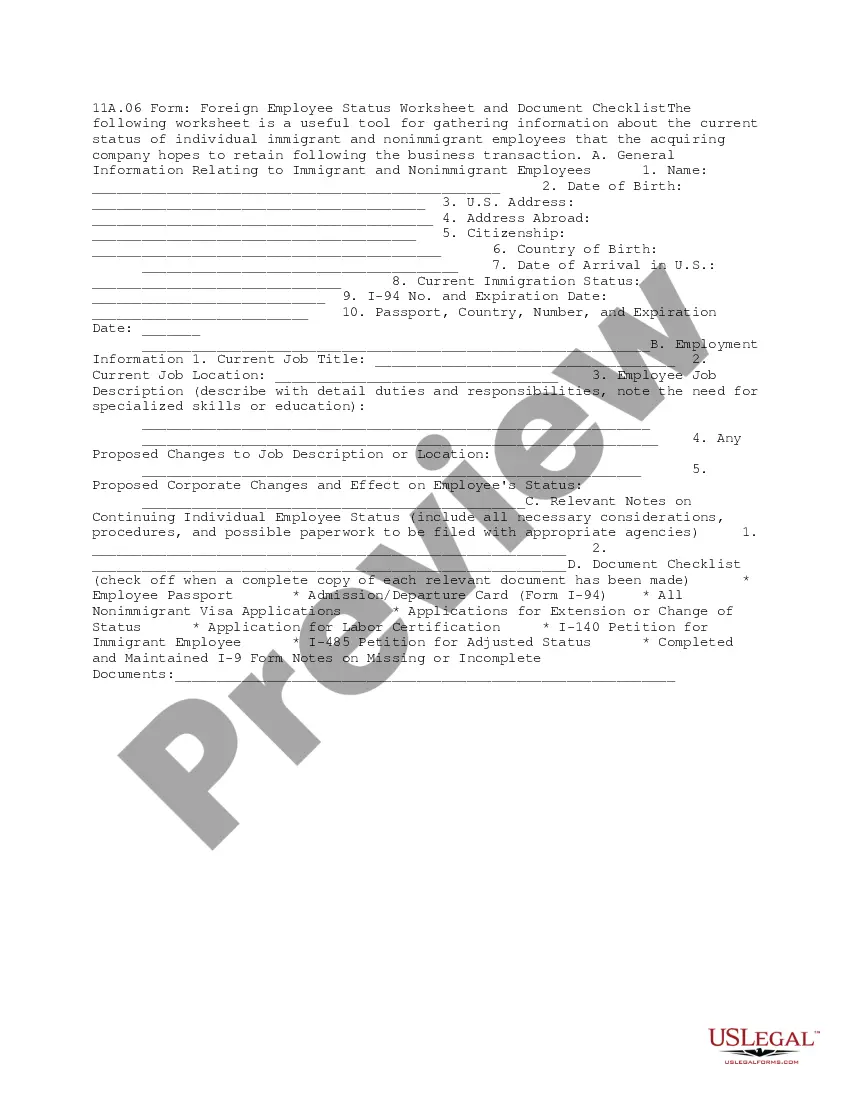
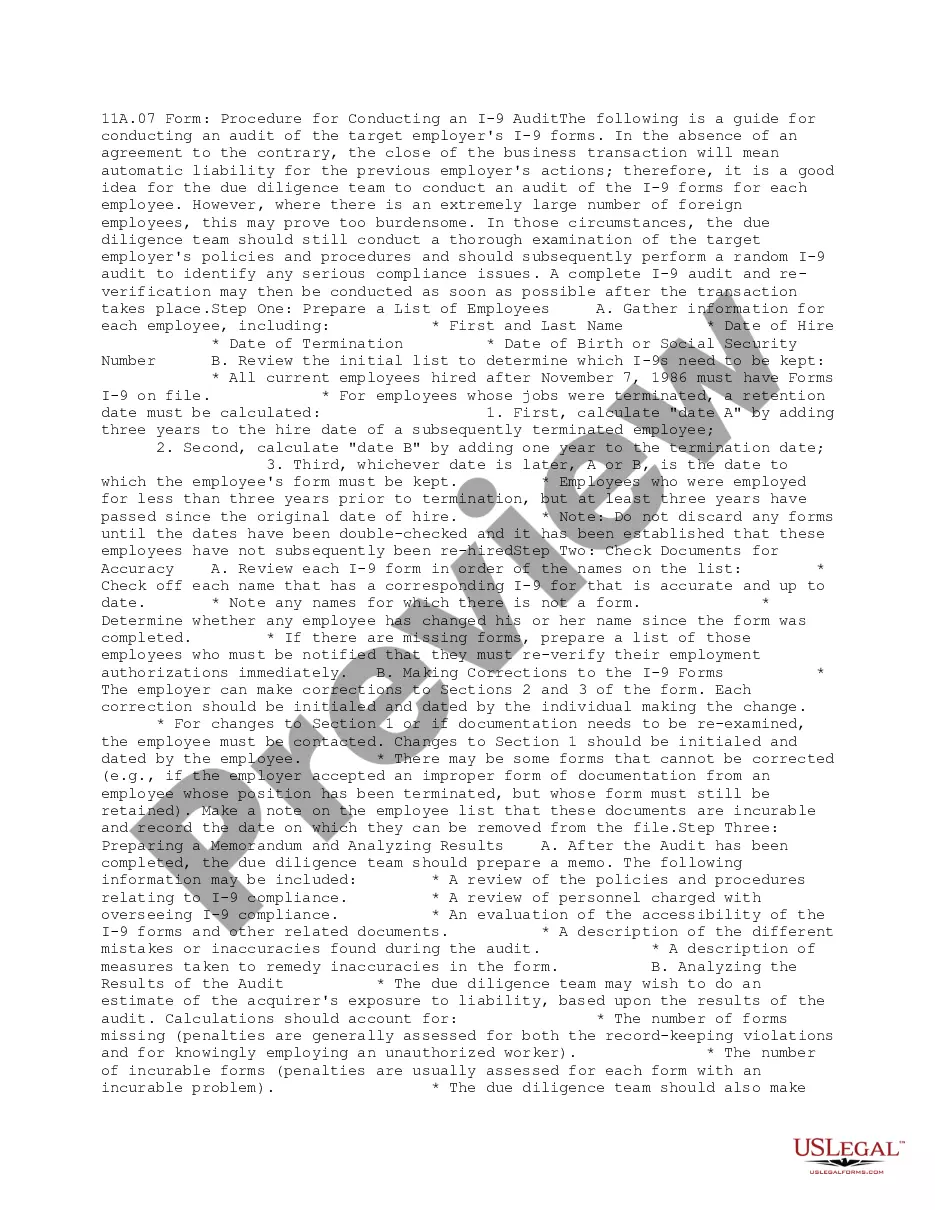
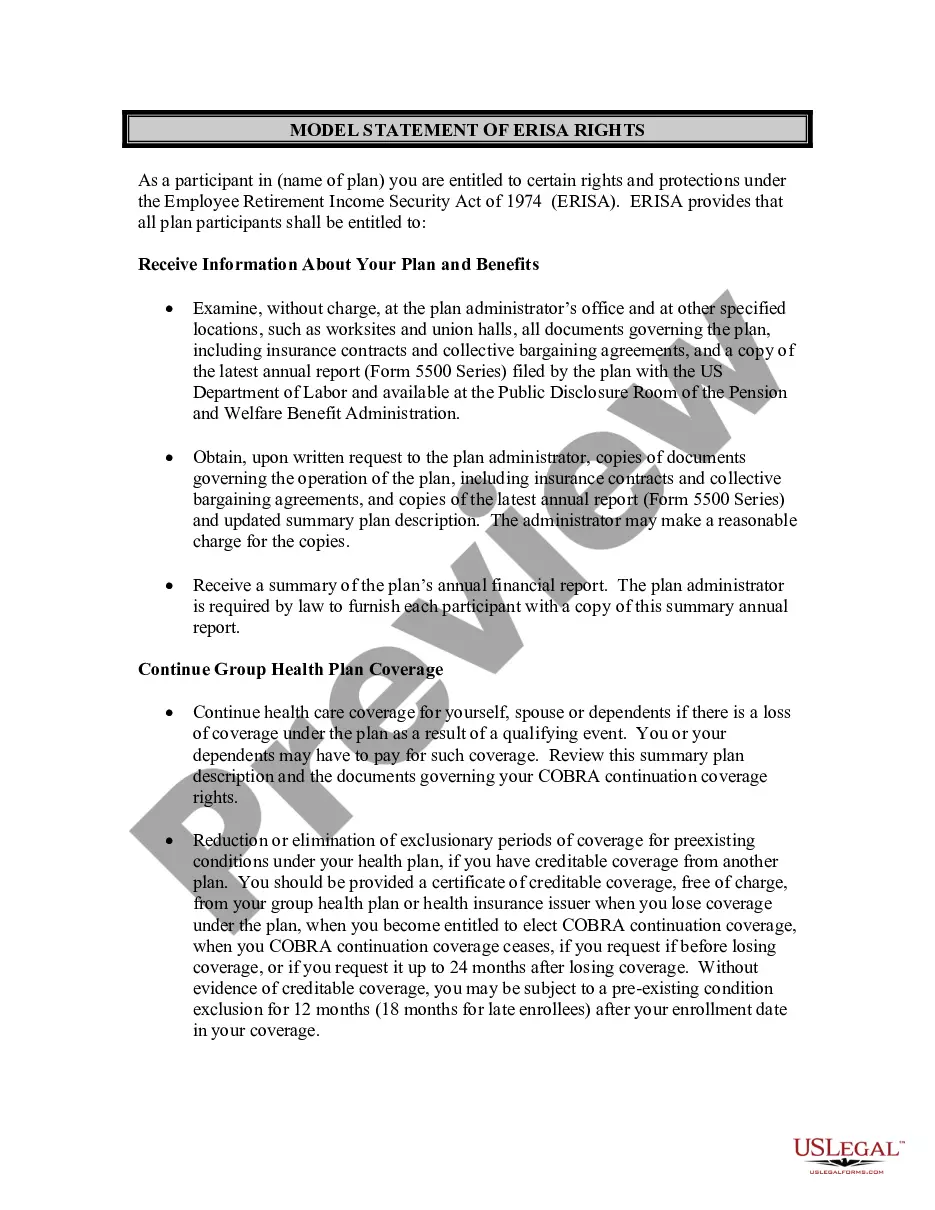
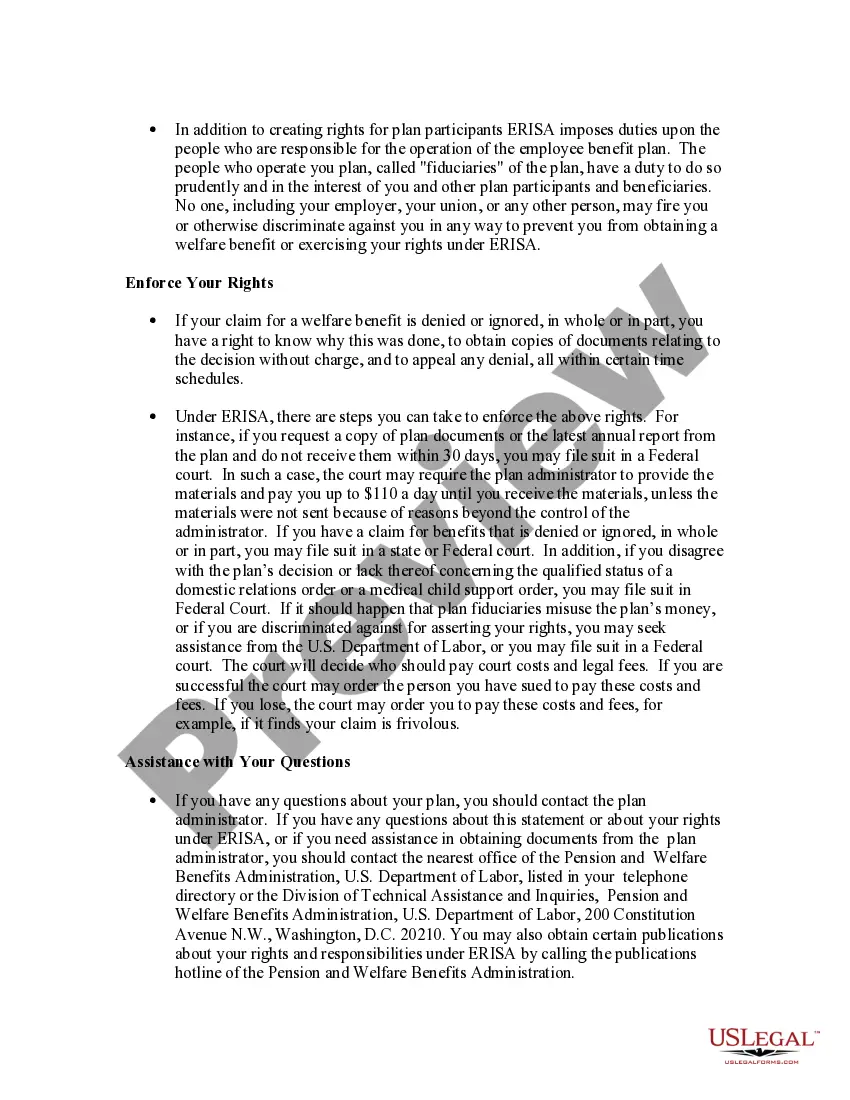
California Model Statement of ERISA Rights
Description
Get your form ready online
Our built-in tools help you complete, sign, share, and store your documents in one place.
Make edits, fill in missing information, and update formatting in US Legal Forms—just like you would in MS Word.
Download a copy, print it, send it by email, or mail it via USPS—whatever works best for your next step.
Sign and collect signatures with our SignNow integration. Send to multiple recipients, set reminders, and more. Go Premium to unlock E-Sign.
If this form requires notarization, complete it online through a secure video call—no need to meet a notary in person or wait for an appointment.
We protect your documents and personal data by following strict security and privacy standards.

Make edits, fill in missing information, and update formatting in US Legal Forms—just like you would in MS Word.

Download a copy, print it, send it by email, or mail it via USPS—whatever works best for your next step.

Sign and collect signatures with our SignNow integration. Send to multiple recipients, set reminders, and more. Go Premium to unlock E-Sign.

If this form requires notarization, complete it online through a secure video call—no need to meet a notary in person or wait for an appointment.

We protect your documents and personal data by following strict security and privacy standards.
Looking for another form?
How to fill out Model Statement Of ERISA Rights?
Selecting the ideal valid document template can be challenging.
Clearly, there are numerous templates accessible on the internet, but how can you find the legitimate form you need.
Utilize the US Legal Forms website.
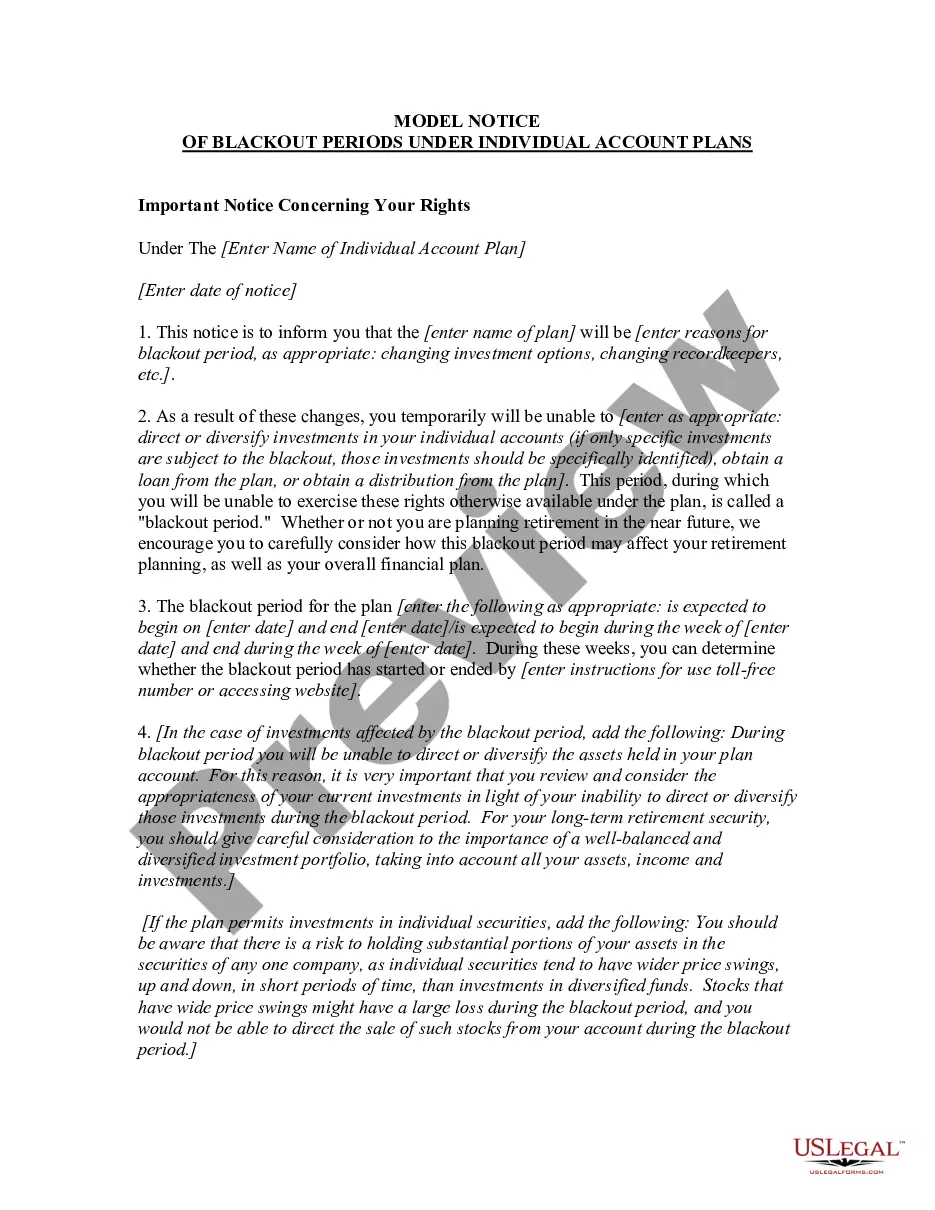
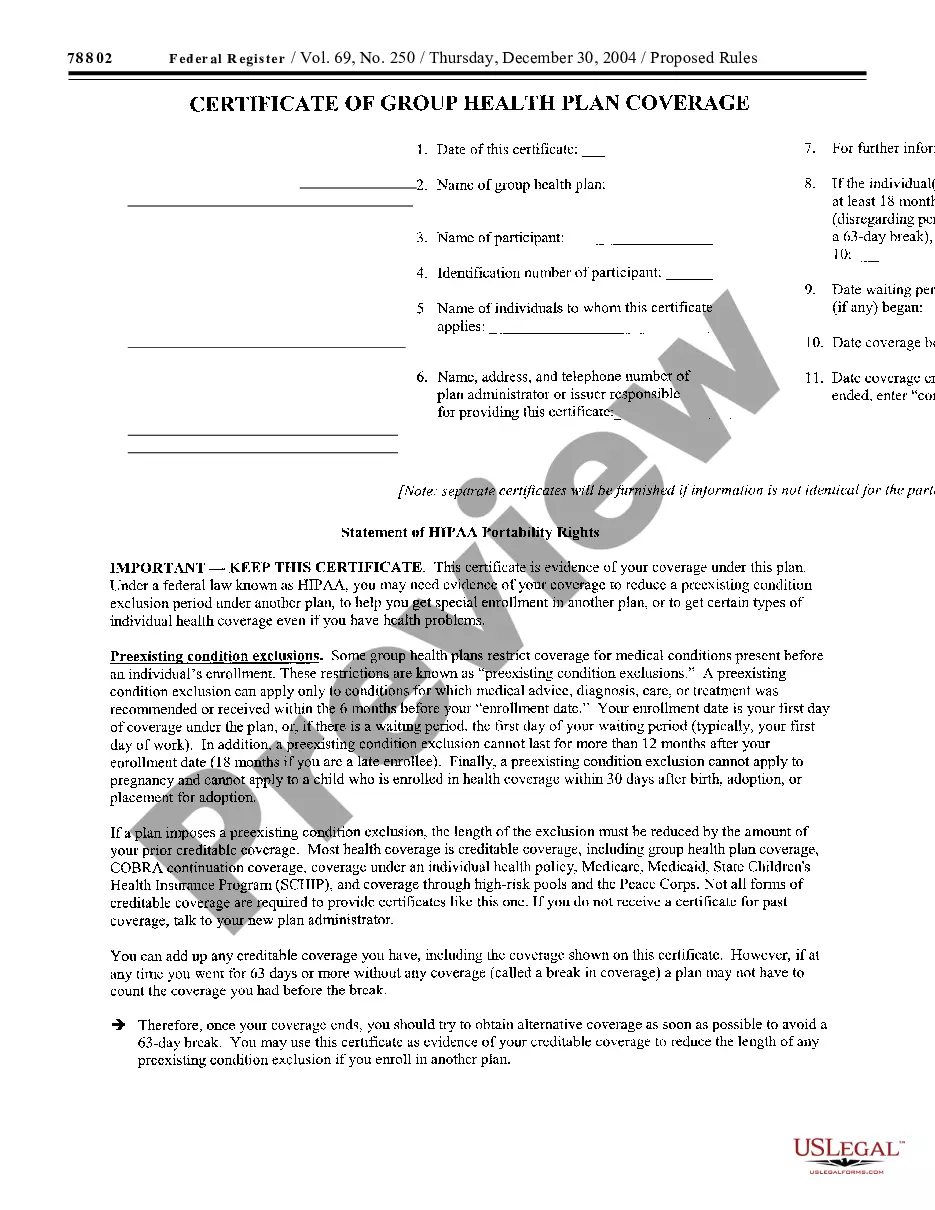
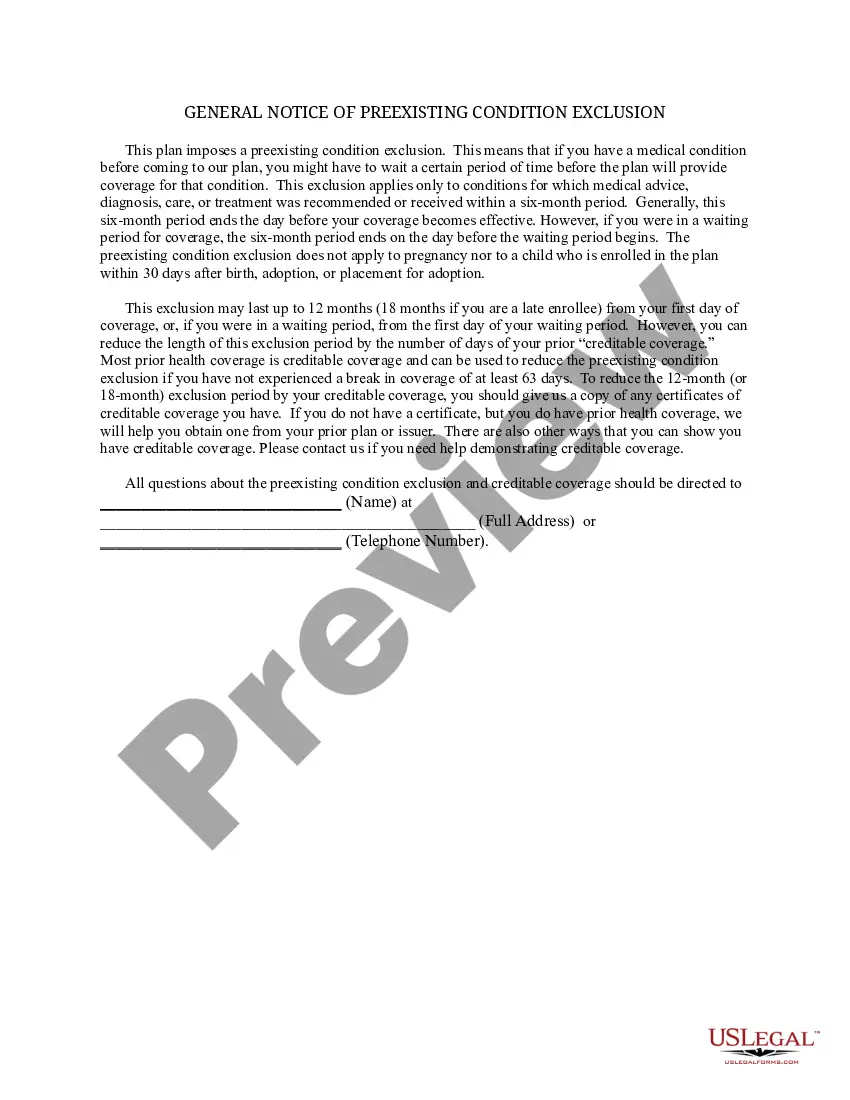
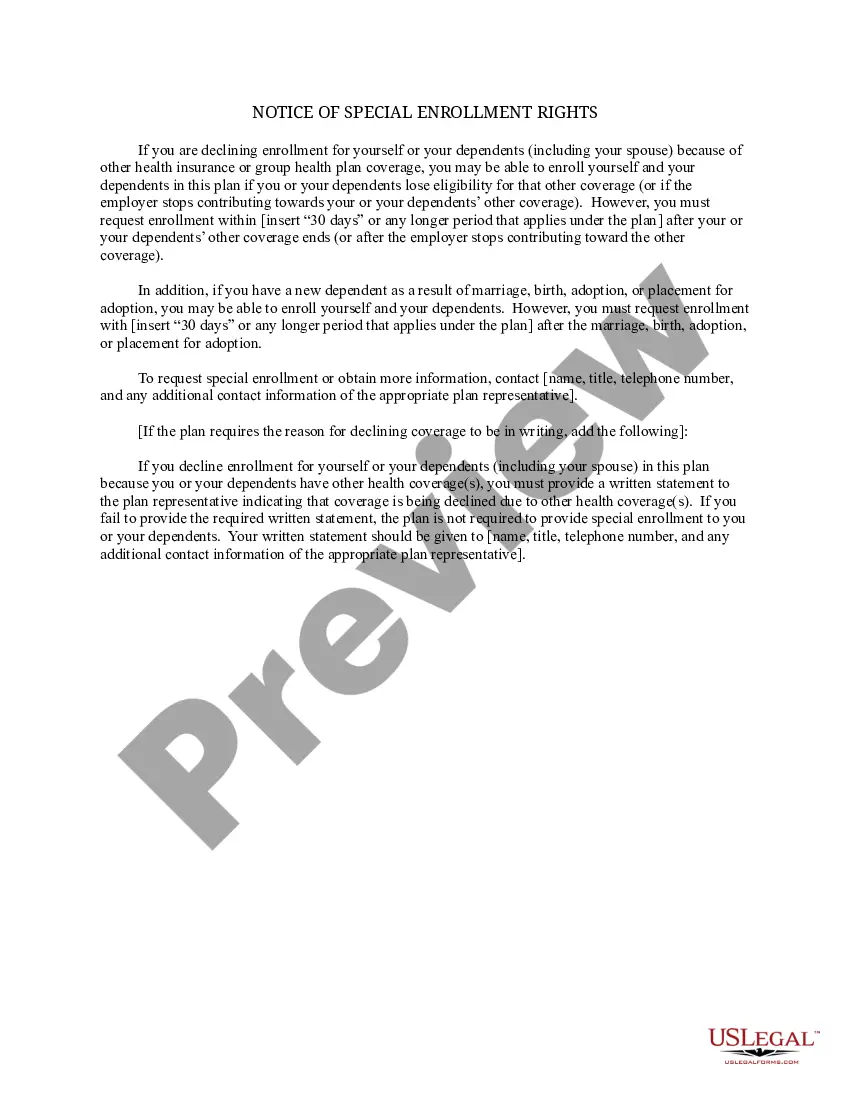
For new users of US Legal Forms, here are simple instructions to follow: First, ensure you have selected the accurate form for your city or county. You can review the form using the Preview button and read the form details to confirm it meets your needs.
- The service offers a plethora of templates, such as the California Model Statement of ERISA Rights, which can be used for both business and personal purposes.
- All forms are vetted by professionals and comply with state and federal regulations.
- If you are currently registered, sign in to your account and click the Download button to obtain the California Model Statement of ERISA Rights.
- Leverage your account to browse the legal forms you have acquired in the past.
- Proceed to the My documents section of your account to get an additional copy of the document you require.
Form popularity
FAQ
California ERISA, or the Employee Retirement Income Security Act, provides essential protections for employees regarding their retirement and health benefit plans. It sets standards for plan administration, ensuring that your benefits are secure and your rights are protected. The California Model Statement of ERISA Rights outlines these rights, making it important for you to understand your entitlements and protections.
The Employee Retirement Income Security Act of 1974 (ERISA) is a federal law that sets minimum standards for most voluntarily established retirement and health plans in private industry to provide protection for individuals in these plans.
Examples of ERISA Health and Retirement PlansWelfare benefit plans, including medical, dental, life insurance, apprenticeship and training, scholarship funds, severance pay, and disability insurance. Pension plans, profit-sharing plans, stock bonus plans, money purchase plans, and 401(k) plans.
ERISA requires plans to provide participants with plan information including important information about plan features and funding; sets minimum standards for participation, vesting, benefit accrual and funding; provides fiduciary responsibilities for those who manage and control plan assets; requires plans to
ERISA requires a formal written plan document, a summary plan description (SPD), and a summary of benefits & coverage (SBC). Each of these requirements is discussed in more detail below. A formal plan document is required for every ERISA plan.
A letter to Seller in the form of Exhibit C attached hereto duly executed by Purchaser, confirming that Purchaser is not acquiring the Property with the assets of an employee benefit plan as defined in Section 3(3) of the Employee Retirement Income Security Act of 1974 ("ERISA"); ERISA Letter.
Federal law (ERISA) requires that employers provide certain documents relating to their employee benefit plans to the people who are covered by the plans.
What Does ERISA Cover? Plans that are covered under ERISA include employer-sponsored retirement plans, such as 401(k)s, pensions, deferred compensation plans, and profit-sharing plans. ERISA also covers certain non-retirement plans like HMOs, FSAs, disability insurance, and life insurance.
ERISA protects the interests of employee benefit plan participants and their beneficiaries. It requires plan sponsors to provide plan information to participants. It establishes standards of conduct for plan managers and other fiduciaries.
The Employee Retirement Income Security Act (ERISA) requires plan administrators the people who run plans to give plan participants in writing the most important facts they need to know about their retirement and health benefit plans including plan rules, financial information, and documents on the operation and