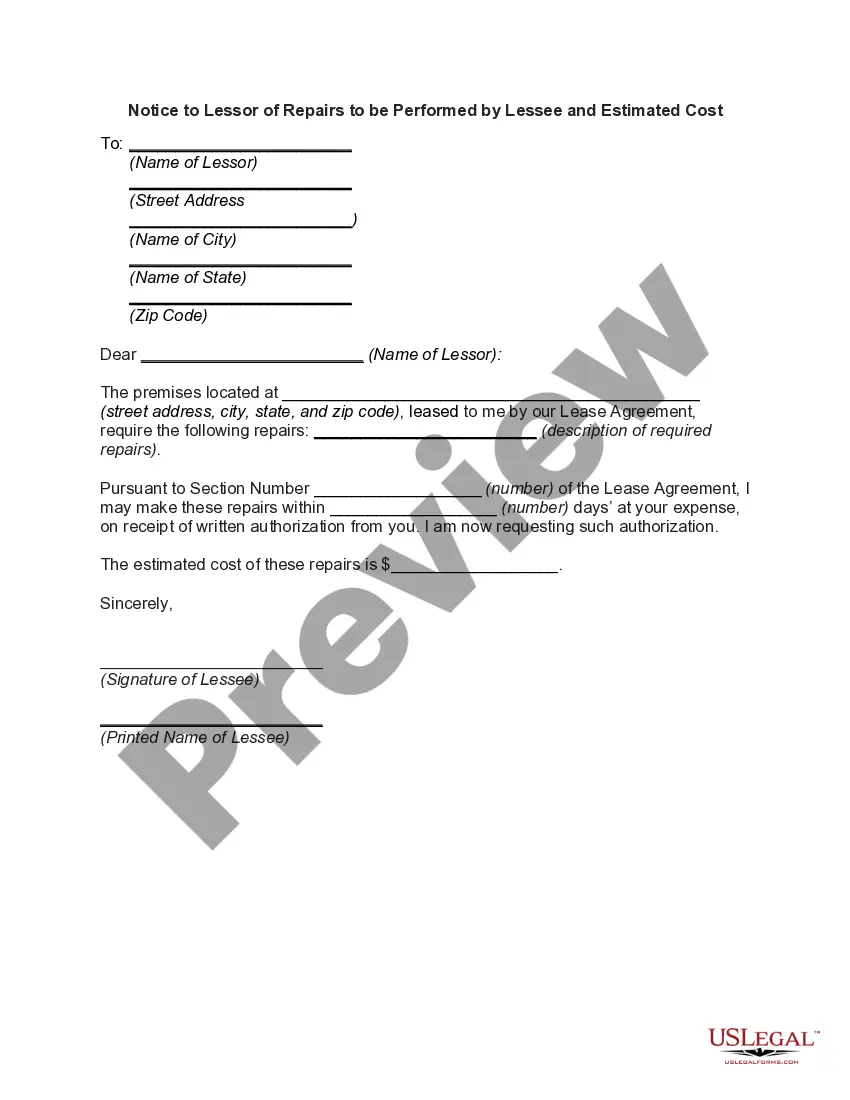
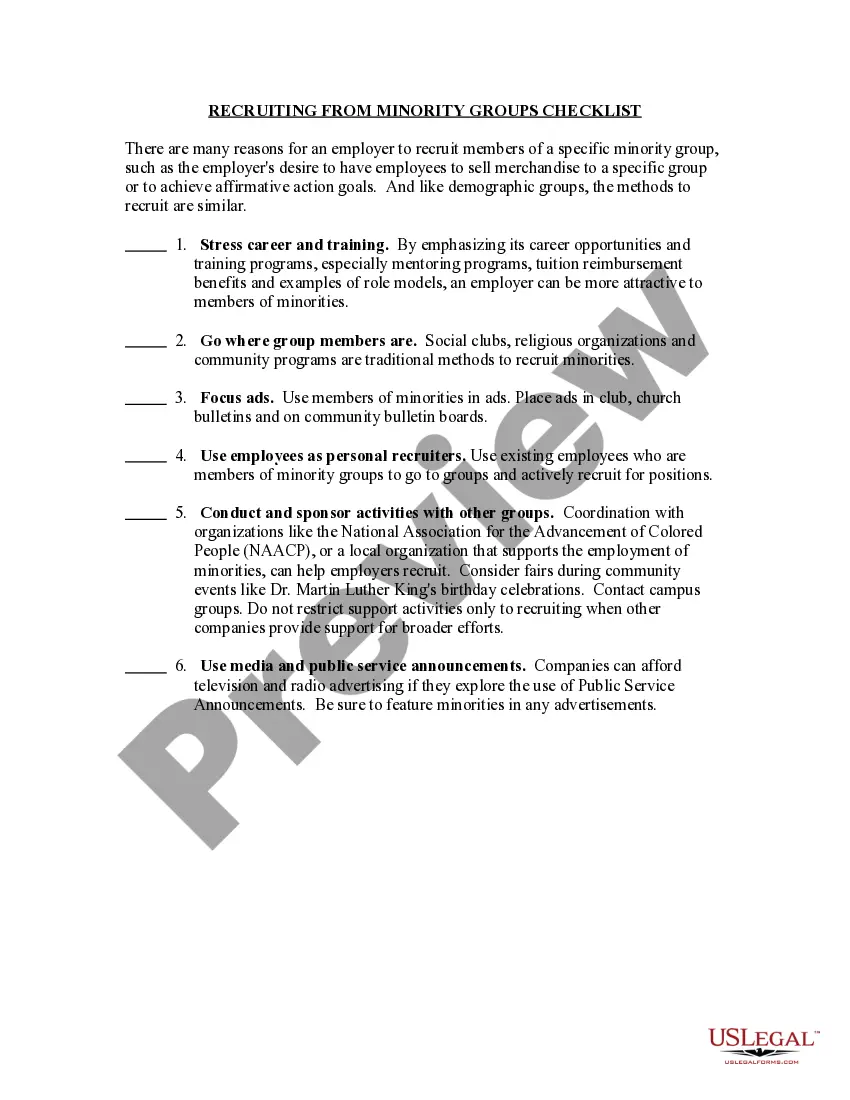
California Recruiting from Minority Groups Checklist
Description
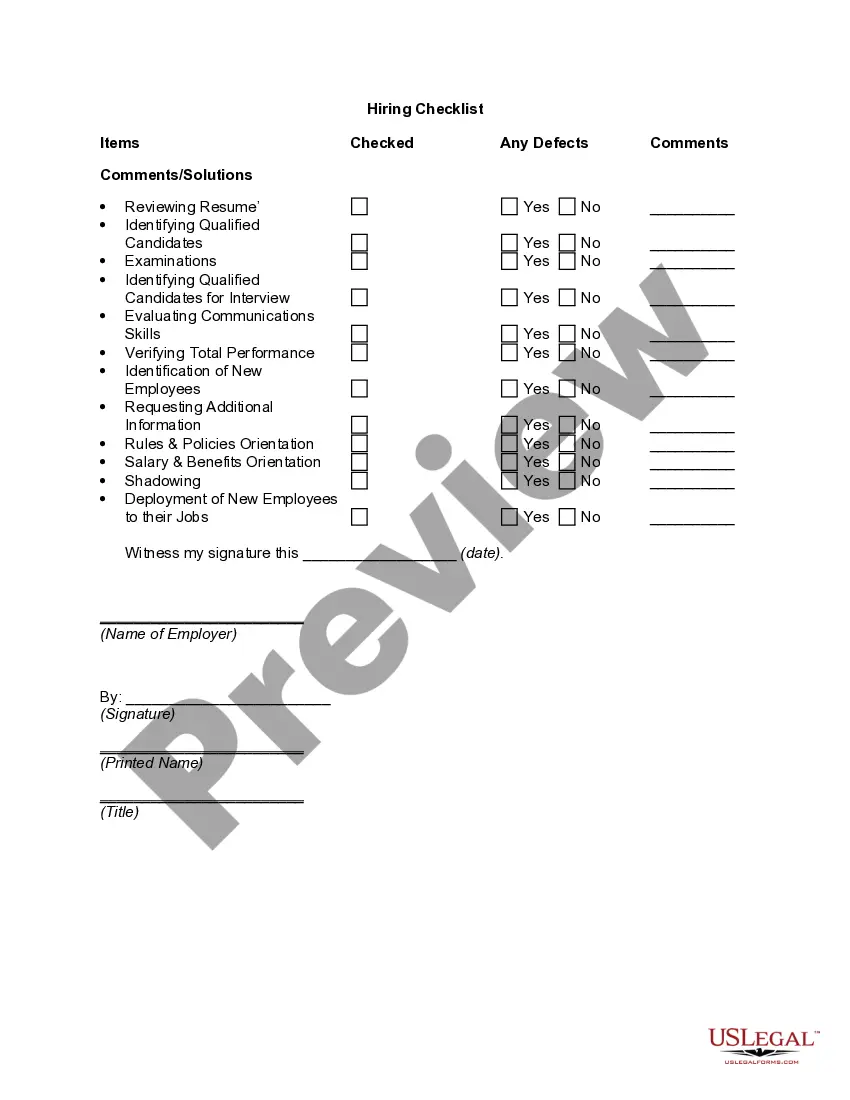
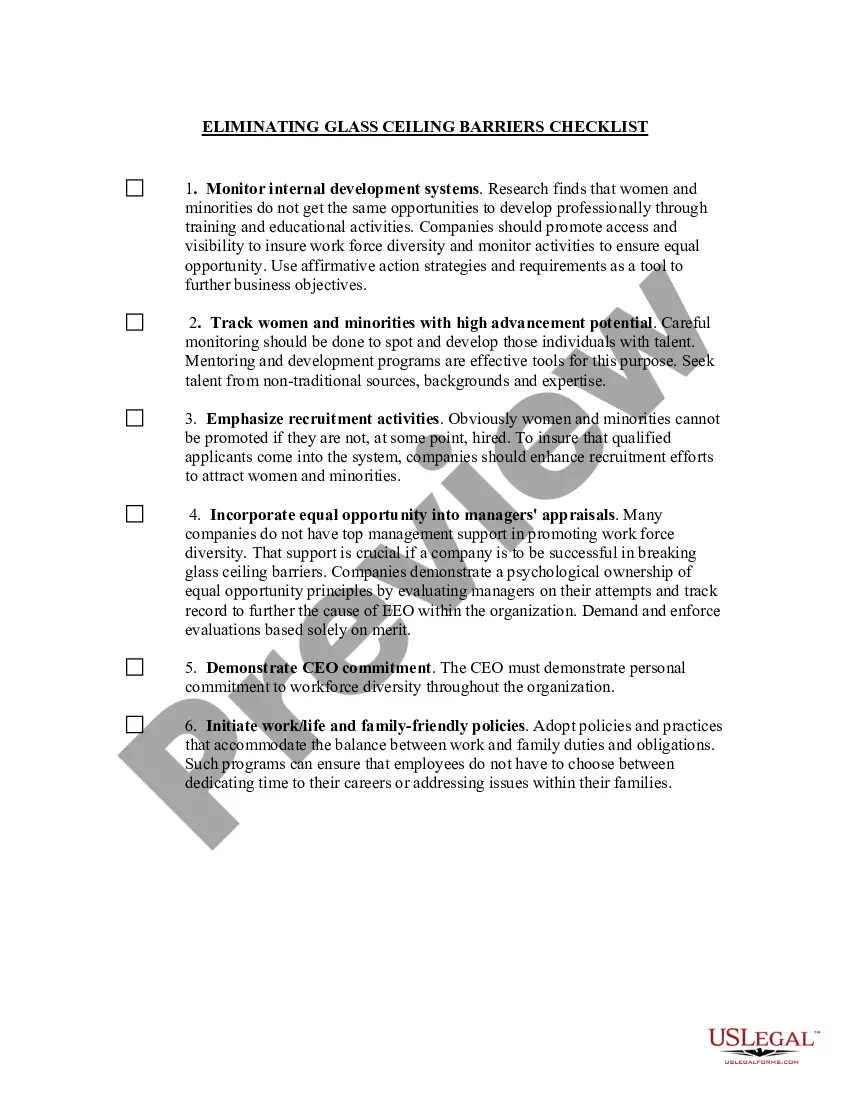
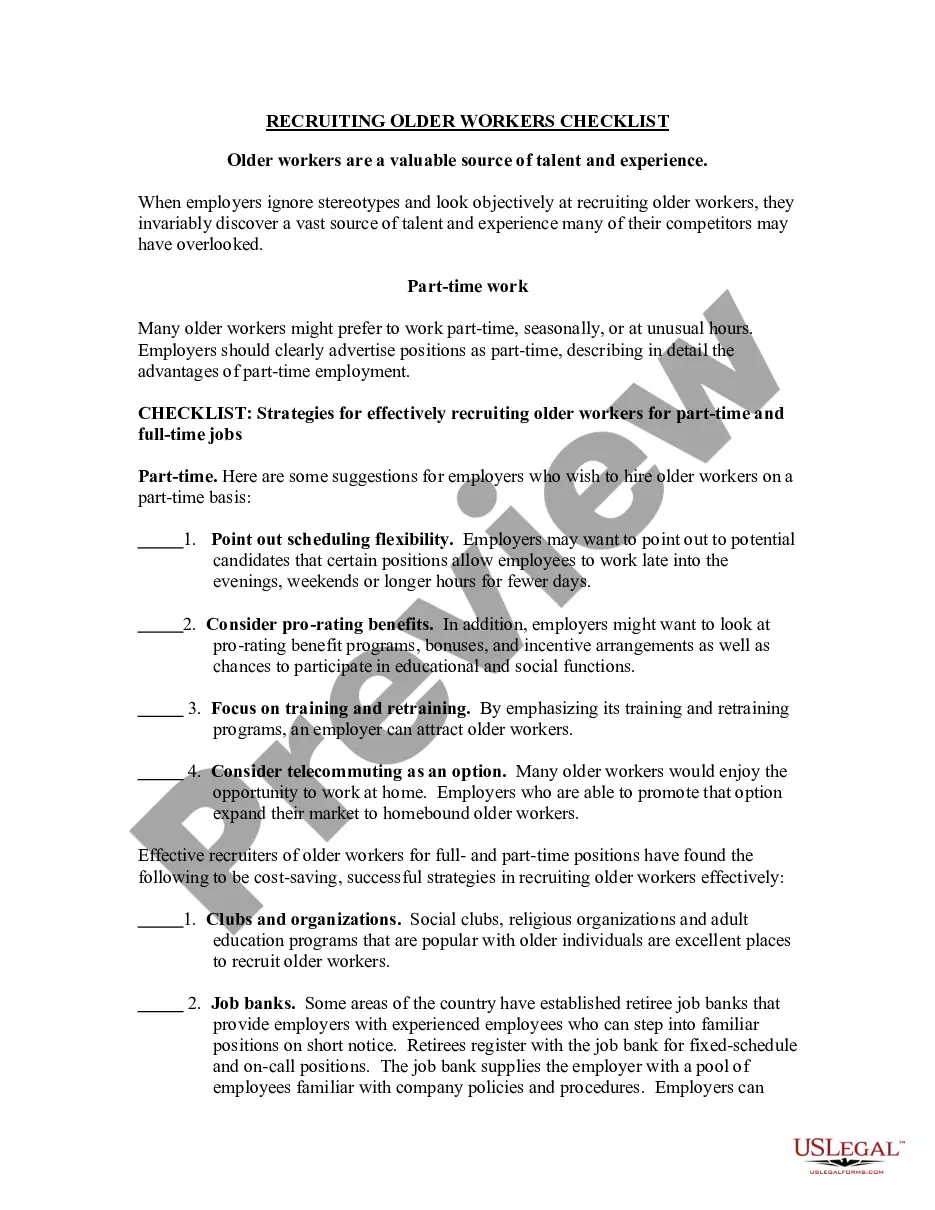
Get your form ready online
Our built-in tools help you complete, sign, share, and store your documents in one place.
Make edits, fill in missing information, and update formatting in US Legal Forms—just like you would in MS Word.
Download a copy, print it, send it by email, or mail it via USPS—whatever works best for your next step.
Sign and collect signatures with our SignNow integration. Send to multiple recipients, set reminders, and more. Go Premium to unlock E-Sign.
If this form requires notarization, complete it online through a secure video call—no need to meet a notary in person or wait for an appointment.
We protect your documents and personal data by following strict security and privacy standards.

Make edits, fill in missing information, and update formatting in US Legal Forms—just like you would in MS Word.

Download a copy, print it, send it by email, or mail it via USPS—whatever works best for your next step.

Sign and collect signatures with our SignNow integration. Send to multiple recipients, set reminders, and more. Go Premium to unlock E-Sign.

If this form requires notarization, complete it online through a secure video call—no need to meet a notary in person or wait for an appointment.

We protect your documents and personal data by following strict security and privacy standards.
Looking for another form?







How to fill out Recruiting From Minority Groups Checklist?
You might spend hours online searching for the legal document template that meets the state and federal requirements you need.
US Legal Forms offers thousands of legal documents that are reviewed by professionals.
You can download or print the California Recruiting from Minority Groups Checklist from the platform.
If available, use the Preview button to view the document template as well.
- If you already have a US Legal Forms account, you may Log In and click on the Download button.
- After that, you can complete, modify, print, or sign the California Recruiting from Minority Groups Checklist.
- Every legal document template you obtain is yours permanently.
- To get an additional copy of any purchased form, go to the My documents tab and click on the corresponding button.
- If you are using the US Legal Forms website for the first time, follow the simple instructions below.
- First, make sure you have selected the correct document template for the county/area of your choice.
- Review the document details to ensure you have chosen the right form.
Form popularity
FAQ
Although not technically required by law, written offer letters are more important than ever. While such letters can be brief, they should be thoughtfully written in order to avoid misunderstandings and unintended legal consequences.
Recommended features of an offer letter include the following: The title of the position being offered. The amount and basis of compensation (salary, hourly, piece rate) and a reference to the organization's benefits plan. Whether the employment is full time or part time.
Yes, diversity hiring is legal when done properly. Legislation, including the Title VII of the Civil Rights Act of 1964, the Age Discrimination in Employment Act of 1967, and the Americans with Disabilities Act, safeguard the rights of people in protected classes from discriminatory hiring practices.
There are 6 key practices that organizations can implement to ensure an equitable hiring process and candidate experience.Attract a wide pool of applicants.Enable participation from the diverse pool of applicants.Overcome unconscious bias in candidate review.Create an equitable interview process.Extend an offer.More items...
Discrimination in the workplace based on race is illegal. If you believe you have been discriminated against because of your race, you have the right to file a claim against your employer.
Discrimination on the basis of race involves denying equal employment opportunity to any person because that person is of a particular race or has personal characteristics associated with a particular race (e.g., hair texture, facial features).
Under the laws enforced by EEOC, it is illegal to discriminate against someone (applicant or employee) because of that person's race, color, religion, sex (including gender identity, sexual orientation, and pregnancy), national origin, age (40 or older), disability or genetic information.
The offer letter acts as a formal offering of the job position to the applicant and includes summaries of the main terms, conditions of the offer, details about the role and company, as well as any other details to help the candidate decide whether or not to accept the job offer.
Increasing diversity in sourcingAudit your job ads.Target sources where diverse candidates congregate.Encourage your diverse employees to refer their connections.Offer internships to targeted groups.Develop an employer brand that showcases your diversity.Create company policies that appeal to diverse candidates.
Affirmative action refers to outreach and recruitment methods that encourage minorities and other specific categories of the population to apply for jobs. The laws surrounding affirmative action in hiring are subject to change, however, as these policies are often challenged in the courts.