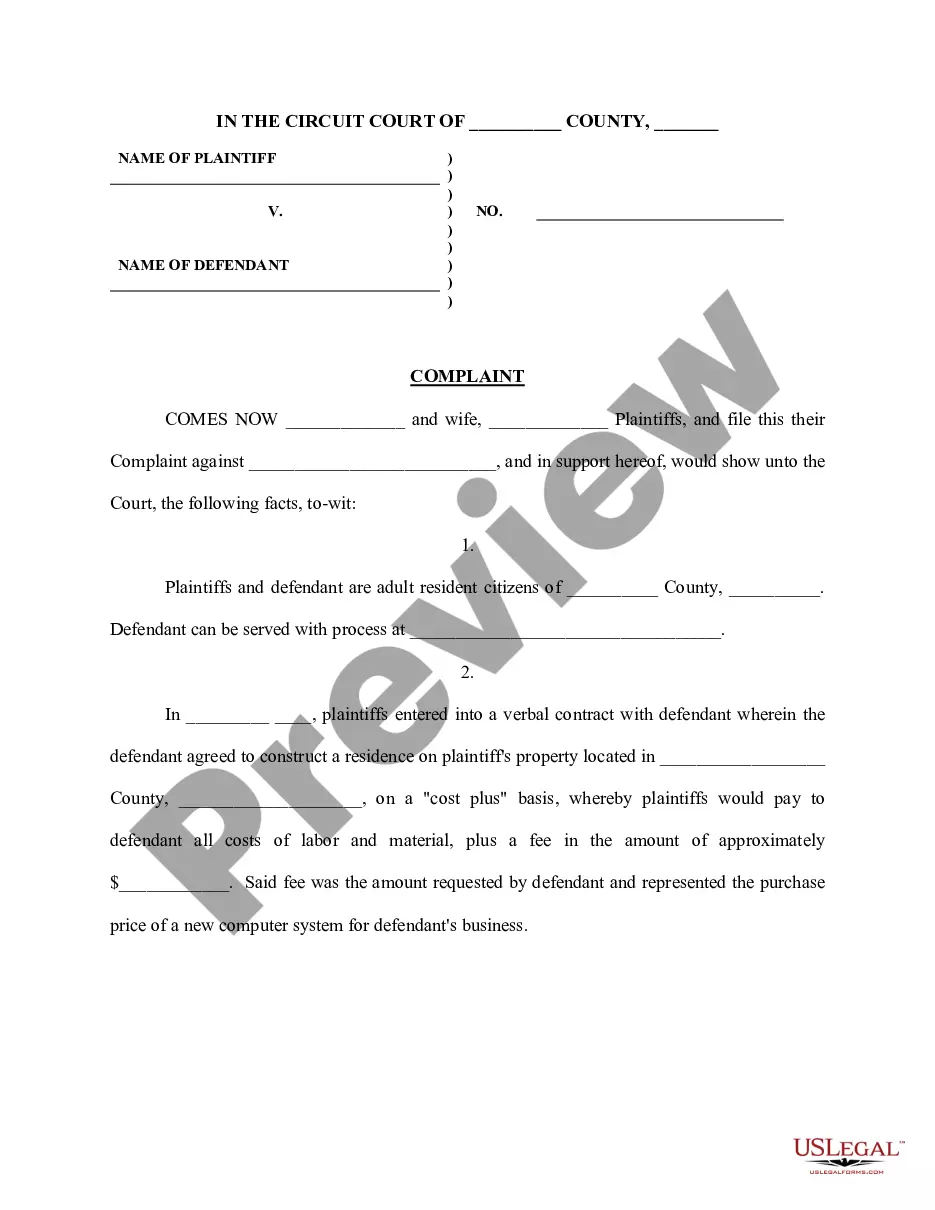
California Toll Manufacturing Agreement
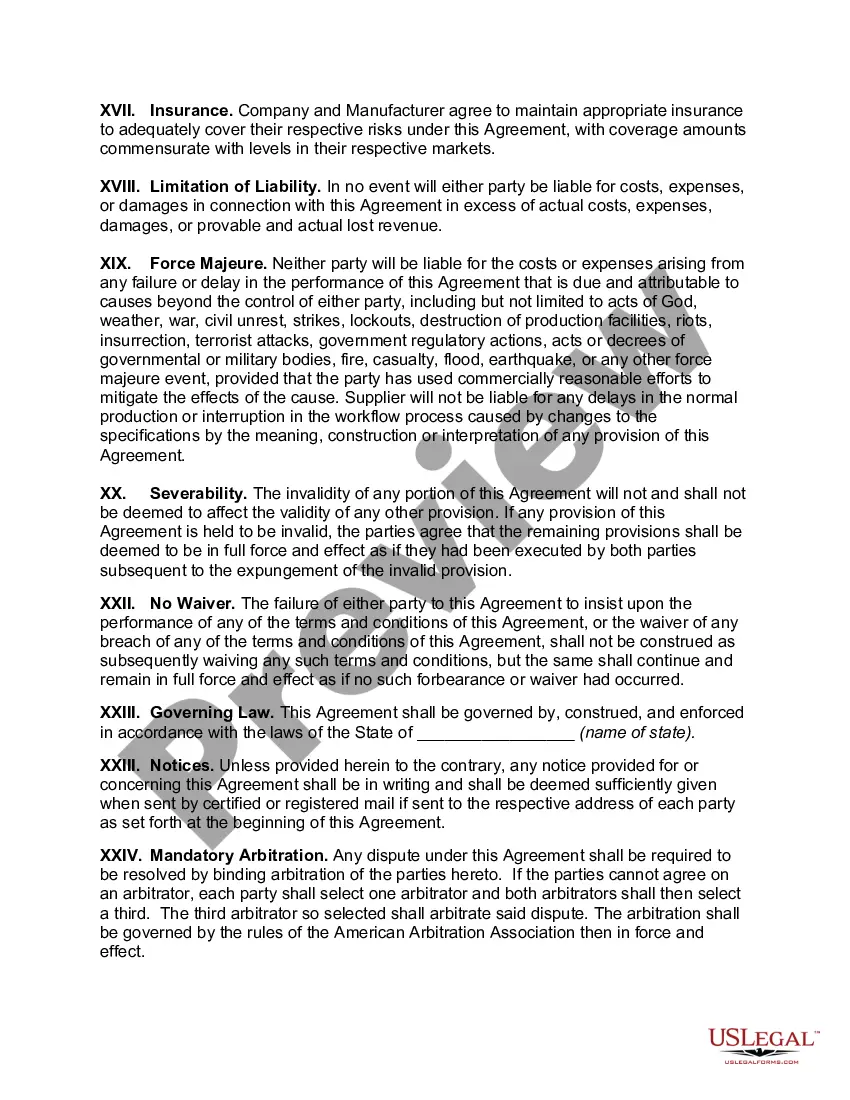
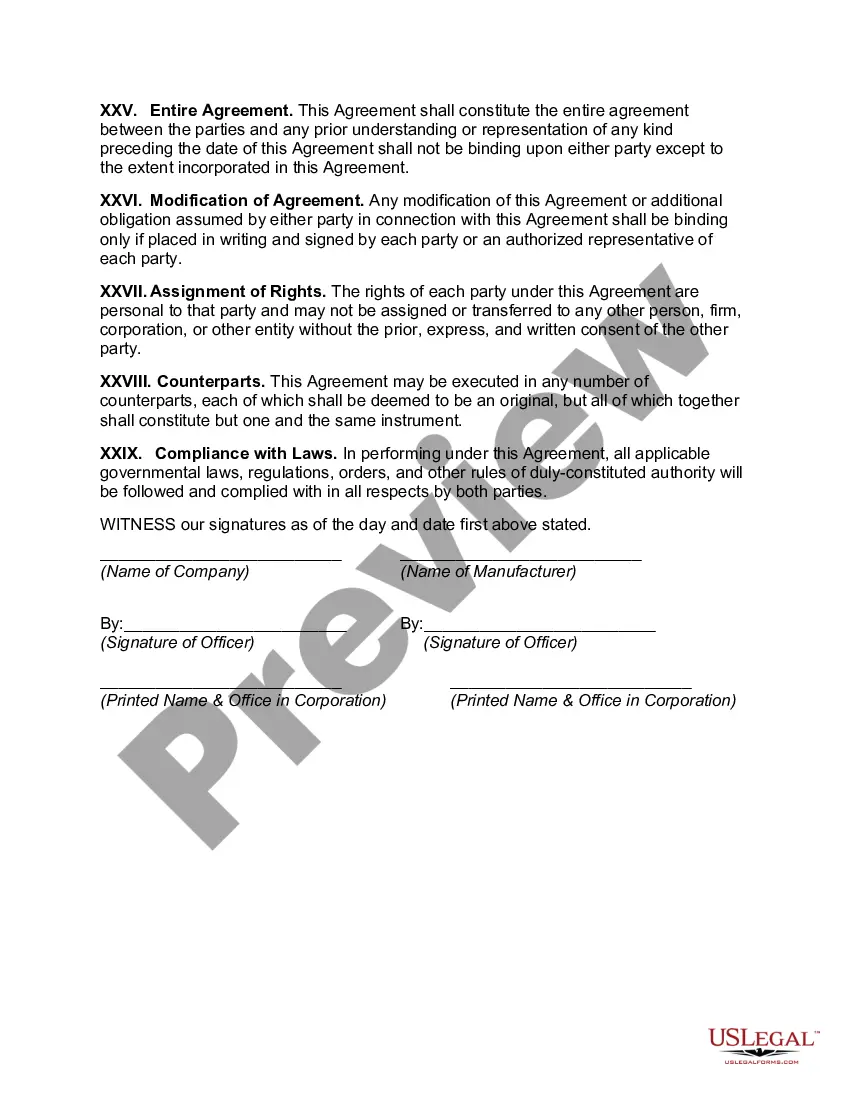
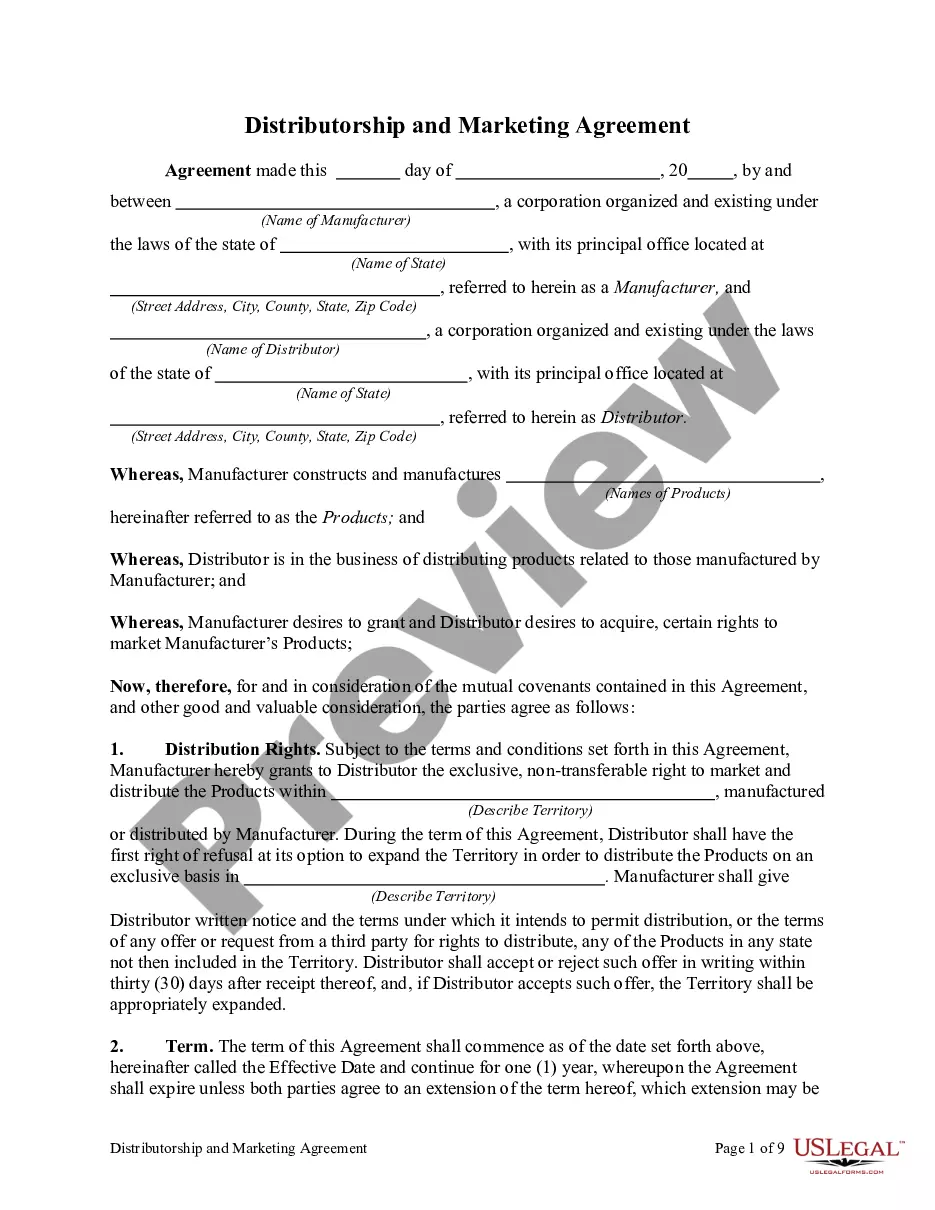
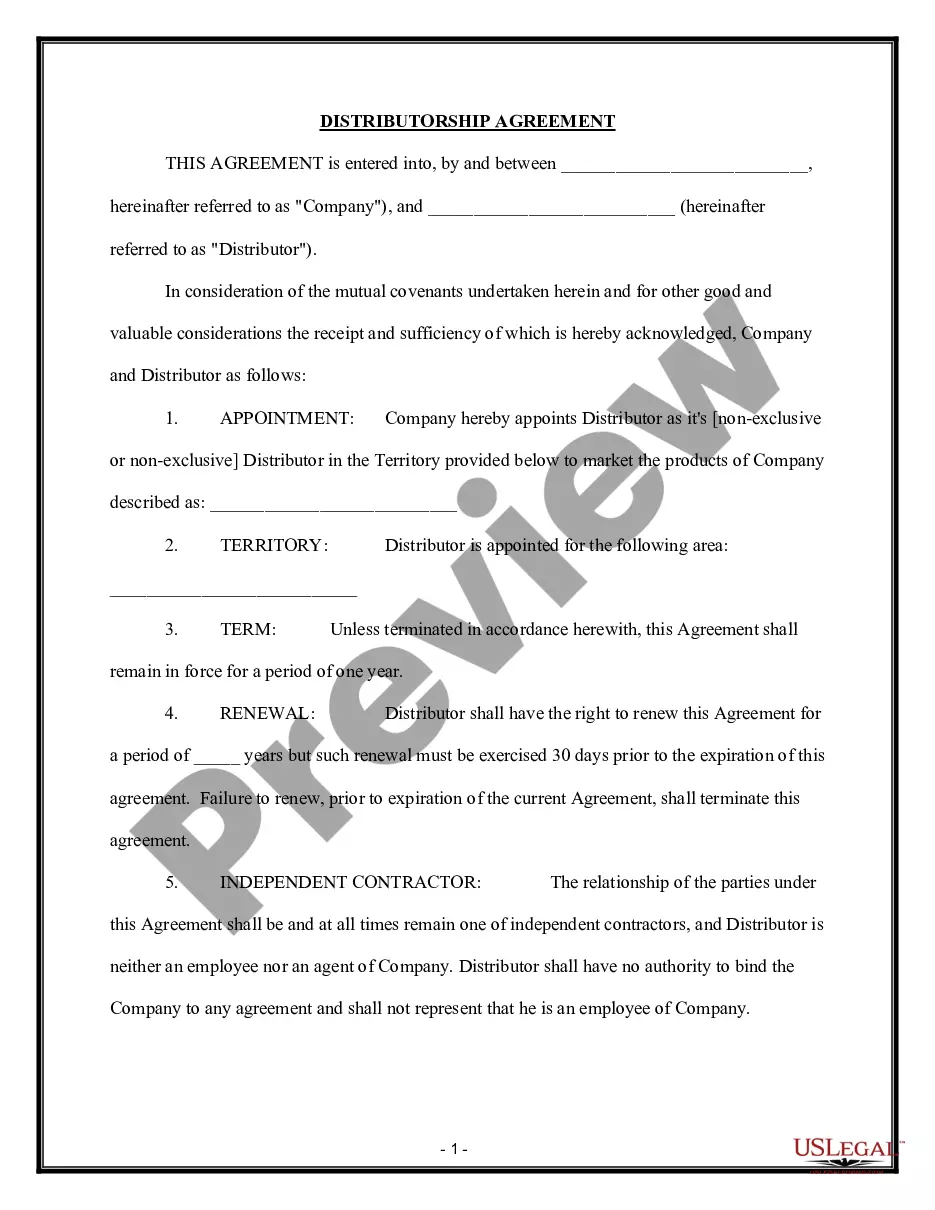
Description
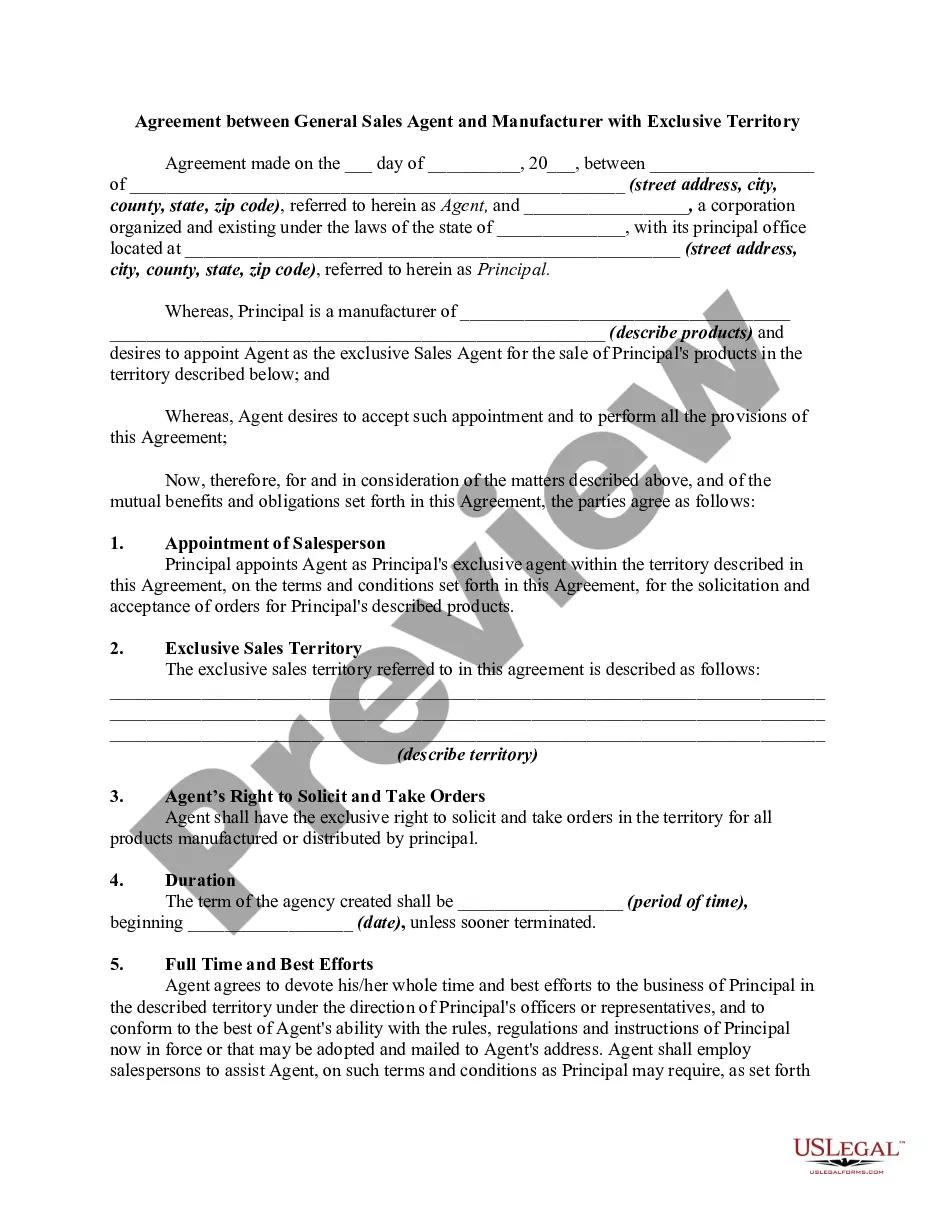
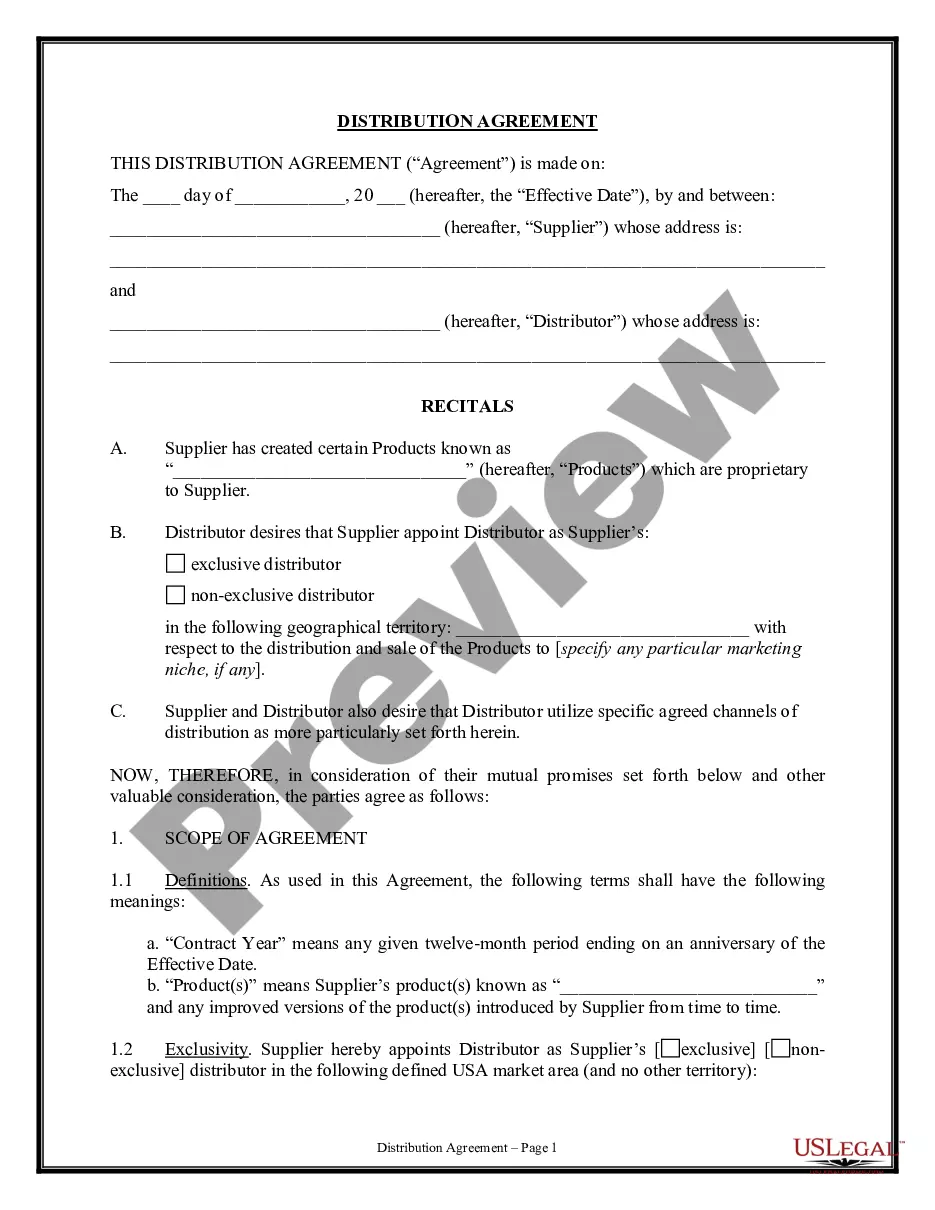
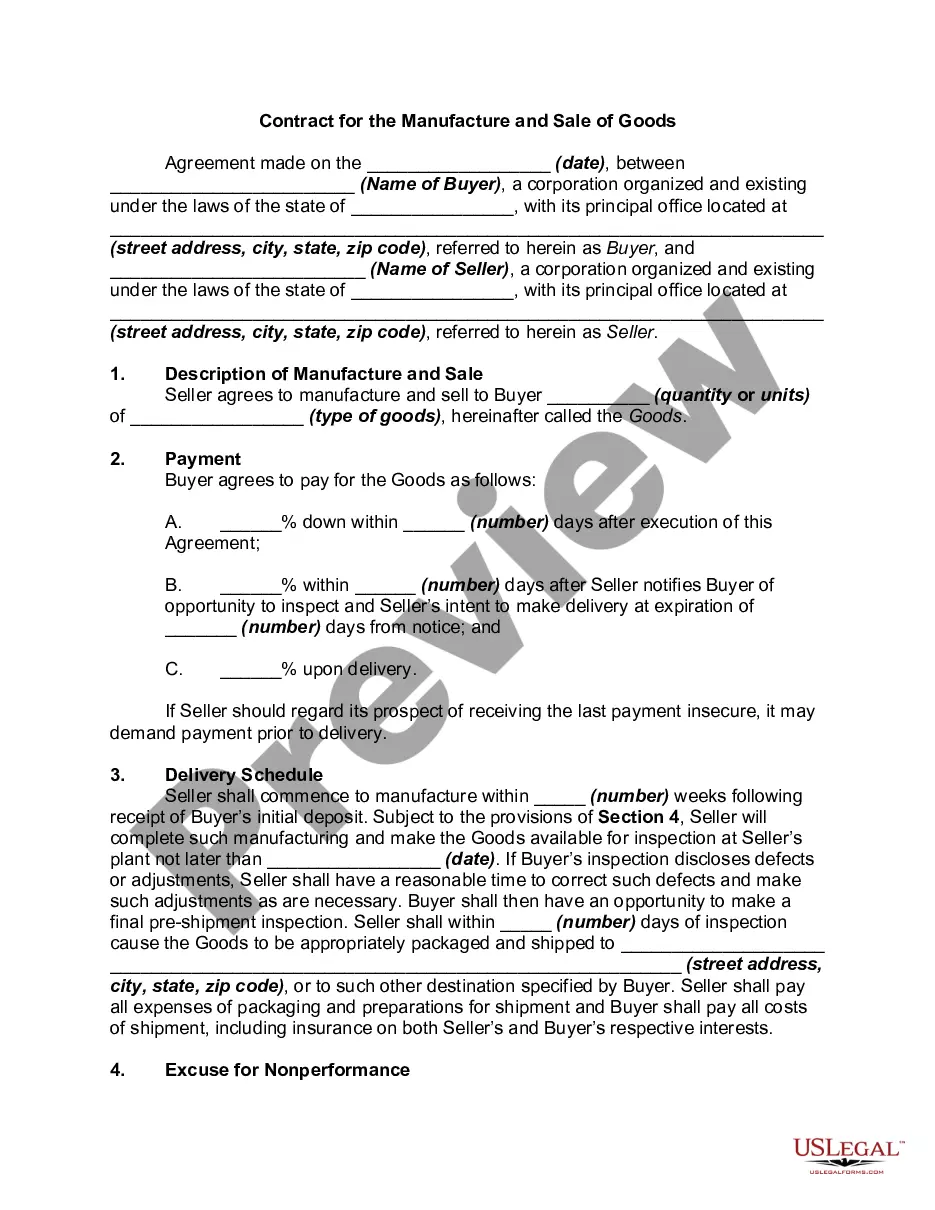
Get your form ready online
Our built-in tools help you complete, sign, share, and store your documents in one place.
Make edits, fill in missing information, and update formatting in US Legal Forms—just like you would in MS Word.
Download a copy, print it, send it by email, or mail it via USPS—whatever works best for your next step.
Sign and collect signatures with our SignNow integration. Send to multiple recipients, set reminders, and more. Go Premium to unlock E-Sign.
If this form requires notarization, complete it online through a secure video call—no need to meet a notary in person or wait for an appointment.
We protect your documents and personal data by following strict security and privacy standards.

Make edits, fill in missing information, and update formatting in US Legal Forms—just like you would in MS Word.

Download a copy, print it, send it by email, or mail it via USPS—whatever works best for your next step.

Sign and collect signatures with our SignNow integration. Send to multiple recipients, set reminders, and more. Go Premium to unlock E-Sign.

If this form requires notarization, complete it online through a secure video call—no need to meet a notary in person or wait for an appointment.

We protect your documents and personal data by following strict security and privacy standards.
Looking for another form?
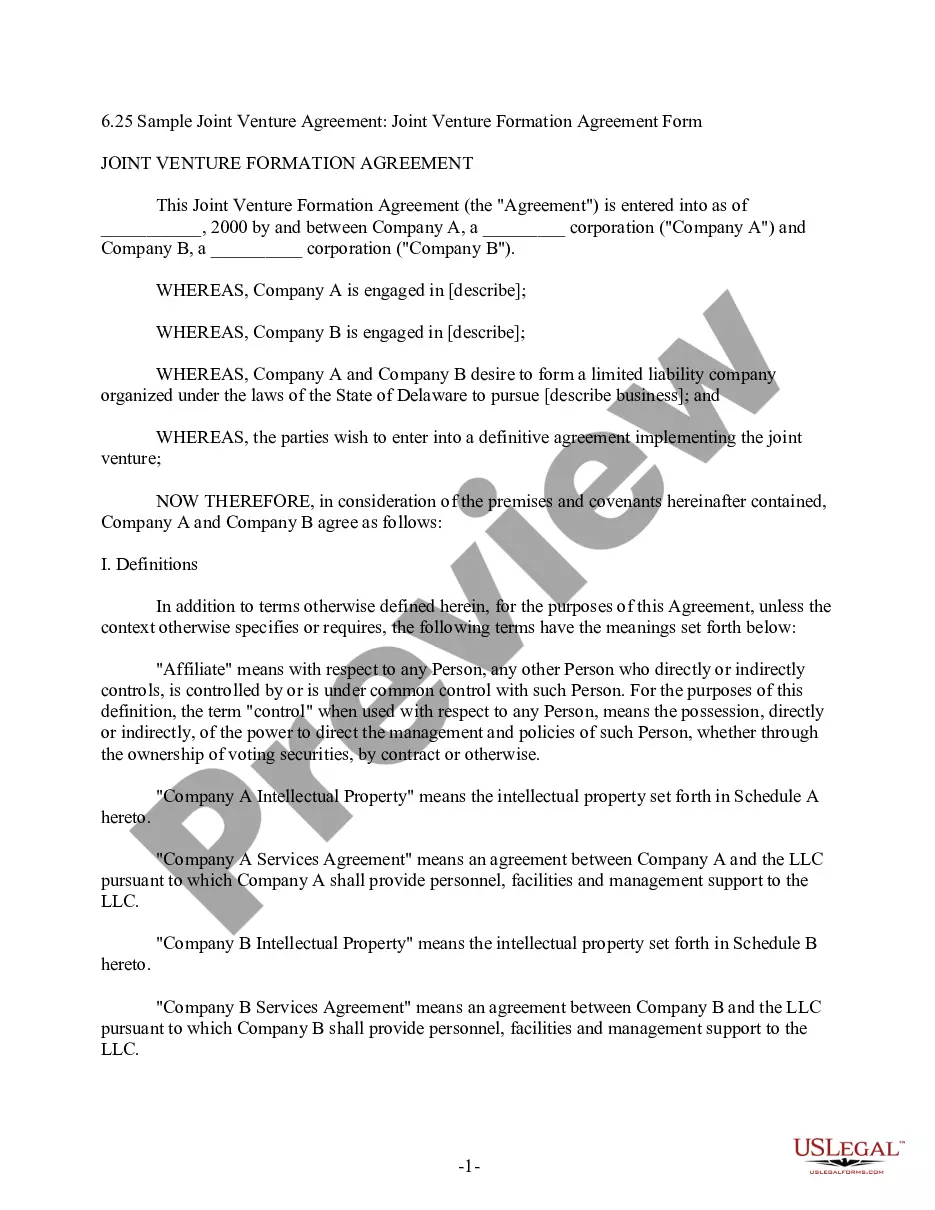





How to fill out Toll Manufacturing Agreement?
Finding the correct legal document format can be challenging. Of course, there are numerous templates accessible online, but how do you identify the official version you need? Utilize the US Legal Forms website.
The service provides thousands of templates, including the California Toll Manufacturing Agreement, which can be utilized for business and personal purposes. All documents are verified by professionals and comply with federal and state regulations.
If you are already registered, sign in to your account and then click the Download button to obtain the California Toll Manufacturing Agreement. Use your account to browse through the legal documents you have previously acquired. Visit the My documents tab of your account and download another copy of the document you need.
Choose the document format and download the legal document to your system. Complete, edit, print, and sign the downloaded California Toll Manufacturing Agreement. US Legal Forms is the largest library of legal documents where you can find various file templates. Utilize the service to download professionally created documents that comply with state legal requirements.
- First, make sure you have chosen the correct form for the city/area.
- You can review the document using the Review button and examine the document description to confirm that it is the right one for you.
- If the document does not meet your requirements, use the Search field to find the correct form.
- Once you are confident that the form is suitable, click the Buy now button to purchase the form.
- Select the pricing plan you wish to use and enter the required details.
- Create your account and make payment for the order using your PayPal account or Visa or Mastercard.
Form popularity
FAQ
Tolling fees refer to the charges imposed by a manufacturing partner for processing materials or products. Under a California Toll Manufacturing Agreement, these fees typically cover the costs associated with labor, equipment use, and overhead. These fees can vary based on the complexity of the production process and the resources involved. By understanding these fees, businesses can better plan their budgets and operations when outsourcing manufacturing needs.
A common example of toll manufacturing involves a company that produces a product using another company's facilities. For instance, a beverage company may create its drinks using a manufacturing partner’s equipment under a California Toll Manufacturing Agreement. This arrangement allows the beverage company to save on capital costs and focus on its core business while the manufacturing partner handles production. Overall, this collaboration benefits both parties, ensuring efficiency and quality.
Turnkey manufacturing involves a comprehensive solution where the manufacturer handles everything, from design to production, delivering a complete product. In contrast, tolling manufacturing, as outlined in a California Toll Manufacturing Agreement, focuses on processing raw materials provided by the client. Thus, the client maintains greater control over their materials and specifications while still benefiting from the manufacturer's production capabilities.
The key difference between toll manufacturing and traditional manufacturing lies in ownership and production. In toll manufacturing, the client retains ownership of the materials being processed, while the manufacturer provides the processing service. Conversely, in traditional manufacturing, the manufacturer often owns the raw materials and sells the finished products. Therefore, a California Toll Manufacturing Agreement emphasizes collaboration without transferring ownership.
Subcontractors often take on specific tasks or components of a project on behalf of a general contractor while manufacturers are responsible for producing finished goods. In a California Toll Manufacturing Agreement, you may find manufacturers focusing on processing specific materials rather than handling various subcontracted services. This distinction can help businesses clarify roles within their production and project management frameworks.
A tolling manufacturer is a specialized type of manufacturer that processes a client's materials without taking ownership of them. This process aligns closely with the terms outlined in a California Toll Manufacturing Agreement, which ensures that both parties understand the obligations and expectations involved. By working with a tolling manufacturer, businesses can benefit from reduced operational risks and access to specialized processing capabilities.
Subcontract manufacturing involves a company hiring another business to produce goods on its behalf. Unlike toll manufacturing, which focuses on processing specific materials provided by the client, subcontractors might source their own materials or handle broader aspects of production. Understanding subcontract manufacturing helps businesses make informed choices about their production and supply chain strategies.
Toll filling is a specific service where a toll manufacturer fills, packages, or labels products for a client, using the client's materials and designs. This is often included in a California Toll Manufacturing Agreement, wherein the toll manufacturer emphasizes efficiency and precision in handling the client's filling needs. By opting for toll filling, businesses streamline their production processes while maintaining control over the product's branding.
A manufacturer generally produces goods to sell and may own both the materials and the final products. In contrast, a contract manufacturer, which can also be referenced in a California Toll Manufacturing Agreement, produces goods for other companies based on their specifications, often utilizing their own materials or the client’s. This distinction helps businesses understand the scope of services they can expect from their manufacturing partners.
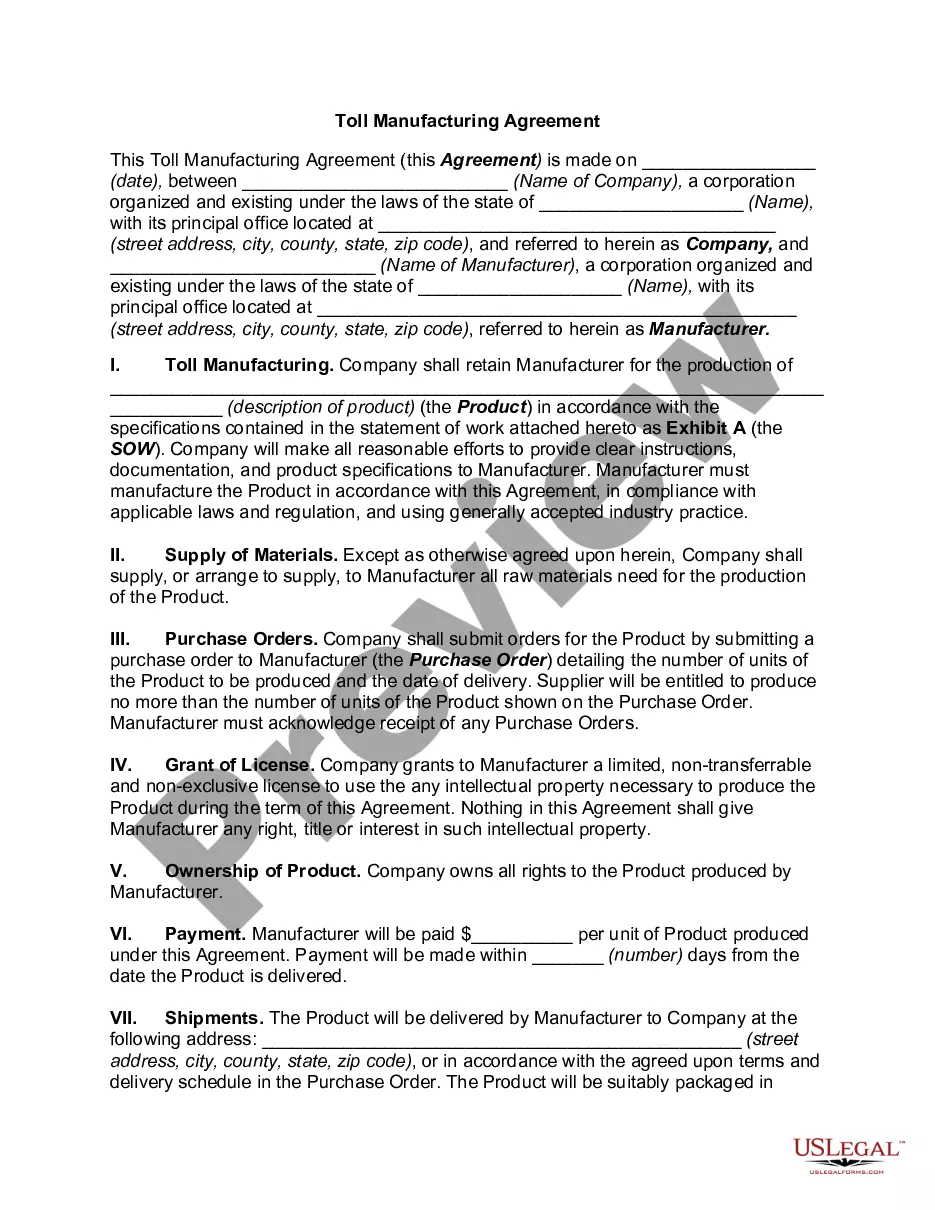
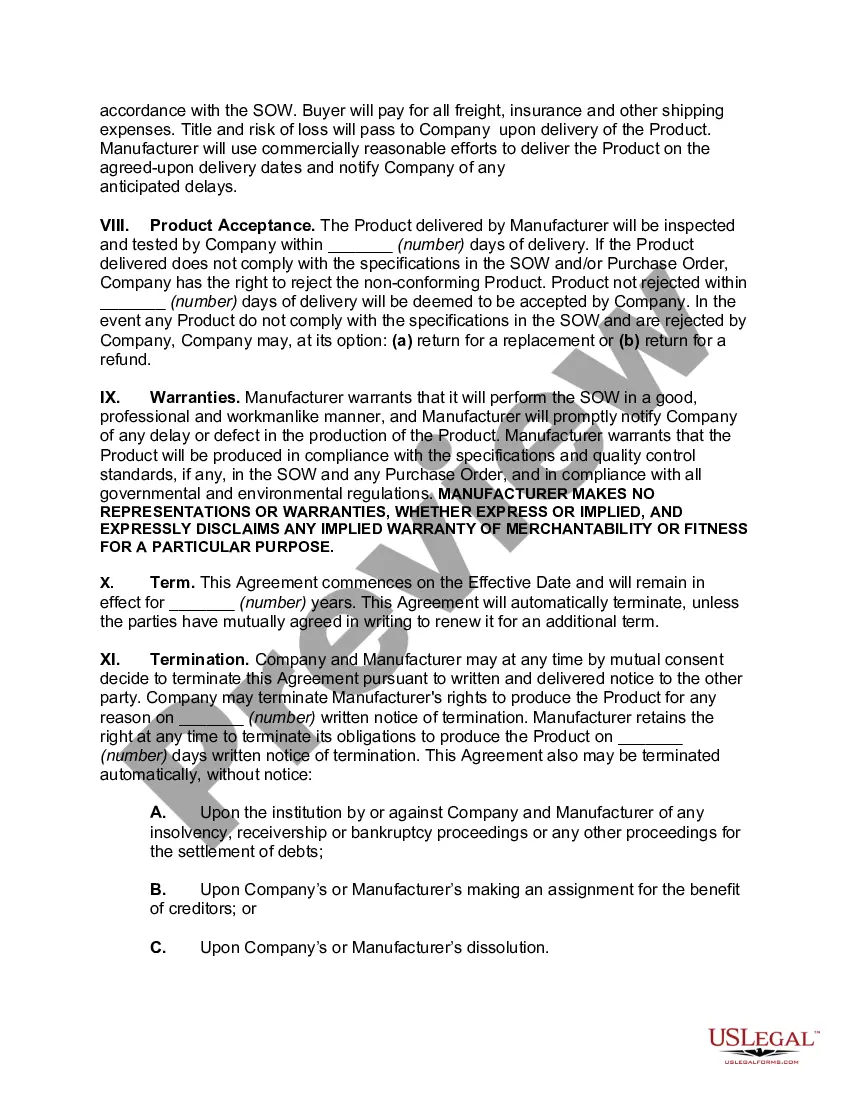
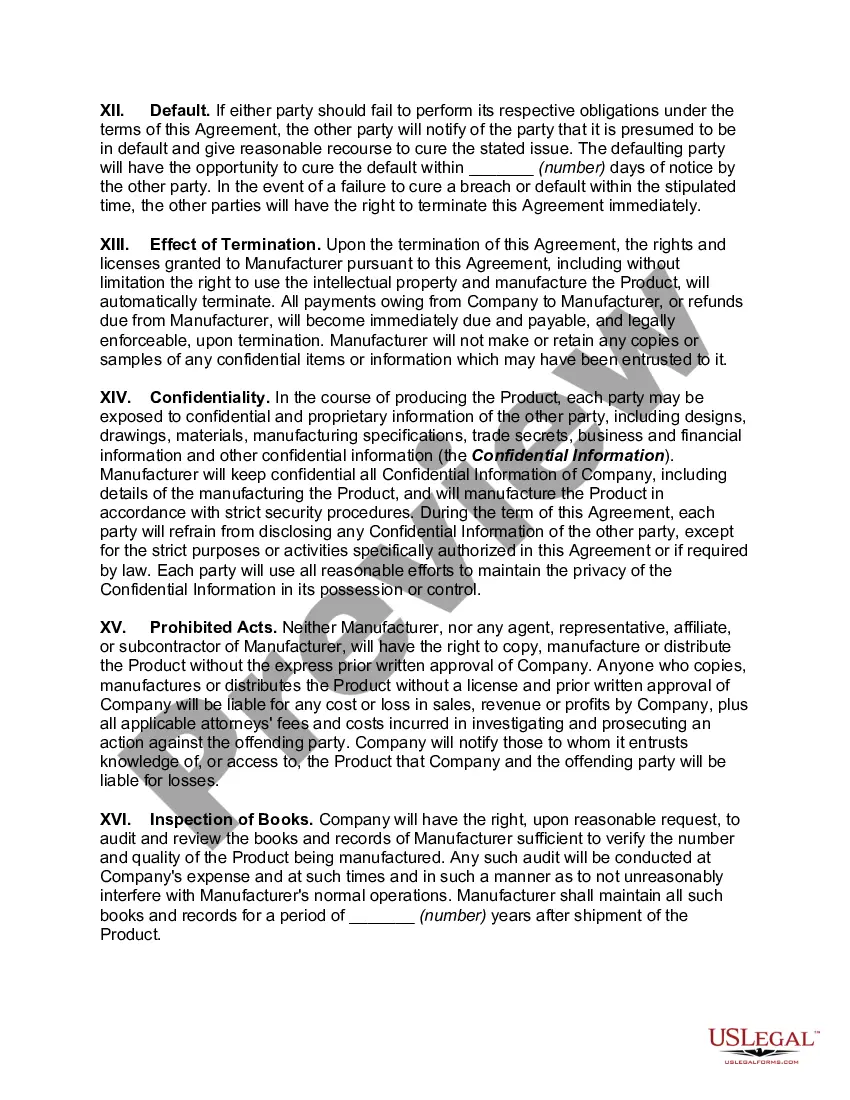
A toll manufacturing agreement is a contract that outlines the terms between a client and a toll manufacturer for producing goods. This agreement typically includes details like the types of materials involved, the manufacturing process, quality standards, and the fees associated with services. Crafting a solid California Toll Manufacturing Agreement ensures clear communication and expectations, which can lead to successful partnerships.