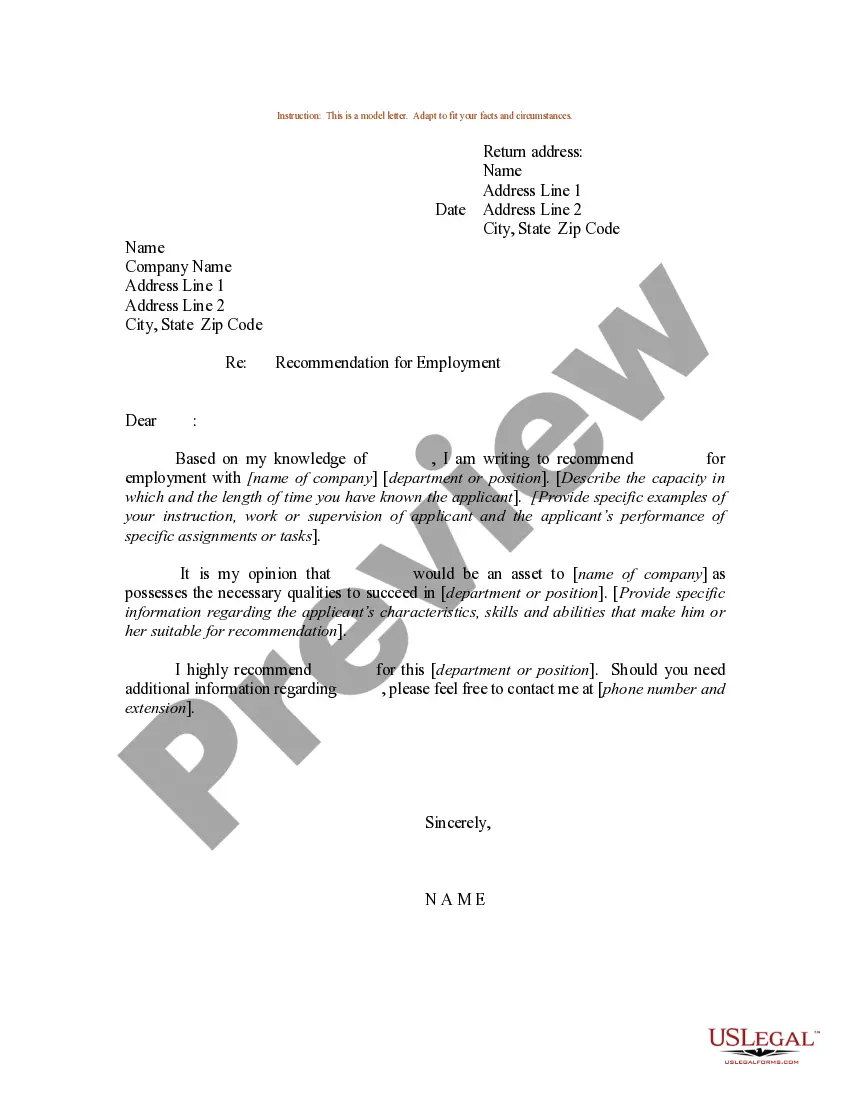
California Recommendation Letter for Employment
Description
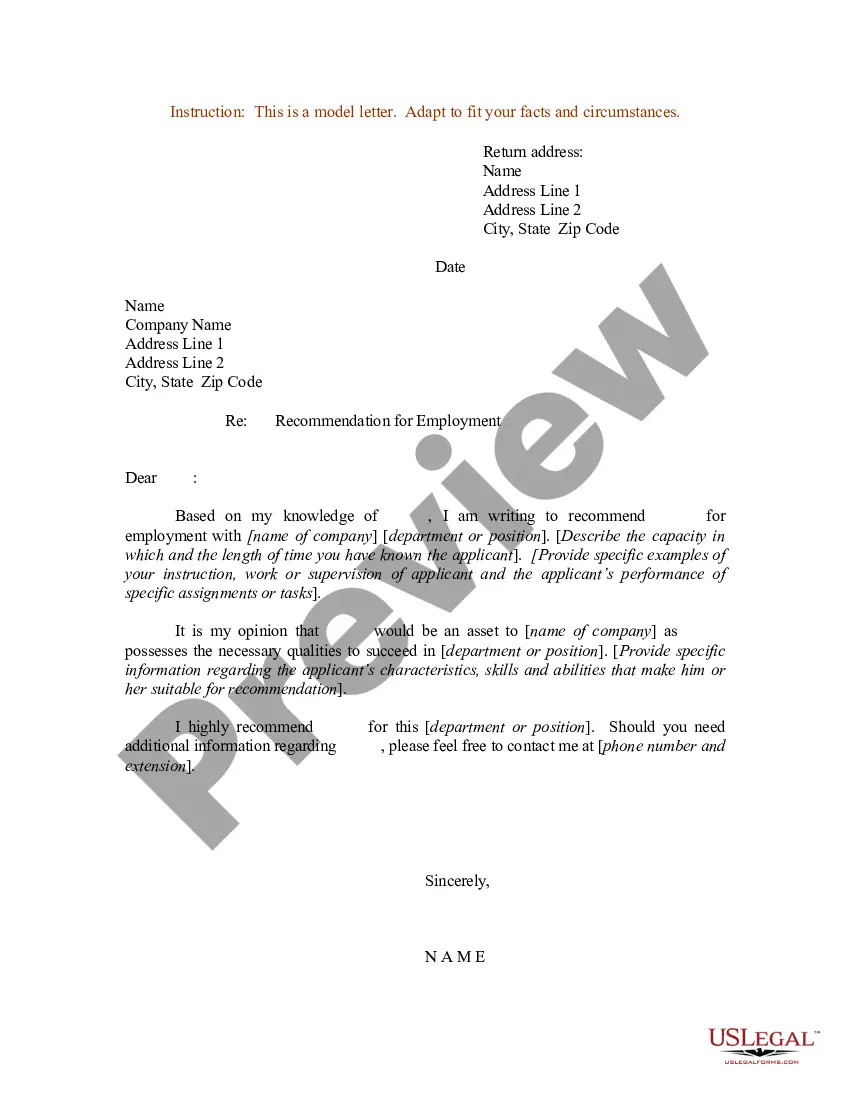
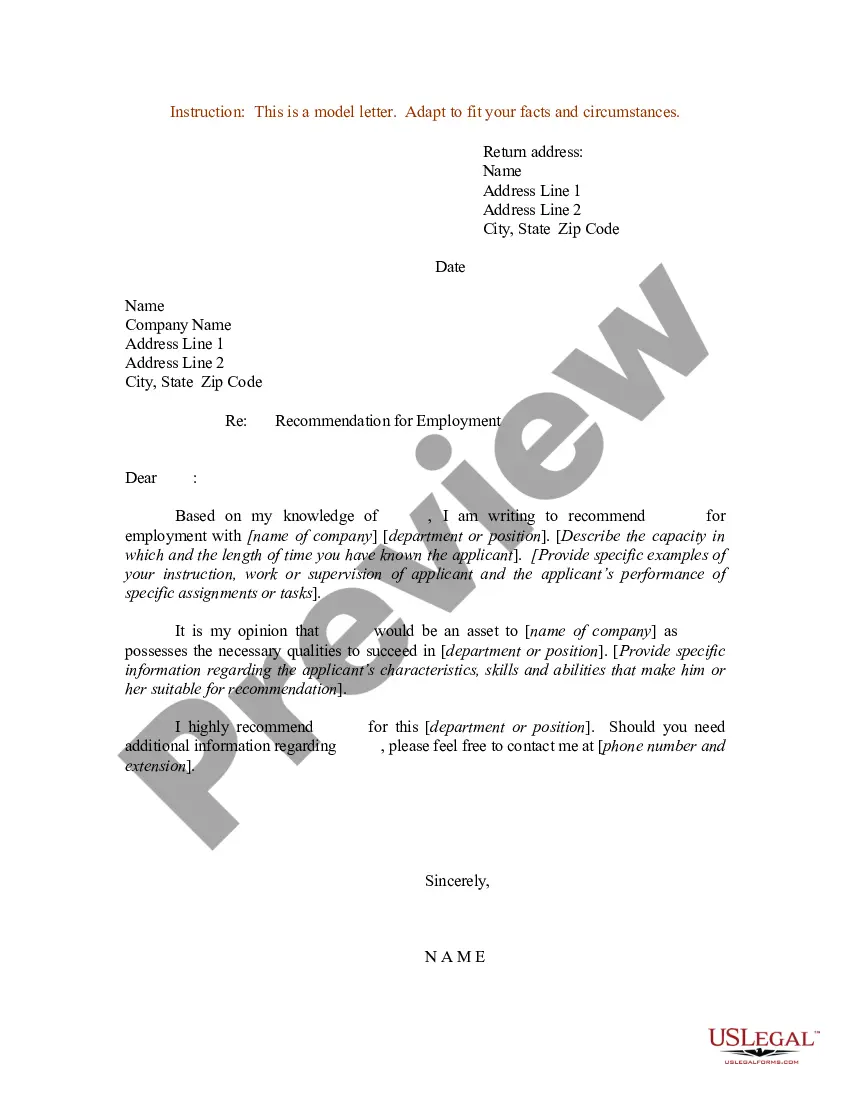
Get your form ready online
Our built-in tools help you complete, sign, share, and store your documents in one place.
Make edits, fill in missing information, and update formatting in US Legal Forms—just like you would in MS Word.
Download a copy, print it, send it by email, or mail it via USPS—whatever works best for your next step.
Sign and collect signatures with our SignNow integration. Send to multiple recipients, set reminders, and more. Go Premium to unlock E-Sign.
If this form requires notarization, complete it online through a secure video call—no need to meet a notary in person or wait for an appointment.
We protect your documents and personal data by following strict security and privacy standards.

Make edits, fill in missing information, and update formatting in US Legal Forms—just like you would in MS Word.

Download a copy, print it, send it by email, or mail it via USPS—whatever works best for your next step.

Sign and collect signatures with our SignNow integration. Send to multiple recipients, set reminders, and more. Go Premium to unlock E-Sign.

If this form requires notarization, complete it online through a secure video call—no need to meet a notary in person or wait for an appointment.

We protect your documents and personal data by following strict security and privacy standards.
Looking for another form?
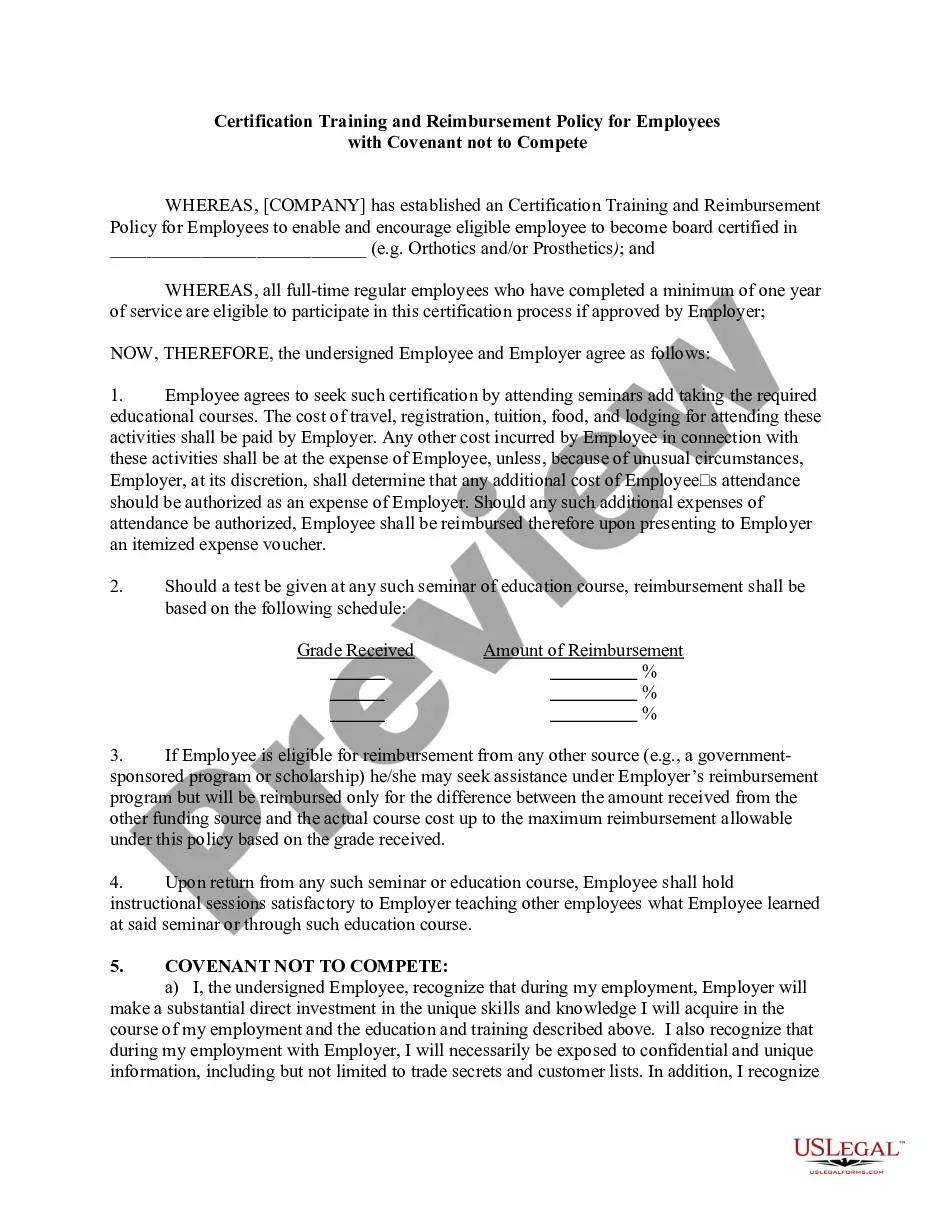
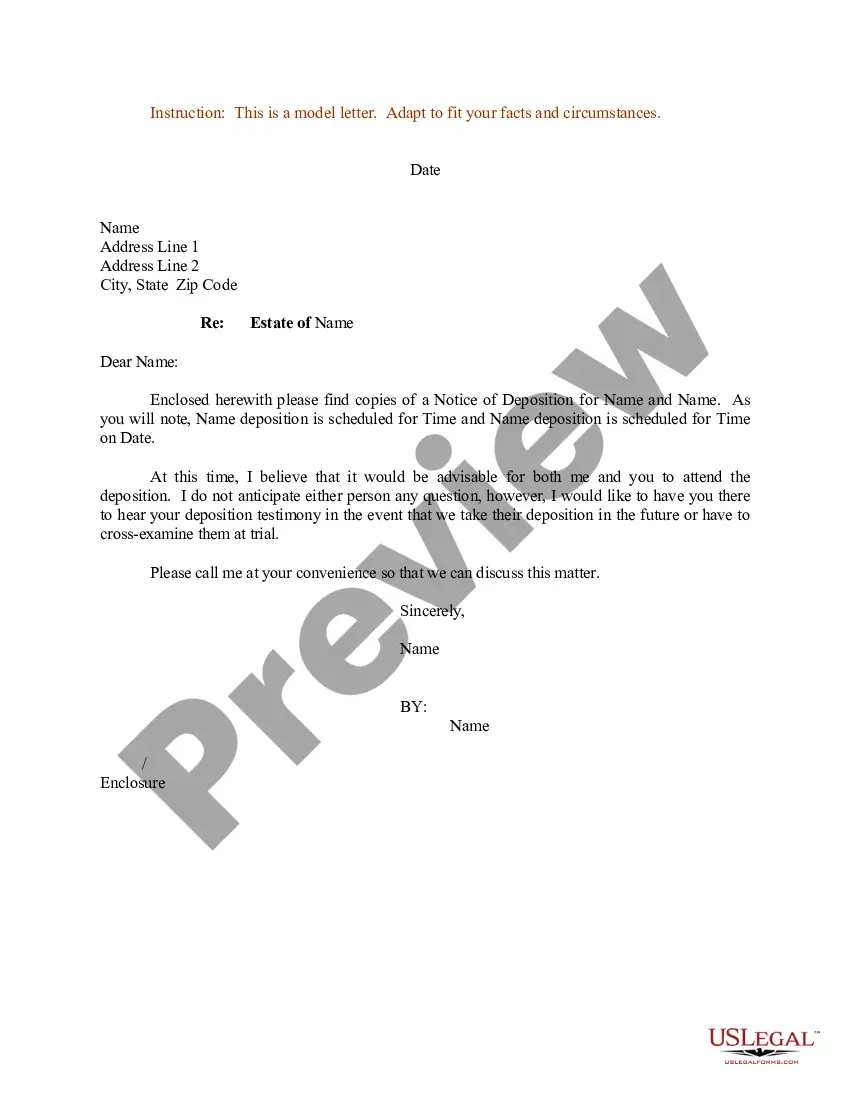
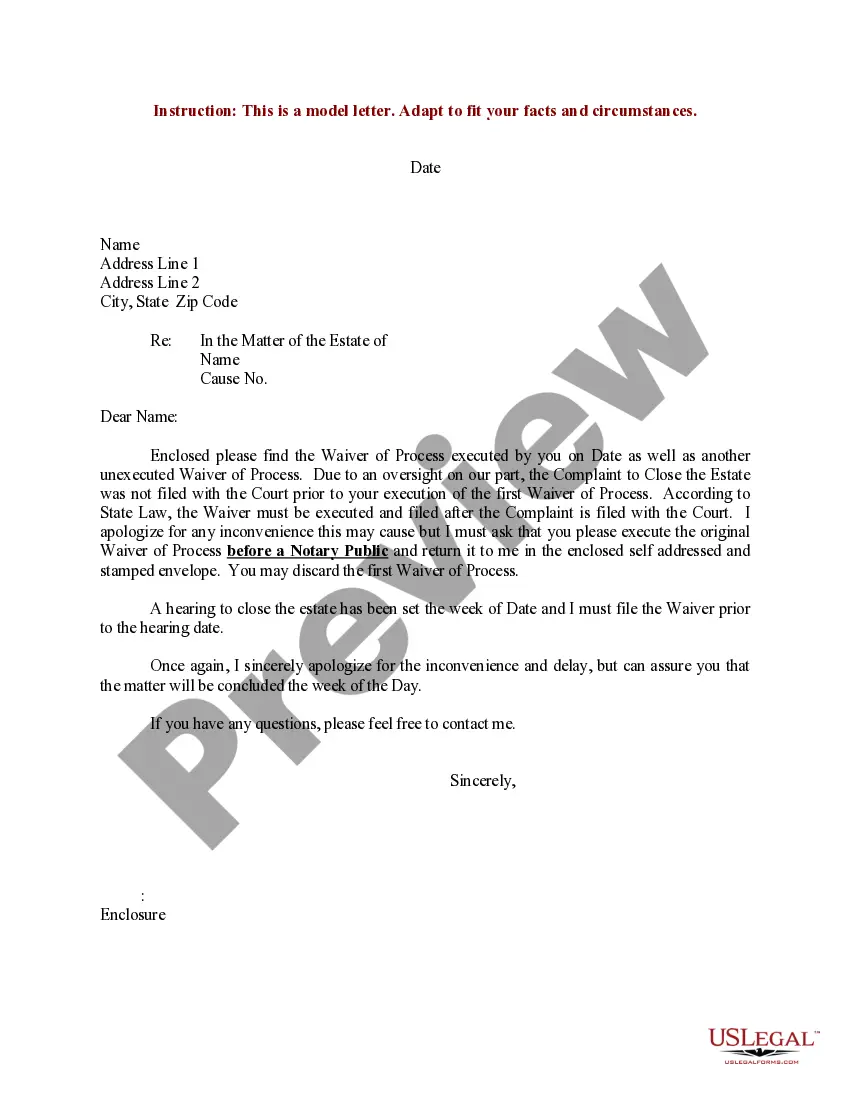

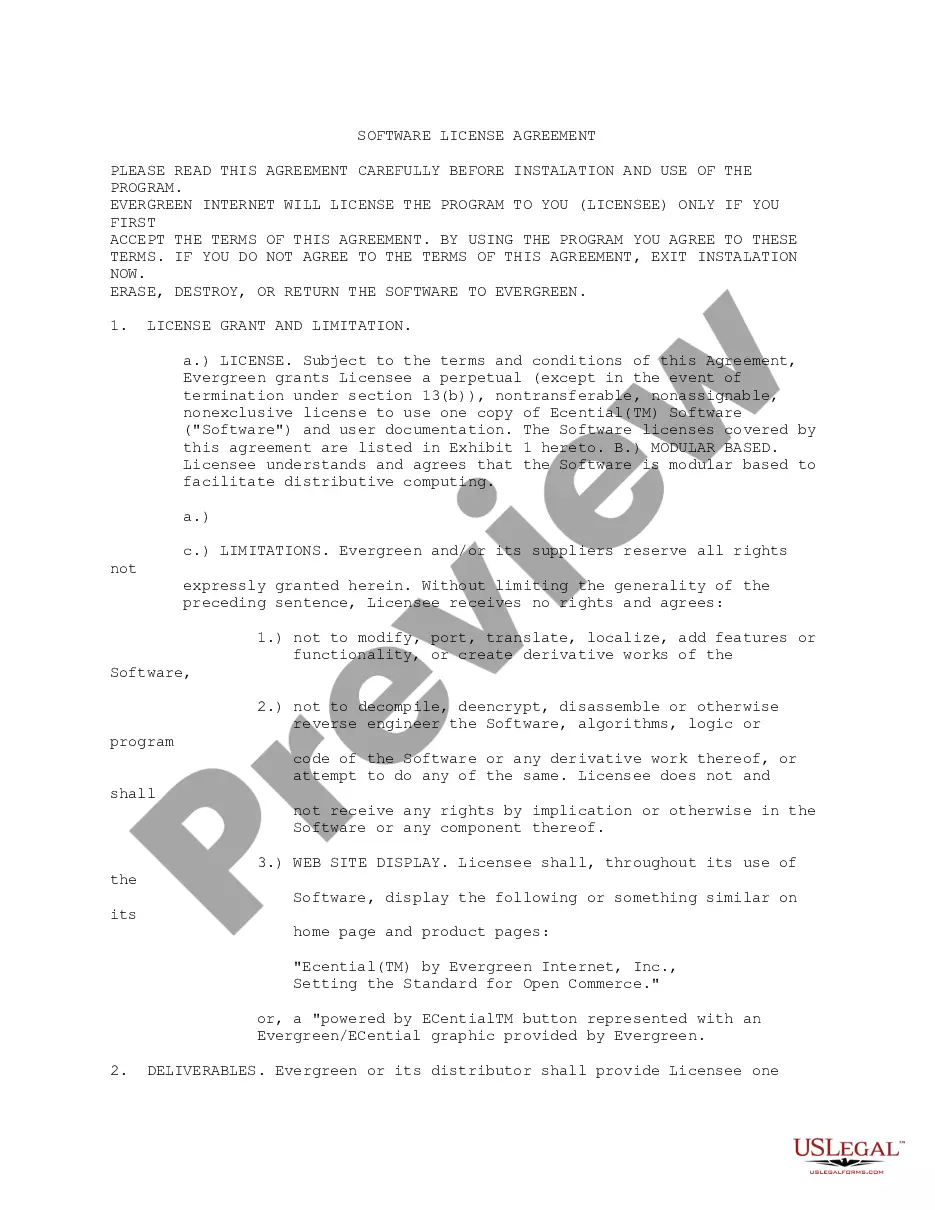
How to fill out Recommendation Letter For Employment?
US Legal Forms - one of the most prominent collections of legal documents in the United States - provides a range of legal form templates that you can download or print.
By using the website, you can access thousands of forms for business and personal use, organized by categories, states, or keywords. You can find the latest types of forms such as the California Recommendation Letter for Employment in just minutes.
If you have an ongoing subscription, Log In and access the California Recommendation Letter for Employment in the US Legal Forms library. The Download button will appear on every form you view. You can access all previously downloaded forms from the My documents section of your account.
Complete the transaction. Use your Visa or Mastercard or PayPal account to finalize the transaction.
Select the format and download the form to your device. Edit it as needed, then print and sign the downloaded California Recommendation Letter for Employment. Each template you added to your account does not expire and belongs to you permanently. Therefore, to download or print another copy, simply visit the My documents section and click on the form you need. Access the California Recommendation Letter for Employment with US Legal Forms, one of the most comprehensive collections of legal document templates. Utilize thousands of expert and state-specific templates that meet your business or personal requirements and specifications.
- Make sure to select the correct form for your city/state.
- Click the Review button to read the contents of the form.
- Check the form summary to ensure you have chosen the correct one.
- If the form does not meet your needs, use the Search field at the top of the screen to find one that does.
- If you are satisfied with the form, confirm your selection by clicking the Buy now button.
- Then, choose your preferred pricing plan and provide your information to register for an account.
Form popularity
FAQ
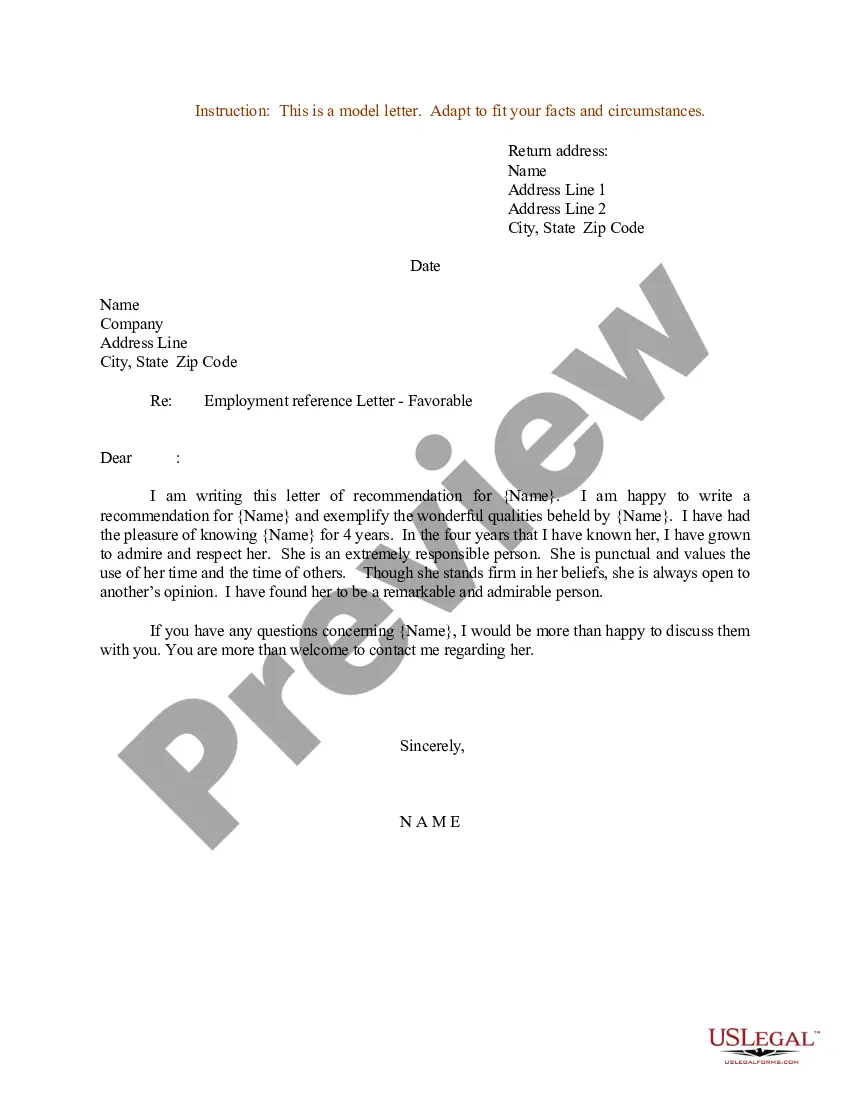
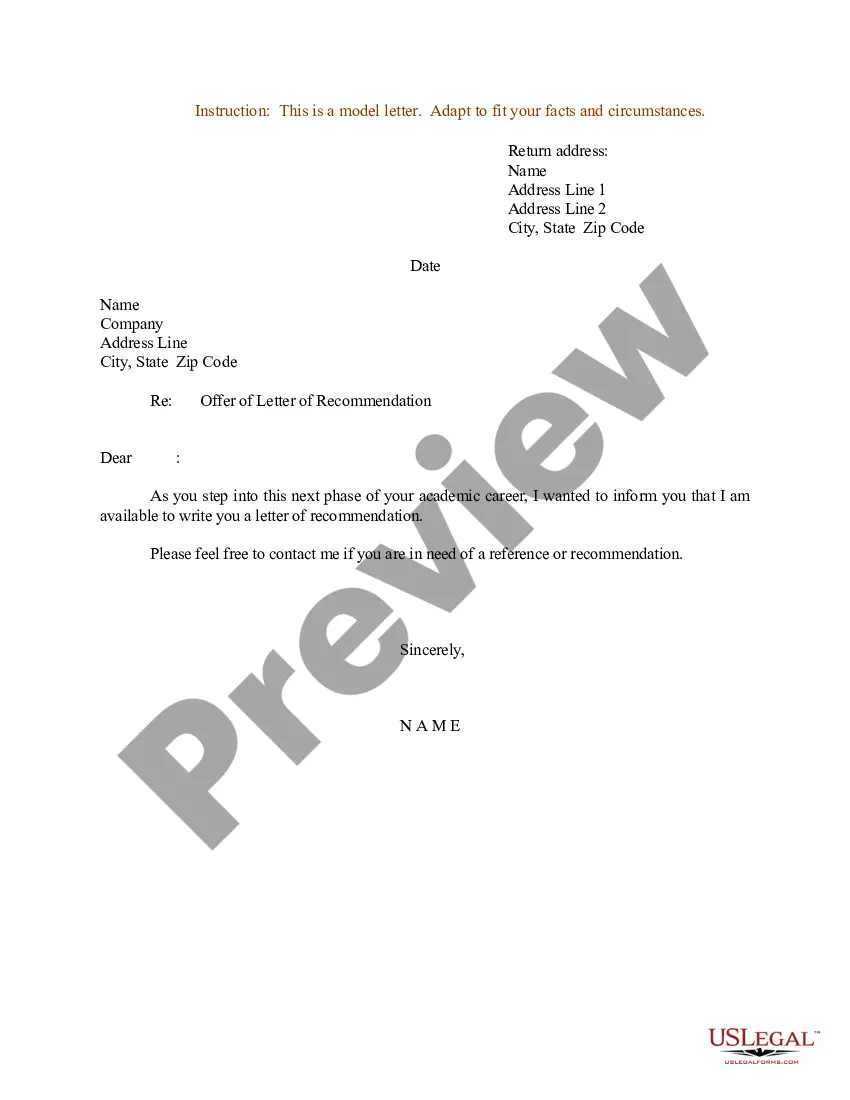
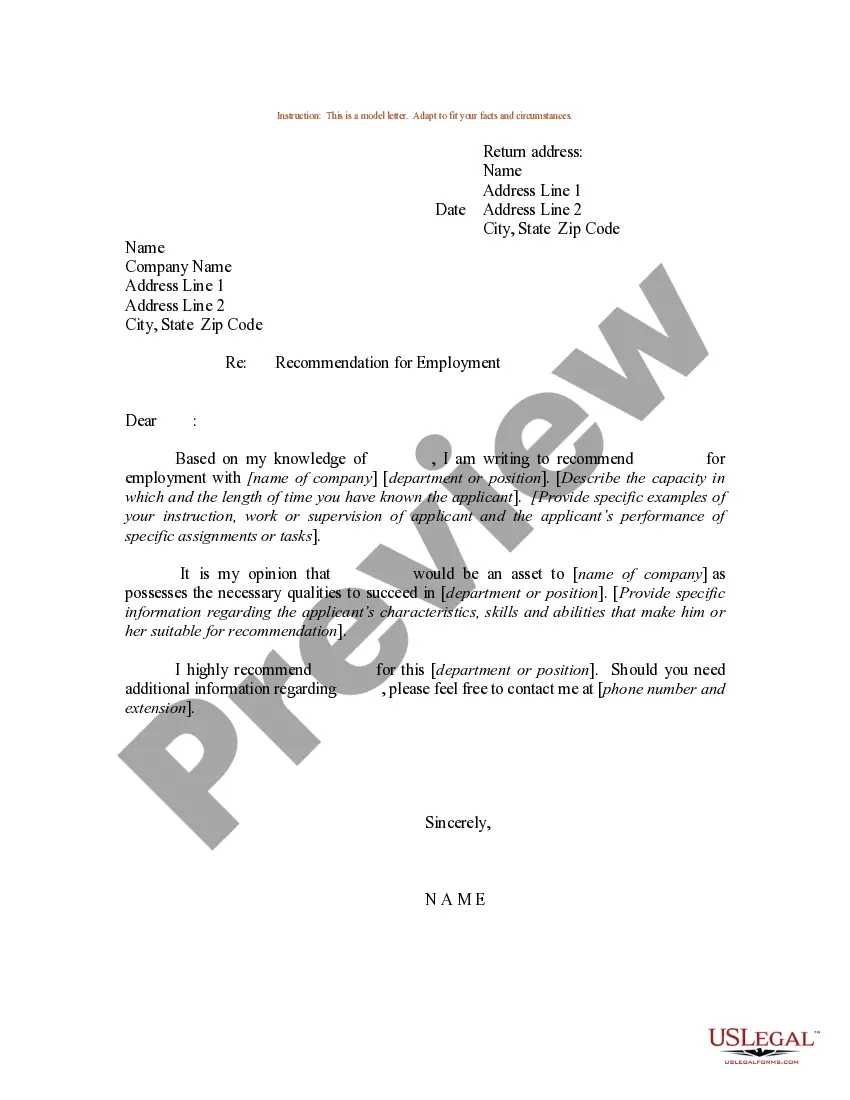
Writing a recommendation letter for employment involves several key steps. First, begin by outlining the applicant's relevant experiences and strengths, focusing on their skills and contributions in previous roles. Using our platform, you can find templates specifically designed for California Recommendation Letters for Employment, ensuring you cover all necessary points effectively.
Job References & Hiring: What can employers say in California?Overview.What is a "Privileged" Statement?Malicious Statements.Unsolicited Communications by a Former Employer.False Statements.Statements about Protected Activities.Non-privileged Statements & Liability.Final Thoughts.
This is straightforwardsimply thank the individual you asked for their time, be professional, and move on to ask others for a letter of recommendation. You are not obligated to write your own letter of recommendation if you do have the time or feel that you will not succeed in writing your own.
Qualified privilege protects the writer of a letter of recommendation as long as there is no actual malice on the part of the writer.
Provide a brief summary of why you are recommending the person. State that you "recommend without reservation" or "strongly recommend" the person or something similar. Offer to provide more information and include your phone number. End your letter with a closing, following by your signature.
In California, employers are protected from liability for defamation if they provide reference information based on credible evidence, without malice. By Lisa Guerin, J.D. If you've lost your job, you may be concerned about what your former employer will say to companies that ask for a reference.
When they do, they will almost definitely hurt the student's application significantly. Since colleges know that negative recommendation letters are uncommon, a negative recommendation will immediately make an admissions officer sit up and take notice.
Donna BallmanIt's definitely not illegal to give out a truthful recommendation. Indeed, some states give immunity to employers on references as long as they are not defamatory. It's obviously safest to give out neutral references--that is, dates of employment, job title and sometimes rate of pay.
As an employer, you may be asked to write a recommendation letter for someone who worked for you in the past. Providing a reference letter from a previous employer can be beneficial during a job search, and if you feel that you can provide a positive endorsement, it's a good idea to accept the request.
California is among the states that have enacted reference immunity laws. Under California law, truthful communications about job performance or employment qualifications of a current or former employee are privileged as long as the communication is based on credible evidence and made without malice (Cal. Civ.