8.113 Determination of Indian Status for Offenses Committed Within Indian Country (18 U.S.C. Sec. 1153) is a federal law that defines the legal status of an individual who commits a crime within the jurisdiction of an Indian tribe. It determines whether the person is subject to the criminal jurisdiction of the Indian tribe or to the jurisdiction of the United States. The law applies to any Indian tribe that has established a criminal justice system or has entered into an agreement with the United States for the enforcement of federal law. The types of 8.113 Determination of Indian Status for Offenses Committed Within Indian Country (18 U.S.C. Sec. 1153) are: 1. In General: This section covers all offenses committed within Indian country. 2. Indian Tribe Jurisdiction: This section applies to offenses committed within Indian country that are subject to the jurisdiction of the Indian tribe. 3. Federal Jurisdiction: This section applies to offenses committed within Indian country that are subject to the jurisdiction of the United States. 4. Waiver of Immunity: This section allows an Indian tribe to waive its sovereign immunity and agree to be subject to the jurisdiction of the United States with respect to certain offenses.
8.113 Determination of Indian Status for Offenses Committed Within Indian Country (18 U.S.C. Sec. 1153)
Description
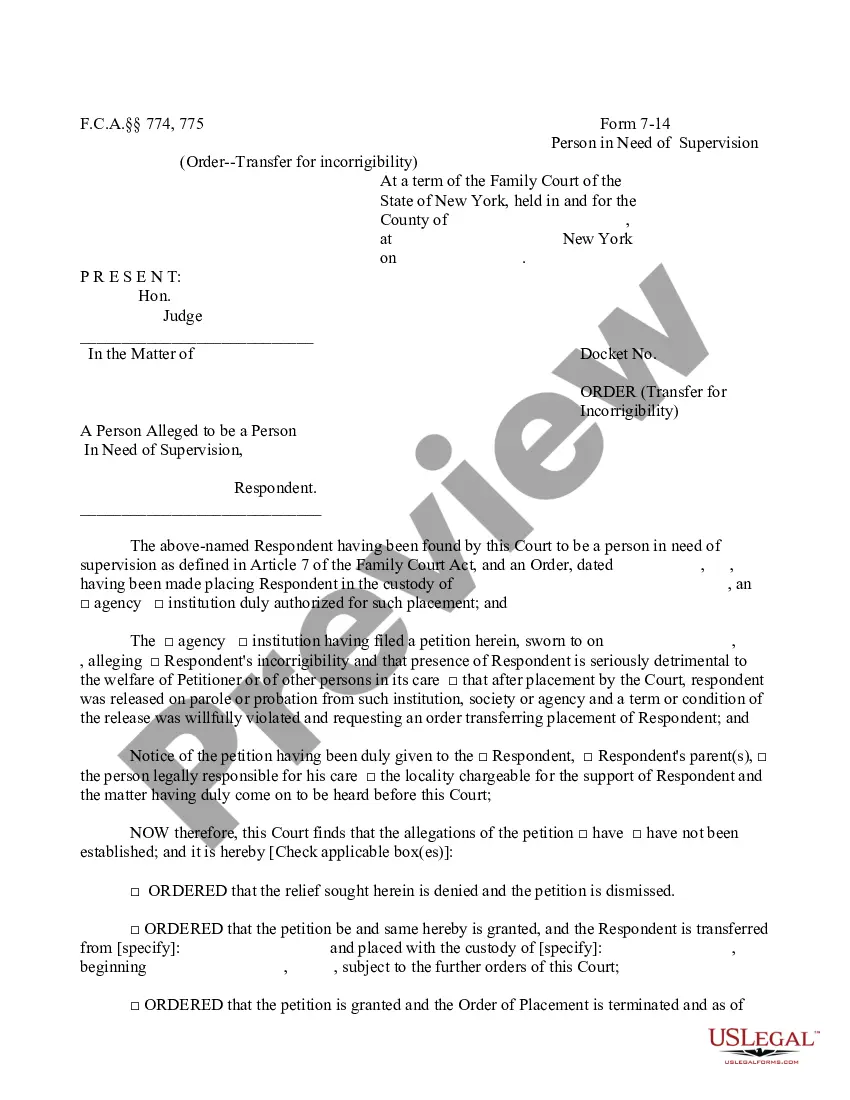
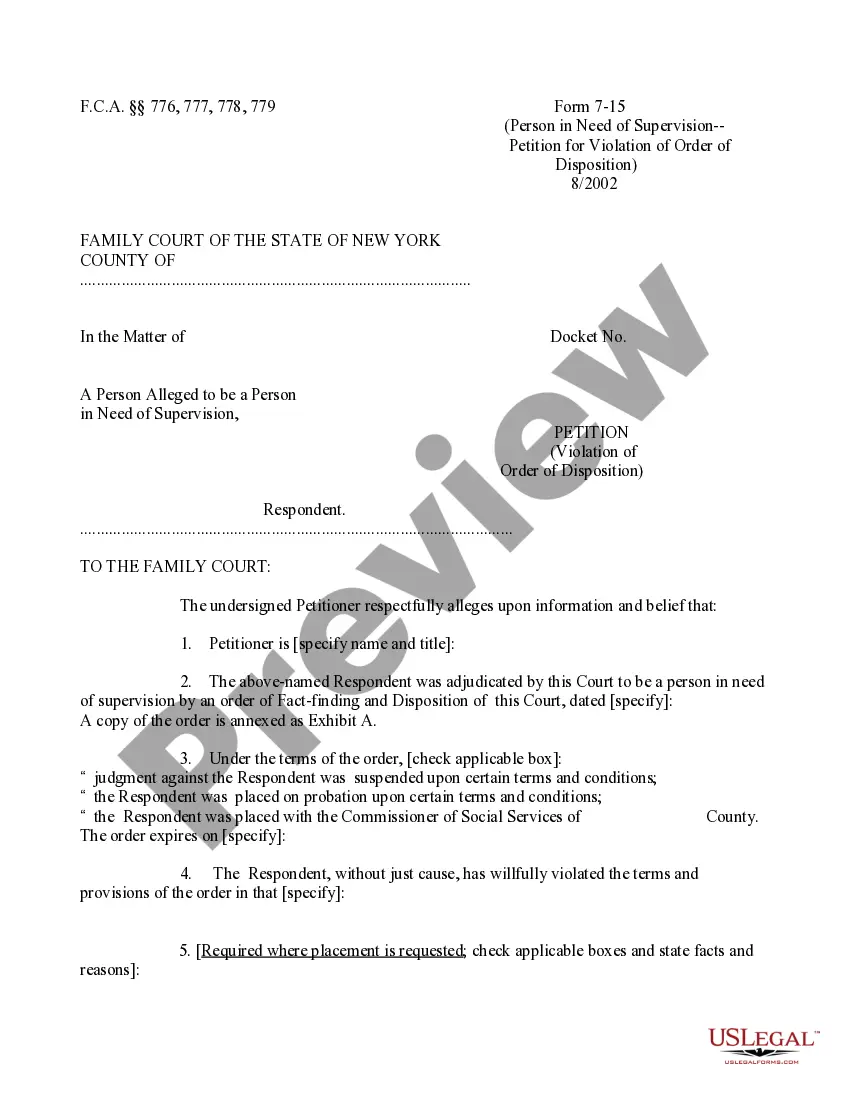
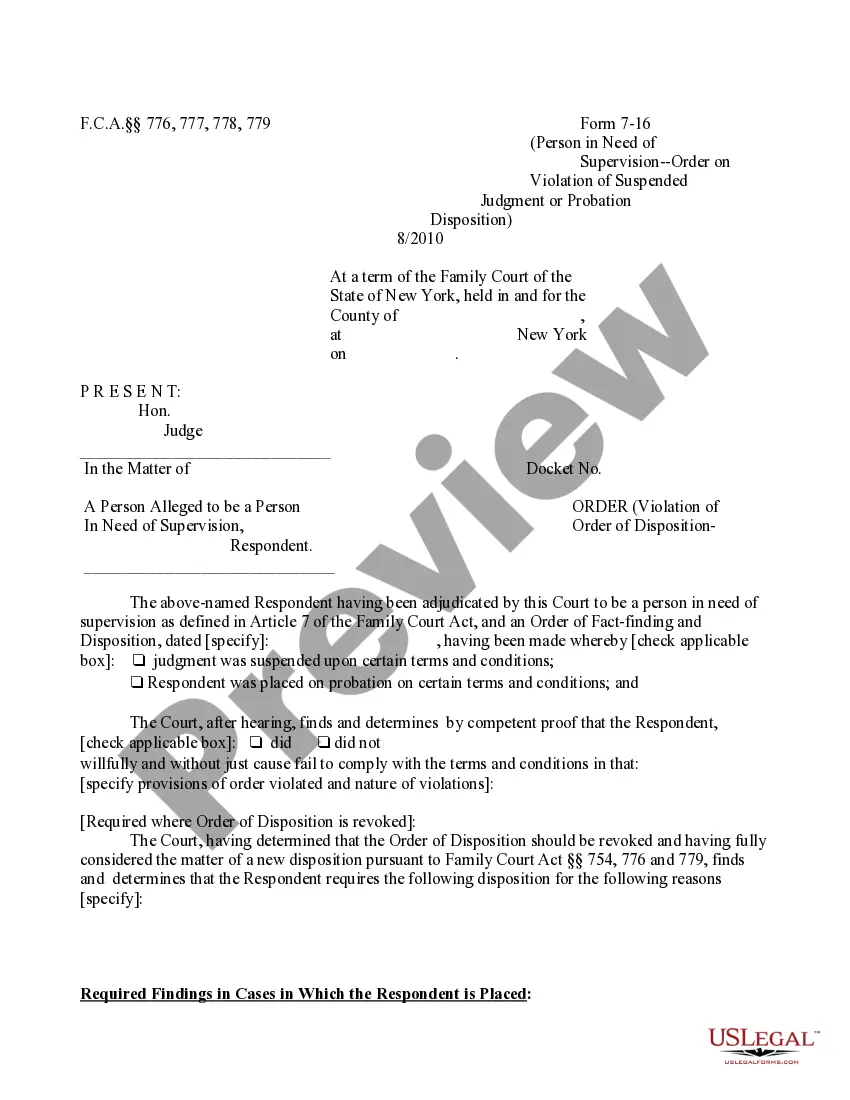
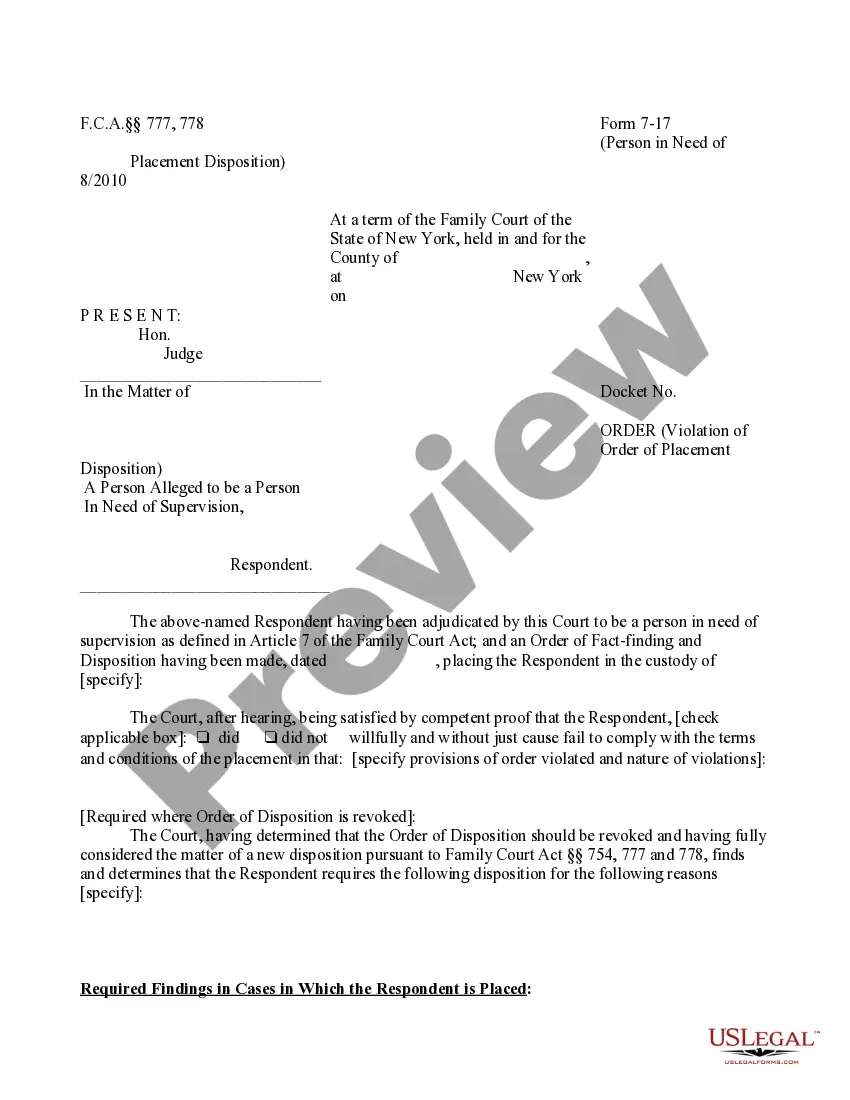

How to fill out 8.113 Determination Of Indian Status For Offenses Committed Within Indian Country (18 U.S.C. Sec. 1153)?
How much time and resources do you typically spend on drafting official documentation? There’s a greater option to get such forms than hiring legal specialists or wasting hours searching the web for a proper blank. US Legal Forms is the leading online library that provides professionally designed and verified state-specific legal documents for any purpose, such as the 8.113 Determination of Indian Status for Offenses Committed Within Indian Country (18 U.S.C. Sec. 1153).
To obtain and prepare an appropriate 8.113 Determination of Indian Status for Offenses Committed Within Indian Country (18 U.S.C. Sec. 1153) blank, adhere to these easy steps:
- Look through the form content to make sure it complies with your state requirements. To do so, check the form description or use the Preview option.
- If your legal template doesn’t satisfy your needs, find a different one using the search tab at the top of the page.
- If you are already registered with our service, log in and download the 8.113 Determination of Indian Status for Offenses Committed Within Indian Country (18 U.S.C. Sec. 1153). If not, proceed to the next steps.
- Click Buy now once you find the correct blank. Select the subscription plan that suits you best to access our library’s full opportunities.
- Sign up for an account and pay for your subscription. You can make a payment with your credit card or via PayPal - our service is totally secure for that.
- Download your 8.113 Determination of Indian Status for Offenses Committed Within Indian Country (18 U.S.C. Sec. 1153) on your device and complete it on a printed-out hard copy or electronically.
Another advantage of our service is that you can access previously acquired documents that you securely store in your profile in the My Forms tab. Get them anytime and re-complete your paperwork as often as you need.
Save time and effort preparing legal paperwork with US Legal Forms, one of the most reliable web services. Sign up for us now!
Form popularity
FAQ
Summary: Section 242 of Title 18 makes it a crime for a person acting under color of any law to willfully deprive a person of a right or privilege protected by the Constitution or laws of the United States.
Under 18 U.S.C. § 1153, federal courts have jurisdiction exclusive of the states over offenses enumerated in the section when committed by a tribal Indian against the person or property of another tribal Indian or other person in Indian country. United States v. John, 437 U.S. 634 (1978).
Under the Major Crimes Act (MCA) of 1885, major felonies such as murder, sexual abuse, and kidnapping, are typically investigated by the FBI and prosecuted by U.S. Attorneys if they are committed by Native Americans on tribal land.
Murder. Manslaughter. Kidnapping. Maiming. A felony under chapter 109A (i.e. sexual abuse) Incest. A felony assault under section 113 (e.g. assault with intent to commit murder or assault with a dangerous weapon) An assault against an individual who has not attained the age of 16 years.
The Major Crimes Act, 18 U.S.C. § 1153, was enacted in 1885. It provides federal criminal jurisdiction over certain enumerated crimes if the defendant is Indian. It has exclusive federal jurisdiction over certain enumerated crimes such as murder, assault resulting in serious bodily injury, most sexual offenses, etc.
18 U.S. Code 1153 says, ?(a) Any Indian who commits against the person or property of another Indian or another person any of the following offenses, namely, murder, manslaughter, kidnapping, maiming, a felony under chapter 109A, incest, a felony assault under section 113, an assault against an individual who has not