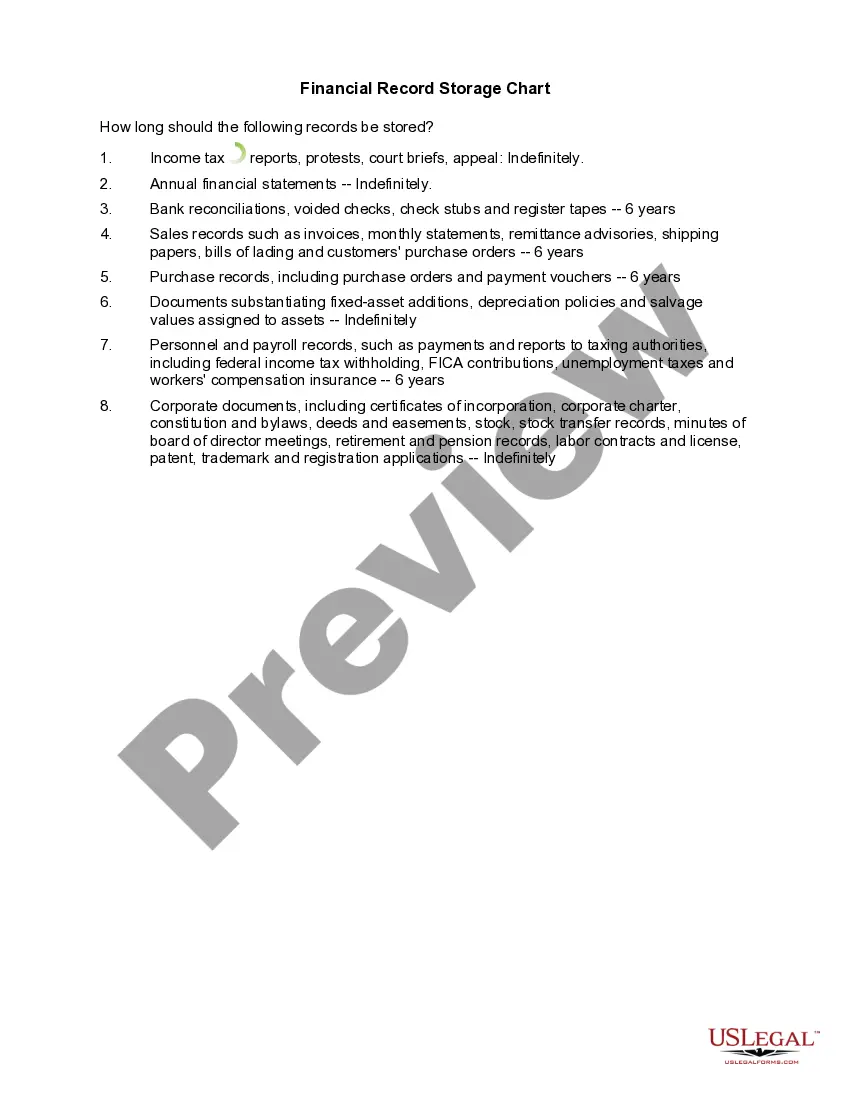
California Financial Record Storage Chart
Description
Get your form ready online
Our built-in tools help you complete, sign, share, and store your documents in one place.
Make edits, fill in missing information, and update formatting in US Legal Forms—just like you would in MS Word.
Download a copy, print it, send it by email, or mail it via USPS—whatever works best for your next step.
Sign and collect signatures with our SignNow integration. Send to multiple recipients, set reminders, and more. Go Premium to unlock E-Sign.
If this form requires notarization, complete it online through a secure video call—no need to meet a notary in person or wait for an appointment.
We protect your documents and personal data by following strict security and privacy standards.

Make edits, fill in missing information, and update formatting in US Legal Forms—just like you would in MS Word.

Download a copy, print it, send it by email, or mail it via USPS—whatever works best for your next step.

Sign and collect signatures with our SignNow integration. Send to multiple recipients, set reminders, and more. Go Premium to unlock E-Sign.

If this form requires notarization, complete it online through a secure video call—no need to meet a notary in person or wait for an appointment.

We protect your documents and personal data by following strict security and privacy standards.
Looking for another form?








How to fill out Financial Record Storage Chart?
US Legal Forms - among the largest collections of legal documents in the United States - offers a range of legal form templates for you to download or print.
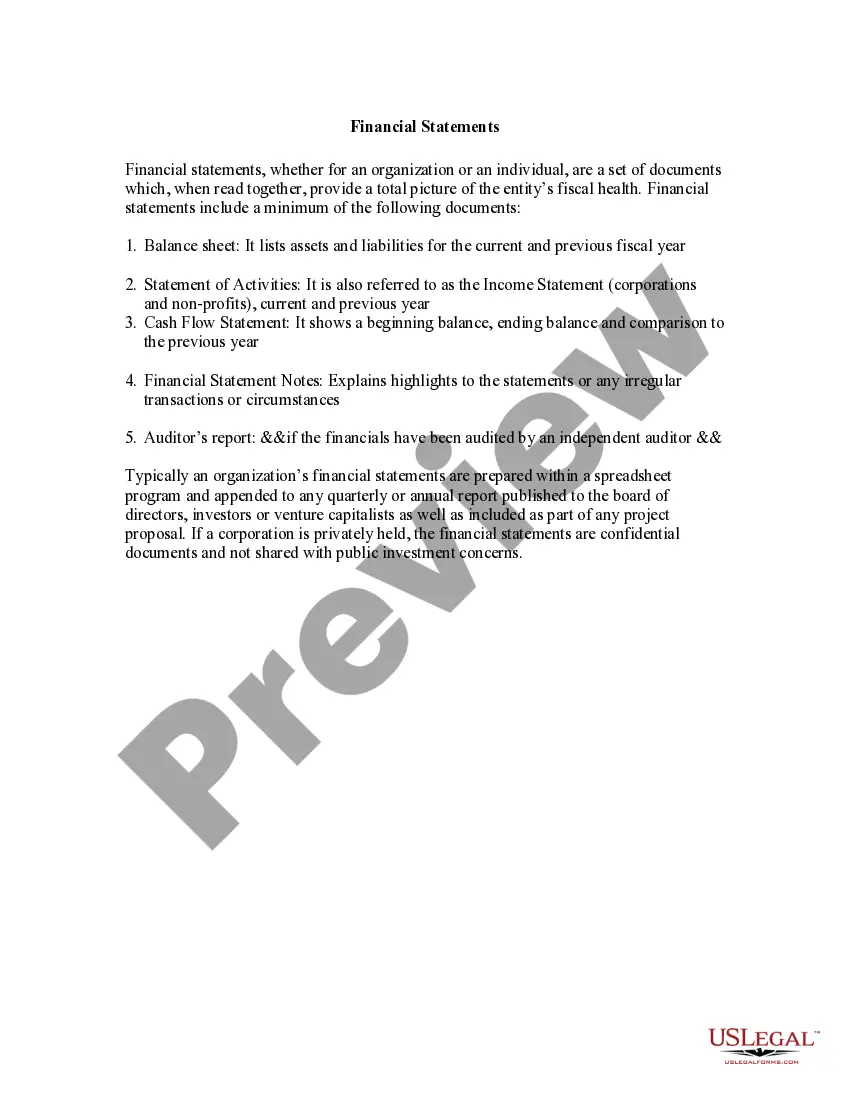
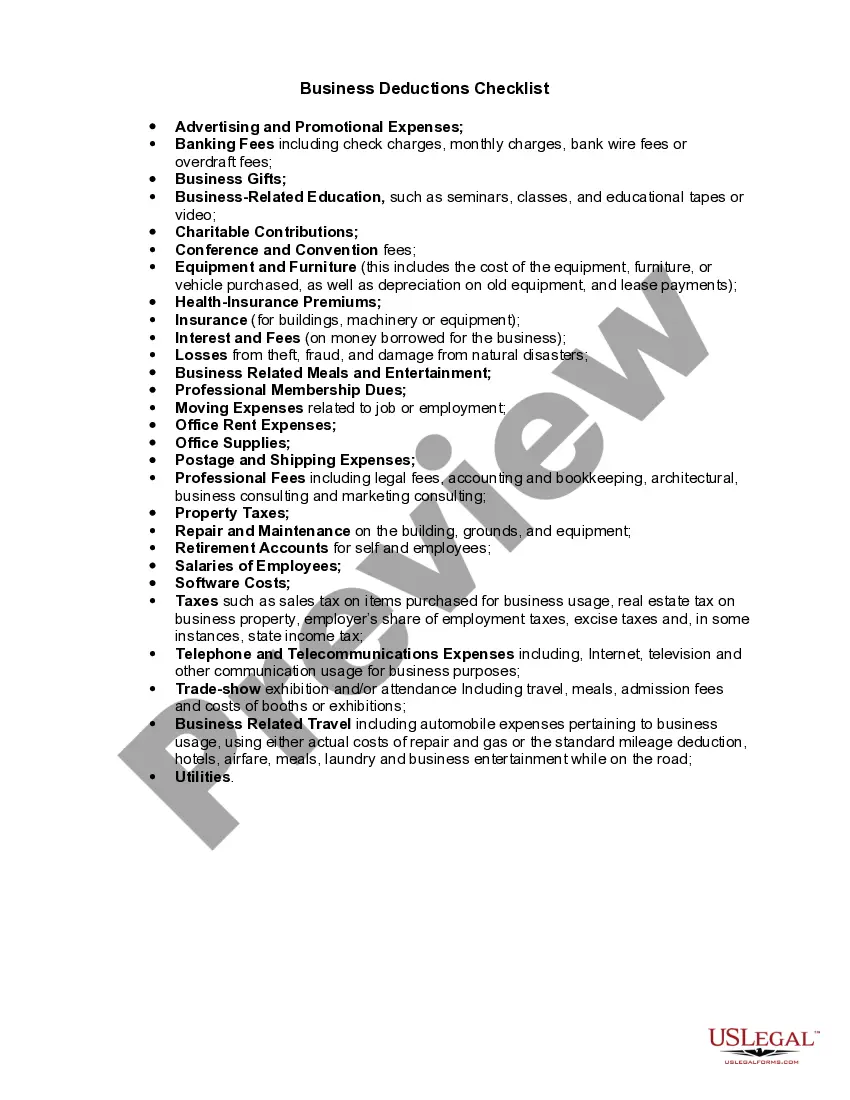
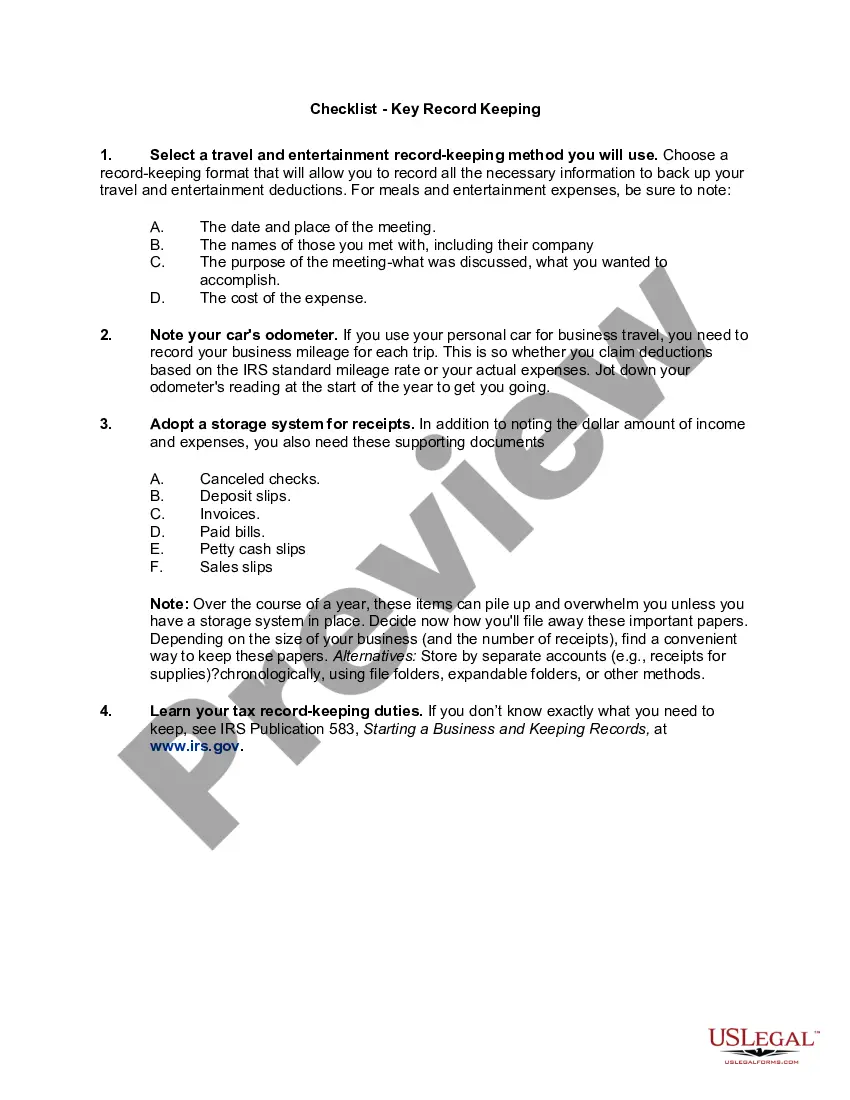
By utilizing the site, you can access thousands of forms for business and personal use, organized by categories, states, or keywords. You can obtain the latest versions of forms such as the California Financial Record Storage Chart within moments.
If you hold a membership, Log In and fetch the California Financial Record Storage Chart from the US Legal Forms library. The Download button will be visible on each form you view. You can reach all previously saved forms in the My documents section of the account.
Complete the transaction. Use a Visa or Mastercard or PayPal account to finalize the process.
Choose the format and download the form to your device. Make edits. Fill out, modify, and print and sign the saved California Financial Record Storage Chart. Every format added to your account does not expire and is yours indefinitely. So, if you wish to download or print another copy, simply navigate to the My documents section and click on the form you need. Access the California Financial Record Storage Chart with US Legal Forms, the most extensive collection of legal document templates. Utilize thousands of expert and state-specific templates that fulfill your business or personal needs and requirements.
- Ensure you have selected the appropriate form for your area/county.
- Click the Preview button to review the form's details.
- Examine the form description to confirm that you have chosen the correct form.
- If the form does not satisfy your requirements, utilize the Search field at the top of the display to find one that does.
- When you are content with the form, affirm your selection by clicking the Purchase now button.
- Next, select the pricing plan you prefer and provide your information to create an account.
Form popularity
FAQ
The GAAP (Generally Accepted Accounting Principles) record retention policy outlines how long accounting records should be kept to ensure accuracy and compliance. Typically, these guidelines recommend retaining records for a minimum of seven years, aligning with the 7 year retention rule discussed earlier. For clarity on your practices, refer to the California Financial Record Storage Chart, as it can provide insights into balancing GAAP requirements with state regulations.
In most organizations, the responsibility for storing financial records falls on designated personnel, usually within the finance or compliance departments. However, ultimately, it is the organization’s leadership that must ensure compliance with storage guidelines and policies. Utilizing the California Financial Record Storage Chart can aid in assigning tasks and responsibilities effectively.
The California Government Code provides specific guidelines regarding the retention of public records, detailing minimum time frames for various types of documents. These laws ensure that government bodies maintain transparency and accountability. For individuals and businesses, reviewing the California Financial Record Storage Chart can help ensure compliance with these codes in your record-keeping practices.
The first step in establishing a records retention program is conducting a thorough inventory of your existing records. Identify and categorize these records based on their function, relevance, and legal obligations, utilizing resources like the California Financial Record Storage Chart. This foundational understanding will guide you in creating an effective and compliant retention program.
To create an effective records retention schedule, begin by identifying the types of records your organization handles. Assess each category for relevance, legal requirements, and retention periods, specifically consulting the California Financial Record Storage Chart for guidance. Establish a routine review process to ensure your schedule remains updated as laws and business needs evolve.
Creating a record retention schedule involves determining which records to keep, the duration for storage, and when to dispose of them. Start by cataloging your documents, then match them to applicable laws and best practices, using the California Financial Record Storage Chart as a reference. Lastly, implement your schedule in your organization for effective management of records.
A good record retention policy clearly outlines how long you should retain different types of documents based on their importance and legal requirements. It promotes compliance and efficiency by minimizing clutter while ensuring essential records are accessible. When you reference the California Financial Record Storage Chart, you can develop a policy tailored to your specific needs and legal obligations.
The 7 year retention rule refers to the commonly accepted guideline for keeping financial records for seven years. This period is important because it aligns with the IRS's ability to audit tax returns from the last seven years. Adhering to this rule ensures that you have all necessary documents on hand for verification and compliance in accordance with the California Financial Record Storage Chart.
In California, the retention requirements for background checks typically mandate that records must be retained for a minimum of two years after the background check is completed. This aligns with the guidelines laid out in the California Financial Record Storage Chart, ensuring organizations manage their records properly. Adhering to these requirements not only fosters compliance but also enhances your organization's integrity. Utilizing US Legal Forms can assist you in managing these retention needs effectively.
Retention time for records in the California Financial Record Storage Chart primarily hinges on state regulations, the nature of the records, and organizational policies. Public and private entities often have specific guidelines that dictate how long various types of documents must be kept. Understanding these factors can help ensure compliance and protect vital information. By leveraging tools like US Legal Forms, you can easily navigate these requirements and streamline your record-keeping process.