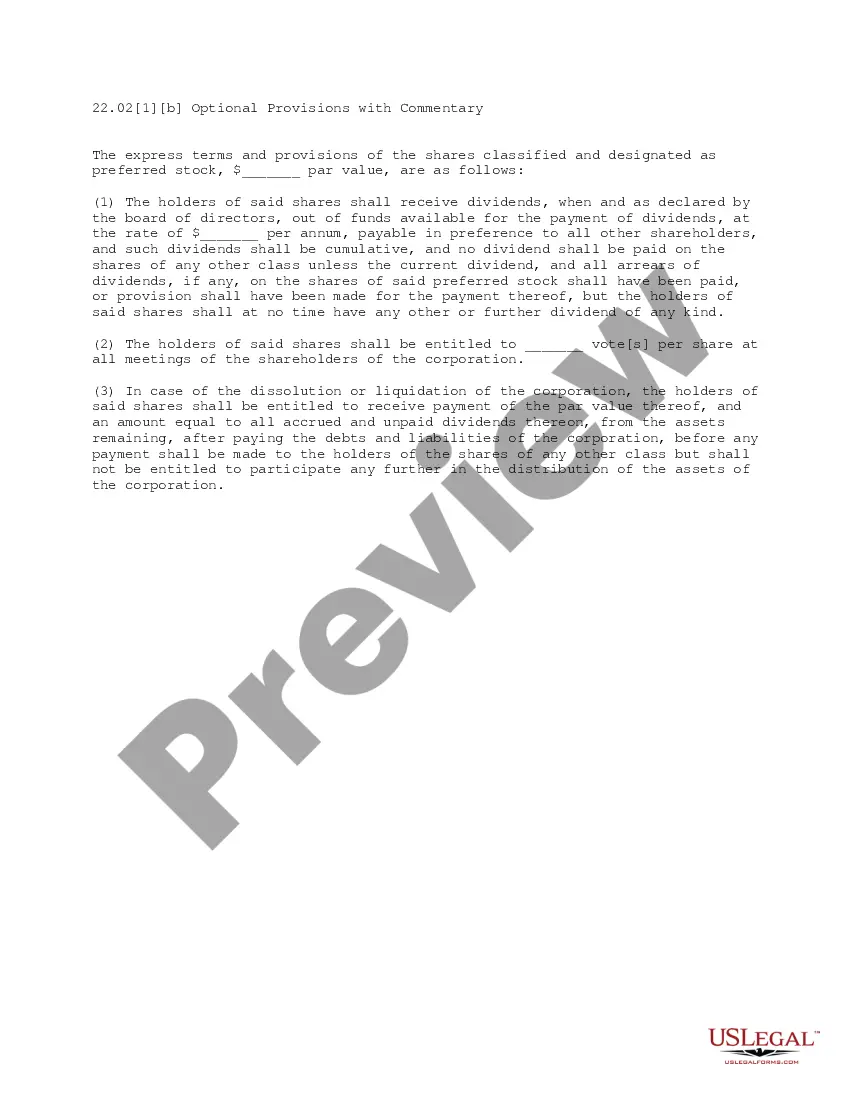
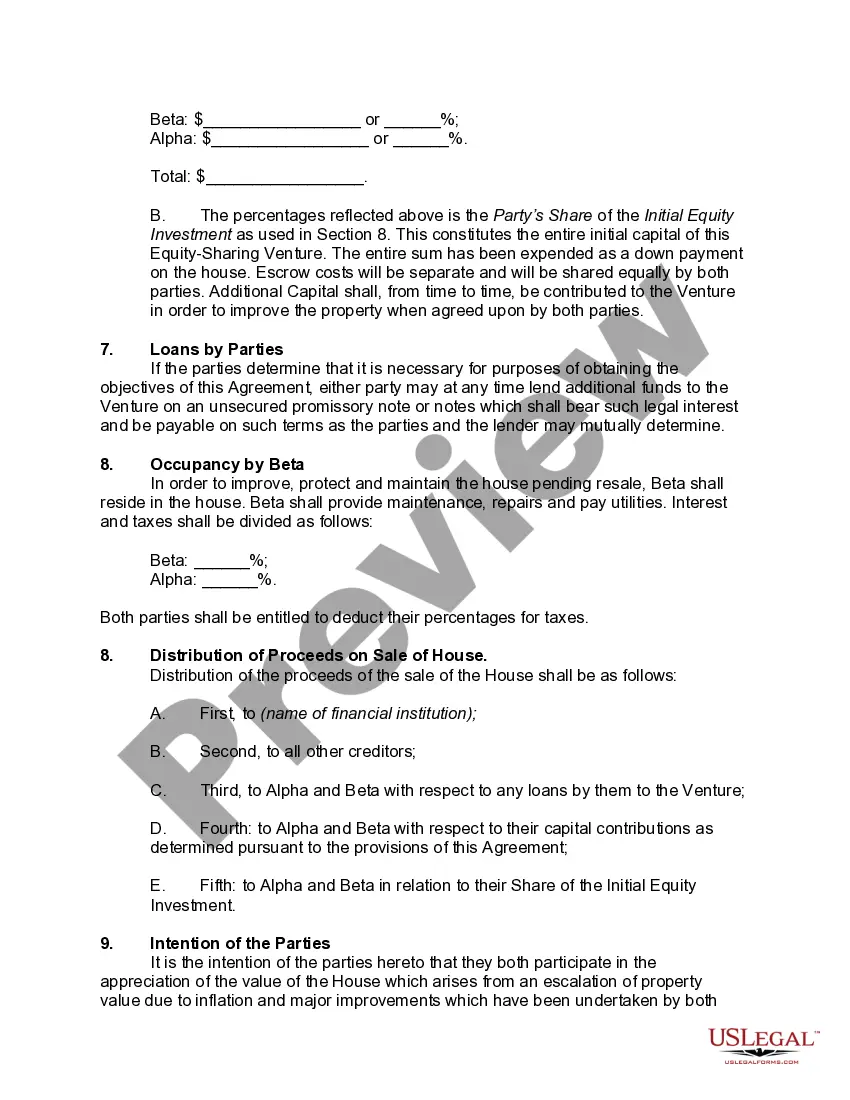
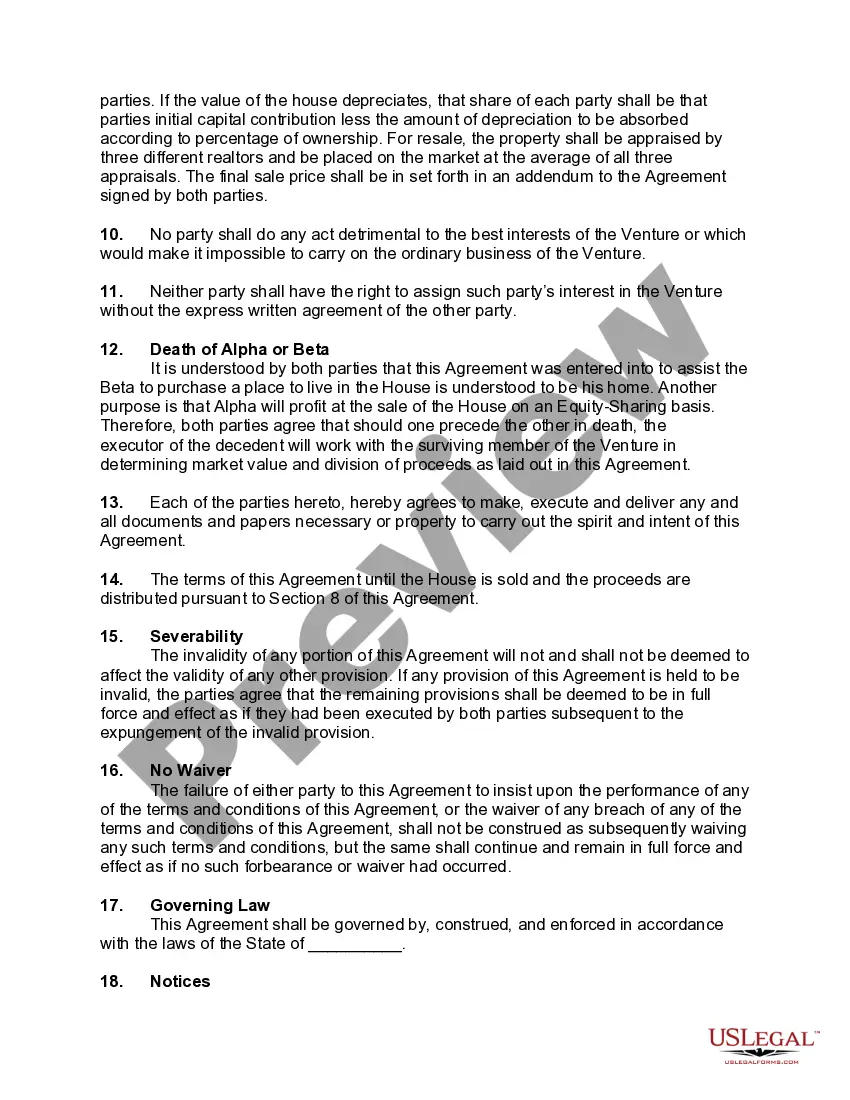
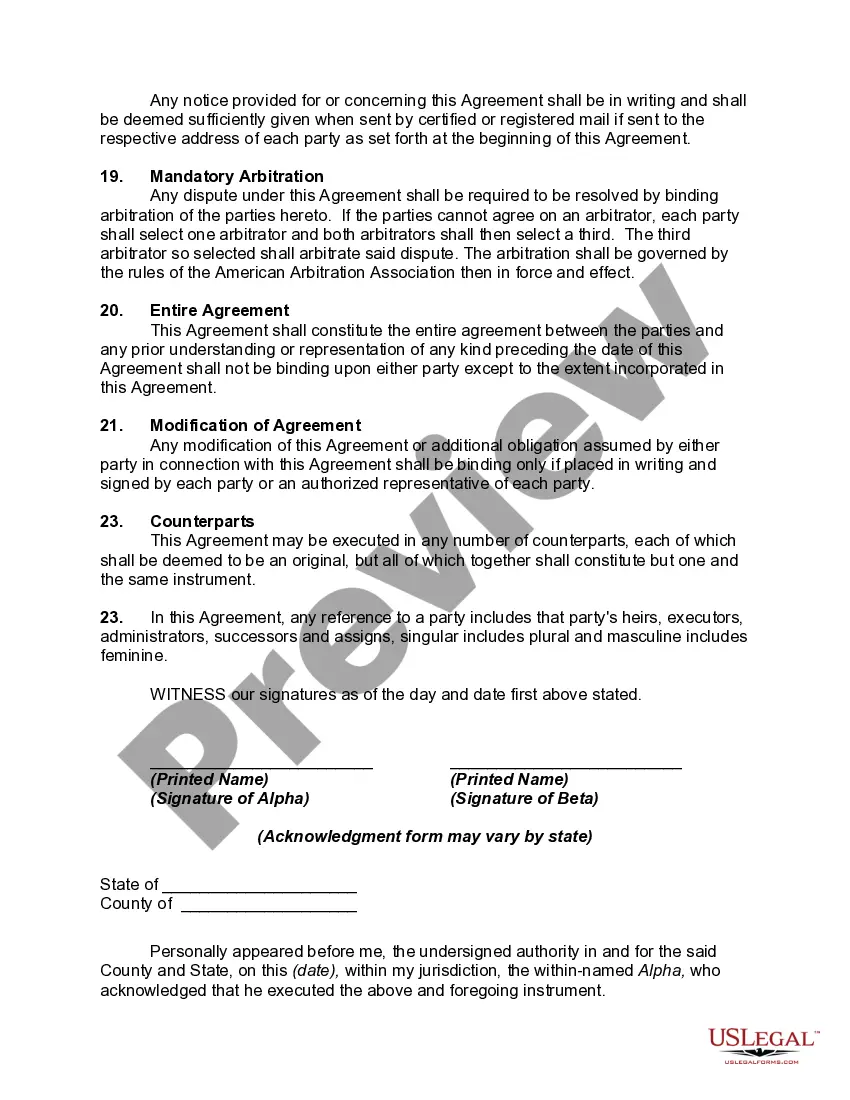
California Equity Share Agreement
Description

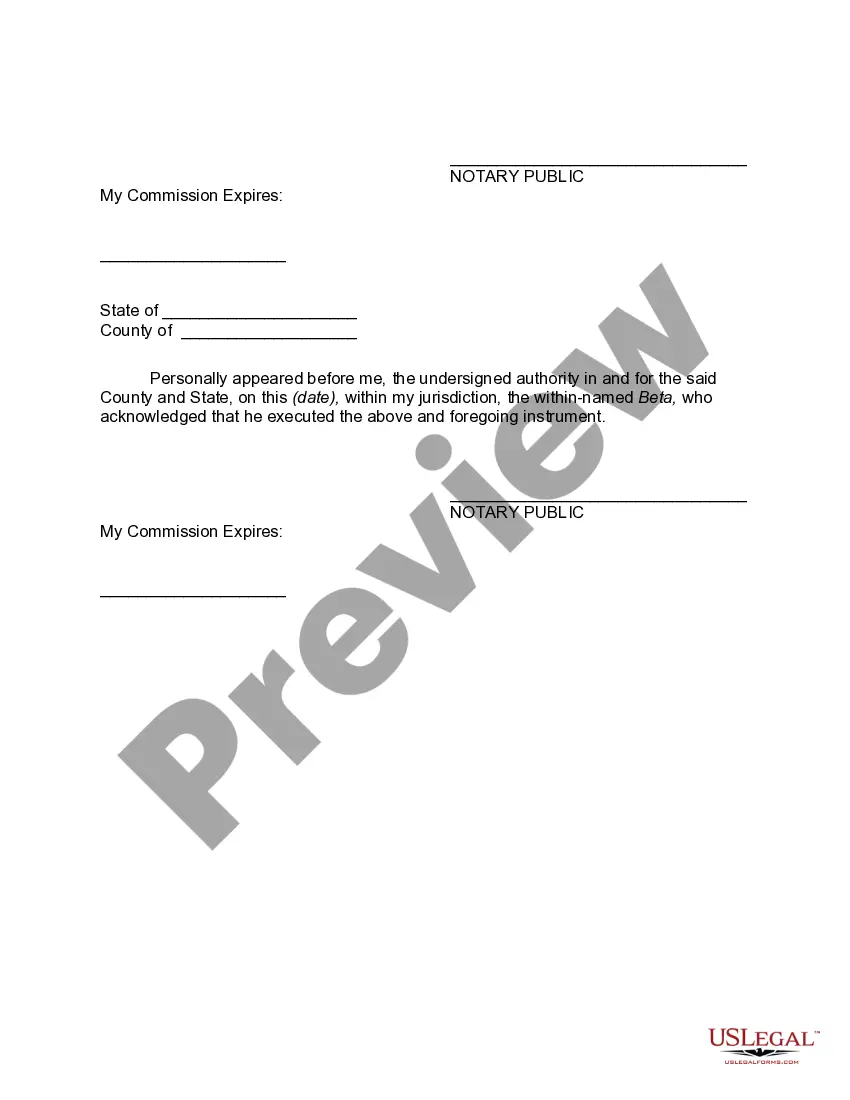

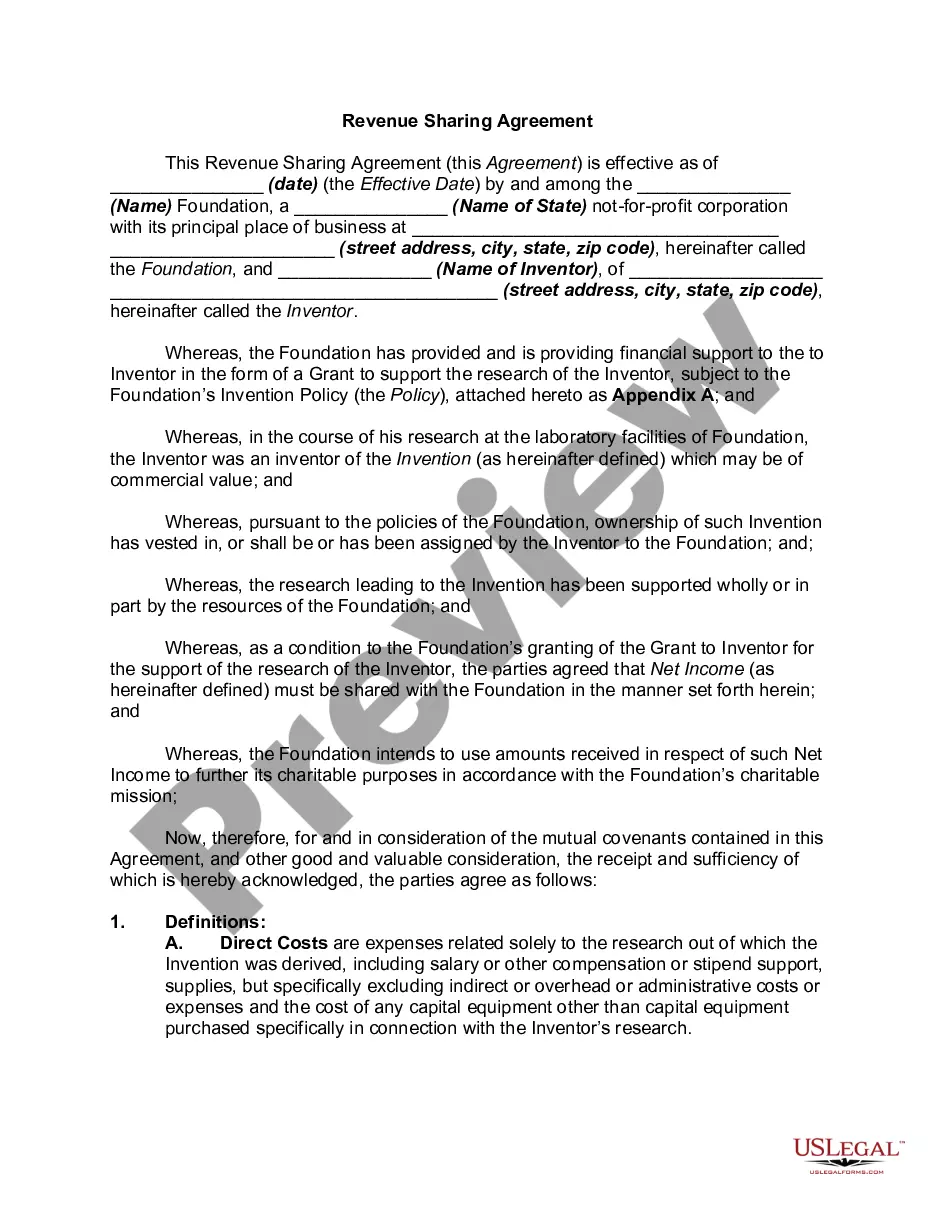
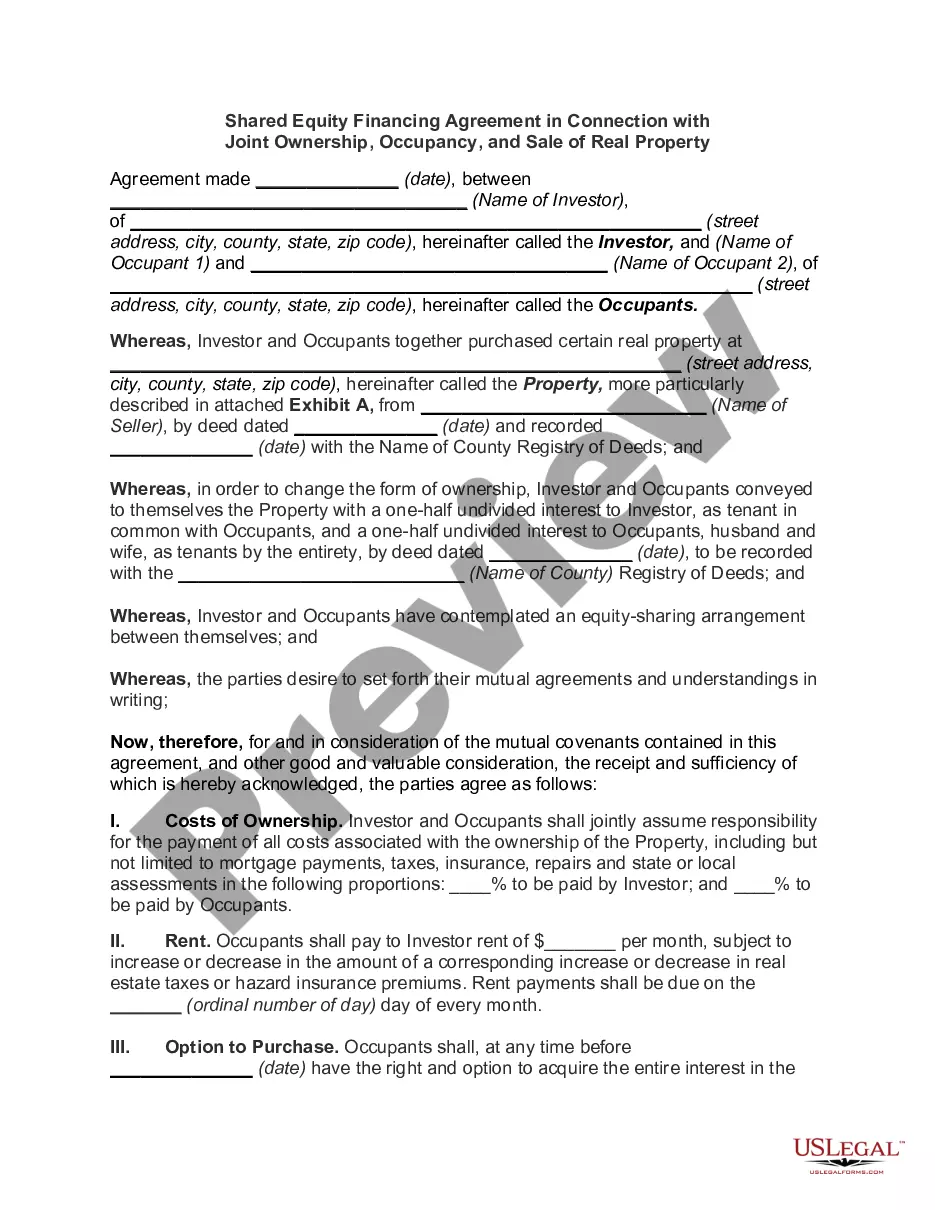
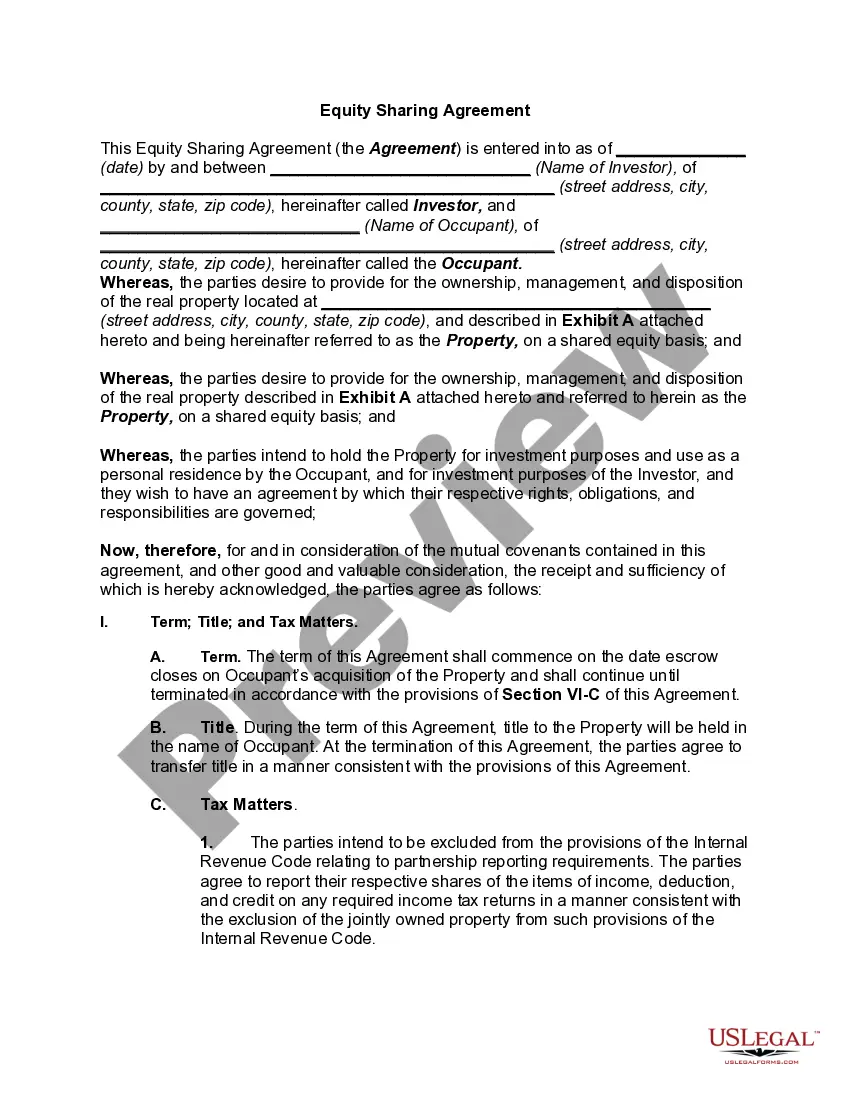
Get your form ready online
Our built-in tools help you complete, sign, share, and store your documents in one place.
Make edits, fill in missing information, and update formatting in US Legal Forms—just like you would in MS Word.
Download a copy, print it, send it by email, or mail it via USPS—whatever works best for your next step.
Sign and collect signatures with our SignNow integration. Send to multiple recipients, set reminders, and more. Go Premium to unlock E-Sign.
If this form requires notarization, complete it online through a secure video call—no need to meet a notary in person or wait for an appointment.
We protect your documents and personal data by following strict security and privacy standards.

Make edits, fill in missing information, and update formatting in US Legal Forms—just like you would in MS Word.

Download a copy, print it, send it by email, or mail it via USPS—whatever works best for your next step.

Sign and collect signatures with our SignNow integration. Send to multiple recipients, set reminders, and more. Go Premium to unlock E-Sign.

If this form requires notarization, complete it online through a secure video call—no need to meet a notary in person or wait for an appointment.

We protect your documents and personal data by following strict security and privacy standards.
Looking for another form?




How to fill out Equity Share Agreement?
You can spend numerous hours online searching for the legal document template that meets the federal and state requirements you need.
US Legal Forms offers a vast array of legal forms that have been reviewed by experts.
You can easily download or print the California Equity Share Agreement from my service.
If available, utilize the Review button to look through the document template as well.
- If you possess a US Legal Forms account, you may Log In and click the Download button.
- After that, you can fill out, modify, print, or sign the California Equity Share Agreement.
- Every legal document template you purchase is yours permanently.
- To retrieve another copy of a purchased form, visit the My documents tab and click the corresponding button.
- If you are using the US Legal Forms website for the first time, follow the simple instructions below.
- First, ensure that you have selected the correct document template for the county/city of your choice.
- Check the form description to confirm you have chosen the appropriate document.
Form popularity
FAQ
Typically, a credit score of 620 or higher is recommended when applying for a California Equity Share Agreement. However, some lenders may consider lower scores depending on other financial factors. Having a good credit score strengthens your application and may lead to better terms. Reviewing your credit report and addressing any issues can enhance your qualifying chances.
A California Equity Share Agreement can be a good idea if you're looking to access funds without the burden of monthly payments. It allows you to share home equity while receiving necessary capital for other investments. However, it's important to understand the terms and how the arrangement fits into your overall financial strategy. Consulting a legal expert or using US Legal Forms can provide clarity on your decision.
Whether a California Equity Share Agreement is better than a Home Equity Line of Credit (HELOC) depends on your financial needs. An HEA allows you to share equity directly with investors, while a HELOC provides credit based on equity but may involve monthly payments. If you prefer to avoid immediate repayment pressure, an HEA could be a more suitable choice. Consider your long-term financial strategy when making this decision.
To get a Housing Equity Investment (HEI), consider consulting a financial advisor or using platforms like US Legal Forms for comprehensive guidance. They provide resources to help you understand the requirements for a California Equity Share Agreement. By following the process and being prepared, you can secure an investment that matches your financial goals. It's vital to conduct thorough research to understand your options.
You qualify for a California Equity Share Agreement by showing proof of income, maintaining a manageable debt-to-income ratio, and potentially having a stable credit score. Each lender has unique criteria, so reviewing these beforehand is crucial. Meeting the eligibility criteria increases your chances of receiving favorable terms. Researching and preparing your documents will streamline this process.
Qualifying for a California Equity Share Agreement involves demonstrating consistent income and meeting specific debt-to-income ratios. Lenders want to see your financial stability and ability to manage shared costs. By preparing your financial documents and understanding your credit profile, you’ll improve your chances of securing an agreement. Having a solid plan helps in presenting your case to potential investors.
To enter into a California Equity Share Agreement, a common threshold is around 10% equity in your property. However, some programs may accept lower percentages based on your specific financial situation. It's essential to evaluate your equity position to strengthen your application. Assessing your equity helps in determining your eligibility for various funding options.
One downside of a California Equity Share Agreement is that you may give up a portion of your future home appreciation. While this can provide immediate financial relief, it is crucial to weigh the long-term implications. Understanding all terms and conditions is essential, and platforms like USLegalForms can guide you through this process.
Typically, HEAs do not have strict minimum credit score requirements compared to traditional loans. This feature makes California Equity Share Agreements accessible to a wider audience. Always check with different providers, as terms can vary based on individual circumstances.
Using home equity to consolidate debt can be a strategic move if managed wisely. A California Equity Share Agreement can help you convert high-interest debt into a more manageable payment. However, be sure to consider the risks, such as the potential loss of equity in your home.